
You might be wondering why so many people turn to chiropractors for greater flexibility. These professionals specialize in spinal alignment and musculoskeletal health, employing various techniques to help alleviate discomfort and improve mobility. Their tailored approaches not only target pain relief but also promote a holistic sense of well-being. As more individuals experience the benefits firsthand, it raises questions about the effectiveness of these treatments. What specific techniques do chiropractors use, and how do they connect to enhanced flexibility? The answers might surprise you.
Understanding Chiropractic Care
Understanding chiropractic care starts with recognizing its focus on the body's musculoskeletal system, particularly the spine. Chiropractors are trained to assess and manipulate the spine to guarantee that it functions at its best, which can notably affect your overall health.
When you visit a chiropractor, they'll conduct a thorough evaluation, including a physical examination and possibly imaging studies, to pinpoint any misalignments or dysfunctions in your spine and joints.
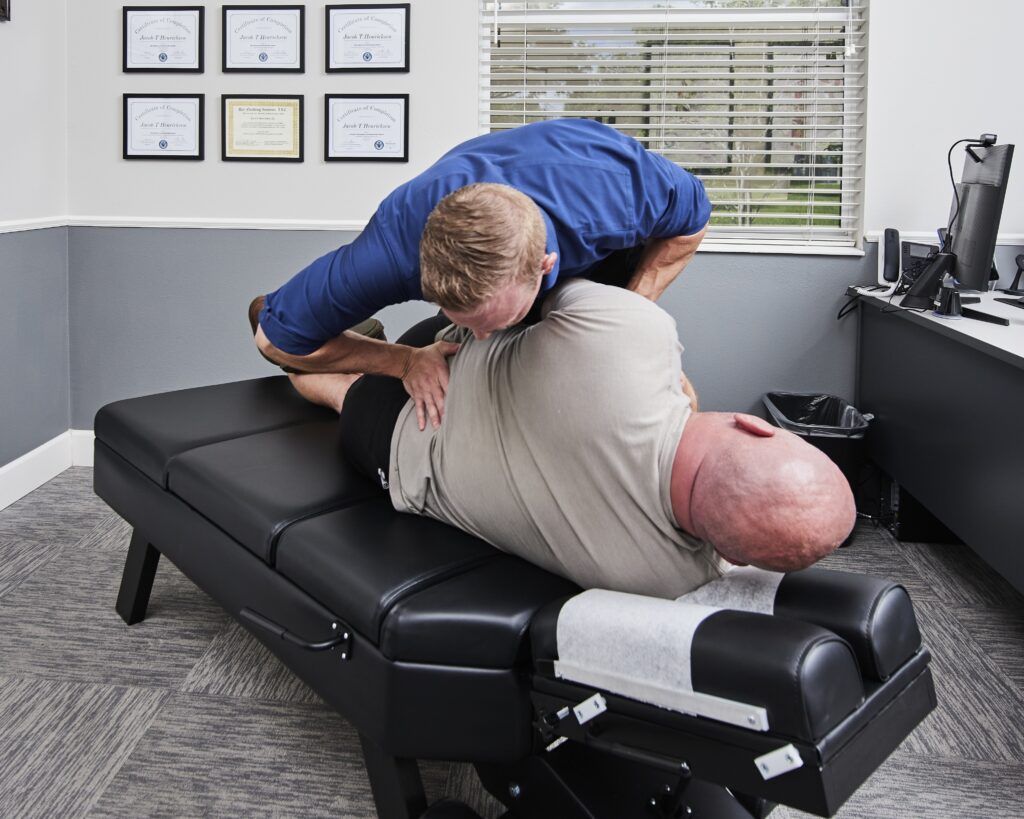
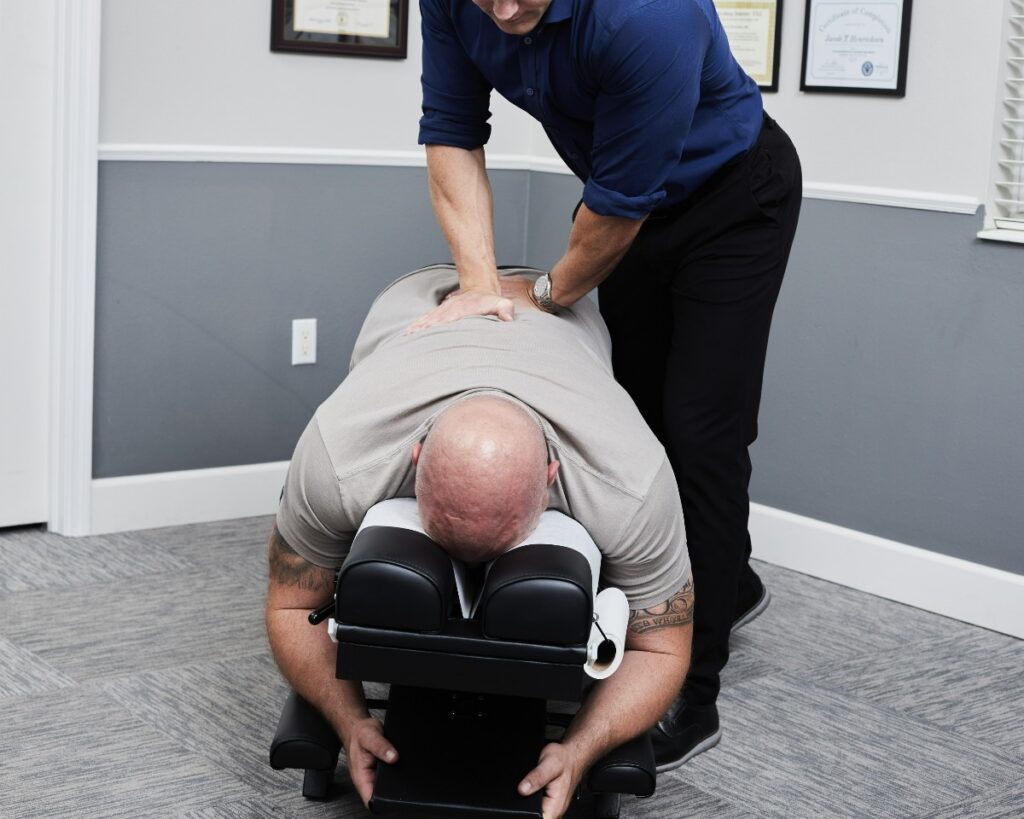
Once they identify the issues, they develop a tailored treatment plan aimed at restoring proper alignment and function. This often involves spinal adjustments, which are manual manipulations designed to realign the vertebrae and improve mobility. By addressing the root cause of your discomfort, chiropractors help to alleviate pain and enhance your body's natural healing capabilities.
Chiropractic care isn't just about treating pain; it's also about promoting wellness. You'll learn how your posture, movement patterns, and lifestyle choices can impact your musculoskeletal health. Your chiropractor might provide you with exercises and stretches to strengthen your muscles and improve your flexibility over time.
Being proactive about your spine health can lead to improved function and a better quality of life. By understanding the principles of chiropractic care, you empower yourself to make informed decisions about your health.
Benefits of Enhanced Flexibility
Enhanced flexibility offers numerous benefits that can greatly improve your overall well-being. When you gain flexibility, you not only enhance your physical performance but also reduce the risk of injuries. Activities you once found challenging, like bending down to tie your shoes or reaching for items on a high shelf, become easier and more comfortable. This newfound ease can boost your confidence in daily activities.
Moreover, increased flexibility can lead to better posture and alignment. Poor posture often results in discomfort and pain, especially in the back and neck. By improving your flexibility, you can alleviate some of that tension, making it easier to maintain proper posture throughout the day. This can appreciably enhance your overall comfort and productivity.
Enhanced flexibility also plays an essential role in stress relief. When your body is more relaxed and limber, it reduces muscle tension and promotes a sense of calm. This can lead to better mental health, allowing you to manage stress more effectively. Additionally, it can improve your range of motion, making workouts more enjoyable and efficient.
As you become more flexible, you may notice improvements in your athletic performance, whether you're running, swimming, or participating in team sports. The ability to move freely can enhance your agility and endurance, giving you an edge in your chosen activity.
Techniques Used by Chiropractors
Chiropractors use a variety of techniques to help improve your flexibility and overall well-being.
You'll find manual adjustments, soft tissue therapies, and rehabilitation exercises are key components of their approach.
Understanding these methods can empower you to make informed decisions about your care.
Manual Adjustments Explained
How do manual adjustments work to improve your flexibility and alleviate discomfort? Chiropractors use specific techniques to manipulate your spine and joints, aiming to restore proper alignment and function.
When your body's alignment is off, it can lead to stiffness and restricted movement. By applying targeted pressure to misaligned areas, chiropractors help release tension and improve your range of motion.
One common technique is the High-Velocity Low-Amplitude (HVLA) thrust. This method involves a quick, controlled movement that creates a popping sound as gas bubbles in the joint fluid release. This not only enhances mobility but also stimulates the nervous system, promoting better communication between your brain and body.
Another technique is the Activator Method, which employs a handheld device to deliver gentle impulses to specific points on your spine. This approach is particularly beneficial for those who prefer a less forceful adjustment.
Soft Tissue Therapies
Soft tissue therapies are often integrated into chiropractic care to complement manual adjustments and enhance overall treatment outcomes. These techniques focus on relieving tension and pain in the muscles, tendons, and ligaments surrounding your joints. You might experience various methods, including massage, myofascial release, and trigger point therapy, all designed to improve your flexibility and range of motion.
When you receive soft tissue therapy, your chiropractor works to identify areas of tightness or dysfunction in your soft tissues. By applying targeted pressure and manipulation, they help release knots and alleviate discomfort. This not only promotes relaxation but also aids in the healing process, allowing your body to recover more efficiently.
You'll likely notice that incorporating these therapies into your routine can greatly enhance your overall experience. With increased blood flow and reduced muscle tension, you may find it easier to perform daily activities and engage in exercise.
Plus, soft tissue therapies can help prevent future injuries by maintaining the health of your muscles and connective tissues. So, if you're looking to boost your flexibility and support your chiropractic care, soft tissue therapies can be a valuable addition to your treatment plan.
Rehabilitation Exercises Overview
Rehabilitation exercises play an essential role in chiropractic care, helping you regain strength, flexibility, and stability after injury or surgery. These exercises are designed to complement the adjustments you receive, ensuring that your body heals correctly and efficiently. Chiropractors often tailor a specific program to meet your individual needs, focusing on areas that require the most attention.
You'll typically engage in a variety of movements, including stretching and strengthening exercises. Stretching helps improve your range of motion and alleviate tightness, while strengthening exercises build the muscles that support your spine and joints.
Your chiropractor may also incorporate balance and stability training to enhance your overall coordination and reduce the risk of future injuries.
Incorporating these exercises into your routine can greatly accelerate your recovery process. You'll notice improvements in your flexibility and mobility, allowing you to return to your daily activities with confidence.
Consistency is key, so be sure to follow your chiropractor's recommendations and practice the exercises regularly. This proactive approach not only aids in your current rehabilitation but also promotes long-term wellness and injury prevention.
The Connection Between Alignment and Flexibility
Proper alignment plays an essential role in enhancing flexibility, as misalignments can impede your body's natural range of motion.
When your spine and joints are aligned correctly, you're better equipped to move freely and efficiently. Misalignments, on the other hand, can create tension, stiffness, and discomfort, which limits your ability to stretch and perform movements that require flexibility.
Imagine your body as a finely tuned instrument. When everything is in harmony, you can achieve amazing things.
Here are three key benefits of proper alignment that contribute to improved flexibility:
- Reduced Muscle Tension: When your spine is aligned, it reduces the strain on your muscles. Less tension means your muscles can relax, allowing for a greater range of motion during stretches and exercises.
- Enhanced Joint Function: Proper alignment guarantees that your joints are functioning at their best. When joints are in their correct positions, they can move smoothly, reducing wear and tear, which ultimately enhances flexibility.
- Improved Posture: Good alignment fosters better posture, which is vital for flexibility. An upright posture allows your muscles to work efficiently and engage fully during activities, making it easier for you to stretch and move.
Scientific Evidence Supporting Chiropractic Care
The effectiveness of chiropractic care is backed by a growing body of scientific evidence, illustrating its benefits for various musculoskeletal issues and overall health. Numerous studies have shown that chiropractic adjustments can greatly reduce pain and improve function in individuals with back pain, neck pain, and headaches. For instance, research published in prominent journals highlights how spinal manipulation can lead to noticeable improvements in pain relief and mobility.
You might be surprised to learn that chiropractic care isn't limited to just pain relief. Evidence suggests that regular chiropractic visits can enhance your overall well-being. A study published in the Journal of Manipulative and Physiological Therapeutics found that individuals who received chiropractic care reported higher levels of energy and improved quality of life. This indicates that chiropractic adjustments may positively influence not just physical health but emotional well-being as well.
Moreover, a systematic review in the Cochrane Library examined the effectiveness of spinal manipulation for various conditions and concluded that it can be beneficial for acute lower back pain. This points out that chiropractic care can be a viable option for many seeking relief without resorting to medication or invasive procedures.
As you consider chiropractic care, it's important to look at the science supporting these practices. It's clear that research continues to reveal the positive impact chiropractic adjustments can have, making them a credible option for those seeking greater flexibility and enhanced overall health.
Real-Life Success Stories
Many people have experienced remarkable transformations through chiropractic care, showcasing its potential beyond just pain relief. You might be surprised to hear about individuals who've found not only relief from discomfort but also enhanced flexibility and overall wellness.
Here are three inspiring success stories that highlight the benefits:
1. Emily's Journey: After struggling with tight muscles and limited range of motion, Emily decided to try chiropractic adjustments. Within weeks, she noticed her flexibility improving, allowing her to enjoy yoga classes again.
Her passion for fitness was reignited, and she now feels more energetic than ever.
2. Mark's Transformation: A former athlete, Mark faced recurring stiffness and pain that kept him sidelined from his favorite activities. Chiropractic care helped release tension in his body, and he regained the flexibility that had eluded him for years.
Today, he's back on the field, playing sports with friends and feeling like himself again.
3. Sara's Relief: Sara suffered from chronic back pain that limited her daily activities. After a series of chiropractic sessions, she not only found relief but also improved her posture and flexibility.
Now, she can enjoy long walks and play with her kids without discomfort.
These real-life stories show how chiropractic care can lead to profound changes. If you're seeking greater flexibility and overall wellness, consider exploring this holistic approach.
You might just discover the transformation you've been longing for.
Chiropractic Care for Athletes
Chiropractic care isn't just for those seeking relief from discomfort; it plays a significant role in enhancing athletic performance. If you're an athlete, you know how essential it's to maintain peak physical condition. Regular visits to a chiropractor can help improve your body's mechanics, allowing you to perform at your best.
When you engage in sports, your body endures stress and strain that can misalign your spine and joints. These misalignments can lead to decreased range of motion, reduced flexibility, and increased risk of injury. A chiropractor can identify and correct these issues, improving your overall function. By realigning your spine and joints, you'll often experience enhanced mobility, enabling you to execute movements more efficiently.
Moreover, chiropractic care promotes faster recovery after intense training sessions or competitions. It helps reduce inflammation, improve circulation, and alleviate muscle tension, allowing you to bounce back quicker. You'll find that consistent adjustments can also help maintain your body in its ideal state, which is essential for sustaining a rigorous training schedule.
Many professional athletes, from football players to marathon runners, actively seek chiropractic care to keep their bodies performing at peak levels. They understand that a healthy spine is key to powerful performance and injury prevention.
Common Misconceptions About Chiropractors
Misunderstandings about chiropractors often cloud people's perception of their services. You might think that chiropractors merely crack backs or that their treatments are only for chronic pain. However, these notions barely scratch the surface of what chiropractic care truly offers.
Here are three common misconceptions:
- Chiropractors Aren't Real Doctors: Many believe that chiropractors don't hold valid medical credentials. In reality, they complete extensive education, including a Doctor of Chiropractic degree and clinical training, before they can practice.
- Chiropractic Care is Only for Pain Relief: While pain management is a significant aspect of chiropractic care, it isn't the only one. Chiropractors focus on enhancing overall wellness, improving flexibility, and promoting better posture. They often incorporate lifestyle advice and exercise recommendations into their treatments.
- Treatments are Unsafe: Some fear that chiropractic adjustments are too risky. In truth, when performed by a licensed professional, chiropractic care is generally safe. Chiropractors are trained to assess your health condition and tailor their approach to minimize risks.
How to Choose the Right Chiropractor
When choosing the right chiropractor, it's essential to take into account their credentials and experience.
Look for someone who's the proper qualifications and a solid track record in treatment.
Additionally, explore the treatment approaches they offer to guarantee they align with your needs.
Credentials and Experience
Choosing the right chiropractor involves evaluating their credentials and experience to ascertain you receive quality care. You want someone who's not only knowledgeable but also skilled in their practice. Here are three key factors to reflect on:
- Education: Verify your chiropractor has a degree from an accredited chiropractic college. This education provides them with a solid foundation in anatomy, physiology, and chiropractic techniques.
- Licensing: Confirm that your chiropractor holds a valid state license. This affirms they've met the necessary requirements and adhere to professional standards. You can often check this through your state's chiropractic board.
- Experience: Look for a chiropractor who's a significant amount of experience, especially with the specific issues you're facing. A seasoned professional will have dealt with various cases and can tailor their approach to suit your needs.
Treatment Approaches Offered
Exploring the treatment approaches offered by chiropractors can markedly influence your decision in selecting the right one for your needs. Different chiropractors specialize in various methods, so understanding these can help you find the best fit.
Some chiropractors focus on traditional spinal manipulations, which aim to restore alignment and improve function. Others may employ techniques like Active Release Technique (ART) or Graston Method, which target soft tissue injuries.
If you're dealing with specific issues such as sports injuries or chronic pain, look for a chiropractor skilled in those areas.
You might also consider what supplementary treatments they provide, such as physical therapy, nutritional counseling, or exercise recommendations. This holistic approach can enhance your overall well-being and flexibility.
Don't forget to ask about the chiropractor's approach to patient care. Do they prioritize patient education? Are they open to discussing your treatment plan? These factors can greatly impact your experience.
In the end, take the time to research and consult with potential chiropractors. By understanding their treatment approaches, you can make an informed choice that aligns with your health goals.
Conclusion
To sum up, trusting chiropractors for greater flexibility can lead to significant improvements in your overall well-being. With their expertise in spinal alignment and personalized treatment plans, you can experience reduced pain and enhanced joint mobility. By understanding the techniques they use and the science behind their methods, you can feel confident in your decision. So, whether you're an athlete or just looking to feel better, consider chiropractic care for a transformative approach to your health.