
If you’ve recently been in a car accident or experienced a sudden jolt to the neck, you may be wondering how long it will take to feel like yourself again. Whiplash recovery is one of the most common concerns we hear about at Crystal Grove Chiropractic in Lutz, FL — and for good reason. The uncertainty of not knowing how long pain will last can be just as stressful as the injury itself. The good news is that most people do recover, and understanding the recovery timeline for whiplash can help you feel more in control of your healing journey.
What is whiplash? Whiplash is a neck injury caused by a rapid, forceful back-and-forth movement of the head — similar to the cracking of a whip. It most commonly occurs during rear-end car accidents, but can also result from sports collisions, falls, or other sudden impacts. The injury affects the muscles, ligaments, joints, and nerves of the cervical spine (your neck), and recovery can vary widely from person to person.
- What Happens to Your Neck During a Whiplash Injury
- The Phases of Whiplash Recovery
- Factors That Affect Your Healing Timeline
- How Chiropractic Care Supports Whiplash Recovery
- Practical Tips to Support Your Recovery at Home
- When to See a Chiropractor After a Whiplash Injury
- Myths vs. Facts About Whiplash Recovery
What Happens to Your Neck During a Whiplash Injury
To understand recovery, it helps to understand what actually happens during a whiplash event. When your head is suddenly snapped forward and backward, the cervical spine is forced through a range of motion far beyond what it was designed to handle in that fraction of a second. The joints of the neck, known as facet joints, can become compressed or strained. The surrounding muscles and ligaments get overstretched, and in some cases, spinal alignment can be disrupted.
What makes whiplash particularly tricky is that symptoms don’t always appear immediately. Many people feel fine right after an accident, only to wake up the next day — or even a few days later — with significant neck pain, stiffness, and headaches. This delayed onset is completely normal and is related to how the body responds to trauma. Inflammation builds gradually, and as it does, you begin to notice its effects.
Common symptoms of whiplash include neck pain and stiffness, headaches (often starting at the base of the skull), shoulder and upper back pain, reduced range of motion, dizziness, and sometimes tingling or numbness down into the arms. Some people also report difficulty concentrating or fatigue — symptoms that can feel puzzling but are well-documented in people recovering from cervical injuries.
The Phases of Whiplash Recovery
Recovery from whiplash doesn’t happen all at once. It tends to move through identifiable phases, and knowing what to expect during each one can help you stay patient and stay on track.
Phase 1: The Acute Phase (Days 1–7)
The first week after a whiplash injury is typically the most intense. Pain and stiffness are usually at their peak during this time. Your body is responding to the trauma by triggering inflammation, which is actually part of the healing process — even though it doesn’t feel that way. Rest is important, but complete immobility is generally not recommended. Gentle movement helps maintain circulation and prevents the muscles from tightening further. Many patients in Lutz visit Dr. Jacob Henricksen during this phase to have their spine evaluated and to get guidance on how to move safely while their body begins to recover.
Phase 2: The Sub-Acute Phase (Weeks 2–6)
By the second and third weeks, many people notice a gradual improvement in their worst symptoms. Inflammation begins to subside, and the body starts the work of repairing the damaged structures in the neck. This is a critical window for active care. Gentle movement, guided rehabilitation, and chiropractic treatment can all play an important role here. At Crystal Grove Chiropractic, this is often when Dr. Jacob Henricksen begins more focused work on restoring joint mobility and reducing nerve irritation in the cervical spine.
It’s important not to rush this phase. Some patients feel better after a couple of weeks and assume they’ve fully recovered — only to have symptoms return or worsen when they jump back into normal activities too quickly. Full structural healing takes longer than symptomatic relief.
Phase 3: Functional Recovery (Weeks 6–12)
This phase is about rebuilding strength, stability, and normal movement patterns. Many patients see significant improvement by this point, but the healing process isn’t necessarily complete. The goal during this phase is to restore the neck’s full range of motion, improve posture, and address any compensatory patterns that developed as a result of guarding against pain. Chiropractic adjustments, along with specific exercises and ergonomic guidance, are commonly used during this stage.
Phase 4: Long-Term Recovery (3–12 Months)
For some individuals, recovery extends beyond three months. This is more common in cases involving higher-impact collisions, pre-existing neck conditions, or injuries that weren’t treated promptly. Research suggests that a subset of whiplash patients — particularly those whose care was delayed — may experience prolonged symptoms. This is called chronic whiplash-associated disorder, and it underscores why early evaluation and consistent care matter so much. That said, many people do continue to improve well past the three-month mark with proper support and guidance.
Factors That Affect Your Healing Timeline
No two whiplash injuries are exactly alike, and a number of factors influence how long recovery takes. Understanding these can help set realistic expectations and motivate you to take your recovery seriously.
The severity of the initial injury plays a significant role. Higher-force impacts tend to produce more complex injuries that take longer to resolve. Age is also a factor — younger patients often recover more quickly than older adults, though this is not a hard-and-fast rule. Pre-existing conditions like cervical arthritis or a history of prior neck injuries can complicate and prolong healing.
How quickly you seek care also matters considerably. Evidence from conservative care research indicates that early intervention — within the first days or weeks of injury — is associated with better outcomes and shorter recovery times. Waiting too long before getting evaluated can allow abnormal movement patterns and muscle guarding to become entrenched, making them harder to address later. Here in Lutz, FL, Dr. Jacob Henricksen regularly sees patients who waited weeks or months before seeking help, and while recovery is still very much possible, earlier care almost always leads to better results.
Stress, sleep quality, and overall health habits also play a meaningful role. Patients who are managing high levels of stress or who are not sleeping well often experience slower recovery. This isn’t a moral judgment — it’s simply physiology. Pain and stress are deeply interconnected, and addressing both gives your body the best environment to heal.
How Chiropractic Care Supports Whiplash Recovery
Chiropractic care is one of the most well-established conservative approaches to whiplash recovery. Guidelines from organizations like the National Institute for Health and Care Excellence (NICE) and the American Chiropractic Association support the use of manual therapy and rehabilitation for neck pain following trauma. Chiropractic care is non-surgical, drug-free, and focused on addressing the root mechanical causes of pain — not just masking symptoms.
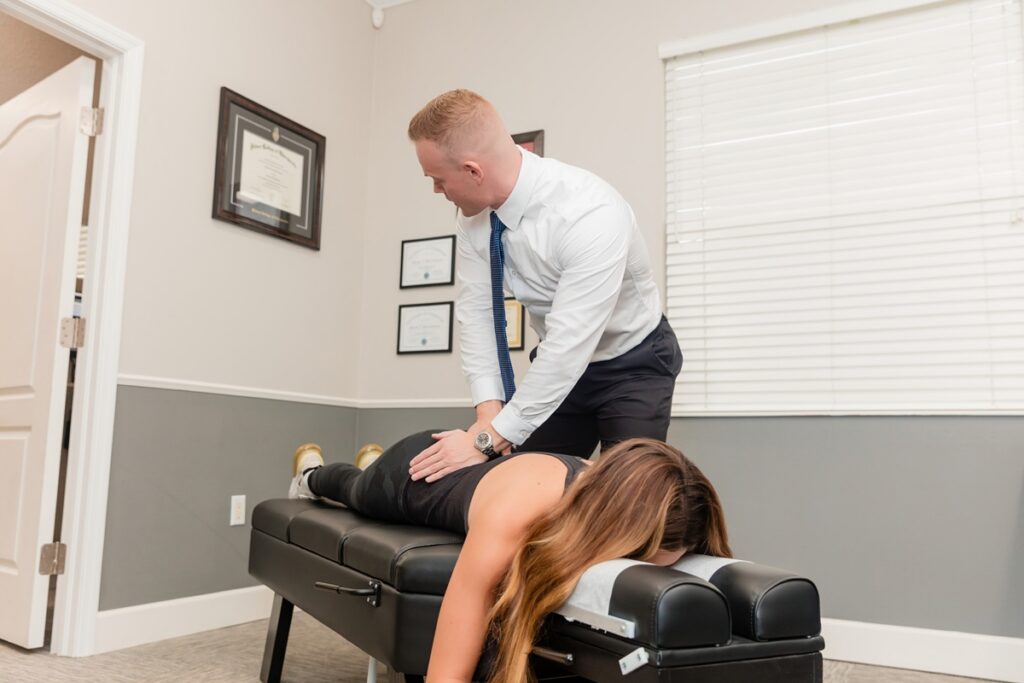
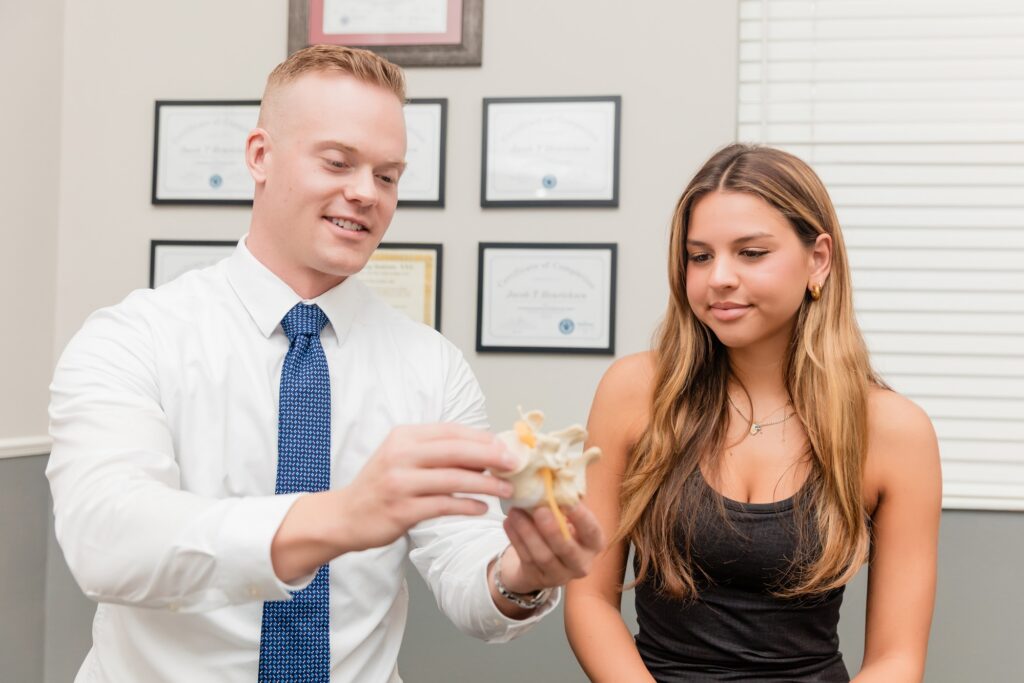
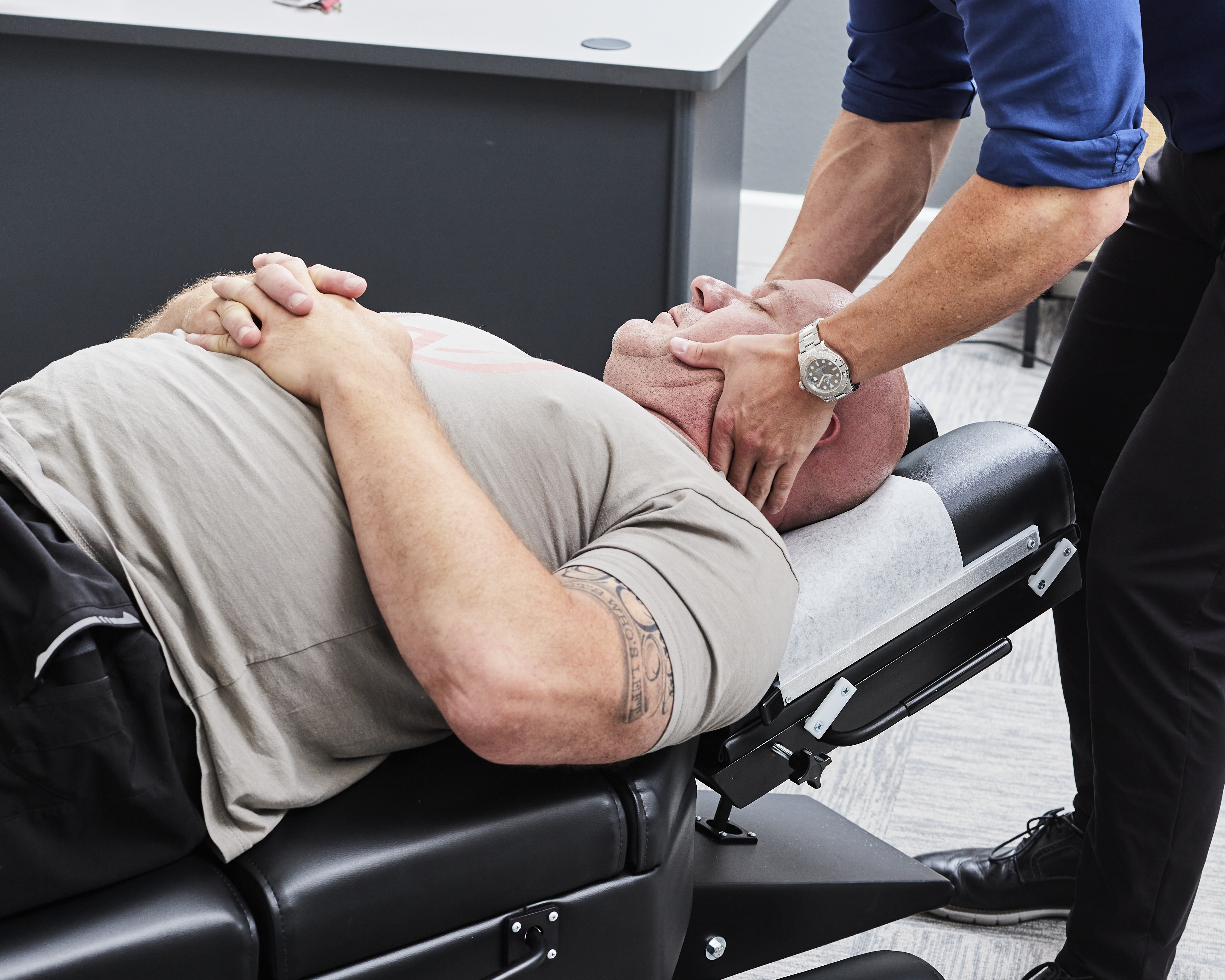
At Crystal Grove Chiropractic in Lutz, FL, Dr. Jacob Henricksen begins with a thorough evaluation of the cervical spine to assess alignment, range of motion, nerve function, and areas of dysfunction. From there, a personalized care plan is developed based on where you are in your recovery and what your body specifically needs.
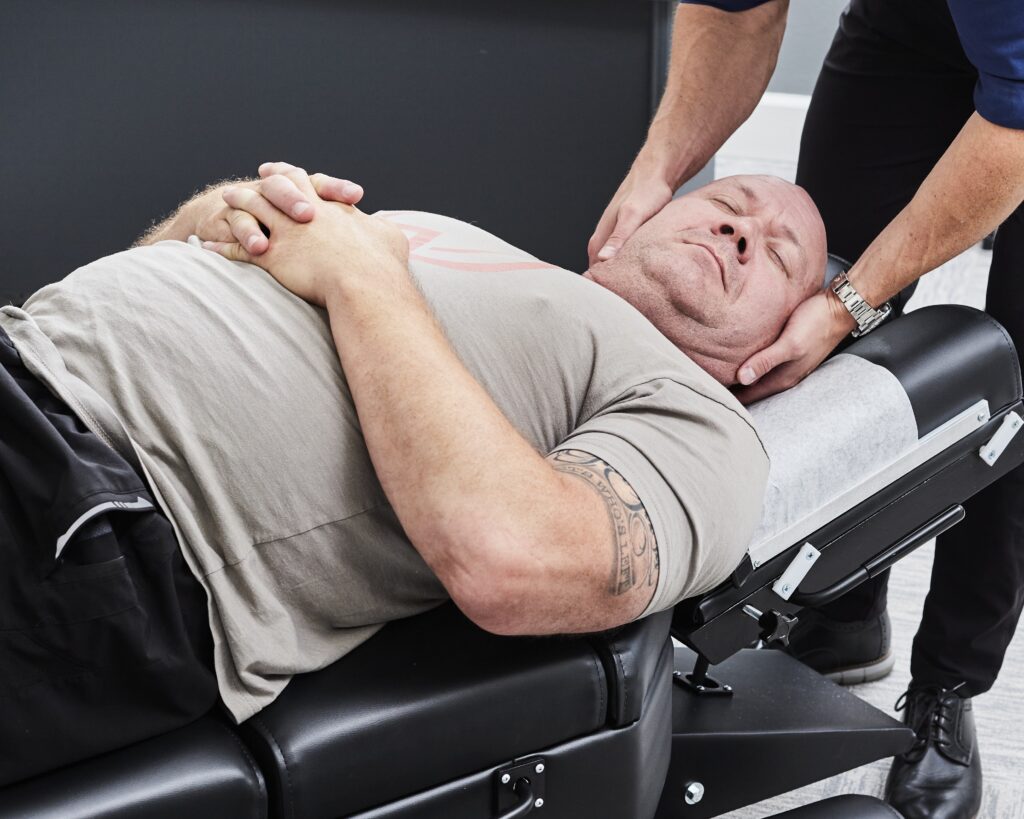
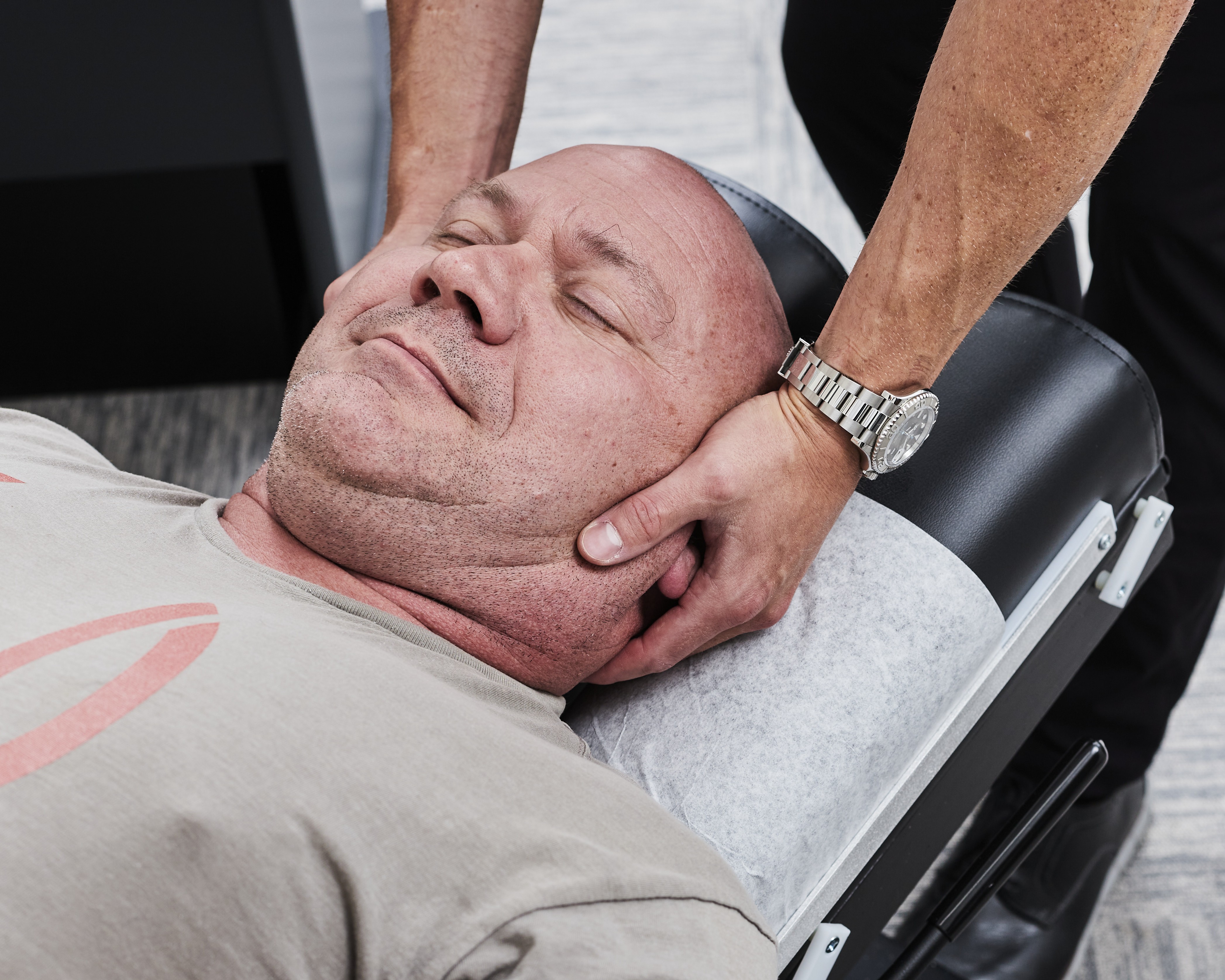
Chiropractic adjustments work to restore proper motion to joints in the neck that have become restricted or misaligned as a result of the whiplash event. This helps reduce nerve irritation, decrease pain, and support the body’s natural healing process. As recovery progresses, the focus may shift toward posture correction, movement re-education, and strategies for preventing recurring problems. The goal is always to help you not just feel better, but function better — so you can get back to your normal life with confidence.
Practical Tips to Support Your Recovery at Home
What you do between chiropractic visits matters just as much as the care you receive in the office. There are several simple, evidence-aligned habits that can support your recovery and help you heal more efficiently.
Staying gently active is one of the most important things you can do. While it may be tempting to lie down and avoid movement when your neck hurts, prolonged inactivity can slow recovery and increase stiffness. Gentle walking, light neck movements within a pain-free range, and avoiding long periods of immobility are all encouraged — though always within whatever boundaries your chiropractor has recommended for your specific case.
Ergonomics matter during recovery. If you spend time working at a desk or on a computer, your workstation setup can either help or hinder your healing. Keeping your screen at eye level, your chair properly supporting your lower back, and your phone out of your hand (rather than cradled against your shoulder) are simple adjustments that reduce unnecessary strain on your healing neck.
- Avoid sleeping on your stomach, which places the neck in a rotated position for hours at a time. Instead, sleep on your back or side with a supportive pillow that keeps your cervical spine in a neutral position.
- Apply ice during the acute phase to help manage inflammation, and transition to gentle heat later in recovery to encourage circulation — but always follow the specific recommendations of your provider.
Stress management deserves a mention here too. Breathing exercises, light stretching (when cleared to do so), and maintaining social connection can all support your nervous system and create a more favorable environment for healing. Recovery from whiplash is physical, but it’s also whole-person work.
When to See a Chiropractor After a Whiplash Injury
The short answer is: sooner rather than later. Even if your symptoms feel mild in the first day or two, getting evaluated early is one of the most protective things you can do for your long-term recovery. Many significant whiplash injuries start with minor discomfort that gradually worsens as inflammation builds.
You should seek care promptly if you experience neck pain or stiffness following any type of collision or sudden impact, headaches that started after an accident, pain that radiates into your shoulders or arms, or any dizziness or visual disturbances. At Crystal Grove Chiropractic in Lutz, FL, we welcome patients who are in the early days of a whiplash injury and those who are still dealing with lingering symptoms from an older incident. It’s never too early — and rarely too late — to get the right support.
There are certain red flag symptoms that warrant immediate medical attention, not chiropractic care. These include severe neurological symptoms like sudden weakness in the arms or legs, loss of bladder or bowel control, significant difficulty swallowing, or severe pain that comes on without a clear cause. If you experience any of these, please go to an emergency room or contact your physician right away.
Myths vs. Facts About Whiplash Recovery
Myth: If the accident was minor, the injury can’t be serious.
Fact: The severity of a whiplash injury does not always correlate with the speed or force of the impact. Low-speed collisions can still produce significant cervical injuries depending on a number of biomechanical factors, including the position of the occupant at the time of impact. Always get evaluated regardless of how “minor” an accident seems.
Myth: Whiplash heals on its own — you just need to rest.
Fact: While some mild cases do resolve without formal treatment, passive rest alone is not generally the most effective approach. Evidence suggests that early active care — including manual therapy and guided movement — leads to better outcomes than simply waiting it out. Prolonged rest can actually contribute to stiffness and delayed recovery.
Myth: If you don’t have pain immediately, you weren’t really hurt.
Fact: Delayed onset of symptoms is extremely common with whiplash. It can take 24 to 72 hours — or even longer — for the full picture of pain and stiffness to emerge. This is one of the most important reasons to seek evaluation after any collision, even if you feel okay in the immediate aftermath.
Myth: Chiropractic care is not appropriate for neck injuries.
Fact: Chiropractic care is actually one of the most evidence-supported conservative approaches for whiplash-associated neck pain. Guidelines from leading health organizations support manual therapy as part of a comprehensive approach to cervical spine injuries. Dr. Jacob Henricksen at Crystal Grove Chiropractic is specifically trained to evaluate and care for patients recovering from whiplash.
Myth: Once the pain is gone, you’re fully healed.
Fact: Pain relief is an important milestone, but it doesn’t necessarily mean the underlying structural issues have fully resolved. Restoring full joint function, stability, and movement quality takes longer than symptom relief alone. Continuing with your care plan even after you feel better helps prevent recurrence and supports complete recovery.
Whiplash Recovery at a Glance
| Recovery Phase | Timeframe | What to Expect | Common Care Focus |
|---|---|---|---|
| Acute Phase | Days 1–7 | Peak pain, stiffness, and inflammation; possible headaches and dizziness | Gentle movement, spinal evaluation, reducing nerve irritation |
| Sub-Acute Phase | Weeks 2–6 | Gradual symptom improvement; inflammation begins to resolve | Restoring joint mobility, guided rehabilitation, chiropractic adjustments |
| Functional Recovery | Weeks 6–12 | Significant symptom relief; rebuilding strength and range of motion | Posture correction, movement re-education, stabilization exercises |
| Long-Term Recovery | 3–12 Months | Ongoing improvement; some may experience lingering symptoms | Continued care, lifestyle modification, prevention strategies |
Final Thoughts from Crystal Grove Chiropractic in Lutz, FL
Whiplash recovery is a journey, and it looks a little different for everyone. What’s consistent is this: understanding the process, seeking care early, and staying engaged with your recovery plan all make a meaningful difference in how well and how quickly you heal. You don’t have to navigate this alone.
Here at Crystal Grove Chiropractic, we are proud to serve the Lutz, FL community with personalized, compassionate care that is grounded in science and centered on you as a whole person. Dr. Jacob Henricksen brings a thorough, patient-focused approach to every evaluation and care plan — whether you’re in the first days after an accident or still dealing with symptoms from an older injury. Our goal is never just to get you out of pain, but to help you move better, feel stronger, and live your life fully.
If you or someone you know has recently experienced a whiplash injury — or is still struggling with symptoms from a past one — we encourage you to reach out and schedule an evaluation. The sooner you get answers, the sooner healing can begin.
Frequently Asked Questions About Whiplash Recovery
How long does whiplash typically take to heal?
Recovery time varies depending on the severity of the injury and how quickly care is initiated. Many people experience significant improvement within 6 to 12 weeks, though some cases extend to several months. Early evaluation and consistent care are associated with better outcomes.
Should I see a chiropractor or a medical doctor after a whiplash injury?
Both can play a role depending on your situation. A chiropractor is well-suited to evaluate and address the mechanical aspects of a whiplash injury, including joint dysfunction and cervical alignment. If you have severe neurological symptoms or are unsure about the extent of your injuries, a medical evaluation should be your first step.
Is it normal to feel worse before feeling better during whiplash recovery?
Yes, this is not uncommon. Inflammation often peaks in the first few days after an injury, which can mean symptoms worsen before they improve. Some patients also experience temporary soreness after chiropractic adjustments as the body adapts. Your chiropractor can help you understand what to expect based on your specific case.
Can old whiplash injuries still be treated?
Absolutely. Many patients seek care months or even years after an original whiplash injury, especially if symptoms have persisted or returned. While chronic cases may require a longer care plan, meaningful improvement is still achievable with the right approach.
What can I do at home to speed up whiplash recovery?
Staying gently active, maintaining good ergonomics at your workstation, sleeping in a neutral neck position, managing stress, and following the specific recommendations of your chiropractor are all supportive habits. Avoid sudden or forceful neck movements until cleared by your provider.
Does chiropractic care for whiplash hurt?
Chiropractic adjustments are generally well-tolerated, though some tenderness or mild soreness after a session is normal — particularly in the early stages of recovery when inflammation is still present. Dr. Jacob Henricksen tailors the approach to each patient’s comfort level and stage of healing, using gentle techniques appropriate for where you are in your recovery.
TL;DR — Key Takeaways
- Whiplash recovery typically moves through four phases: acute (days 1–7), sub-acute (weeks 2–6), functional recovery (weeks 6–12), and long-term recovery (3–12 months).
- Symptoms can be delayed — it’s common not to feel the full extent of a whiplash injury until 24–72 hours after an accident.
- Early evaluation and active care consistently lead to better outcomes than waiting or resting passively.
- Chiropractic care is a well-supported, non-surgical approach to whiplash recovery that focuses on restoring joint function and reducing nerve irritation.
- At Crystal Grove Chiropractic in Lutz, FL, Dr. Jacob Henricksen provides individualized care designed to meet you wherever you are in your healing process.