
Hip pain can sneak up on you. One day you’re moving freely, and the next you’re struggling to get out of your car or climb stairs without discomfort. While many people seek care after hip pain has already started, there’s a growing awareness that proactive care might help prevent these issues from developing in the first place. Here in Lutz, FL, many patients at Crystal Grove Chiropractic ask Dr. Jacob Henricksen whether chiropractic care can play a role in keeping their hips healthy and injury-free. The short answer is yes—when combined with good movement habits and lifestyle awareness, chiropractic care may help reduce your risk of future hip problems. This article explores how addressing spinal alignment, joint mechanics, and movement patterns can support long-term hip health.
Can chiropractic care prevent hip pain? Chiropractic care focuses on optimizing joint function, spinal alignment, and biomechanics—all of which directly influence hip health. While no form of healthcare can guarantee prevention, regular chiropractic adjustments combined with proper movement habits may reduce your risk of hip injuries and chronic pain by addressing underlying mechanical issues before they become symptomatic.
Table of Contents
- The Connection Between Your Spine and Hip Health
- Common Causes of Hip Pain and Injury
- How Chiropractic Care Supports Hip Function
- Why Biomechanics Matter for Injury Prevention
- What Proactive Chiropractic Care Looks Like
- Lifestyle Factors That Impact Hip Health
- Practical Tips to Keep Your Hips Healthy
- When to Seek Chiropractic Care for Your Hips
- Myths vs. Facts About Hip Pain Prevention
- Final Thoughts
The Connection Between Your Spine and Hip Health
Your hips don’t function in isolation. They’re part of a complex kinetic chain that includes your pelvis, lower back, and legs. When your spine is misaligned or your pelvis is tilted, it creates uneven stress on your hip joints. Over time, this imbalance can lead to wear and tear that sets the stage for pain and injury.
Think of your body like a building. If the foundation is tilted, everything above it compensates. The same principle applies to your musculoskeletal system. A misaligned pelvis or restricted spinal joints can force your hips to move in ways they weren’t designed to, increasing friction and stress on the joint surfaces.
Chiropractic care addresses these foundational issues. By ensuring proper alignment of the spine and pelvis, chiropractors help restore balanced movement patterns. This can reduce abnormal stress on the hip joints and surrounding structures, potentially preventing the gradual breakdown that leads to chronic pain.
At Crystal Grove Chiropractic in Lutz, Dr. Jacob Henricksen evaluates not just the hip itself but the entire kinetic chain. This comprehensive approach recognizes that hip problems often originate from issues elsewhere in the body.
Common Causes of Hip Pain and Injury
Understanding what causes hip pain is the first step in preventing it. While some hip issues result from acute injuries, many develop gradually due to repetitive stress and biomechanical imbalances.
Poor posture is a major contributor. Sitting for long hours with a tilted pelvis or crossed legs creates chronic tension and imbalance. Over months and years, this can lead to conditions like hip impingement or bursitis.
Muscle imbalances also play a significant role. When certain muscles around the hip become tight while others weaken, it alters how the joint moves. This imbalance increases friction and can lead to inflammation and pain.
Previous injuries that never fully healed can also set you up for future problems. An old ankle sprain or knee injury might cause you to favor one leg, creating long-term stress on the opposite hip.
Overuse is another common factor, especially in active individuals. Runners, cyclists, and people who do repetitive movements at work may develop hip problems if their mechanics aren’t optimal.
Finally, age-related changes and arthritis can affect the hip joint. While we can’t stop aging, maintaining proper alignment and joint mobility may slow the progression of degenerative changes.
How Chiropractic Care Supports Hip Function
Chiropractic care offers a conservative, non-invasive approach to supporting hip health. Rather than waiting for pain to develop, proactive chiropractic care focuses on maintaining optimal function.
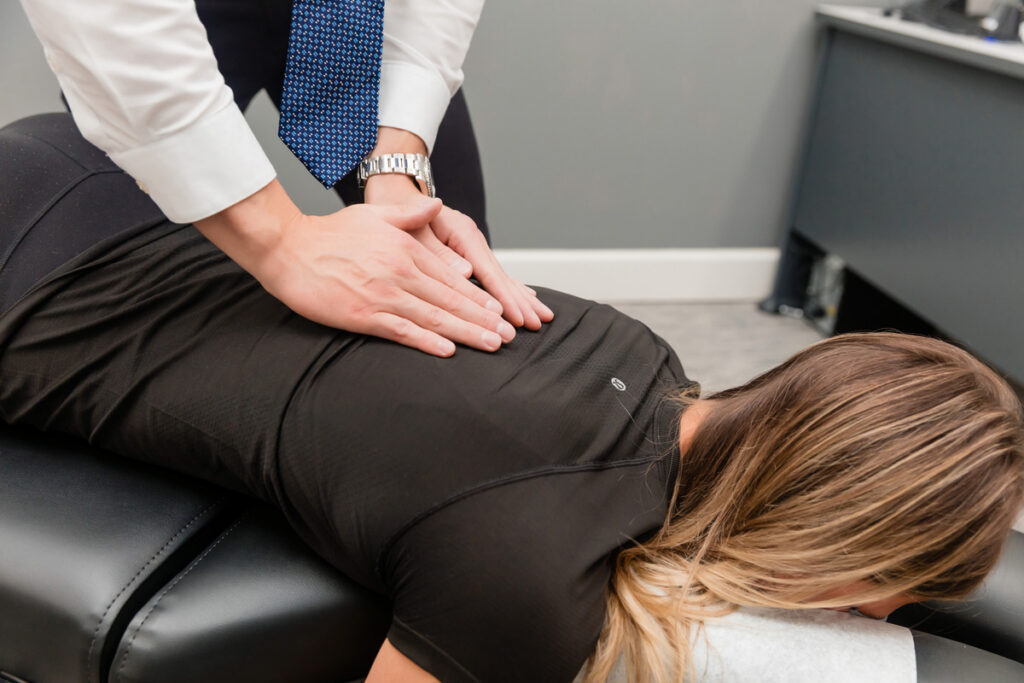
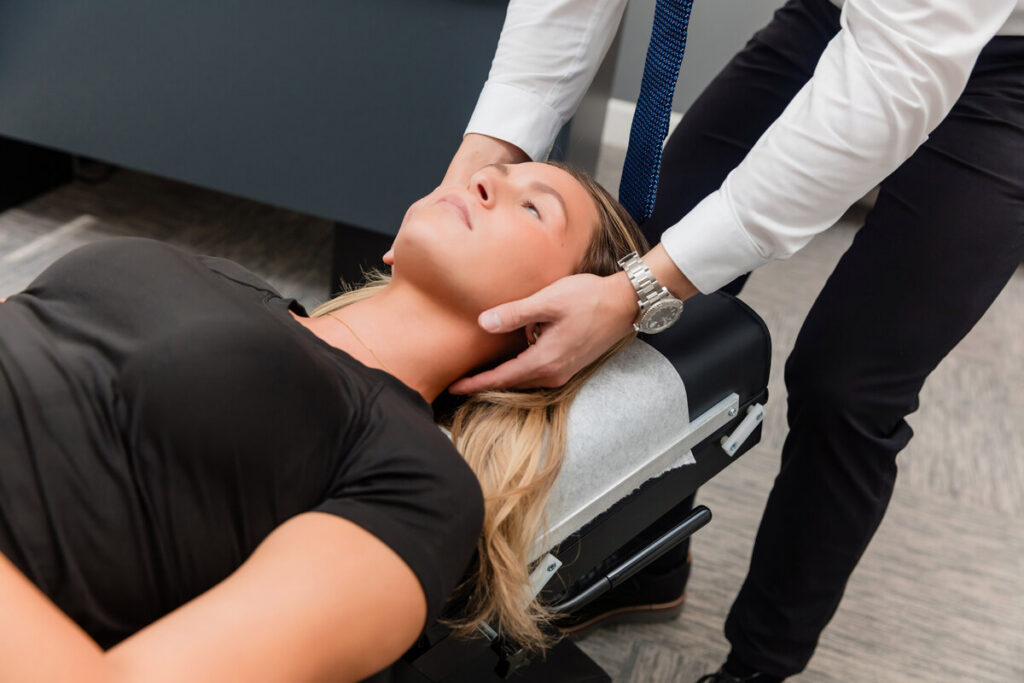
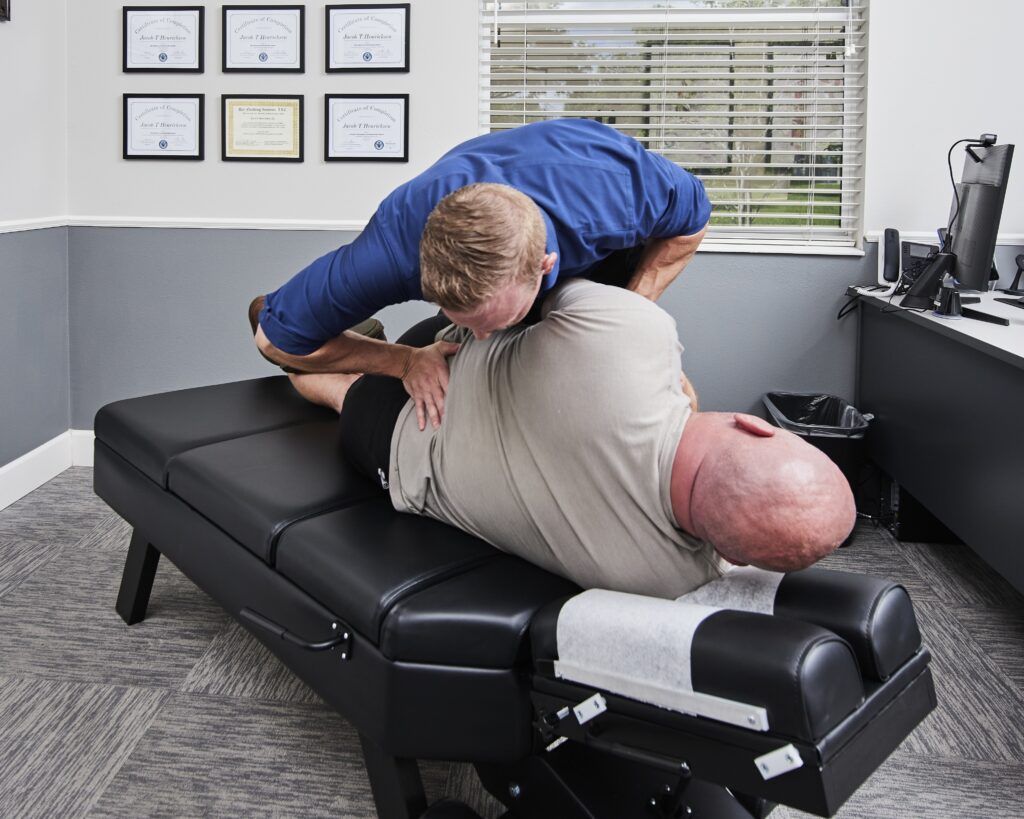
Spinal and pelvic adjustments are central to this approach. When your pelvis is properly aligned, your hip joints can move through their full range of motion without excessive stress. Adjustments help restore normal joint mechanics and reduce compensatory patterns that lead to injury.
Chiropractors also assess how you move. Gait analysis can reveal subtle imbalances in how you walk or run. These small asymmetries might seem insignificant, but over thousands of steps, they add up to significant stress on your hips.
Joint mobilization techniques help maintain hip flexibility and reduce stiffness. When joints move freely, they’re less prone to injury and inflammation. Regular mobilization can keep your hips functioning smoothly as you age.
Education is another key component. Dr. Jacob Henricksen at Crystal Grove Chiropractic teaches patients about proper body mechanics for everyday activities. Learning how to bend, lift, and move correctly can prevent many hip injuries before they happen.
Chiropractic care also addresses compensatory patterns. If you’ve been favoring one leg due to an old injury, your chiropractor can help retrain balanced movement patterns to take stress off your hips.
Why Biomechanics Matter for Injury Prevention
Biomechanics refers to how your body moves and distributes forces during activity. Poor biomechanics are one of the leading causes of preventable hip injuries.
When you walk, run, or climb stairs, your hip joint experiences forces several times your body weight. If your movement patterns are efficient, these forces are distributed evenly. But if your mechanics are off, certain areas of the joint bear excessive load.
For example, if your pelvis tilts forward due to tight hip flexors and weak core muscles, it changes the angle at which your femur meets your pelvis. This altered angle can lead to impingement, where bone and tissue rub together abnormally.
Similarly, if one leg is functionally shorter than the other due to pelvic misalignment, you’ll develop an asymmetric gait. The hip on the shorter side works harder with each step, potentially leading to early wear and tear.
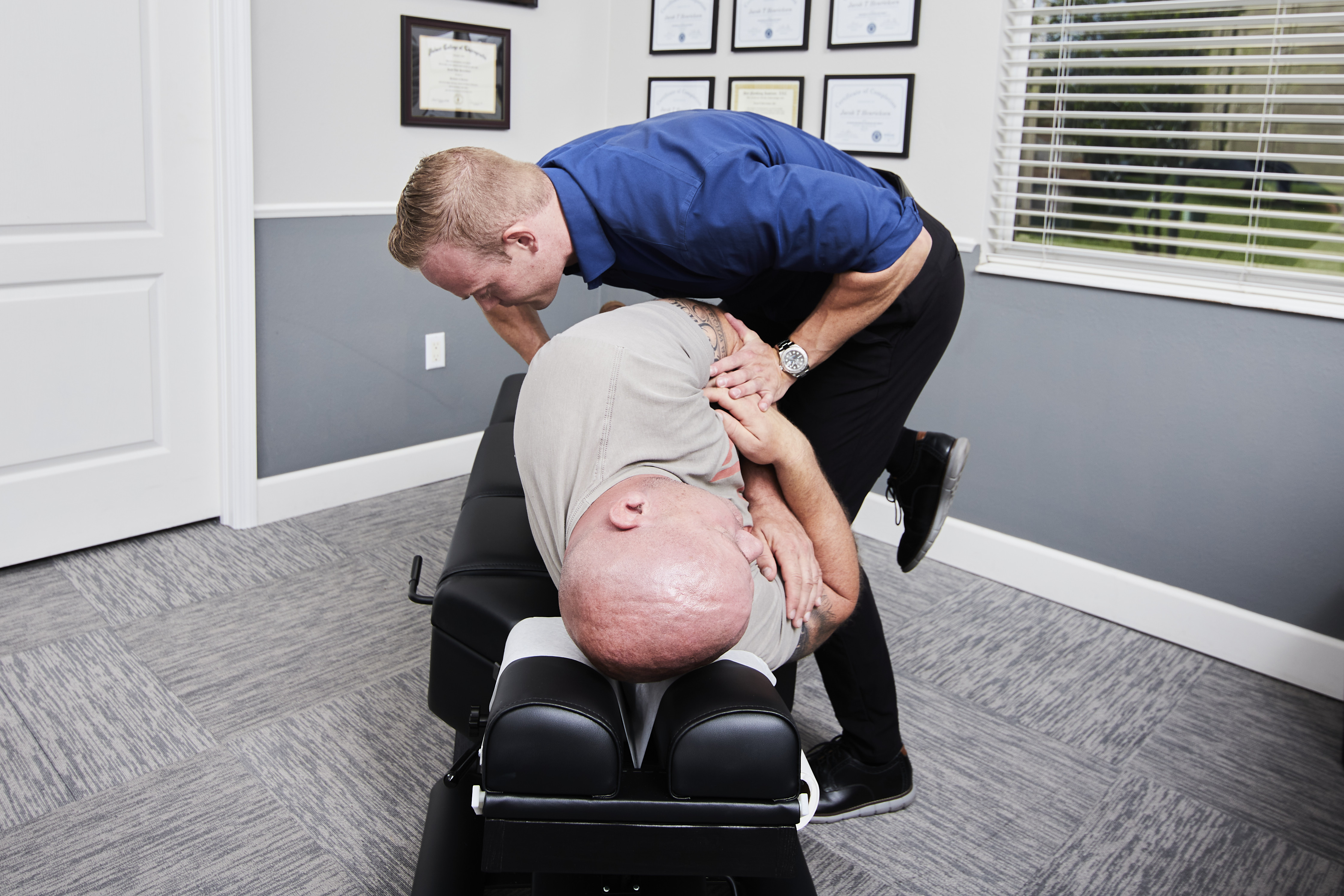
Chiropractic care helps optimize these biomechanics. By ensuring proper spinal and pelvic alignment, chiropractors create the foundation for efficient movement. This reduces the repetitive stress that accumulates over time and leads to injury.
Research in biomechanics has shown that even small alignment changes can significantly affect joint loading patterns. Addressing these issues proactively may help preserve joint health for years to come.
What Proactive Chiropractic Care Looks Like
Proactive chiropractic care is different from reactive treatment. Instead of waiting until you’re in pain, you work with your chiropractor to maintain optimal function and address small issues before they become big problems.
A typical proactive care plan starts with a thorough evaluation. Your chiropractor will assess your posture, spinal alignment, pelvic position, and movement patterns. They’ll also ask about your lifestyle, work environment, and physical activities.
Based on this assessment, they’ll develop a personalized care plan. This might include regular adjustments to maintain alignment, specific exercises to address muscle imbalances, and guidance on ergonomics and movement habits.
The frequency of care varies by individual. Some people benefit from monthly maintenance visits, while others might need more frequent attention initially to correct existing imbalances.
At Crystal Grove Chiropractic in Lutz, proactive care also includes patient education. Dr. Jacob Henricksen believes that informed patients make better decisions about their health. You’ll learn why certain habits strain your hips and what you can do differently.
Proactive care isn’t just about adjustments. It’s about building body awareness so you can recognize early warning signs and address them quickly. Many patients report that they become more in tune with their bodies and can prevent issues through self-care and timely visits.
Lifestyle Factors That Impact Hip Health
Your daily habits have a profound impact on your hip health. Small changes in how you sit, move, and exercise can make a big difference in preventing future problems.
Sitting is particularly problematic for hip health. When you sit for extended periods, your hip flexors shorten and your glutes weaken. This imbalance pulls your pelvis forward and changes how your hips move. Taking regular breaks to stand and stretch can help counteract these effects.
Exercise is a double-edged sword. Regular movement keeps your hips healthy, but doing too much too soon or with poor form can lead to injury. Gradual progression and attention to technique are essential, especially if you’re starting a new activity.
Body weight also matters. Excess weight increases the load on your hip joints, accelerating wear and tear. Maintaining a healthy weight through balanced nutrition and regular activity can reduce your risk of hip problems.
Footwear choices affect your hips more than you might think. Worn-out shoes or high heels alter your gait and can create imbalances that stress your hips. Investing in supportive, well-fitting shoes is a simple way to protect your joints.
Sleep position can also impact hip health. Sleeping with a pillow between your knees if you’re a side sleeper helps maintain neutral hip alignment throughout the night.
Practical Tips to Keep Your Hips Healthy
Here are practical, evidence-based strategies you can implement today to support long-term hip health.
Move frequently throughout your day. Set a timer to remind yourself to stand up and walk around every 30 to 45 minutes. Even brief movement breaks help prevent the stiffness and imbalances that come from prolonged sitting.
Maintain good posture when sitting. Keep your feet flat on the floor, your knees at hip level or slightly lower, and avoid crossing your legs. Sit back in your chair so your back is supported, and keep your computer screen at eye level.
Strengthen your core and glutes. These muscles stabilize your pelvis and support proper hip mechanics. Simple exercises like bridges, planks, and side-lying leg lifts can make a significant difference. Start with just a few repetitions and build gradually.
Stretch your hip flexors regularly. Tight hip flexors are one of the most common contributors to hip problems. A simple kneeling hip flexor stretch held for 30 seconds on each side can help maintain flexibility.
Pay attention to symmetry. Notice if you always carry your bag on one shoulder or stand with your weight on one leg. These habits create chronic imbalances. Make a conscious effort to alternate sides.
Warm up before exercise. Taking five to ten minutes to prepare your body for activity increases blood flow and reduces injury risk. Include dynamic movements that mimic the activity you’re about to do.
Listen to your body. If you feel discomfort in your hip, don’t push through it. Address minor issues early before they become major problems. A visit to Crystal Grove Chiropractic in Lutz can help identify and correct small issues before they sideline you.
When to Seek Chiropractic Care for Your Hips
You don’t need to wait until you’re in severe pain to see a chiropractor. In fact, seeking care early often prevents more serious problems down the road.
Consider scheduling an evaluation if you notice stiffness in your hip, especially after sitting or first thing in the morning. This early stiffness often indicates that something in your movement mechanics needs attention.
If you feel clicking, popping, or grinding in your hip joint during movement, it’s worth getting checked. While these sensations aren’t always serious, they can indicate that your joint isn’t tracking properly.
Asymmetry in how you move is another red flag. If you notice you’re favoring one leg, limping slightly, or feeling uneven when you walk, your body is telling you something is off balance.
After starting a new exercise program or increasing your activity level, a preventive check-up can ensure your body is handling the new demands properly.
There are also situations that warrant more urgent medical attention. Seek immediate care if you experience sudden, severe hip pain after a fall or injury, if your hip gives out or feels unstable, if you have pain accompanied by fever, or if you notice swelling, redness, or warmth around the joint. These symptoms may indicate conditions that require medical evaluation beyond chiropractic care.
Dr. Jacob Henricksen at Crystal Grove Chiropractic in Lutz can help determine whether chiropractic care is appropriate for your situation or if you need to consult with another healthcare provider.
| Factor | Impact on Hip Health | Prevention Strategy |
|---|---|---|
| Prolonged Sitting | Shortens hip flexors, weakens glutes, creates imbalance | Take movement breaks every 30-45 minutes, stretch hip flexors |
| Poor Posture | Tilts pelvis, alters joint alignment, increases stress | Maintain neutral spine, use ergonomic setup, avoid crossing legs |
| Muscle Imbalances | Changes movement patterns, increases friction and wear | Strengthen core and glutes, address tightness with stretching |
| Overuse Without Recovery | Accumulates stress, leads to inflammation and injury | Progress gradually, include rest days, listen to your body |
| Spinal Misalignment | Creates compensatory patterns, uneven joint loading | Regular chiropractic adjustments, maintain spinal health |
Myths vs. Facts About Hip Pain Prevention
Myth: Hip pain is just a normal part of aging that can’t be prevented
Fact: While age-related changes do occur, many hip problems result from preventable biomechanical issues and lifestyle factors. Maintaining proper alignment, staying active, and addressing imbalances early can significantly reduce your risk of hip pain as you age.
Myth: You should only see a chiropractor after you’re already in pain
Fact: Proactive chiropractic care focuses on maintaining optimal function and catching small problems before they become painful. Regular check-ups can identify and correct alignment issues that might lead to hip problems if left unaddressed.
Myth: Exercise always makes hip problems worse
Fact: Appropriate exercise is essential for hip health. Movement nourishes joint cartilage and strengthens supporting muscles. The key is choosing activities that match your current fitness level and using proper form. Your chiropractor can help guide you toward beneficial movements.
Myth: If your hip doesn’t hurt, it’s healthy
Fact: Many hip problems develop gradually without immediate pain. Stiffness, reduced range of motion, clicking, or subtle changes in how you walk can all signal underlying issues that warrant attention before pain develops.
Myth: Chiropractic care for hips is the same for everyone
Fact: Effective chiropractic care is individualized based on your unique anatomy, lifestyle, and risk factors. At Crystal Grove Chiropractic, Dr. Jacob Henricksen develops personalized care plans that address your specific needs and goals.
Final Thoughts
Preventing hip pain and injuries isn’t about luck or genetics—it’s about taking proactive steps to maintain optimal function. Your hips are designed to last a lifetime, but they need proper care and attention to stay healthy. By addressing spinal alignment, improving biomechanics, and adopting healthy movement habits, you can significantly reduce your risk of future hip problems.
Chiropractic care offers a valuable tool in this prevention strategy. Regular adjustments help maintain the spinal and pelvic alignment that supports healthy hip function. Combined with patient education and lifestyle modifications, this conservative approach empowers you to take control of your musculoskeletal health.
Here in Lutz, the team at Crystal Grove Chiropractic is committed to helping patients move better and feel better for the long term. Dr. Jacob Henricksen takes the time to understand your unique situation and develop a care plan that fits your lifestyle and goals. Whether you’re an athlete looking to stay injury-free or someone who wants to maintain mobility as you age, proactive chiropractic care can play an important role in keeping your hips healthy.
Remember, the best time to address hip health is before problems develop. If you’re interested in learning more about how chiropractic care might support your hip health, consider scheduling an evaluation at Crystal Grove Chiropractic in Lutz, FL. Taking action today can help ensure you stay active and pain-free for years to come.
Frequently Asked Questions
How often should I see a chiropractor to prevent hip problems?
The frequency varies based on your individual needs, lifestyle, and risk factors. Some patients benefit from monthly maintenance visits, while others may need more frequent care initially to address existing imbalances. Your chiropractor will recommend a schedule based on your specific situation and goals.
Can chiropractic adjustments fix hip arthritis?
Chiropractic care cannot reverse arthritis, but it may help manage symptoms and potentially slow progression by optimizing joint mechanics and reducing abnormal stress. Many patients with hip arthritis find that regular adjustments, combined with appropriate exercise and lifestyle modifications, help them maintain better function and comfort.
Is it safe to exercise if I’m getting chiropractic care for hip prevention?
Yes, exercise is an essential part of maintaining hip health. Your chiropractor can provide guidance on which activities are most beneficial for you and how to perform them with proper form. In most cases, chiropractic care and exercise work together to support optimal joint function.
How long does it take to see results from preventive chiropractic care?
Many patients notice improved mobility and reduced stiffness within a few weeks of starting care. However, the goal of preventive care is long-term function rather than immediate symptom relief. Consistent care over months and years provides the greatest benefit for injury prevention.
Will insurance cover preventive chiropractic care?
Insurance coverage varies widely depending on your specific plan. Some policies cover preventive or maintenance care, while others only cover treatment for diagnosed conditions. Contact your insurance provider or the team at Crystal Grove Chiropractic to understand your coverage options.
Can chiropractic care help if I’ve already had hip problems in the past?
Yes, chiropractic care can be particularly valuable for people with a history of hip issues. Addressing the underlying biomechanical factors that contributed to previous problems may help prevent recurrence. Your chiropractor will tailor your care plan based on your history and current function.
TL;DR – Key Takeaways
- Hip health depends on proper spinal and pelvic alignment—when your foundation is balanced, your hips experience less stress and strain over time.
- Proactive chiropractic care focuses on maintaining optimal function and catching small problems before they develop into painful conditions requiring more intensive treatment.
- Lifestyle factors like prolonged sitting, poor posture, and muscle imbalances significantly impact hip health—simple changes in daily habits can prevent many common hip problems.
- Chiropractic adjustments combined with appropriate exercise, stretching, and body awareness create a comprehensive approach to hip injury prevention.
- You don’t need to wait for pain to see a chiropractor—early intervention and regular maintenance care at Crystal Grove Chiropractic in Lutz can help keep your hips healthy for the long term.