
Back pain is one of the most common reasons people visit healthcare providers, affecting millions of Americans every year. Whether you’re experiencing a dull ache that’s been lingering for weeks or a sudden sharp pain that stopped you in your tracks, understanding what’s causing your discomfort is the first step toward finding relief. Here in Lutz, FL, we see patients every day at Crystal Grove Chiropractic who are searching for answers about their back pain. The good news? Most back pain has identifiable causes that can be addressed with the right approach. In this comprehensive guide, we’ll explore the most common back pain causes, help you identify what might be affecting you, and explain how conservative care can help you get back to living your life fully.
What causes back pain? Back pain typically results from mechanical problems in the musculoskeletal system, including muscle strain, ligament sprains, joint dysfunction, disc issues, or poor posture habits. Less commonly, it can stem from underlying medical conditions requiring different treatment approaches.
Table of Contents
- Understanding Your Back’s Anatomy
- Common Causes of Back Pain
- Lifestyle Factors That Contribute to Back Pain
- Acute vs. Chronic Back Pain: What’s the Difference?
- How Chiropractic Care Addresses Back Pain Causes
- Practical Tips for Preventing Back Pain
- When to See a Chiropractor for Back Pain
- Back Pain Causes: Comparison Table
- Myths vs. Facts About Back Pain
- Final Thoughts
Understanding Your Back’s Anatomy
Before we dive into specific causes, it helps to understand the basic structure of your back. Your spine is an incredible feat of engineering, consisting of 33 vertebrae stacked on top of each other, separated by cushioning discs, and held together by a complex network of ligaments, muscles, and tendons.
The spine divides into five regions: the cervical spine (neck), thoracic spine (mid-back), lumbar spine (lower back), sacrum, and coccyx (tailbone). Each region has unique characteristics and susceptibilities to different types of problems.
The lumbar spine bears the most weight and experiences the most movement, which is why lower back pain is particularly common. This region contains five large vertebrae, powerful muscles, and critical nerves that travel down into your legs.
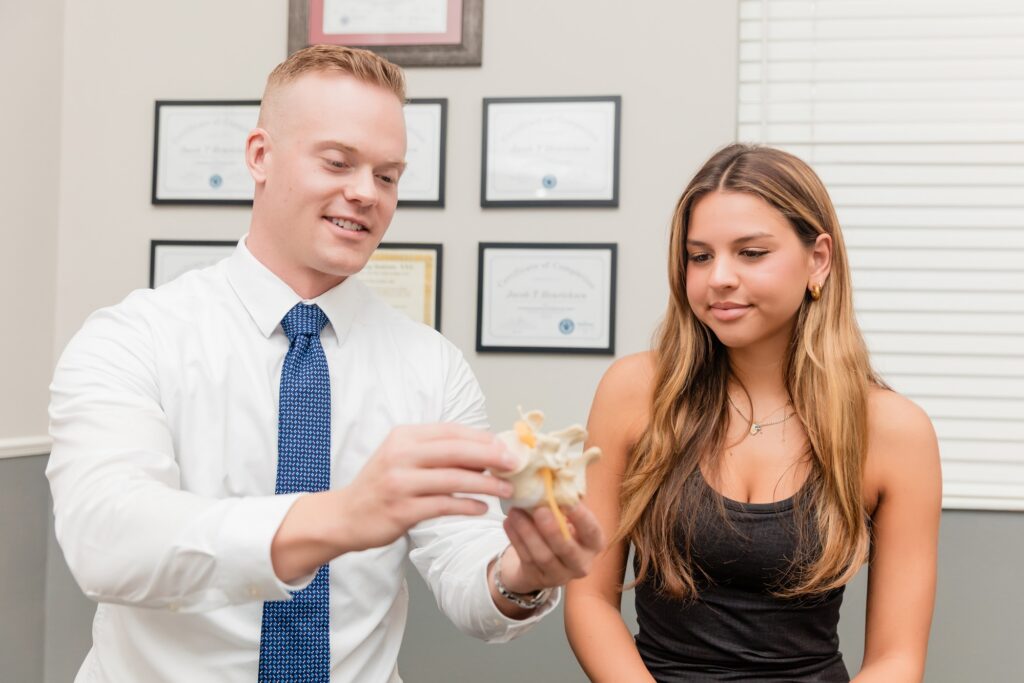
Between each vertebra sits an intervertebral disc, which acts as a shock absorber. These discs have a tough outer layer and a gel-like center that allows for flexibility while protecting the vertebrae from grinding against each other.
Your spinal cord runs through the center of these vertebrae, protected by bone. Nerves branch off at each level, sending signals throughout your body. When structures in the back become irritated, inflamed, or misaligned, they can affect these nerves and surrounding tissues, resulting in pain.
Common Causes of Back Pain
Muscle Strains and Ligament Sprains
Muscle strains and ligament sprains are among the most frequent causes of back pain we see at Crystal Grove Chiropractic. These injuries typically occur when you lift something heavy improperly, make a sudden awkward movement, or overexert yourself during physical activity.
A strain affects muscles or tendons (which connect muscles to bones), while a sprain involves ligaments (which connect bones to other bones). Both can cause significant discomfort, stiffness, and limited range of motion.
The pain from these injuries usually feels localized to a specific area and may worsen with movement. You might also experience muscle spasms as your body tries to protect the injured area by limiting movement.
Disc Problems
The discs between your vertebrae can develop problems over time or due to injury. Disc bulges occur when the outer layer weakens and the inner material pushes outward. Disc herniations happen when the outer layer tears and the inner gel-like substance leaks out.
When disc material presses on nearby nerves, it can cause not just back pain but also radiating pain, numbness, or tingling down your leg (commonly called sciatica when it affects the sciatic nerve). Research published in the Spine Journal indicates that many disc issues can improve with conservative care approaches.
Not all disc problems cause symptoms, though. Many people have disc bulges visible on imaging that cause no discomfort at all. This is why correlation between imaging findings and actual symptoms isn’t always straightforward.
Facet Joint Dysfunction
Your vertebrae connect to each other through small joints called facet joints. These joints allow your spine to bend and twist. When these joints become irritated, inflamed, or don’t move properly, they can generate significant back pain.
Facet joint problems often cause localized back pain that worsens with extension (bending backward) or rotation. The pain might feel worse in the morning and improve with gentle movement throughout the day.
These joints can be affected by arthritis, injury, or prolonged postural stress. Many patients in Lutz who spend long hours sitting at desks develop facet joint issues over time.
Sacroiliac Joint Dysfunction
The sacroiliac (SI) joints connect your sacrum to your pelvis. Despite their relatively small range of motion, these joints play a crucial role in transferring weight between your upper body and legs.
SI joint dysfunction can cause pain in the lower back, buttocks, or even down the leg, sometimes mimicking sciatica. The pain often worsens with prolonged standing, climbing stairs, or transitioning from sitting to standing.
Pregnancy, injury, arthritis, or differences in leg length can all contribute to SI joint problems. Women are more susceptible due to hormonal factors that affect ligament laxity.
Degenerative Changes
As we age, our spines naturally undergo degenerative changes. The discs lose water content and height, facet joints may develop arthritis, and bone spurs can form. These changes are normal parts of aging but don’t always cause pain.
Degenerative disc disease is somewhat of a misnomer because it’s a natural process rather than a true disease. Many people with significant degenerative changes on X-rays or MRIs experience little to no pain, while others with minimal changes have substantial discomfort.
The key is understanding how these changes interact with your movement patterns, muscle strength, and overall biomechanics. Conservative care focuses on optimizing function despite these age-related changes.
Spinal Stenosis
Spinal stenosis occurs when the spaces within your spine narrow, potentially putting pressure on nerves. This condition typically develops gradually over time and is more common in adults over 50.
People with stenosis often experience pain that worsens with standing or walking and improves when sitting or leaning forward. This pattern occurs because flexing forward opens up the spinal canal slightly, reducing pressure on the nerves.
While stenosis can sound concerning, many people manage their symptoms successfully with conservative approaches that focus on maintaining flexibility and building core strength.
Postural Dysfunction
Poor posture might seem like a minor issue, but sustained postural stress is a significant contributor to back pain. When you maintain positions that place your spine in non-neutral alignments for extended periods, certain muscles become overworked while others weaken.
Forward head posture, rounded shoulders, and excessive lumbar curve (or loss of natural curve) all place abnormal stress on spinal structures. Over time, this stress accumulates and can lead to pain, stiffness, and dysfunction.
The modern lifestyle, with prolonged sitting and device use, has made postural dysfunction increasingly common among people of all ages in Lutz and beyond.
Lifestyle Factors That Contribute to Back Pain
Beyond specific structural causes, several lifestyle factors significantly influence your risk of developing back pain. Understanding these factors empowers you to make changes that support spinal health.
Sedentary Behavior
Prolonged sitting is one of the most significant risk factors for back pain. When you sit for extended periods, certain muscles become tight and shortened (like hip flexors) while others become weak and overstretched (like glutes and core muscles).
This muscular imbalance alters your movement patterns and places abnormal stress on spinal structures. Additionally, sitting increases pressure on your lumbar discs compared to standing.
Occupational Demands
Your job can significantly impact your back health. Jobs requiring repetitive lifting, awkward postures, or vibration exposure (like truck driving) increase back pain risk. Similarly, occupations requiring prolonged sitting or standing without variation create their own challenges.
We work with many patients in Lutz whose back pain directly relates to their work demands, from healthcare workers who lift patients to office professionals who sit for eight hours daily.
Physical Fitness Level
Your overall fitness level plays a crucial role in back health. Weak core muscles fail to provide adequate spinal support, placing greater stress on passive structures like ligaments and discs.
Conversely, tight muscles, particularly in the hips and hamstrings, can alter pelvic positioning and affect spinal alignment. A balanced approach that includes both strength and flexibility is ideal.
Body Weight
Excess body weight, particularly around the midsection, shifts your center of gravity forward and increases stress on your lower back. This additional load can accelerate degenerative changes and contribute to chronic pain.
Evidence suggests that maintaining a healthy weight is one of the most effective preventive measures for back pain, though it’s rarely the sole factor.
Stress and Mental Health
The connection between psychological stress and back pain is well-established. Stress causes muscle tension, particularly in the neck, shoulders, and back. Chronic stress can amplify pain perception and interfere with healing processes.
Additionally, conditions like depression and anxiety often coexist with chronic back pain, creating a complex relationship where each condition influences the other.
Sleep Quality and Position
Poor sleep quality and improper sleep positions can contribute to back pain. Your mattress, pillow, and sleep position all affect spinal alignment during the hours you’re resting.
Sleep is also when your body performs critical healing and repair processes. Inadequate or poor-quality sleep can impair these processes and make you more susceptible to pain.
Acute vs. Chronic Back Pain: What’s the Difference?
Understanding the difference between acute and chronic back pain helps set realistic expectations for recovery and guides treatment approaches.
Acute back pain comes on suddenly and typically lasts from a few days to a few weeks. It often has a clear trigger, like lifting something heavy or making an awkward movement. Most acute back pain resolves on its own or with conservative care.
The body’s natural healing processes are remarkably effective for acute injuries. During this phase, the goal is to support healing, reduce inflammation, and maintain as much normal movement as possible.
Chronic back pain persists for three months or longer. It may start as acute pain that never fully resolves, or it can develop gradually without a clear initiating event. Chronic pain involves more complex changes in the nervous system and often requires a more comprehensive approach.
Research from the National Institutes of Health suggests that chronic pain involves not just structural problems but also changes in how the nervous system processes pain signals. This is why the same structural issue might cause minimal pain in one person but significant discomfort in another.
At Crystal Grove Chiropractic, we recognize that chronic back pain often requires addressing multiple factors simultaneously: biomechanics, movement patterns, lifestyle factors, and sometimes psychological aspects like stress management.
How Chiropractic Care Addresses Back Pain Causes
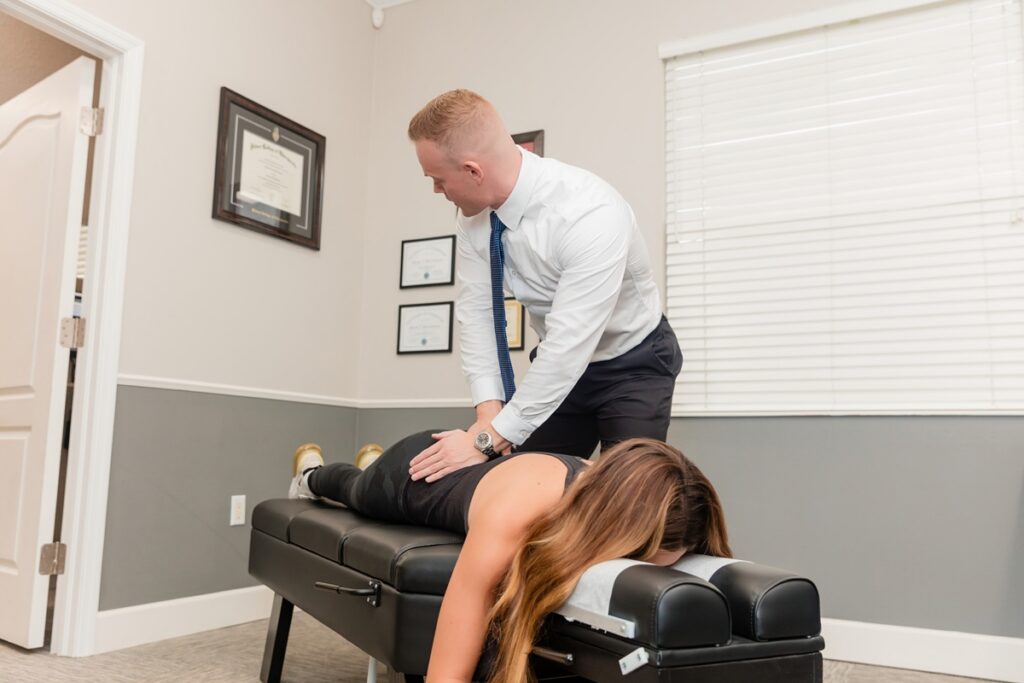
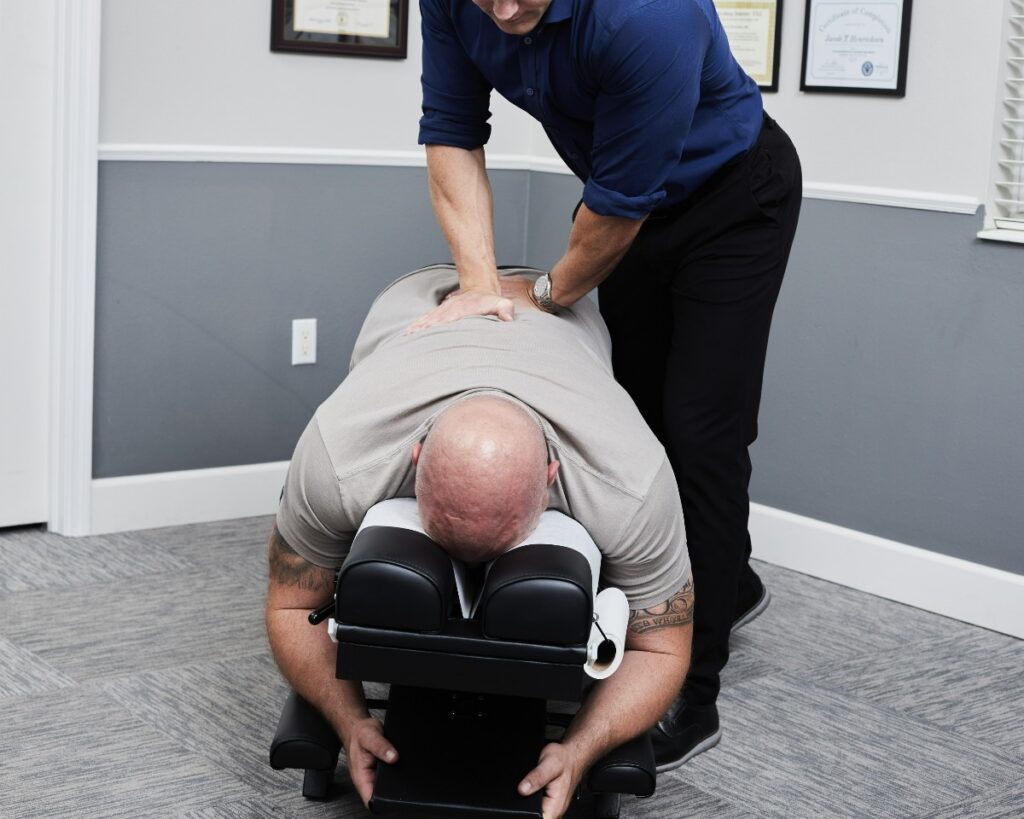
Chiropractic care offers a non-surgical, drug-free approach to addressing many common causes of back pain. Rather than simply masking symptoms, the chiropractic approach focuses on identifying and addressing underlying mechanical dysfunction.
When you visit Crystal Grove Chiropractic in Lutz, we begin with a thorough examination to understand what’s causing your specific back pain. This includes discussing your health history, when and how the pain started, what makes it better or worse, and how it’s affecting your daily life.
We perform orthopedic and neurological tests to assess joint function, muscle strength, reflexes, and nerve involvement. We also evaluate your posture, movement patterns, and spinal alignment to identify biomechanical factors contributing to your pain.
Spinal Adjustments
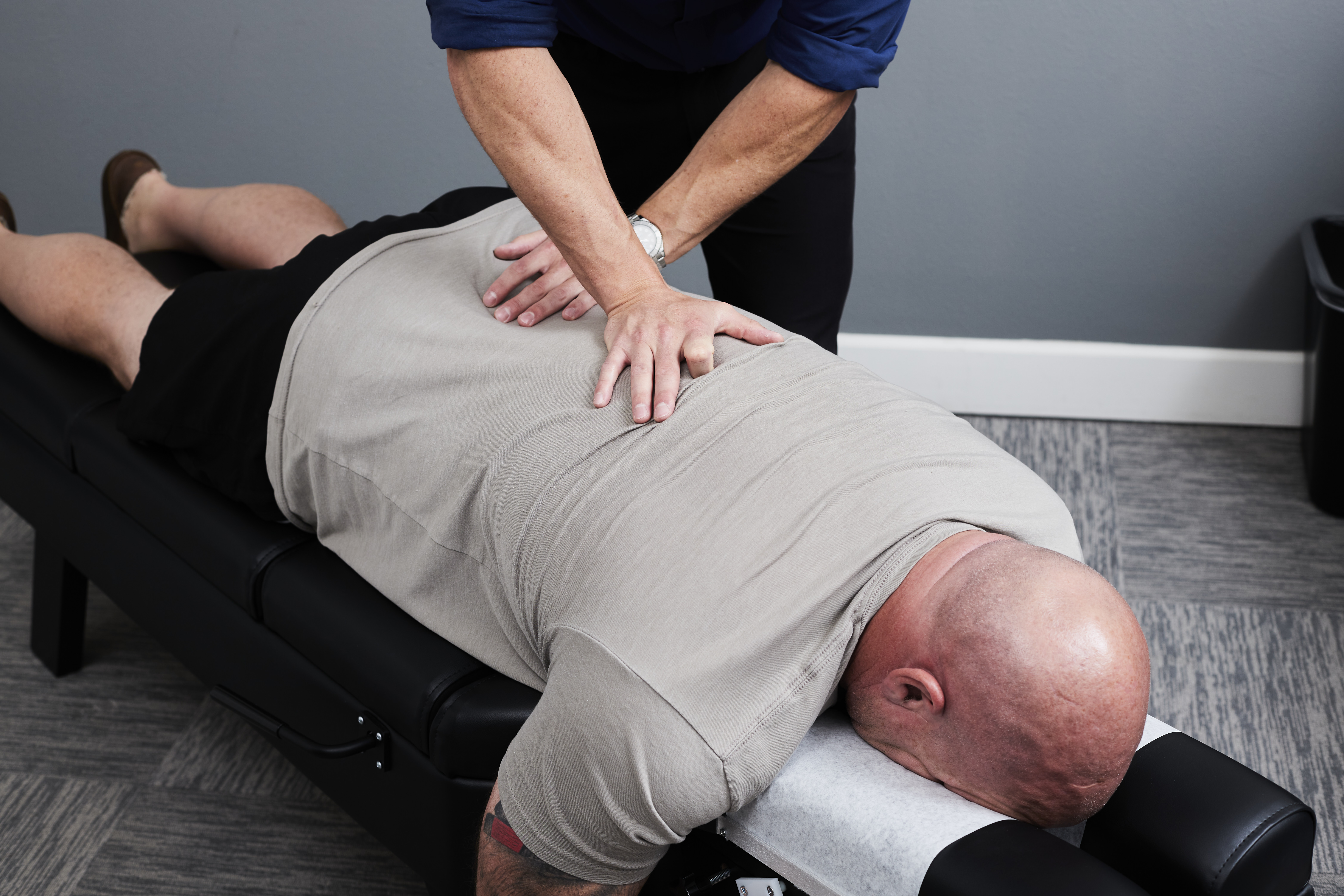
Spinal adjustments, also called manipulations, are a core component of chiropractic care. These controlled, specific movements applied to spinal joints help restore proper motion and position.
Research published in multiple systematic reviews, including those by the Cochrane Library, indicates that spinal manipulation can be effective for certain types of back pain, particularly acute and subacute mechanical back pain.
Adjustments work through several mechanisms: improving joint mobility, reducing muscle tension, decreasing local inflammation, and influencing nervous system function. Many patients experience immediate relief, though the full benefits typically accumulate over several visits.
Soft Tissue Techniques
Beyond spinal adjustments, chiropractors use various soft tissue techniques to address muscle tension, trigger points, and fascial restrictions. These approaches complement adjustments by relaxing tight muscles and improving tissue quality.
Techniques might include instrument-assisted soft tissue mobilization, myofascial release, or therapeutic stretching. We tailor these approaches based on your specific needs and tissue quality.
Exercise and Rehabilitation
Exercise is a critical component of comprehensive back pain management. We provide specific exercises designed to strengthen weak muscles, improve flexibility, and reinforce proper movement patterns.
These exercises aren’t generic; they’re selected based on your examination findings and functional limitations. The goal is to empower you with tools to maintain improvements and prevent recurrence.
Lifestyle and Ergonomic Guidance
We provide practical guidance on modifying daily activities, improving workplace ergonomics, and adopting movement habits that support spinal health. Small changes in how you sit, stand, lift, and move throughout the day can have significant cumulative effects.
This education component is crucial for long-term success. Understanding what triggers your pain and how to avoid those triggers puts you in control of your condition.
Practical Tips for Preventing Back Pain
While not all back pain is preventable, many cases can be avoided or minimized through proactive habits and lifestyle choices.
Practice proper lifting technique: Always bend at your knees and hips, not your waist. Hold objects close to your body, avoid twisting while lifting, and don’t lift objects that are too heavy for you to handle safely.
Maintain good posture: Whether sitting or standing, keep your ears aligned over your shoulders and shoulders over your hips. Avoid slouching or leaning forward for prolonged periods. Use lumbar support when sitting if needed.
Move frequently: If your job requires prolonged sitting, stand up and move at least every 30-45 minutes. Even brief movement breaks help reset muscle tension and improve circulation.
Set up your workspace ergonomically: Your monitor should be at eye level, your chair should support your natural lumbar curve, and your feet should rest flat on the floor or on a footrest. Your keyboard and mouse should be positioned so your elbows stay close to your body.
Build core strength: A strong core provides crucial support for your spine. Focus on exercises that engage your deep abdominal muscles, not just superficial six-pack muscles. Planks, bird dogs, and dead bugs are excellent starting points.
Stay flexible: Tight muscles, particularly in your hips, hamstrings, and hip flexors, can alter spinal mechanics. Regular stretching maintains the flexibility needed for healthy movement patterns.
Maintain a healthy weight: Extra weight, especially around your midsection, increases stress on your lower back. Gradual, sustainable weight management through balanced nutrition and regular activity is ideal.
Choose appropriate footwear: Shoes with good arch support and cushioning help maintain proper alignment from your feet up through your spine. High heels shift your center of gravity and increase lumbar stress.
Sleep smart: Use a mattress that provides adequate support without being too hard or too soft. Sleep on your side with a pillow between your knees, or on your back with a pillow under your knees to maintain natural spinal curves.
Manage stress: Incorporate stress-reduction techniques into your routine. Deep breathing, meditation, regular exercise, and adequate sleep all help manage stress and reduce muscle tension.
Stay active: Regular physical activity keeps your back muscles strong and flexible. Low-impact activities like walking, swimming, and cycling are excellent choices. The key is consistency rather than intensity.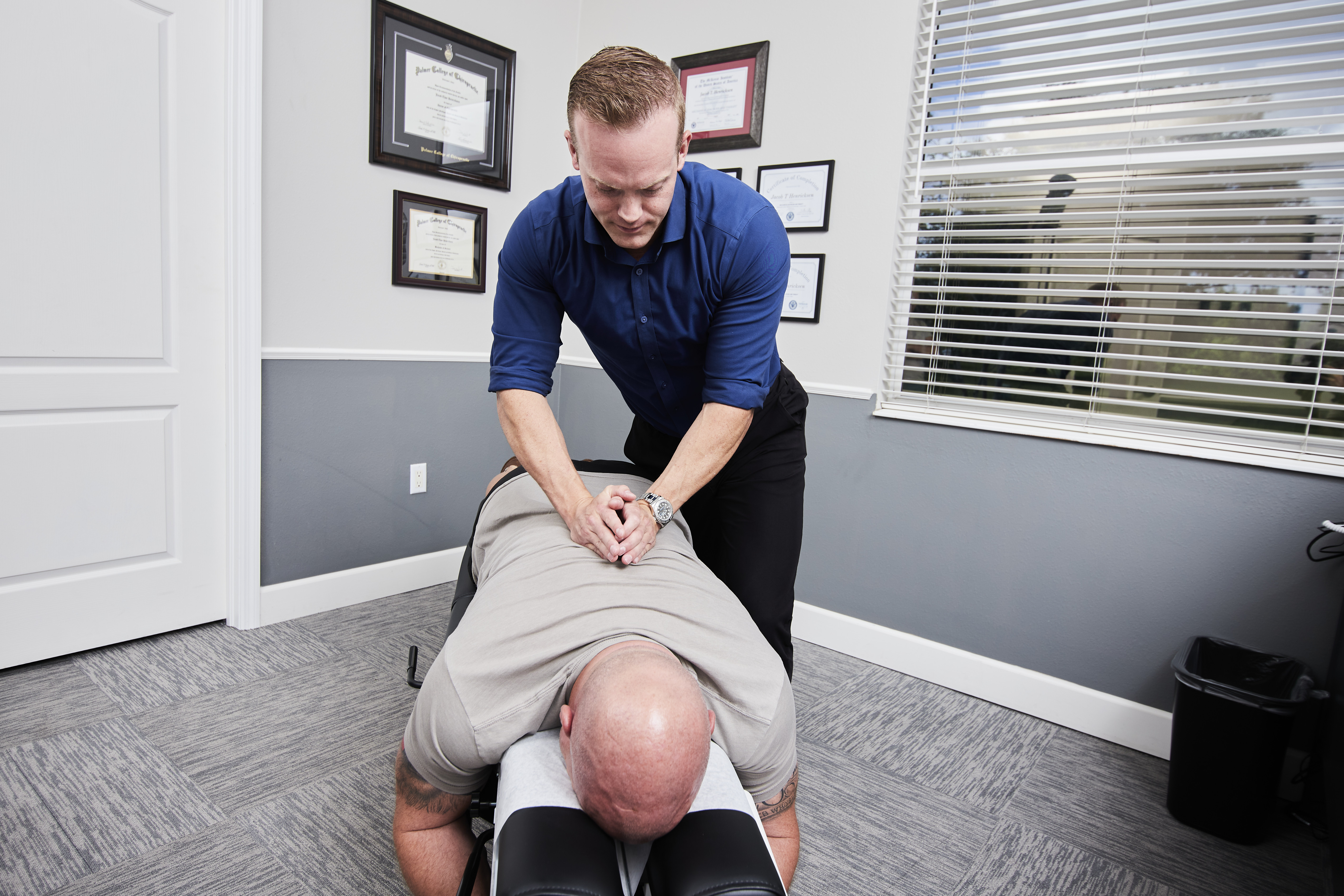
When to See a Chiropractor for Back Pain
Knowing when to seek professional care can help you address problems before they become chronic or more serious.
Consider scheduling an appointment at Crystal Grove Chiropractic if your back pain lasts more than a few days without improvement, limits your ability to perform normal daily activities, or significantly affects your quality of life.
You should also seek care if your pain follows an injury, even if it seems minor at first. What feels like a small strain can sometimes develop into a more significant problem without proper attention.
If you’ve experienced back pain episodes in the past that resolved on their own but now they’re becoming more frequent or lasting longer, that’s a sign to seek evaluation. Recurring back pain often indicates underlying biomechanical issues that benefit from professional assessment.
Pain that radiates down one or both legs, especially if accompanied by numbness, tingling, or weakness, warrants prompt evaluation. These symptoms suggest nerve involvement that needs professional attention.
Certain warning signs require immediate medical evaluation rather than starting with chiropractic care. Seek emergency care if your back pain follows significant trauma (like a fall or car accident), is accompanied by fever or unexplained weight loss, causes loss of bowel or bladder control, or is associated with progressive neurological symptoms like severe leg weakness.
If you have a history of cancer, osteoporosis, prolonged steroid use, or other significant health conditions, discuss these with us during your initial consultation so we can determine if chiropractic care is appropriate for your situation or if medical evaluation should come first.
The good news is that most back pain falls into the category where chiropractic care is not only safe but also recommended as a first-line treatment approach. Clinical guidelines from organizations like the American College of Physicians suggest trying conservative care approaches before considering more invasive options.
Back Pain Causes: Comparison Table
| Cause | Common Symptoms | Typical Triggers | Pain Pattern |
|---|---|---|---|
| Muscle Strain/Ligament Sprain | Localized pain, stiffness, muscle spasms | Improper lifting, sudden movements, overexertion | Sharp initially, becomes achy; worse with movement |
| Disc Problems | Back pain with possible leg pain, numbness, tingling | Bending and lifting, degenerative changes, injury | May radiate down leg; worse with sitting or bending forward |
| Facet Joint Dysfunction | Localized back pain, morning stiffness | Poor posture, arthritis, repetitive extension | Worse with backward bending or twisting; improves with movement |
| SI Joint Dysfunction | Lower back and buttock pain, occasional leg pain | Pregnancy, leg length differences, trauma | One-sided; worse with stairs, standing, or sit-to-stand transitions |
| Postural Dysfunction | Dull ache, fatigue, muscle tension | Prolonged sitting, poor ergonomics, device use | Gradually worsening through the day; relieved by position changes |
| Spinal Stenosis | Back and leg pain, numbness, weakness | Age-related changes, arthritis | Worse with standing/walking; improves with sitting or leaning forward |
Myths vs. Facts About Back Pain
Myth: Back pain always means something is seriously wrong
Fact: Most back pain results from common, non-threatening mechanical issues like muscle strains or joint dysfunction. While it can be uncomfortable and limiting, it rarely indicates serious structural damage. The vast majority of back pain cases improve with conservative care and don’t require surgery or invasive intervention.
Myth: Bed rest is the best treatment for back pain
Fact: Prolonged bed rest can actually worsen back pain and delay recovery. While brief rest immediately after injury may be appropriate, evidence consistently shows that staying as active as tolerable leads to better outcomes. Movement promotes healing by improving circulation, maintaining flexibility, and preventing muscle deconditioning.
Myth: If you have back pain, you should avoid exercise and physical activity
Fact: Exercise is one of the most effective tools for managing and preventing back pain. The key is choosing appropriate activities and gradually building up your tolerance. Walking, swimming, and specific strengthening exercises are generally safe and beneficial, even during episodes of pain.
Myth: Imaging tests like X-rays and MRIs are necessary to diagnose the cause of back pain
Fact: Most back pain can be effectively evaluated and treated without imaging. In fact, imaging often reveals age-related changes that are normal and not causing symptoms, which can lead to unnecessary worry. Clinical guidelines recommend imaging only when there are red flags suggesting serious pathology or when symptoms persist despite appropriate conservative care.
Myth: Once you have a disc problem, you’ll always have back pain
Fact: Disc issues don’t doom you to a lifetime of pain. Many people with disc bulges or herniations visible on imaging have no symptoms. Even when disc problems do cause pain, most improve significantly with time and appropriate conservative care. Your body has remarkable healing capabilities, and discs can rehydrate and heal to varying degrees.
Myth: Chiropractic adjustments are dangerous for your back
Fact: Chiropractic care is recognized as one of the safest forms of treatment for musculoskeletal back pain. Serious complications are extremely rare when care is provided by a licensed chiropractor after appropriate examination. Many organizations, including the World Health Organization, recognize chiropractic as a safe and effective treatment option for certain types of back pain.
Final Thoughts
Understanding what’s causing your back pain is empowering. While back pain can certainly be frustrating and limiting, most cases have identifiable causes that respond well to conservative care approaches.
Here in Lutz, we see patients every day at Crystal Grove Chiropractic who have been dealing with back pain for weeks, months, or even years without understanding why. Once we identify the underlying cause and address it with an individualized care plan, most people experience significant improvement in their symptoms and quality of life.
Remember that your back pain story is unique. What causes pain for one person may not affect another the same way. That’s why personalized evaluation and treatment is so important. We don’t believe in one-size-fits-all approaches.
If you’re dealing with back pain and want to understand what’s causing it and how to address it effectively, we’re here to help. At Crystal Grove Chiropractic, we combine thorough examination, evidence-informed treatment approaches, and patient education to help you get back to doing the things you love without back pain holding you back.
Don’t let back pain become your new normal. With the right approach and guidance, most people find significant relief and develop the tools to prevent future episodes. Your back health matters, and understanding the source of your discomfort is the first step toward lasting improvement.
Frequently Asked Questions
Can stress really cause back pain even if nothing is structurally wrong?
Yes, stress can absolutely cause real back pain. When you’re stressed, your muscles naturally tense up, particularly in your neck, shoulders, and back. Chronic muscle tension can lead to pain, trigger points, and altered movement patterns. Additionally, stress affects pain perception and can amplify discomfort from minor mechanical issues.
How long does it typically take for back pain to improve with chiropractic care?
This varies significantly depending on the cause, duration, and severity of your back pain. Acute back pain often improves within a few visits over 1-2 weeks. Chronic pain that’s been present for months or years typically requires a longer course of care, often several weeks to a few months. Most people notice some improvement within the first few visits, even with chronic conditions.
Should I keep going to the gym if I have back pain?
It depends on the nature of your back pain and which exercises you’re doing. Generally, maintaining activity is beneficial, but you may need to modify your routine temporarily. Avoid exercises that significantly increase your pain or involve heavy loading in compromised positions. Low-impact activities like walking, swimming, or stationary cycling are usually safe. Consult with us about which specific exercises are appropriate for your situation.
Is my mattress causing my back pain?
Your mattress can certainly contribute to back pain, especially if it’s very old, excessively soft, or doesn’t provide adequate support. However, mattresses are rarely the sole cause. If you wake up with back pain that improves after being up for a while, your mattress may be a factor. Generally, a medium-firm mattress works well for most people, though individual preferences vary.
Why does my back hurt more in the morning when I first wake up?
Morning back stiffness is common and can result from several factors. During sleep, your tissues accumulate fluid and your muscles remain relatively still for hours. This combination creates stiffness that typically loosens up with movement. If your morning pain is severe or doesn’t improve within 30-60 minutes of waking, it may indicate inflammatory conditions or mechanical problems that warrant evaluation.
Can dehydration contribute to back pain?
Yes, hydration status can affect back pain, particularly related to disc health. Your intervertebral discs are largely composed of water, and adequate hydration helps maintain disc height and cushioning properties. While dehydration alone rarely causes back pain, chronic poor hydration combined with other factors can contribute to discomfort. Aim for adequate daily water intake as part of your overall back health strategy.
TL;DR – Key Takeaways
- Most back pain results from mechanical issues like muscle strains, joint dysfunction, disc problems, or postural stress rather than serious structural damage
- Lifestyle factors including sedentary behavior, poor posture, weak core muscles, and chronic stress significantly contribute to back pain development
- Chiropractic care offers a safe, non-surgical approach to addressing many common causes of back pain through spinal adjustments, soft tissue work, exercise, and lifestyle guidance
- Staying active and avoiding prolonged bed rest leads to better outcomes than remaining sedentary when dealing with back pain
- Understanding your specific back pain triggers and addressing underlying causes through conservative care helps prevent recurrence and supports long-term spinal health