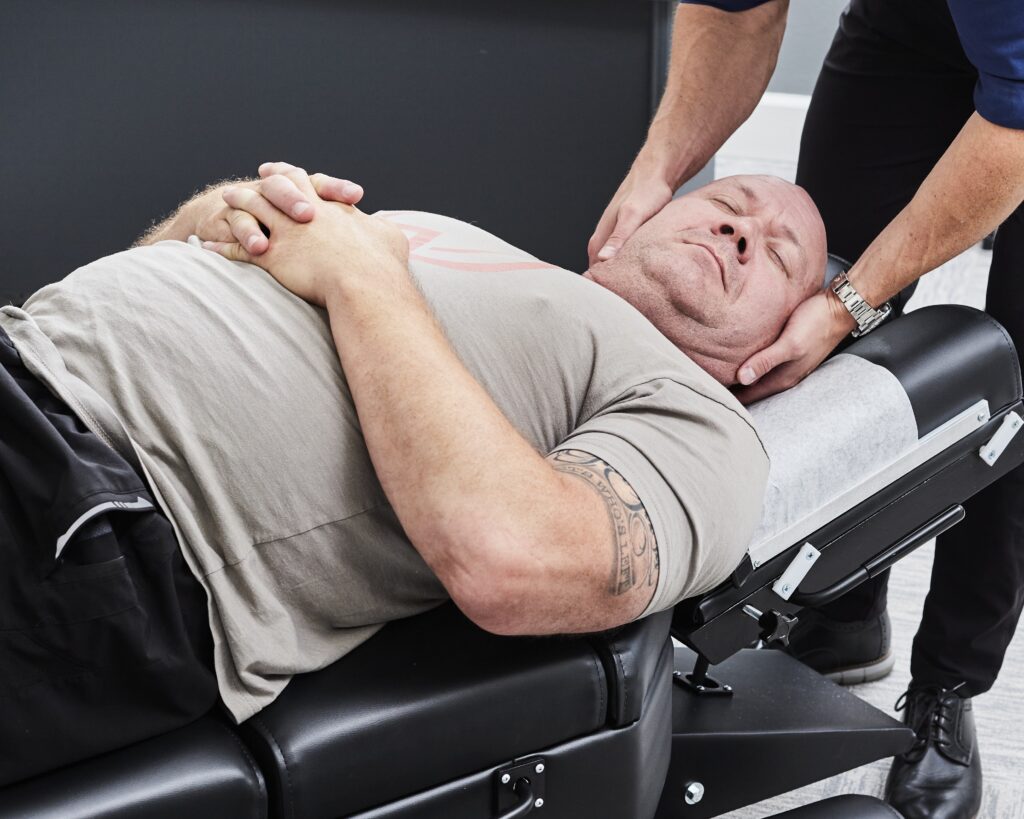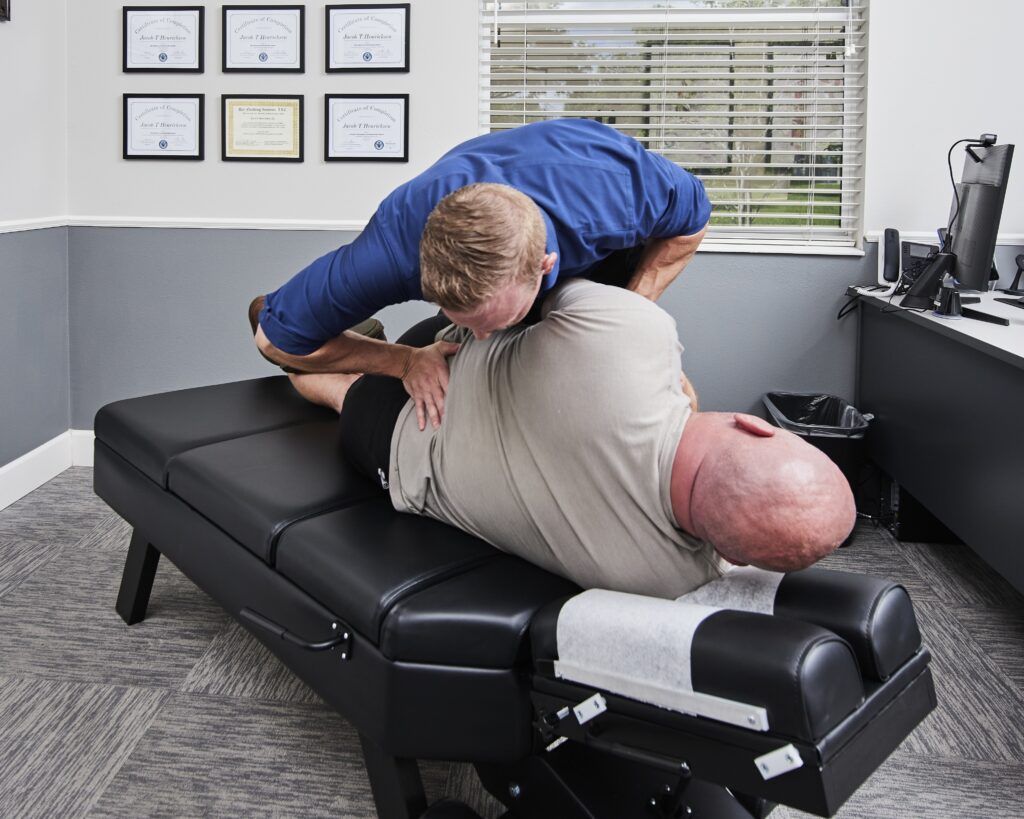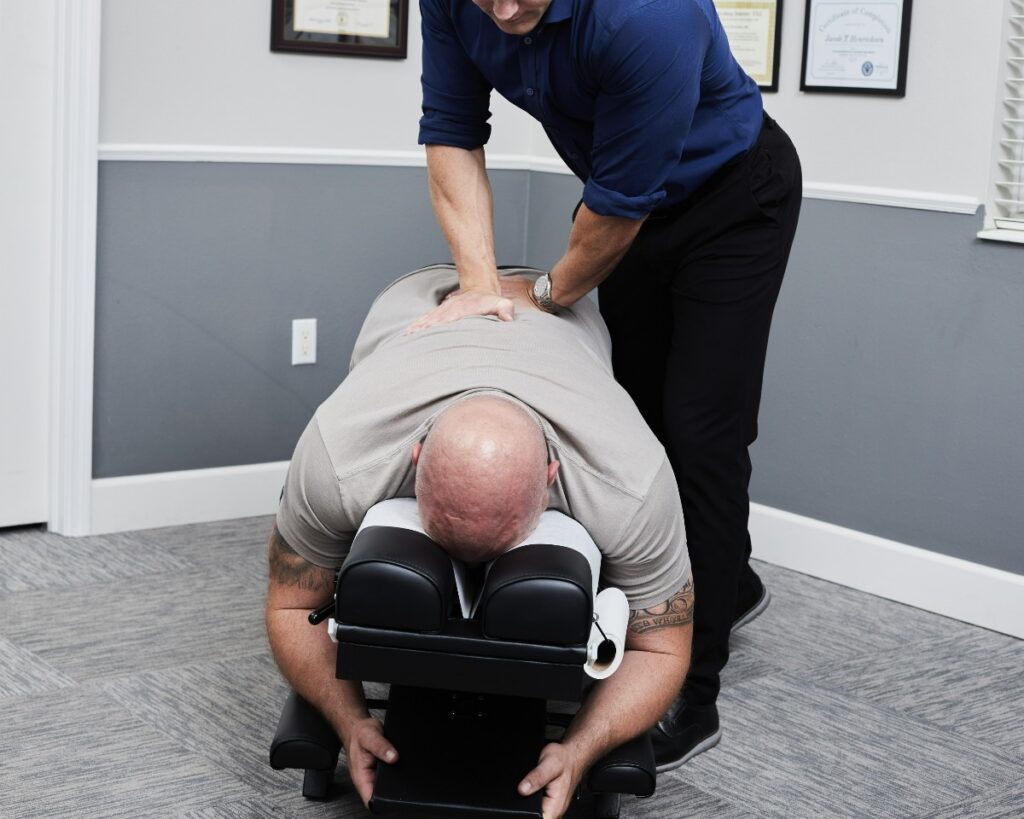

You might wonder why you should settle for generic care when you have the option to personalize your healthcare experience. Tailoring treatment to your specific needs not only enhances effectiveness but also fosters a deeper connection with your provider. This approach can lead to improved satisfaction and trust, making your health journey more meaningful. But how do you shift from one-size-fits-all solutions to a customized experience that truly resonates with you? The answer might surprise you.
The Importance of Personalization
When it comes to healthcare, personalization matters more than ever. You're not just a number or a diagnosis; your unique circumstances, preferences, and values all play a vital role in effective treatment. Personalized care means that healthcare providers tailor their approach to fit your specific needs, leading to better outcomes. It's about recognizing that no two patients are the same and that what works for one person mightn't work for another.
Imagine walking into a clinic where the staff knows your history, understands your concerns, and respects your choices. This level of care fosters trust and makes you feel valued. When healthcare professionals take the time to listen to you and customize their recommendations, you're more likely to engage actively in your treatment plan. Personalization empowers you to take control of your health journey.
Moreover, personalized care can lead to more accurate diagnoses. When doctors consider your individual symptoms, medical history, and even genetic factors, they're better equipped to identify underlying issues. This not only enhances the quality of care but also reduces the chances of unnecessary tests or treatments.
In a world overflowing with generic solutions, opting for personalized care can greatly improve your healthcare experience. It guarantees that you receive the right interventions at the right time, tailored specifically for you. Embracing this approach isn't just beneficial; it's essential for achieving ideal health outcomes and maintaining your overall well-being.
Benefits of Tailored Experiences
Tailored experiences in healthcare offer significant advantages that can transform your journey to wellness. When you receive personalized care, your specific needs and preferences take center stage, leading to more effective treatment plans. You're not just another patient; you're an individual with unique circumstances, and this recognition can enhance your overall health outcomes.
One key benefit of tailored experiences is improved engagement. When healthcare providers understand your preferences and goals, you're more likely to actively participate in your treatment. This collaboration fosters a sense of empowerment, making you feel more in control of your health. You'll find yourself motivated to adhere to recommendations, leading to better results.
Additionally, tailored experiences can lead to quicker diagnoses and more precise interventions. When your healthcare team has a thorough understanding of your history and lifestyle, they can identify potential issues sooner, which can save you time and discomfort. You won't have to go through a one-size-fits-all approach that often delays effective treatment.
Moreover, personalized care can enhance your overall satisfaction. Knowing that your provider is genuinely invested in your health creates a stronger patient-provider relationship. This trust translates into a more positive experience, making you feel valued and understood.
Personalization in Healthcare
When it comes to your health, personalized treatment plans can make all the difference.
By tailoring approaches to your unique needs, healthcare providers boost your engagement and overall satisfaction.
Let's explore how this personalization shapes your healthcare experience.
Tailored Treatment Plans
Personalized healthcare is revolutionizing the way we approach treatment, ensuring that each patient receives care uniquely suited to their needs. Tailored treatment plans are at the forefront of this transformation, allowing you to benefit from a strategy designed specifically for you. Instead of following a one-size-fits-all approach, your healthcare providers analyze your genetic makeup, lifestyle, and preferences to create a plan that addresses your unique health challenges.
Imagine walking into a clinic where your medical history is more than just numbers and symptoms; it's a roadmap guiding your treatment. This personalized approach can involve custom medication dosages, targeted therapies, or alternative treatments that align with your values and goals. By focusing on what works best for you, tailored treatment plans can enhance your response to therapies and minimize side effects.
Moreover, these plans are dynamic. They adapt based on your progress, ensuring that your treatment evolves as your needs change. You're not just a case number; you're an individual with a distinct health journey.
With tailored treatment plans, you're empowered to take control of your health and achieve better outcomes, making your healthcare experience more effective and satisfying.
Enhanced Patient Engagement
Engaging patients in their own healthcare journey is a vital component of personalized care. When you actively participate in your treatment, you're more likely to achieve better outcomes. This means understanding your unique health needs, preferences, and goals. By collaborating with your healthcare provider, you can create a plan that truly reflects what you want.
Enhanced patient engagement involves open communication and shared decision-making. You should feel empowered to ask questions, voice concerns, and express your preferences. When you're well-informed, you're in a better position to make choices that align with your values and lifestyle.
Technology plays a significant role here. With patient portals, mobile apps, and telehealth services, you can access your health information anytime. This convenience allows you to manage appointments, track symptoms, and connect with your healthcare team more easily.
Moreover, personalized education tailored to your condition helps you grasp essential information. When you know what to expect and how to manage your health, you're more likely to stay motivated and engaged.
Ultimately, when you're involved in your care, it fosters a stronger relationship with your provider and leads to improved health outcomes.
Customizing Customer Service
To truly enhance your customer service experience, you need to tailor your approach to meet individual preferences and needs.
Generic service might get the job done, but it's the personalization that transforms a standard interaction into a memorable one.
By customizing your customer service, you're not just addressing issues, but also building lasting relationships.
Here are five effective strategies to customize your customer service:
- Know Your Customers: Use CRM tools to gather data on preferences and past interactions. This allows you to anticipate needs and personalize your approach.
- Empower Your Team: Train your staff to make decisions on the spot. When they feel confident, they'll provide more tailored solutions that resonate with customers.
- Personalized Communication: Address customers by their names and reference past interactions. This simple touch can greatly enhance their experience.
- Solicit Feedback: Regularly ask customers for input on your service. This not only shows you care but also helps you adjust your approach based on their specific needs.
- Segment Your Audience: Create different customer profiles based on demographics, interests, or behaviors. Tailor your service offerings and communications accordingly.
Education and Individual Learning
In today's fast-paced world, education isn't a one-size-fits-all journey. You've probably noticed that each learner has unique strengths, interests, and challenges. So why should you follow a generic curriculum that doesn't cater to your individual needs?
Personalized education empowers you to take control of your learning experience, allowing you to engage with material that resonates with you.
Imagine being able to focus on subjects that ignite your passion while learning at your own pace. Personalized learning approaches, like adaptive learning platforms and customized lesson plans, help you grasp concepts more effectively. When lessons align with your interests, you're more likely to stay motivated and retain information.
You also have the opportunity to set your own goals. Whether you're looking to master a skill or explore a new subject, personalizing your educational path guarantees that you're not just going through the motions. You're actively shaping your learning experience to fit your aspirations.
Additionally, personalized education fosters self-awareness. As you identify your learning preferences and styles, you gain insight into how you learn best, which can benefit you throughout life.
It's not just about academics; it's about developing critical thinking and problem-solving skills tailored to your unique perspective.
Enhancing Relationships Through Personalization
Personalization can greatly enhance your relationships by fostering deeper connections and understanding. When you prioritize the unique needs and preferences of those around you, you create an environment where everyone feels valued.
By focusing on the individual, you're more likely to strengthen bonds and encourage open communication.
Here are some ways personalization can improve your relationships:
- Active Listening: Pay attention to what others say, showing genuine interest in their thoughts and feelings. This builds trust and respect.
- Tailored Experiences: Customize your interactions by remembering important details, like birthdays or favorite activities, making your connections feel special.
- Empathy: By recognizing and appreciating someone's unique perspective, you foster an atmosphere of understanding and compassion.
- Personalized Feedback: Offer constructive criticism that's specific to the individual's strengths and weaknesses, promoting growth and improvement.
- Shared Values: Identify and discuss common interests or beliefs, which can serve as a foundation for deeper conversations and connections.
Case Studies of Success
You'll find that tailored treatment approaches can lead to remarkable individual success stories.
These real-life examples highlight how personalized care greatly impacts outcomes for patients.
Let's explore some of these inspiring cases to see what works best.
Tailored Treatment Approaches
Recognizing the unique needs of each patient has led to innovative tailored treatment approaches that markedly improve outcomes.
These personalized strategies focus on you as an individual rather than a one-size-fits-all solution. By evaluating various factors, healthcare providers can design a treatment plan that truly aligns with your specific circumstances.
Here are some key elements of tailored treatment approaches:
- Genetic Testing: Identifying genetic predispositions helps in selecting the most effective medications.
- Lifestyle Evaluations: Understanding your daily habits allows for more relevant lifestyle modifications.
- Patient Preferences: Actively involving you in decision-making guarantees greater satisfaction and adherence to the plan.
- Continuous Monitoring: Regular check-ins enable real-time adjustments to your treatment as needed.
- Multidisciplinary Teams: Collaboration among specialists ensures thorough care that addresses all aspects of your health.
Individual Success Stories
Many patients have experienced remarkable transformations thanks to personalized care strategies. Take Sarah, for example. After years of struggling with chronic pain, she found a team that tailored her treatment plan specifically to her needs.
By integrating physical therapy, nutritional counseling, and mindfulness practices, Sarah not only managed her pain but also improved her overall quality of life.
Then there's Mark, who battled diabetes for over a decade. When his healthcare provider shifted to a personalized approach, they assessed his lifestyle, preferences, and genetic factors.
By customizing his meal plans and exercise regimens, Mark was able to stabilize his blood sugar levels and reduce his medication intake considerably.
Another inspiring story is that of Lisa, who faced severe anxiety. Through a combination of therapy, medication adjustments, and coping strategies designed just for her, she gradually reclaimed her life.
These individual success stories highlight how personalized care isn't just a buzzword; it's a game-changer.
When you focus on what works best for you, the results can be life-altering. You don't have to settle for one-size-fits-all solutions; personalized care can truly make a difference.
Impact on Outcomes
Research shows that personalized care can greatly improve health outcomes across various conditions. When you tailor treatment to fit individual needs, you're not just addressing symptoms; you're enhancing overall well-being.
Let's look at some compelling case studies that highlight the positive impact of personalized care:
- Chronic Illness Management: Patients with diabetes who received customized diet plans and regular follow-ups experienced significant improvements in blood sugar control.
- Mental Health Treatment: Individuals receiving therapy designed around their unique experiences reported higher satisfaction and lower relapse rates.
- Post-Surgery Recovery: Customized rehabilitation programs led to faster recovery times and reduced complications for patients after major surgeries.
- Pediatric Care: Children with asthma who'd personalized action plans showed fewer emergency visits and better management of their condition.
- Elderly Care: Tailored interventions for seniors resulted in enhanced mobility and a greater quality of life, reducing hospital admissions.
These examples demonstrate how personalized care can lead to better health outcomes. By focusing on the individual, you're not just improving specific symptoms; you're fostering a holistic approach to health that can change lives.
Challenges of Generic Approaches
Generic approaches to healthcare often fall short of addressing individual needs, leading to significant challenges in patient outcomes. When you receive a one-size-fits-all treatment, it doesn't take into account your unique medical history, lifestyle, or preferences. This lack of personalization can result in ineffective treatments, worsening symptoms, or even adverse reactions to medications that aren't tailored to you.
Another major challenge is the potential for miscommunication. Generic care often relies on standard protocols that may overlook important nuances of your condition. If your healthcare provider doesn't fully understand your specific situation, they might miss vital signs or fail to ask the right questions. This gap in understanding can delay diagnosis and treatment, leaving you feeling frustrated and unheard.
Additionally, generic approaches might lead to lower patient engagement. When you don't feel that your care is personalized, you're less likely to invest in your health journey. You may find it hard to follow treatment plans that don't resonate with your lifestyle or values. This disengagement can then result in poor adherence to medication or lifestyle changes, ultimately hindering your recovery.
Lastly, generic care can exacerbate health disparities. If everyone receives the same treatment, those with unique needs—such as chronic conditions or socio-economic challenges—may not get the attention they deserve. As a result, the overall efficacy of the healthcare system diminishes, leaving many patients struggling for better outcomes.
It's clear that without personalization, healthcare risks falling short in truly serving you.
Steps to Implement Personalization
To truly enhance patient care, implementing personalization in healthcare is an essential step. By tailoring your approach to each patient's unique needs, you can foster better outcomes and strengthen the patient-provider relationship.
Here are some actionable steps you can take to implement personalization effectively:
- Gather Detailed Data: Start by collecting detailed information about your patients. This includes their medical history, lifestyle choices, and preferences. Use this data to create a holistic view of each individual.
- Engage in Open Communication: Encourage patients to share their concerns and expectations. This two-way dialogue helps build trust and allows you to address their needs more accurately.
- Utilize Technology: Leverage health technology tools like electronic health records (EHR) and patient portals to track and analyze patient data. These tools can provide insights for personalized treatment plans.
- Create Customized Care Plans: Based on the data gathered, develop tailored care plans that consider each patient's lifestyle, values, and preferences. This approach can lead to increased adherence to treatment.
- Continuously Evaluate and Adapt: Personalization isn't a one-time effort. Regularly assess the effectiveness of your personalized strategies and make adjustments based on feedback and outcomes.
Future Trends in Personalized Care
As you look ahead, several exciting trends are shaping the future of personalized care in healthcare. One major development is the integration of artificial intelligence (AI) and machine learning. These technologies analyze vast amounts of patient data, helping providers tailor treatments based on individual needs.
Imagine receiving care that's not just standard but specifically designed for you, enhancing outcomes and efficiency.
Telemedicine is another trend that's transforming personalized care. You can now connect with healthcare professionals from the comfort of your home, allowing for more frequent check-ins and ongoing adjustments to your treatment plan.
This accessibility not only saves time but also guarantees that your care remains aligned with your evolving health status.
Wearable devices are also gaining traction. With smartwatches and fitness trackers monitoring your essential signs, you can share real-time data with your healthcare team.
This continuous flow of information enables quicker responses to any changes in your condition, allowing for proactive adjustments in your care.
Genomics is yet another frontier pushing personalized care forward. As genetic testing becomes more affordable, providers can tailor treatments based on your unique genetic makeup.
This means more effective therapies with fewer side effects, making your treatment journey smoother.
Conclusion
In a world where healthcare can feel one-size-fits-all, embracing personalization transforms your experience. Tailoring treatment to your unique needs not only enhances outcomes but also fosters a deeper connection with your providers. You deserve care that respects your preferences and circumstances. As we move towards a future where personalized approaches become the norm, you'll find greater satisfaction, empowerment, and trust in your healthcare journey. Don't settle for generic—choose care designed just for you.