
When you experience sports-related pain, it's easy to brush it off as just part of the game. However, ignoring these signals can lead to more significant problems down the line. Seeking professional help isn't just about addressing discomfort; it's about ensuring your long-term health and performance. Understanding the risks and benefits of early intervention can make all the difference in your recovery. So, what happens when you choose to ignore those warning signs? The answer may surprise you and could change how you approach your training.
Understanding Sports-Related Pain
Sports-related pain is a common issue that many athletes face, regardless of their skill level or experience. You might feel discomfort in your muscles, joints, or tendons after a rigorous training session or a competitive game. This pain can stem from various factors, including overuse, improper technique, or inadequate warm-up routines. Understanding the root causes of this pain is vital for managing it effectively.
When you push your body, whether through strength training or endurance sports, you're likely to experience some level of strain. It's your body's way of signaling that it's being challenged. However, distinguishing between normal soreness and pain that could lead to injury is essential. If you notice persistent pain that lingers beyond a few days or worsens with activity, it's a clear indication that something might be wrong.
Listening to your body is key. Ignoring pain can lead to more severe issues down the line, affecting not only your performance but also your overall health. You might think that resting will solve the problem, but sometimes, a more proactive approach is needed.
Engaging with healthcare professionals, like physical therapists or sports medicine specialists, can provide you with insights tailored to your specific situation.
Common Types of Injuries
Injuries can manifest in various forms, often depending on the type of sport and the demands it places on your body. Strains and sprains are among the most common injuries you might encounter, typically resulting from overstretching muscles or ligaments.
If you're playing a high-impact sport, like football or basketball, you may also experience joint injuries, such as ACL tears or ankle sprains. These injuries can sideline you for weeks or even months, depending on their severity.
Tendonitis is another frequent issue, particularly in sports requiring repetitive motions, like tennis or swimming. You might notice pain in your elbow or shoulder, signaling that your tendons are inflamed and need rest.
Fractures can occur as well, especially in contact sports or if you fall awkwardly. Even a minor fracture can keep you off the field for a significant amount of time.
Concussions are a serious concern too, particularly in sports like hockey or rugby. If you experience symptoms like dizziness, confusion, or headaches after a blow to the head, it's essential to seek help immediately.
Don't overlook the impact of overuse injuries, which develop gradually as you push your body too hard without adequate recovery. These injuries can affect any part of your body, from your knees to your lower back.
Recognizing these common injuries can help you take proactive steps to protect your body and maintain your athletic performance.
Importance of Early Intervention
Early intervention is essential when it comes to sports-related pain because it can prevent long-term damage to your body.
Addressing issues promptly not only helps you recover faster but also enhances your overall performance.
Don't wait for pain to worsen; seeking help early can make all the difference.
Preventing Long-Term Damage
Many athletes underestimate the importance of seeking help promptly for pain, thinking it will resolve on its own. This mindset can lead to significant long-term damage. When you ignore early signs of discomfort, you risk exacerbating the problem, which may result in chronic injuries that could sideline you for an extended period.
Early intervention is vital; it allows you to address the root cause of your pain before it evolves into a more severe issue. By consulting a professional, you can receive a proper diagnosis and tailored treatment plan. This proactive approach not only aids in your recovery but also helps preserve your athletic career.
Remember, your body is your most valuable asset, and neglecting it can lead to consequences that affect your performance and enjoyment of the sport you love.
Moreover, seeking help early can enhance your understanding of body mechanics and injury prevention strategies. You'll learn how to modify your training, adopt better techniques, and incorporate necessary rest periods to guarantee you're not just treating the symptoms.
In the long run, taking action early can save you from suffering through persistent pain and the frustration of missed opportunities in your athletic journey.
Enhancing Performance Recovery
When you prioritize seeking help for pain, you're not just protecting your body; you're also enhancing your performance recovery. Early intervention is essential in addressing any discomfort or injury you might experience during your athletic pursuits. Ignoring pain can lead to more severe issues, which can greatly hinder your performance and prolong recovery times.
By consulting with a professional, you gain insights into your condition, allowing you to understand the root cause of your pain. This proactive approach enables you to implement tailored recovery strategies that can speed up healing and improve your overall performance. Techniques such as physical therapy, proper rehabilitation exercises, and personalized recovery plans can make a world of difference.
Moreover, addressing pain early can help you maintain your training schedule without unnecessary interruptions. When you're not sidelined by injuries, you can consistently push your limits, build strength, and refine your skills.
Ultimately, seeking help isn't just about alleviating pain; it's about optimizing your athletic potential. By taking action now, you set the foundation for better performance and a healthier future in your sport. Don't let pain hold you back; embrace the support you need to enhance your recovery.
Benefits of Professional Assessment
Seeking professional assessment for sports-related pain can greatly enhance your recovery process. When you consult a specialist, you gain access to a wealth of knowledge and resources that can help you understand your injury better. This proactive approach not only aids in your recovery but can also prevent future issues.
Here are three key benefits of getting a professional assessment:
- Accurate Diagnosis: A trained professional can pinpoint the exact source of your pain. This accuracy is essential as it allows for targeted treatments rather than guesswork. Misdiagnosis can lead to ineffective therapies and prolonged suffering.
- Personalized Treatment Plans: Once your injury is properly assessed, you'll receive a tailored treatment plan designed specifically for your needs. This can include physical therapy, rehabilitation exercises, and even nutritional advice to support your healing process. A one-size-fits-all approach rarely works in sports medicine.
- Expert Guidance: Professionals can provide ongoing support and monitor your progress. Their expertise helps you understand how to manage your pain effectively, which activities to avoid, and when you can safely return to your sport. This guidance is invaluable in ensuring you don't rush back too soon, potentially aggravating your injury.
Long-Term Health Considerations
Long-term health considerations play a critical role in your overall athletic performance and well-being. When you experience sports-related pain, it's important to address it promptly to avoid potential long-term consequences. Ignoring pain can lead to chronic issues that not only hinder your athletic abilities but also affect your daily life.
By seeking help early on, you can gain insights into your body's mechanics and identify any underlying problems contributing to your discomfort. Professional assessment allows you to develop a tailored plan that focuses on recovery and prevention, ensuring you stay in peak condition for your sport. This proactive approach helps maintain your flexibility, strength, and endurance, which are essential for ideal performance.
Incorporating preventive strategies into your routine can also enhance your resilience against future injuries. For example, engaging in proper warm-ups, utilizing correct techniques, and prioritizing rest can greatly impact your long-term health. Not only does this minimize your risk of injury, but it also boosts your confidence as you compete.
Additionally, addressing pain can improve your mental health. Chronic pain can lead to frustration and anxiety, which can negatively affect your motivation and enjoyment of the sport. When you prioritize your health, you can focus on what you love—competing and improving your skills.
Ultimately, taking care of your body today sets the foundation for a healthier, more fulfilling athletic career tomorrow. By seeking help for sports-related pain, you're investing in your long-term health and performance.
Consequences of Ignoring Pain
Ignoring sports-related pain can lead to a cascade of negative consequences that affect not just your athletic performance but your overall quality of life.
When you choose to overlook pain, you risk further injury and long-term complications that can sideline you for an extended period. It's vital to recognize that pain is your body's way of signaling that something's wrong.
Here are three major consequences of ignoring it:
- Worsening Injuries: What starts as minor discomfort can escalate into a severe injury. You might push through the pain, but this often leads to conditions like tendonitis or stress fractures that require extensive recovery time.
- Decreased Performance: Chronic pain can hinder your ability to compete effectively. You may notice a decline in strength, speed, and agility, making it harder to perform at your best. This drop in performance can be frustrating and demoralizing, affecting your mental game.
- Mental Health Issues: Living with constant pain can take a toll on your mental well-being. Feelings of frustration, anxiety, and depression can arise, impacting not just your sports life, but your day-to-day activities as well.
Seeking the Right Help
When you're dealing with sports-related pain, getting the right help is essential.
A professional assessment can pinpoint the issue, allowing for tailored treatment options that fit your needs.
Don't settle for a one-size-fits-all approach—your recovery deserves more.
Importance of Professional Assessment
Seeking the right help for sports-related pain starts with a professional assessment, which can make all the difference in your recovery journey. When you experience pain, it's important to understand the underlying causes. A thorough evaluation by a qualified professional not only identifies the issue but also sets you on a path to effective treatment.
Here are three key reasons why a professional assessment is significant:
- Accurate Diagnosis: A trained specialist can pinpoint the exact source of your pain, whether it's a muscle strain, ligament injury, or something more complex. This accuracy is crucial for effective treatment.
- Personalized Advice: A professional can provide tailored guidance on how to modify your training regimen, ensuring you continue progressing while minimizing the risk of further injury.
- Preventing Future Issues: By addressing the root cause of your pain, you can avoid recurring problems. A professional assessment often includes recommendations for strengthening exercises or changes in technique that help safeguard against future injuries.
Don't underestimate the importance of seeking professional help; it's a significant step toward recovery and long-term well-being in your sport.
Tailored Treatment Options Available
After receiving a professional assessment, you'll discover a range of tailored treatment options designed to address your specific needs.
Whether you're dealing with a sprain, strain, or chronic pain, your recovery plan can include physical therapy, chiropractic care, or even specialized strength training.
Physical therapy focuses on rehabilitation exercises that enhance mobility and strengthen the affected area. Your therapist will guide you through tailored regimens aimed at pain relief and functional improvement.
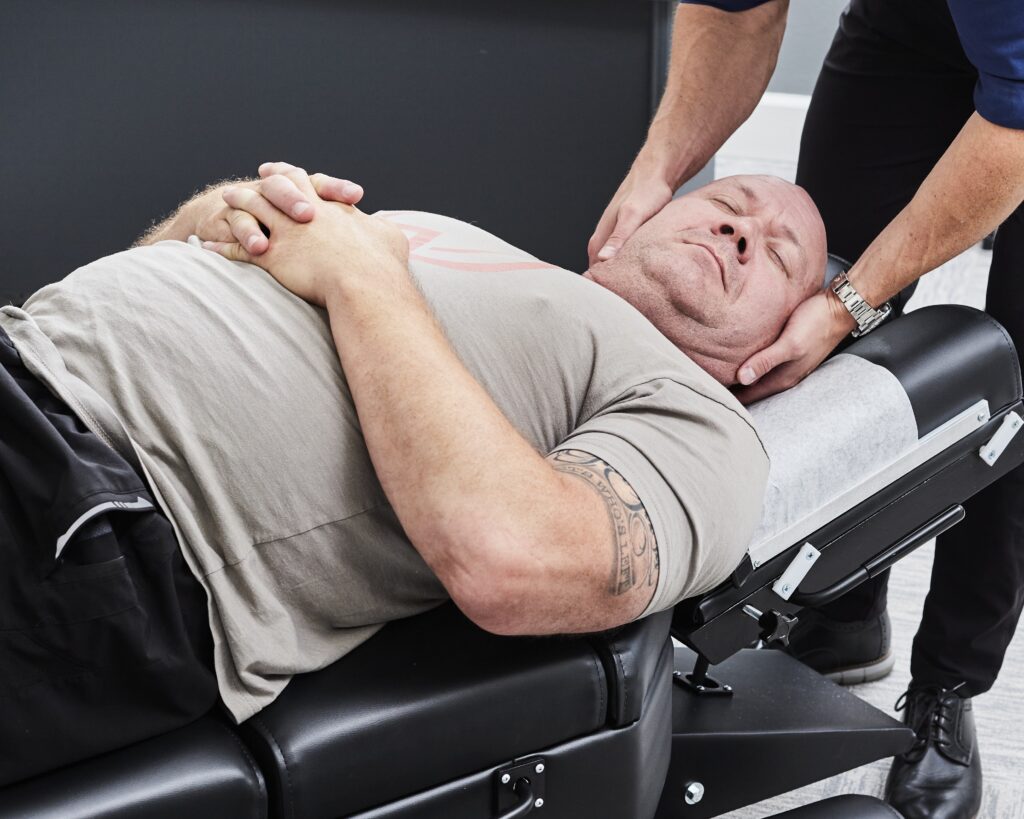
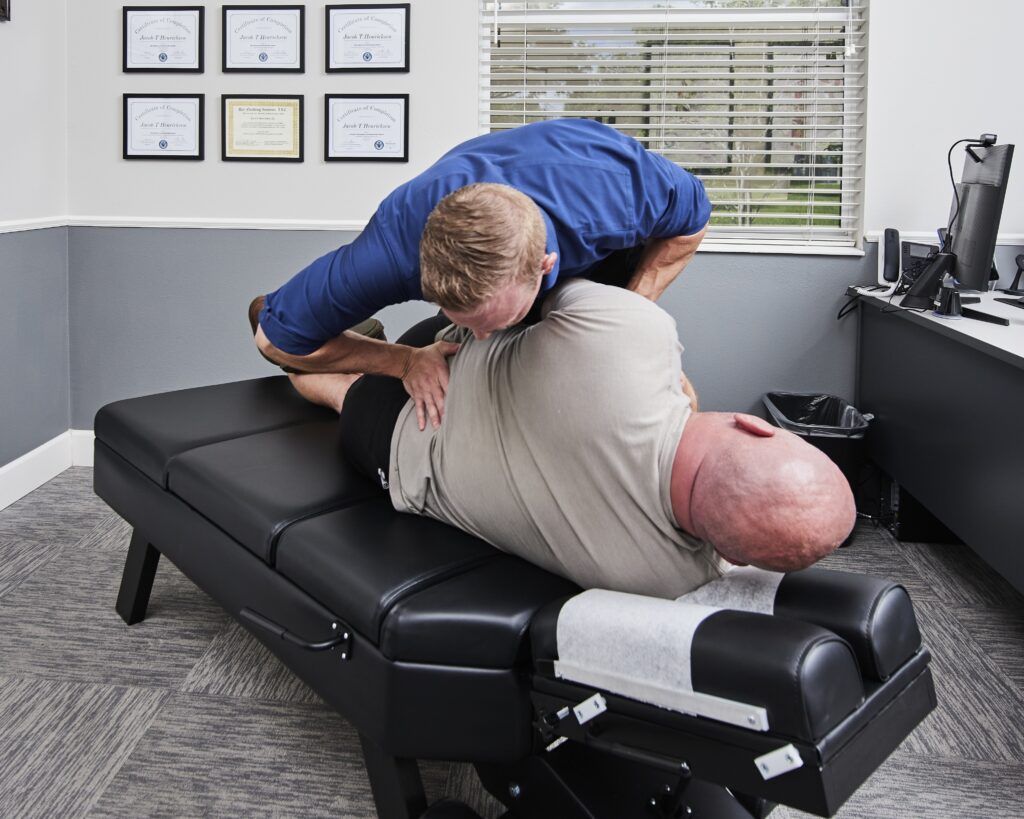
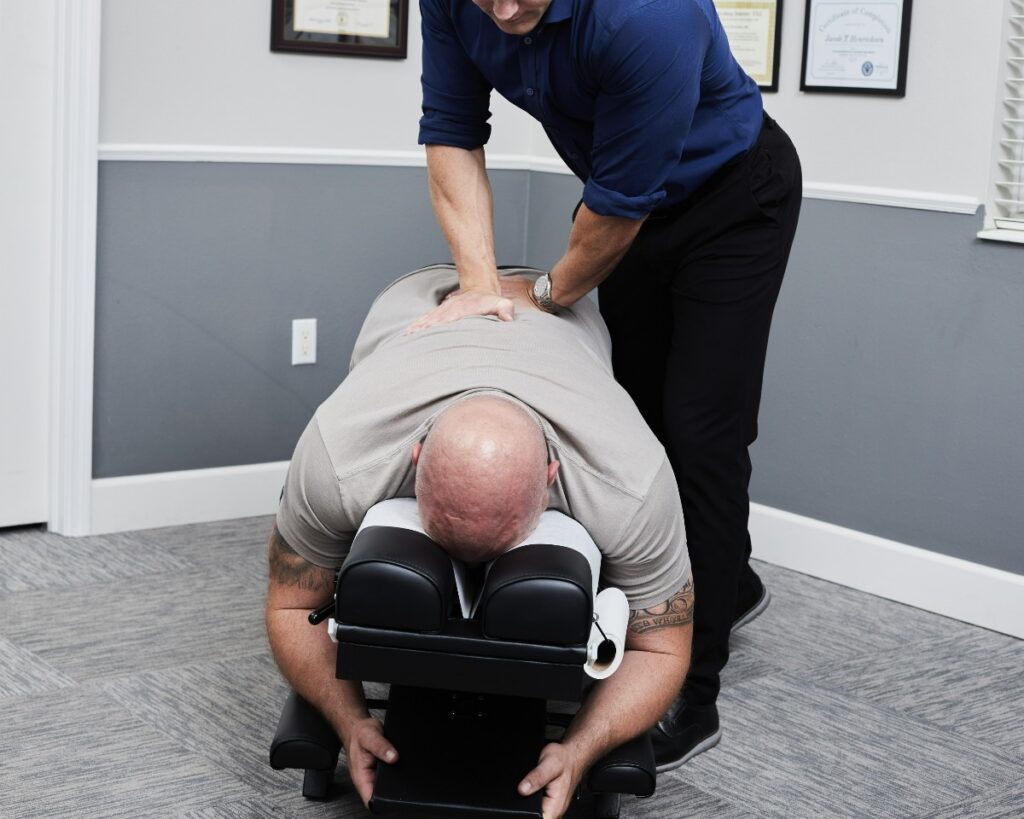
Chiropractic care, on the other hand, can help realign your spine and joints, promoting overall body balance and reducing discomfort.
If your condition requires it, you might also explore options like acupuncture or sports massage therapy. These methods can alleviate tension and improve circulation, speeding up the healing process.
Additionally, your healthcare provider may recommend anti-inflammatory medications or topical treatments to manage pain effectively.
Remember, each option is customized to fit your unique situation, ensuring you can return to your sport safely and efficiently.
The key is to communicate openly with your healthcare team about your symptoms and goals. This collaboration will lead you to the best treatment pathway tailored just for you.
Conclusion
Injuries shouldn't be taken lightly, especially when it comes to sports-related pain. Seeking help early can prevent long-term damage and keep you performing at your best. With professional assessment, you gain personalized care that targets your specific needs, reducing the risk of re-injury. Don't ignore the warning signs—addressing pain promptly not only improves your physical health but also supports your mental well-being. Take the first step toward recovery and guarantee you stay in the game.