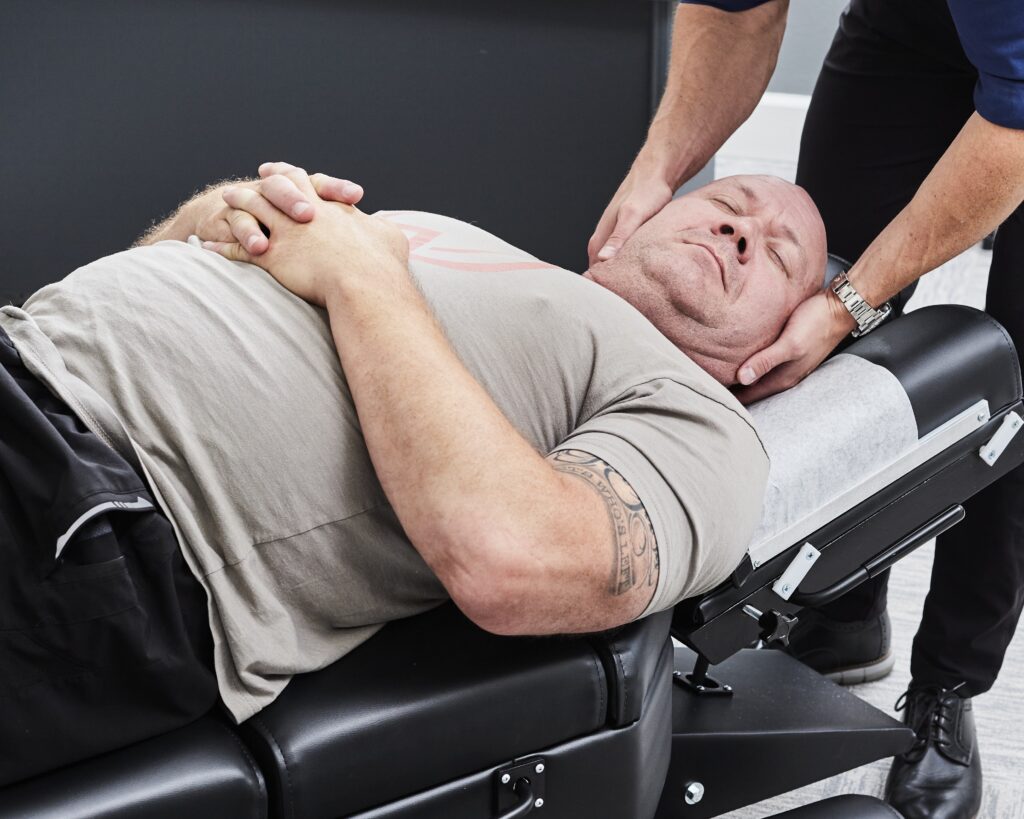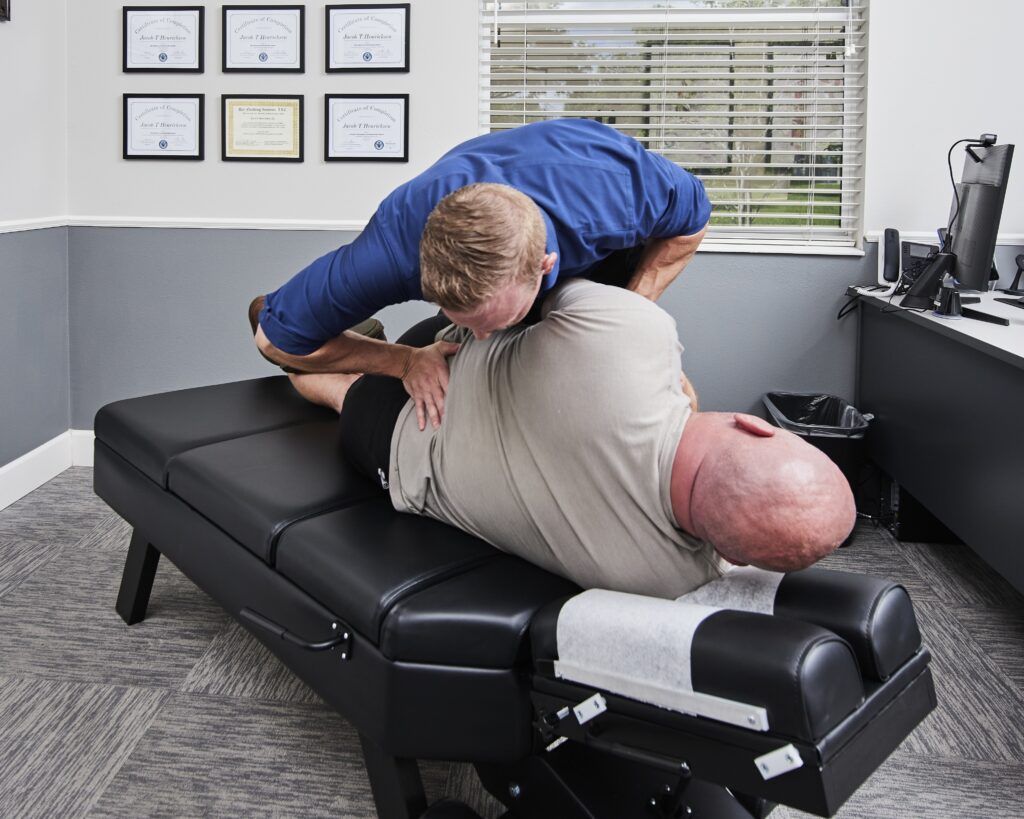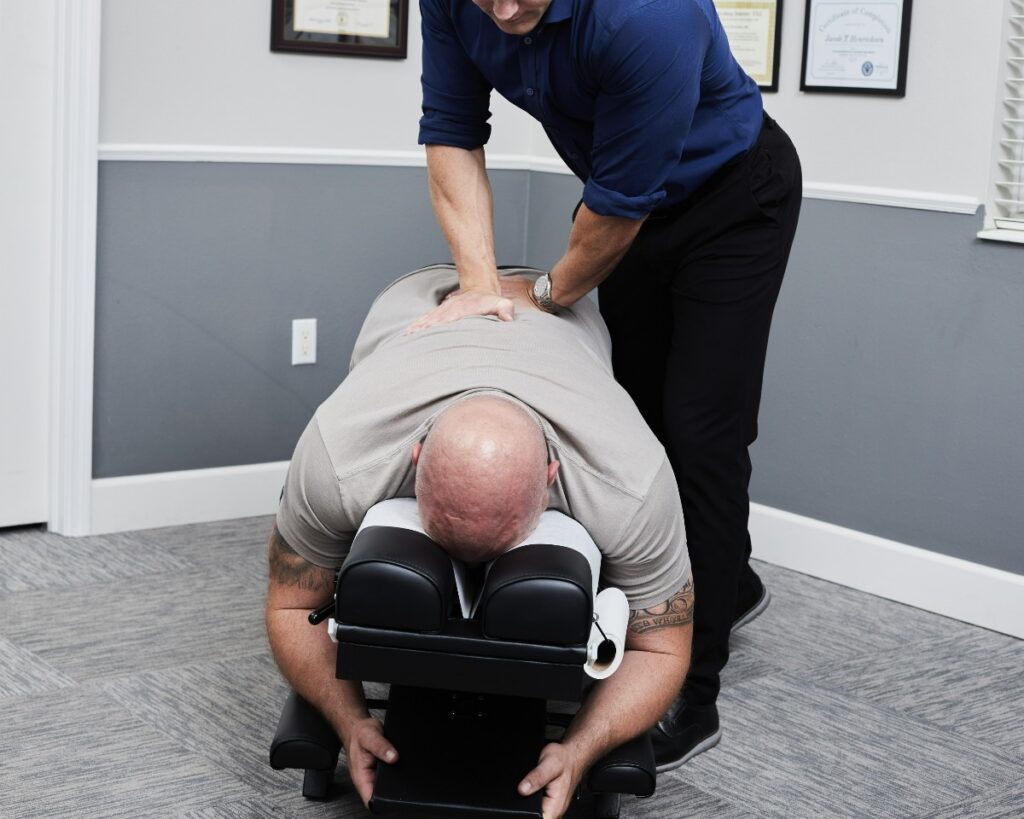

When you're living with chronic pain, it's easy to feel overwhelmed and uncertain about your next steps. Seeking professional care can be a turning point, offering you tailored treatment strategies that address both the physical and emotional aspects of your pain. With expert guidance, you can explore options that not only alleviate discomfort but also enhance your overall quality of life. But what exactly should you expect from this journey, and how can it truly transform your day-to-day experience?
Understanding Chronic Pain
Understanding chronic pain starts with recognizing its complexity. You might think of pain as a straightforward signal from your body, but chronic pain often goes beyond that. It's not just about physical discomfort; it involves emotional, psychological, and social aspects too.
When you experience chronic pain, it can affect your mood, relationships, and even daily activities. This multifaceted nature makes it vital to grasp how these elements intertwine and influence your overall well-being.
Chronic pain can stem from various sources, including injuries, illnesses, or even conditions like fibromyalgia. Unlike acute pain, which serves as a warning sign, chronic pain lingers long after the initial cause has healed. You might find yourself facing unpredictable flare-ups that can leave you feeling frustrated and helpless.
It's important to recognize that your experience of pain is unique; what works for one person may not work for another.
Your brain plays a significant role in how you perceive pain. It can amplify or dampen your pain signals based on your mental state, stress levels, or past experiences. By understanding this, you can begin to take control of your pain management strategies.
It's about finding what resonates with you, whether it's through lifestyle changes, self-care practices, or simply learning more about your condition.
Ultimately, understanding chronic pain is a journey, one that requires patience and self-compassion as you navigate through its complexities.
Benefits of Professional Care
When you seek professional care for chronic pain, you access enhanced pain relief strategies tailored just for you.
Your treatment plan becomes personalized, addressing your specific needs and lifestyle.
Plus, you gain access to specialists who can offer expertise and support throughout your journey.
Enhanced Pain Relief Strategies
Enhanced pain relief strategies play an essential role in managing chronic pain effectively, and seeking professional care can considerably improve your quality of life. When you consult with healthcare professionals, they can introduce you to a variety of evidence-based techniques tailored to your specific needs.
These strategies may include physical therapy, which strengthens muscles and improves flexibility, or cognitive-behavioral therapy, helping you cope with the emotional aspects of pain. You might also find relief through medication management, where professionals can adjust dosages or explore alternative medications that better suit your body.
Complementary approaches like acupuncture or massage therapy can also be integrated to augment your overall pain relief experience. With access to specialized knowledge, you'll gain insights into lifestyle changes that can further alleviate discomfort, such as diet modifications or exercise regimens.
Finally, being part of a supportive network of healthcare providers guarantees that you're not alone in this journey. You'll be equipped with the tools and resources necessary to navigate your pain, empowering you to take control of your health and well-being.
Seeking professional care truly opens the door to enhanced pain relief strategies that can transform your daily life.
Personalized Treatment Plans
Personalized treatment plans tailor the approach to your unique needs, ensuring that the strategies you use align with your specific experiences of pain. When you work with healthcare professionals, they assess your individual situation, including the type, intensity, and duration of your pain. This thorough understanding helps them create a plan that addresses not just the symptoms but also the underlying causes.
With personalized treatment, you're more likely to see effective results. Instead of a one-size-fits-all solution, your plan might incorporate a combination of medication, physical therapy, lifestyle modifications, and alternative therapies. This variety increases your chances of finding what truly works for you.
Additionally, personalized plans allow for regular adjustments based on your progress. If a particular strategy isn't yielding the desired results, your healthcare provider can modify your plan, ensuring that you're always on the most effective path.
Ultimately, these tailored approaches empower you to take control of your pain management journey. By focusing on your unique needs, you'll find that your path to relief can be more efficient, effective, and ultimately, more fulfilling.
Access to Specialists
Access to specialists can make a significant difference in managing chronic pain effectively. When you consult with experts in pain management, you're tapping into a wealth of knowledge and experience specifically tailored to your needs.
Specialists like pain management physicians, physical therapists, and psychologists can provide insights that general practitioners may overlook. These professionals often use advanced diagnostic tools to pinpoint the root causes of your pain. This targeted approach allows them to recommend treatment options that are more likely to work for you.
Whether it's medication management, physical therapy, or alternative treatments, specialists can create a thorough plan that aligns with your lifestyle. Moreover, specialists stay updated with the latest research and techniques in pain management, ensuring you receive cutting-edge care.
They can also coordinate with other healthcare providers to create a seamless treatment experience. This teamwork can lead to better outcomes, as everyone is focused on your recovery.
Tailored Treatment Plans
When managing chronic pain, a one-size-fits-all approach often falls short; you need a plan that considers your unique experiences and needs. Tailored treatment plans are essential for effective pain management because they take into account various factors such as your medical history, type of pain, lifestyle, and personal goals. By discussing these elements with your healthcare provider, you can create a strategy that aligns with your specific situation.
First, your healthcare team will assess the nature of your pain. Is it acute or chronic? Is it localized or widespread? Understanding these nuances helps in selecting the right interventions.
Next, they'll look at your medical history to identify any past treatments that worked or didn't work for you. This information is vital for avoiding ineffective treatments and focusing on what's most likely to help.
In addition, consider your lifestyle. Do you have physical activities you enjoy that can be incorporated into your treatment? Tailoring your plan to include these elements not only boosts your motivation but also enhances the likelihood of adherence to the regimen.
Finally, your personal goals matter. Whether you aim to return to a specific activity or simply want to reduce daily pain levels, your treatment should reflect these aspirations.
Addressing Emotional Health
Chronic pain doesn't just affect your body; it impacts your emotional health and daily life too.
You'll need effective coping strategies and a strong support system to navigate these challenges.
Recognizing the importance of emotional well-being is a vital step in managing your pain effectively.
Impact on Daily Life
Living with chronic pain can greatly affect your emotional health, often leading to feelings of frustration, sadness, or isolation. You might find that daily tasks, once routine, become overwhelming challenges. This constant struggle can sap your energy and motivation, making it hard to engage in activities you once enjoyed. Your relationships may also suffer; friends and family mightn't fully understand what you're going through, leaving you feeling disconnected.
You may experience mood swings or anxiety as you navigate the unpredictability of your pain. It's common to worry about how your condition will impact your future, leading to heightened stress. This cycle of emotional distress can further exacerbate your pain, creating a feedback loop that feels impossible to escape.
Additionally, the stigma surrounding chronic pain can add another layer of emotional burden. You might hesitate to share your experiences, fearing judgment or disbelief. This silence can deepen feelings of loneliness, making it essential to acknowledge how chronic pain affects not just your body, but your mind and spirit as well.
Seeking support and understanding can help you manage these emotional challenges, improving your overall well-being and quality of life.
Coping Strategies and Techniques
Many people find that implementing effective coping strategies can considerably improve their emotional health while managing chronic pain. One essential technique is practicing mindfulness. By focusing on the present moment, you can reduce anxiety and stress related to your pain.
Try incorporating deep breathing exercises or meditation into your daily routine; even a few minutes can make a difference.
Another beneficial approach is engaging in physical activity, tailored to your abilities. Gentle exercises like stretching, yoga, or walking can elevate your mood and decrease pain intensity.
Don't underestimate the power of a well-balanced diet and proper hydration—they play a crucial role in your emotional well-being.
Journaling can also be a powerful tool. Writing about your feelings can help you process emotions and gain insights into your pain triggers.
Additionally, setting small, achievable goals can provide a sense of accomplishment, boosting your self-esteem and motivation.
Remember to prioritize self-care. Simple activities like reading, listening to music, or spending time in nature can uplift your spirit.
Importance of Support Systems
Having a strong support system can make a significant difference in your emotional health while managing chronic pain. The people around you play an important role in your journey, providing understanding and encouragement.
Here are four key aspects of support systems that can enhance your emotional well-being:
- Emotional Validation: Friends and family can help validate your feelings, making you feel less isolated in your struggles.
- Shared Experiences: Connecting with others who understand chronic pain can foster a sense of community and shared understanding.
- Practical Assistance: A support system can assist with daily tasks, allowing you to focus on your recovery rather than feeling overwhelmed.
- Encouragement for Self-Care: Supportive individuals can motivate you to engage in self-care activities, which are essential for managing both pain and emotional health.
Surrounding yourself with a strong network can alleviate feelings of loneliness and helplessness.
Remember, it's okay to lean on others. When you feel supported, you're more likely to remain resilient and focused on your healing journey.
Don't underestimate the power of connection—it's an important component in managing chronic pain effectively.
Navigating Social Challenges
Maneuvering social challenges while managing chronic pain can feel overwhelming, but you're not alone in this struggle. Many people experience isolation, misunderstandings, and difficulties in maintaining relationships due to their chronic pain. It's important to recognize that these challenges are common and can be handled with some strategies.
First, open communication is key. Share your experience with close friends and family. Help them understand what you're going through and how they can support you. This can reduce misunderstandings and foster empathy. You might find that people are more willing to assist when they've a clearer picture of your situation.
Next, set boundaries. You don't have to attend every social gathering or engage in activities that exacerbate your pain. It's okay to say no and prioritize your health. By doing so, you'll also create space for meaningful interactions that won't drain your energy.
Consider seeking out support groups, either in-person or online. Connecting with others facing similar challenges can provide a sense of belonging and understanding. You'll find that sharing experiences and coping strategies can be incredibly beneficial.
Lastly, practice self-compassion. Acknowledge that it's okay to struggle. You're doing your best, and it's important to be kind to yourself during this process.
Improving Quality of Life
Improving your quality of life while managing chronic pain isn't just a goal; it's an important part of your overall well-being. When chronic pain affects your daily activities, it can feel overwhelming.
However, by taking proactive steps, you can enhance your life in meaningful ways. Here are four strategies that can help:
- Engage in Regular Physical Activity: Gentle exercises like walking, swimming, or yoga can reduce pain and strengthen your body. Movement releases endorphins, which naturally improve your mood.
- Practice Mindfulness and Relaxation Techniques: Mindfulness, meditation, or deep-breathing exercises can help you cope with pain. These techniques foster a sense of calm, making it easier to handle discomfort.
- Prioritize Sleep: Quality sleep is vital for healing and overall health. Establishing a consistent sleep routine can help improve your pain levels and emotional resilience.
- Connect with Supportive Communities: Surrounding yourself with understanding friends, family, or support groups can provide emotional relief. Sharing experiences and tips can empower you to manage your pain more effectively.
Conclusion
In conclusion, seeking care for chronic pain management can greatly enhance your quality of life. By working with professionals, you gain access to tailored treatment plans that address both the physical and emotional aspects of your pain. You're not just managing symptoms; you're taking an active role in your well-being. Don't hesitate to reach out for help—regaining control over your pain is possible, and you deserve to live a fulfilling, pain-free life.