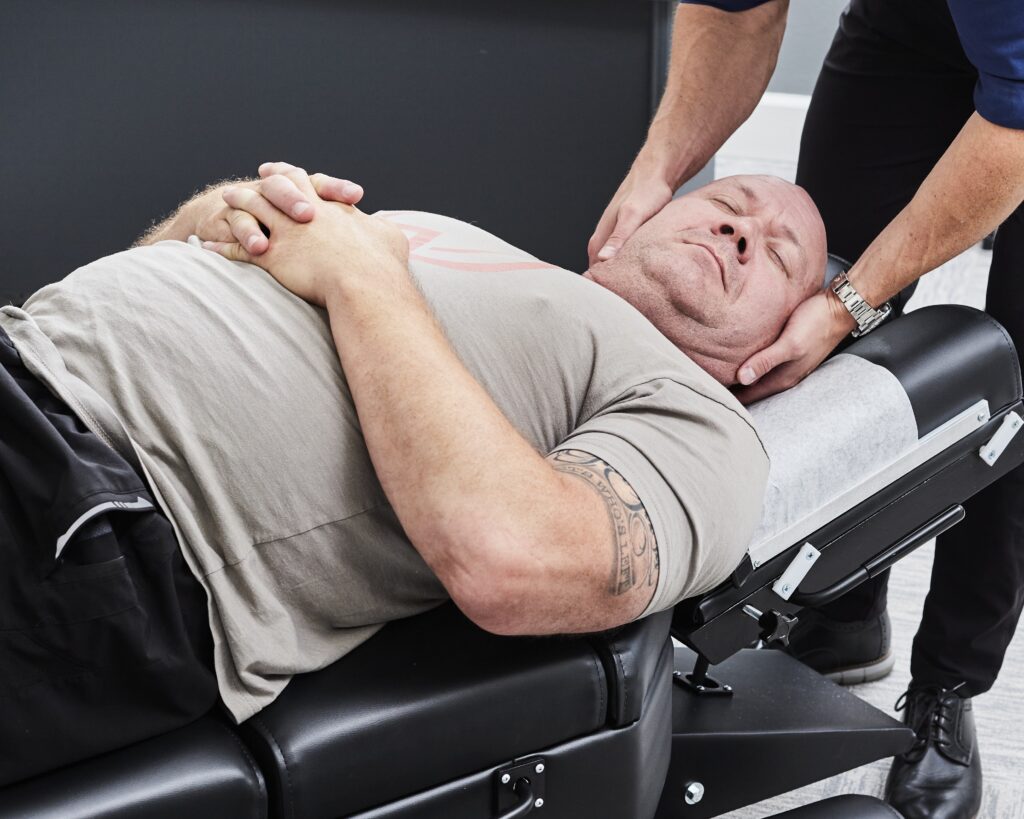
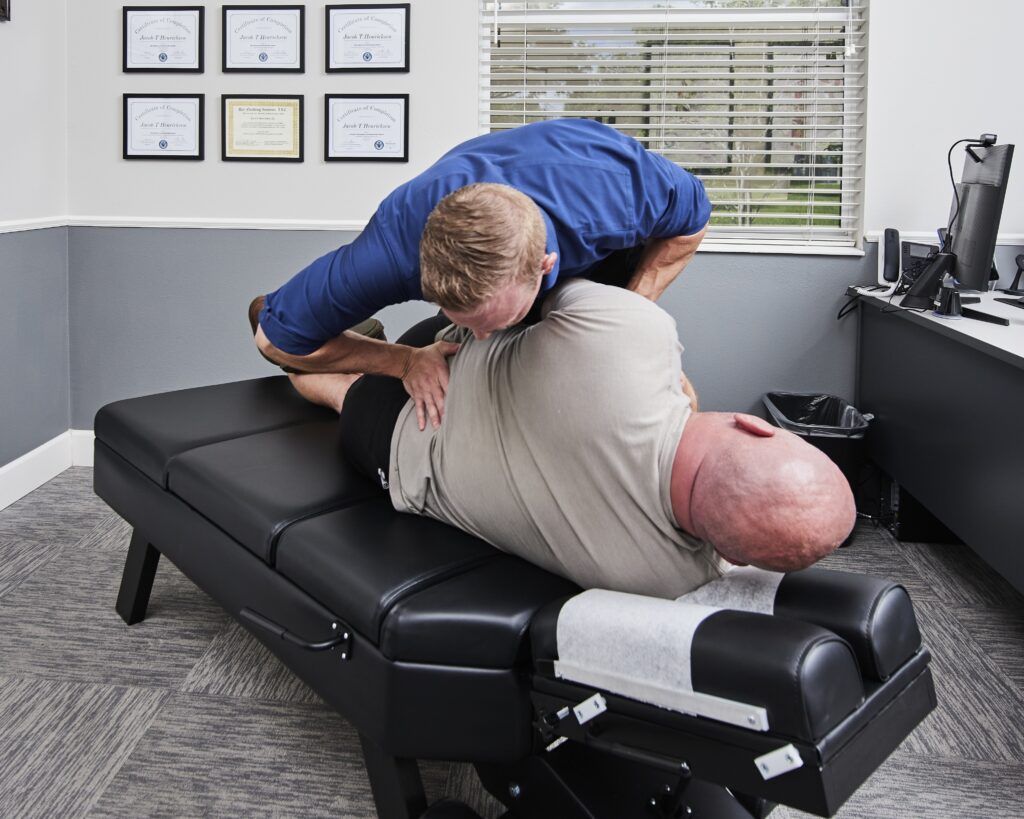
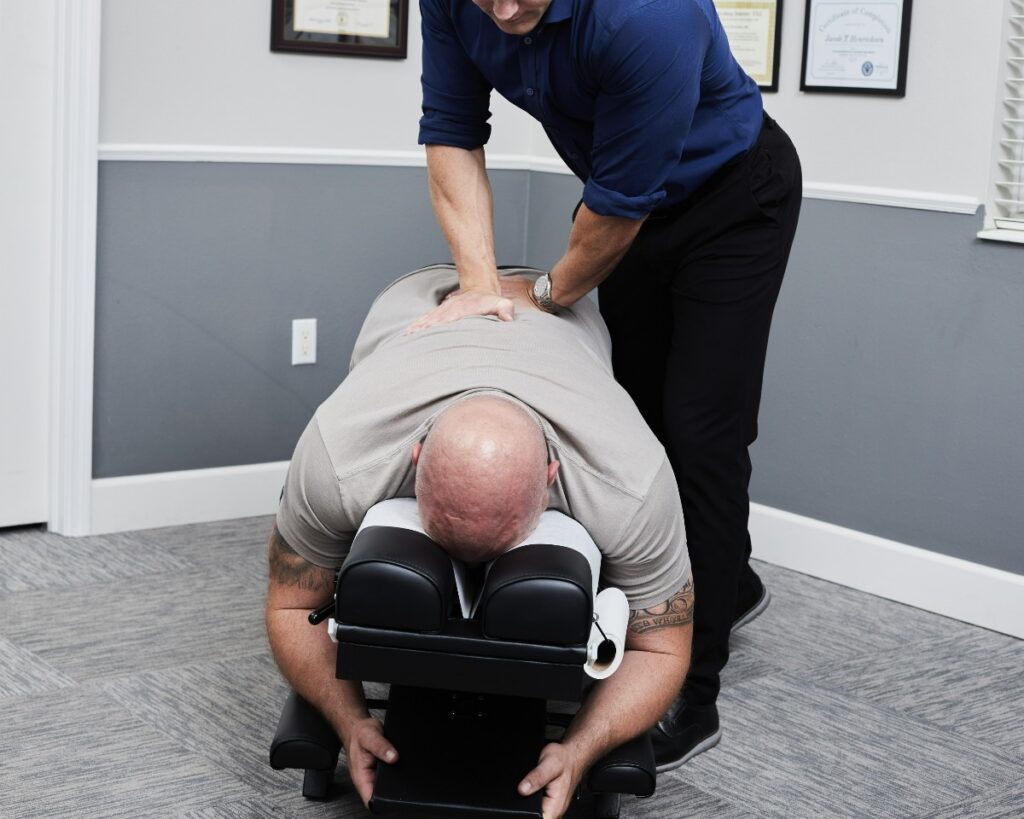
As a local chiropractor, I want to emphasize how crucial your posture is when it comes to managing and alleviating back pain. Many people may not realize that poor posture, such as slouching or leaning forward, puts excessive strain on your muscles and spine. This can lead to fatigue and discomfort, making your daily activities more challenging.
By making simple adjustments to your posture, you can help distribute your body weight more evenly and reduce the strain on your spine. This is not just about sitting up straight; it’s about being mindful of how your body is aligned throughout the day.
So, what specific changes can you implement to see real improvements? Start by being conscious of your sitting position, using ergonomic furniture, and taking regular breaks to stretch. These small changes can significantly impact your overall comfort and well-being.
Let’s work together to explore the vital connection between your posture and back pain. By understanding this link, you can take proactive steps toward a healthier, pain-free life.
The Connection Between Posture and Back Pain
As a local chiropractor, I want to shed light on an often-overlooked aspect of our health: posture and its direct connection to back pain. Many of us may not realize that when we slouch or sit for extended periods without proper support, we’re putting significant strain on our spines. Poor posture doesn’t just feel uncomfortable; it can lead to chronic pain and even injuries over time.
When you find yourself hunched over, your muscles are forced to work harder to keep you upright. This extra effort can lead to fatigue and tension in your back, creating an imbalance that contributes to discomfort.
The good news is that by simply maintaining good posture, you can allow your spine to align properly. This alignment helps distribute weight evenly across your body, reducing pressure on your muscles and ligaments.
Moreover, good posture promotes better blood flow and oxygen delivery to your tissues, which can enhance your overall sense of well-being. You might notice that when you sit up straight or stand tall, you feel more energized and less tense.
As your chiropractor, I encourage you to be mindful of your posture throughout your daily activities. Small adjustments can lead to significant improvements in your back health and overall quality of life.
Common Postural Mistakes That Contribute to Discomfort
As a local chiropractor, I often see patients who are unaware of the common postural mistakes that can lead to discomfort and pain.
It’s important to understand that these habits can have a significant impact on your back health. Let’s take a closer look at some of these mistakes so you can start making changes for a healthier spine:
- Slouching while sitting: This common habit places extra pressure on your spine, leading to discomfort over time. Instead, try to sit tall and maintain a neutral spine position.
- Leaning forward when using your phone or computer: Many of us tend to hunch over our devices, which can strain your neck and lead to tension headaches. Consider adjusting your screen height and taking frequent breaks to stretch.
- Crossing your legs for long periods: While it may feel comfortable, this position can cause hip and back misalignment. Try to keep your feet flat on the floor or use a footrest for better support.
- Stiffening your shoulders: Tension in your shoulders can contribute to discomfort in your neck and back. Focus on relaxing your shoulders and maintaining a natural posture.
- Sitting on the edge of your chair: This can destabilize your posture and lead to back pain. Instead, sit back against your chair with your back supported to promote better alignment.
By becoming aware of these postural habits and making small adjustments, you can greatly improve your overall comfort and spinal health.
If you have any questions or need personalized advice, don’t hesitate to reach out!
The Role of Ergonomics in Posture
As a local chiropractor, I want to emphasize how crucial ergonomics is in maintaining proper posture and preventing back pain. Many of my patients are unaware that by adjusting their workspace and daily activities to better fit their body’s needs, they can significantly alleviate strain on their backs.
When you have your desk, chair, and computer set up correctly, it becomes much easier to avoid slouching or leaning in ways that can cause discomfort. For example, your chair should provide adequate support for your lower back, and it’s important that your computer screen is positioned at eye level to minimize any strain on your neck.
Adjusting the height of your chair can also ensure that your feet are flat on the floor, which promotes stability and comfort.
Another key aspect to consider is the layout of your workspace. By organizing your environment thoughtfully, you can reduce unnecessary reaching or twisting that might lead to pain. Simple adjustments, such as using a footrest or repositioning your keyboard, can have a profound impact on your comfort levels.
Prioritizing ergonomics not only enhances your posture but also contributes to your overall well-being. By learning to work and move more efficiently throughout the day, you’re taking a proactive step toward better health.
Techniques for Improving Sitting Posture
As a local Chiropractor, I often see patients who are unaware of how their sitting posture can significantly impact their overall spinal health and well-being.
It’s crucial to be mindful of how you position yourself while working at your desk. Here are some key techniques to enhance your sitting posture and support your back:
- Adjust your chair height so that your feet are flat on the floor or resting comfortably on a footrest. This helps distribute your weight evenly and reduces strain on your lower back.
- Ensure your back is against the chair, utilizing lumbar support to maintain the natural curve of your spine. Proper support helps prevent discomfort and encourages a healthier sitting alignment.
- Position your computer screen at eye level. This alignment minimizes neck strain and promotes better posture, allowing your spine to remain in a neutral position.
- Consider using a headset or speakerphone during phone calls. This practice prevents the common habit of cradling the phone between your shoulder and ear, which can lead to muscle tension and imbalances.
- Incorporate regular breaks into your routine. Stand up, stretch, and move around periodically to promote circulation and reduce stiffness. This is essential for maintaining flexibility and preventing discomfort.
By following these guidelines, you can create a more supportive work environment that fosters better posture and contributes to your overall health.
Standing Tall: Strategies for Better Posture
As a local chiropractor, I want to share with you the importance of standing tall and improving your posture.
Simple daily exercises can greatly enhance your alignment and overall well-being. Furthermore, creating an ergonomic workspace is vital for maintaining the correct posture throughout your day.
By implementing these strategies, you can’t only feel better but also alleviate back pain.
Let’s discuss how these approaches can support your journey towards a healthier, pain-free life.
Daily Posture Exercises
As a local chiropractor, I want to share with you how incorporating a few simple daily posture exercises can significantly enhance your overall alignment and help alleviate back pain.
By integrating these exercises into your daily routine, you can strengthen essential muscle groups and foster healthier postural habits.
- Wall Angels: Start by standing against a wall. As you slide your arms up and down, ensure your elbows and wrists maintain contact with the wall. This exercise helps open up your shoulders and improve mobility.
- Shoulder Blade Squeeze: Whether sitting or standing, maintain a tall posture and pull your shoulder blades together. Hold this position for a few seconds before releasing. This movement strengthens the muscles that support your upper back.
- Chin Tucks: Gently tuck your chin toward your chest while keeping your spine aligned. This simple motion can help improve neck posture and reduce strain on your cervical spine.
- Cat-Cow Stretch: Position yourself on all fours and alternate between arching your back toward the ceiling (cat) and dropping your belly while lifting your head (cow). This dynamic stretch promotes flexibility in your spine and helps relieve tension.
- Standing Side Stretch: Reach one arm overhead and lean to the opposite side. This stretch targets the muscles along your sides and can help improve overall spinal alignment.
Incorporating these straightforward exercises into your daily life can lead to remarkable improvements in your posture and overall well-being.
As your chiropractor, I encourage you to prioritize these movements for a healthier back and a more comfortable life!
Ergonomic Workspace Setup
As a local chiropractor, I want to emphasize the importance of creating an ergonomic workspace for your overall health and well-being. A well-designed workspace is crucial for maintaining good posture and preventing back pain, particularly if you find yourself sitting at a desk for extended periods.
To start, ensure your chair is properly adjusted so that your feet rest flat on the floor, with your knees forming a 90-degree angle. This position not only supports your spine but also helps to distribute your weight evenly.
Your desk height is also important; it should be at elbow height to allow your arms to stay relaxed while typing, which can help prevent strain on your shoulders and neck.
Speaking of neck strain, it’s vital to position your computer monitor at eye level. This way, you won’t have to tilt your head forward or backward, which can lead to discomfort and potential long-term issues.
Utilizing a document holder for papers can further enhance your setup by keeping them aligned with your screen, reducing the need to constantly shift your gaze.
Don’t overlook your keyboard and mouse placement—these should be within easy reach to prevent excessive reaching and straining of your arms and wrists.
Lastly, I can’t stress enough the importance of taking regular breaks. Standing up, stretching, and moving around can significantly benefit your posture and overall comfort throughout the day.
The Impact of Technology on Postural Habits
As your local chiropractor, I want to highlight a growing concern that many of my patients are facing: the impact of technology on our postural habits. In today’s world, where screens dominate our daily lives, it’s common to see a decline in posture that can lead to discomfort and long-term health issues.
Here are some key points about how technology is affecting your posture:
- Prolonged Sitting: Many of us find ourselves spending extended periods in front of computers or other screens. This sedentary behavior can contribute significantly to poor posture, putting unnecessary strain on your spine and muscles.
- Device Height: Frequently, our screens aren’t positioned at eye level, which forces us to bend our necks forward. This can lead to discomfort in the neck and upper back, creating tension that may require chiropractic care to alleviate.
- Mobile Use: Using smartphones for texting or browsing can lead to a common issue known as “tech neck.” This condition places pressure on your spine and can result in chronic pain if left unaddressed.
- Lack of Movement: The convenience of technology often keeps us glued to our seats, reducing our natural inclination to stand up and stretch. Regular movement is essential for maintaining good posture and overall spinal health.
- Distraction: When we become engrossed in our devices, we often lose awareness of our posture. This can lead to poor habits that may contribute to discomfort and misalignments in the spine.
Being aware of these factors is the first step towards improving your posture and overall health. As your chiropractor, I’m here to guide you on how to make small changes that can have a significant impact on your well-being through natural healing practices.
Let’s work together to restore balance and comfort to your body!
Exercises to Strengthen Postural Muscles
As your local chiropractor, I want to share some important insights about maintaining a healthy posture and overall spinal health. Poor posture can arise from various factors, but one of the most effective ways to alleviate discomfort and support your spine is by strengthening your postural muscles. By incorporating targeted exercises into your routine, you can experience significant improvements.
Begin with planks, which are excellent for engaging your core muscles. A strong core is essential as it directly supports your spine. Following that, I recommend wall angels to enhance your shoulder mobility and strengthen the muscles in your upper back. These movements can help counteract the effects of prolonged sitting and hunching over screens.
In addition, consider including bridges in your exercise regimen. These focus on your glutes and lower back, promoting stability and strength where it’s needed most.
Another beneficial exercise is the seated row using resistance bands. This will aid in strengthening your upper back, which is crucial for maintaining good posture.
Lastly, don’t overlook the importance of chin tucks. This simple exercise can help align your neck and mitigate forward head posture, a common issue for many of us today.
I encourage you to perform these exercises at least three times a week and gradually increase their intensity as you gain strength. Remember, consistency is vital.
Conclusion
As your local chiropractor, I want to emphasize the importance of posture in alleviating back pain and enhancing your overall health. Many individuals are unaware of how common postural mistakes can contribute to discomfort. By adopting ergonomic practices in your daily routine, you can take significant steps toward a healthier spine.
It’s essential to incorporate techniques for better sitting and standing. This may involve being mindful of your alignment while working at a desk or how you carry heavy objects. Additionally, I encourage you to engage in exercises that target the muscles responsible for maintaining good posture—they play a crucial role in supporting your back.
Remember, by making these mindful adjustments to your posture and strengthening your postural muscles, you can not only improve your comfort but also prevent future discomfort. This proactive approach will allow you to lead a more active, pain-free life. Let’s work together to enhance your well-being and support your journey towards natural healing.