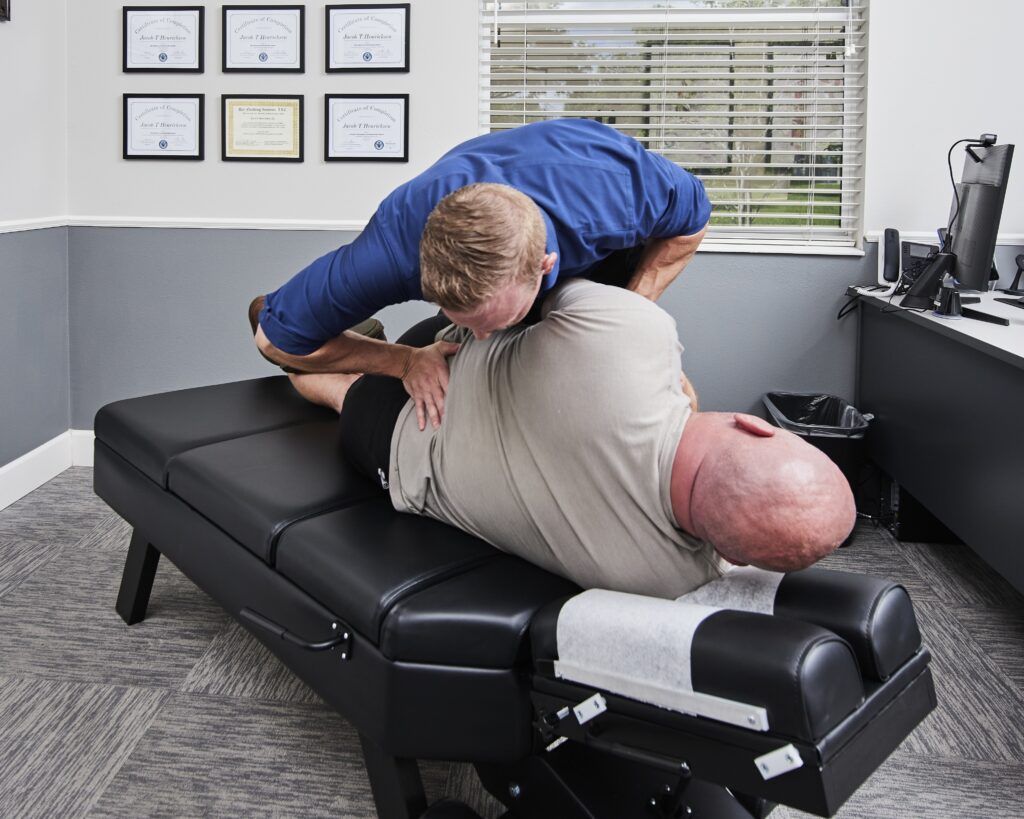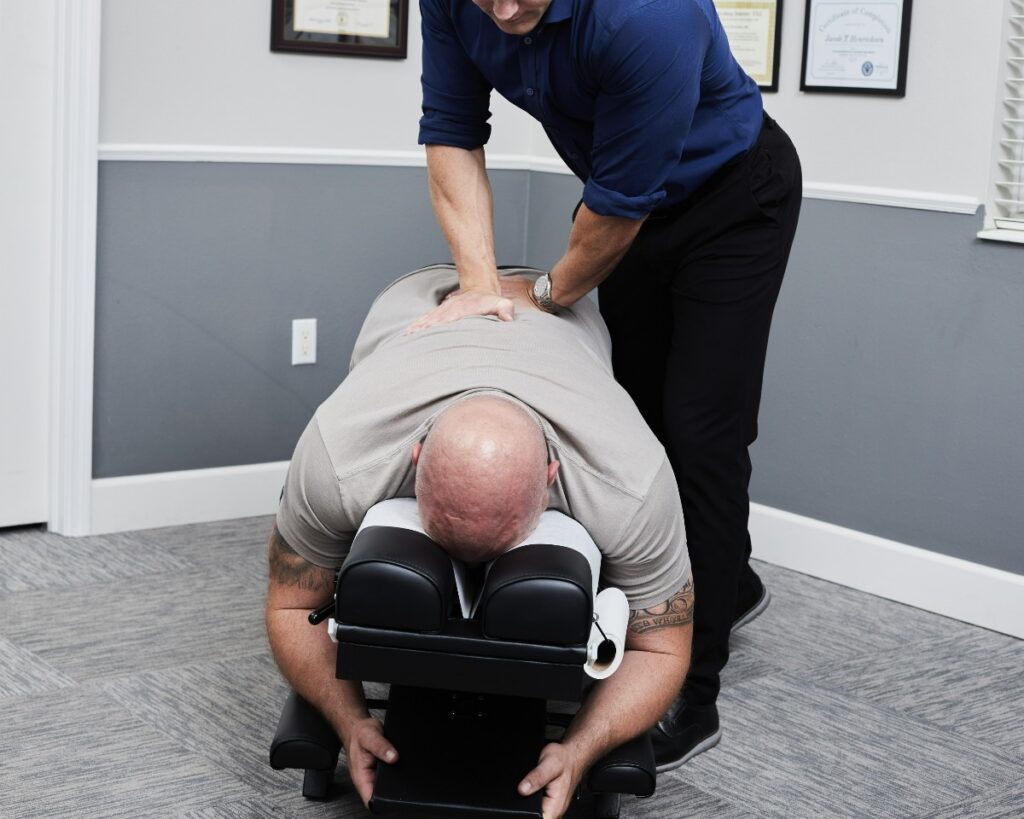

You might not realize it, but personalized treatment plans are changing the landscape of healthcare in significant ways. By tailoring approaches to your unique genetics, lifestyle, and preferences, these plans foster greater engagement and adherence to treatments. This isn't just about better care; it's about building trust between you and your healthcare providers. As you consider the implications of this individualized strategy, it raises an important question: how can these personalized plans truly transform your health outcomes and overall quality of life?
Understanding Personalized Treatment
Understanding personalized treatment means recognizing that each patient's health needs are unique. You can't approach everyone's care with a one-size-fits-all mentality. Instead, you need to take into account various factors like genetics, lifestyle, and preferences. Each of these elements plays a vital role in shaping an effective treatment plan tailored just for you.
When you engage in personalized treatment, you actively participate in your healthcare decisions. You're not merely following a doctor's orders; you're collaborating with your healthcare team to create a strategy that aligns with your specific needs. This approach empowers you to voice your concerns and preferences, making you an integral part of the process.
Personalized treatment also involves gathering thorough information about your medical history and current health status. Your healthcare provider might conduct various tests and assessments to better understand your condition. This data-driven approach guarantees that the treatment you receive is based on solid evidence rather than assumptions.
Moreover, personalized treatment emphasizes the importance of ongoing communication and adjustments. As you progress or face new challenges, your treatment plan can evolve. This flexibility allows your healthcare provider to respond to your changing needs promptly.
Ultimately, understanding personalized treatment means prioritizing your individual health journey. By recognizing that no two patients are the same, you open the door to more effective care that respects and addresses your unique circumstances. This tailored approach can lead to better outcomes and a more satisfying healthcare experience.
Benefits of Individualized Care
Individualized care offers numerous advantages that can greatly enhance your healthcare experience. When you receive treatment tailored specifically to your needs, you're more likely to experience effective results. This approach takes into account your unique medical history, lifestyle, and preferences, leading to a more targeted and efficient treatment plan.
One significant benefit is improved health outcomes. By focusing on your individual circumstances, healthcare providers can identify the most effective interventions for your condition. This often leads to faster recovery times and fewer complications, which means you spend less time worrying about your health and more time enjoying life.
Moreover, individualized care promotes better communication between you and your healthcare team. When your treatment plan aligns with your personal goals and values, you're more likely to engage in open discussions about your care. This collaboration fosters a stronger relationship, ensuring your concerns are heard and addressed promptly.
Another advantage is increased satisfaction with your healthcare experience. When you feel that your provider genuinely understands your needs and preferences, you're likely to have a more positive outlook on your treatment journey. This satisfaction can lead to improved adherence to prescribed therapies, further enhancing your overall health.
Enhancing Patient Engagement
At the heart of effective healthcare, enhancing patient engagement plays an essential role in achieving better health outcomes. When you actively participate in your treatment plan, your chances of recovery and well-being greatly improve. Engaging with your healthcare provider not only empowers you but also fosters a collaborative relationship that can lead to more personalized care.
You might wonder how to increase your engagement in your treatment process. Start by asking questions about your condition, treatment options, and potential side effects. This curiosity not only helps you understand your health better but also signals to your provider that you're invested in your care.
Additionally, sharing your preferences and values informs your treatment plan, making it more tailored to your needs. Consider utilizing technology to stay connected with your healthcare team. Patient portals allow you to access your medical records, schedule appointments, and communicate directly with your providers. This immediacy can help you feel more in control of your health journey.
Moreover, educating yourself about your condition can be incredibly beneficial. The more you know, the more confident you'll feel in making decisions about your care. Whether through reputable websites, books, or support groups, gaining knowledge equips you with the tools to be an active participant in your healthcare.
Ultimately, enhancing your engagement isn't just about following instructions; it's about creating a partnership with your healthcare team that prioritizes your well-being and encourages a proactive approach to your health.
Improving Treatment Adherence
Building a strong partnership with your healthcare team not only enhances engagement but also plays a significant role in improving treatment adherence. When you actively participate in your treatment plan, you're more likely to stick to it. Regular communication with your doctors, nurses, and pharmacists helps you understand the importance of each step in your treatment process.
This clarity can motivate you to follow through with prescribed medications and lifestyle changes. You should feel empowered to ask questions and voice any concerns about your treatment. If something doesn't feel right or if you're experiencing side effects, sharing this with your healthcare team allows them to make necessary adjustments.
This collaboration fosters a sense of accountability, making you more likely to adhere to your plan. Additionally, setting realistic goals together can enhance your commitment. When your healthcare team understands your lifestyle, preferences, and challenges, they can tailor suggestions that fit seamlessly into your daily routine.
Breaking down your treatment into manageable steps can also prevent feelings of overwhelm, allowing you to focus on one aspect at a time.
Tailoring to Unique Needs
Tailoring treatment plans to your unique needs is essential for achieving the best outcomes. Every individual has distinct circumstances, preferences, and medical histories that influence their response to treatment. By recognizing these differences, healthcare providers can create plans that resonate with your specific situation, increasing the likelihood of success.
When your treatment plan reflects your lifestyle, values, and personal goals, you're more likely to remain engaged and motivated. For instance, if you have a busy schedule, a treatment regimen that requires frequent visits or extensive time commitments may not be practical. Instead, a plan that allows for flexibility or incorporates at-home therapies could better suit your lifestyle, making adherence easier.
Moreover, understanding your unique health challenges is vital. You might've coexisting conditions or specific allergies that could affect your treatment options. A personalized plan takes these factors into account, ensuring that your treatment isn't only effective but also safe for you.
Communication plays a key role in this process. By discussing your preferences and concerns with your healthcare provider, you help shape a treatment plan that feels more collaborative. This partnership fosters trust and encourages you to voice any issues that arise during your treatment journey.
In essence, when treatment plans are tailored to your unique needs, they empower you to take an active role in your health. You're more likely to follow through, adapt, and ultimately achieve the best possible results for your well-being.
Impact on Health Outcomes
Personalized treatment plans greatly influence health outcomes, often leading to improved patient satisfaction and better adherence to therapies. When you receive a treatment plan tailored to your specific needs, it feels more relevant and engaging. This personalized approach encourages you to take an active role in your health, increasing your commitment to follow through with the recommended therapies.
Research shows that patients who engage with tailored treatment plans experience fewer complications and have better control over chronic conditions. By considering your lifestyle, preferences, and medical history, healthcare providers can prescribe medications and therapies that resonate with you. This alignment not only boosts your confidence in the treatment but also enhances its effectiveness.
Additionally, personalized plans empower you to make informed decisions about your health. When you understand how each element of your treatment applies to you, it becomes easier to stick with the program. You're less likely to miss doses or appointments, which greatly affects overall success rates.
Moreover, these plans often lead to fewer hospital visits and lower healthcare costs. By addressing issues proactively and effectively, personalized treatment plans reduce the need for emergency interventions, allowing you to maintain a better quality of life.
Future of Personalized Medicine
As you look ahead, advancements in genomic technologies are set to transform how we approach personalized medicine.
You'll see artificial intelligence playing an essential role in analyzing vast amounts of data, making treatments more precise.
Additionally, integrating these innovations with traditional medicine could enhance patient care like never before.
Advancements in Genomic Technologies
Recent advancements in genomic technologies are revolutionizing the landscape of personalized medicine, making it more accessible and effective than ever before.
As a patient, you can benefit from these innovations that tailor treatments based on your unique genetic makeup. With the ability to analyze your genome quickly and accurately, healthcare providers can make more informed decisions about your treatment plans.
Here are some key advancements in genomic technologies:
- Next-Generation Sequencing (NGS): This powerful technique allows for rapid sequencing of large volumes of DNA, enabling thorough genetic analysis.
- CRISPR Gene Editing: This technology offers precise modifications to DNA, paving the way for targeted therapies that can correct genetic disorders.
- Liquid Biopsies: These non-invasive tests detect genetic material from tumors in your bloodstream, providing real-time insights into cancer progression.
These advancements not only enhance the efficacy of treatments but also improve the overall patient experience by minimizing trial-and-error approaches.
As genomic technologies continue to evolve, you can expect personalized medicine to become an integral part of your healthcare journey, ensuring you receive the most suitable treatments for your specific needs.
Role of Artificial Intelligence
Artificial intelligence (AI) is rapidly transforming personalized medicine, making it smarter and more efficient. You might be surprised to learn how AI algorithms analyze vast amounts of data, identifying patterns and predicting outcomes that would be impossible for humans alone. This capability helps tailor treatment plans specifically for you, based on your unique genetic makeup and health history.
Imagine AI analyzing your medical records, genomic data, and lifestyle factors to recommend the best course of treatment. It can quickly assess which therapies are likely to be most effective, minimizing trial and error.
With AI, healthcare providers can also monitor your progress in real-time, adjusting treatments as needed, ensuring you're always on the right path. AI's predictive analytics can even foresee potential health risks, allowing for proactive measures before issues arise.
As you engage with your healthcare team, AI can empower you with personalized insights, fostering a deeper understanding of your health journey.
In this evolving landscape, AI's role in personalized medicine promises to improve not just outcomes but also your overall healthcare experience, making it more responsive and individualized than ever before.
Integration With Traditional Medicine
The future of personalized medicine hinges on the seamless integration of advanced technologies with traditional medical practices.
You're likely to see a combination of data-driven insights and the holistic approach that traditional medicine offers. This integration can enhance patient care and lead to more effective treatments tailored to individual needs.
Consider how these elements can work together:
- Data-Driven Diagnostics: Advanced analytics can refine traditional diagnostic methods, allowing for quicker and more accurate assessments of your health.
- Holistic Treatment Strategies: Personalized plans can incorporate lifestyle changes and alternative therapies, ensuring a thorough approach that addresses both physical and mental well-being.
- Continuous Monitoring: Wearable technology can provide real-time health data, empowering you and your healthcare provider to make informed decisions about your treatment plan.
As you navigate this evolving landscape, remember that the fusion of personalized medicine with traditional practices can't only improve outcomes but also foster a deeper understanding of your health.
Embracing this synergy will enable you to take an active role in your healthcare journey, making it both empowering and effective.
Conclusion
To summarize, personalized treatment plans are essential for your health journey. By recognizing your unique needs and preferences, these tailored approaches not only boost your engagement but also guarantee you stick to your treatment. This focus on individuality leads to better health outcomes and a higher quality of life. As healthcare continues to evolve, embracing personalized medicine will be key to achieving the best possible care for you and others. Make your health a priority with tailored strategies that truly work for you.