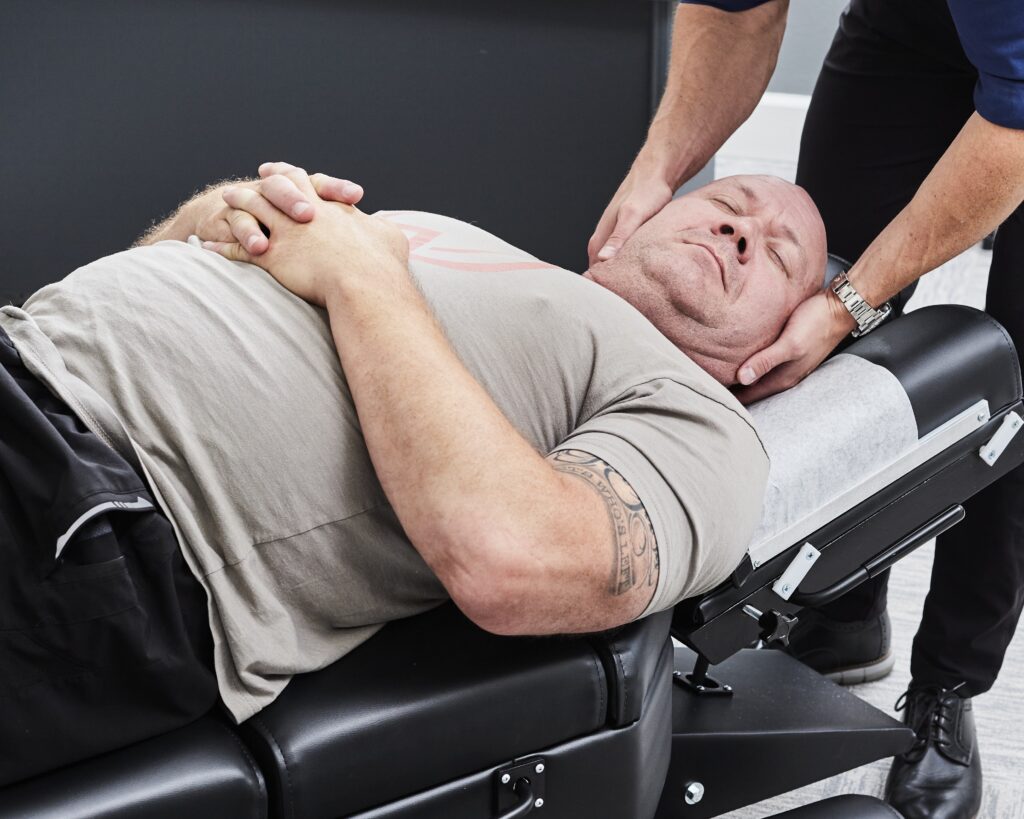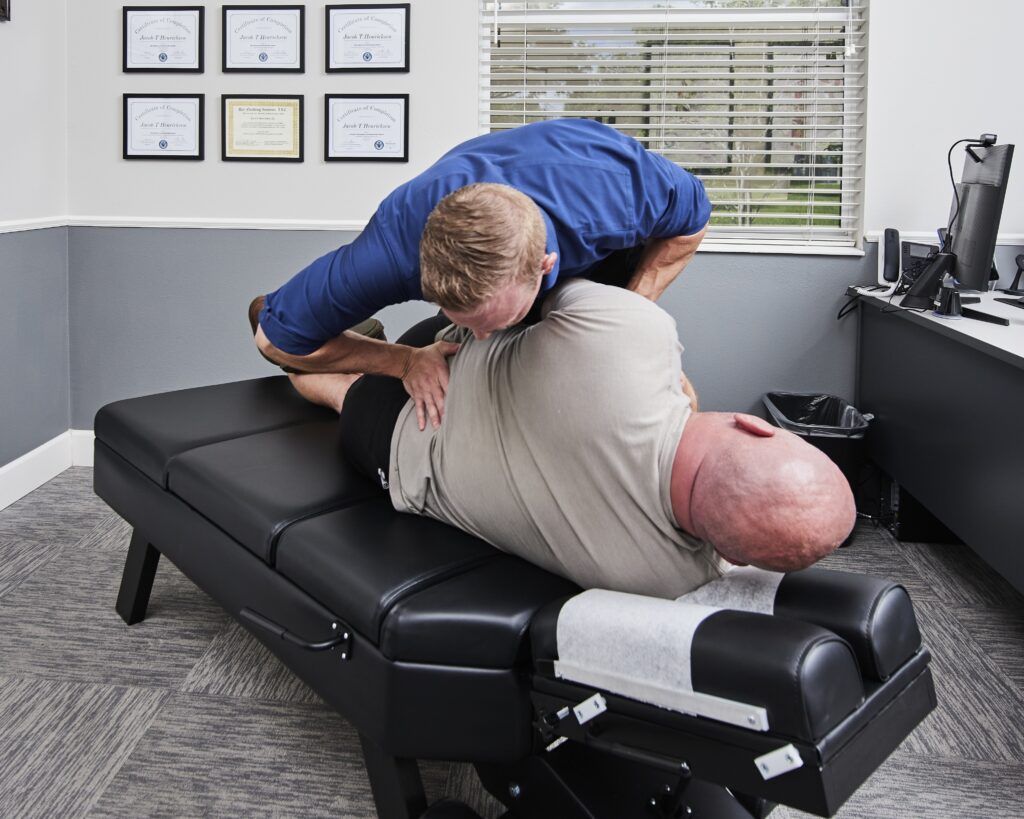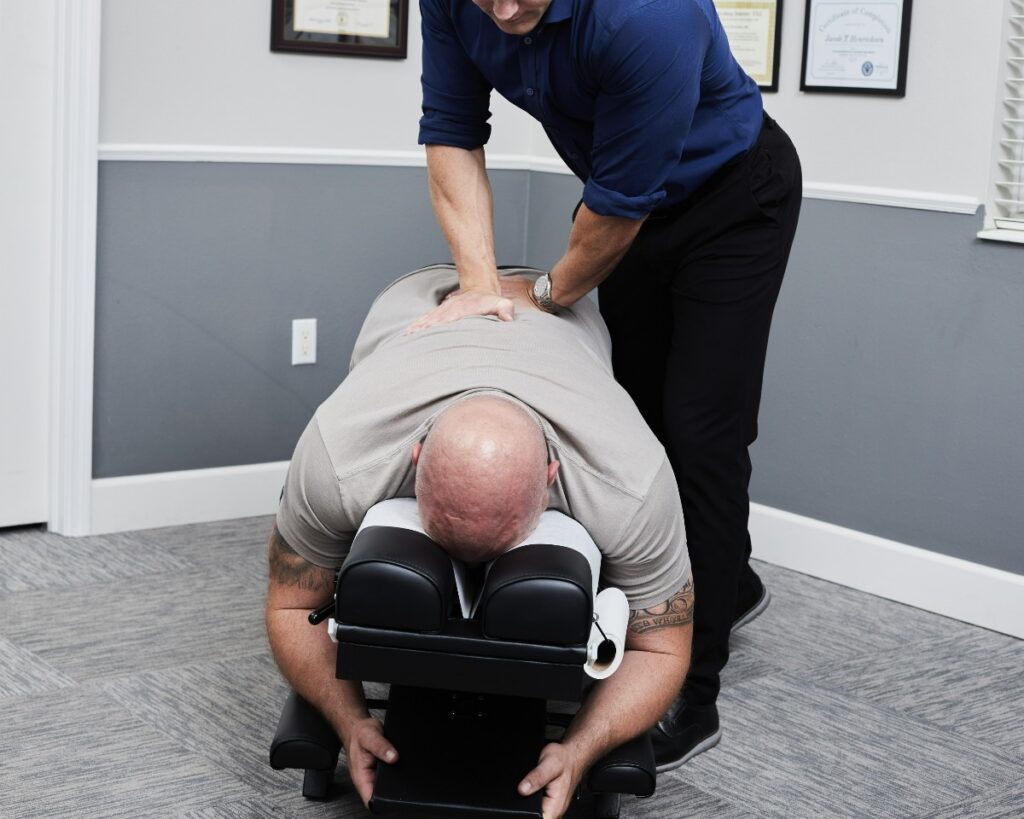

When you think about back pain, it's easy to assume a one-size-fits-all approach might work. But personalized back pain plans matter because they take into account your unique circumstances, from the specific location of your pain to your lifestyle choices. By focusing on your individual needs, these tailored strategies can lead to more effective relief and greater control over your health. You might be wondering how these plans are developed and what specific factors play a role in creating a successful treatment. The answers could reshape your approach to managing back pain.
Understanding Back Pain Variability
When it comes to back pain, understanding its variability is essential. You might experience back pain that feels sharp one day and dull the next, or it could shift from one side to the other. This inconsistency can stem from various factors, including your daily activities, posture, stress levels, and even your emotional state. Recognizing these fluctuations helps you pinpoint triggers and develop effective strategies for relief.
Your body's response to back pain can also differ based on your overall health and fitness levels. If you're active, your pain may be related to muscle strain or overuse. Conversely, if you're more sedentary, your discomfort could stem from stiffness or poor posture. You must pay attention to these differences, as they guide your approach to managing pain.
Additionally, factors like age and underlying conditions can influence the type and intensity of back pain you experience. As you age, your spine undergoes changes that can lead to degenerative issues, making understanding your specific situation even more critical.
Finally, emotional stress can aggravate back pain, further complicating its variability. Anxiety or tension can lead to muscle tightness, which amplifies discomfort. By recognizing these emotional connections, you can take steps to address them alongside your physical symptoms.
Embracing this multifaceted nature of back pain empowers you to seek targeted solutions that work best for your unique situation, ultimately enhancing your quality of life.
The Importance of Individual Assessment
Every person's experience with back pain is unique, making individual assessment essential for effective treatment. When you seek help for your back pain, a detailed evaluation allows healthcare providers to understand your specific condition, lifestyle, and history. This tailored approach is vital because what works for one person may not necessarily work for another.
During an assessment, your healthcare provider will often consider various factors, including the location and severity of your pain, your daily activities, and any previous injuries. This thorough evaluation helps pinpoint the root cause of your discomfort, leading to a more accurate diagnosis. With a clearer understanding of your situation, your provider can create a personalized treatment plan that addresses your specific needs.
Moreover, individual assessments can identify contributing factors that mightn't be immediately obvious. For example, your posture, physical fitness, and even emotional well-being can play a role in your back pain. By considering these aspects, you're more likely to receive a holistic treatment plan that targets not just the symptoms but the underlying issues as well.
Ultimately, an individual assessment empowers you to take control of your back pain journey. You'll gain insights into your condition and the most effective strategies to manage it. This personalized approach guarantees you're not just another statistic, but an individual with unique needs, paving the way for a more successful outcome and improved quality of life.
Factors Influencing Back Pain
Understanding the various factors influencing back pain is vital for effective management. Each person's experience with back pain is unique, shaped by several interconnected elements.
First, your lifestyle choices, such as diet, exercise, and posture, play a significant role. If you spend long hours sitting with poor posture, you're more likely to experience discomfort. Incorporating regular movement and maintaining good posture can mitigate these issues.
Your physical health also matters. Conditions like obesity or weak core muscles can put extra strain on your back, leading to pain. If you're carrying excess weight, it's essential to reflect on how that affects your spine and overall health.
Additionally, past injuries or medical conditions can leave you more vulnerable to back pain. If you've had a previous back injury, it might influence your body mechanics and increase your risk of recurring pain.
Stress and emotional well-being are often overlooked factors. High stress levels can lead to muscle tension, which may trigger or worsen back pain. Recognizing the connection between your mental state and physical discomfort can be a game changer in addressing the root causes.
Lastly, age is a factor that can't be ignored. As you age, the body undergoes natural changes, including degenerative disc disease or arthritis, which can contribute to back pain.
Benefits of Customized Treatment Plans
Customized treatment plans offer significant advantages for managing back pain effectively. When you tailor your approach to your specific needs, you can experience faster recovery and better long-term results.
Here are a few key benefits of having a personalized plan:
- Targeted Pain Relief: Your plan can focus on the exact areas causing discomfort, whether it's muscle strain, nerve issues, or spinal alignment. This targeted approach helps alleviate your pain more efficiently.
- Enhanced Engagement: When you're involved in creating your treatment plan, you're more likely to stay committed. You'll feel empowered, knowing you're taking an active role in your recovery process.
- Adaptability: As your condition changes, your treatment plan can easily evolve. If a specific therapy isn't working or your pain levels fluctuate, adjustments can be made promptly to guarantee continued progress.
By addressing your unique circumstances, a customized plan allows for a thorough approach to healing. You're not just following a one-size-fits-all protocol; you're receiving care that speaks directly to your situation.
This means you can also incorporate your preferences and lifestyle into the plan, making it more sustainable.
Ultimately, a customized treatment plan can lead to a more effective management strategy for your back pain, improving your overall quality of life.
With the right plan in place, you can regain control over your health and get back to doing the things you love.
Integrating Lifestyle Changes
Integrating lifestyle changes into your back pain management plan can greatly enhance your recovery. When it comes to managing back pain, it's not just about treatment; it's about creating a holistic approach that includes your daily habits.
Start by evaluating your daily routine. Are you sitting for extended periods? If so, consider breaking up long stretches of inactivity with short walks or stretches. This simple change can considerably alleviate strain on your back.
Nutrition also plays an important role. Incorporating anti-inflammatory foods, such as fruits, vegetables, and omega-3 fatty acids, can help reduce pain and boost your overall health. Staying hydrated is equally important; aim for at least eight glasses of water a day to keep your body functioning effectively.
Regular exercise is essential too. Engage in low-impact activities like swimming, walking, or yoga, which can strengthen your core and improve flexibility without putting too much strain on your back. Consistency is key, so find activities you enjoy to make it easier to stick with them.
Don't forget about sleep. Verify you're getting quality rest by using supportive mattresses and pillows. Establish a calming bedtime routine to promote deeper sleep, which can aid in your body's recovery process.
Finally, manage stress through mindfulness practices like meditation or deep breathing exercises. Reducing stress can alleviate muscle tension, further contributing to your back pain relief.
Monitoring Progress and Adjustments
To effectively manage your back pain, it's essential to track your pain levels regularly.
This allows you to see patterns and make informed decisions about adapting your treatment strategies.
Tracking Pain Levels
Monitoring your pain levels is essential for understanding how well your personalized back pain plan is working. By keeping track of your pain, you can identify patterns and determine whether your current strategies are effective. Regularly evaluating your pain allows you to make informed decisions about your treatment and overall well-being.
Here are some key aspects to focus on when tracking your pain levels:
- Frequency: Note how often you experience pain—daily, weekly, or sporadically. This can reveal potential triggers or patterns.
- Intensity: Rate your pain on a scale from 1 to 10; this helps you gauge the severity and identify changes over time.
- Duration: Record how long your pain lasts during each episode. Understanding this can indicate if a specific activity or treatment is helping or hindering your recovery.
Utilizing a pain journal or app can make tracking easier and more consistent. By actively monitoring your pain levels, you empower yourself to take charge of your health journey.
This process guarantees that you're aware of your progress and can motivate you to stay committed to your personalized back pain plan.
Adapting Treatment Strategies
Tracking your pain levels provides valuable insights that can inform how you adapt your treatment strategies. As you monitor your symptoms, you'll notice patterns and triggers that can help you refine your approach.
For instance, if certain activities consistently lead to increased pain, you might consider modifying your routine or exploring alternative exercises that are gentler on your back.
Regularly evaluating your progress allows you to assess the effectiveness of your current treatments, whether they're physical therapy, medication, or lifestyle changes.
If something isn't working, don't hesitate to discuss this with your healthcare provider. They can help you adjust your plan, whether that means trying a different type of therapy or incorporating new techniques.
Long-Term Impact on Well-Being
When you manage your back pain effectively, you'll likely notice a boost in your daily functionality.
This improvement can also lead to better mental health, as feeling more capable often reduces stress and anxiety.
Let's explore how these changes can enhance your overall well-being in the long run.
Enhanced Daily Functionality
How can personalized back pain plans enhance your daily functionality and overall well-being? By tailoring strategies specifically to your needs, these plans help you regain control over your life.
Imagine waking up each day feeling more mobile and less hindered by discomfort. With a personalized approach, you can achieve significant improvements in your daily activities.
Consider the following benefits:
- Increased Mobility: Customized exercises and stretches enhance flexibility, making it easier for you to move without pain.
- Improved Productivity: When you're not distracted by back pain, you can focus better on work and personal tasks, leading to greater accomplishment.
- Better Sleep Quality: A well-structured plan helps alleviate pain, enabling you to enjoy deeper, more restful sleep.
With these enhancements, you'll notice a ripple effect on your overall well-being. Not only will you feel better physically, but you'll also find that daily tasks become less intimidating.
A personalized back pain plan empowers you to engage more fully in life, whether that's playing with your kids, enjoying hobbies, or simply enjoying a walk. Embrace this journey towards enhanced functionality and discover the difference it can make.
Improved Mental Health
While managing back pain often focuses on physical relief, the mental health benefits of a personalized plan can be equally transformative. When you tailor your approach to address your unique needs, you're not just alleviating discomfort; you're also fostering a sense of control and empowerment. This process can greatly reduce anxiety and depression, which often accompany chronic pain.
With a personalized plan, you're likely to engage in activities that promote well-being, such as exercise, mindfulness, and social interaction. These elements can enhance your mood and provide a support network, making you feel less isolated in your struggle.
You'll find that as your back pain decreases, your mental resilience increases.
Moreover, understanding your condition and having a clear action plan can boost your confidence. You'll start to view challenges as manageable rather than overwhelming. This shift in mindset can lead to improved coping strategies, not just for pain management but for life's hurdles in general.
Ultimately, a thorough approach that prioritizes both physical and mental health can create a better quality of life, paving the way for long-term well-being.
Conclusion
To summarize, personalized back pain plans aren't just beneficial; they're essential for your journey to relief. By understanding your unique pain triggers and tailoring strategies to your lifestyle, you can take control of your back health. These customized approaches not only address immediate discomfort but also promote long-term well-being. By staying engaged and adaptable, you'll find the path to improved mobility and a better quality of life. Don't wait—embrace a personalized plan and start feeling better today!