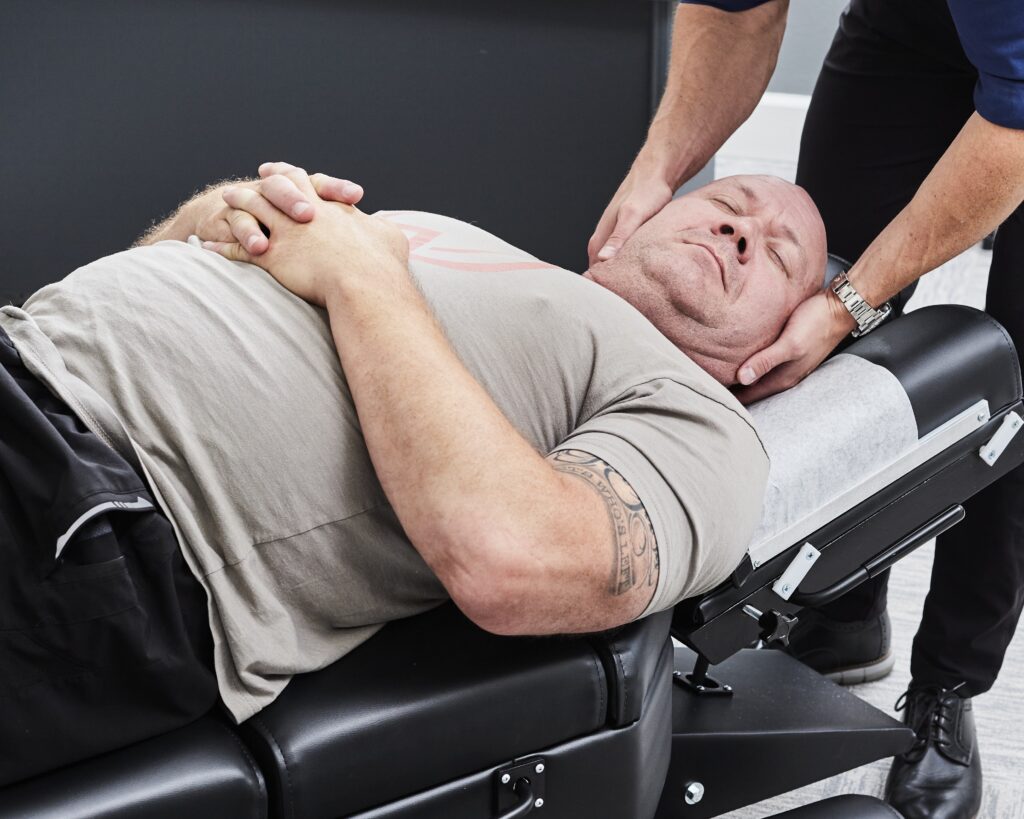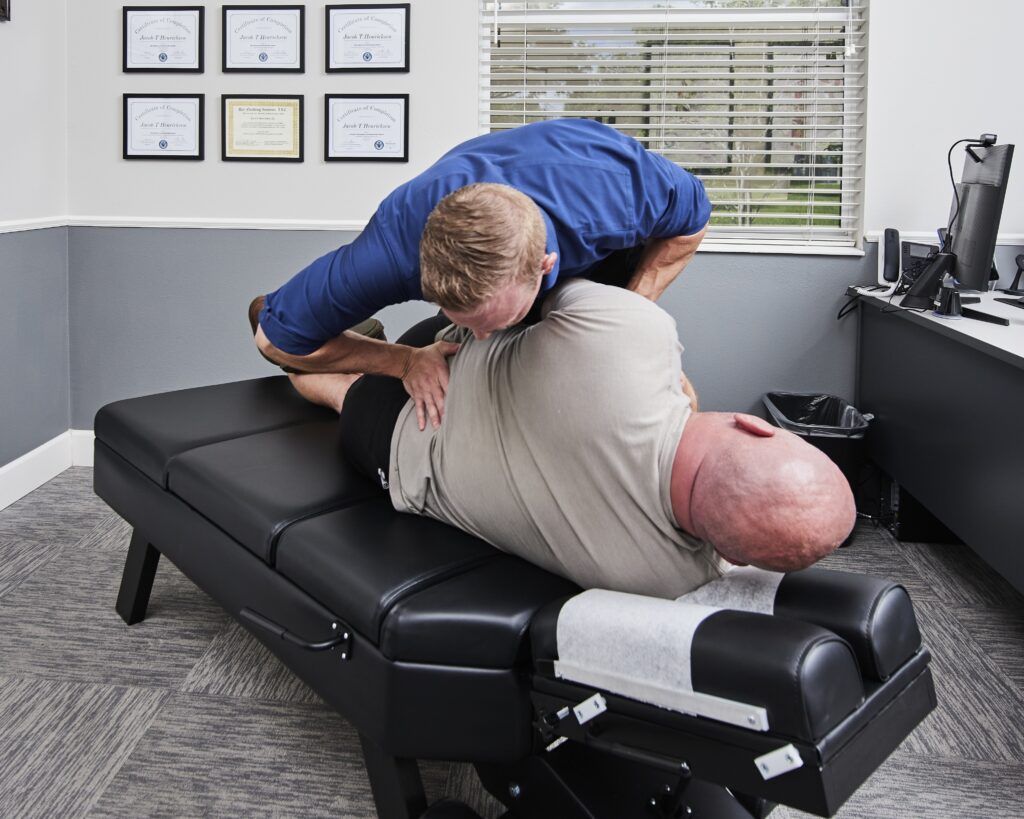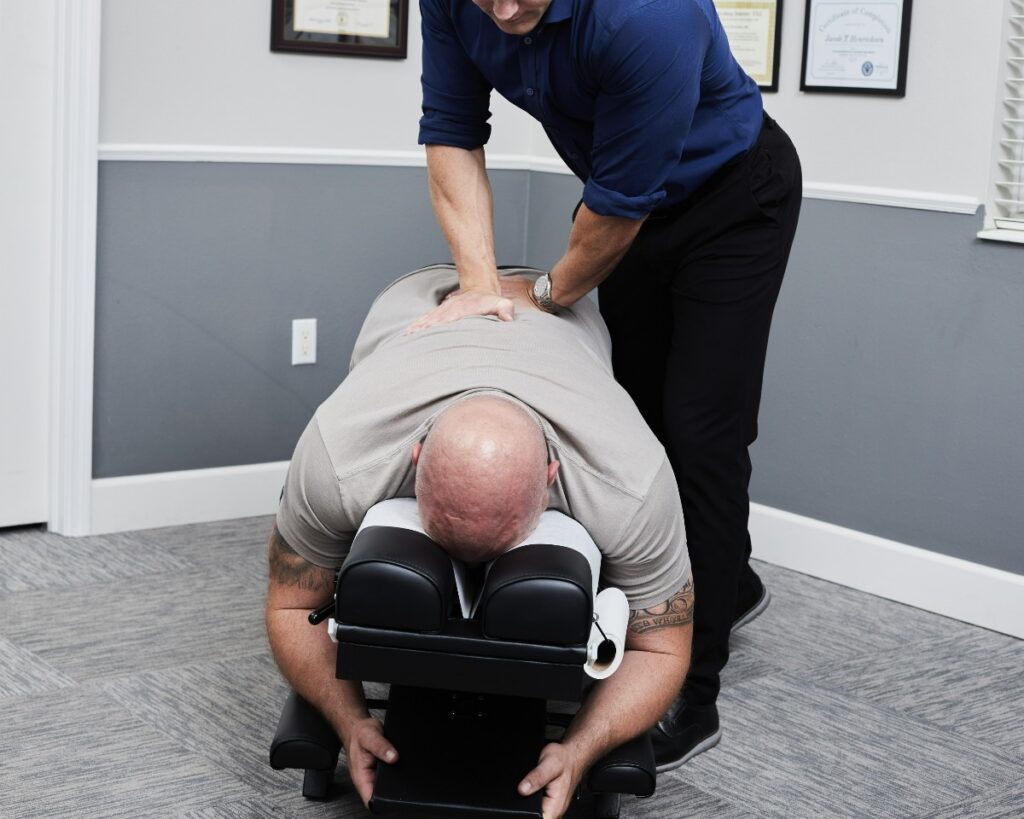

If you're experiencing upper back pain, I encourage you to explore chiropractic adjustments as a potential solution. These adjustments can help ease your discomfort and tackle the underlying issues that may be contributing to your pain. Many individuals overlook the importance of taking proactive measures, which can lead to chronic problems that are often preventable.
As a chiropractor, I want you to understand the numerous benefits of chiropractic care and how it plays a crucial role in enhancing your overall health. By receiving regular adjustments, you may discover improvements in your mobility and quality of life.
When considering chiropractic care, it's important to be aware of specific factors that can influence your treatment plan. Understanding how your posture, daily activities, and lifestyle choices impact your upper back can help us tailor an approach that best suits your needs. Together, we can work towards achieving optimal health and well-being.
Common Causes of Upper Back Pain
As a local chiropractor, I want to take a moment to educate you about the common causes of upper back pain, an issue that many individuals encounter at some point in their lives.
One of the leading factors contributing to this discomfort is poor posture. If you find yourself spending long hours sitting at a desk or hunched over your phone or tablet, your body could be paying the price. Slouching not only affects your posture but can also place unnecessary strain on the muscles and ligaments in your upper back, leading to pain and discomfort.
Another frequent cause of upper back pain is muscle strain. If you've recently lifted something heavy or participated in physical activities without adequately warming up, your upper back muscles may be overworked. Even simple, repetitive movements—like reaching for items or twisting your torso—can cause muscle fatigue and soreness.
Stress is also a significant contributor to upper back pain. When experiencing stress, many people unconsciously tighten their upper back muscles, which can result in chronic pain. It's essential to find effective ways to manage stress, as this can have a profound impact on your overall well-being.
Additionally, injuries from accidents or falls can lead to upper back pain. If you've had any recent incidents, it's crucial to monitor any ongoing discomfort, as it may interfere with your daily activities.
Lastly, underlying health issues such as herniated discs or arthritis can also be culprits in upper back pain. If you suspect that a more serious condition may be at play, I encourage you to consult with a healthcare professional.
Understanding these common causes is the first step toward identifying the source of your pain, and it can empower you to seek appropriate relief strategies, including chiropractic care.
Importance of Early Intervention
As a local chiropractor, I want to emphasize the importance of addressing upper back pain early on in your journey to health and wellness. If you start to feel discomfort, it's essential to take proactive steps rather than waiting for the pain to resolve on its own. Ignoring these symptoms can lead to chronic pain, which is often more challenging to treat and manage over time. By seeking chiropractic care early, we can work together to identify the root cause of your pain, preventing further complications.
One of the benefits of early intervention through chiropractic care is that it often leads to a quicker recovery. We can help you regain mobility and strength before the pain escalates, which can significantly impact your daily activities and overall quality of life.
Additionally, addressing the issue promptly helps to reduce the risk of developing compensatory patterns—those unconscious adjustments in posture you may adopt to avoid pain. These patterns can place additional strain on other areas of your body, creating a cycle of discomfort that can be difficult to break.
Moreover, early intervention can save you both time and money. Delaying treatment may lead to the need for more extensive and costly procedures down the line. By addressing the issue when it first arises with chiropractic care, many patients find relief through less invasive, natural methods.
Taking action early also empowers you to take control of your health. Through our sessions, you'll gain a better understanding of your body and learn strategies to prevent future pain.
Don't let upper back pain disrupt your life; let's work together to facilitate a smoother, more effective recovery. Remember, the sooner you address your pain, the sooner you can get back to the activities you love.
Benefits of Chiropractic Adjustments
As a local chiropractor, I want to share with you the numerous benefits of chiropractic adjustments, especially when it comes to managing upper back pain. One of the most immediate advantages you may experience is pain relief. Through gentle realignment of your spine and the reduction of tension in surrounding muscles, chiropractic care can effectively alleviate discomfort. Many patients report a noticeable decrease in pain after just a few sessions, which is encouraging to hear.
In addition to pain relief, chiropractic adjustments can significantly improve your mobility. When your spine is properly aligned, joint function is enhanced, allowing you to move more freely and carry out daily activities with greater ease. This newfound range of motion can be especially beneficial if upper back pain has been hindering your ability to enjoy physical activities you love.
Another key benefit of chiropractic care is its positive impact on posture. Poor posture often contributes to upper back pain, but through targeted adjustments, we can help realign your spine and encourage healthier posture habits throughout your day. This not only alleviates current pain but also helps prevent future issues from arising.
Additionally, chiropractic care promotes overall well-being. By reducing pain and improving mobility, many patients find that their stress and anxiety levels decrease, leading to a better quality of life. Regular adjustments might even enhance your immune system, as maintaining proper spinal alignment can support your body's overall function.
Lastly, one of the greatest advantages of chiropractic adjustments is that they're a non-invasive treatment option. Unlike medications or surgical interventions, you won't have to worry about side effects or lengthy recovery times. Embracing chiropractic care can set you on a path towards a healthier, pain-free life, and I'm here to guide you every step of the way.
If you're curious about how chiropractic adjustments can benefit you, don't hesitate to reach out for more information.
Exercises for Pain Relief
As your local chiropractor, I want to share how incorporating specific exercises can significantly alleviate upper back pain.
Many patients aren't aware that stretching techniques, strengthening the muscles in your upper back, and improving your posture are vital elements of your recovery journey.
These exercises not only help relieve pain but also promote overall wellness and comfort.
Let's take a closer look at how these practices can be beneficial for you and aid in your healing process.
Stretching Techniques Explained
As a local chiropractor, I want to emphasize the importance of stretching in relieving upper back pain. Many of my patients aren't aware that improving flexibility and reducing muscle tension can significantly enhance their comfort and mobility.
One stretch I often recommend is the cat-cow stretch. To perform this, get on your hands and knees. Alternate between arching your back upwards, like a cat, and allowing it to sag downwards, similar to a cow. This simple movement can greatly improve spinal flexibility and alleviate stiffness.
Another effective technique is the chest opener. Stand up straight, clasp your hands behind your back, and gently draw your shoulders down and back. This stretch is particularly beneficial for counteracting the tightness that can develop from poor posture, especially for those of you who spend long hours sitting.
Don't overlook the seated twist either. While seated, place your right hand on your left knee and gently twist your torso to the left. Hold this position for a few breaths before switching sides. This stretch promotes spinal rotation and helps ease tension in your upper back.
By incorporating these stretching techniques into your daily routine, you can experience significant improvements in your upper back comfort. This won't only make daily activities more enjoyable but also contribute to a healthier, pain-free lifestyle.
Strengthening Upper Back Muscles
As a local chiropractor, I want to emphasize the importance of strengthening your upper back muscles for both pain relief and overall stability. When these muscles are strong, they play a crucial role in supporting your spine, which can significantly reduce strain and discomfort.
Incorporating targeted exercises into your routine can be transformative. One exercise I recommend is the bent-over row. To perform this, grab a set of dumbbells, hinge at your hips, and pull the weights towards your torso while keeping your elbows close to your sides. This movement effectively engages your upper back muscles and promotes better posture.
Another excellent exercise is the reverse fly. Stand with your feet shoulder-width apart and hold a dumbbell in each hand. With a slight bend in your knees, hinge forward and raise your arms out to the side, focusing on squeezing your shoulder blades together. This not only strengthens your upper back but also enhances your shoulder stability.
I also want to highlight a simple yet effective exercise called wall angels. Stand with your back against a wall and raise your arms to form a 'W' shape. Slowly slide your arms up and down while keeping them in contact with the wall. This exercise is fantastic for alleviating tension and promoting better movement patterns.
I recommend performing these exercises two to three times a week. With consistency, you'll likely start to notice improvements in your strength and a reduction in discomfort.
Posture Improvement Exercises
As a local chiropractor, I want to share some effective exercises that can help alleviate upper back pain and improve your posture. It's essential to incorporate these movements into your daily routine to support your spine and overall well-being.
Let's start with wall angels. This exercise is excellent for opening up your chest and strengthening your upper back. Stand with your back against a wall, positioning your feet slightly away from it. Raise your arms to create a "W" shape, then slide them up to form a "Y," ensuring that your back and arms remain in contact with the wall throughout the movement. Aim to repeat this 10-15 times. You'll feel the difference as it helps to counteract the slouching that often occurs from poor posture.
Next, I recommend the chin tuck. This simple yet effective exercise can be done while sitting or standing. Maintain a tall posture and gently pull your chin back, aligning your ears over your shoulders. Hold this position for about 5 seconds, then release. Repeat this 10-15 times. This will help strengthen your neck muscles and encourage better spinal alignment.
Another fantastic exercise to include is the cat-cow stretch. Begin on your hands and knees, and alternate between arching your back upward, like a cat stretching, and dipping it downward, resembling a cow. This movement not only helps mobilize your spine but also relieves tension in the back.
Lastly, consider incorporating seated rows with resistance bands into your routine. Sit with your legs extended in front of you, hold the resistance band, and pull it towards your torso while squeezing your shoulder blades together. Aim for 10-15 repetitions. This exercise strengthens your upper back and contributes significantly to better posture.
Posture Correction Techniques
As a local chiropractor dedicated to your well-being, I want to share how consistently practicing good posture can significantly alleviate upper back pain and help prevent it from returning. There are several effective posture correction techniques that you can easily incorporate into your daily life to maintain a healthy spine alignment.
First and foremost, let's discuss the ergonomics of your workspace. It's essential to ensure that your chair provides adequate support for your lower back. Keep your feet flat on the ground, and position your computer screen at eye level. This adjustment will help you avoid straining your neck or slouching, which can lead to discomfort over time. By creating a supportive environment, you can improve how you carry yourself, especially during long hours of sitting.
I encourage you to regularly check in with your posture throughout the day. Setting reminders on your phone or placing sticky notes on your desk can serve as helpful prompts to sit or stand taller. When you're seated, ensure your shoulders are relaxed and not hunched. When standing, try to distribute your weight evenly on both feet and avoid locking your knees. These small mindful adjustments can have a profound impact on your overall posture.
In addition to being mindful, incorporating posture-correcting exercises into your routine is crucial. Strengthening your core and upper back muscles will provide better support for your spine. I recommend exercises such as wall angels or seated rows, which can enhance your muscle endurance and contribute to better posture over time.
Lastly, practicing mindfulness about your body's position is invaluable, particularly during activities that require bending or lifting. Engaging your core while performing these tasks can significantly help you maintain better posture and reduce strain on your back.
Lifestyle Changes for Prevention
As a local chiropractor, I want to share some valuable insights on preventing upper back pain through lifestyle changes that support your spine and overall health. Maintaining good posture is essential, but it's just one aspect of a holistic approach to wellness.
First, let's talk about your daily routine. If your job requires you to sit for long periods, it's crucial to take regular breaks. Stand up, stretch, and take short walks to relieve pressure on your back and promote better blood circulation. This simple habit can make a significant difference in how your back feels.
Next, physical activity is key. I recommend incorporating exercises that strengthen your core and upper back muscles. Activities like yoga, pilates, and swimming not only enhance flexibility but also improve your posture, reducing the risk of pain. Aim for at least 150 minutes of moderate aerobic exercise each week. Keeping active not only helps maintain a healthy weight but also alleviates strain on your back.
Don't overlook the importance of a balanced diet. Eating foods rich in anti-inflammatory properties—such as fruits, vegetables, whole grains, and lean proteins—can keep your body in optimal condition. Staying well-hydrated is also essential, as it supports the health of your spinal discs.
Lastly, prioritize the quality of your sleep. A supportive mattress and pillow that align your spine correctly are vital for restful sleep. Establishing a calming bedtime routine can help ensure you get the restorative rest you need, as poor sleep can make back pain worse.
Conclusion
As a local chiropractor, I want to share how chiropractic adjustments can play a vital role in managing upper back pain. Many people are unaware of how these adjustments work and the benefits they can provide. By addressing the root causes of your discomfort early on and committing to regular chiropractic care, you can significantly reduce pain while improving your overall mobility and posture.
It's important to understand that chiropractic adjustments are just one piece of the puzzle. When combined with targeted exercises and positive lifestyle changes, you can empower yourself to take control of your health. Prioritizing your well-being today not only helps you find relief but can also lead to a brighter, pain-free future.
Don't hesitate to reach out and learn more about how chiropractic care can support your journey to better health. Start your path toward relief and improved quality of life today!