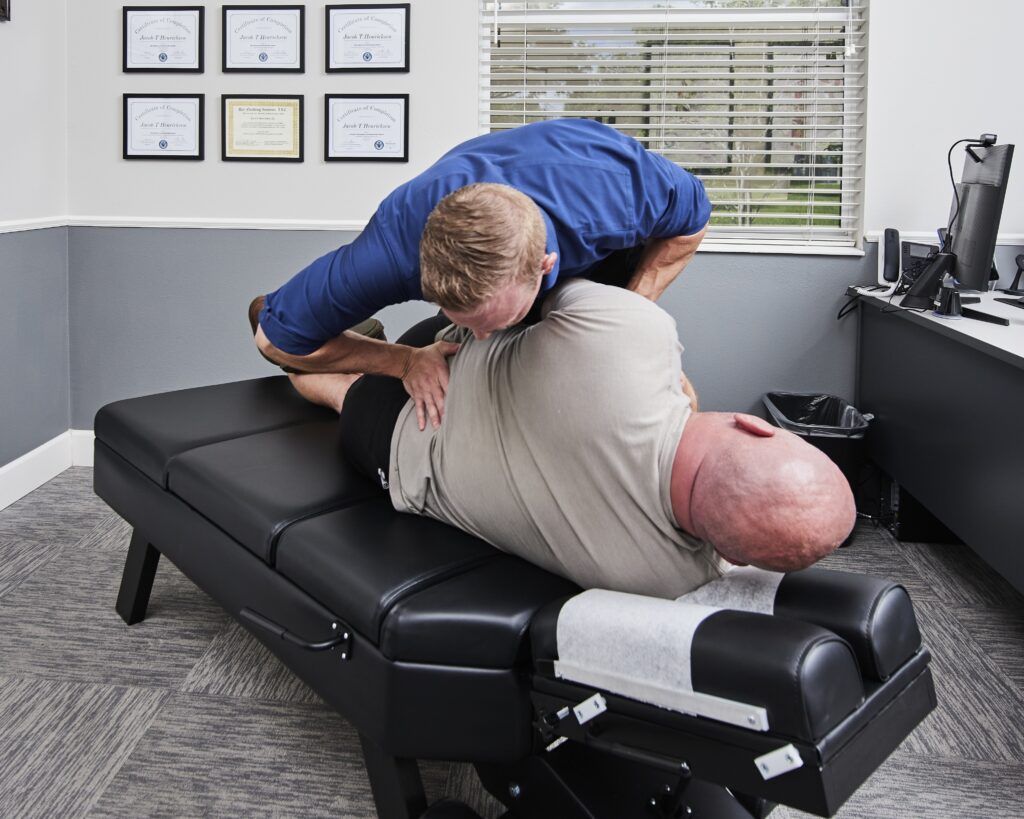
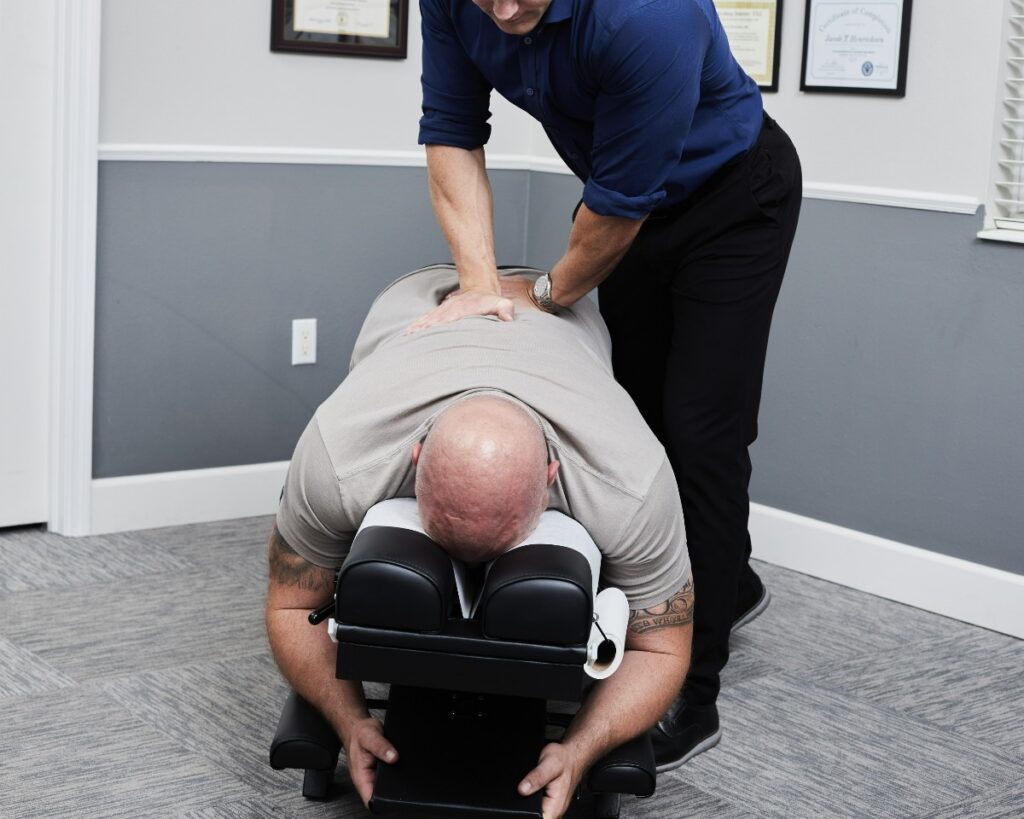
If you're dealing with chronic migraines, you may be curious about how chiropractic care and alternative therapies can help. Traditional treatments often focus primarily on alleviating symptoms, which can sometimes come with unwanted side effects and leave you feeling defeated. In contrast, chiropractic care aims to identify and address the underlying causes of your migraines, offering a personalized and holistic approach to healing.
As a chiropractor, I believe in the power of natural healing methods. Techniques such as spinal adjustments, along with complementary therapies like acupuncture and nutritional counseling, can play a significant role in reducing the frequency and intensity of migraines. By evaluating your spine and nervous system, we can work together to restore balance and promote overall well-being.
Additionally, lifestyle modifications—such as stress management, exercise, and proper hydration—can further support your journey towards relief. If you're interested in exploring these options, I invite you to discuss specific strategies that can help you effectively manage your migraine symptoms and enhance your quality of life. Together, we can create a tailored plan that aligns with your unique needs and goals.
Understanding Chronic Migraines
As a local chiropractor, it's important to educate you about chronic migraines and how chiropractic care can play a role in their management. Chronic migraines are characterized by experiencing headaches on 15 or more days each month, with a significant portion of those headaches meeting the criteria for migraines. These migraines can be quite debilitating, affecting your daily activities and overall quality of life.
By understanding the patterns and triggers associated with your migraines, you can take proactive steps towards relief. Common triggers for migraines often include stress, hormonal fluctuations, specific foods, and various environmental factors. One effective way to identify these triggers is by keeping a migraine diary. Documenting when your migraines occur and what you were doing beforehand can help you recognize patterns and make necessary lifestyle adjustments.
Additionally, it's crucial to be aware of the symptoms linked to chronic migraines, such as intense throbbing or pulsing pain, nausea, light and sound sensitivity, and aura symptoms like visual disturbances.
It's also vital to differentiate between chronic and episodic migraines. Chronic migraines occur more frequently, while episodic migraines happen less often, typically fewer than 15 days per month. Understanding this difference can aid in better communication with healthcare providers and help you develop a tailored treatment plan.
Incorporating chiropractic care can be an effective natural approach to managing chronic migraines. Through spinal adjustments, we can help alleviate tension in your body, improve alignment, and promote overall wellness. Chiropractic care focuses on addressing the root causes of pain, which can significantly reduce the frequency and intensity of your migraines.
If you're struggling with chronic migraines, I encourage you to explore how chiropractic care can support your journey toward relief and improved quality of life.
Limitations of Traditional Treatments
As a local chiropractor, I want to share some insights with you about traditional treatments for chronic migraines.
Many people who rely on medications often face considerable side effects that can be difficult to manage. Furthermore, these conventional options frequently provide only short-term relief, leaving many patients feeling frustrated and in search of more effective solutions.
Understanding these limitations is crucial as you consider exploring chiropractic care and other natural healing methods.
We focus on addressing the root causes of your migraines through holistic approaches, aiming to help you achieve long-lasting relief without the burden of harsh side effects.
Side Effects of Medications
Navigating the world of chronic migraine treatment can often feel overwhelming, and I understand how frustrating it can be. Many of my patients have shared their experiences with traditional medications, which sometimes bring side effects that can be just as challenging as the migraines themselves.
You may find that the very medications intended to relieve your pain can introduce new hurdles, such as dizziness, fatigue, weight gain, and nausea. These side effects can significantly impact your quality of life and make it hard to enjoy everyday activities.
In addition to these physical side effects, some individuals may also experience cognitive issues, like memory lapses or trouble focusing. This can be particularly disheartening, especially since migraines themselves often come with cognitive fog.
Furthermore, some medications can lead to dependency, meaning that over time, you may require higher doses to achieve the same level of relief, complicating your treatment journey.
Many of my patients have realized that these side effects can overshadow any positive effects they might gain from medication. This is why I encourage exploring alternative care options, such as chiropractic care, which focuses on holistic approaches to health.
Chiropractic adjustments, lifestyle changes, and natural healing techniques can help reduce the frequency and intensity of migraines without the burden of unwanted side effects. By embracing these alternatives, you can find a path to relief that aligns more closely with your health goals and overall well-being.
Let's work together to explore these options that may provide you with a more comprehensive solution to your migraines.
Limited Long-term Solutions
Many individuals dealing with chronic migraines often find that conventional treatments, such as painkillers or triptans, only provide temporary relief. As a chiropractor, I understand how disheartening it can be to rely on medications that may seem to offer a quick fix but fail to tackle the root causes of your migraines.
Over time, you might notice that these medications become less effective, prompting you to increase dosages or explore new options. It's important to recognize that relying on pharmaceuticals can lead to dependency, and the side effects—like fatigue, gastrointestinal issues, or even rebound headaches—can aggravate your situation.
This frustrating cycle often leaves patients feeling helpless, particularly when long-term solutions appear elusive. Traditional treatments typically prioritize short-term relief rather than preventive measures, which is why many people are left searching for alternatives.
This is where chiropractic care can make a significant difference. By focusing on a holistic approach, we emphasize lifestyle changes, dietary adjustments, and natural therapies that aim to reduce the frequency and intensity of your migraines.
Through chiropractic care, we can work together to identify the underlying issues contributing to your migraines. By addressing spinal alignment, tension, and overall body mechanics, you may find a more sustainable way to manage your condition.
This approach not only aims to alleviate your symptoms but also empowers you to reclaim control over your life and well-being. I invite you to explore the benefits of chiropractic care as a viable alternative in your journey towards long-term relief.
Benefits of Alternative Care
As a local chiropractor, I want to share with you the notable benefits of alternative care, particularly for those who are dealing with chronic migraines. One of the key aspects of chiropractic care is its holistic approach. Instead of just focusing on your migraine symptoms, we consider your overall well-being. This allows us to address underlying factors that may be contributing to your migraines, such as stress, poor posture, dietary habits, and lifestyle choices.
By looking at the whole person, we aim to help you find effective and long-lasting relief.
Another significant advantage of chiropractic care is the use of natural therapies. Our treatments are designed to minimize any side effects that may come with conventional medications. Many of our patients find that chiropractic adjustments, along with complementary therapies like massage and nutritional guidance, can lead to improvement without the drowsiness or digestive issues often associated with pharmaceuticals.
This can be a transformative experience, enabling you to go about your daily life without feeling hindered by side effects.
Additionally, we understand that each individual experiences migraines differently. That's why we create personalized treatment plans tailored specifically to your unique needs. During your visits, we take the time to understand your specific triggers and symptoms, allowing us to provide care that truly fits you.
This collaborative approach not only enhances the effectiveness of your treatment but also empowers you to take an active role in your health journey.
Many of our patients express a sense of empowerment through the alternative care we provide. This active involvement can significantly boost your mental health and resilience against migraine attacks.
With these benefits in mind, I encourage you to explore chiropractic care as a viable path to managing chronic migraines more effectively. Together, we can work towards achieving your health goals and improving your quality of life.
Acupuncture for Migraines
As a local chiropractor, I want to share with you how acupuncture can be a valuable tool for managing migraines.
This holistic approach focuses on stimulating specific points in your body, which can help alleviate pain and restore balance.
If you're considering acupuncture, it's important to think about how often you should schedule your sessions to fully harness its benefits.
Let's delve into how this treatment works and the recommended frequency for your visits to ensure you get the most out of your experience.
Mechanism of Action
As a local chiropractor dedicated to natural healing, I want to share an ancient practice that may help alleviate chronic migraines: acupuncture. This traditional Chinese medicine technique focuses on specific points in the body to restore balance to your energy, referred to as "Qi."
During an acupuncture session, fine needles are strategically inserted into these points, which can enhance blood circulation and stimulate the release of endorphins—your body's natural pain relievers. This process can significantly reduce pain and tension, providing much-needed relief from the debilitating symptoms of migraines.
Acupuncture also has the potential to influence your nervous system. By regulating the neurotransmitters and hormones involved in pain perception, this technique can help lower both the frequency and intensity of migraine attacks.
Additionally, acupuncture promotes relaxation and helps reduce stress, which are often major triggers for migraines.
Research has shown that acupuncture can lead to fewer headache days and improve overall quality of life. While everyone's experience may differ, many people discover that acupuncture not only addresses their immediate migraine symptoms but also contributes to long-term management of chronic migraines.
Treatment Frequency Recommendations
When it comes to managing chronic migraines, understanding the frequency of chiropractic treatment can significantly enhance your healing journey. As your local chiropractor, I recommend starting with one to two sessions per week during the initial month of care. This consistent approach helps establish a strong foundation for your body's healing process and allows us to effectively address the underlying issues contributing to your migraines.
After the first month, we'll take the time to assess your progress together. Based on how you're feeling, we might adjust your visits to once every two weeks or even once a month. Many patients discover that maintaining a regular schedule is crucial for sustaining the benefits of chiropractic care.
Open communication is key! Please share your experiences and any changes in your migraine patterns with me. This feedback allows us to tailor your treatment plan to your specific needs.
If you experience significant relief, we may discuss a maintenance schedule to help prevent future migraines and keep you feeling your best. Remember, natural healing takes time, and we're here to support you every step of the way!
Herbal Remedies and Supplements
As a local Chiropractor, I often see patients who are looking for natural ways to manage chronic migraines. Many people are interested in exploring alternatives to conventional treatments, especially if they want to avoid the side effects that can come with pharmaceutical drugs.
One herbal remedy that I've found to be beneficial for some patients is butterbur. Research has indicated that a standardized extract of butterbur can help reduce the frequency of migraine attacks.
Another option worth discussing is feverfew, a flowering plant that's been used for centuries to help alleviate headaches. Some studies suggest that feverfew may decrease both the intensity and duration of migraines.
In addition to these herbal remedies, I also recommend considering magnesium supplements. Low levels of magnesium have been associated with migraines, and increasing your intake may help reduce the number of attacks you experience.
Coenzyme Q10 is another supplement that has gained attention for its potential role in preventing migraines. Some research indicates that it may improve mitochondrial function, which is essential for energy production in brain cells.
Furthermore, omega-3 fatty acids, commonly found in fish oil, can also be helpful. They've anti-inflammatory properties that might aid in lessening the severity of migraines.
While these herbal remedies and supplements can offer significant benefits, it's essential to consult with a healthcare provider, like myself, before starting any new treatment. I can assist you in determining the appropriate dosages and checking for any potential interactions with medications you may be taking.
Embracing a holistic approach to migraine management can lead to better overall health and wellness.
Dietary Adjustments
As a local chiropractor, I want to share how making dietary adjustments can significantly enhance your experience with chronic migraines. By being mindful of your nutrition, you can uncover potential triggers that may worsen your symptoms. A great starting point is to maintain a food diary, where you record your meals alongside any migraine episodes. This practice will help you identify patterns and isolate specific foods that could be contributing to your discomfort.
Many individuals find that certain foods can trigger their migraines. Some common offenders include aged cheeses, processed meats, alcohol, and artificial sweeteners. It may be worthwhile to try eliminating these items from your diet for a few weeks to see if you experience any relief.
Additionally, be mindful of your caffeine intake; while some people find that a small amount helps, others may discover it can lead to headaches.
It's also beneficial to increase your consumption of whole foods. Aim for a diet that includes plenty of fruits, vegetables, whole grains, and lean proteins. These foods offer essential nutrients and help keep your blood sugar levels stable, which is crucial for managing migraines.
Establishing regular meal patterns is equally important; skipping meals can cause blood sugar drops that may trigger migraines.
Lastly, don't underestimate the importance of staying hydrated. Dehydration is a common cause of headaches, so make sure you're drinking enough water throughout the day.
Mindfulness and Stress Reduction
As a local Chiropractor, I want to emphasize the importance of mindfulness and stress reduction techniques in managing chronic migraines. Many of my patients find that by focusing on the present moment, they become more attuned to their thoughts and feelings. This awareness can assist in identifying potential triggers and symptoms before they escalate into more severe discomfort.
Mindfulness encourages a non-judgmental observation of pain, which can help diminish the emotional reactions that often intensify migraine episodes. We know that stress is a significant trigger for migraines, so integrating stress reduction strategies into your daily routine can be incredibly advantageous.
Techniques such as deep breathing exercises, meditation, and yoga are excellent ways to lower stress levels. For example, practicing deep breathing can activate your body's relaxation response, reducing tension and fostering a sense of calm. This simple practice can have a profound impact on how you perceive and handle pain.
Setting aside time for mindfulness activities can also create a serene environment in your life. Even dedicating just a few minutes each day to meditation can enhance your sense of control over your thoughts and emotions, making it easier to cope with migraine symptoms.
Moreover, engaging in regular physical activity, whether it's gentle stretching or a leisurely walk, can significantly improve your overall well-being and help mitigate stress. I encourage you to gradually incorporate these practices into your routine and notice the benefits they bring over time.
Integrating Alternative Approaches
As a local chiropractor, I want to share how integrating alternative approaches into your migraine management plan can open up new pathways for relief and contribute to your overall wellness. Chiropractic care, along with other natural therapies, can play a vital role in this process.
One of the key components of chiropractic care is spinal adjustments. These adjustments can help realign the spine, which may alleviate pressure on nerves and improve blood flow, potentially reducing the frequency and intensity of migraine attacks. By addressing misalignments and tension in the body, chiropractic care can help you feel more balanced and relaxed.
In addition to spinal adjustments, I recommend exploring other complementary modalities such as acupuncture, herbal remedies, and physical therapy. Acupuncture, for instance, has been shown to stimulate specific points on the body, which may enhance the body's natural healing processes and provide relief from migraine symptoms.
Herbal remedies like butterbur and feverfew can also be beneficial. These natural options may help diminish inflammation and ease pain, but it's essential to consult with a healthcare professional to ensure they're safe and suitable for your individual needs.
Physical therapy is another valuable resource for addressing muscle tension and stiffness often linked to chronic migraines. A licensed physical therapist can guide you through tailored exercises and stretches that improve posture and relieve tension, which can help reduce headache triggers.
Moreover, nutrition plays a critical role in managing migraines. I encourage you to keep a food diary to track any potential triggers, such as aged cheeses, processed meats, or caffeine. By making mindful dietary adjustments, you may discover significant relief from your symptoms.
Ultimately, embracing these alternative approaches, including chiropractic care, can provide a holistic framework for managing your migraines. By exploring various options, you can customize your strategy, empowering yourself to take charge of your health and well-being.
Remember to stay open-minded and patient as you find what works best for you. Your journey toward relief is important, and I'm here to support you every step of the way.
Personalizing Your Treatment Plan
As you begin your journey to manage chronic migraines, it's crucial to personalize your treatment plan for optimal results. One of the first steps is identifying your specific triggers, which may include stress, certain foods, or environmental elements. I recommend keeping a detailed migraine diary to log when your migraines occur, as well as your activities and meals leading up to them. This information will be essential in creating a tailored approach to your care.
In addition to traditional methods, I encourage you to explore various alternative therapies, including chiropractic care, acupuncture, yoga, and biofeedback. Each individual responds differently, so it's important to experiment and determine what resonates best with you. As a chiropractor, I can guide you through a range of natural healing techniques designed to address the underlying issues that may be contributing to your migraines.
Moreover, it's vital to pay attention to your lifestyle habits. Ensuring you get adequate sleep, engaging in regular exercise, and maintaining a balanced diet can significantly influence the frequency and intensity of your migraines. You might find that specific dietary changes or relaxation techniques lead to noticeable improvements in your overall well-being.
Finally, I encourage you to remain open to revisiting and adjusting your treatment plan as necessary. What may work for you today mightn't be effective tomorrow. Regularly assess your progress and be willing to try new approaches if your current plan isn't providing the relief you seek.
Conclusion
As a local chiropractor, I want to share how alternative care can significantly benefit those suffering from chronic migraines. Many people are unaware that therapies like chiropractic adjustments can help realign the spine, which may alleviate tension and pressure contributing to migraines. Additionally, we can explore complementary treatments such as acupuncture and herbal remedies, which target the underlying causes rather than simply masking the pain.
Incorporating lifestyle adjustments and mindfulness practices into your routine can also play a vital role in managing your migraines. These strategies not only help reduce stress but also promote overall wellness. It's essential to personalize your treatment plan, allowing you to take charge of your health and enhance your quality of life.
Don't settle for just temporary relief. By considering these natural healing options, you can work toward long-term solutions for your chronic migraines. I'm here to guide you through this journey and help you discover the benefits of chiropractic care. Let's explore these options together!