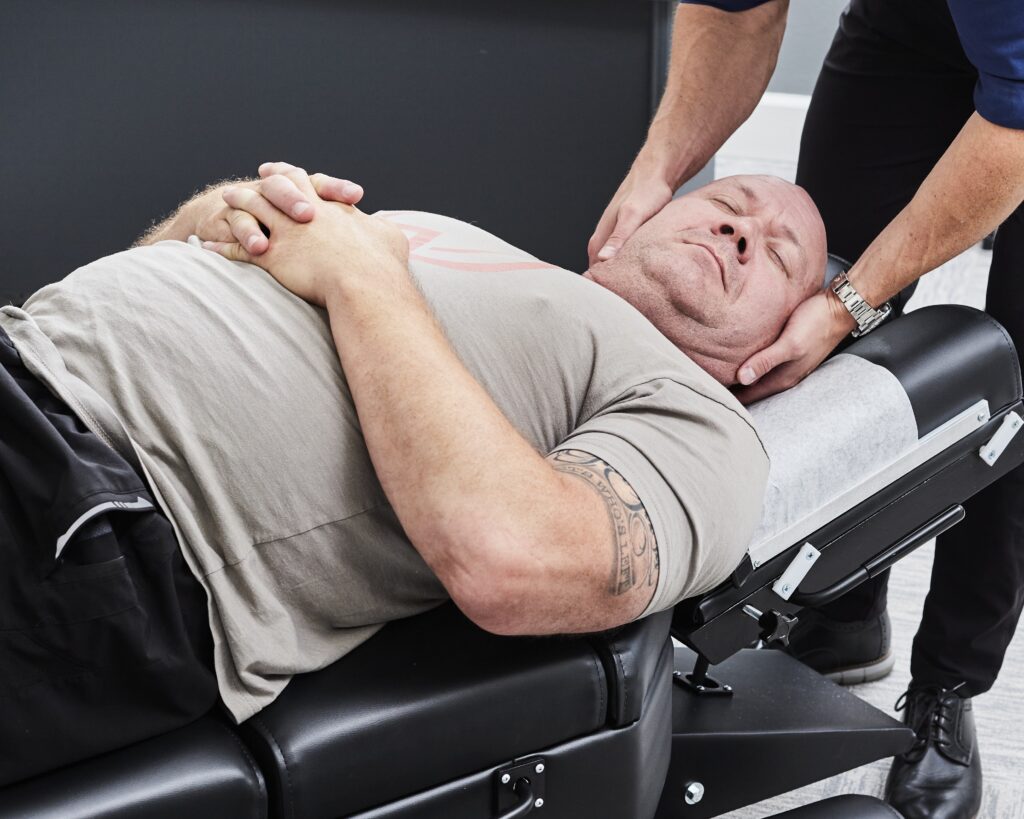
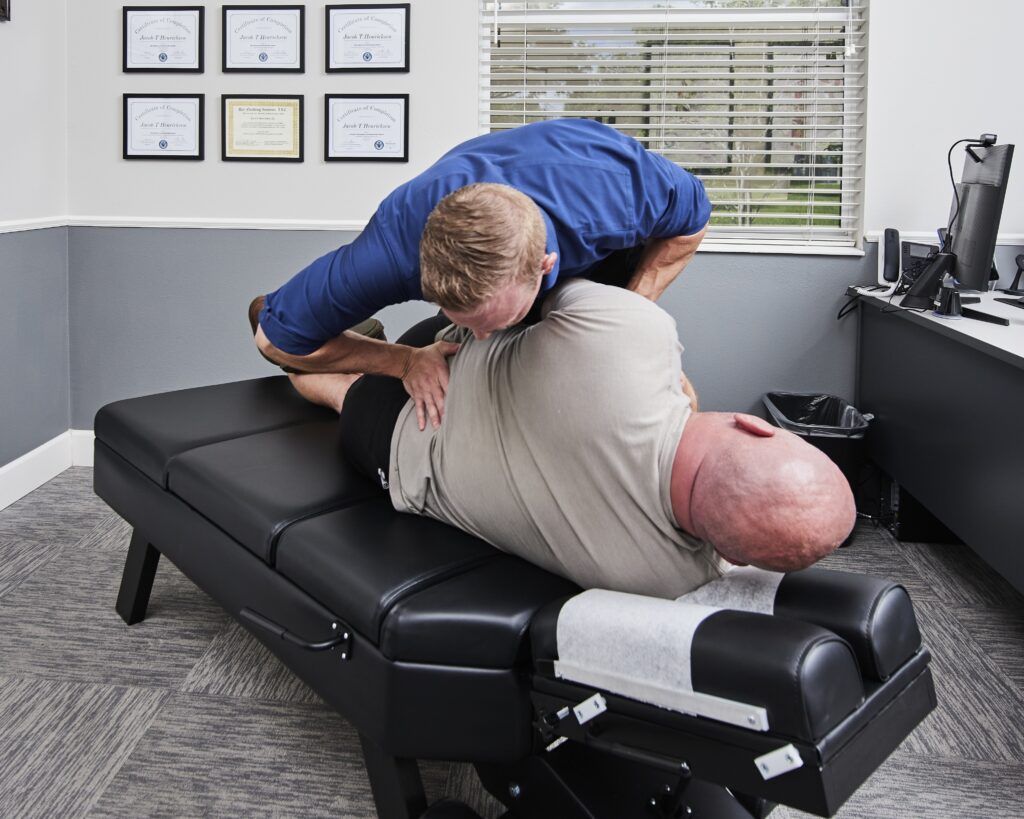
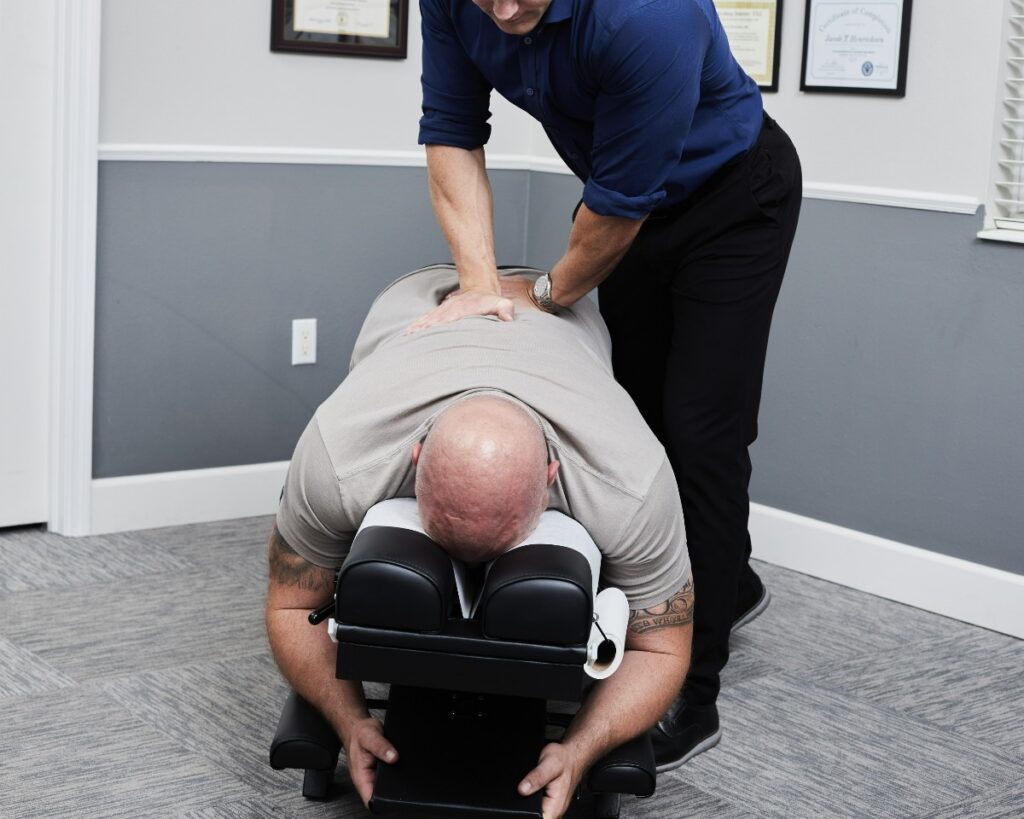
You might be surprised to learn how often athletes overlook essential recovery support, often driven by a culture that equates toughness with relentless training. It's easy to see why pushing through pain feels like a badge of honor, yet this mindset can lead you to ignore important body signals that indicate the need for rest. Coupled with a lack of education on effective recovery methods, this neglect can create vulnerabilities that hinder your performance. What if there's more to the story, and understanding this could change your approach to training altogether?
Misconceptions About Recovery
When it comes to athlete recovery, many people harbor misconceptions that can hinder performance and well-being. You might think that pushing through pain or fatigue is a sign of dedication, but that mindset can backfire. Recovery isn't just a luxury; it's an essential component of training. Ignoring it can lead to burnout, injuries, and decreased performance.
Another common myth is that all recovery methods are created equal. You may believe that simply resting is enough, but effective recovery encompasses various strategies, including nutrition, hydration, sleep, and active recovery techniques. Relying solely on one aspect means you're missing out on a thorough approach that can maximize your results.
You might also assume that recovery is a passive process, where you just wait for your body to heal. In reality, engaging in light activities like stretching, yoga, or foam rolling can promote blood flow and speed up recovery. If you think you're wasting time by incorporating these practices, think again—they're essential for maintaining flexibility and reducing soreness.
Lastly, many athletes believe that recovery is only important after competitions or intense training sessions. However, integrating recovery into your daily routine is critical for long-term success.
Cultural Pressures in Sports
How do cultural pressures shape the way athletes approach their recovery? You mightn't even realize how deeply these pressures influence your choices. In many sports, there's a prevailing belief that pushing through pain and fatigue is a sign of strength. This mindset often makes you prioritize training over recovery, leading you to overlook vital rest and rehabilitation practices.
You may feel that taking time off for recovery could be perceived as weakness, or that your commitment might be questioned by coaches, teammates, or fans.
Moreover, social media amplifies these cultural expectations. As you scroll through feeds, you see athletes showcasing their relentless training regimens, often glorifying exhaustion and sacrifice. These images can create a false narrative that recovery isn't essential, reinforcing the idea that only the most dedicated athletes achieve success.
You might start to think that if you're not constantly grinding, you're falling behind.
Additionally, the pressure to conform to team norms can stifle your voice when advocating for your own recovery needs. If the culture in your sport or team emphasizes toughness over well-being, you might hesitate to prioritize recovery, fearing it'll label you as less dedicated.
This cycle perpetuates a harmful mentality, where neglecting recovery becomes the norm.
Understanding these cultural pressures can empower you to challenge the status quo. Recognizing that prioritizing recovery isn't just acceptable but vital can help you redefine what being a dedicated athlete truly means.
The Focus on Performance
The intense focus on performance in competitive sports often overshadows the importance of recovery. You might find yourself caught up in a relentless quest for victory, where every training session, drill, and competition becomes a stepping stone to achieving your goals. The pressure to perform at your best can be overwhelming, and while aiming for excellence is admirable, it often leads to neglecting your body's need for recovery.
When you're constantly pushing your limits, you might overlook the signals your body sends you. Fatigue, soreness, and diminished performance can become the norm, rather than recognizing these as signs that your body needs rest and rejuvenation.
You may prioritize more hours in the gym or on the field, thinking that this will give you an edge over your opponents. However, ignoring recovery can result in burnout or even injury, ultimately hindering your performance in the long run.
You could benefit from viewing recovery as a critical component of your training regimen rather than a luxury. Incorporating adequate rest, nutrition, and mental wellness practices can enhance your performance.
When you allow yourself to recover properly, you'll return stronger and more focused, ready to tackle the challenges ahead.
Lack of Education and Awareness
Many athletes lack a solid understanding of recovery methods and their significance in enhancing performance. You might focus intensely on training, perfecting your skills, and pushing your limits, but without proper recovery, you're missing an essential piece of the puzzle. Many athletes underestimate how recovery impacts not just physical well-being but also overall performance levels.
The education around recovery techniques, such as hydration, nutrition, sleep, and active recovery, often falls short. Coaches and trainers may emphasize physical training but may not adequately inform you about the importance of recovery practices. If you don't know how to recover effectively, you're likely to overlook vital steps that could enhance your performance and extend your athletic career.
It's common to hear about the latest training regimens or performance-enhancing techniques, but discussions about recovery strategies are usually sidelined. This lack of awareness can leave you vulnerable to injuries, fatigue, and burnout.
You might think that pushing through discomfort is a sign of strength, but understanding how to listen to your body can lead to better outcomes. The best athletes know that recovery isn't a luxury; it's a necessity.
Taking the time to educate yourself about recovery options and integrating them into your routine can set you apart. If you prioritize recovery, you'll not only improve your performance but also your longevity in the sport.
Mental Health and Recovery Neglect
Neglecting mental health during recovery can be just as detrimental as ignoring physical rest. When you focus solely on your body's rehabilitation, you might overlook the psychological aspects that play an important role in your overall recovery.
Stress, anxiety, and depression can creep in, especially when you're sidelined from your sport. If you don't address these issues, they can hinder your performance and prolong your return to the field.
You might think that pushing through mental fatigue is just part of the game, but that mindset can lead to burnout or even injury. It's important to understand that mental resilience is just as significant as physical strength.
You wouldn't ignore a sprained ankle, so why would you ignore feelings of isolation or frustration?
Integrating mental health practices into your recovery routine can make a substantial difference. Techniques like mindfulness, meditation, or even talking to a sports psychologist can help you process emotions and maintain focus.
Collaborating with mental health professionals can provide you with tools to cope with the mental challenges that come with injury.
Conclusion
In sports, it's easy to overlook recovery, but ignoring it can lead to serious setbacks. You've got to challenge the misconceptions that toughness equals never resting. Prioritizing your recovery isn't a sign of weakness; it's crucial for sustained performance and well-being. Educate yourself on effective recovery methods, listen to your body, and remember that taking time to recuperate can ultimately enhance your athletic abilities. Make recovery a fundamental part of your training routine for long-term success.