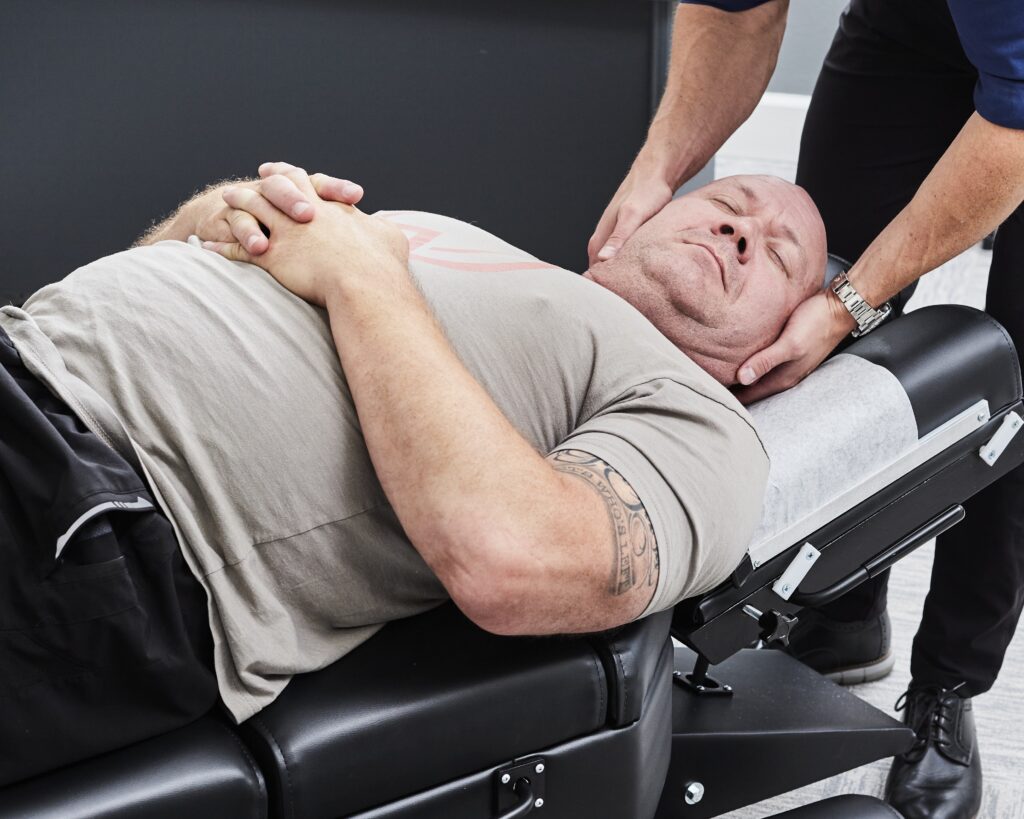
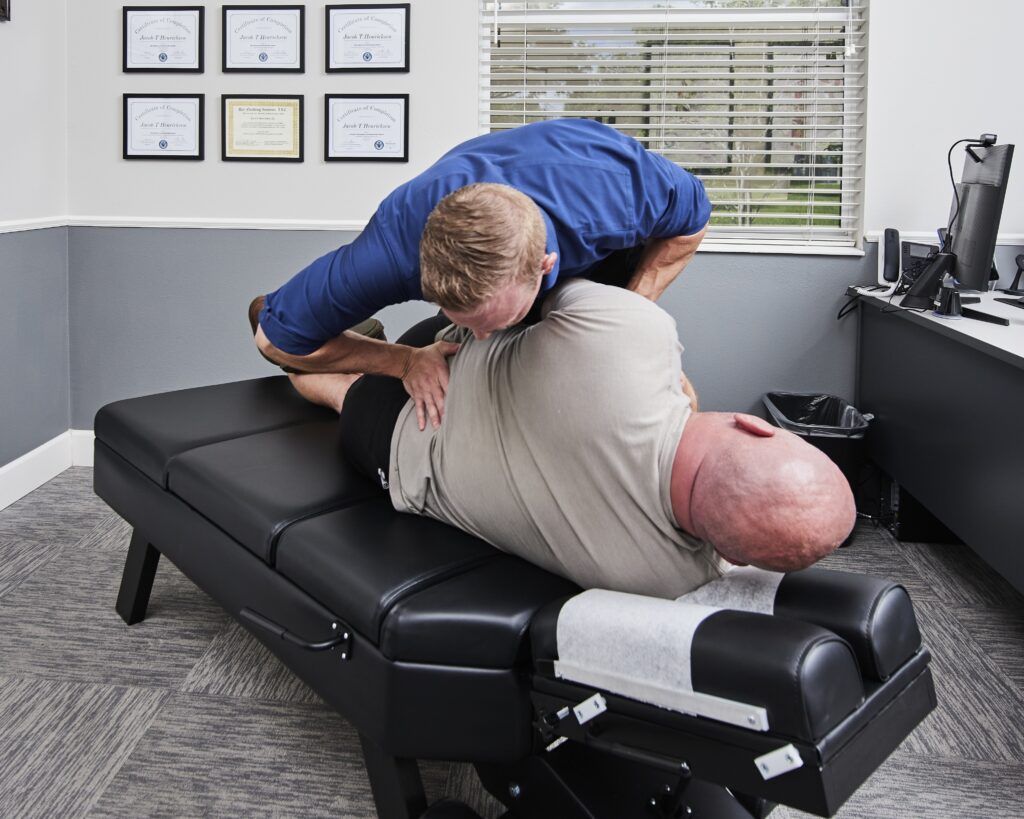
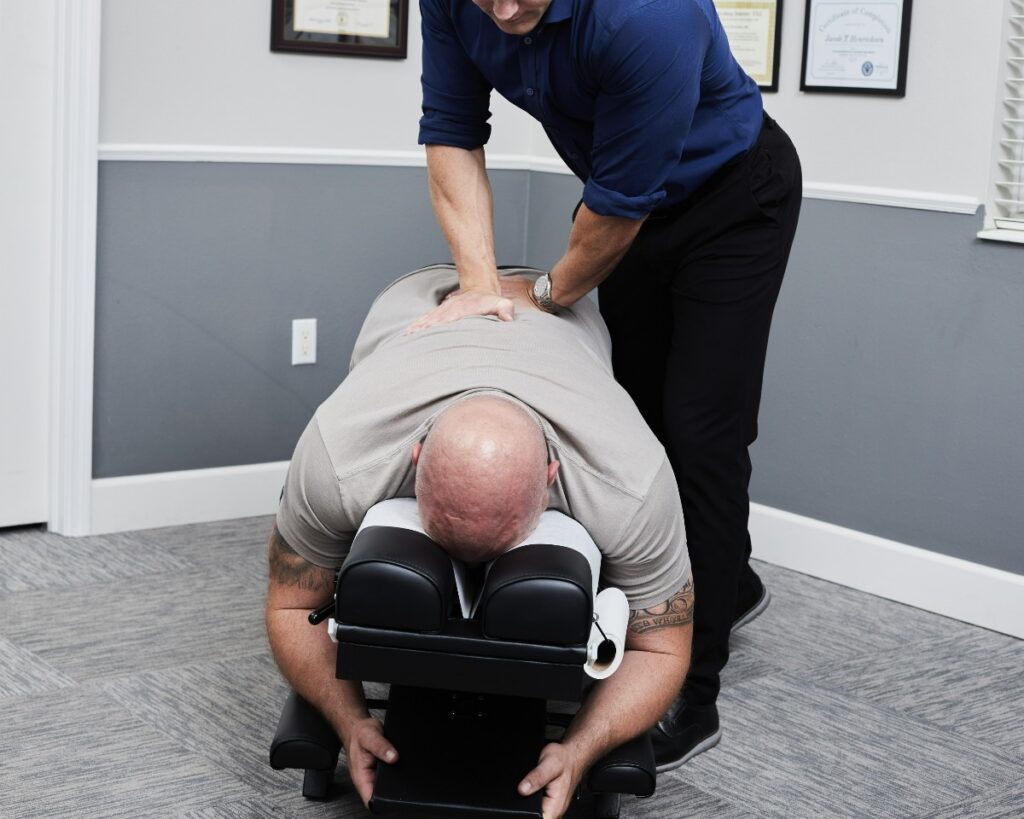
As a local chiropractor, I understand how frustrating sports-related back pain can be. Many of my patients come to me seeking relief and wondering what methods can help them get back to their favorite activities. It's essential to recognize that effective stretching and strengthening exercises, combined with proper posture and recovery techniques, can significantly alleviate discomfort.
Incorporating specific strategies into your routine can make a significant difference in your recovery. For instance, gentle stretching can help improve flexibility, while targeted strengthening exercises can build resilience in your back muscles. Additionally, maintaining good posture during both sports and daily activities is crucial for preventing further strain.
I want to educate you about the benefits of chiropractic care as part of your healing journey. Chiropractic adjustments can help align your spine, relieving tension and improving overall function. This holistic approach, combined with tailored exercise recommendations, can enhance your recovery and help you return to the sports you love more quickly.
Let's explore these strategies together and find the best methods to support your healing process. Your path to relief and recovery starts here!
Common Causes of Back Pain
As a local chiropractor, I want to help you understand the various causes of back pain and how natural healing can provide effective relief. Many of my patients, particularly those who are active in sports or fitness, often experience back pain due to several common factors that arise from their lifestyles.
One significant cause of back pain is muscle strain. This often occurs when individuals lift heavy weights or perform repetitive movements without using proper technique. If you've been pushing your body to its limits, it's possible that your muscles are simply in need of a break to recover. Chiropractic care can assist in alleviating this strain and promoting healing.
Another frequent contributor to back pain is poor posture. Whether you find yourself sitting for extended periods, standing incorrectly, or not maintaining proper form during workouts, these habits can create tension in your back. It's surprising how much the way you carry yourself can impact your comfort. As your chiropractor, I can guide you on how to improve your posture to reduce pain.
Injuries are also a major factor. Sprains, fractures, and herniated discs, particularly common in high-impact sports or from sudden movements, can lead to acute or chronic pain. If you've experienced a fall or an awkward landing, it's crucial to assess how these incidents might've affected your back. Chiropractic adjustments can help realign your spine and alleviate discomfort from these injuries.
Lastly, there are underlying conditions like arthritis or spinal stenosis that can lead to persistent back pain. If you've been experiencing ongoing discomfort despite resting and trying typical remedies, it may be time to consult with a healthcare professional. Chiropractic care offers a holistic approach to healing by addressing the root causes of your pain and promoting overall well-being.
I encourage you to reach out and discuss your back pain concerns. Together, we can explore natural healing methods that can help you regain comfort and improve your quality of life.
Effective Stretching Techniques
As a local chiropractor, I want to emphasize the importance of incorporating effective stretching techniques into your daily routine. Doing so can significantly reduce your risk of experiencing back pain and enhance your overall physical performance. Stretching is a vital practice that improves flexibility, allowing your muscles to move more freely while reducing tension in your back.
I recommend starting with some simple stretches that specifically target the lower back, hamstrings, and hip flexors. One highly effective stretch is the seated forward bend. To perform this stretch, sit on the floor with your legs extended in front of you. Take a deep breath in, and as you exhale, reach forward toward your toes while keeping your back straight. Hold this position for 15-30 seconds, and focus on feeling the stretch in your lower back and hamstrings.
Another beneficial stretch is the cat-cow stretch, which is excellent for spinal health. Begin by getting on your hands and knees, ensuring that your wrists are aligned with your shoulders and your knees with your hips. Inhale deeply as you arch your back and let your belly drop toward the floor (this is the cow pose). As you exhale, round your back and tuck your chin to your chest (this is the cat pose). Flow through this movement for 5-10 breaths to help release any tension in your spine.
Additionally, consider incorporating a standing quadriceps stretch into your routine. Stand up tall and grab your ankle, gently pulling your heel toward your glutes. Be sure to keep your knees close together and hold this position for 15-30 seconds. This stretch is great for maintaining balance and stability in your lower back.
I can't stress enough the importance of stretching regularly, particularly before and after your workouts. By doing so, you can maximize the benefits of your physical activities and help prevent sports-related back pain.
Strengthening Exercises for Relief
As a local chiropractor, I want to emphasize the importance of incorporating strengthening exercises into your routine to help alleviate sports-related back pain. Many of my patients have found that focusing on core stability and overall body strength significantly supports their spine, reducing strain during physical activities.
By targeting key muscle groups—namely your abdominal, back, and hip muscles—you can maintain proper posture and alignment, which is essential for a healthy back.
Let's start with some foundational exercises. Planks and side planks are excellent for engaging your entire core. I recommend aiming for 3 sets of 20-30 seconds, and as you build strength, gradually increase the duration.
Another great exercise is the bridge. By lying on your back with your knees bent, you can lift your hips towards the ceiling, holding for a few seconds before lowering. This movement strengthens your glutes and lower back; try to repeat it 10-15 times for optimal benefits.
Don't overlook your hip flexors! Incorporating lunges and squats can enhance your lower body strength while also engaging your core. I suggest performing 2-3 sets of 10-15 reps, always focusing on maintaining good form to prevent any additional strain on your back.
Additionally, you might consider using resistance bands or light weights to increase the challenge of these exercises. It's crucial to listen to your body—if something doesn't feel right, please adjust or stop the exercise.
By consistently integrating these strengthening exercises into your routine, you won't only foster a healthier back but also improve your overall athletic performance and significantly reduce your risk of future injuries.
Incorporating these practices into your lifestyle can complement the chiropractic care I provide, leading to a more holistic approach to your health and well-being.
If you have any questions or concerns about starting these exercises, feel free to discuss them with me during your next visit.
Importance of Proper Technique
As a local chiropractor, I want to emphasize the critical role that proper technique plays in your exercise routine. Understanding how to perform movements correctly is vital not only for maximizing the benefits of your workouts but also for preventing injuries, particularly to your back. When exercises are performed improperly, it can lead to unnecessary pain and hinder your progress towards your fitness goals.
By adopting the right form, you can ensure that forces are distributed evenly across your body, significantly reducing strain on vulnerable areas.
Here are four key reasons why focusing on proper technique is essential:
- Injury Prevention: Utilizing correct form is your first line of defense against strains and sprains, especially in the back. It ensures that you aren't placing undue stress on your muscles and joints, which can lead to injuries.
- Enhanced Performance: Executing exercises with the right technique allows you to engage the targeted muscle groups more effectively. This not only improves your strength and endurance but also enhances flexibility, leading to better overall results.
- Improved Balance and Stability: Maintaining correct posture and alignment is crucial for keeping your center of gravity stable. This stability makes it easier to perform movements smoothly and with confidence, reducing the likelihood of falls or mishaps.
- Long-term Sustainability: By consistently using proper technique, you minimize wear and tear on your body. This approach allows you to remain active and continue your fitness journey without frequent disruptions due to pain or injury.
If you're unsure about your technique, I recommend working with a personal trainer or exploring instructional videos.
Remember, it's far better to perform fewer repetitions with correct form than to rush through many with improper technique. Your body will appreciate this in the long run, allowing your workouts to be enjoyable, effective, and protective of your back health.
As your chiropractor, I'm here to support you in achieving your wellness goals through natural healing and education.
Recovery Practices and Tips
As a local chiropractor dedicated to helping you understand the benefits of natural healing, I want to share some essential practices for recovering from sports-related back pain. To effectively manage your discomfort and facilitate recovery, it's important to incorporate specific strategies into your routine.
First, integrating stretching and strengthening exercises can significantly enhance your flexibility and support your spine. These exercises not only help alleviate pain but also prevent future injuries by building resilience in your muscles.
Maintaining proper posture is another crucial aspect of recovery. Poor posture can exacerbate back pain, so being mindful of how you sit, stand, and move throughout the day is essential. I often recommend simple adjustments that can lead to lasting improvements.
Lastly, utilizing ice and heat therapy can provide immediate relief. Ice can help reduce inflammation and numb sharp pain, while heat therapy promotes blood flow and relaxes tight muscles. Both methods can be effective in managing discomfort and facilitating your recovery process.
By focusing on these strategies, you can pave the way for a healthier back and get back to enjoying your favorite activities. If you have any questions about these practices or how chiropractic care can further support your healing journey, feel free to reach out.
Together, we can work towards a pain-free lifestyle!
Stretching and Strengthening Exercises
As a local chiropractor, I want to emphasize the importance of stretching and strengthening exercises in managing sports-related back pain.
These exercises are vital for improving flexibility, enhancing muscle support, and promoting recovery—key components in maintaining a healthy spine.
Here are four effective exercises I recommend you incorporate into your routine:
- Cat-Cow Stretch: Begin on your hands and knees. Gently alternate between arching your back (like a cat) and lowering it while lifting your head (like a cow). This movement helps to increase spinal flexibility, which is crucial for overall back health.
- Pelvic Tilts: Lie on your back with your knees bent. Engage your abdominal muscles and gently push your lower back into the floor. Hold this position for a few seconds before releasing. This exercise not only strengthens your core but also stabilizes your spine, which can help alleviate discomfort.
- Child's Pose: Kneel on the floor and sit back on your heels. Extend your arms in front of you and lower your chest towards the ground. This stretch is excellent for relaxing your back and relieving any built-up tension, creating a sense of overall well-being.
- Bridges: Lie on your back with your knees bent, feet flat on the floor. Lift your hips off the ground, squeezing your glutes at the top of the movement. This exercise is particularly beneficial for strengthening your lower back and core, areas often affected by sports activities.
Integrating these exercises into your daily routine can significantly help manage and reduce back pain, allowing you to participate in your favorite sports with more comfort and enjoyment.
Proper Posture Techniques
As a local chiropractor, I can't emphasize enough how crucial maintaining proper posture is for managing sports-related back pain, alongside stretching and strengthening exercises. Good posture plays a vital role in distributing your body weight evenly, which helps reduce strain on your spine and muscles.
When you're sitting, it's important to choose a chair that offers support for your lower back. Make sure to keep your feet flat on the floor to promote proper alignment. If you're standing, aim to distribute your weight evenly on both feet and avoid locking your knees. Engaging your core muscles is essential, as it provides additional support for your spine.
When lifting objects, always remember to bend at your knees instead of your waist. This technique is key to protecting your back and preventing injuries.
If you're active in sports, pay attention to your body mechanics. For example, while running, keep your shoulders relaxed and avoid leaning excessively forward.
Finally, I encourage you to practice mindfulness to stay aware of your posture throughout the day. Even small adjustments can lead to significant relief from back pain.
Ice and Heat Therapy
As a local chiropractor, I want to share some valuable insights about ice and heat therapy, especially if you're experiencing sports-related back pain.
These natural healing methods can significantly aid in your recovery by reducing inflammation and enhancing blood circulation to the affected areas. Here are some essential tips to consider:
- Ice Therapy: In the initial 48 hours following an injury, I recommend applying ice packs for 15-20 minutes at a time. This technique helps numb the pain and minimize swelling, providing much-needed relief to your back.
- Heat Therapy: After the first couple of days, introducing heat therapy can be beneficial. Using a heating pad or a warm towel for 15-20 minutes can help relax tight muscles and boost circulation, facilitating the healing process.
- Alternating Therapies: Finding the right balance is crucial. You may find it helpful to alternate between ice and heat therapies. This approach can effectively manage pain and support your recovery journey.
- Listening to Your Body: Each person's experience with pain is unique. Pay close attention to how your back responds to these therapies. If either method intensifies your discomfort, please discontinue use and consider seeking advice from a healthcare professional.
Incorporating these ice and heat techniques into your recovery routine can make a significant difference.
I encourage you to give them a try and observe how they contribute to your overall well-being. If you have any questions or need further guidance, feel free to reach out!
When to Seek Professional Help
As a local chiropractor, I want to emphasize the importance of addressing back pain promptly. If your discomfort persists for more than a few days, it's essential to consider seeking professional guidance.
Ignoring ongoing pain not only affects your daily activities but can also lead to more severe complications in the future.
Chiropractic care offers a holistic approach to healing, focusing on the underlying causes of your pain rather than just masking the symptoms.
By consulting with a chiropractor, you can receive a thorough assessment and personalized treatment plan that aims to restore your body's natural balance and function.
Don't wait for the pain to worsen; taking proactive steps now can lead to a faster and more effective recovery.
Persistent Pain Duration
As a local chiropractor, I often see athletes dealing with back pain at some stage in their careers.
It's essential to understand when it's time to seek professional help, especially as ignoring persistent pain can lead to more significant issues down the road.
Here are four key signs that indicate it's time to consult with a chiropractor or healthcare professional:
1. Pain Lasting Over a Week: If your back pain has been hanging around for more than seven days without showing any signs of improvement, this is a clear signal that it's time to get it checked out.
Chronic pain can indicate an underlying issue that needs attention.
2. Severe Pain Levels: If you're experiencing sharp or debilitating pain, rather than just mild discomfort, it's crucial to seek a professional evaluation.
Severe pain often points to a more serious condition that might require specialized treatment.
3. Radiating Symptoms: Pay attention to any pain that travels down your legs, or if you experience numbness or tingling.
These symptoms may indicate nerve involvement, and it's important to address them as soon as possible.
Chiropractic care can help in alleviating these issues.
4. Impact on Daily Activities: If your back pain is interfering with your daily tasks or preventing you from participating in your favorite sports, don't wait any longer.
Seeking assistance can help you regain your mobility and improve your quality of life.
Recognizing these signs early on can lead to proactive steps towards recovery, allowing you to return to your sport healthier and stronger.
As your local chiropractor, I encourage you to prioritize your health and well-being—your body deserves the best care!
Don't hesitate to reach out for help; together, we can work towards a pain-free life.
Impact on Performance
As a local chiropractor, I want to emphasize the importance of addressing back pain, not just for your overall well-being but also for your athletic performance.
Many individuals may not realize that when you ignore discomfort in your back, it can significantly hinder your ability to perform at your best in sports and physical activities. Pain can disrupt your focus and coordination, leading to inefficient movements whether you're running, swimming, or engaging in team sports.
If you're experiencing a drop in your performance, it's crucial to consider how your back pain might be influencing it. Chronic pain can cause you to adopt compensatory movements, which not only compromise your technique but also increase your likelihood of injury in other areas of your body.
Don't let the pain escalate or your performance continue to suffer. If your back pain persists for more than a few days, worsens with physical activity, or interferes with your daily life, I encourage you to seek professional help.
As a chiropractor, I can assess your condition and recommend natural treatment options that may include adjustments, exercises, and lifestyle modifications to help you get back on track. Addressing these issues early on can prevent further complications and allow you to regain your competitive edge.
Always listen to your body—if something feels off, don't hesitate to take action for your health and performance. Chiropractic care can provide the support you need to not only alleviate pain but also enhance your overall athletic capabilities.
Let's work together to help you feel your best and perform at your peak!
Conclusion
As a local chiropractor, I want to share some important insights on managing sports-related back pain. It's essential to take a proactive approach to your back health. Incorporating effective stretching and strengthening exercises into your routine can significantly alleviate discomfort and prevent further injury. Additionally, maintaining proper posture during your activities is crucial for supporting your spine.
Recovery techniques, such as ice and heat therapy, can also play a vital role in relieving pain and promoting healing. If you find that your pain persists or even worsens, I encourage you to reach out for a consultation. Chiropractic care offers personalized guidance tailored to your specific needs, helping you understand the underlying causes of your pain.
Prioritizing your back health not only aids in recovery but also enhances your athletic performance. By addressing these issues, you can stay active and enjoy your favorite sports without limitations. Remember, taking care of your back is an investment in your overall well-being and athletic journey.