
Muscle strain can catch anyone off guard, often leading to persistent back pain that can interfere with your everyday life. As a local chiropractor, I want to help you understand the underlying causes of these strains and how you can find relief naturally. Factors such as improper lifting techniques, poor posture, and even stress can contribute to discomfort in your back.
It’s important to be proactive in preventing and treating muscle strains. Here are some essential tips for managing back pain and supporting your recovery. First, ensure you’re using correct lifting techniques—bend at the knees and keep your back straight. Additionally, maintaining good posture while sitting and standing can significantly reduce strain on your back muscles.
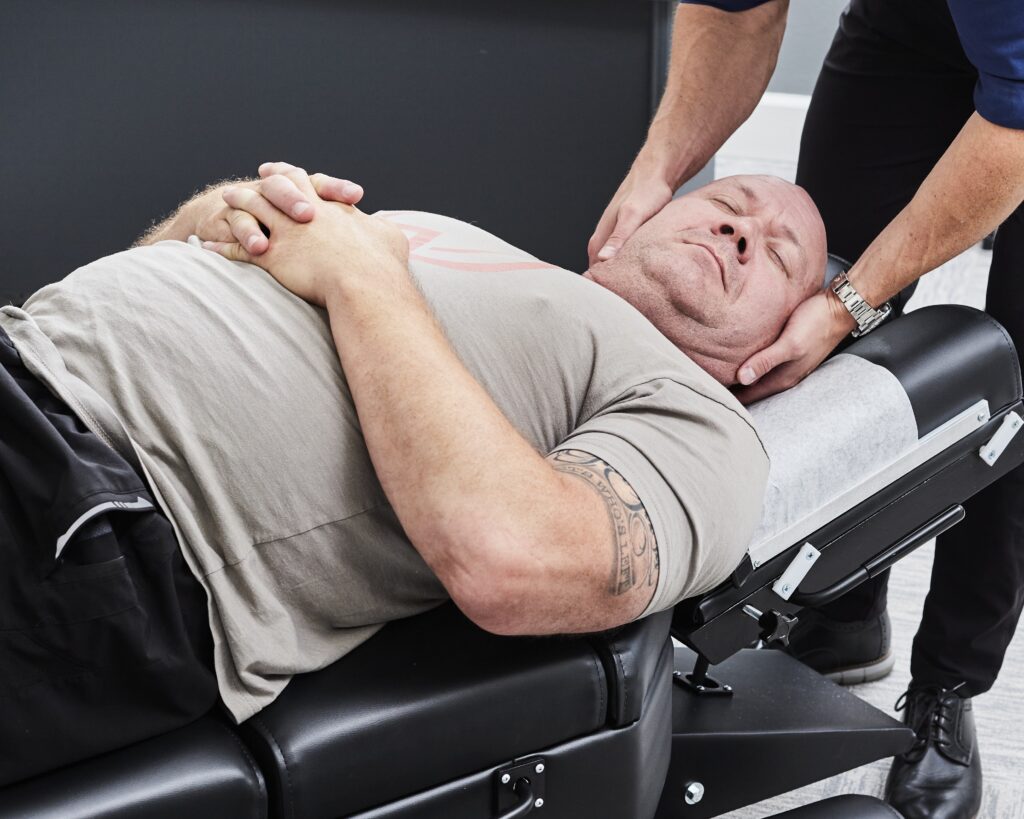
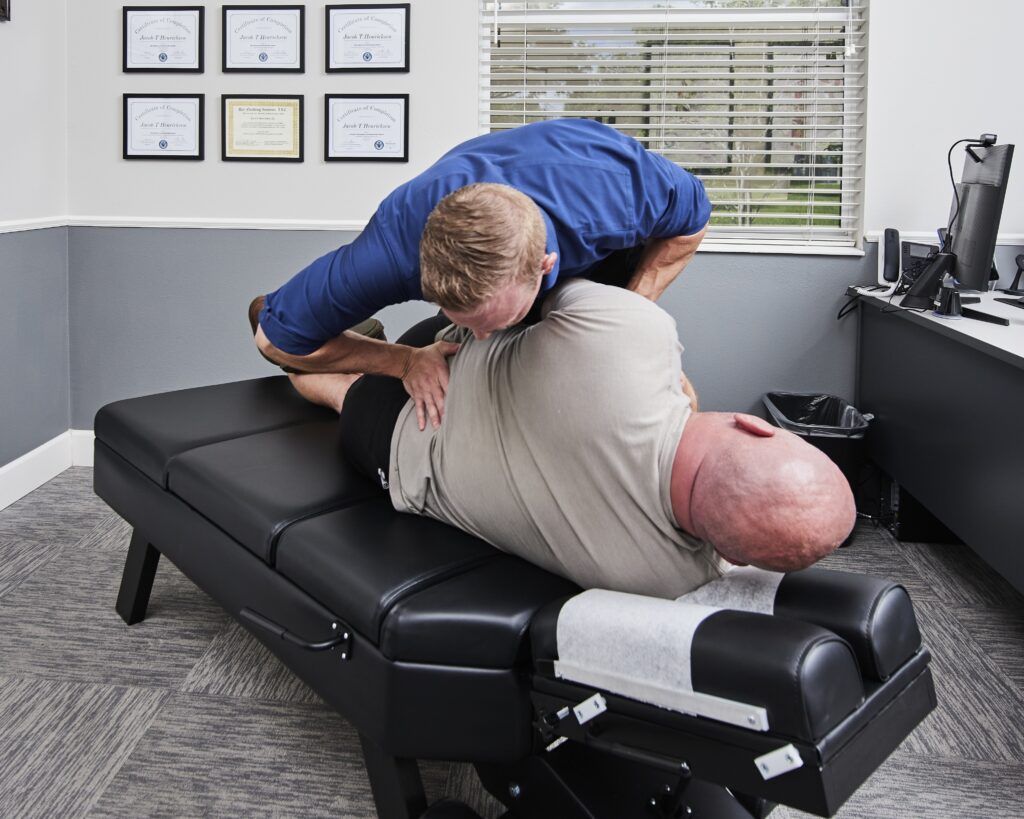
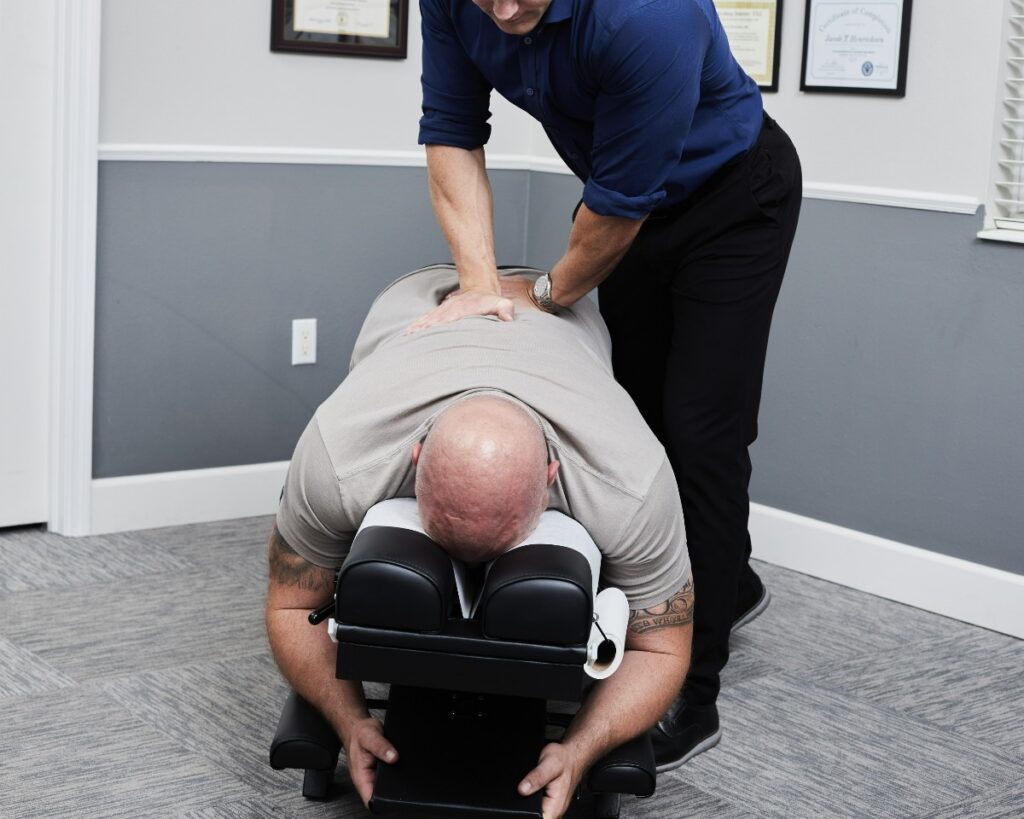
In my practice, I emphasize the importance of chiropractic care. Through gentle adjustments and specialized techniques, we can help realign your spine, alleviate tension, and promote healing. Remember, caring for your body goes beyond just treating pain; it’s about nurturing your overall wellness. If you’re experiencing back pain, don’t hesitate to reach out for a consultation. Together, we can work towards a pain-free life.
Understanding Muscle Strain: Definition and Types
As your local chiropractor, I want to help you understand muscle strains and how they can impact your body. A muscle strain occurs when your muscle fibers stretch or tear, often due to excessive force or overuse. This can lead to discomfort, swelling, and restricted movement, which can be frustrating.
There are three primary types of muscle strains that I’d like to explain. The first is a grade I strain, where there’s minor stretching or small tears in the muscle fibers. You might feel some mild discomfort, but it’s usually manageable.
Next, we’ve a grade II strain, which involves a more significant tear. This can lead to moderate pain and swelling, making it harder to move the affected area.
Finally, a grade III strain is the most severe, characterized by a complete tear of the muscle or tendon. This can cause intense pain, significant swelling, and a noticeable loss of function.
By understanding these types of strains, you can better recognize the severity of your injury and take the appropriate steps for recovery.
As a chiropractor, I focus on natural healing methods to help restore your body’s function and alleviate pain. If you have any questions or need guidance on how to manage a muscle strain, don’t hesitate to reach out. Your health and well-being are my top priorities!
Common Causes of Muscle Strain
As a local chiropractor, I want to share some important insights about muscle strains and how you can prevent them through natural healing practices. Muscle strains can occur for various reasons, and understanding these common causes is essential for maintaining your health and well-being.
Here are three key factors to consider:
- Overexertion: It’s easy to push our bodies too hard, especially during exercise or physical activities. Overexertion can lead to strains, particularly if you haven’t taken the time to warm up properly. Incorporating gentle stretches and gradual increases in intensity can help protect your muscles.
- Poor Technique: Using improper form while lifting weights or performing exercises can significantly increase your risk of straining your muscles. I always emphasize the importance of proper alignment and technique in my practice. If you’re unsure, consider consulting a professional for guidance.
- Inadequate Rest: Our bodies need time to recover after workouts. Not allowing sufficient rest can weaken your muscles, making them more prone to strain. Prioritizing rest and recovery is a crucial aspect of your overall fitness routine, and it’s something I often discuss with my patients.
By being mindful of these factors, you can help prevent muscle strains and promote a healthier lifestyle.
The Connection Between Muscle Strain and Back Pain
As a local Chiropractor, I want to help you understand how muscle strain is intricately linked to back pain, and how this knowledge can empower you to take charge of your health.
When you participate in activities that push your muscles beyond their limits—whether it’s through poor posture, lifting heavy objects incorrectly, or making sudden, awkward movements—you risk straining those muscles. This strain can lead to discomfort that may radiate throughout your back, impacting your daily life.
Your back muscles are crucial for supporting your spine and maintaining overall stability. When these muscles become strained, they can’t function as they should, which may lead to misalignments in your spine and further discomfort.
Additionally, when your body experiences strain, it often responds with muscle tightness, which can intensify the pain in your back.
Understanding this connection is vital. As a Chiropractor, I focus on natural healing methods that can help relieve muscle strain and restore proper function to your back.
By addressing these issues holistically, we can work together to alleviate your pain and improve your overall well-being.
Symptoms of Muscle Strain
As a local chiropractor, I want to help you understand what happens when you experience a muscle strain.
It’s essential to recognize the signs your body is giving you. Common indicators of a muscle strain include sharp pain in the affected area, swelling, and limited movement.
These symptoms can sometimes extend to cause discomfort or pain in your back as well. By identifying these signs early, you can take proactive steps towards seeking the right treatment.
Chiropractic care focuses on natural healing methods that can provide relief and support your body’s recovery process.
Common Muscle Strain Indicators
As a local chiropractor dedicated to educating our community about natural healing, I want to share some valuable insights on muscle strains. If you’ve recently engaged in physical activities that pushed your limits, it’s essential to be aware of the signs that may indicate a muscle strain. Recognizing these symptoms early can significantly aid in your recovery process.
Here are some common indicators to keep an eye on:
- Localized Pain: You may experience a sharp or dull ache in the affected area, particularly noticeable during movement. This discomfort is your body’s way of signaling that something isn’t right.
- Swelling or Bruising: Pay attention to any swelling or discoloration around the area, as these can be signs of inflammation that need to be addressed.
- Limited Range of Motion: You might notice difficulty in moving the muscle or joint without experiencing pain. This limitation can hinder your daily activities and overall well-being.
Being mindful of these symptoms is essential for taking proactive steps toward recovery.
As a chiropractor, I encourage you to consider natural healing methods, such as chiropractic adjustments, which can help restore function and alleviate pain.
If you find that your symptoms persist, please don’t hesitate to consult with me or another healthcare professional for a thorough evaluation and tailored guidance. Your health is a priority, and we’re here to support you on your journey to recovery!
Back Pain Symptoms
As a local chiropractor, I want to help you understand back pain and its symptoms so you can take the first steps toward recovery.
Back pain often results from muscle strains, and recognizing its signs is crucial for a quicker healing process. You might feel localized pain that intensifies with movement, making even simple tasks feel difficult. Stiffness in your back can restrict your range of motion, and you may experience muscle spasms that bring about sudden and intense discomfort.
Tenderness in the affected area is also common, and sometimes, the pain can radiate down your legs or into your hips, which may indicate that nerves are involved.
If you notice any swelling or bruising, it’s typically a sign of an underlying strain. By paying close attention to these symptoms, you can address them early on.
Natural healing methods, like chiropractic care, can provide relief and support your body’s recovery process. Together, we can work towards restoring your mobility and helping you get back to your daily activities more comfortably.
Risk Factors for Developing Muscle Strain
As your local chiropractor, I want to share some important insights about how your everyday habits can significantly affect your muscle health.
Many people don’t realize that factors like poor posture, neglecting warm-up exercises, and overexerting yourself during physical activities can greatly increase the risk of muscle strains.
Understanding these risk factors is essential for protecting your muscles and overall well-being.
Let’s delve into these elements together so you can make informed choices and keep your body functioning optimally.
Poor Posture Habits
As a local chiropractor, I want to shed light on an often-overlooked issue: poor posture. It can silently contribute to muscle strain and discomfort, infiltrating your daily activities without you even realizing it.
Many people are unaware that habits like slouching or hunching over their devices can lead to significant pain over time. These postural habits create unnecessary tension in your muscles, increasing your risk of injury.
Here are some common poor posture habits I encourage you to be mindful of:
- Sitting for extended periods without adequate back support
- Leaning forward while working at your computer
- Carrying heavy bags on one shoulder, which can imbalance your spine
Recognizing these habits is the first step toward improvement. By making small adjustments and maintaining a neutral spine throughout your day, you can significantly reduce your risk of muscle strain.
This not only helps alleviate discomfort but also promotes a more comfortable and enjoyable daily life.
Inadequate Warm-Up Routine
As a local chiropractor, I often see patients who underestimate the importance of a proper warm-up routine. One of the most common factors I encounter that contributes to muscle strain is skipping this crucial step. When you don’t take the time to warm up, your muscles aren’t adequately prepared for the physical activity ahead. This can lead to stiffness and reduced flexibility, which significantly increases your risk of injury.
Warming up is essential because it gradually elevates your heart rate and enhances circulation, allowing your muscles and joints to loosen up. I recommend incorporating dynamic stretches and movements that closely mimic the activity you’re about to engage in.
Even a brief warm-up can make a substantial difference in your performance and can greatly reduce the likelihood of straining your muscles.
As you embark on your fitness journey, remember that a proper warm-up isn’t just a suggestion; it’s a vital step in protecting your body and preventing painful injuries. By prioritizing this routine, you’re taking an important step towards maintaining your overall health and well-being.
Let’s work together to ensure you’re taking the right measures to keep your body safe and functioning optimally.
Overexertion During Activities
As your local chiropractor, I want to share some important insights about engaging in physical activities. While staying active can certainly be revitalizing, it’s crucial to be mindful of overexertion, which can lead to muscle strains and persistent back pain.
When you push your body beyond its limits, you run the risk of injuries that can keep you from enjoying your daily activities.
Here are some common risk factors to be aware of:
- Ignoring the signs your body gives you when it’s tired
- Lifting heavy objects without using the correct technique
- Jumping into high-intensity workouts without proper preparation and conditioning
To help prevent overexertion, I encourage you to listen to your body and recognize your individual limits. Gradually increase the intensity of your activities, and always prioritize proper form to reduce the risk of injury.
Remember, while staying active is vital for your health, practicing moderation and being aware of your body’s signals is essential in maintaining your well-being and avoiding pain.
As a chiropractor, I’m here to support you in your journey towards natural healing and a healthier lifestyle. Let’s work together to keep you active and pain-free!
The Role of Posture in Back Pain
As a local chiropractor, I want to emphasize the vital role good posture plays in both preventing and alleviating back pain. Maintaining the natural alignment of your spine is crucial for your overall health. When you practice proper posture—whether sitting, standing, or moving—you help distribute your body weight evenly across your muscles and joints. This balanced distribution reduces unnecessary strain on your back and significantly lowers your risk of injury.
Many of you may not realize that slouching or hunching over can lead to discomfort and pain. Poor posture often creates muscle imbalances; some muscles may become overworked while others weaken. This imbalance can result in chronic pain and tension in your back that can be challenging to manage.
At our chiropractic practice, we focus on educating our patients about the importance of posture and how it relates to their overall well-being. By making simple adjustments to your posture, you can support your spine’s health and improve your quality of life.
If you’re experiencing back pain, let’s work together to find a natural and effective solution.
Prevention Strategies for Muscle Strain
As a local chiropractor, I want to emphasize the importance of preventing muscle strain through some proactive measures.
First and foremost, it’s crucial to incorporate proper warm-up techniques before engaging in any physical activity. This helps prepare your muscles and joints, reducing the risk of injury.
Additionally, strengthening your core muscles is essential, as they provide vital support for your back, promoting overall stability and reducing strain.
I also want to highlight the significance of an ergonomic workspace. Many of us spend long hours sitting, and an ergonomic setup can help alleviate unnecessary strain, ensuring that your body remains balanced and healthy.
Proper Warm-Up Techniques
As your local chiropractor, I want to emphasize the importance of proper warm-up techniques before engaging in any physical activity. Taking the time to warm up can significantly reduce the risk of muscle strain and injury. A well-executed warm-up increases blood flow to your muscles, preparing your body for the physical demands ahead.
Here are some effective warm-up strategies that I recommend for my patients:
- Dynamic Stretching: Incorporate movements that mimic the activity you plan to do. This could include leg swings, arm circles, or gentle torso twists, which help to activate the muscles and joints you’ll be using.
- Gradual Intensity: It’s crucial to start with low-intensity exercises and gradually increase the intensity. This approach helps your muscles adapt to the upcoming activity without overwhelming them, reducing the risk of injury.
- Joint Mobility: Don’t forget to include movements that promote joint mobility. Simple exercises like ankle rolls, wrist rotations, and gentle neck stretches can help loosen up your joints and improve your range of motion.
By integrating these warm-up techniques into your routine, you can support your body’s natural healing processes and enhance your overall physical performance.
Strengthening Core Muscles
As your local chiropractor, I want to emphasize the importance of strengthening your core muscles for your overall health and well-being. Many patients come in focusing primarily on flexibility and strength training for their limbs, but a strong core is essential for preventing muscle strain, particularly in the back.
Your core acts as the foundation for all your movements, providing stability to your spine and pelvis.
Incorporating exercises such as planks, bridges, and abdominal crunches into your weekly routine can significantly enhance your core strength. I recommend aiming for two to three sessions each week, gradually increasing the intensity as you become more comfortable.
Additionally, it’s crucial to engage your core during daily activities, whether you’re lifting objects or simply sitting. This awareness can help protect your back from unnecessary strain.
By prioritizing core strength, not only can you reduce your risk of injury, but you’ll also improve your posture and enhance your athletic performance.
Ergonomic Workspace Setup
As a chiropractor, I want to emphasize the importance of creating an ergonomic workspace, especially if you find yourself spending long hours at a desk.
Poor posture and discomfort can lead to muscle strain, which can affect your overall health. By making a few simple adjustments to your workspace, you can significantly improve your comfort and productivity.
Here are three key elements I encourage you to consider:
- Chair Height: Ensure that your chair is adjusted so that your feet rest flat on the floor. Your knees should be at a 90-degree angle. This promotes proper posture and helps prevent strain in your back and legs.
- Desk Position: Position your monitor so that the top of the screen is at eye level. This helps to minimize neck strain, which is crucial for maintaining good spinal health over time.
- Keyboard and Mouse: Your keyboard and mouse should be at elbow height. Keeping them at this level allows your wrists to remain in a neutral position, reducing the risk of strain and discomfort.
By implementing these ergonomic adjustments, you can enhance your overall well-being and create a workspace that supports your health.
Treatment Options for Muscle Strain and Back Pain
As a local chiropractor, I want to help you understand the best ways to manage muscle strain and back pain using natural healing techniques.
First and foremost, it’s crucial to give your body the rest it needs to recover and avoid exacerbating any injuries. Simple over-the-counter medications like ibuprofen or acetaminophen can provide temporary relief from pain and inflammation.
In the initial days following an injury, applying ice can significantly help reduce swelling. After the first 48 hours, switching to heat therapy can enhance blood circulation and promote muscle relaxation, setting the stage for recovery.
Chiropractic care plays a vital role in treating muscle strain and back pain. Through targeted adjustments and tailored exercises, I can help strengthen your back muscles and improve flexibility, which is key to preventing future issues.
If your discomfort continues, I encourage you to reach out for a thorough evaluation. Together, we can create a personalized treatment plan that may include advanced options like chiropractic adjustments, therapeutic exercises, or nutritional guidance to support your healing journey.
Home Remedies for Relief
As a local chiropractor, I often emphasize the importance of natural healing methods alongside traditional treatments. If you’re dealing with muscle strain or back pain, there are some effective home remedies that can provide relief and support your recovery process.
- Gentle Stretching: Incorporating light stretches into your routine can significantly improve flexibility and alleviate muscle tension. It’s crucial to listen to your body and select stretches that feel comfortable rather than painful.
- Warm Compress: Applying a warm compress to the affected area is a simple yet effective way to enhance blood circulation, relax tight muscles, and relieve discomfort. This method can be particularly beneficial after a long day or following physical activity.
- Turmeric Tea: Drinking turmeric tea is another excellent option for reducing inflammation, thanks to its natural anti-inflammatory properties. It’s very easy to prepare—just mix turmeric powder with hot water, and enjoy a soothing beverage that may aid in your healing process.
These home remedies can complement the care you receive in our office and empower you to take charge of your health.
If you have any questions or need guidance on how to incorporate these remedies into your routine, feel free to ask!
When to Seek Medical Attention
As a local chiropractor, I want to help you understand when it’s important to seek medical attention for muscle strain and back pain. While home remedies can be effective in providing relief, there are specific signs that indicate it’s time to consult a healthcare professional, like myself.
If you find that your pain persists despite rest or over-the-counter medications, it’s crucial to get a professional evaluation.
Pay attention to any pain that radiates down your legs, as well as symptoms like numbness, tingling, or weakness. These could suggest an underlying issue that may require chiropractic care or other medical interventions.
Other concerning signs include experiencing severe pain following an injury, having difficulty standing or walking, or any loss of bladder or bowel control. These symptoms are serious and indicate a need for immediate assessment to rule out more severe conditions.
Remember, early intervention is key to preventing complications and facilitating a quicker recovery. If something doesn’t feel right, trust your instincts.
Don’t hesitate to reach out to a chiropractor or healthcare expert. Prioritizing your health will help you get back to your normal activities as soon as possible, and I’m here to support you on that journey!
Conclusion
As your local chiropractor, I want to help you understand the connection between muscle strain and back pain, as this knowledge is crucial for finding relief. Many people may not realize that muscle strain can be a significant contributor to discomfort in the back. By identifying common causes and recognizing risk factors, you can take proactive measures to prevent injuries from occurring.
Incorporating preventive strategies into your daily routine, such as warming up before physical activities and focusing on strengthening your core muscles, can greatly enhance the health of your back. These practices not only help prevent strains but also support overall spinal health.
Should you find yourself experiencing pain, don’t hesitate to explore various treatment options and home remedies that can provide relief. Chiropractic care, for instance, offers natural healing methods that can alleviate discomfort and promote recovery. However, it’s important to remember that if your symptoms persist or worsen, seeking medical attention is essential. Together, we can work towards maintaining your well-being and ensuring a healthier spine.