When you face a sports injury, knowing your options for relief can make a significant difference in your recovery. You might consider over-the-counter pain medications, physical therapy, or even alternative treatments like acupuncture. Each option has its benefits and potential drawbacks that can influence your healing journey. Understanding how to combine these approaches effectively might just be the key to getting back in the game sooner than you think. So, what does a thorough recovery plan look like, and how can you tailor it to your specific needs?
Understanding Sports Injuries
Understanding sports injuries starts with recognizing that they can affect anyone, from weekend warriors to professional athletes. When you participate in physical activity, you put your body at risk for injuries, whether they're caused by overuse, improper technique, or unexpected accidents. It's essential to be aware of the common types of injuries you might encounter.
Sprains and strains are among the most frequent sports injuries. A sprain involves stretching or tearing ligaments, while a strain affects muscles or tendons. Both can range from mild to severe, influencing your ability to perform.
Fractures, another serious concern, can occur due to high-impact collisions or falls. Understanding the symptoms—like swelling, pain, or difficulty moving the affected area—can help you identify these injuries early.
Tendinitis is another common issue, often resulting from repetitive motions. If you notice persistent pain, especially during activities, it could indicate tendinitis. You might also experience bursitis, an inflammation of the fluid-filled sacs that cushion your joints, typically caused by overuse or trauma.
Being proactive about injury prevention is essential. Warming up before workouts, practicing proper techniques, and listening to your body when it signals discomfort can greatly reduce your risk.
Knowing how to recognize the signs of injuries early allows you to seek appropriate treatment and get back to your favorite activities more quickly. Remember, understanding sports injuries isn't just about knowing what can happen; it's about being equipped to manage your well-being effectively.
Rest and Recovery Techniques
Rest and recovery are essential components of any athlete's regimen, regardless of their skill level. When you push your body during training or competition, it's imperative to give it the downtime it needs to heal and rebuild. Ignoring this can lead to burnout or injury, which can sideline you for longer than you'd like.
One effective technique is to schedule regular rest days. These breaks allow your muscles to repair and grow stronger. Make sure to listen to your body; if you feel fatigued or sore, don't hesitate to take an extra day off.
Incorporating low-impact activities like walking or yoga on your rest days can keep you active without overexerting yourself.
Sleep is another critical component of recovery. Aim for 7-9 hours of quality sleep each night, as this is when your body does most of its healing. Establishing a bedtime routine and creating a comfortable sleep environment can greatly enhance your sleep quality.
Additionally, consider active recovery. This involves engaging in light exercise that promotes blood flow without stressing your body. Swimming or cycling at a gentle pace can help ease stiffness and improve circulation.
Finally, nutrition plays a key role in recovery. Fuel your body with a balanced diet rich in protein, healthy fats, and carbohydrates to support muscle repair and energy replenishment.
Ice and Compression Therapy
Ice and compression therapy are powerful tools for managing sports injuries and alleviating pain. When you've sustained an injury, applying ice can help reduce swelling and numb the area, providing immediate relief. You should aim to ice the affected area within the first 48 hours after the injury occurs. Wrap ice in a cloth or use an ice pack to protect your skin from frostbite, and apply it for about 15 to 20 minutes at a time. Remember to take breaks between sessions to allow your skin to return to normal temperature.
Compression works hand in hand with ice therapy. Using a compression bandage or wrap can help minimize swelling and support the injured area. When bandaging, make sure it's snug but not so tight that it restricts blood flow. You want to feel support without discomfort.
Elevating the injured area while applying ice and compression can amplify the benefits, helping to drain excess fluid and reduce swelling even further.
Combining these two methods creates a powerful response to injury management. You can often repeat the cycle of icing and compression every couple of hours as needed.
While ice and compression therapy are effective in the immediate aftermath of an injury, they're also great for recovery during rehabilitation. So, keep these techniques in mind as part of your injury management strategy, and you'll be on your way to feeling better and returning to your favorite activities sooner.
Over-the-Counter Pain Relief
When dealing with sports injuries, over-the-counter (OTC) pain relief can be a game-changer. These medications, easily accessible at your local pharmacy, can help alleviate pain and reduce inflammation, allowing you to recover more comfortably. Common options include non-steroidal anti-inflammatory drugs (NSAIDs) like ibuprofen and naproxen, as well as acetaminophen.
Ibuprofen and naproxen work by blocking the body's production of certain chemicals that promote inflammation, which is particularly useful after sprains, strains, or impact injuries. Taking these medications can help you get back to your activities more quickly by managing pain and swelling.
Just remember to follow the recommended dosage on the label, as taking too much can lead to unwanted side effects.
Acetaminophen, on the other hand, is a great choice if you're looking for pain relief without the anti-inflammatory effects. It's gentler on your stomach but may not be as effective for swelling. If you're unsure which option is best for your specific injury, consulting with a healthcare professional can provide valuable guidance.
While OTC pain relief can greatly help with short-term discomfort, it's important to listen to your body. If pain persists or worsens, it might indicate a more serious issue that requires professional evaluation.
Physical Therapy Benefits
Physical therapy can greatly enhance your mobility and flexibility, making it easier to return to your favorite activities.
You'll also learn effective pain management strategies tailored to your specific needs.
Plus, with customized rehabilitation programs, you'll receive the support necessary to recover efficiently and safely.
Improved Mobility and Flexibility
Enhanced mobility and flexibility can be game-changers in your recovery from sports injuries. When you incorporate physical therapy into your rehabilitation plan, you'll work with professionals who tailor exercises specifically to your needs. They focus on restoring your range of motion, which is critical for getting back to your sport safely and effectively.
Improved mobility allows you to move more freely, reducing the risk of future injuries. You'll find that as you engage in targeted stretches and strengthening exercises, your body becomes more adaptable. This adaptability not only helps with physical performance but also boosts your confidence in your movements.
Flexibility plays an important role in how your muscles and joints function together. By enhancing your flexibility, you can improve your overall athletic performance and decrease recovery time. You might notice that activities you once found challenging become easier as your body adjusts to new levels of mobility.
Incorporating regular physical therapy sessions will keep you accountable and motivated throughout your recovery journey.
Pain Management Strategies
As you focus on improving your mobility and flexibility, don't overlook the importance of effective pain management strategies.
Physical therapy offers a range of techniques that can help alleviate your discomfort while facilitating your recovery.
One of the most beneficial aspects of physical therapy is its personalized approach. Your therapist will assess your condition and tailor treatments to target your specific pain points.
Techniques like manual therapy, ultrasound, and electrical stimulation can reduce inflammation and promote healing.
Additionally, your physical therapist will guide you through targeted exercises that not only strengthen your body but also help manage pain.
These exercises can improve your range of motion and decrease stiffness, making daily activities easier and less painful.
Moreover, physical therapists often teach valuable self-management techniques.
You'll learn how to use ice or heat packs effectively, and they may introduce you to relaxation techniques and breathing exercises that help you cope with pain.
Customized Rehabilitation Programs
When it comes to recovery, customized rehabilitation programs can make a significant difference in your healing journey. These programs are tailored specifically to your needs, taking into account your injury, fitness level, and personal goals. By working with a physical therapist, you'll receive a structured plan that guides you through exercises and treatments designed to promote healing and restore function.
One of the key benefits of a customized program is that it allows for gradual progression. Your therapist will monitor your progress and adjust your plan as needed, ensuring you don't overexert yourself while still challenging your body. This personalized approach not only speeds up recovery but also reduces the risk of re-injury.
Additionally, customized rehabilitation programs can address any underlying issues that may have contributed to your injury. By strengthening weak areas and improving your overall biomechanics, you'll be better prepared for future physical activities.
In essence, investing in a customized rehabilitation program can enhance your recovery experience, helping you regain strength and mobility effectively. With the right guidance, you'll be back to your favorite sports and activities in no time.
Massage and Manual Therapy
Massage and manual therapy can be essential tools for athletes recovering from injuries. These techniques help relieve pain, reduce muscle tension, and improve flexibility, allowing you to return to your sport more effectively. When you're dealing with an injury, tight muscles and restricted movement often hinder your recovery. That's where these therapies come into play.
Incorporating massage therapy into your recovery routine can help enhance blood circulation, promote healing, and decrease inflammation. Whether you opt for deep tissue massage or trigger point therapy, your therapist can target specific areas to alleviate pain and restore function. You'll likely find that regular sessions can lead to faster recovery times and an overall improvement in your performance.
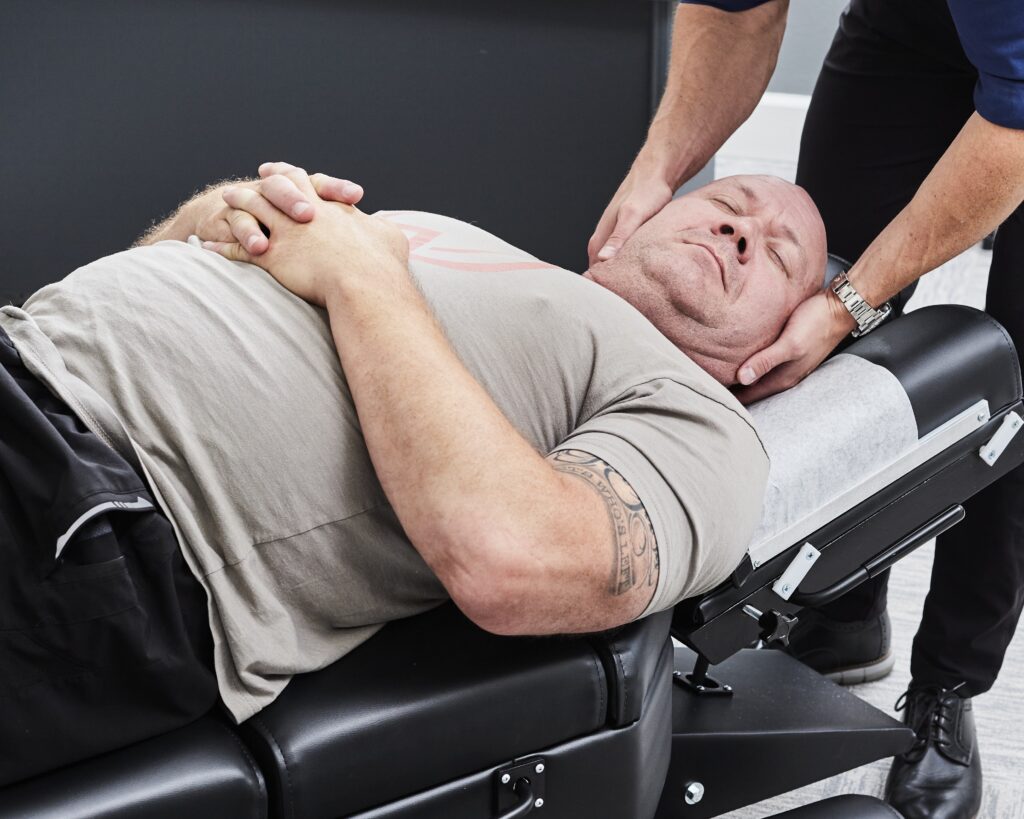
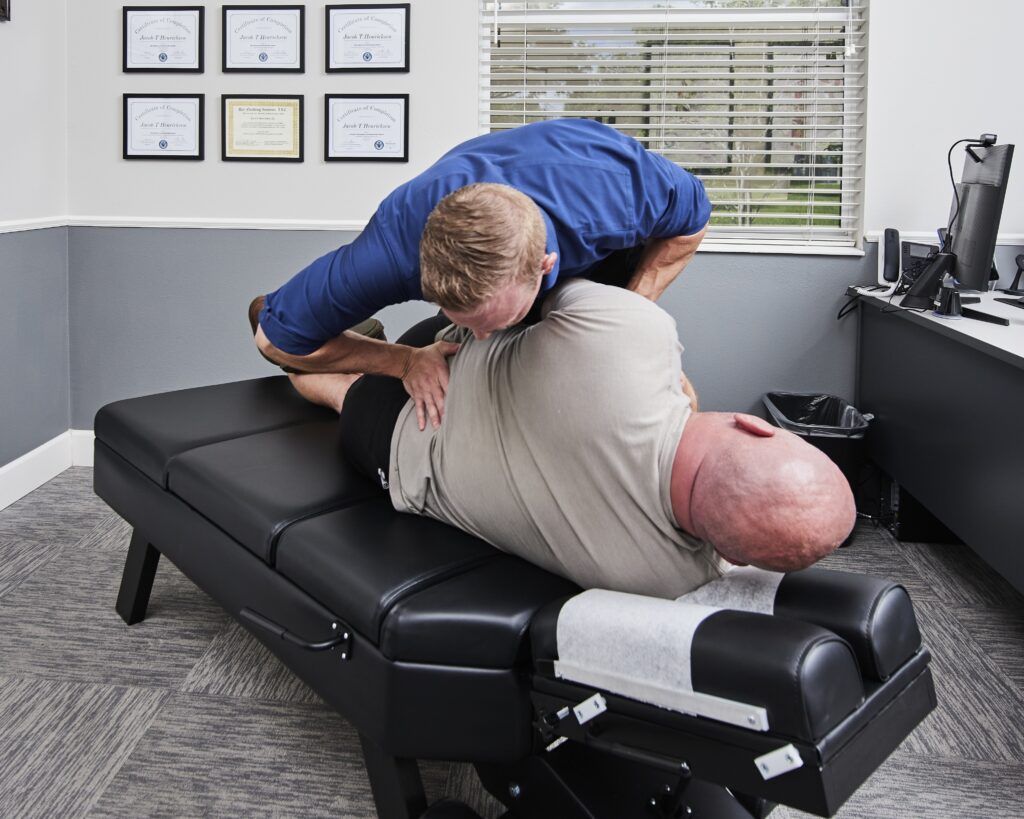
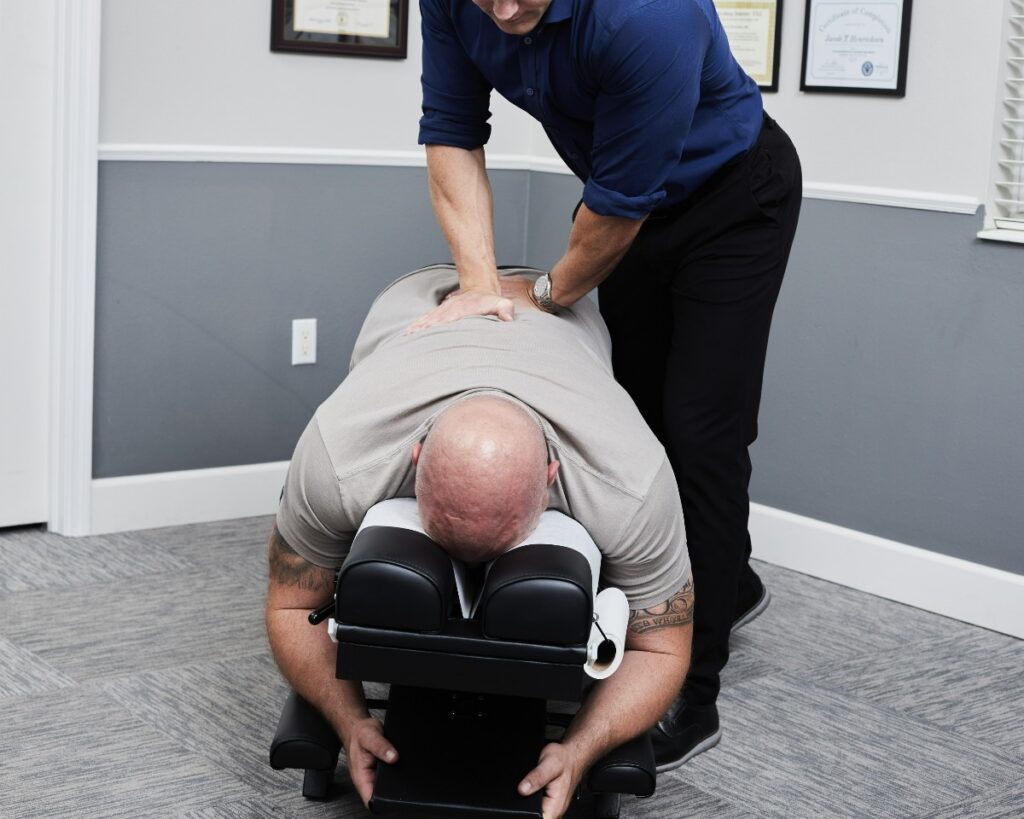
Manual therapy, which includes techniques like joint mobilization and manipulation, can also be beneficial. These hands-on approaches aim to restore ideal movement patterns and address any underlying issues that may contribute to your injury. By working with a skilled therapist, you can develop a personalized treatment plan that targets your unique needs and goals.
It's important to communicate openly with your therapist about your pain levels and any specific areas of concern. This dialogue guarantees that you receive the most effective treatment tailored to your situation.
Alternative Treatments
When it comes to managing sports injuries, alternative treatments can provide effective relief.
You might find acupuncture beneficial for pain management or explore the advantages of various herbal remedies.
Let's look at how these options can complement your recovery process.
Acupuncture for Pain Relief
Acupuncture has emerged as a popular option for athletes looking to ease pain and speed up recovery. This ancient practice involves inserting thin needles into specific points on your body, stimulating your body's healing mechanisms.
Many athletes have turned to acupuncture for its potential benefits, which can enhance your overall performance and well-being.
Here are some reasons why you might consider acupuncture for pain relief:
- Reduces Inflammation: Acupuncture can help decrease swelling around injuries, promoting faster healing.
- Enhances Circulation: Improved blood flow can deliver crucial nutrients to injured areas, aiding recovery.
- Relieves Muscle Tension: By targeting specific trigger points, acupuncture can alleviate tightness and discomfort in your muscles.
If you're dealing with persistent pain or a sports injury, acupuncture could serve as a complementary treatment alongside conventional methods.
It's important to consult with a licensed acupuncturist who understands sports injuries to make sure you receive tailored care.
Massage Therapy Benefits
For athletes seeking relief from pain and tension, massage therapy offers numerous benefits that can complement treatments like acupuncture. This hands-on approach targets muscle groups affected by injuries, enhancing blood circulation and promoting faster healing.
When you get a massage, not only do you feel immediate relaxation, but you also stimulate the release of endorphins, which act as natural painkillers.
Massage therapy can help reduce muscle soreness and stiffness, improving your overall flexibility and range of motion. This is vital for athletes who need to maintain peak performance levels.
By addressing tightness and knots, massage allows you to recover more effectively and prepare for your next workout or competition.
Additionally, regular sessions can help prevent injuries. By keeping your muscles supple and well-maintained, you're less likely to experience strains or sprains during intense physical activity.
Plus, massage therapy can enhance your mental focus and reduce stress, which are both essential for athletic performance.
Incorporating massage therapy into your routine not only aids in recovery but also contributes to long-term wellness, making it a valuable tool in your sports injury relief arsenal.
Herbal Remedies Overview
Herbal remedies can offer a natural and effective approach to alleviating sports injuries and enhancing recovery. Many athletes turn to these alternatives to promote healing without relying solely on pharmaceuticals.
Here are a few popular options you might consider:
- Arnica: This herb is well-known for its anti-inflammatory properties. Applying arnica gel or cream can help reduce swelling and pain after an injury.
- Turmeric: Rich in curcumin, turmeric has strong anti-inflammatory effects. You can incorporate it into your diet or take it as a supplement to aid in recovery.
- Ginger: Often used for its anti-inflammatory and analgesic properties, ginger can help alleviate pain and improve circulation. You can enjoy it in teas or as a spice in your meals.
Before trying any herbal remedy, it's crucial to consult with a healthcare professional, especially if you're taking other medications.
Rehabilitation Exercises
Rehabilitation exercises play an important role in your recovery from sports injuries, helping to restore strength, flexibility, and function. After an injury, it's imperative to follow a structured rehabilitation program tailored to your specific needs. This process often begins with gentle range-of-motion exercises, gradually increasing in intensity as your body heals.
You'll want to focus on specific muscle groups and joints affected by the injury. For instance, if you've hurt your ankle, exercises that strengthen the surrounding muscles and improve your balance are essential. Resistance bands and body-weight exercises can be incredibly effective. They allow you to build strength without putting too much stress on the injured area.
As you progress, incorporating stretching exercises is important. Stretching enhances flexibility and can prevent stiffness, which often accompanies injuries. It's crucial to listen to your body and avoid pushing yourself too hard, as this could lead to setbacks in your recovery.
In addition to physical exercises, consider integrating activities that improve your overall fitness, like swimming or cycling. These low-impact options can help maintain your cardiovascular health while you heal.
Always consult a healthcare professional or a physical therapist before starting any rehabilitation program. They can provide guidance on the appropriate exercises and confirm you're performing them correctly.
Preventive Measures
To keep injuries at bay, you need to focus on preventive measures that really work.
Proper warm-up techniques, strengthening your core muscles, and incorporating flexibility and stretching routines are essential steps.
Proper Warm-Up Techniques
Preparation is key to preventing sports injuries, and proper warm-up techniques play an essential role in this process. When you warm up correctly, you increase blood flow to your muscles, enhance flexibility, and improve your overall performance.
Here are some effective warm-up techniques you should incorporate into your routine:
- Dynamic stretches: Focus on movements that mimic the sport you'll be playing. For example, leg swings and arm circles effectively activate the muscles you'll use.
- Gradual intensity: Start with light activities, like jogging or skipping, and gradually increase the intensity. This approach helps your body adjust and prepares it for more strenuous activity.
- Sport-specific drills: Incorporate drills related to your specific sport. If you're playing soccer, practice dribbling or passing. This technique helps your body adapt to the movements you'll perform during the game.
Strengthening Core Muscles
In addition to proper warm-up techniques, strengthening your core muscles is crucial for injury prevention in sports. Your core isn't just about having a six-pack; it includes the muscles in your abdomen, back, and hips. A strong core stabilizes your body, improves balance, and enhances your overall performance, reducing the risk of injuries.
To strengthen your core, incorporate exercises like planks, bridges, and Russian twists into your routine. These exercises target various muscle groups, helping you build endurance and stability. Aim for at least two to three core workouts each week. You don't need to spend hours in the gym; even 15-20 minutes focused on core strength can make a significant difference.
Additionally, pay attention to your form during these exercises. Proper alignment guarantees you're engaging the right muscles and minimizes the risk of strain. As you build strength, you'll find it easier to maintain good posture during sports activities, which further protects you from injuries.
Flexibility and Stretching Routines
Incorporating flexibility and stretching routines into your fitness regimen is essential for preventing sports injuries. When you maintain flexibility, you enhance your range of motion, reduce muscle tension, and improve overall performance.
Here are some key benefits you'll gain by committing to a regular stretching routine:
- Increased Range of Motion: Stretching helps lengthen your muscles, allowing for better movement and agility.
- Reduced Risk of Injury: Flexible muscles are less likely to strain, tear, or become injured during physical activity.
- Enhanced Recovery: Stretching post-workout aids in muscle recovery by increasing blood flow and reducing soreness.
To effectively implement flexibility and stretching routines, consider incorporating dynamic stretches during your warm-up and static stretches during your cool-down.
Dynamic stretches, like leg swings or arm circles, prepare your body for the activity ahead, while static stretches, such as hamstring stretches or quadriceps stretches, help to relax your muscles after your workout.
Make it a habit to stretch regularly, and you'll notice improvements in your overall athletic performance while greatly lowering your risk of injury.
Prioritize these routines, and your body will thank you!
When to Seek Professional Help
Recognizing when to seek professional help for a sports injury can be vital for your recovery. If you experience severe pain that doesn't subside with rest, ice, or over-the-counter medication, it's time to consult a healthcare professional. Pain that feels sharp, throbbing, or radiates to other areas of your body may indicate a more serious issue.
Swelling or bruising is another sign that you shouldn't ignore. If the affected area swells considerably or shows discoloration, it's wise to get it checked out. Additionally, if you can't put weight on the injured limb or if you struggle to move it, professional evaluation is critical. These symptoms could suggest fractures or other injuries that require immediate attention.
Keep an eye out for persistent symptoms that last longer than a few days. If you notice that your injury isn't improving or if it's getting worse, don't hesitate to reach out for help. Delaying treatment can lead to more serious issues down the line.
Lastly, if you're unsure about the severity of your injury, it's always better to err on the side of caution. Seeking professional advice can provide peace of mind and guarantee you're on the right path to recovery.
Conclusion
Injuries can be frustrating, but you've got plenty of options for relief. Whether you choose rest, ice, over-the-counter pain relievers, or physical therapy, each method can help you get back on your feet. Don't overlook alternative treatments or rehabilitation exercises, as they can boost your recovery too. Always listen to your body and seek professional help when needed. By taking the right steps, you can return to your favorite activities stronger and pain-free.