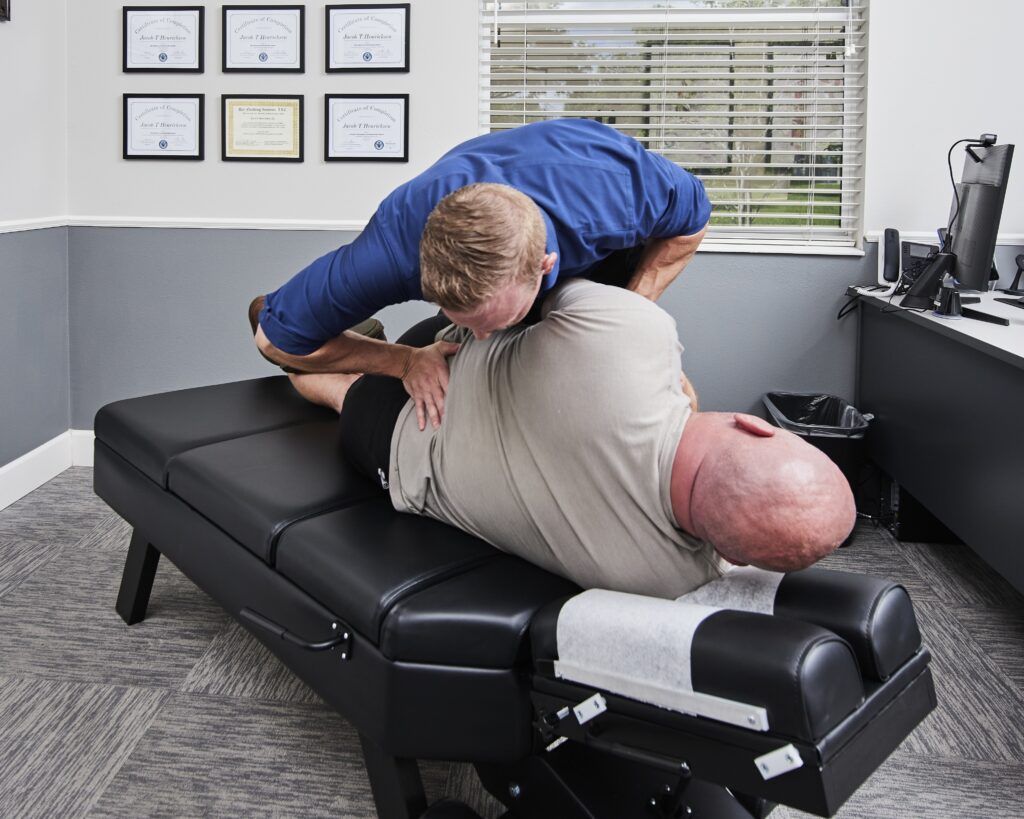
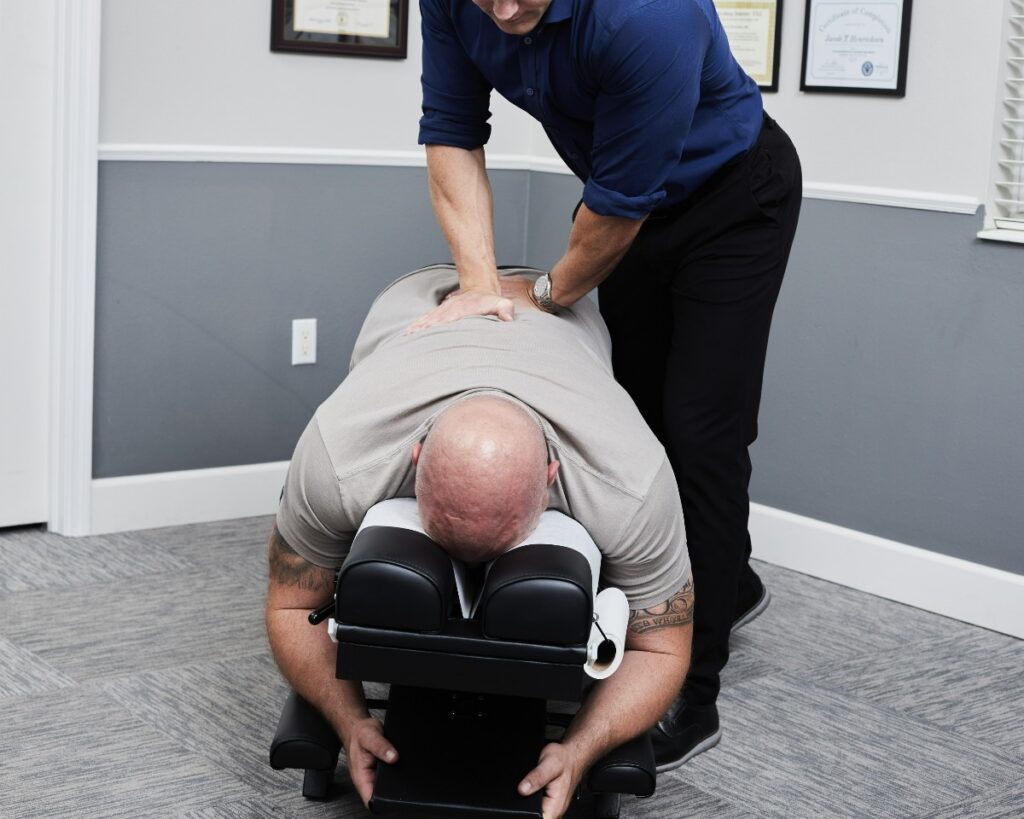
As a local chiropractor, I understand that many of you may have experienced the pressures of stress in your daily lives. It's important to know that you don't have to rely solely on medication to find relief. Natural stress relief methods can be incredibly effective in helping you restore balance and tranquility.
In my practice, I often emphasize the benefits of chiropractic care as a holistic approach to managing stress. By addressing misalignments in the spine, we can improve your nervous system function, which plays a crucial role in how your body responds to stress. Alongside chiropractic adjustments, incorporating mindfulness practices, such as deep breathing or meditation, can enhance your emotional well-being and resilience.
Additionally, spending time in nature can have a profound impact on your stress levels. Whether it's a walk in the park or simply enjoying fresh air, these experiences can help ground you and promote relaxation.
I encourage you to explore different natural stress relief techniques to find what resonates with you. Together, we can develop a personalized plan that suits your lifestyle and preferences, empowering you to manage stress effectively and enhance your overall health. Let's work together to uncover the best strategies for your journey toward wellness.
Mindfulness and Meditation
As a chiropractor, I want to share with you the importance of mindfulness and meditation in enhancing your overall well-being, especially as it relates to managing stress and supporting your body's natural healing processes.
In our fast-paced lives, stress can manifest in various ways, often leading to tension and discomfort in your body. Mindfulness and meditation are effective practices that can help you address these issues by encouraging a focus on the present moment, which can significantly alleviate stress.
When you practice mindfulness, you train your mind to observe your thoughts and feelings without judgment. This non-reactive awareness allows you to step back and gain perspective on the physical and emotional stressors that may be contributing to your discomfort.
By becoming aware of your body's cues, you can better understand how stress affects you and take proactive steps toward relief.
To get started with mindfulness, I recommend finding a quiet space where you can sit comfortably without distractions. Close your eyes and focus on your breath—notice how the air flows in and out of your body.
If your mind begins to wander, which is perfectly normal, gently redirect your attention back to your breath. This simple practice can help ground you and instill a sense of calm, reducing tension that may contribute to pain or discomfort.
Meditation complements mindfulness by allowing you to delve deeper into your consciousness. There are various techniques you can explore, such as guided meditations, loving-kindness meditation, or body scans.
Each method can help you relax and become more aware of your body's needs. Even dedicating just a few minutes each day to meditation can significantly lower your stress levels and enhance your physical and emotional health.
As you integrate mindfulness and meditation into your daily routine, you may notice a positive shift in your overall well-being.
You'll likely become more resilient to stress, experience a greater sense of inner peace, and improve your emotional regulation.
These practices can empower you to navigate life's challenges with more ease and clarity, ultimately supporting your chiropractic care and fostering natural healing within your body.
Deep Breathing Techniques
As a chiropractor, I often emphasize the importance of holistic approaches to health and well-being, and one of the simplest yet most effective practices I recommend is deep breathing techniques. These techniques aren't only beneficial for reducing stress but also play a crucial role in promoting relaxation and enhancing your overall physical health.
When you focus on your breath, it helps to ground you in the present moment, allowing you to distance yourself from the stresses of daily life. The beauty of deep breathing is that it can be practiced anywhere—whether at home, at work, or even in the car—making it a practical tool for managing stress on the go.
To begin, find a comfortable position, either sitting or lying down. Close your eyes and take a slow, deep breath in through your nose, allowing your abdomen to rise as you fill your lungs with air. Hold that breath for a moment, and then exhale gently through your mouth, consciously releasing any tension you may be holding in your body.
I suggest repeating this process several times, aiming for a count of four on your inhale, holding for four, and exhaling for four—this technique is known as box breathing. It's a wonderful way to regulate your heart rate and calm your mind.
Another technique I highly recommend is diaphragmatic breathing. Place one hand on your chest and the other on your belly. As you inhale, focus on expanding your belly rather than your chest. This encourages deeper, more efficient breaths and fosters a greater sense of calm.
It's surprising how much a simple adjustment in your breathing can affect your physical and mental state. You can also enhance your deep breathing practice with visualization. As you breathe in, picture inhaling peace and tranquility; as you exhale, visualize stress and negativity leaving your body.
With regular practice, these deep breathing techniques can empower you to manage stress more effectively, which, in turn, supports your overall well-being.
Physical Exercise
As a local chiropractor, I want to share how physical exercise can be a potent remedy for stress, offering not only physical advantages but also substantial mental relief. When you engage in physical activity, your body releases endorphins—natural chemicals that can significantly elevate your mood. You mightn't realize it, but even something as simple as a brisk walk can help clear your mind and lift your spirits.
In addition to mood enhancement, regular exercise plays a crucial role in improving your sleep quality, which is vital for effective stress management. Better sleep means you're more equipped to handle the challenges of daily life. You'll likely find an increase in your energy levels, making it easier to tackle everyday tasks without feeling overwhelmed.
Exercise also provides a constructive outlet for channeling stress. Whether you prefer activities like running, dancing, or practicing yoga, finding something you enjoy can transform your experience. Focusing on your movements allows you to momentarily set aside your worries and reconnect with your body, which is essential for overall well-being.
You don't need to commit to long, intense workouts to reap these benefits. Even short bursts of activity, like a few jumping jacks or a quick stretch, can effectively alleviate tension. I recommend aiming for at least 30 minutes of moderate exercise most days of the week. Many of my patients have noticed a significant improvement in their stress levels through consistent physical activity.
Incorporating exercise into your daily routine goes beyond just physical fitness; it's about enhancing your mental health as well. As your chiropractor, I encourage you to lace up those sneakers and get moving—your mind and body will be grateful!
Herbal Remedies
As a chiropractor dedicated to your overall well-being, I want to share some natural ways to relieve stress that can complement your chiropractic care.
Herbal remedies can be a wonderful addition to your wellness routine. For instance, chamomile is well-known for its calming properties, while lavender can help soothe anxiety and improve sleep quality. Valerian root is another popular option that some people find effective for relaxation.
Before you start using these herbs, it's important to consider how to prepare them properly and to be aware of any safety precautions.
For instance, certain herbs may interact with medications, so it's always wise to consult with a healthcare professional.
Integrating these natural remedies with your chiropractic adjustments can enhance your body's ability to manage stress and promote a sense of balance and well-being.
Popular Herbal Choices
As a chiropractor, I often emphasize the importance of holistic approaches to health and wellness, particularly when it comes to managing stress. Many patients are surprised to learn about the natural remedies that can complement chiropractic care, enhancing overall well-being.
Take chamomile, for instance—this well-known herb is commonly enjoyed as a tea and is celebrated for its calming effects. Sipping on chamomile can be a wonderful way to unwind after a long day, making it a great addition to your evening routine.
Another herbal remedy that I recommend is lavender. Its soothing aroma isn't only pleasant but can also help ease anxiety and improve your sleep quality. You can find lavender in various forms, including essential oils, teas, or supplements, offering flexibility in how you incorporate it into your wellness regimen.
For those struggling with sleep, valerian root is a popular choice. This herb is often used to promote relaxation and can significantly reduce the time it takes to fall asleep, which is essential for recovery and health.
If you're looking for something to uplift your spirits during stressful times, consider St. John's Wort. This herb is known to support emotional well-being, making it a potential ally during challenging periods.
Another powerful herb is ashwagandha, which has gained attention for its adaptogenic properties. It helps your body manage stress more effectively and is thought to lower cortisol levels, the hormone associated with stress. Incorporating ashwagandha into your routine can be a proactive step toward maintaining balance.
Lastly, lemon balm is an herb that deserves mention for its invigorating scent and calming effects. It can help soothe your nerves and uplift your mood, making it a great herbal ally as you navigate the stresses of daily life.
By integrating these herbal remedies with chiropractic care, you can take a comprehensive approach to managing stress and enhancing your overall health.
Always feel free to reach out if you have questions about how these natural options can fit into your wellness plan!
Preparation Methods
Incorporating herbal remedies into your wellness routine can be incredibly beneficial for your overall health, especially when combined with chiropractic care. As your chiropractor, I want to share how to prepare these natural remedies effectively, ensuring you get the most out of them.
Start with dried herbs, as they often have a higher potency compared to fresh ones. For making herbal teas, a good rule of thumb is to use about one teaspoon of dried herbs for every cup of water. Boil your water, steep the herbs for about 5 to 10 minutes, and then strain it before enjoying your tea. This is a simple yet effective way to harness the healing properties of herbs.
If you're interested in tinctures, another powerful form of herbal remedy, you can soak your selected herbs in alcohol for approximately 4 to 6 weeks. Be sure to shake the jar daily to mix the herbs with the alcohol, and once ready, strain the mixture. You can take this concentrated tincture by adding a few drops to water or tea, making it easy to incorporate into your daily routine.
For those interested in topical applications, consider making herbal infusions. Simply mix your herbs with a carrier oil, such as olive or coconut oil. Gently heat the oil with the herbs for several hours, then strain it. This method is excellent for creating soothing oils that can be applied directly to the skin.
Lastly, for a more convenient way to consume herbs without the taste, you might want to try making herbal capsules. Grind your dried herbs into a fine powder and fill empty capsules with this mixture. This is a practical option for those who prefer not to drink herbal teas or tinctures.
I encourage you to experiment with these preparation methods to find what suits you best. Integrating herbal remedies into your wellness regimen can complement your chiropractic care and help you enjoy the stress-relieving benefits of natural healing.
Safety Considerations
As a local chiropractor, I want to emphasize the importance of safety when it comes to exploring natural healing methods, including herbal remedies. While these remedies can provide remarkable benefits, it's crucial to prioritize your health first.
Before you start any herbal treatment, I strongly encourage you to consult with a healthcare professional—this is especially important if you're pregnant, nursing, or currently taking medications. Some herbs can interact adversely with prescription drugs, which can lead to unwanted side effects.
When considering herbal remedies, sourcing your herbs from reputable suppliers is essential. The quality of the herbs matters greatly; contaminated products or incorrect plant species can pose serious health risks. Additionally, be mindful of potential allergens—just because a remedy is derived from nature doesn't mean it's safe for everyone.
Dosage is another critical aspect to keep in mind. There's a common misconception that "more is better," but that's not the case with herbal remedies. It's vital to follow the recommended dosages carefully, as exceeding them can result in toxicity or adverse reactions.
Lastly, always pay attention to how your body responds to any new herbal treatment. If you experience any unusual symptoms, discontinue use immediately and consult your healthcare provider.
Aromatherapy
As a chiropractor, I believe in the power of natural healing methods to enhance your overall well-being. One such method is aromatherapy, which utilizes essential oils from plants to alleviate stress and promote relaxation. These concentrated extracts can have a significant impact on your mood and emotional health. When you inhale or apply these oils, they interact with your brain's limbic system, the area responsible for regulating emotions, helping you to feel more grounded and calm.
To incorporate aromatherapy into your daily routine, consider using a diffuser. This device disperses essential oils into the air, creating a soothing atmosphere. Some popular options include lavender for its calming effects, eucalyptus for mental clarity, and bergamot to uplift your spirits. Just a few drops can transform your space into a peaceful haven.
Aromatherapy can also enhance your self-care rituals, such as taking a bath. Adding a few drops of your favorite essential oil to warm bathwater can create a spa-like experience that deepens relaxation. Additionally, you can make your own massage oils by blending essential oils with a carrier oil like coconut or jojoba oil. This combination not only promotes stress relief through the power of touch but also allows the oils to penetrate your skin, offering added therapeutic benefits.
As you explore the world of aromatherapy, it's essential to prioritize safety. Research the oils you choose to use, as some may cause allergic reactions or skin irritation. Performing a patch test before applying any new oil directly to your skin is always a good practice.
Nature and Outdoors
As a chiropractor dedicated to holistic wellness, I often emphasize the profound healing benefits of spending time in nature. Engaging with the outdoors not only supports physical health but also nurtures your mental and emotional well-being. When you step outside, you create a connection with the natural world that can effectively reduce stress and promote relaxation.
Here are several ways to incorporate the therapeutic aspects of nature into your routine:
- Take a Walk: A simple walk, whether through a local park or on a hiking trail, can significantly enhance your mood and provide clarity. Walking is a gentle, low-impact exercise that promotes spinal health and aligns with the principles of chiropractic care. The beauty of nature during your stroll serves as a natural rejuvenator for your mind and body.
- Practice Mindfulness: Finding a serene spot in a garden or near a body of water can be a perfect opportunity for mindfulness. Take a moment to breathe deeply, focusing on the sounds of rustling leaves and chirping birds. This practice not only calms the nervous system but can also support spinal health by creating a sense of tranquility and balance.
- Engage in Outdoor Activities: Activities like gardening, biking, or simply lying on the grass can be incredibly beneficial. These physical engagements help maintain your fitness while reducing tension in your body. As your chiropractor, I encourage you to explore these activities, as they can enhance both your physical alignment and emotional resilience.
- Connect with Animals: Interacting with pets or observing wildlife can bring immense joy and comfort. Animals have a remarkable way of grounding us, reminding us of our connection to the earth. This connection can also help alleviate stress, ultimately contributing to a healthier spine and overall well-being.
Healthy Diet and Nutrition
As you immerse yourself in the calming effects of nature, it's vital to understand that what you consume significantly influences your body's ability to manage stress. A healthy diet can't only uplift your mood but also enhance your energy levels and overall well-being, which is essential for anyone seeking to maintain a balanced lifestyle.
I encourage you to incorporate whole foods into your diet—focus on fresh fruits, vegetables, whole grains, and lean proteins. These foods are rich in vitamins, minerals, and antioxidants that can actively contribute to stress reduction and promote a healthier body.
Omega-3 fatty acids, which you can find in fatty fish like salmon, walnuts, and flaxseeds, are especially beneficial for brain health. Research suggests these nutrients can lead to lower levels of anxiety and depression, which is crucial for anyone looking to improve their mental health.
Additionally, staying well-hydrated is key; drinking plenty of water helps your body function optimally and can aid in maintaining a sense of balance and calm.
It's also important to limit processed foods, sugars, and caffeine, as these can trigger mood swings and increase anxiety levels. Instead, try snacking on wholesome options like nuts, yogurt, or hummus with veggies. These choices provide sustained energy without the crash associated with sugary snacks, allowing you to stay focused and balanced throughout your day.
Lastly, consider the timing of your meals. Eating regular, balanced meals is vital for stabilizing blood sugar levels, which in turn helps keep your energy steady and your mood consistent.
Conclusion
As a local chiropractor, I want to share with you the importance of incorporating natural stress relief methods into your daily life for improved well-being. Many patients may not realize how practices like mindfulness and deep breathing can significantly aid in stress management. Staying active is another essential component; regular movement not only promotes physical health but also supports mental clarity and relaxation.
Additionally, consider the benefits of herbal remedies and aromatherapy, which can enhance your overall sense of calm. Spending time in nature is another powerful way to reduce stress, as it allows you to reconnect with your surroundings and find peace in a busy world. Don't overlook the impact of a healthy diet, which fuels your body and mind, providing the nutrients necessary to cope with stress effectively.
By embracing these holistic approaches, you not only alleviate stress but also build resilience, enabling you to face life's challenges with greater ease and positivity. Remember, chiropractic care can also play a vital role in your journey toward natural healing and stress relief. Let's work together to find the best methods for you!