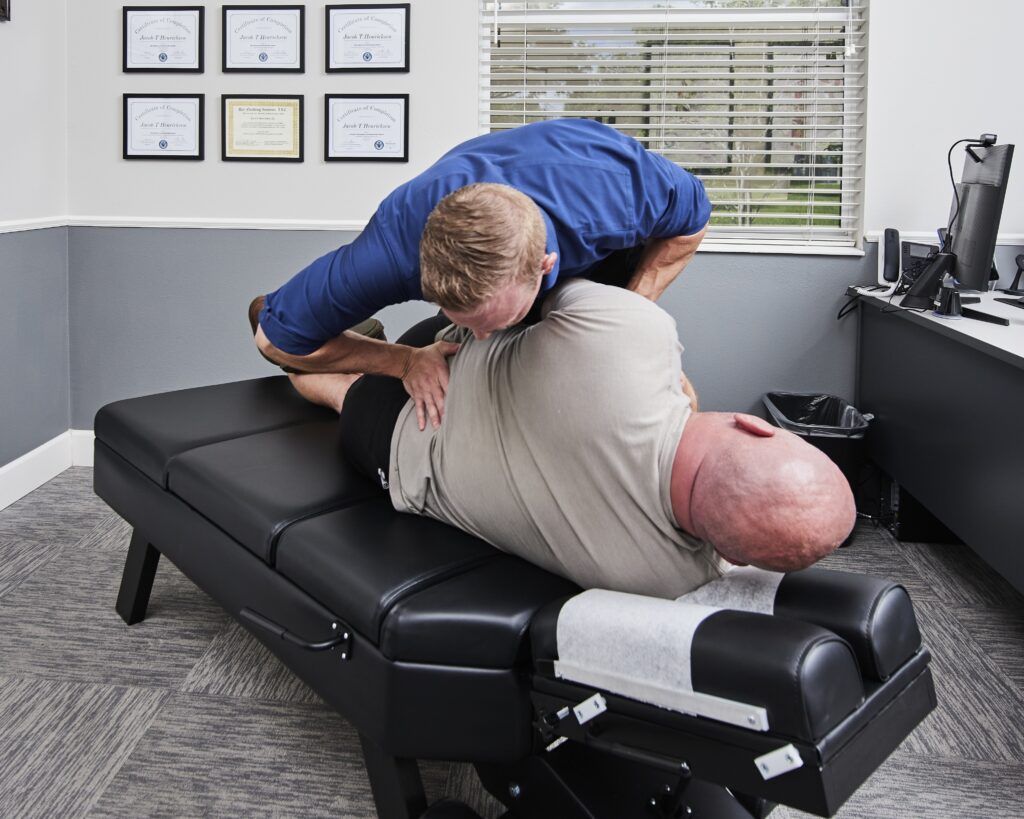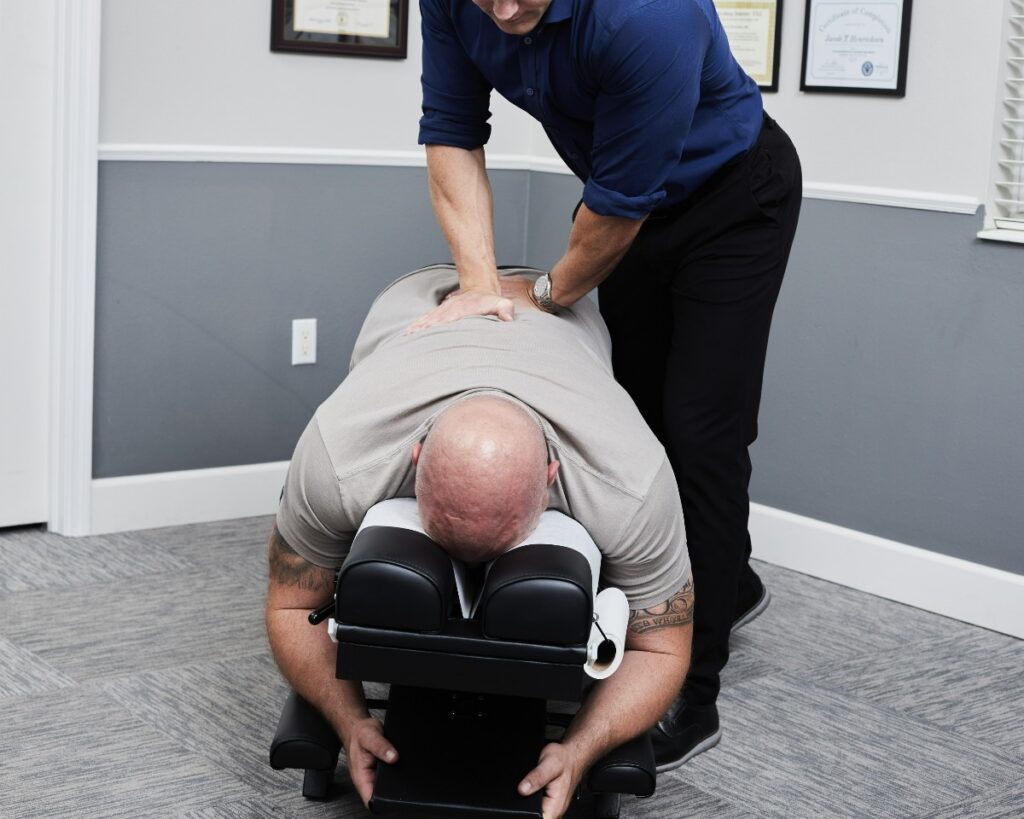

If you're dealing with neck pain, it's worth exploring natural remedies that might help alleviate your discomfort. You might find that simple stretching exercises, heat and cold therapy, or even herbal options can make a significant difference. Additionally, improving your posture and incorporating mindfulness practices could enhance your overall well-being. But what specific techniques and remedies should you consider to effectively tackle your neck pain? The next steps might surprise you as you uncover practical solutions tailored to your needs.
Stretching Exercises
When it comes to easing neck pain, stretching exercises can be incredibly effective. By incorporating these simple movements into your daily routine, you can alleviate tension, improve flexibility, and enhance your overall neck health.
Start with gentle neck rolls; slowly rotate your head in a circular motion, allowing your body to relax with each turn. This simple exercise can help release tightness and improve circulation.
Next, try the chin tuck. While sitting or standing, pull your chin in toward your chest without tilting your head down. Hold this position for five seconds, then relax. This exercise strengthens the muscles that support your neck and helps correct poor posture, which is often a contributing factor to neck pain.
You can also benefit from shoulder shrugs. Raise your shoulders toward your ears, hold for a moment, and then release them back down. Repeat this several times to relieve built-up tension in your shoulders and neck area.
Don't forget to stretch your sides as well. Sit or stand tall, and gently lean your head to one side, bringing your ear toward your shoulder. Hold this position for about 15-30 seconds, then switch sides. This lateral stretch helps target the muscles that can often become tight due to stress or prolonged sitting.
Incorporating these stretching exercises into your routine can greatly reduce neck pain, increase mobility, and promote relaxation.
Heat and Cold Therapy
When you're dealing with neck pain, heat and cold therapy can be game changers.
Heat therapy helps relax and soothe tight muscles, while cold therapy reduces inflammation and numbs sharp pain.
Understanding how to effectively use both methods can greatly improve your comfort and mobility.
Benefits of Heat Therapy
Heat therapy offers a simple yet effective way to relieve neck pain, promoting relaxation and increased blood flow to the affected area. By applying heat, you can soothe tight muscles and ease discomfort, helping you feel more at ease throughout your day.
Here are three key benefits of heat therapy for neck pain relief:
- Increases Circulation: Heat dilates blood vessels, enhancing blood flow and delivering essential nutrients to the muscles. This helps speed up recovery and reduce stiffness.
- Reduces Muscle Tension: Applying heat relaxes tight muscles, making them more pliable. As tension decreases, you'll likely notice less pain and improved mobility in your neck.
- Promotes Relaxation: The warmth from heat therapy can create a calming effect. This can help you unwind, reducing stress and anxiety, which often contribute to neck pain.
To use heat therapy effectively, consider options like a warm towel, heating pad, or hot water bottle.
Just remember to monitor the temperature to avoid burns, and apply the heat for 15-20 minutes for best results. Your neck will thank you!
Cold Therapy Techniques
While heat therapy provides soothing relief for neck pain, cold therapy techniques offer a different approach by reducing inflammation and numbing sharp pain. If you've recently experienced a neck injury or flare-up, applying cold compresses can be an effective way to manage your discomfort.
To use cold therapy, start by wrapping ice or a cold pack in a thin cloth. Apply it to the affected area for 15-20 minutes. This method constricts blood vessels, which helps minimize swelling and reduces pain. You can repeat this process every hour as needed.
Another option is to use a bag of frozen vegetables, which can mold to your neck's contours. Make sure not to apply ice directly to your skin to prevent frostbite.
If you prefer a more gradual approach, consider a cold gel pack that can be chilled in the refrigerator. These packs provide a gentle, consistent cold that can relieve tension and pain.
Incorporating cold therapy into your routine can greatly improve your neck pain relief, especially when paired with other natural remedies like heat therapy and gentle stretching.
Herbal Remedies
If you're looking for natural ways to alleviate neck pain, herbal remedies can offer effective relief. Many herbs possess anti-inflammatory properties that can help reduce discomfort and promote healing.
Here are three herbal options you might consider integrating into your routine:
- Turmeric: This vibrant yellow spice contains curcumin, known for its anti-inflammatory effects. You can add turmeric to your meals, or try it in a warm drink. A turmeric supplement might also be beneficial, but consult your healthcare provider for the right dosage.
- Ginger: Another powerful anti-inflammatory herb, ginger can ease muscle tension and pain. You can enjoy fresh ginger in teas, smoothies, or even as a spice in your cooking. Ginger supplements are also available if you prefer a more concentrated form.
- Willow Bark: Often referred to as nature's aspirin, willow bark has been used for centuries to relieve pain. You can find it in tea, capsule, or tincture form. However, be cautious, as it may cause stomach upset in some individuals.
Before starting any herbal remedy, it's wise to consult with a healthcare professional, especially if you're taking medications or have underlying health issues.
Herbal remedies can be a great addition to your neck pain relief strategy, but they're most effective when combined with other holistic approaches like stretching and proper posture.
Essential Oils
Essential oils can be a powerful ally in your quest for neck pain relief, as they offer natural anti-inflammatory and analgesic properties. By incorporating these oils into your routine, you may find significant relief from discomfort and tension in your neck area.
One of the most effective essential oils for neck pain is peppermint oil. Its cooling effect can help soothe muscle tension while providing a rejuvenating sensation. Simply dilute a few drops of peppermint oil with a carrier oil, such as coconut or olive oil, and gently massage it into your neck and shoulders.
Another great option is lavender oil. Known for its calming properties, lavender can help reduce stress and promote relaxation, which is essential when dealing with pain. You can diffuse lavender oil in your room or apply it topically in the same way as peppermint.
Eucalyptus oil is also beneficial. Its anti-inflammatory properties can help alleviate pain and congestion, especially if you're experiencing neck pain related to sinus issues. Consider adding a few drops to your bath or using it in a steam inhalation to reap its benefits.
Lastly, don't overlook chamomile oil. With its soothing qualities, it can help ease muscle spasms and tension in your neck. Mix it with a carrier oil for a comforting massage.
Remember to perform a patch test before using any essential oil to guarantee you don't have an allergic reaction.
With consistent use, essential oils can become an important part of your neck pain relief strategy.
Acupuncture Benefits
If you're looking for natural ways to ease neck pain, acupuncture might be the answer.
This ancient practice not only helps reduce pain but can also improve your mobility and relieve stress.
Let's explore how these benefits can enhance your overall well-being.
Pain Reduction Techniques
Acupuncture, a practice rooted in traditional Chinese medicine, offers a compelling approach to alleviating neck pain for many individuals. By stimulating specific points on the body, acupuncture can help reduce pain and promote healing.
If you're considering this technique, here are some of its key benefits:
- Reduced Inflammation: Acupuncture encourages blood flow and can help reduce inflammation in the neck area. This can lead to less pain and discomfort over time.
- Endorphin Release: The treatment stimulates your body to release endorphins, natural painkillers that can help ease your neck pain. You might feel more relaxed and find relief from chronic tension.
- Non-Invasive: Unlike some medical procedures, acupuncture is a non-invasive option. You won't need to worry about surgery or heavy medications, making it a safer choice for many.
Incorporating acupuncture into your pain management routine can be an effective way to tackle neck pain.
Always consult with a qualified practitioner to guarantee the best results tailored to your needs.
Improved Mobility Benefits
One of acupuncture's most remarkable benefits is its ability to improve mobility, especially for those struggling with neck pain. If you've been experiencing stiffness or limited range of motion, acupuncture could be a game-changer for you. By targeting specific points in your body, this ancient practice helps release tension in your muscles, promoting relaxation and flexibility.
During an acupuncture session, fine needles are inserted at precise locations to stimulate blood flow and energy movement. This process not only reduces inflammation but also encourages your body to heal itself.
As you undergo treatment, you may notice a gradual increase in your neck's range of motion, making everyday activities like turning your head or looking up much easier. Improved mobility can notably enhance your quality of life.
You'll find that activities you once struggled with become more manageable, whether it's driving, exercising, or simply enjoying time with family and friends. With regular acupuncture sessions, you can regain the freedom of movement you thought was lost.
Stress Relief Effects
Experiencing neck pain often brings additional stress, making it vital to address both physical discomfort and mental strain.
Acupuncture can be a powerful ally in relieving not just your neck pain but also the stress that often accompanies it. This ancient practice stimulates specific points in your body, promoting relaxation and reducing anxiety.
Here are three key stress relief effects of acupuncture:
- Release of Endorphins: Acupuncture triggers the release of endorphins, your body's natural painkillers and mood enhancers, helping you feel more relaxed and less anxious.
- Improved Sleep Quality: By reducing stress levels, acupuncture can improve your sleep quality, which is essential for healing. Better sleep means your body can recover more effectively from pain.
- Enhanced Emotional Well-being: Regular acupuncture sessions can help balance your emotions, leading to a more positive outlook. As your stress decreases, you'll find it easier to cope with daily challenges.
Incorporating acupuncture into your pain management strategy not only targets your neck pain but also fosters a sense of overall well-being, making it a vital natural remedy.
Posture Improvement Techniques
Good posture acts as a foundation for a healthy spine and can greatly reduce neck pain. When you sit, stand, or move, being mindful of your posture can make a significant difference in how your neck feels. Start by aligning your ears, shoulders, and hips in a straight line. This alignment helps distribute weight evenly across your spine, reducing strain on your neck muscles.
When sitting, choose a chair that supports your lower back. Keep your feet flat on the floor and avoid crossing your legs. If you work at a desk, position your computer screen at eye level to prevent leaning forward or tilting your head down. A standing desk can also promote better posture, but guarantee your workstation is correctly set up to maintain alignment.
During daily activities, like using your phone, hold it at eye level instead of looking down. This simple adjustment can alleviate unnecessary tension in your neck. If you find yourself sitting for long periods, take regular breaks to stretch and move around. Incorporate neck stretches into your routine, gently tilting your head from side to side or forward and back to relieve tightness.
Finally, consider strengthening your core muscles. A strong core supports your spine and helps you maintain good posture. Exercises like planks and bridges can enhance core stability, ultimately reducing neck pain.
Mindfulness and Relaxation
Incorporating mindfulness and relaxation techniques into your daily routine can considerably alleviate neck pain. When you're stressed or tense, your muscles can tighten, leading to discomfort in your neck. Practicing mindfulness helps you become more aware of your body, allowing you to release that tension.
Here are three effective techniques you can try:
- Deep Breathing: Take a few moments to focus on your breath. Inhale deeply through your nose, hold for a few seconds, and then exhale slowly through your mouth. Repeat this process for several minutes. This not only calms your mind but also relaxes your neck muscles.
- Progressive Muscle Relaxation: This technique involves tensing and then relaxing different muscle groups, starting from your toes and moving up to your neck. By consciously relaxing each area, you promote overall relaxation, reducing tension in your neck.
- Mindful Stretching: Incorporate gentle neck stretches into your mindfulness practice. As you perform each stretch, pay attention to the sensations in your neck and shoulders. This mindfulness approach helps you tune into your body and release tightness.
Conclusion
Incorporating natural remedies for neck pain relief can greatly improve your comfort and mobility. By regularly practicing stretching exercises, utilizing heat and cold therapy, and exploring herbal remedies and essential oils, you can find effective ways to ease discomfort. Don't forget the importance of good posture and mindfulness techniques in your daily routine. By taking these steps, you can take control of your neck pain and enhance your overall well-being. Start your journey to relief today!