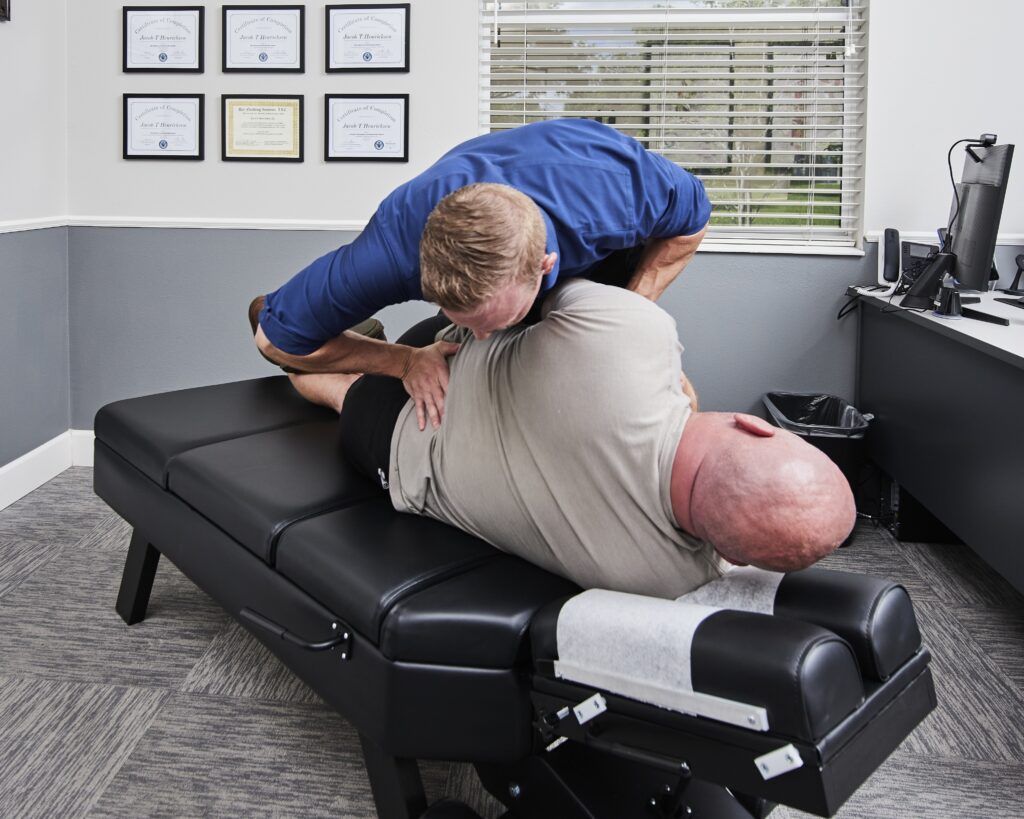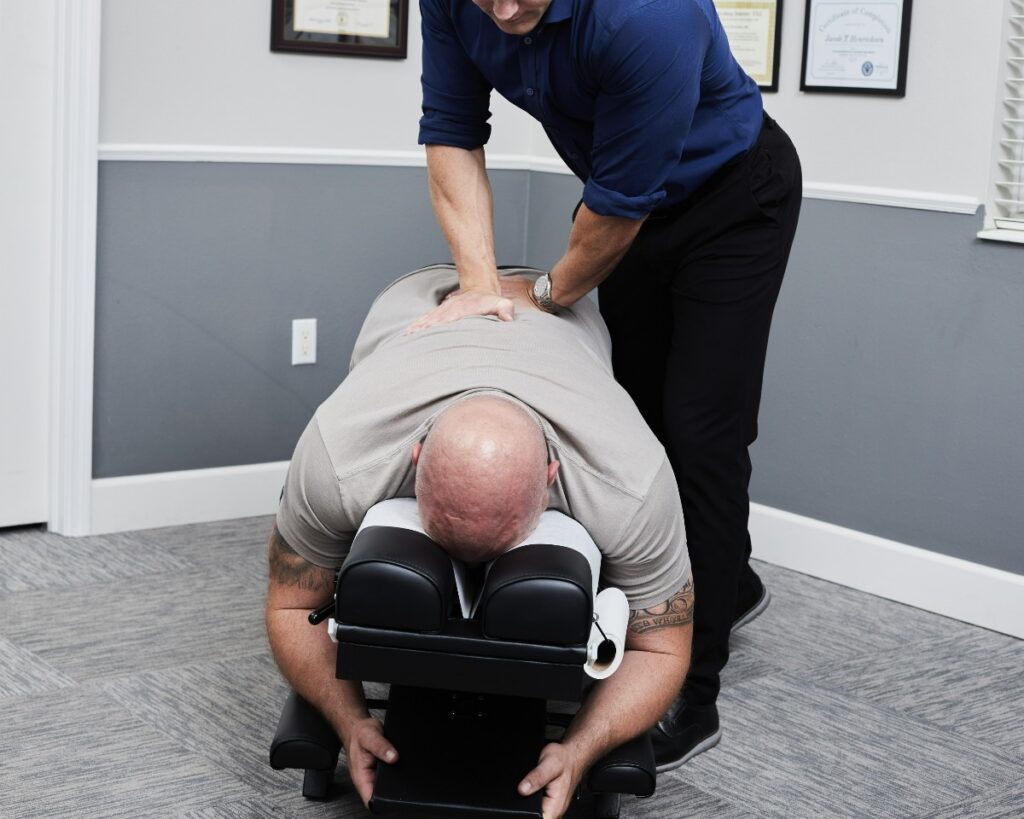

As a local chiropractor, I often encounter patients who are seeking alternatives to traditional medications for pain management. Natural pain relief techniques can provide effective solutions that support your body’s healing process without the unwanted side effects associated with pharmaceuticals. These methods, ranging from herbal remedies to mindfulness practices, are designed to address not only the symptoms but also the underlying causes of discomfort.
If you’re curious about how to incorporate these techniques into your daily routine for improved health and wellness, I invite you to explore the various options available. Chiropractic care, for instance, emphasizes the importance of spinal alignment and overall body function. By utilizing adjustments and holistic practices, we can work together to enhance your body’s natural ability to heal itself. Let’s discuss how we can tailor these natural approaches to fit your needs and promote a healthier, pain-free lifestyle.
Understanding Pain and Its Causes
As a local chiropractor, I want to help you understand the importance of recognizing the causes of your pain and how chiropractic care can play a significant role in your healing process.
Pain isn’t merely a symptom; it’s your body’s way of communicating that something isn’t quite right. It can arise from various sources, such as injuries, inflammation, or chronic conditions. By identifying whether your pain is acute or chronic, we can gain valuable insight into its origins. Acute pain often results from sudden injuries, while chronic pain can persist for months or even years, frequently associated with ongoing health issues.
One of the key steps in managing pain is recognizing your personal triggers. Factors like stress, poor posture, or certain activities can exacerbate your discomfort.
I encourage you to keep a pain diary to track when and how your pain occurs—this can help us identify patterns together. Understanding these elements allows us to work collaboratively to create tailored strategies and treatments that not only address your pain but also target its root causes.
This holistic approach paves the way for effective pain management and can significantly enhance your quality of life through natural healing methods.
Herbal Remedies for Pain Relief
As a local chiropractor, I want to share with you the potential benefits of herbal remedies in your journey toward pain relief. Many people aren’t aware that natural solutions can be effective in alleviating discomfort.
For instance, herbs like turmeric and ginger are well-known for their anti-inflammatory properties and can complement the chiropractic care you receive.
Incorporating these remedies into your routine can be simple and beneficial. For example, turmeric can be added to meals or consumed as a tea, while ginger can be used in cooking or steeped in hot water for a soothing drink.
Popular Herbal Options
As a local chiropractor, I often see patients seeking alternative methods for pain relief beyond what modern medicine typically offers. Many individuals have turned to popular herbal remedies for a more natural approach to healing.
For instance, turmeric is renowned for its anti-inflammatory properties, making it a great choice for addressing pain. Similarly, ginger can be effective in alleviating discomfort and reducing inflammation in the body.
Another option to consider is willow bark, often referred to as “nature’s aspirin.” It has a long history of use for easing various aches and pains. If you’re experiencing headaches or muscle soreness, peppermint oil might be beneficial as it provides a refreshing cooling sensation.
Additionally, arnica is frequently used for bruising and joint pain, making it a versatile option. These herbal remedies are available in different forms, including teas, capsules, and topical applications, allowing you to choose what works best for you.
However, it’s important to consult with a healthcare professional before starting any herbal remedy, especially if you’re currently taking medication or have any underlying health conditions.
As you explore these natural options, remember that chiropractic care can also play a significant role in your overall wellness and pain management.
Preparation Methods Explained
As a local chiropractor, I want to help you explore the benefits of herbal remedies for pain relief. Understanding how to prepare these natural treatments can significantly enhance their effectiveness.
Here are some essential techniques that can help you make the most of these remedies:
- Infusions: This method involves steeping herbs in hot water, allowing the beneficial compounds to be extracted. It’s a simple way to create a soothing herbal tea that can aid in relaxation and pain management.
- Tinctures: By soaking herbs in alcohol or vinegar, you can create concentrated extracts. Tinctures are potent and can be easily added to water or taken directly for quick relief.
- Poultices: If you’re dealing with localized pain, crushing fresh herbs and applying them directly to the affected area can provide targeted relief. This method allows the healing properties of the herbs to penetrate the skin effectively.
- Oils: Infusing herbs in carrier oils creates soothing topical treatments. These infused oils can be massaged into sore muscles or joints to enhance relief and promote healing.
Mindfulness and Meditation Techniques
As a chiropractor, I want to share how mindfulness and meditation techniques can significantly aid in managing pain.
By incorporating breathing exercises into your daily routine, you can focus on your breath and create a sense of calm that helps alleviate discomfort.
Furthermore, guided imagery practices can be incredibly beneficial; these techniques allow you to visualize healing and can help shift your perspective on pain.
Embracing these natural healing methods can complement your chiropractic care and enhance your overall well-being.
Breathing Exercises Benefits
As a chiropractor, I want to share with you the incredible benefits of breathing exercises and how they can complement your overall health and wellness journey. When practiced mindfully, these exercises not only support your physical alignment but also enhance your mental well-being.
Here are some key advantages:
- Reduced stress: Engaging in deep breathing techniques can significantly calm your mind and help lower cortisol levels, which is essential for maintaining a healthy spine and nervous system.
- Improved focus: Practicing mindful breathing can sharpen your concentration, which is beneficial for your daily activities and helps you stay aware of your body’s needs.
- Enhanced emotional regulation: By connecting with your breath, you can effectively manage anxiety and uplift your mood, creating a more balanced emotional state that fosters healing.
- Better physical health: Regularly incorporating breathing exercises can lead to lower blood pressure and promote relaxation, which is vital for overall physical health and can aid in your recovery process.
I encourage you to make breathing exercises part of your self-care routine. Just a few minutes each day can create a profound impact on how you feel and navigate life’s challenges.
Together with chiropractic care, these practices can help you achieve a more holistic approach to your health.
Guided Imagery Practices
As a local chiropractor, I want to introduce you to the concept of guided imagery as a complementary practice to enhance your mental and emotional well-being, which is vital for your overall health. Guided imagery can be a powerful tool to help shift your focus away from pain and stress, allowing your body to heal more effectively.
To begin this practice, find a quiet space where you can relax without interruptions. Close your eyes and take a few deep breaths to center yourself. Now, picture a calming landscape that resonates with you—maybe a tranquil beach with gentle waves or a peaceful forest filled with fresh pine scents.
Engage your senses as you immerse yourself in this visualization: feel the warmth of the sun on your skin, listen to the soft sounds of nature, and breathe in the fresh air.
As you delve deeper into this imagery, you may notice your body beginning to relax, which can complement the physical adjustments and care you receive in chiropractic treatment. Regular practice of guided imagery not only helps in managing discomfort but also contributes to a higher quality of life by promoting a positive mindset.
Embrace the power of your mind in conjunction with chiropractic care to foster healing and well-being. Together, we can work towards a healthier you.
Physical Therapies: Stretching and Massage
As your local chiropractor, I want to share the incredible benefits of incorporating physical therapies like stretching and massage into your wellness routine.
These natural healing techniques can significantly reduce pain and enhance your overall health. By integrating them into your lifestyle, you can relieve tension, improve flexibility, and boost circulation.
Here are some key benefits of stretching and massage that I believe everyone should consider:
- Reduced Muscle Tension: Stretching and massage are effective ways to relax tight muscles, which can alleviate discomfort and promote a sense of well-being.
- Improved Range of Motion: Regular stretching enhances flexibility and mobility, allowing you to move more freely and comfortably in your daily activities.
- Enhanced Circulation: Both techniques promote better blood flow, which is crucial for recovery and overall health.
- Stress Relief: Engaging in these therapies can lower cortisol levels, helping you feel more relaxed and balanced.
Acupuncture and Acupressure
As a local chiropractor, I want to introduce you to some powerful natural alternatives for pain relief that may complement your chiropractic care: acupuncture and acupressure.
These techniques tap into the body’s energy pathways to promote healing and restore balance.
Acupuncture involves the gentle insertion of thin needles at specific points on the body. This stimulates the nervous system and encourages the release of endorphins, which are your body’s natural painkillers.
Many patients have found relief from migraines, lower back pain, and arthritis discomfort through this method, often experiencing improved mobility and overall wellness.
On the other hand, acupressure is a fantastic option for self-treatment. It involves applying finger pressure to the same points used in acupuncture.
This technique is easily practiced at home, allowing you to relieve tension and manage pain whenever you need it.
Both acupuncture and acupressure focus on balancing your energy and improving circulation, addressing the root causes of pain rather than simply masking symptoms.
Whether you decide to explore acupuncture, acupressure, or continue with chiropractic care, you’ll find that these holistic approaches can’t only ease your discomfort but also enhance your overall well-being.
I encourage you to consider these options as part of your journey toward better health.
Nutritional Approaches to Pain Management
As a local chiropractor, I want to share how a well-balanced diet can significantly aid in managing pain and enhancing your overall health. Many patients may not realize that what we eat can directly impact our body’s ability to heal and cope with discomfort.
By incorporating specific nutrients and whole foods into your diet, you can help reduce inflammation and support your healing processes.
- Omega-3 fatty acids: These are essential fats found in fish, flaxseeds, and walnuts. They’re known for their ability to reduce inflammation in the body, which can be beneficial for managing pain.
- Antioxidant-rich fruits and vegetables: Including berries, spinach, and kale in your meals can help combat oxidative stress. These foods are packed with vitamins and minerals that support recovery and overall health.
- Turmeric and ginger: These powerful spices have natural anti-inflammatory properties. Adding them to your diet may help alleviate pain and improve your overall wellness.
- Whole grains: Foods such as quinoa and brown rice are great sources of fiber. They not only promote gut health but may also influence how we perceive pain.
By focusing on these dietary choices, you can complement your chiropractic care and enhance your journey toward pain relief and better health.
Lifestyle Changes for Long-Term Relief
As a local chiropractor, I want to share with you some effective lifestyle changes that can significantly enhance your long-term relief from pain. It’s important to understand that managing pain often requires a holistic approach, and making intentional adjustments to your daily habits can have a profound impact on your overall well-being.
First, I encourage you to incorporate regular physical activity into your routine. Activities like walking, yoga, or stretching not only help to boost your endorphins, but they also promote better spinal health and mobility. Engaging in these gentle exercises can make a noticeable difference in how you feel.
Next, let’s talk about the critical role of sleep. Establishing a consistent bedtime and creating a peaceful sleeping environment can significantly improve the quality of your rest. Quality sleep is essential for effective pain management and overall healing, so prioritize it in your daily routine.
In addition, I recommend focusing on stress reduction techniques. Practices such as mindfulness, meditation, and deep-breathing exercises can help lower tension in your body and enhance your pain tolerance. Reducing stress is crucial for not just your mental health, but it also plays a significant role in physical pain management.
It’s also wise to consider your consumption of alcohol and tobacco. Both can exacerbate pain and slow down your recovery process, so reducing or eliminating them can support your healing journey.
Lastly, hydration and nutrition are key players in pain management. Aim to drink plenty of water and maintain a balanced diet that includes anti-inflammatory foods. These choices can help reduce inflammation and support your body’s natural healing processes.
Conclusion
As your local chiropractor, I want to share with you how incorporating natural pain relief techniques can significantly enhance your overall well-being. By exploring options such as herbal remedies, mindfulness practices, and various physical therapies, you can effectively manage discomfort in a way that doesn’t rely solely on medications.
It’s important to understand that small lifestyle changes can lead to long-term relief from pain. Embracing these holistic approaches allows you to take charge of your pain management journey. Chiropractic care, in particular, focuses on aligning your body and optimizing your nervous system to promote healing and alleviate discomfort.
You deserve to feel your best and fully enjoy life. By integrating these natural methods, you can empower yourself to achieve better health and a higher quality of life. Let’s work together to find the best strategies for your unique needs!