If you're dealing with back pain, know that you're not alone—many individuals face this challenge every day. As a chiropractor, I want to emphasize that finding the right techniques for relief can truly transform your experience, but it often requires a personalized approach. One effective avenue to explore includes chiropractic care, which focuses on spinal alignment to alleviate discomfort.
In addition to chiropractic adjustments, I recommend incorporating targeted exercises and stretches specifically designed to strengthen your back and improve flexibility. Mindfulness practices, such as yoga or deep breathing, can also play a significant role in managing pain.
But which of these methods are most effective, and how can you seamlessly integrate them into your daily routine? By working together, we can uncover some surprising strategies that may greatly enhance your quality of life and help you regain control over your back health.
Understanding Back Pain
As a local chiropractor, I see many patients struggling with back pain, a common issue that impacts millions. You might feel it as a dull ache, sharp pain, or even stiffness in your back, and it can stem from a variety of causes. Understanding the roots of your discomfort is essential in finding the right path to relief.
Let's start with your lifestyle. Many of us have sedentary habits, poor posture, and lack ergonomic support, which can significantly contribute to back pain. If you find yourself sitting for extended periods without proper back support, it's likely straining your muscles.
Additionally, improper lifting techniques when handling heavy objects can lead to injuries that persist over time.
Next, consider your physical health. Conditions such as arthritis, herniated discs, or sciatica often manifest as back pain. These underlying issues require special attention, so it's crucial to recognize the symptoms associated with them.
You may also find that stress or emotional tension can worsen your discomfort. When you're feeling tense, your muscles can tighten, leading to added strain on your back.
Lastly, let's not overlook age. As we age, our spines naturally undergo changes, making us more prone to experiencing pain. By understanding these factors, you can empower yourself to take proactive measures.
Identifying your unique triggers and the patterns contributing to your discomfort positions you to seek appropriate relief.
As your chiropractor, I'm here to guide you through natural healing practices and help you develop a personalized plan to alleviate your back pain and enhance your overall wellness.
Together, we can work towards a healthier, pain-free life.
Physical Therapy Options
As a local chiropractor, I want to share how effective physical therapy options can be for managing back pain.
Incorporating stretching and strengthening exercises into your routine can lead to substantial improvements in your condition. Additionally, manual therapy techniques, which we often utilize in chiropractic care, can provide focused relief and enhance your overall mobility.
By exploring these natural healing methods, you may discover a pathway to recovery that aligns with your body's needs.
Stretching and Strengthening Exercises
As a local chiropractor, I want to emphasize the importance of incorporating stretching and strengthening exercises into your daily routine to improve your back health and alleviate pain. These exercises are vital for enhancing flexibility, strengthening the muscles that support your spine, and promoting better posture, all of which contribute to a healthier back.
To get started, I recommend gentle stretches such as the cat-cow stretch or child's pose. These stretches can help relieve tension in your back and improve your overall flexibility. Aim to hold each stretch for about 20-30 seconds while focusing on deep breathing. Incorporating these stretches into your daily routine can help maintain your mobility and prevent stiffness in your back.
Once you feel comfortable with your stretching routine, it's time to introduce some strengthening exercises. It's crucial to focus on your core muscles, as they play a key role in providing support for your spine. Exercises like planks, bridges, and pelvic tilts are excellent options for building core strength.
I suggest starting with 2-3 sets of 10-15 repetitions, gradually increasing the intensity as your strength improves. Always listen to your body during these exercises; if you feel any pain, it's important to stop and reassess.
I encourage you to consult with me or another healthcare professional before starting any new exercise regimen, especially if you have existing back issues. By committing to a consistent routine of stretching and strengthening exercises, you'll not only alleviate back pain but also enhance your overall well-being and embrace a more active lifestyle.
Manual Therapy Techniques
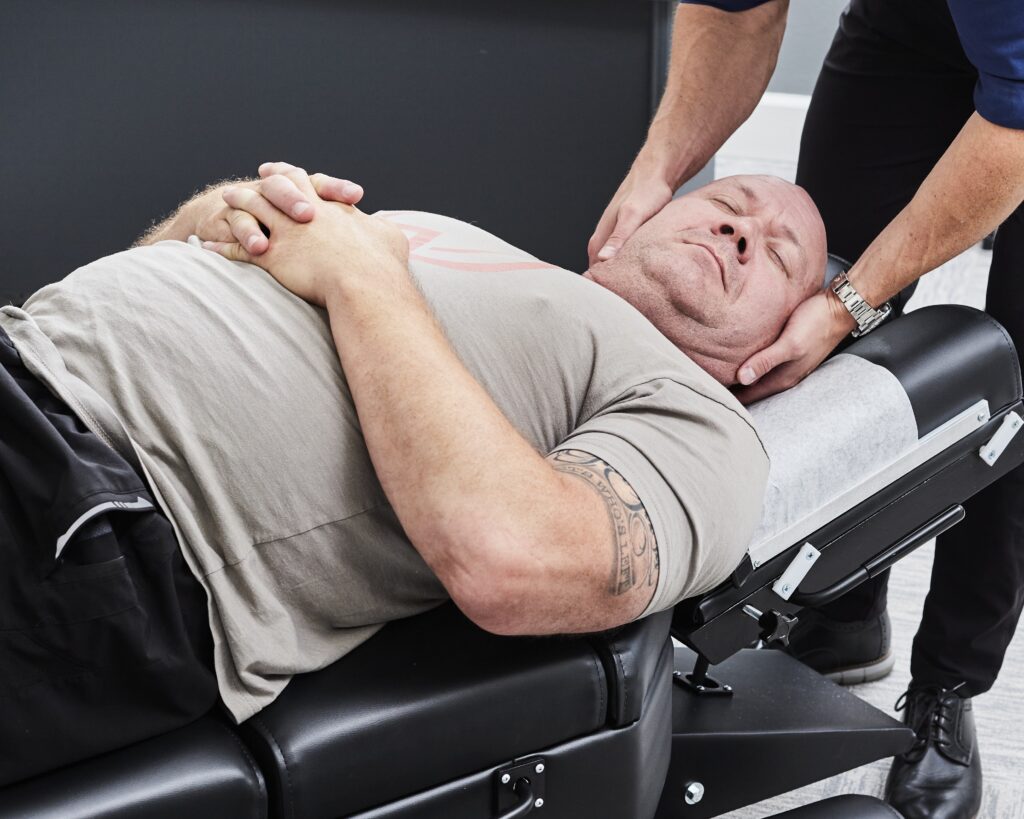
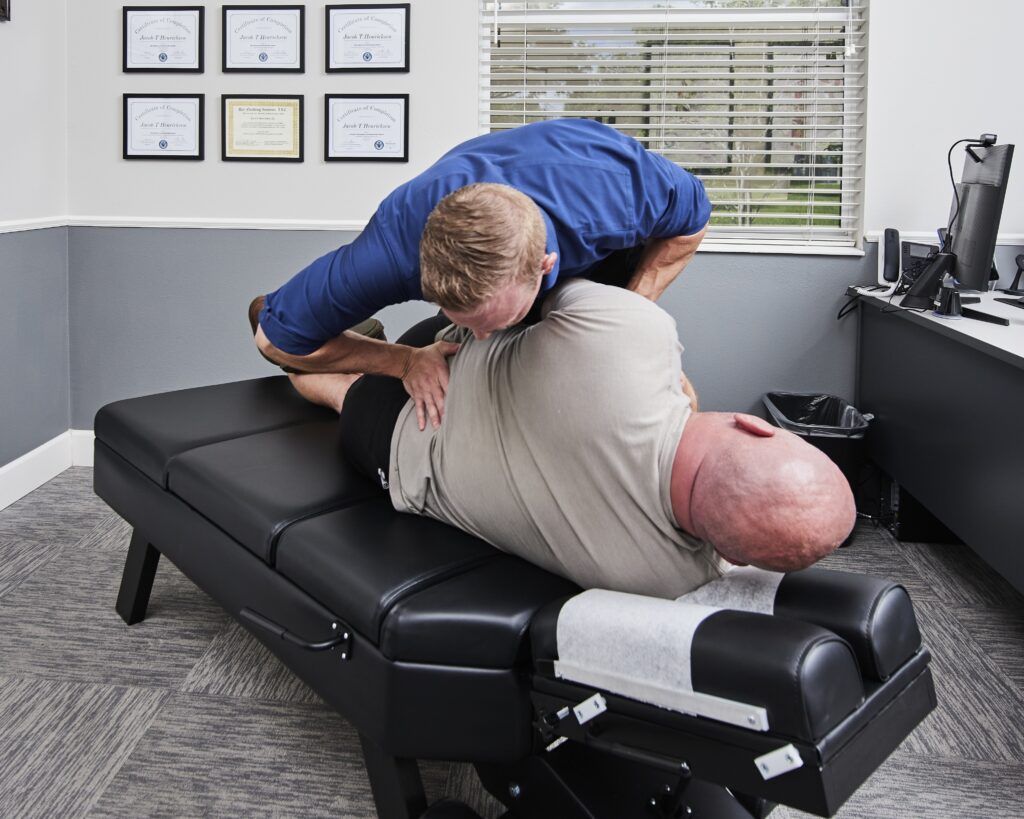
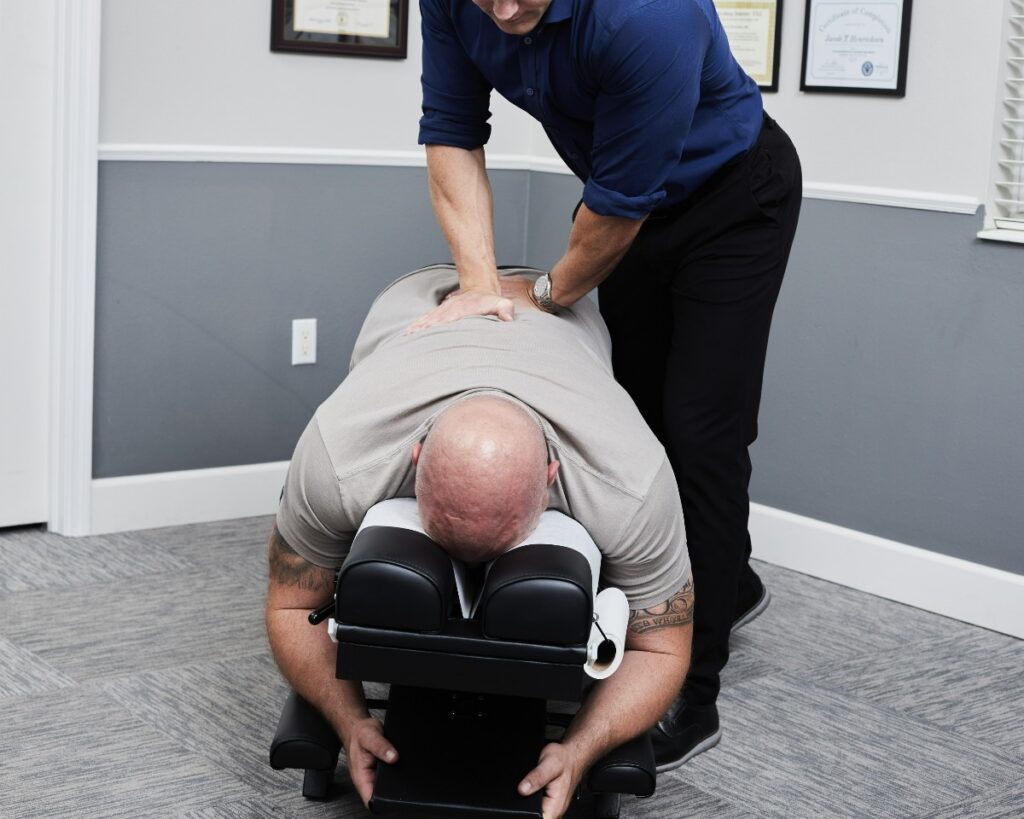
As a local chiropractor, I want to share how manual therapy techniques can significantly aid in your recovery from back pain. These hands-on approaches are designed to relieve tension in your muscles and joints, promote healing, and enhance your mobility. Techniques such as chiropractic adjustments, massage therapy, and soft tissue mobilization can effectively target the sources of your pain.
When you come to my office, I'll conduct a thorough evaluation of your condition and customize a manual therapy plan that meets your individual needs. For example, chiropractic adjustments help realign your vertebrae, alleviating pressure on your nerves.
Massage therapy, on the other hand, promotes increased blood flow and helps to relax tight muscles, while soft tissue mobilization focuses on releasing trigger points and knots that might be contributing to your discomfort.
I often find that combining manual therapy with complementary treatments, such as stretching and strengthening exercises, leads to the best outcomes for my patients.
Open communication is key during our sessions, so please feel free to share your pain levels and any areas of discomfort. This feedback allows me to adjust my techniques to ensure your comfort and the effectiveness of your treatment.
Together, we can work towards achieving a healthier, pain-free life through natural healing.
Effective Stretching Techniques
As a local chiropractor, I want to share some effective stretching techniques that can be incredibly beneficial for those experiencing back pain. Incorporating gentle spinal stretches, hip flexor stretches, and the seated forward bend into your routine can significantly relieve tension and enhance your flexibility.
Let's take a closer look at each of these stretches and how they can help you on your journey to finding relief. Gentle spinal stretches can help realign your spine and promote relaxation, easing the discomfort you may feel.
Hip flexor stretches are essential, as tight hip flexors can contribute to back pain. By stretching these muscles, you can alleviate the strain on your lower back.
Lastly, the seated forward bend is a fantastic way to stretch your hamstrings and lower back while promoting relaxation.
By incorporating these stretches into your daily routine, you can support your body's natural healing process and enhance your overall well-being.
Gentle Spinal Stretches
As a local chiropractor, I want to share with you some gentle spinal stretches that can significantly help ease back pain and enhance your flexibility. By integrating these simple movements into your daily routine, you can relieve tension in your back and promote better posture, which is essential for overall spine health.
Let's start with the Cat-Cow stretch, a fantastic way to increase mobility in your spine. Begin by getting on all fours, ensuring your wrists are aligned with your shoulders and your knees are under your hips. Arch your back towards the ceiling while tucking your chin to your chest (this is the "Cat" position), and then drop your belly towards the floor and lift your head (the "Cow" position). Repeat this sequence several times; you'll notice how it gently loosens up your spine.
Next, I recommend the Child's Pose. This is a restorative stretch that can be incredibly soothing. Kneel on the floor, sit back on your heels, and stretch your arms forward while lowering your torso. Hold this position for a few deep breaths, which allows you to feel a gentle stretch along your spine. It's a great way to relax and release any built-up tension.
Another effective stretch to incorporate is the Seated Forward Bend. Sit with your legs extended in front of you and slowly bend forward at the hips, reaching for your toes. Remember, it's important not to force it; simply go as far as comfortable to avoid straining your back.
Lastly, I encourage you to finish with gentle seated twists. Cross one leg over the other and gently rotate your torso towards the bent knee. This movement can help release tension in your lower back and improve your spinal alignment.
Hip Flexor Stretching
As a chiropractor dedicated to your overall well-being, I want to share how tight hip flexors can impact your back health and the importance of incorporating effective stretching techniques into your routine.
One of the most beneficial stretches is the lunge stretch. To perform this stretch, step one foot forward into a lunge position, ensuring that your front knee is directly over your ankle. As you lower your hips, keep your back leg straight and your heel lifted. Hold this position for 20-30 seconds, and you should feel a nice stretch in your hip flexor. After that, switch legs and repeat the process.
Another excellent option is the butterfly stretch. For this, sit on the floor with your feet together and knees bent outward. You can gently press your knees toward the floor while leaning slightly forward. Maintain this position for 20-30 seconds to experience a stretch in your inner thighs and hips.
Additionally, I recommend the kneeling hip flexor stretch. Begin by kneeling on one knee, with the other foot placed in front, forming a 90-degree angle. Gently push your hips forward while keeping your back straight. Hold this position for 20-30 seconds before switching sides.
By incorporating these stretches into your daily routine, you can effectively alleviate tightness in your hip flexors, which may ultimately relieve some of the back pain you might be experiencing.
Seated Forward Bend
As a local chiropractor, I want to share a simple yet effective stretch that can greatly benefit your lower back and hamstrings: the Seated Forward Bend. This stretch is a wonderful way to relieve tension and enhance your flexibility, both of which are essential for overall spinal health.
Here's how to perform the Seated Forward Bend:
- Find a comfortable position: Sit on the floor with your legs extended straight in front of you. Keep your feet flexed and your back straight to maintain proper alignment.
- Focus on your breath: Inhale deeply as you lift your arms overhead, creating length in your spine. This step is crucial as it prepares your body for the stretch.
- Gently fold forward: As you exhale, hinge at your hips and lower your torso towards your legs. Depending on your flexibility, reach for your feet or shins. Remember, it's important to keep the movement gentle—don't push yourself too hard.
Hold this position for about 20-30 seconds while breathing deeply. You should feel a gentle stretch in your lower back and hamstrings. If you experience any pain, it's important to ease off to avoid injury. If necessary, you can modify the stretch by slightly bending your knees.
Incorporating the Seated Forward Bend into your regular routine can significantly improve your flexibility and help alleviate back pain.
Consistency is essential, so I encourage you to practice this stretch several times a week for optimal results. By taking these small steps towards self-care, you're actively supporting your body's natural healing process.
Strengthening Exercises
As a local chiropractor, I want to emphasize the importance of incorporating strengthening exercises into your daily routine to enhance your back health. These exercises specifically target the muscles that support your spine, improving stability and significantly reducing the risk of injury.
When your back muscles are robust, they can better manage the daily stresses and strains, resulting in less pain and discomfort.
A great starting point is the bridge exercise, which engages both your lower back and glutes. To perform a bridge, lie on your back with your knees bent and feet flat on the floor. Lift your hips toward the ceiling, squeezing your glutes at the top, and then lower back down. Aim for three sets of ten to fifteen repetitions to build strength effectively.
Another beneficial exercise is the bird-dog. Begin on all fours, ensuring your hands are aligned under your shoulders and your knees under your hips. As you extend your right arm forward, also extend your left leg back, keeping your back flat. Hold this position for a few seconds before returning to the starting point. Switch sides and repeat. This exercise is excellent for enhancing core stability and coordination, both of which are crucial for back health.
Planks are another fantastic way to strengthen your entire core, including your back. Start by lying face down, then lift your body off the ground, balancing on your forearms and toes. Ensure your body remains straight, and hold this position for as long as you can. As you gain strength, gradually increase the duration of your hold.
By making these exercises a regular part of your routine, you'll likely notice significant improvements in your back health and overall strength.
Posture Improvement Strategies
As a local chiropractor dedicated to promoting your back health, I want to emphasize that while strengthening exercises are essential, maintaining proper posture plays a crucial role in preventing pain and injury.
Good posture not only reduces strain on your back but also contributes to your overall well-being. Here are three effective strategies to enhance your posture:
1. Optimize Your Sitting Position: When seated, it's vital to keep your back straight, shoulders relaxed (but not slouched), and your feet flat on the floor.
Choose a chair that offers adequate support for your lower back, and avoid crossing your legs, as this can misalign your spine.
2. Stand with Confidence: While standing, ensure your weight is evenly distributed on both feet.
Keep your shoulders back and align your head with your spine. Picture a string gently pulling you upward from the top of your head. This alignment is key to minimizing pressure on your back.
3. Incorporate Breaks into Your Routine: If you spend extended periods at a desk or in one position, set a timer to remind yourself to stand up and stretch every 30 minutes.
Simple stretches can reset your posture and alleviate tension in your back.
Remember, these strategies aren't just about comfort; they're essential for maintaining your spinal health and overall quality of life.
If you have any questions or want personalized guidance, feel free to reach out!
Heat and Cold Therapy
As a local chiropractor, I want to share some valuable insights about heat and cold therapy, which can be highly effective for alleviating back pain and supporting your recovery process. Understanding how to use these methods appropriately can significantly enhance your comfort and promote healing.
When it comes to muscle tension or stiffness, I often recommend heat therapy. Applying a heating pad, a warm towel, or enjoying a soothing hot bath can remarkably increase blood flow to the affected area. This improved circulation helps relax tight muscles, eases pain, and boosts flexibility.
For optimal results, aim to use heat for about 15 to 20 minutes at a time. Just be cautious to ensure that it's warm but not excessively hot to prevent burns.
Conversely, cold therapy is particularly beneficial for addressing inflammation and acute pain. If you've recently sustained a strain or injury, applying an ice pack for 15 to 20 minutes can effectively numb the pain and minimize swelling. Remember to wrap the ice pack in a cloth to safeguard your skin.
Cold therapy is especially useful after physical activity or when you sense a flare-up approaching.
For a comprehensive approach to pain relief, consider alternating between heat and cold therapy. Start with cold to tackle inflammation, then switch to heat to foster healing and relaxation.
It's essential to listen to your body throughout this process; if anything feels uncomfortable, feel free to adjust your approach.
With consistent use of these techniques, many of my patients find significant relief and improved mobility in their backs, paving the way for a healthier, more active lifestyle.
Mindfulness and Relaxation
As a local chiropractor, I understand that managing back pain often requires a multifaceted approach. While physical treatments like heat and cold therapy are essential, it's equally important to address the mental side of pain management.
Mindfulness and relaxation techniques can significantly enhance your experience with discomfort, allowing you to respond to pain and stress more effectively. By integrating these practices into your daily routine, you can gain a greater sense of control over both your body and mind.
Here are three valuable techniques to help you get started:
- Deep Breathing: Take a moment to focus on your breath. Inhale deeply through your nose, allowing your abdomen to rise. Hold that breath for a moment, and then exhale slowly through your mouth. Repeat this process for several minutes. Deep breathing is a simple yet powerful way to reduce tension and promote a state of relaxation.
- Meditation: I encourage you to set aside a few minutes each day for meditation. Find a quiet space where you can sit comfortably and close your eyes. Concentrate on your breath or use a calming mantra. This practice can help redirect your focus away from pain and foster a deeper sense of inner peace.
- Progressive Muscle Relaxation: Try this technique by tensing and then relaxing each muscle group in your body, starting from your toes and moving up to your head. Not only does this help alleviate physical tension, but it also enhances your awareness of your body's sensations.
Incorporating these mindfulness and relaxation techniques into your routine can complement the chiropractic care you receive and support your journey towards healing and well-being.
Alternative Treatments
As a local chiropractor, I'd like to share some insights about alternative treatments for back pain, particularly acupuncture and chiropractic adjustments.
Many of my patients have found that these natural healing methods can provide substantial relief from pain while also enhancing their overall mobility.
Chiropractic care focuses on aligning the spine and optimizing your body's natural function, which can lead to improved health and well-being.
I encourage you to consider these techniques and how they could potentially benefit you on your journey to feeling your best.
Let's dive deeper into how chiropractic adjustments can support your healing process.
Acupuncture for Pain Relief
As a local chiropractor, I want to share with you a fascinating approach to pain relief that many people may not be familiar with: acupuncture. This ancient practice, originating from traditional Chinese medicine, offers a unique method to help alleviate back pain.
By utilizing thin needles inserted into specific points on your body, acupuncture aims to restore balance and promote your body's natural healing processes. Numerous patients have found it effective in reducing their discomfort and enhancing their overall well-being.
Here are three key benefits of acupuncture that can help with back pain relief:
- Pain Reduction: One of the primary advantages of acupuncture is its ability to stimulate the release of endorphins, your body's natural painkillers. This can significantly lower your perception of pain, making it easier for you to manage discomfort and improve your quality of life.
- Improved Blood Flow: The insertion of needles can enhance circulation in the areas affected by pain. This increased blood flow promotes healing and may help speed up recovery times, allowing you to get back to your daily activities more quickly.
- Stress Relief: Chronic pain is often linked to stress and anxiety. Acupuncture can play a vital role in addressing these emotional factors, leading to a more comprehensive approach to pain management. By alleviating stress, you may find that your overall pain levels decrease.
If you're intrigued by the potential benefits of acupuncture, I encourage you to consult with a licensed practitioner. They can customize the treatment to meet your specific needs and goals.
Exploring acupuncture alongside chiropractic care may provide you with a holistic solution to regain control over your back pain and improve your overall health.
Chiropractic Adjustments Benefits
As a local chiropractor passionate about natural healing, I want to take a moment to explain the incredible benefits of chiropractic adjustments, especially for those dealing with back pain. Many individuals experience discomfort due to misalignments in the spine, and chiropractic adjustments are designed to restore proper function and alleviate that discomfort effectively.
When you come to my office, I'll conduct a thorough assessment of your condition to create a personalized treatment plan tailored to your specific needs. What sets chiropractic care apart is its focus on addressing the root cause of your pain rather than just covering up the symptoms. This approach not only provides immediate relief but also plays a crucial role in preventing future issues from arising.
Many of my patients report significant improvements in mobility and a reduction in pain after just a few sessions. It's truly rewarding to see how chiropractic care can transform lives.
Beyond pain relief, chiropractic adjustments contribute to your overall well-being. By promoting better posture and spinal alignment, you may experience enhanced energy levels and improved physical performance.
Additionally, as your pain decreases, you might find that your sleep quality improves, allowing you to enjoy more restful nights.
Integrating chiropractic adjustments into your pain management routine can truly be a game-changer. If you're seeking a natural and effective way to tackle back pain, I invite you to schedule an appointment with me. Together, we can explore your options and help you on your journey to a pain-free life. You deserve it!
Lifestyle Modifications
As a local chiropractor, I want to share with you some effective lifestyle modifications that can significantly alleviate back pain and improve your overall well-being. Many patients are often surprised by how simple changes can lead to remarkable improvements in how they feel.
Here are three key lifestyle modifications that I recommend:
1. Engage in Regular Exercise: Incorporating low-impact exercises into your routine, such as walking, swimming, or yoga, can strengthen your back muscles and enhance your flexibility. I suggest aiming for at least 30 minutes of activity most days of the week.
Consistency is crucial, and choosing activities you genuinely enjoy will make it easier to maintain this healthy habit.
2. Practice Good Posture: It's essential to be mindful of your posture throughout your daily activities, whether you're sitting, standing, or lifting objects. Consider using ergonomic furniture and ensure your feet are flat on the ground when seated.
When lifting, remember to bend your knees and keep the object close to your body. Maintaining good posture can significantly reduce strain on your back and help prevent pain.
3. Manage Your Stress Levels: I often see how high stress can lead to muscle tension and exacerbate back pain. It's beneficial to integrate stress-reducing techniques into your daily life, such as deep breathing exercises, meditation, or mindfulness practices.
Not only do these techniques help alleviate pain, but they also contribute to your overall mental well-being.
By adopting these lifestyle modifications, you can take proactive steps toward enhancing your quality of life and managing back pain naturally.
If you have any questions or would like personalized guidance, feel free to reach out during your next visit!
When to Seek Help
As a local chiropractor, I want to emphasize the importance of knowing when to seek professional help for your back pain, especially if you're new to chiropractic care and natural healing.
While making lifestyle changes such as improving your posture and incorporating exercises can be beneficial, there are times when these approaches may not be enough.
If your back pain lingers for more than a few weeks despite your best efforts, it's a signal that it's time to consult with a healthcare provider, like myself. Chronic pain may suggest that there are underlying issues that need to be addressed through professional treatment.
You should also reach out if your pain intensifies or is accompanied by concerning symptoms like numbness, tingling, or weakness in your legs. These issues could indicate nerve compression or other serious conditions that require timely attention.
Moreover, if you experience any bowel or bladder dysfunction, it's crucial to seek help immediately, as these symptoms could point to a medical emergency.
If back pain is making it difficult for you to carry out daily activities or is interrupting your sleep, don't hesitate to contact me for guidance.
As a chiropractor, I specialize in providing personalized treatment options tailored to your needs, which may include adjustments, physical therapy, and advice on lifestyle changes to promote healing and well-being.
Your health is important, and seeking help early can lead to more effective and timely recovery.
Conclusion
As a local chiropractor, I want to help you understand that finding relief from back pain can often be achieved through a combination of chiropractic care, physical therapy, and lifestyle adjustments. Incorporating effective stretching and strengthening exercises into your routine can significantly enhance your flexibility and overall well-being. I cannot stress enough the importance of maintaining good posture and taking regular breaks throughout your day to prevent strain on your back.
Chiropractic adjustments can also play a crucial role in alleviating back pain by improving spinal alignment and function. If you find that your pain persists despite these efforts, I encourage you to explore alternative treatments and consult with a healthcare professional who can provide personalized guidance tailored to your needs. By taking these proactive steps, you can work towards a more comfortable, pain-free life. Remember, natural healing is a journey, and I'm here to support you every step of the way.