
If you're dealing with back pain, you know how complex it can be to find effective relief. It often starts with understanding your unique triggers and seeking a professional assessment to identify the root cause. From there, you can explore customized exercise programs and various integrative therapies that might work for you. But what about those lifestyle changes that can make a difference? As you consider these options, you might be surprised by how your everyday choices impact your recovery. Let's explore what tailored solutions could look like for you.
Understanding Back Pain
Back pain can stem from various sources, affecting not only your body but also your daily life. Understanding the underlying causes of your discomfort is essential in managing and alleviating it. Your back is a complex structure, comprised of bones, muscles, ligaments, and nerves. When any one of these components is strained, injured, or inflamed, you may experience pain that varies in intensity and duration.
You might find that your back pain arises from poor posture, especially if you spend long hours sitting at a desk or hunched over a device. Muscular imbalances due to lack of exercise or overexertion can also contribute to discomfort. Sometimes, injuries from sports or accidents lead to acute pain, while chronic conditions like arthritis or degenerative disc disease can cause ongoing issues.
Your lifestyle choices play a significant role in back health. Carrying excess weight puts additional strain on your spine, while smoking can hinder blood flow, delaying healing. Stress can also manifest physically, tightening your muscles and leading to pain.
It's important to note that back pain doesn't always originate in the back itself. Issues in your hips, knees, or even feet can create a ripple effect, resulting in discomfort that you may attribute solely to your back.
Identifying Personal Triggers
Recognizing your personal triggers for back pain is essential for effective management and relief. You might find that certain activities, positions, or even emotional states contribute to your discomfort. Start by keeping a journal to track when your pain flares up. Note down the time of day, activities you were engaged in, and your overall mood. This record can provide valuable insights into patterns that may be specific to you.
Common physical triggers include prolonged sitting, lifting heavy objects incorrectly, or even repetitive motions. Pay attention to how your body reacts during these activities. If you notice a consistent pattern, it might be time to adjust your routine. For instance, if sitting at your desk for long hours causes pain, consider investing in ergonomic furniture or taking regular breaks to stretch and move around.
Emotional triggers can also play a significant role in back pain. Stress and anxiety can lead to muscle tension, which may exacerbate discomfort. If you find that stress is a trigger, explore relaxation techniques such as deep breathing, meditation, or yoga. These strategies could help alleviate tension and improve your overall well-being.
Lastly, don't forget to evaluate your sleep quality. Poor sleep can worsen pain perception. Make certain you're sleeping on a supportive mattress and pillow that align with your spine properly.
Importance of Professional Assessment
When it comes to managing back pain, seeking a professional assessment can be a game changer. You might think you know what's causing your discomfort, but a detailed evaluation by a healthcare provider can uncover underlying issues you may not be aware of. Professionals can identify specific conditions, like herniated discs or muscle strains, which may need targeted treatment.
During your assessment, the expert will likely take your medical history and perform a physical examination. They'll assess your posture, flexibility, and strength, helping pinpoint the source of your pain. This thorough analysis is vital because it guarantees your treatment plan addresses the root cause, rather than just masking the symptoms.
Moreover, a professional assessment can help you avoid unnecessary treatments or medications that could lead to further complications. Instead of guessing which remedies might work, you'll receive tailored recommendations based on your unique situation. This personalized approach can lead to quicker relief and a more effective recovery process.
In addition, professionals often take a holistic view of your health. They might consider how lifestyle factors, such as stress or nutrition, influence your back pain. By understanding these connections, you can develop an all-encompassing plan that promotes long-term wellness.
In short, don't underestimate the value of professional assessment. It not only guides you toward effective relief but also empowers you to take control of your back health moving forward.
Customized Exercise Programs
When it comes to managing back pain, a customized exercise program can make all the difference.
You'll start with an individualized assessment to identify your specific needs, allowing for targeted strengthening techniques that suit your unique situation.
This tailored approach not only enhances your recovery but also helps prevent future issues.
Individualized Assessment Process
To effectively address back pain, an individualized assessment process is essential for developing customized exercise programs tailored to your specific needs. This process begins with a thorough evaluation of your medical history, lifestyle, and current physical condition.
You'll discuss any previous injuries, pain patterns, and daily activities that might contribute to your discomfort.
Next, a physical examination will help identify muscle imbalances, flexibility issues, and postural problems. This hands-on assessment allows the professional to pinpoint the exact areas requiring attention.
By analyzing your movement patterns, they can also determine how your body responds to various activities, which is vital for creating a safe and effective program.
With this information, you'll work together to establish realistic goals. These goals should focus on pain relief, improved mobility, and overall strength.
Regular follow-up assessments will track your progress and make necessary adjustments to your program, ensuring you stay on the right path to recovery.
Targeted Strengthening Techniques
After establishing your goals through the individualized assessment, the next step involves incorporating targeted strengthening techniques into your customized exercise program. These techniques focus on building strength in the specific muscles that support your spine, helping to alleviate pain and prevent future issues.
Start with core exercises, as a strong core stabilizes your spine. Planks and bridges are effective for engaging those deep abdominal muscles.
Next, incorporate back-specific exercises like bird-dogs and supermans to strengthen the muscles along your spine. These movements enhance your posture and balance, reducing strain on your back.
Don't overlook flexibility training. Stretching the hamstrings, hip flexors, and glutes can relieve tension and improve overall mobility. Consider adding yoga or Pilates to your routine for gentle, yet effective, strength and flexibility work.
Be mindful of your body's responses. If you experience pain, adjust the intensity or duration of your exercises. Working closely with a fitness professional can help guarantee you're using proper techniques and progressing safely.
Integrative Therapies and Techniques
When it comes to managing back pain, integrative therapies like chiropractic adjustments and acupuncture can offer significant relief.
You might find that these techniques not only alleviate discomfort but also improve your overall wellness.
Let's explore how these methods can work together to enhance your recovery journey.
Chiropractic Adjustments Benefits
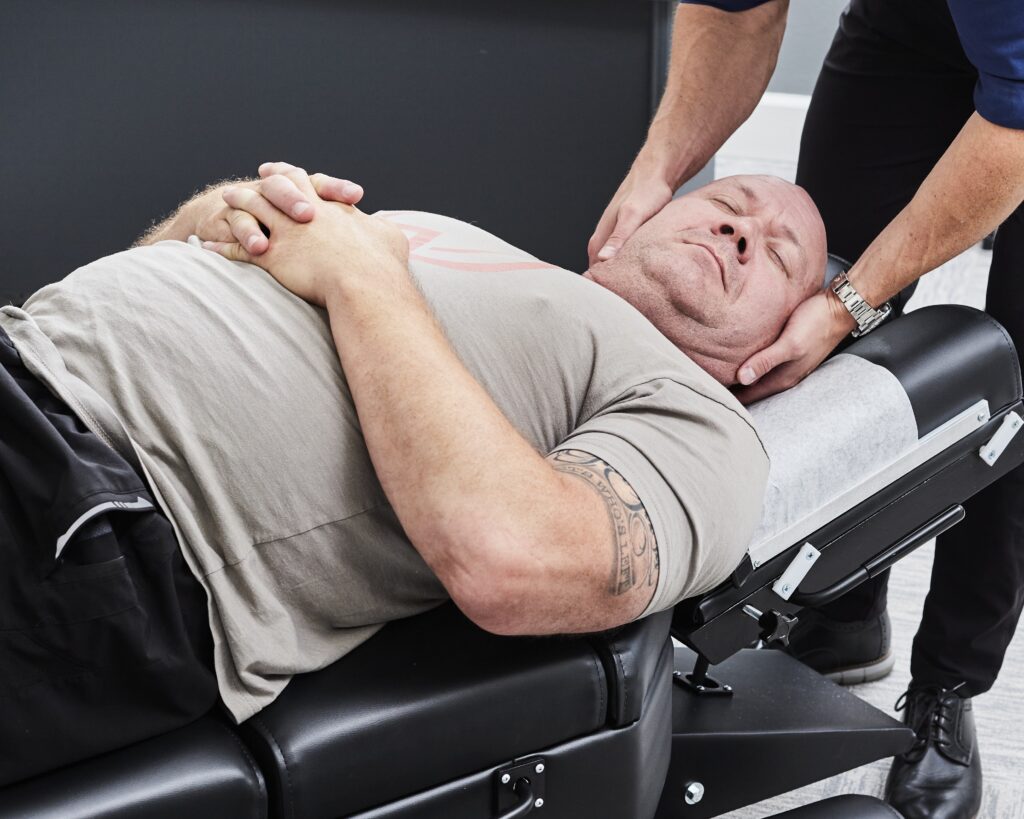
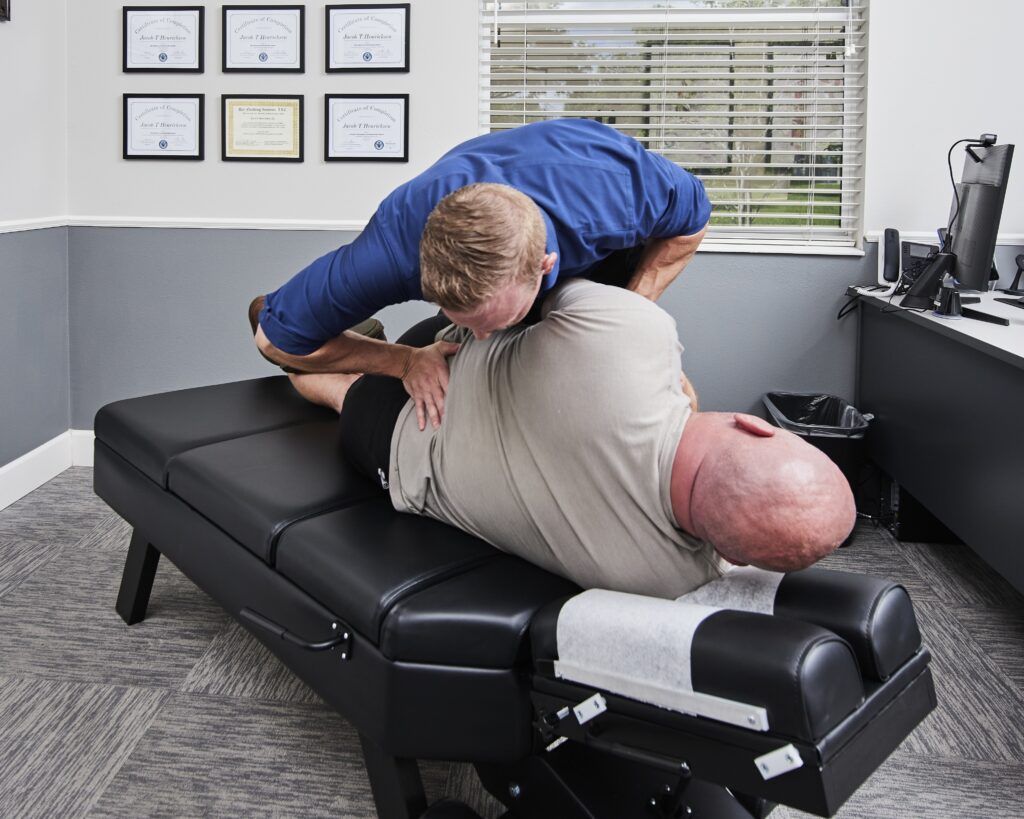
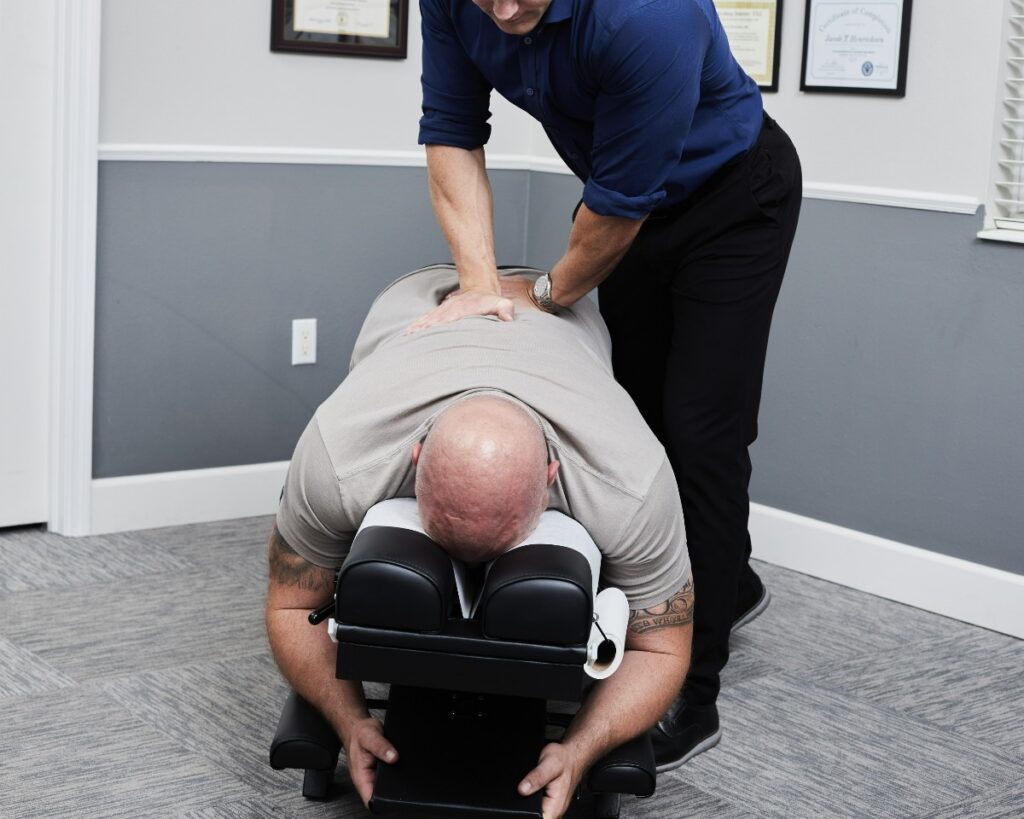
Chiropractic adjustments are often an essential part of back pain relief, offering a non-invasive approach to restoring spinal alignment and function. By addressing the root causes of discomfort, these adjustments help alleviate pain and improve mobility.
You might find yourself experiencing several benefits when you incorporate chiropractic care into your routine:
- Increased Range of Motion: Enjoy more freedom in your movements without the stiffness that back pain brings.
- Reduced Muscle Tension: Feel the relief as tight muscles relax and restore their natural flexibility.
- Enhanced Posture: Stand taller and more confidently, knowing your spine is aligned correctly.
- Improved Nerve Function: Experience better communication between your brain and body, leading to overall wellness.
- Natural Pain Relief: Rely on your body's innate ability to heal, reducing the need for medication.
Chiropractic adjustments not only target specific pain areas but also promote holistic health.
Acupuncture for Pain Relief
Acupuncture is a powerful tool in the quest for back pain relief, tapping into the body's natural healing abilities. By inserting thin needles at specific points, this ancient practice stimulates the flow of energy, or "Qi," promoting relaxation and reducing pain. You might find that acupuncture helps relieve tension in your muscles, which often contributes to back discomfort.
During a session, a trained practitioner will assess your condition and tailor the treatment to your individual needs. Many people report feeling a sense of calm and well-being after their sessions, which can further aid in pain management.
It's essential to recognize that acupuncture is typically safe and has few side effects, making it a viable option for many seeking relief from chronic back pain.
As you explore acupuncture, consider combining it with other therapies, like chiropractic care or physical therapy, for a thorough approach. You'll be amazed at how these integrative techniques can work together to enhance your overall recovery.
If you're ready to take a step towards relief, schedule a consultation with a licensed acupuncturist and discover how this holistic treatment can benefit you.
Lifestyle Modifications for Relief
Many people find that simple lifestyle modifications can considerably ease back pain. By making a few adjustments to your daily routine, you can enhance your comfort and support your recovery. Here are some effective changes you might consider:
- Incorporate regular physical activity: Engaging in low-impact exercises, like walking or swimming, strengthens your back and improves flexibility.
- Practice good posture: Whether sitting at a desk or standing, maintaining proper alignment reduces strain on your spine.
- Limit prolonged sitting: Take breaks to stretch and move around every hour, preventing stiffness and discomfort.
- Invest in ergonomic furniture: A supportive chair or mattress can make a significant difference in how your back feels throughout the day and night.
- Manage stress levels: Techniques such as deep breathing, meditation, or yoga can alleviate tension in your body, which often contributes to back pain.
These modifications don't require a complete lifestyle overhaul, but they can lead to substantial relief. Start by integrating one or two changes at a time, and pay attention to how your body responds.
You might be surprised at how quickly you notice improvements. Remember, consistency is key; habits take time to develop, but the benefits will be worth your effort.
With dedication, you can pave the way for a more comfortable, pain-free life.
Nutrition's Role in Recovery
Alongside lifestyle modifications, nutrition plays a vital role in your recovery from back pain. The right nutrients can help reduce inflammation, support muscle health, and promote overall well-being. When you focus on a balanced diet, you're not just feeding your body; you're also fueling your recovery.
Incorporating anti-inflammatory foods into your meals is essential. Foods rich in omega-3 fatty acids, like salmon, walnuts, and flaxseeds, can help decrease inflammation in your body. Leafy greens and colorful fruits, such as berries and oranges, are packed with antioxidants that combat oxidative stress. You should also consider spices like turmeric and ginger, known for their anti-inflammatory properties.
Hydration is equally important. Drinking enough water helps maintain the elasticity of your spinal discs and supports muscle function. Aim for at least eight glasses of water a day, adjusting based on your activity level.
Don't forget about calcium and vitamin D, fundamental for bone health. Include dairy products, fortified plant-based alternatives, and leafy greens to guarantee you're getting enough of these nutrients. If you're not getting enough from food, consider supplements after consulting with a healthcare provider.
Lastly, be mindful of processed foods high in sugar and unhealthy fats, as they can exacerbate inflammation and hinder your recovery. By prioritizing nutritious foods, you empower your body to heal more efficiently and reduce back pain over time.
Your dietary choices can greatly impact your recovery journey.
Mindfulness and Stress Management
Practicing mindfulness and managing stress are essential components of alleviating back pain. When you integrate these techniques into your daily routine, you'll not only find relief but also empower yourself to tackle pain more effectively.
Stress can tighten muscles and exacerbate discomfort, making it vital to cultivate a calm state of mind.
To get started, consider these five mindfulness practices:
- Deep Breathing: Imagine inhaling fresh air and exhaling tension, allowing your body to relax with each breath.
- Body Scan: Visualize a warm light moving through your body, bringing awareness to areas of tension, and consciously relaxing them.
- Guided Imagery: Picture a serene landscape, like a peaceful beach or a quiet forest, transporting you away from stress and into tranquility.
- Mindful Stretching: Envision your body gently stretching, releasing tightness while focusing on how each movement feels.
- Gratitude Journaling: Reflect on three things you're grateful for each day, shifting your focus away from pain to positivity.
Tracking Progress and Adjustments
Once you've implemented mindfulness and stress management techniques, tracking your progress becomes essential for understanding what works best for you. You'll want to monitor your pain levels, emotional responses, and physical capabilities regularly. A simple journal can be a powerful tool for this. Each day, jot down your pain intensity on a scale of one to ten, noting any triggers or relief methods you've tried.
Be sure to also document your emotional state. Stress and anxiety can greatly affect your back pain, so keeping track of your mood will help you identify patterns. By correlating your mindfulness practices with changes in pain levels, you can determine which techniques are most effective for you.
As you gather this data, be open to making adjustments. If you notice certain strategies aren't providing relief, don't hesitate to experiment with new approaches. Perhaps a different mindfulness technique, like guided meditation or breathing exercises, could work better for you.
Regularly reviewing your progress can also guide conversations with healthcare professionals. Share your findings, and they can help tailor your treatment plan to your evolving needs.
Conclusion
In your journey to relieve back pain, remember that a tailored approach is key. By understanding your triggers and working with professionals, you can develop a customized plan that includes targeted exercises, integrative therapies, and lifestyle changes. Don't underestimate the power of nutrition and mindfulness in your recovery. Stay proactive in tracking your progress and making adjustments as needed. With dedication and the right strategies, you can access effective solutions for lasting relief.