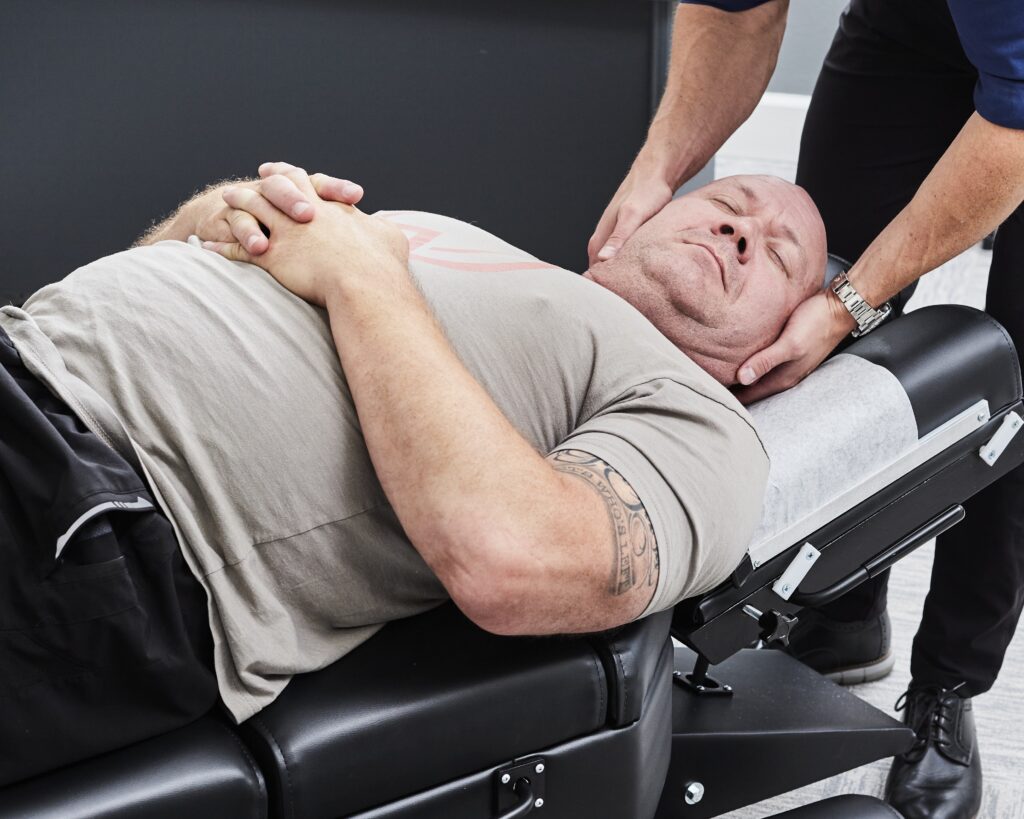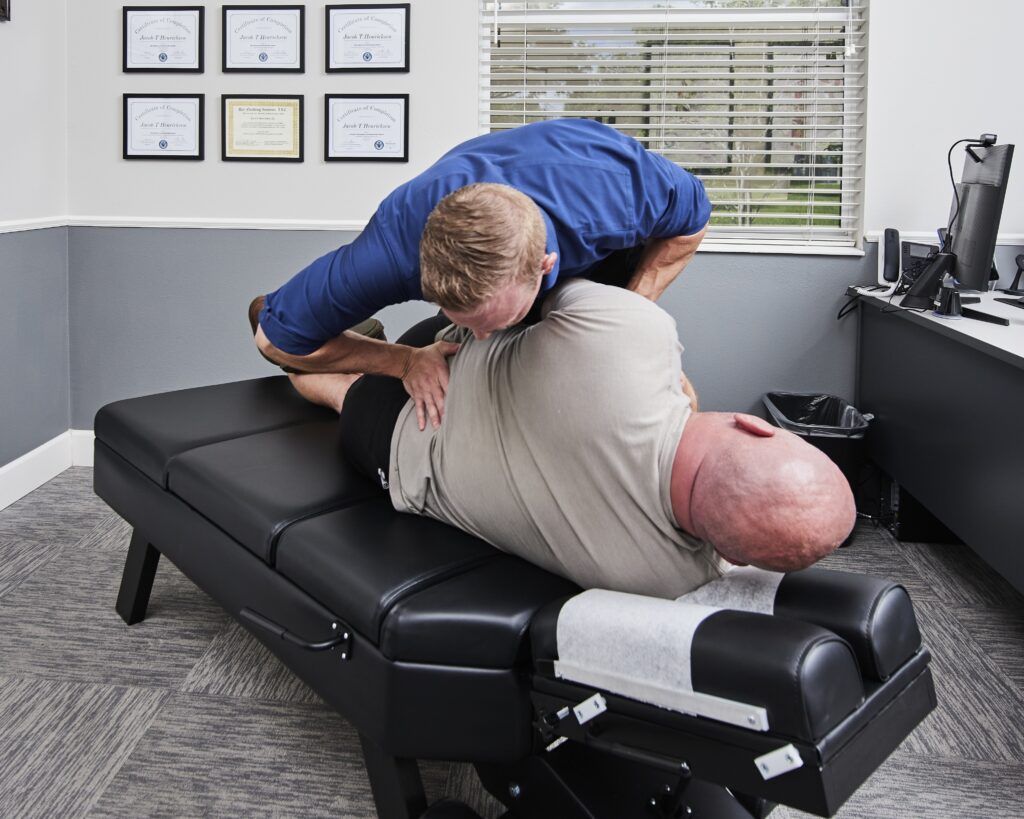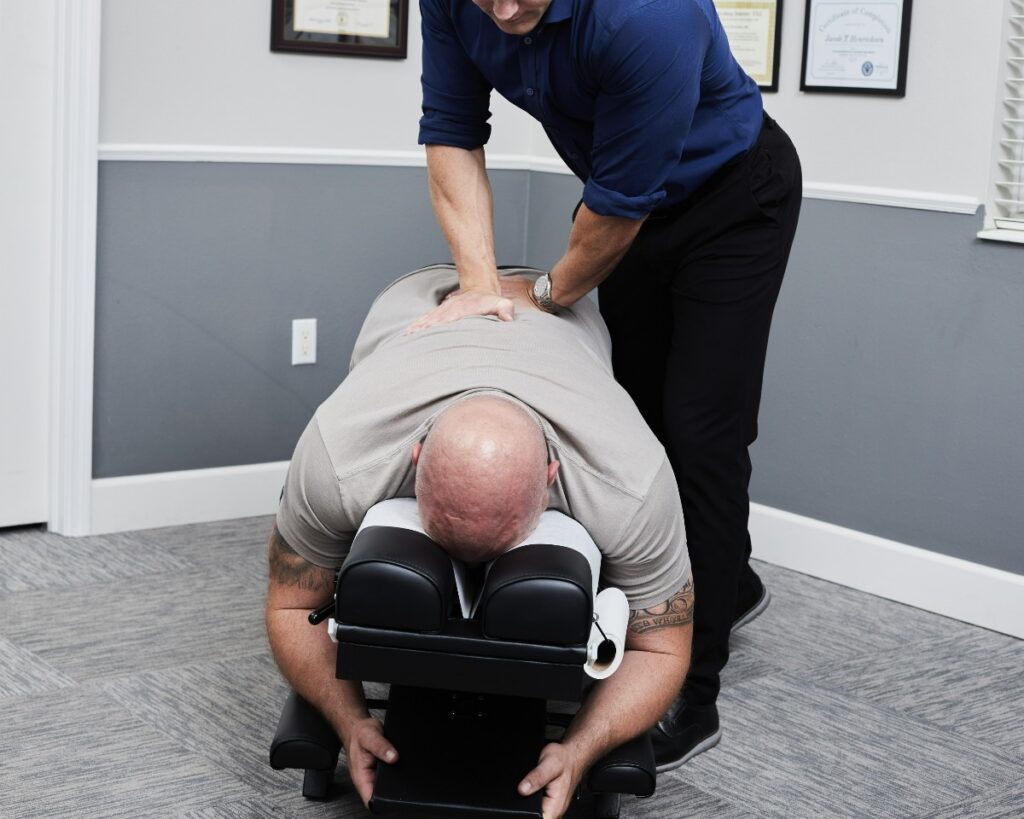

As a local chiropractor, I want to share with you that finding relief from back pain often goes beyond just seeking a quick solution. It's essential to understand the root causes of your discomfort, and this is where chiropractic care plays a vital role. By examining your spine and posture, we can identify the underlying issues contributing to your pain.
I encourage you to consider making some lifestyle adjustments and incorporating specific exercises into your daily routine. You may be surprised at how small changes in your posture and daily habits can significantly alleviate discomfort.
In addition to traditional chiropractic adjustments, there are also lesser-known therapies that I can introduce you to, which may further enhance your relief. Imagine discovering a combination of techniques tailored specifically for you that could lead to lasting comfort. My goal is to empower you with knowledge about natural healing and help you explore all the options available for your wellness journey. Together, we can unlock the secrets to not just managing, but truly relieving your back pain.
Understanding Back Pain
As a local chiropractor, I want to help you understand back pain, a common issue that affects many individuals due to various factors like poor posture, muscle strain, and underlying health conditions. Gaining knowledge about back pain is crucial for effective management, especially when it comes to chiropractic care and natural healing methods.
First, it's important to differentiate between acute and chronic pain. Acute pain often appears suddenly, usually as a result of an injury or specific event, and it generally lasts for a few days to weeks. In contrast, chronic pain lingers for longer than three months and may develop gradually, sometimes without a clear origin. Understanding these distinctions can empower you to seek the appropriate care.
Back pain can also present itself in various forms. You might experience a sharp, stabbing sensation, a dull ache, or even a burning feeling. These different manifestations can be influenced by your activity level and overall health. By identifying the type of pain you're experiencing, you can communicate more effectively with me as your chiropractor, allowing us to develop a tailored treatment plan.
Moreover, it's essential to recognize that your emotional well-being can significantly impact how you perceive pain. Stress and anxiety can heighten discomfort, creating a challenging cycle. By understanding the connection between your mind and body, you can take proactive steps to manage your back pain, and I can guide you in using chiropractic techniques to help break that cycle.
Lastly, maintaining a healthy lifestyle is vital for a healthier back. Regular exercise, a balanced diet, and good sleep hygiene are all foundational elements that contribute to your overall health. By focusing on these aspects, you'll be better equipped to address your back pain and enhance your quality of life.
As your chiropractor, I'm here to support you on this journey towards natural healing and improved well-being.
Common Causes and Risk Factors
As a local chiropractor, I want to help you understand the various factors that can lead to back pain. It's crucial to identify these common causes and risk factors, as they play a significant role in your overall spinal health.
One of the most frequent culprits is poor posture. Whether you're sitting hunched over a desk or slouching on your couch, this can result in muscle strain and discomfort. I often see patients who lift heavy objects without using proper technique, which can put immense stress on your back and lead to injuries. It's important to learn the right ways to lift and carry to protect your spine.
Your activity level is also essential to consider. A sedentary lifestyle can weaken your core muscles, which are vital for supporting your spine. Conversely, engaging in high-impact sports or activities without appropriate conditioning can increase your risk of experiencing back pain. Finding a balance is key.
Age is another factor we can't ignore. As we get older, our spines naturally undergo degeneration, making us more prone to issues like arthritis or herniated discs. If back pain runs in your family, it's worth noting that genetics can also play a role in your susceptibility.
Maintaining a healthy weight is critical, as obesity can put extra strain on your back. Additionally, stress and anxiety can lead to muscle tension, contributing to discomfort. I often advise my patients to find healthy coping mechanisms.
Lastly, smoking can reduce blood flow and oxygen to your spinal structures, increasing the likelihood of developing back problems.
Understanding these factors is the first step toward promoting better spinal health. By taking proactive measures, you can help prevent back pain and improve your overall well-being. If you have any questions or need guidance, don't hesitate to reach out!
Effective Stretching Techniques
As a local chiropractor, I want to emphasize the importance of effective stretching techniques in relieving back pain.
Many of my patients are surprised to learn that incorporating specific stretches into their daily routine can significantly improve flexibility and facilitate muscle release.
These stretches are tailored to address individual needs and can help you experience a noticeable difference in your comfort and overall mobility.
Let's take a closer look at how these natural healing techniques can enhance your well-being and support your journey towards a pain-free life.
Stretching for Flexibility
As a chiropractor, I want to emphasize the importance of flexibility for maintaining a healthy back and preventing discomfort. Many people are unaware that incorporating effective stretching techniques into your daily routine can significantly enhance your flexibility, alleviate muscle tension, and improve overall mobility.
I recommend starting with gentle stretches that focus on key areas, such as your lower back, hamstrings, and hip flexors. One particularly effective technique is the seated forward bend. To perform this stretch, sit on the floor with your legs extended in front of you. As you inhale, lengthen your spine, and when you exhale, reach toward your toes. Hold this position for 15-30 seconds, making sure to breathe deeply throughout the stretch.
Another beneficial stretch is the cat-cow stretch, which is excellent for spinal mobility. Begin on all fours, positioning your hands directly under your shoulders and your knees directly under your hips. Inhale as you arch your back, lifting your head and tailbone (this is the cow position). Then, as you exhale, round your spine, tucking your chin and tailbone (the cat position). I suggest repeating this flow for 5-10 cycles to promote flexibility and relaxation.
Lastly, don't overlook the standing quadriceps stretch. While standing, grasp your ankle behind you and gently pull it toward your glutes, ensuring that your knees remain close together. Hold this stretch for 15-30 seconds before switching sides.
Targeted Muscle Release
As a chiropractor, I want to emphasize the importance of incorporating targeted muscle release techniques into your daily routine. This practice can significantly enhance the benefits of your stretching and help you address specific areas of tightness and discomfort, particularly those related to back pain.
Many patients find that their discomfort often stems from tightness in the lower back, hips, and glutes.
To start, I recommend utilizing tools like a foam roller or a massage ball. For your lower back, try lying on the foam roller horizontally. Gently roll from side to side to release any built-up tension.
For your glutes, sitting on a massage ball can be very effective—shift your weight to pinpoint and alleviate sore spots.
In addition to these release techniques, it's beneficial to incorporate static stretches to elongate the affected muscles. A great example is the seated hamstring stretch: sit on the floor, extend one leg, and reach for your toes while holding the position for 20-30 seconds.
Dynamic stretches, such as pelvic tilts, are also valuable for engaging your core and promoting mobility.
As you practice these techniques, always listen to your body. It's essential to adjust your pressure and positioning to ensure you're working within a comfortable range.
Strengthening Exercises for Support
As a local chiropractor, I want to emphasize the importance of strengthening the muscles that support your back. This is crucial not only for alleviating pain but also for preventing future discomfort.
By building a strong foundation, you can significantly improve your posture and enhance your overall stability, which is vital for your daily activities.
Incorporating specific strengthening exercises into your routine can make a remarkable difference in how you feel. Here are some effective exercises that I recommend:
- Planks: This exercise engages your core, which is essential for stabilizing your spine. Start with holding a plank for 20-30 seconds, and gradually increase the duration as you gain strength.
- Bird-Dogs: This movement helps improve your balance and coordination while also strengthening your back and core. I suggest aiming for 10-15 repetitions on each side to maximize the benefits.
- Bridges: By lifting your hips while lying on your back, you can effectively target your glutes and lower back. For optimal results, perform 10-15 repetitions.
- Deadlifts: When done with proper form, this exercise can strengthen your lower back and legs. I recommend starting with light weights to avoid any potential injuries.
Integrating these exercises into your routine can complement the chiropractic care you receive and promote a healthier, more resilient back.
If you have any questions about how to perform these exercises safely or how they can fit into your overall wellness plan, please feel free to ask during your next visit. Your health and comfort are my top priorities!
Importance of Proper Posture
As a local chiropractor, I want to emphasize the crucial role that proper posture plays in enhancing the effectiveness of your strengthening exercises and overall well-being. When you maintain correct posture—whether standing or sitting—you help align your spine and evenly distribute your weight. This alignment is essential for reducing unnecessary strain on your back, which not only supports your muscles but also boosts your overall stability. As a result, everyday activities become easier and more comfortable.
Many people underestimate the impact of poor posture. Over time, slouching or leaning forward can lead to muscle imbalances and chronic pain. These habits place additional pressure on your spine, potentially worsening existing discomfort or even leading to new issues. By being mindful of your posture, you can take proactive steps to prevent these problems from developing.
During your exercise routine, it's vital to focus on maintaining a neutral spine. Keep your shoulders relaxed and your chin slightly tucked in. This approach not only reinforces the benefits of your strengthening exercises but also establishes a solid foundation for safe and effective movement.
Remember, it's important to be aware of your posture throughout the day—not just during workouts. Make a habit of checking in with your posture while sitting at your desk, driving, or even standing in line.
If you find yourself spending long hours in a fixed position, consider investing in ergonomic furniture or supportive cushions. These adjustments can significantly promote good posture and help reduce the risk of discomfort.
Lifestyle Changes for Relief
As a local chiropractor, I want to share with you how simple lifestyle changes can significantly alleviate back pain and enhance your overall quality of life. Many of you may not realize how your daily habits contribute to discomfort, but making small adjustments can lead to substantial relief.
First and foremost, incorporating regular physical activity into your routine is crucial. Even a daily walk can strengthen your back and core muscles, providing the support your spine needs. It's all about finding what works for you and staying consistent.
Hydration is another key factor to consider. Staying well-hydrated helps maintain the elasticity of your spinal discs, which can greatly reduce the likelihood of experiencing pain. Additionally, it's important to maintain a healthy weight, as carrying excess weight puts additional strain on your back. I encourage you to adopt a balanced diet filled with nutrient-rich foods to help you achieve and sustain a healthy weight.
Let's not overlook the importance of sleep. A good mattress and the right sleeping position can make a significant difference in how your back feels. Ensure your mattress properly supports your spine, and consider sleeping on your side with a pillow between your knees to help maintain spinal alignment.
Here are a few lifestyle changes I recommend:
- Incorporate daily stretches to enhance flexibility and reduce muscle tension.
- Practice stress-relief techniques such as meditation or deep breathing to alleviate tightness in your muscles.
- Limit screen time to prevent slouching and promote better posture.
- Engage in activities that bring you joy; not only do they distract from pain, but they also keep you active and engaged.
Alternative Therapies and Treatments
As a local chiropractor, I want to share some insights about alternative therapies and treatments that can help alleviate back pain. Many individuals find significant relief by exploring options outside of traditional medicine, and I encourage you to consider these.
One effective method is chiropractic care, which involves hands-on spinal manipulation to correct misalignments in your spine. These misalignments can contribute to discomfort, and our goal is to restore proper alignment to improve mobility and reduce pain over time. Regular visits to a chiropractor can lead to lasting benefits and enhance your overall well-being.
In addition to chiropractic adjustments, integrating practices like acupuncture may also be beneficial. This technique involves the insertion of thin needles into specific points on your body to stimulate the nervous system and encourage healing. Many patients report substantial pain relief after just a few sessions.
Massage therapy is another excellent option to consider. A skilled massage therapist can target tense muscles, improve circulation, and reduce stress—which is often a contributing factor to back pain.
Furthermore, incorporating activities such as yoga and Pilates into your routine can be invaluable. These practices focus on strengthening the core and improving flexibility, which helps with body awareness and alignment. Gentle stretching can also alleviate tension in your back, enhancing your comfort.
Don't overlook the potential of herbal remedies and dietary supplements, such as turmeric and omega-3 fatty acids. These natural options have anti-inflammatory properties that may assist in reducing pain. However, it's essential to consult with a healthcare provider before starting any new supplement regimen.
Lastly, mindfulness and relaxation techniques, including meditation and deep breathing, can play a significant role in pain management by lowering stress levels.
When to Seek Professional Help
As a local chiropractor, I understand that many people may not be familiar with the benefits of chiropractic care and natural healing, especially when it comes to managing back pain. Knowing when to seek professional help for back pain is crucial not only for immediate relief but also for preventing future complications.
It's common to dismiss back pain, hoping it will resolve on its own, but neglecting to address it can lead to more serious issues later.
Here are some critical signs that you shouldn't overlook:
- Numbness or tingling: If you're experiencing tingling or numbness in your legs or arms, this could indicate nerve involvement, which chiropractic adjustments can often help alleviate.
- Severe pain: If your discomfort is so severe that you're unable to find any relief, it's essential to seek an evaluation. Chiropractic care can provide non-invasive options to manage and reduce that pain.
- Loss of bowel or bladder control: This is a medical emergency. If you experience this symptom, it's vital to seek immediate help. Chiropractic treatment can help with many conditions, but this particular symptom requires urgent medical attention.
- Difficulty standing or walking: If your back pain is hindering your ability to move, it's a clear signal that it's time to consult with a professional. Chiropractic adjustments can improve your mobility and support your recovery.
Addressing these symptoms promptly can significantly impact your healing journey.
As a chiropractor, I can offer personalized treatment plans, including spinal adjustments, therapeutic exercises, and lifestyle advice, to help you regain your quality of life.
Don't let back pain dictate your everyday activities. Taking the step to seek help is a proactive move towards a healthier, pain-free future.
Conclusion
As a local chiropractor, I want to help you understand how you can alleviate your back pain by getting to the root causes and adopting preventative strategies. It's essential to incorporate regular stretching and strengthening exercises into your routine, as well as maintaining proper posture throughout your day. These practices provide vital support to your back.
Don't overlook the power of lifestyle modifications and holistic therapies like chiropractic adjustments and massage. These natural healing methods can significantly enhance your well-being. It's important to pay attention to your body's signals—if you find that your pain continues, don't hesitate to seek professional care. I'm here to guide you on your journey towards a healthier, pain-free life!