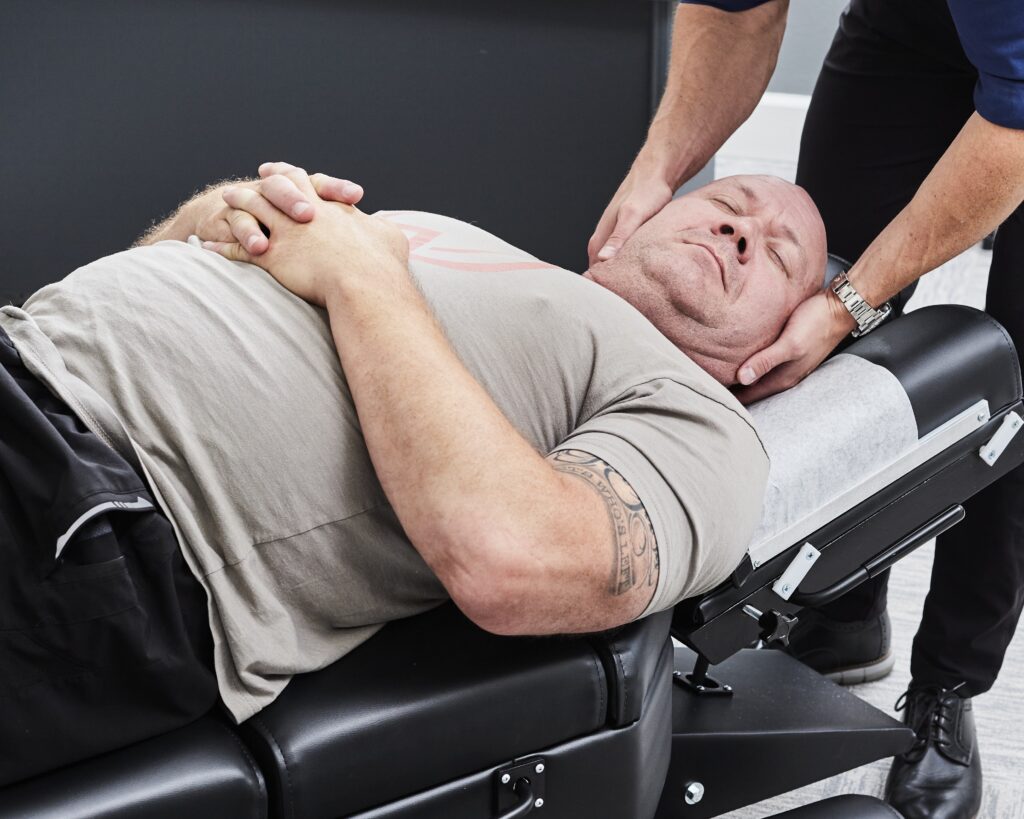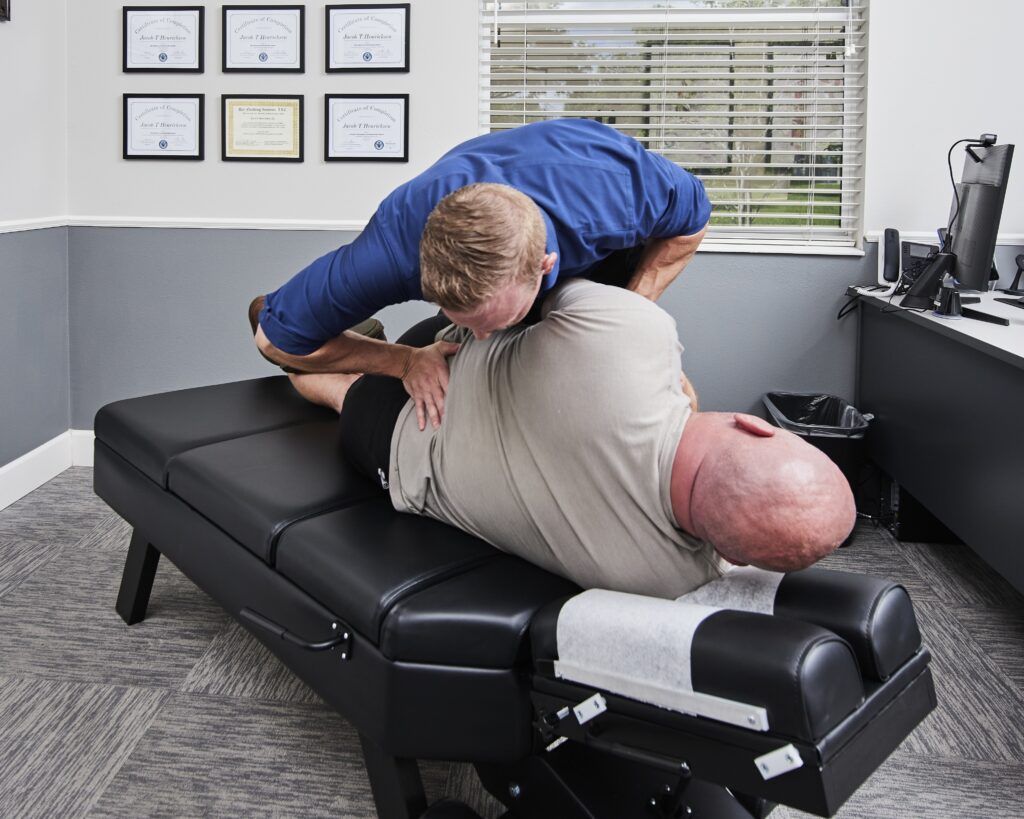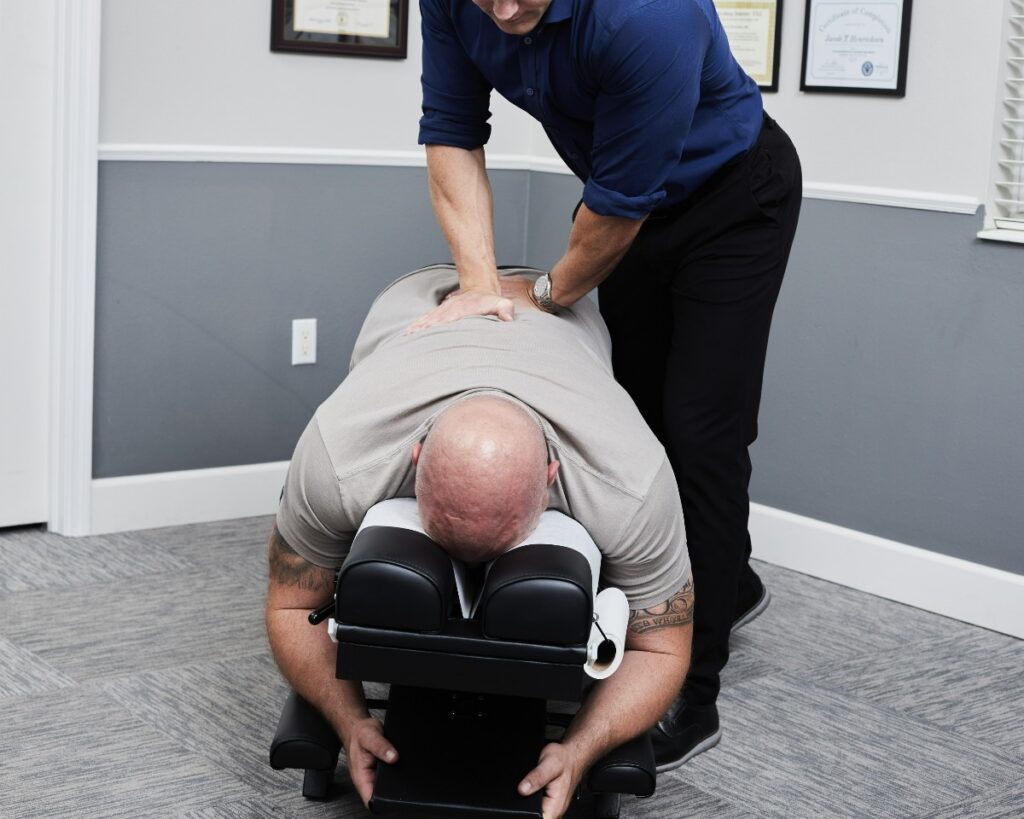

As a local chiropractor, I understand that sports back pain can be a significant hindrance to your athletic performance and overall well-being. It's important to recognize the various causes of this discomfort and to implement effective prevention strategies that can lead to long-lasting relief. By focusing on proper biomechanics and incorporating core-strengthening exercises, you can begin your journey towards pain-free movement.
However, I know that some injuries can feel persistent and unyielding. That's where understanding the right techniques for recovery comes into play. Chiropractic care offers natural healing methods that can help alleviate pain by addressing the underlying issues rather than just masking the symptoms. It's also crucial to know when to seek professional help; sometimes, a trained chiropractor can provide the targeted care you need to heal properly.
The secrets to achieving long-term relief from sports-related back pain may be more accessible than you think. Through education and the right therapeutic approach, you can empower yourself to overcome these challenges. Let's explore the options available to you and take the next step towards a healthier, pain-free lifestyle.
Understanding Back Pain Causes
As a local chiropractor, I want to share valuable insights about the various causes of back pain and how understanding them can lead to effective prevention and management. Whether you're working out at the gym or enjoying a friendly game, you may find your back feeling uncomfortable, and it's crucial to identify the reasons behind it.
One of the primary reasons for back pain is muscle strains. Engaging in physical activities without adequate warm-ups or pushing yourself too hard can lead to overexertion of your muscles. It's essential to listen to your body and gradually ease into your workouts to avoid unnecessary strain.
As a chiropractor, I often encourage my patients to incorporate gentle stretching and warm-up routines to prepare their muscles for movement.
Poor posture is another significant contributor to back pain. Many people tend to slouch while sitting, especially during long hours at a desk or while playing sports. This can lead to discomfort and strain on your back.
I recommend developing a habit of maintaining good posture, whether you're standing, sitting, or participating in any physical activity. Simple adjustments to your workspace or using supportive equipment can make a big difference.
Additionally, a lack of core strength can play a role in back pain. Your core muscles are vital in supporting your spine, and if they're weak, your back can take on additional strain during various activities.
Incorporating exercises that target and strengthen your core can greatly improve your overall back health. I often provide my patients with personalized exercise recommendations that fit their specific needs.
Lastly, it's important to recognize that past injuries from sports or other activities can lead to lingering pain. If you've experienced a back injury in the past, proactive recovery is key.
Listening to your body and seeking appropriate care can help you manage any chronic pain and prevent further complications.
As a chiropractor, I'm here to support you in understanding your back pain and guiding you toward a healthier, pain-free lifestyle. By being aware of these causes, you can take proactive steps to protect your back and continue enjoying your favorite activities without discomfort.
Common Sports Injuries
As a local chiropractor, I want to take a moment to talk about the common injuries that can occur in the world of sports, especially if you're someone who enjoys running, jumping, or pivoting. While these activities can bring immense joy, they also come with a risk of injury. It's important to understand these injuries so you can take proactive steps to protect your body and enhance your recovery.
One of the most common injuries I see are sprains, which happen when a ligament is twisted or stretched beyond its normal range. This often affects areas like the ankles or knees, leading to swelling, pain, and limited mobility. If you experience these symptoms, it's crucial to address them early to help maintain an active lifestyle.
Strains are another frequent issue, occurring when muscles or tendons are overstretched or overworked. You might feel a sudden pull or sharp pain in a muscle, signaling that a strain has occurred. Recognizing these signs can help guide you toward the right treatment options.
Fractures, especially in contact sports like football or basketball, can be particularly serious. They typically result from falls or collisions and can cause severe pain and swelling, as well as an inability to use the affected limb. If you suspect a fracture, it's essential to seek immediate medical attention.
Furthermore, repetitive motion injuries, such as tendonitis, can develop gradually, especially in sports that require repetitive use of specific muscle groups. These injuries can often be managed effectively through chiropractic care, which focuses on restoring balance and function to your body.
As your chiropractor, I encourage you to understand these common injuries. By recognizing the signs and symptoms early, you can seek appropriate treatment, whether through chiropractic adjustments, physical therapy, or other natural healing methods.
Prioritizing your health is key to enjoying the sports you love while reducing the risk of injuries, including those pesky back pains that can arise from sports activities. Let's work together to keep you active and thriving!
Importance of Proper Warm-Up
As a local chiropractor, I can't stress enough the importance of a proper warm-up for anyone participating in sports or physical activities. Warming up isn't just a routine; it's a vital part of preparing your body to prevent injuries and enhance your overall performance. When you take the time to warm up, you effectively prepare your muscles and joints for the physical demands ahead.
A good warm-up increases blood flow to your muscles, which is crucial for improving flexibility and range of motion. It also elevates your heart rate, ensuring that your cardiovascular system is primed for action. Skipping this essential step can significantly raise your risk of strains and sprains, particularly in areas like your back, which are often vulnerable to injury.
Many athletes, and even casual participants, tend to overlook warming up, mistakenly believing they can dive straight into their activities without any repercussions. However, your muscles need time to adjust to sudden movements and stresses. By including dynamic stretches and low-intensity exercises in your warm-up routine, you're helping to ready your body for more intense physical exertion.
Moreover, a thorough warm-up isn't just about the physical aspect; it also plays a critical role in mental preparation. It allows you to focus, set your intentions, and visualize your success. When you're mentally engaged and in the right mindset, you're less likely to make careless mistakes that could lead to injuries.
Incorporating a proper warm-up into your routine is a simple yet effective way to promote your body's natural healing capabilities and enhance your performance. As a chiropractor, I encourage you to make this practice a priority for your health and well-being.
Strengthening Core Muscles
As a local chiropractor, I want to emphasize the importance of strengthening your core muscles in addition to warming up before physical activity. A strong core plays a crucial role in preventing sports-related back pain. It provides essential stability and support for your spine, which helps you maintain proper posture during various activities.
When core strength is overlooked, it can lead to additional strain on your back, significantly increasing the risk of injury.
Here are three effective exercises I recommend for strengthening your core:
- Planks: To perform a plank, get into a push-up position but rest on your forearms instead of your hands. Your body should form a straight line from your head to your heels. Aim to hold this position for 30 seconds to a minute while consciously engaging your abdominal muscles. This exercise is excellent for building overall core stability.
- Russian Twists: For this exercise, sit on the floor with your knees bent and lean back slightly. Hold a weight or a medicine ball in front of you. Rotate your torso to the right, return to the center, and then rotate to the left. Complete 15-20 repetitions on each side, making sure to keep your core engaged throughout the movement. This exercise will enhance your rotational strength and improve your balance.
- Bird-Dogs: Start on your hands and knees in a tabletop position. Extend your right arm forward while simultaneously extending your left leg back. Hold for a moment before switching sides. Aim for 10-15 repetitions on each side, focusing on keeping your hips level and your core tight. This exercise not only strengthens the core but also improves coordination and stability.
Incorporating these exercises into your routine can significantly contribute to a healthier spine and a reduction in back pain.
If you have any concerns or need personalized guidance, feel free to reach out to my office. Your journey to better health and wellness is important, and I'm here to help!
Stretching Techniques for Relief
As a local chiropractor, I want to share the importance of stretching techniques in relieving sports-related back pain and enhancing your overall flexibility. These stretches can play a vital role in alleviating tension, improving your range of motion, and supporting your recovery process.
Let's start with the cat-cow stretch. To perform this, position yourself on all fours. Arch your back upwards like a cat, and then lower it downwards like a cow. This gentle movement warms up your spine and promotes flexibility, setting a solid foundation for your back health.
Next, I recommend the child's pose. Kneel on the floor and sit back on your heels while extending your arms forward on the ground. This pose provides a gentle stretch to your lower back, helping to release any tightness you may be experiencing. Remember to hold each stretch for 20-30 seconds while focusing on your breath to maximize relaxation.
Another effective stretch you can incorporate is the standing forward bend. Stand with your feet about hip-width apart, hinge at your hips, and let your upper body hang towards the ground. This stretch targets your hamstrings and lower back, easing stiffness and tension.
You might also find the seated spinal twist beneficial. Sit on the floor with your legs extended, bend one knee, and cross it over the opposite leg. As you twist your torso towards the bent knee, hold this position for a few breaths. This stretch encourages spinal mobility and can help relieve tension in your back.
Lastly, don't forget to address your hip flexors. Tight hip flexors are often a contributing factor to back pain, so incorporating lunges with a deep stretch can be highly beneficial. By consistently practicing these stretches, you'll not only enhance your flexibility but also find significant relief from sports-related back pain.
As always, if you have any concerns about your back health or how to properly perform these stretches, feel free to reach out to me for guidance. Your well-being is my priority, and I'm here to support you on your journey to recovery and optimal health.
Ergonomics in Sports
As your local chiropractor, I want to emphasize the importance of proper posture techniques in preventing sports-related back pain. Many people may not realize how much their posture can impact their overall comfort and performance during physical activities.
Additionally, making adjustments to your sports equipment can significantly enhance your experience and reduce discomfort.
Incorporating specific stretching and strengthening exercises into your routine is another vital step in supporting your back health. These exercises not only improve flexibility but also help to build the muscles that stabilize your spine.
Proper Posture Techniques
As a local chiropractor, I want to emphasize the crucial role that proper posture plays in preventing back pain, especially during sports activities. Many people overlook this aspect, but maintaining correct alignment not only enhances your athletic performance but also significantly reduces the risk of injury.
Here are three essential posture techniques I encourage you to focus on:
- Engage Your Core: It's vital to activate your core muscles to stabilize your spine. Doing so alleviates strain on your back and helps maintain better balance during movement. Think of your core as the foundation of your body – a strong foundation supports everything above it.
- Align Your Head and Neck: Keeping your head properly aligned over your shoulders is key. Avoid jutting your chin forward; instead, visualize a string gently pulling the top of your head upward. This simple adjustment can help alleviate tension in your neck and upper back, improving your overall comfort and function.
- Bend at the Hips: When lifting or bending, remember to hinge at your hips rather than rounding your back. This technique protects your spine and helps distribute the weight more effectively, thereby minimizing the risk of injury.
By incorporating these posture techniques into your daily routine, you can experience not only relief from back pain but also an enhanced quality of life.
If you have any questions or need further guidance, don't hesitate to reach out to my office. Your journey to better posture and natural healing starts here!
Equipment Adjustments Importance
As your local chiropractor, I want to emphasize the critical role that proper equipment adjustments play in maintaining not just your performance, but also your overall spinal health. Many people underestimate how much the gear they use can impact their body, especially when it comes to preventing discomfort and injuries.
Let's start with an essential piece of equipment: your footwear. Shoes that don't fit properly can disrupt your alignment and lead to back pain. It's important to choose shoes that offer the right support for your specific activities, whether you're running, cycling, or engaging in sports.
Next, let's talk about clothing. Opting for moisture-wicking fabrics that allow for free movement can help you maintain good posture during physical activities, reducing the strain on your back.
Don't forget about your sports equipment, such as bikes or racquets. Proper adjustments, like setting the right seat height and handlebar position on your bike, can significantly influence your spinal alignment.
For those of you who lift weights, it's crucial to use equipment tailored to your body size and strength to help prevent injuries.
Lastly, I encourage you to regularly assess your gear. As your body changes over time, so should your equipment. By making these necessary adjustments, you not only improve your athletic performance but also significantly lower your risk of back pain.
This allows you to fully enjoy your chosen activities while supporting your body's natural healing processes. Remember, taking care of your spine is essential for a healthy, active lifestyle!
Stretching and Strengthening Exercises
As a local chiropractor dedicated to educating my patients about the importance of spinal health, I want to emphasize the significance of incorporating stretching and strengthening exercises into your daily routine.
These exercises are essential not only for maintaining a healthy spine but also for preventing sports-related back pain. By improving flexibility, building muscle strength, and supporting your spine during physical activity, you can promote overall wellness.
Here are three key exercises that I encourage you to consider:
- Cat-Cow Stretch: This gentle yoga sequence is fantastic for enhancing spinal flexibility. Begin on all fours, allowing yourself to arch your back while inhaling for the "cow" position, and then round your back while exhaling for the "cat" position. This rhythmic movement helps to mobilize your spine and can be repeated for several breaths.
- Planks: A strong core is crucial for providing stability and support to your back. To perform a plank, hold your body in a straight line from head to heels, ensuring your abs are engaged. Start by holding this position for 30 seconds, and as you develop strength, gradually increase the duration. This exercise will significantly contribute to your spinal health.
- Hip Flexor Stretch: Many of my patients find that tight hips can lead to discomfort in the back. To alleviate this, kneel on one knee and gently push your hips forward. You should feel a stretch in the front of your hip. Hold this position for 30 seconds on each side to help release tension and improve your flexibility.
Incorporating these exercises into your routine can lead to a healthier spine and a more active lifestyle.
If you have any questions or need guidance on how to perform these exercises correctly, feel free to reach out during your next visit!
Role of Physical Therapy
While back pain from sports activities can be quite common, chiropractic care can be a vital part of your recovery and prevention strategy. As a local chiropractor, my goal is to help you understand how our approach can support your healing and promote overall wellness.
When you visit our clinic, I'll conduct a thorough assessment of your specific condition. This will enable us to create a personalized treatment plan that caters to your unique needs. Our focus is on restoring your spinal alignment and enhancing your overall function, which can help you regain strength and mobility while reducing the risk of future injuries.
During your chiropractic sessions, you'll participate in a variety of techniques aimed at improving your flexibility, strength, and endurance. We don't just target your back; we work on strengthening the surrounding muscles, which play a crucial role in providing support and stability during sports activities.
Manual adjustments and other hands-on techniques will be used to relieve tension and restore proper movement patterns throughout your body.
Education is also a key component of chiropractic care. I'll teach you about posture, body mechanics, and strategies to prevent aggravating your back pain during sports. Learning how to properly warm up, cool down, and perform movements can significantly decrease your chances of re-injury.
As you progress in your treatment, I'll continuously evaluate your condition and adjust your plan as necessary. This ongoing support ensures that you remain on track and can modify your exercises to suit your evolving needs.
With dedication and guidance, chiropractic care can help you regain your athletic lifestyle free from the limitations of back pain.
Incorporating chiropractic care into your recovery plan can empower you to return to your favorite sports with confidence and resilience. Don't let back pain hinder your pursuit of athletic goals—embrace the natural healing benefits chiropractic has to offer.
Using Ice and Heat
As a local chiropractor, I often see patients struggling with back pain from sports injuries. One of the most effective ways to manage this pain is through the use of ice and heat therapy.
Ice therapy is excellent for reducing inflammation and numbing sharp pain. It's especially beneficial immediately following an injury or after intense activity. Applying ice can help minimize swelling and provide quick relief.
On the other hand, heat therapy is valuable for relaxing tight muscles and enhancing blood circulation. This method is particularly helpful when you're experiencing muscle stiffness or tension after the initial inflammation has subsided.
Knowing when to apply ice versus heat is crucial for your recovery. Ice is typically used in the first 48 hours post-injury, while heat can be introduced after that period to promote healing.
Ice Therapy Benefits
As a local chiropractor, I often see patients struggling with sports-related back pain, and I want to share how ice therapy can be an effective tool in your recovery arsenal. Many individuals are unfamiliar with the benefits of natural healing techniques, but ice therapy can significantly aid in managing pain and facilitating quicker recoveries from injuries and strains.
Here are three key benefits of incorporating ice therapy into your healing routine:
- Reduces Swelling: When you apply ice to the affected area, it causes blood vessels to constrict, which helps to decrease swelling and inflammation. This is crucial for managing back pain effectively and ensuring that your body can begin the healing process.
- Numbs Pain: Ice serves as a natural analgesic, meaning it can numb the pain receptors in your back. This reduction in discomfort allows you to engage in daily activities and return to your sports with greater ease, without the burden of constant pain.
- Speeds Up Recovery: By regularly using ice therapy, you can accelerate your recovery time. Less inflammation and pain mean a quicker return to your favorite activities, enabling you to enjoy life without the interruptions caused by back pain.
To maximize the benefits of ice therapy, I recommend applying an ice pack wrapped in a cloth for 15-20 minutes every few hours during the first 48 hours following an injury.
Always pay attention to how your body responds, and remember that taking care of yourself is essential for effective healing. If you have any questions about how ice therapy can complement chiropractic care, feel free to reach out during your next visit. Your journey to recovery is important to us!
Heat Application Techniques
As a local chiropractor, I want to share an effective approach for managing sports-related back pain that combines ice and heat therapy. Many individuals may not be familiar with how these techniques can work together to alleviate discomfort.
Initially, after experiencing an injury, it's beneficial to apply ice to the affected area. Ice helps to reduce inflammation and numb pain, providing immediate relief.
Once the initial swelling has decreased—typically after about 48 hours—you can transition to heat therapy to further support your recovery.
Applying heat, whether through a heating pad, warm towel, or hot water bottle, promotes blood flow and relaxes tight muscles, which is essential for healing. Simply place the heat source on the painful area for about 15 to 20 minutes.
This not only soothes the muscles but also enhances circulation, aiding in the recovery process. You can repeat this heat application several times throughout the day, but it's crucial to listen to your body and avoid prolonged exposure to prevent burns.
Remember, it's important to wait until the swelling has subsided before using heat. If you're ever uncertain about the best course of action for your specific situation, don't hesitate to reach out to a healthcare professional, like myself, for guidance.
Together, we can create a tailored plan that supports your natural healing journey.
When to Seek Medical Help
As a local chiropractor, I want to help you understand your body's signals, especially when it comes to managing sports-related back pain. While experiencing some discomfort during physical activity is common, it's crucial to recognize when that pain signals a need for professional care. Knowing when to seek help can significantly enhance your recovery and overall health.
Here are three important signs that indicate it's time to consult with a healthcare professional, such as a chiropractor:
- Persistent Pain: If your back pain continues for more than a few days, despite trying rest and self-care techniques, it's essential not to overlook it. Ongoing discomfort may be a warning sign of a deeper issue that could benefit from a thorough chiropractic evaluation.
- Radiating Pain: If you experience pain that travels down your legs or into your arms, this could indicate nerve involvement, possibly due to conditions like a herniated disc or sciatica. This type of pain warrants attention, and a chiropractor can help assess and address these symptoms effectively.
- Loss of Function: Should you encounter weakness in your limbs, difficulties with standing, or issues related to bladder or bowel control, it's critical to seek immediate medical care. These symptoms may suggest serious conditions that require urgent treatment, and a chiropractor can play a key role in your recovery journey.
By being aware of these signals, you can help prevent long-term complications and return to your favorite sports more quickly.
Don't hesitate to reach out to a chiropractor if you're experiencing any of these signs. Your health and well-being are worth prioritizing, and we're here to support you on your path to natural healing!
Long-Term Prevention Strategies
As a local chiropractor dedicated to helping you achieve optimal spine health, I want to share some long-term prevention strategies for managing and preventing sports-related back pain.
It's crucial to establish a consistent routine that incorporates stretching and strengthening exercises tailored to your needs. Focusing on your core is vital; a strong core helps stabilize your spine and significantly reduces the risk of injury. I recommend exercises like planks, bridges, and specific yoga poses to improve both flexibility and strength.
Proper biomechanics are also essential in preventing strain on your back. Whether you're engaged in activities like running, cycling, or lifting weights, using the correct form is key. If you're unsure about your technique, don't hesitate to seek guidance from a qualified coach or a physical therapist. They can provide you with valuable insights that align with chiropractic principles.
Additionally, maintaining good posture is important not only during your physical activities but also in your daily life. Ergonomic furniture can make a significant difference, especially if you spend long hours sitting or standing. Remember to take regular breaks to move around, which can help prevent stiffness and discomfort.
Lastly, always listen to your body. If you experience discomfort or fatigue, it's crucial not to ignore those signals. Rest and recovery are as important as your training sessions. Incorporating rest days into your routine allows your body to heal and adapt, minimizing the risk of overuse injuries.
By following these strategies, you can take proactive steps toward supporting your spine health and enhancing your overall well-being.
If you have any questions or need personalized advice, feel free to reach out to me during your next visit. Together, we can work towards a pain-free and active lifestyle.
Conclusion
As a local chiropractor, I want to help you understand the common causes of back pain and share some effective strategies to alleviate it, all while enhancing your athletic performance. It's essential to start with proper warm-ups to prepare your body for activity. Additionally, focusing on strengthening your core muscles can provide better support for your spine and help prevent injuries. Incorporating effective stretching techniques into your routine can also greatly improve flexibility and reduce tension.
If you're experiencing persistent pain, don't hesitate to reach out for professional help. Chiropractic care can offer natural healing solutions tailored to your specific needs. With consistent effort and a holistic approach, you can not only manage your pain but also prevent future injuries. Take control of your back health today, and you can look forward to a more active and pain-free tomorrow!