
Have you ever noticed how physical discomfort can amplify your anxiety? It's intriguing how adjustments, whether through chiropractic care or bodywork, can create a ripple effect on your emotional state. By addressing those tight muscles and misalignments, you might find a pathway to calmer thoughts and a more balanced life. But what's the science behind this connection? And how can you effectively integrate these practices into your routine for lasting change? The answers might just surprise you.
Understanding Anxiety and Its Impact
Anxiety is a common experience that can greatly impact your daily life. You might feel it creeping in during stressful situations, or it could linger as a constant companion, affecting your mood, focus, and overall well-being. Recognizing the signs of anxiety is important because it can manifest in various ways, from racing thoughts to physical symptoms like a racing heart or sweating. These feelings can be overwhelming, making it hard to concentrate on tasks or enjoy activities you once loved.
When anxiety takes hold, it can distort your perception of reality. You might find yourself imagining worst-case scenarios, which only increases your stress levels. This heightened state of alertness can lead to irritability and fatigue, making it tough to maintain relationships or perform well at work. You may even avoid certain situations or places that trigger your anxiety, limiting your experiences and personal growth.
Understanding the underlying causes of your anxiety can be an essential first step toward managing it effectively. It's important to reflect on what triggers your anxious feelings. Is it work pressure, social situations, or something else? By identifying these triggers, you can start to develop coping strategies.
The Role of Physical Adjustments
When you consider physical adjustments, you might notice how they can improve your alignment and overall well-being.
These adjustments not only enhance your posture but also serve as effective stress relief techniques.
Physical Alignment Benefits
Many people underestimate the profound impact physical adjustments can have on overall well-being. When your body is properly aligned, it allows for peak function, reducing strain on muscles and joints. You might notice that simple tasks become easier when your spine is in alignment, leading to improved posture and reduced discomfort. This benefit extends beyond physical ease; it can enhance your mood and mental clarity.
Moreover, regular adjustments can improve your body's ability to heal itself. By ensuring your nervous system functions efficiently, you support overall health. This means that when your body is aligned, it can better manage stressors, both physical and emotional. You may find that you're less prone to feelings of anxiety as your body's mechanics improve.
Incorporating physical adjustments into your routine can also boost your energy levels. As tension decreases and circulation improves, you'll likely feel more invigorated and ready to tackle daily challenges.
Stress Relief Techniques
Physical adjustments not only enhance your physical well-being but also play a significant role in stress relief. When you correct your posture or align your body, you help release tension that builds up from daily stressors. This release can lead to a more relaxed state, allowing you to better manage anxiety.
Incorporating techniques like stretching, deep breathing, and mindful movements can amplify these benefits. For instance, as you stretch, you're not just improving flexibility; you're also encouraging blood flow and reducing muscle tension, which can directly lower your stress levels.
Deep breathing exercises help calm your mind, making it easier to focus and feel grounded.
You might also consider regular adjustments from a chiropractor or physical therapist. These professionals can provide targeted treatments that not only alleviate pain but also enhance your overall sense of well-being.
Chiropractic Care and Emotional Well-Being
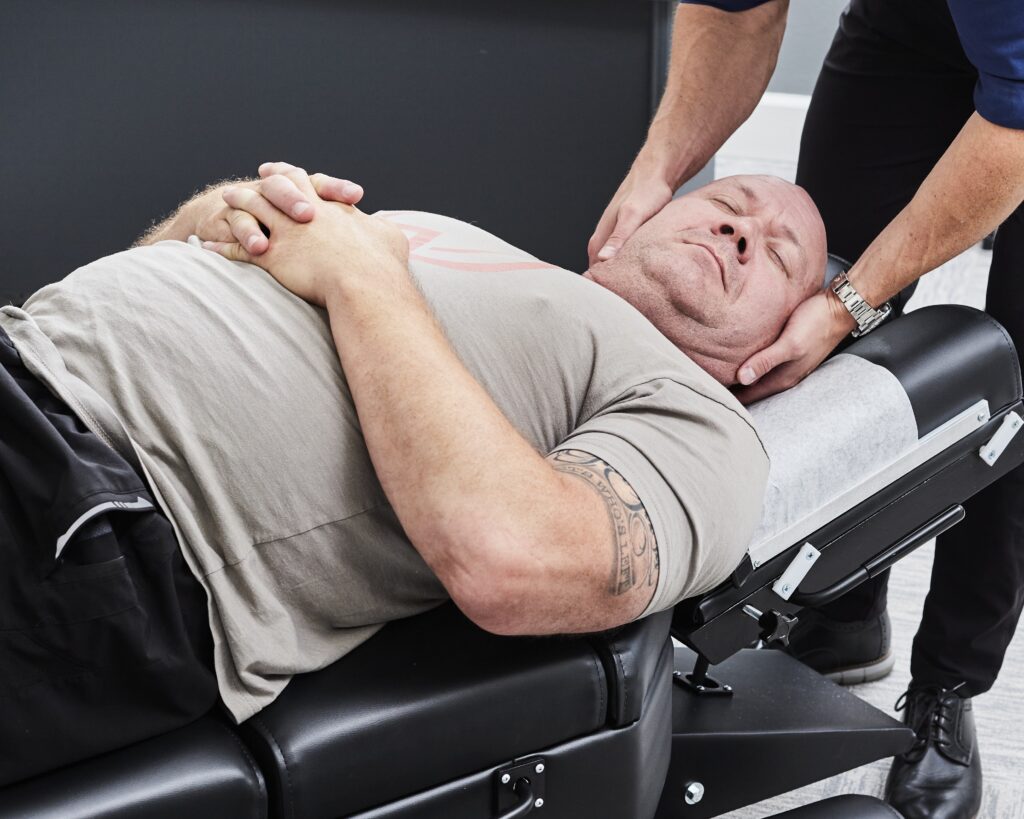
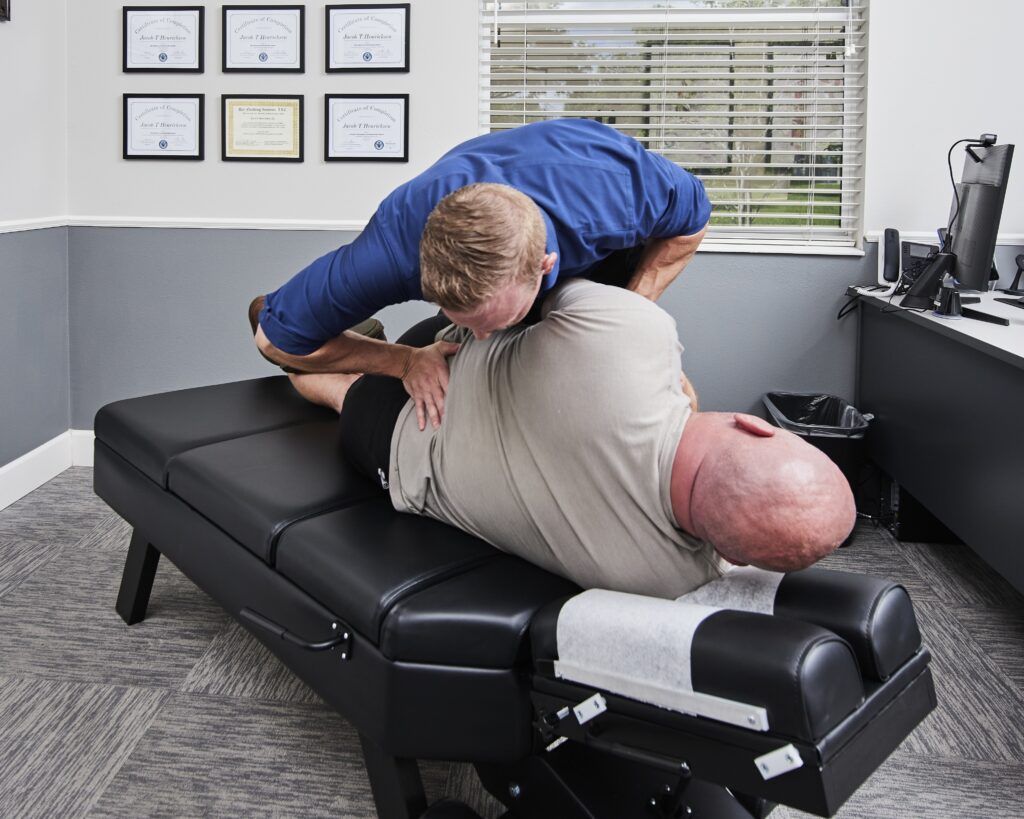
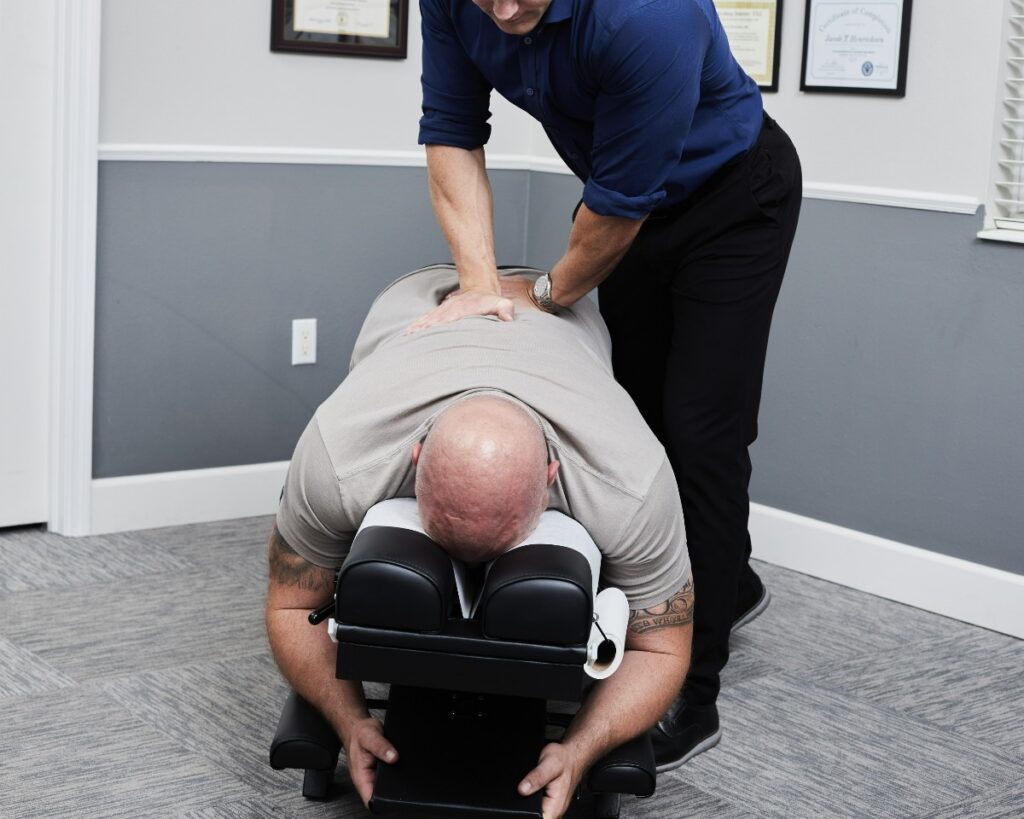
For centuries, people have sought chiropractic care not just for relief from physical pain but also for its potential benefits on emotional well-being. When you visit a chiropractor, you're often looking for more than just a way to ease discomfort; you may be hoping to alleviate stress and anxiety as well.
The adjustments made during your sessions can help restore balance to your body, which in turn can positively impact your emotional state. Research suggests that spinal adjustments can influence the nervous system, helping to regulate stress hormones and promote a sense of calm.
When your spine is aligned, your body may respond better to stressors, allowing you to feel more centered and less anxious. You're not just addressing physical symptoms; you're also nurturing your mental health.
Additionally, chiropractic care encourages a holistic approach to well-being. Your chiropractor might recommend lifestyle changes, exercises, or relaxation techniques that can further enhance your emotional health.
These recommendations not only support your adjustments but also empower you to take an active role in managing your stress and anxiety.
Benefits of Massage Therapy
Massage therapy offers you effective stress reduction techniques that can help calm your mind and body.
It's also a powerful tool for enhanced muscle recovery, allowing you to bounce back quicker from physical exertion.
Stress Reduction Techniques
Discovering effective stress reduction techniques can greatly enhance your overall well-being, and one of the most beneficial options is massage therapy. When you incorporate massage into your routine, you're not just indulging in a luxury; you're actively reducing stress and promoting relaxation.
The physical touch of a skilled therapist can help to lower cortisol levels, the hormone associated with stress, while boosting serotonin and dopamine, which improve your mood.
As you receive a massage, you'll likely experience a decrease in muscle tension and pain, allowing your body to relax more deeply. This relaxation response can lead to improved sleep quality, making it easier to cope with daily stressors.
Plus, the calming atmosphere of a massage environment can further enhance your sense of peace and tranquility.
You'll also find that regular massage therapy can help you develop a greater awareness of your body, enabling you to recognize and manage stress before it escalates.
By prioritizing this practice, you're taking meaningful steps towards achieving a calmer, more balanced state of mind.
Enhanced Muscle Recovery
After an intense workout or physical activity, your muscles can feel sore and fatigued. This discomfort can hinder your performance and motivation, making recovery essential. That's where massage therapy comes in. By promoting blood circulation, massage helps deliver oxygen and nutrients to your tired muscles, speeding up the recovery process.
When you receive a massage, your body releases endorphins, which are natural painkillers. This not only alleviates soreness but also enhances your overall mood, helping to combat post-exercise anxiety.
You'll find that regular massages can decrease muscle tension and improve flexibility, enabling you to perform at your best.
Additionally, massage therapy can reduce muscle inflammation, which is vital for faster recovery. It encourages the removal of metabolic waste, allowing your muscles to heal more effectively.
Other Bodywork Techniques
Exploring other bodywork techniques can greatly enhance your overall well-being, especially when addressing anxiety. While adjustments are beneficial, integrating additional methods can provide a more thorough approach to relaxation and stress relief.
Here are four techniques you might consider:
- Massage Therapy: This technique uses various strokes and pressure to relieve muscle tension and promote relaxation. Regular massages can notably lower anxiety levels and improve your mood.
- Acupuncture: By inserting thin needles into specific points on your body, acupuncture aims to restore balance and energy flow. Many people report feeling calmer and more centered after treatment.
- Yoga: Combining physical postures, breath control, and meditation, yoga can be a powerful tool for anxiety management. It encourages mindfulness, helping you stay present and reduce stress.
- Meditation: Practicing meditation allows you to focus your mind and eliminate distractions, leading to a state of deep relaxation. This technique can be particularly effective for calming racing thoughts and anxiety.
Incorporating these bodywork techniques into your routine doesn't just enhance your physical health; it also nurtures your mental well-being.
The Science Behind Calming Effects
Understanding the calming effects of bodywork techniques involves looking at the science behind how these practices influence our bodies and minds. When you receive an adjustment or engage in bodywork, your nervous system responds by activating the parasympathetic nervous system, which promotes relaxation. This shift reduces stress hormones like cortisol and increases the production of neurotransmitters such as serotonin and dopamine, creating a sense of well-being.
Moreover, bodywork techniques often involve deep pressure and stretching, both of which stimulate proprioceptors in your muscles and joints. These receptors send signals to your brain, encouraging your body to release tension and stress. As you breathe deeply during a session, you're also enhancing oxygen flow, which can further calm your mind and body.
Research indicates that regular bodywork can lead to significant reductions in anxiety levels. These techniques not only help to alleviate physical discomfort but also serve as a meditative practice, allowing you to focus inwardly and connect with your body.
When you're more in tune with your physical state, you're better equipped to manage stress and anxiety.
In essence, the science behind the calming effects of bodywork lies in its ability to shift your nervous system, release muscle tension, and promote mindfulness. Each session can serve as a powerful tool for maintaining mental clarity and emotional stability, making it an essential practice for anyone looking to manage anxiety effectively.
Integrating Adjustments Into Daily Life
Integrating adjustments into your daily life can greatly enhance your overall well-being. By making small, intentional changes, you can reduce anxiety and create a more peaceful environment.
Here are four practical ways to start incorporating adjustments into your routine:
- Mindful Breathing: Set aside a few minutes each day to practice mindful breathing. Focus on your breath, inhaling deeply and exhaling slowly. This simple technique can help ground you and alleviate stress.
- Routine Check-Ins: Schedule brief check-ins with yourself throughout the day. Ask how you're feeling and if any adjustments are needed. This practice allows you to stay attuned to your emotional state and make necessary changes before anxiety escalates.
- Gratitude Journaling: Dedicate a few minutes each evening to jot down things you're grateful for. This habit shifts your focus from stressors to positive aspects of your life, promoting a calmer mindset.
- Physical Activity: Incorporate movement into your daily routine, whether it's a brisk walk, yoga, or dancing to your favorite music. Physical activity releases endorphins, which can help counteract feelings of anxiety.
Personal Stories of Transformation
Through personal experiences, many individuals have discovered the profound impact of making small adjustments in their lives. You mightn't realize that a few simple changes can lead to considerable transformations in your mental well-being.
Take Sarah, for instance. Overwhelmed by anxiety, she decided to incorporate a short morning routine of stretching and deep breathing. Within weeks, she noticed a remarkable reduction in her stress levels. This small adjustment helped her start the day with a clearer mind.
Then there's Mark, who struggled with balancing work and personal life. He began setting boundaries by designating "no work" hours in his schedule. This simple change allowed him to focus on hobbies he loved, and he felt more fulfilled and less anxious.
By making these adjustments, both Sarah and Mark reclaimed their mental peace and found joy in everyday moments.
You may also find inspiration in Lisa's journey. After feeling constantly fatigued and anxious, she committed to a regular sleep schedule. Sticking to consistent bedtime and wake-up times transformed her energy levels and greatly alleviated her anxiety.
These personal stories highlight that transformation doesn't require massive life overhauls. Instead, it's about recognizing what small adjustments can work for you.
Conclusion
Gaining access to calm is all about recognizing how physical adjustments can greatly reduce anxiety. By integrating chiropractic care, massage therapy, and mindful techniques into your daily routine, you can foster a deeper connection between your body and mind. Embracing these practices not only alleviates tension but also promotes emotional well-being. As you prioritize your physical health, you'll likely experience a more balanced and peaceful state of being, transforming your approach to managing stress and anxiety.