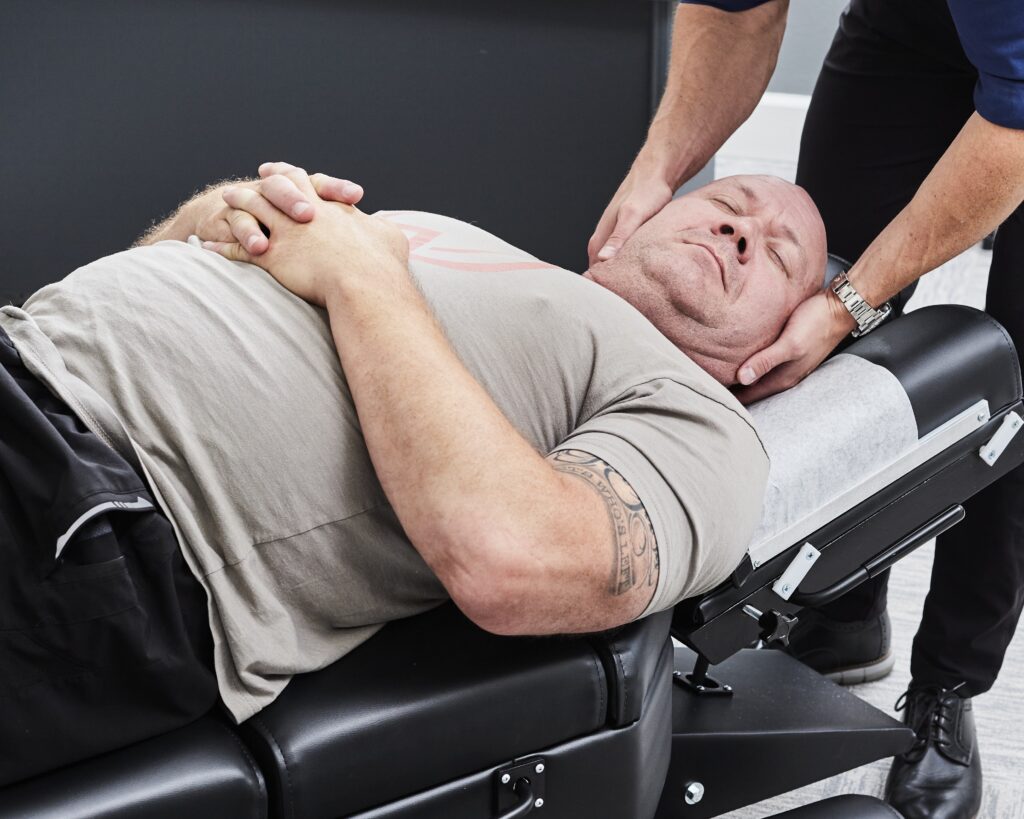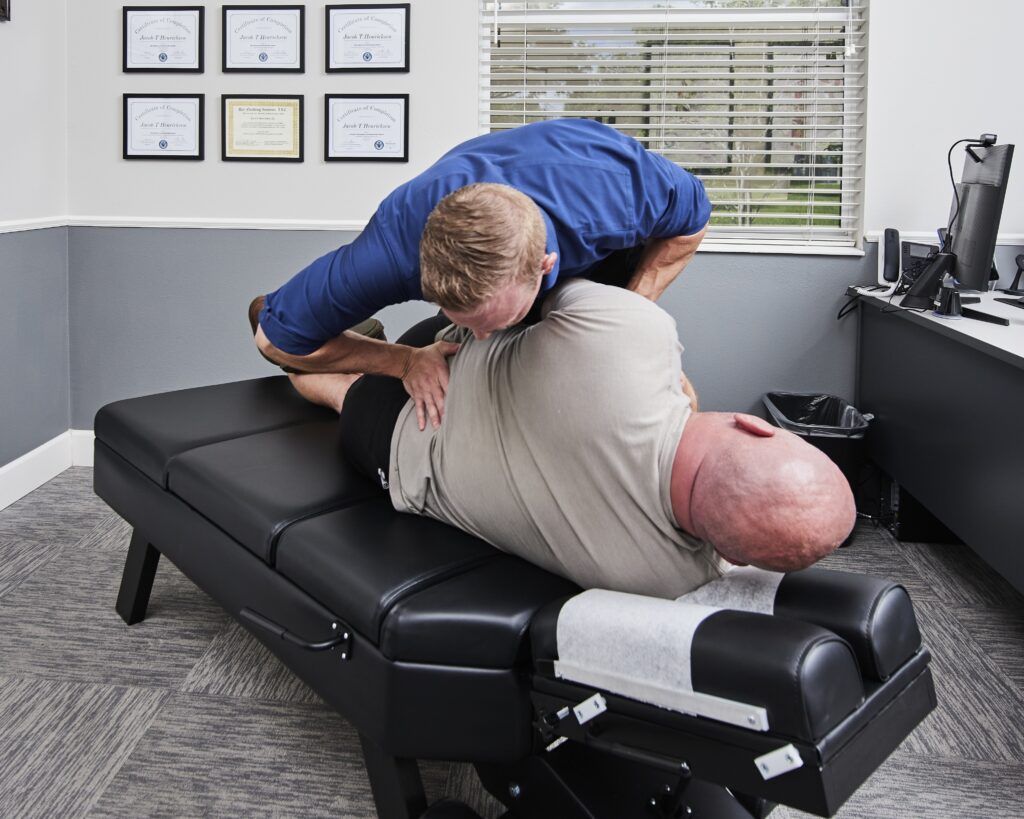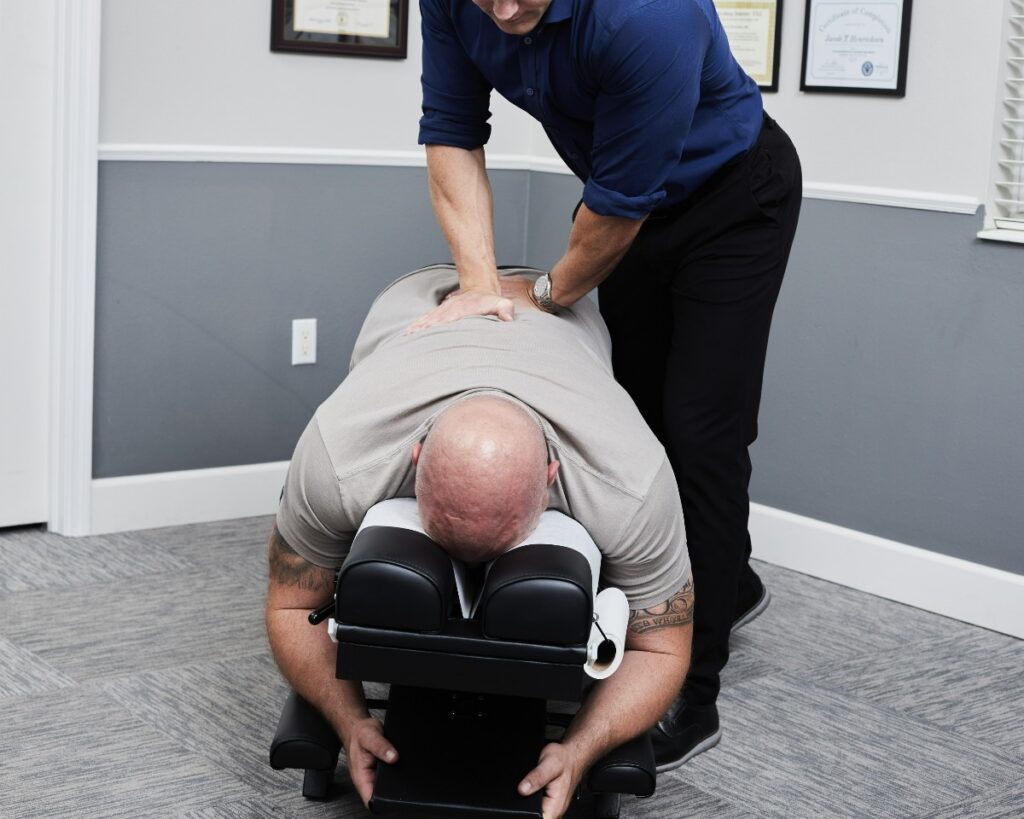

You might not realize how routine care can greatly enhance your mobility and overall well-being. Regular check-ups can help catch minor issues before they turn into major problems, allowing you to maintain an active lifestyle. With tailored care that considers your unique health history, you can make informed decisions that support your physical health. This preventative approach doesn't just keep you mobile; it can also foster a deeper trust with your healthcare providers. But what specific steps can you take to truly access this potential?
Importance of Routine Care
Recognizing the importance of routine care can greatly impact your mobility and overall well-being. When you prioritize routine care, you're not just addressing minor issues; you're actively preventing them from escalating into more significant problems. You may not realize it, but regular check-ins with healthcare professionals can help identify potential mobility challenges before they become serious.
Routine care involves an extensive approach to your health, including physical assessments, screenings, and tailored advice. It encourages you to maintain a healthy lifestyle and fosters better habits that support your mobility. By sticking to a routine, you can track changes in your body and make informed decisions about your health.
Moreover, routine care provides you with the opportunity to discuss any concerns you might've about your mobility. Whether it's discomfort, stiffness, or balance issues, addressing these problems early can lead to effective solutions. You'll gain insights into exercises or therapies that can improve your strength and flexibility, allowing you to stay active and engaged in your daily life.
In addition, having a consistent healthcare routine builds a trusting relationship with your healthcare provider. This connection can motivate you to stay committed to your health goals.
Ultimately, routine care empowers you to take control of your mobility, ensuring you're not just living but thriving. By making routine care a priority, you're investing in a more active and fulfilling future.
Benefits of Regular Check-Ups
Regular check-ups play an essential role in catching potential health issues early, which can save you time, money, and stress down the line.
By staying proactive, you're not just addressing problems as they arise; you're also boosting your overall health and well-being.
Prioritizing these visits helps guarantee you maintain your mobility and quality of life.
Early Detection of Issues
Routine check-ups often uncover potential health issues before they become serious. By making regular visits to your healthcare provider, you allow for early detection of conditions that might otherwise go unnoticed. This proactive approach can be a game-changer in maintaining your mobility and overall functionality.
When you prioritize these check-ups, you're more likely to catch problems such as joint pain, muscle weakness, or early signs of chronic conditions. Addressing these issues promptly can prevent them from escalating into more significant concerns that could limit your mobility.
For instance, catching arthritis in its early stages means you can start treatment sooner, potentially delaying progression and preserving your physical capabilities.
Moreover, routine check-ups foster a trusting relationship with your healthcare provider. They learn about your unique health history and can tailor their recommendations to suit your needs.
This personalized attention not only enhances your understanding of your health but also empowers you to make informed decisions.
Improved Overall Health
Taking charge of your health through consistent check-ups not only aids in early detection but also greatly boosts your overall well-being.
Regular visits to your healthcare provider allow you to stay informed about your health status and make proactive changes. This routine care leads to enhanced physical and mental fitness, ensuring you're at your best.
Here are some key benefits of regular check-ups:
- Preventive Measures: Identify risk factors early, allowing you to take action before they become serious issues.
- Personalized Guidance: Get tailored advice on diet, exercise, and lifestyle changes that fit your unique health profile.
- Health Monitoring: Keep track of chronic conditions, ensuring they're managed effectively and don't escalate.
- Mental Health Support: Regular check-ups can help detect signs of anxiety or depression, promoting overall mental wellness.
Preventative Measures for Mobility
To maintain your mobility, it's crucial to focus on preventative measures that make a real difference.
Regular exercise, proper nutrition, and stretching techniques can greatly enhance your physical well-being.
Regular Exercise Benefits
Regular exercise offers a multitude of benefits that can greatly enhance your mobility as you age. By incorporating physical activity into your routine, you not only strengthen your muscles and joints but also improve your overall health.
Regular movement helps maintain flexibility, balance, and coordination, which are vital for preventing falls and injuries.
Here are some key benefits of regular exercise for your mobility:
- Increased strength: Building muscle helps support your joints, making everyday movements easier.
- Enhanced flexibility: Stretching and dynamic movements keep your muscles limber, allowing for a greater range of motion.
- Improved balance: Activities like yoga or tai chi enhance your stability and coordination, reducing the risk of falls.
- Boosted endurance: Cardio exercises increase your stamina, making it easier to engage in daily activities without fatigue.
Incorporating a mix of strength training, flexibility exercises, and aerobic activities into your weekly routine can be a game-changer.
Remember, even small amounts of activity can add up to significant improvements in your mobility and quality of life.
Proper Nutrition Choices
A well-balanced diet plays an important role in maintaining mobility as you age. The foods you choose directly impact your strength, flexibility, and overall joint health. Make sure your diet includes plenty of fruits and vegetables, which provide essential vitamins and minerals that support muscle function and reduce inflammation.
Lean proteins, like chicken, fish, and legumes, are fundamental for building and repairing tissues, helping you stay strong and agile. Don't forget about healthy fats, such as those found in avocados, nuts, and olive oil. These can help lubricate your joints and improve mobility.
Staying hydrated is equally important; drink enough water throughout the day to keep your joints functioning properly and to prevent stiffness. Limit processed foods, sugars, and excessive salt, as they can contribute to inflammation and weight gain, putting extra strain on your joints.
Instead, focus on whole, nutrient-dense foods that fuel your body and support your active lifestyle. By making these proper nutrition choices, you'll enhance your mobility and maintain your independence as you age. Remember, what you eat today affects your strength and agility tomorrow!
Stretching and Flexibility Techniques
How can you guarantee your joints stay flexible and your muscles remain limber? Incorporating regular stretching and flexibility techniques into your routine is essential.
These practices not only enhance your mobility but also reduce the risk of injuries. Here are some effective techniques you can easily integrate into your daily life:
- Dynamic Stretching: Incorporate movements that mimic your activities, like leg swings or arm circles, to warm up your muscles.
- Static Stretching: Hold stretches for 15-30 seconds post-workout to lengthen your muscles and improve flexibility.
- Foam Rolling: Use a foam roller to release muscle tension, improve blood flow, and enhance your range of motion.
- Yoga or Pilates: Engage in these practices regularly to promote flexibility, balance, and overall body awareness.
Role of Physical Activity
Physical activity plays an essential role in enhancing your mobility and overall well-being. Engaging in regular movement helps strengthen your muscles and improve flexibility, making daily tasks easier and reducing the risk of injury. When you keep your body active, you boost blood circulation, which nourishes your joints and tissues, promoting better function.
You don't need to commit to intense workouts every day. Simple activities like walking, swimming, or cycling can greatly improve your mobility. Aim for at least 150 minutes of moderate aerobic exercise each week, as recommended by health experts. These activities help maintain a healthy weight, reducing stress on your joints and allowing for smoother movement.
Incorporating strength training into your routine is equally important. Lifting weights or doing bodyweight exercises like squats and lunges not only builds muscle but also enhances joint stability. This stability is vital for preventing falls and maintaining your independence as you age.
Don't underestimate the power of balance and coordination exercises, either. Practices like yoga or tai chi can improve your posture, enhance flexibility, and reduce the risk of falls. They also promote mindfulness, helping you stay connected to your body during movement.
Ultimately, finding activities that you enjoy will make it easier to stay consistent. The more you move, the more you'll notice improvements in your mobility and quality of life.
Nutrition for Joint Health
Since your joints play an essential role in mobility, nourishing them through proper nutrition is fundamental for maintaining their health and function. A balanced diet rich in anti-inflammatory foods can help reduce joint pain and stiffness, allowing you to move more freely.
Here are some key nutrients that you should focus on:
- Omega-3 Fatty Acids: Found in fatty fish like salmon and walnuts, these healthy fats can help reduce inflammation in the joints.
- Antioxidants: Foods rich in antioxidants, such as berries, spinach, and green tea, can combat oxidative stress and support joint health.
- Vitamin D and Calcium: These nutrients work together to strengthen bones and support joint function. You can find them in dairy products, leafy greens, and fortified foods.
- Collagen: This protein is critical for maintaining cartilage health. Bone broth or collagen supplements can be beneficial.
Incorporating these foods into your daily meals can make a significant difference. Aim for a colorful plate filled with fruits and vegetables, lean proteins, and healthy fats.
Staying hydrated is also essential, as water helps lubricate your joints. By making these nutritional choices, you're not just fueling your body; you're actively supporting your joints and enhancing your overall mobility.
Stretching and Flexibility Exercises
Incorporating stretching and flexibility exercises into your routine can greatly enhance your mobility and prevent injuries. These exercises help to elongate your muscles, improve range of motion, and promote better circulation. When you commit to a regular stretching regimen, you'll find everyday activities become easier and more enjoyable.
Start by targeting major muscle groups, such as those in your legs, back, and shoulders. Try simple stretches like hamstring stretches, seated forward bends, and arm crossovers. Hold each stretch for at least 15 to 30 seconds, and remember to breathe deeply. This isn't just about flexibility; it's about relaxing your mind and body.
Dynamic stretching is another excellent option, especially before workouts. These movements, like leg swings and arm circles, warm up your muscles and prepare them for more strenuous activity. Incorporating both static and dynamic stretches into your routine can maximize your benefits.
Aim to stretch at least three times a week, if not daily. This consistency helps maintain and improve your flexibility over time. Listen to your body; if a stretch feels painful, ease up. You should feel a gentle pull, not discomfort.
Finally, consider yoga or Pilates classes for a structured approach that emphasizes flexibility and balance. These practices can be an enjoyable way to integrate stretching into your life while also offering additional benefits for your overall well-being.
Managing Chronic Conditions
When managing chronic conditions, consistent monitoring is essential to staying on track with your health goals.
You'll find that effective medication management strategies can greatly improve your quality of life.
Let's explore how these practices can help you maintain greater mobility and overall well-being.
Importance of Consistent Monitoring
Consistent monitoring is a cornerstone for effectively managing chronic conditions. By keeping a close eye on your health, you can identify changes early and take action before they escalate. This proactive approach empowers you to maintain better control over your condition, leading to improved overall health and enhanced mobility.
Here are some key benefits of consistent monitoring:
- Early Detection: Spot potential issues before they become serious, allowing for timely intervention.
- Customized Care: Tailor your treatment plan based on real-time data, ensuring it meets your specific needs.
- Informed Decisions: Make educated choices regarding your health by understanding how your condition evolves over time.
- Enhanced Communication: Share up-to-date information with your healthcare provider, fostering a collaborative relationship focused on your well-being.
Taking the time for regular check-ins—whether through self-assessments, wearables, or scheduled appointments—can meaningfully impact your quality of life.
With consistent monitoring, you're not just managing your chronic condition; you're actively participating in your health journey, revealing greater mobility and a more fulfilling life.
Medication Management Strategies
Effective medication management is vital for successfully managing chronic conditions. To guarantee you're taking the right medications at the right times, create a medication schedule that fits seamlessly into your daily routine.
Use pill organizers or mobile apps to keep track of your doses. This simple step can prevent missed doses and help you stay on top of your treatment plan.
It's also important to communicate regularly with your healthcare provider. Discuss any side effects or concerns you have about your medications. They can adjust your treatment if necessary, making sure you get the most benefit from your regimen.
Additionally, always keep a current list of your medications, including over-the-counter drugs and supplements, to share during appointments.
Don't forget to review your medications periodically. As your health changes, some medications may no longer be appropriate.
Finally, involve family members in your medication management. They can provide reminders and support, making it easier for you to stay compliant.
Mental Health and Mobility
Mental health plays an essential role in how freely you move through life, both physically and emotionally. When you feel mentally well, you're more likely to engage in activities that enhance your mobility. On the flip side, poor mental health can lead to decreased motivation, which may limit your physical activity and overall mobility.
Consider how your mental state influences your daily life:
- Increased Motivation: When you're feeling good mentally, you're more likely to take that walk or hit the gym.
- Better Focus: A clear mind helps you concentrate on your movements, reducing the risk of accidents or injuries.
- Enhanced Mood: Positive mental health boosts your mood, making you more inclined to participate in social activities that often involve physical movement.
- Resilience Against Pain: Strong mental health can act as a buffer against chronic pain, allowing you to engage more actively in physical endeavors.
Recognizing the connection between your mental well-being and your mobility is vital. If you're feeling down or anxious, it can be challenging to stay active. Acknowledging these feelings is the first step toward improving both your mental health and physical mobility.
You might find that incorporating mental health practices, like mindfulness or therapy, can pave the way for a more active and fulfilling life. So, take a moment to check in with yourself—your mental health is just as important as your physical health when it comes to enjoying greater mobility.
Customized Care Plans
To achieve greater mobility, customized care plans are vital for addressing your unique needs and goals. These plans take into account your current physical condition, medical history, and personal preferences, guaranteeing that you receive tailored support that works for you. By collaborating with healthcare professionals, you can develop a plan that includes targeted exercises, nutritional guidance, and other interventions specifically designed to enhance your mobility.
Start by evaluating your current abilities and identifying any limitations. This may involve consultations with physical therapists, occupational therapists, or fitness trainers who specialize in mobility enhancement. Once you understand your starting point, you can set realistic, achievable goals that motivate you to progress.
Incorporating diverse activities into your routine is essential. Customized care plans often include a mix of strength training, flexibility exercises, and aerobic activities suited to your preferences. This not only keeps your routine engaging but also addresses different aspects of mobility, such as balance and coordination.
Regularly reviewing and adjusting your care plan is key. Your needs may evolve as you progress or encounter new challenges. Staying in touch with your healthcare team guarantees that your plan remains effective and relevant. They can recommend modifications or new strategies that align with your evolving goals.
Ultimately, a customized care plan empowers you to take control of your mobility journey. By focusing on your unique situation, you can enhance your physical abilities, improve your quality of life, and free the ability to move with confidence.
Staying Motivated and Active
Staying motivated and active is essential for maintaining your mobility progress and overall well-being. When you keep moving, you not only strengthen your muscles and joints but also enhance your mood and energy levels.
Here are some strategies to help you stay on track:
- Set achievable goals: Break your larger mobility goals into smaller, manageable tasks. Celebrate your accomplishments, no matter how small they seem.
- Find an activity you enjoy: Whether it's dancing, swimming, or walking in nature, engaging in activities you love makes it easier to stay consistent.
- Establish a routine: Create a schedule that includes regular exercise, and treat it like an important appointment. Consistency is key to making progress.
- Connect with others: Join a class or find a workout buddy. Sharing your journey with others not only boosts motivation but also keeps you accountable.
Stay positive and remind yourself of the benefits that come from staying active. Regularly reassess your goals and adjust them as needed to keep things fresh and exciting.
You might also want to mix up your routine occasionally to prevent boredom. Remember, every step you take, no matter how small, contributes to your mobility journey.
Keep pushing forward, and don't hesitate to seek support when you need it. Your commitment to staying active will pay off in improved mobility and a better quality of life.
Conclusion
Routine care is essential for gaining greater mobility and enhancing your overall quality of life. By prioritizing regular check-ups and adopting proactive health measures, you can prevent minor issues from becoming major concerns. Remember, staying active, eating well for joint health, and managing chronic conditions all play an important role in your mobility. With a customized care plan and a commitment to your well-being, you can enjoy a more active, fulfilling life. Don't wait—start today!