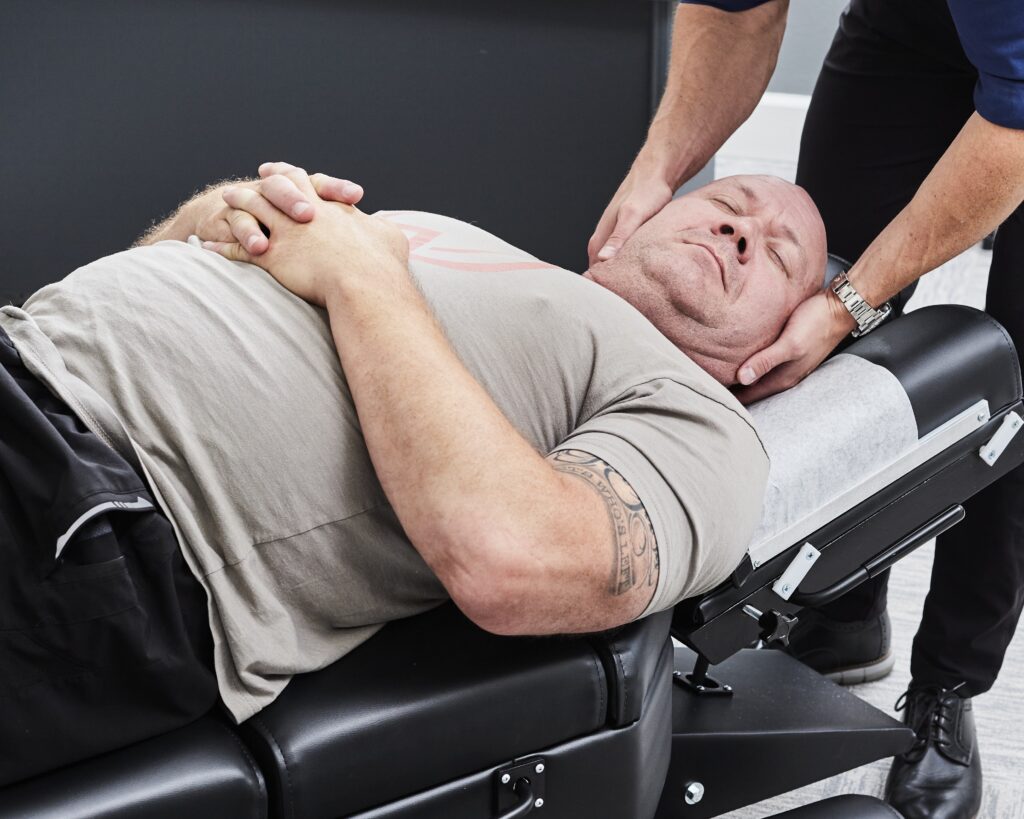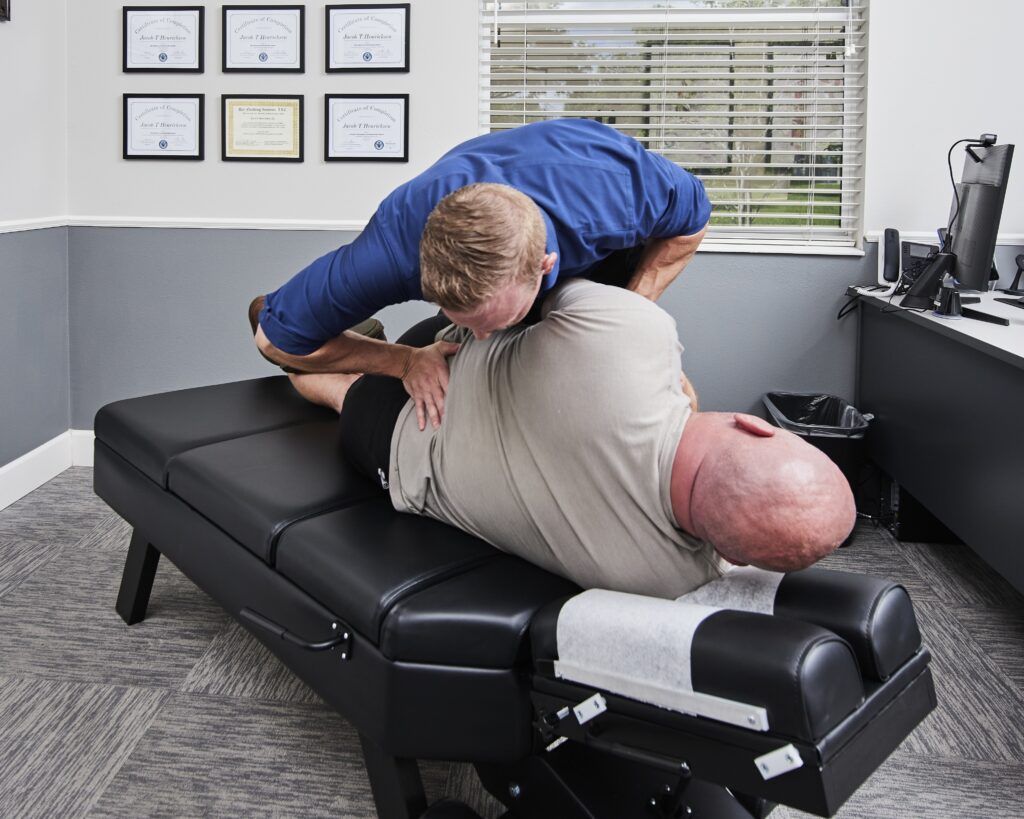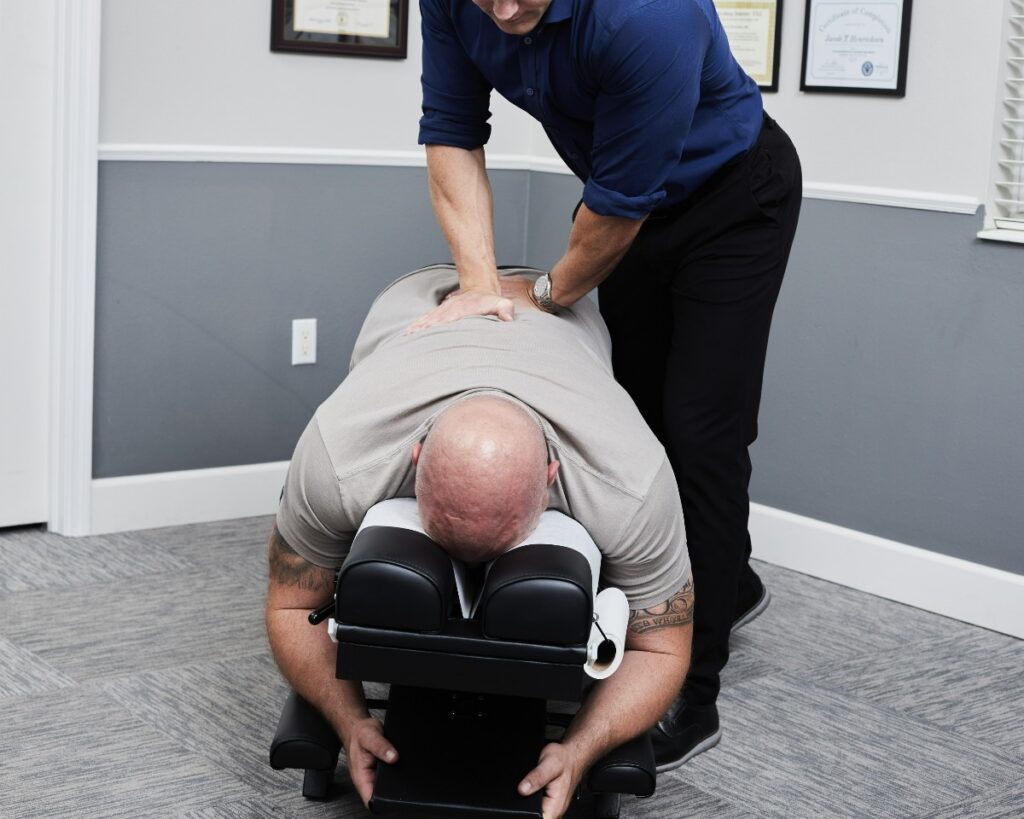

If you're experiencing upper back pain, know that you're not alone, and it's important to understand the underlying causes to find relief. Many people suffer from this discomfort due to factors like poor posture or muscle strain, and recognizing these issues can significantly aid in your recovery journey.
As a chiropractor, I often see patients benefit from simple stretches and strengthening exercises tailored to their needs. However, the path to relief goes beyond just physical techniques. It's essential to look at your daily habits and how they may contribute to your discomfort. Implementing ergonomic practices in your workspace and daily activities can be crucial for achieving long-term relief.
If you're curious about the best strategies you can start using today to alleviate your upper back pain, I'm here to guide you. Together, we can explore a holistic approach that encompasses chiropractic care, natural healing methods, and lifestyle adjustments to help you feel your best.
Understanding Upper Back Pain
As a local chiropractor, I want to help you understand upper back pain and how it can affect your daily life. This type of pain can arise from several sources, including poor posture, muscle strain, or even the stress we carry in our bodies. It's crucial to grasp the nature of your pain to find effective relief and support your overall well-being.
The upper back, or thoracic spine, consists of twelve vertebrae that not only support your neck and head but also allow for movement like twisting and bending. While it's designed for stability, pushing it beyond its limits can lead to discomfort.
You might notice that the intensity and type of your pain can vary depending on your activities. For example, if you spend long hours sitting at a desk, you may feel stiffness develop. Conversely, lifting heavy objects without proper technique can lead to sharp, acute pain. Additionally, stress can manifest physically, causing tightness in the muscles of your upper back, which contributes to tension and discomfort. By identifying these triggers, you can take proactive measures toward finding relief.
Your everyday habits significantly impact your upper back health as well. Many people unknowingly adopt poor posture, such as slouching while using their phones or hunching over their computers. These habits can lead to chronic pain over time. Simple changes, like positioning your screen at eye level or scheduling regular breaks to stretch, can help alleviate discomfort.
I also want to emphasize the importance of listening to your body. If you experience persistent pain that interferes with your daily activities, seeking guidance from a healthcare professional, like a chiropractor, can be beneficial.
We can work together to identify the underlying issues contributing to your pain. Understanding your upper back pain is the first step toward achieving the relief and healing you deserve through natural methods.
Common Causes of Discomfort
As a local chiropractor, I often see patients struggling with upper back discomfort, and I want to help you understand some common causes that might be affecting your well-being. One of the primary culprits is poor posture, which many of us develop from long hours at desks or hunching over our devices. When your shoulders round forward and your head juts out, it creates excess strain on the muscles and ligaments in your upper back, leading to discomfort.
Another frequent cause of upper back pain is muscle strain. This can occur when lifting heavy objects without using proper techniques or when performing repetitive movements that overwork certain muscle groups. For example, if you've spent a weekend doing yard work or rearranging furniture, you might notice some soreness in your upper back afterward.
Additionally, stress and tension can significantly contribute to upper back pain. When you're feeling stressed, your body tends to tighten up, particularly in the neck and upper back areas. This can result in discomfort that sticks around, especially if you don't take steps to manage your stress effectively.
Inadequate exercise is another factor that can lead to discomfort. A sedentary lifestyle may weaken the muscles that support your spine, making it easier for strains and pains to develop. Conversely, engaging in too much physical activity without proper conditioning can result in overuse injuries.
It's also important to consider that underlying medical conditions, such as arthritis or herniated discs, may be contributing to your pain. If you find that your discomfort persists or worsens, I encourage you to consult with a healthcare professional for a thorough evaluation and an appropriate treatment plan.
At our chiropractic practice, we focus on natural healing methods to help restore balance and function to your body. By understanding these common causes of upper back discomfort, we can work together to develop a personalized plan that addresses your specific needs and promotes overall wellness.
Effective Stretching Techniques
As your local chiropractor, I want to share some valuable stretching techniques that can help alleviate upper back pain and improve your overall well-being. Many individuals are unaware of the significant benefits that stretching can have on muscle tension and flexibility. Incorporating these simple stretches into your daily routine can make a noticeable difference in managing discomfort.
Let's start with the Cat-Cow Stretch. This is a great way to mobilize your spine. Begin on all fours, ensuring your wrists are directly beneath your shoulders and your knees are aligned under your hips. Inhale deeply as you arch your back, allowing your belly to drop while lifting your head and tailbone (this is the Cow position). Then, exhale as you round your back, tucking your chin into your chest (the Cat position). Aim to repeat this sequence for 5-10 cycles to gently loosen up your spine.
Another excellent stretch to incorporate is the Thread the Needle Stretch. For this one, lie on your back and cross your right ankle over your left knee. Reach through your legs to grasp the back of your left thigh and gently pull it toward your chest. Hold this position for 20-30 seconds before switching sides. This stretch effectively targets your upper back and shoulders, providing much-needed relief.
You should also consider the Seated Forward Bend. Sit with your legs extended straight out in front of you. Inhale while raising your arms overhead, then hinge at your hips as you exhale, reaching for your toes. Hold this stretch for 20-30 seconds. This movement not only stretches your spine but also benefits your hamstrings, which can influence upper back tension.
Lastly, I encourage you to try the Wall Angels. Stand with your back against a wall and raise your arms to form a "goalpost" shape. Keep your back flat against the wall as you slide your arms up and down. Repeat this motion 10-15 times. This exercise is fantastic for improving mobility in your upper back.
Strengthening Exercises for Relief
As a chiropractor, I understand how vital it's to maintain a strong and healthy upper back, not only for pain relief but also for improving your posture. Many of my patients come to me seeking relief from discomfort, and I often recommend incorporating specific strengthening exercises into their daily routines. These exercises can target the muscles in your upper back and lay the groundwork for better alignment and reduced tension.
One effective exercise I suggest is the bent-over row. To perform this, take a pair of dumbbells, bend your knees slightly, and hinge at your hips while keeping your back straight. As you pull the weights towards your waist, focus on squeezing your shoulder blades together. I typically recommend aiming for 3 sets of 10-15 repetitions. This movement effectively engages your latissimus dorsi and rhomboid muscles, contributing to enhanced strength and stability in your upper back.
Another valuable exercise is the wall angel. Stand with your back against a wall, ensuring your feet are positioned slightly away from it. Raise your arms to create a "W" shape, ensuring that both your elbows and wrists are in contact with the wall. Slowly slide your arms upward to form a "Y," then bring them back down. I recommend performing 2-3 sets of 10 repetitions. This exercise not only improves shoulder mobility but also strengthens the upper back muscles, which are crucial for maintaining proper alignment.
Don't overlook the superman exercise, either. Lie face down on the ground with your arms extended in front of you. While engaging your back muscles, lift your arms, chest, and legs off the floor simultaneously. Hold this position for a few seconds before gently lowering back down. I suggest aiming for 3 sets of 8-12 repetitions for optimal results.
By incorporating these strengthening exercises into your weekly regimen, you can experience significant improvements in your upper back health. This proactive approach can make daily activities much more comfortable and may even complement the chiropractic care you receive.
Ergonomic Tips for Daily Living
As a chiropractor, I often see patients struggling with upper back pain, and while incorporating strengthening exercises into your routine is beneficial, it's also crucial to evaluate your daily habits and environment.
Ergonomics—the study of how our workspaces and daily activities affect our bodies—plays a vital role in your overall comfort and health. Here are some practical tips that can help you create a more supportive environment and alleviate discomfort.
First, let's talk about your sitting posture. Ensure that your chair provides adequate support for your lower back. Adjust your chair so that your feet rest flat on the floor and your knees form a right angle. If you spend long hours at a desk, consider a chair with armrests to help reduce strain on your shoulders.
It's also important to position your computer monitor at eye level to prevent straining your neck, and keep your keyboard close enough to minimize reaching.
When lifting objects, remember to bend at your knees instead of your waist. This technique helps distribute the weight more evenly, protecting your back from unnecessary strain. If you frequently carry a heavy bag, try switching sides often to avoid creating muscle imbalances.
During everyday tasks like washing dishes or cooking, focus on maintaining a neutral spine. Stand tall with your shoulders back, and don't hesitate to take breaks to stretch if you find yourself in one position for too long.
Lastly, let's not overlook the importance of sleep. A supportive mattress and a pillow that helps keep your neck aligned can significantly improve your upper back health.
Lifestyle Changes for Prevention
As a local chiropractor, I want to share with you some valuable lifestyle changes that can significantly decrease your risk of developing upper back pain. One of the most effective steps you can take is to incorporate regular physical activity into your daily routine. Aim for at least 30 minutes of moderate exercise on most days. Activities like walking, swimming, or participating in yoga are excellent choices, as they help to strengthen your back muscles and improve your flexibility. This can lead to noticeable improvements in how you feel.
It's also essential to pay attention to your posture throughout the day, not just when you're at your desk. When standing or sitting, be mindful to keep your shoulders back and your spine properly aligned. If you find yourself sitting at a computer for long periods, make sure to take frequent breaks to stretch and move around. This simple practice can help alleviate the tension that builds up in your upper back.
Let's not forget about your sleep environment, which plays a crucial role in your overall comfort and health. A supportive mattress and pillows that align with the natural curve of your neck can greatly improve your sleep quality. When you get quality rest, your body is better equipped to recover and heal.
Nutrition is another key factor in maintaining your health. Focusing on a balanced diet rich in anti-inflammatory foods—such as fruits, vegetables, whole grains, and healthy fats—can help reduce pain and inflammation. Additionally, staying hydrated supports muscle function and overall wellness.
Finally, managing stress effectively is vital. High levels of stress can lead to muscle tension in your back, so consider incorporating mindfulness techniques, meditation, or deep breathing exercises into your routine.
Conclusion
As a local chiropractor, I want to emphasize that addressing upper back pain is about taking a proactive stance towards your health. Many people may not fully understand how chiropractic care can aid in alleviating this discomfort. First, it's important to recognize the various causes of upper back pain, which can range from poor posture to muscle imbalances.
Incorporating effective stretches and strengthening exercises into your daily routine is essential. These movements not only improve flexibility but also help build the muscles that support your spine. Additionally, I encourage you to adopt ergonomic practices, especially if you spend long hours sitting at a desk or using electronic devices.
Quality sleep and stress management are also crucial components of maintaining a healthy back. Ensuring you get adequate rest and learning to manage stress can significantly impact your overall well-being.
Making these lifestyle changes a priority can set you on the path to a healthier, pain-free back. However, if your discomfort persists, I recommend consulting with a healthcare professional, such as a chiropractor, who can offer tailored solutions that align with natural healing principles. Remember, your journey to relief can start with understanding and caring for your body.