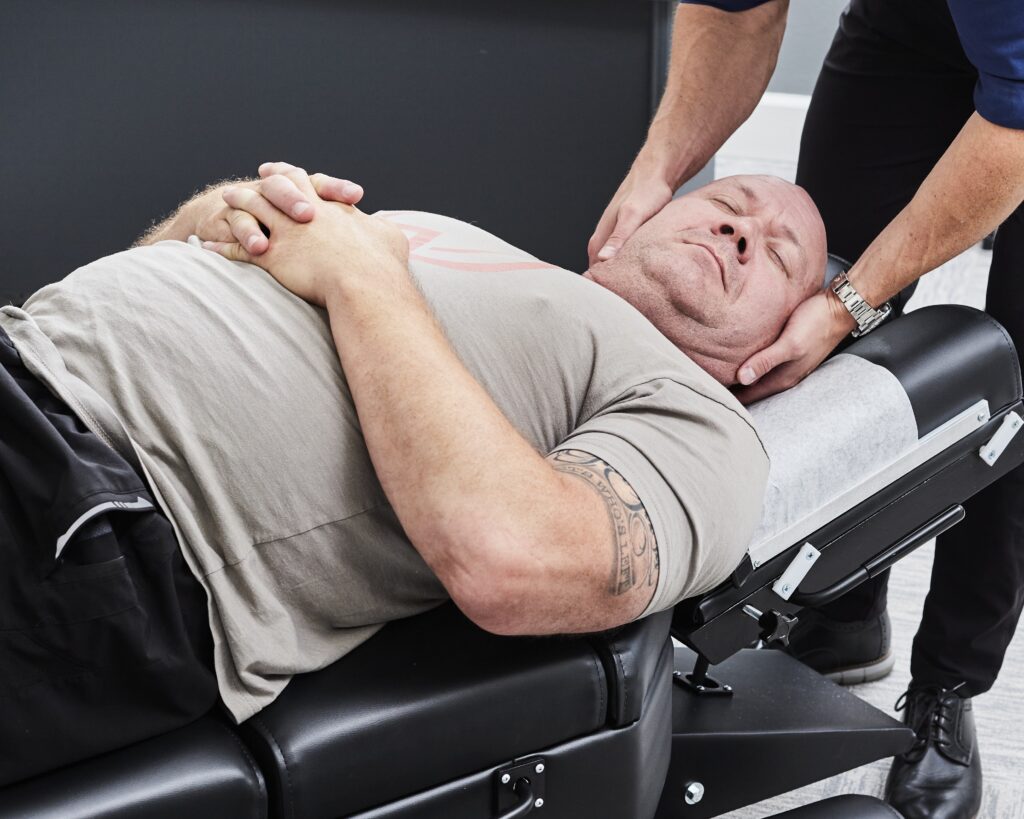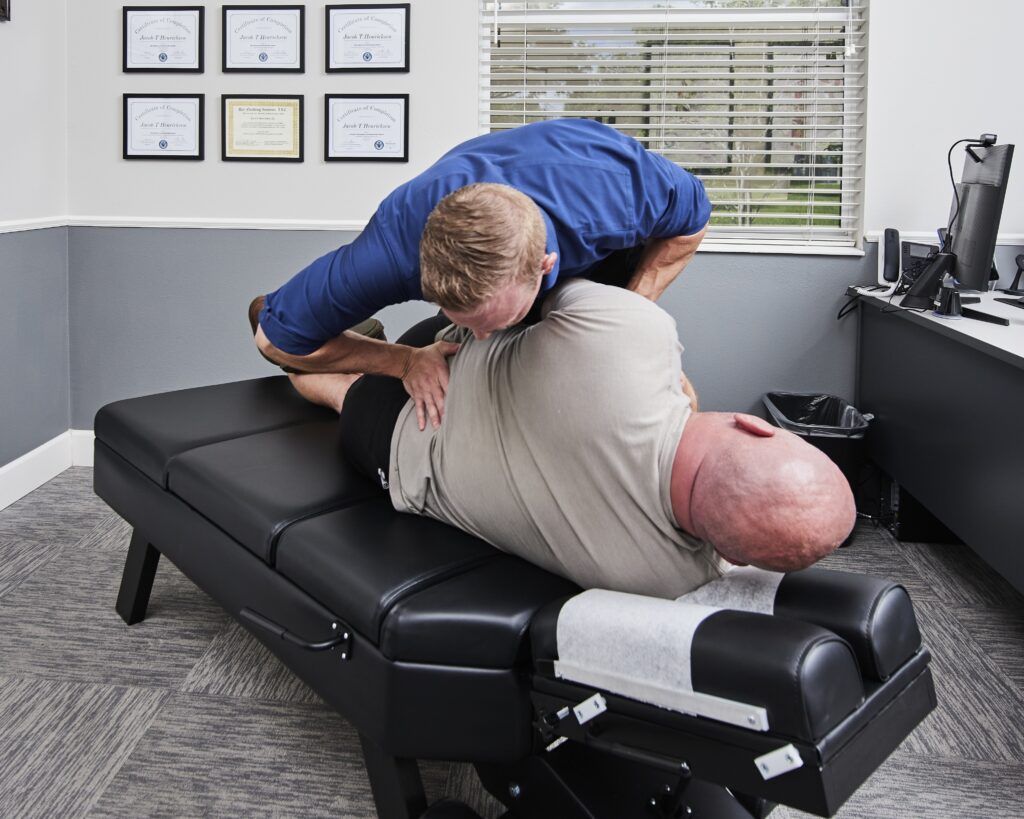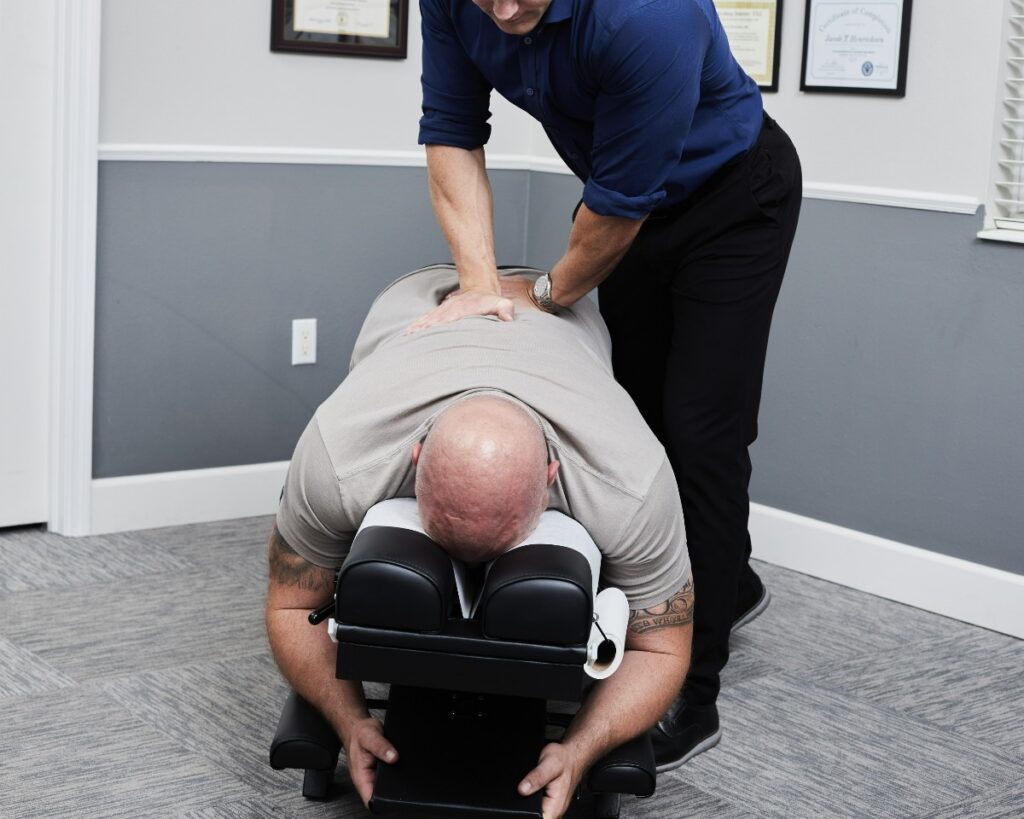

As a local chiropractor, I often see patients seeking to improve their physical performance, and one key area we focus on is flexibility and mobility. Many people assume that simply stretching is sufficient, but there's much more to the story. By incorporating targeted exercises and techniques into your routine, you can unlock a plethora of benefits that extend well beyond just being able to reach your toes.
It's important to address and dispel some common myths surrounding flexibility and mobility. For instance, did you know that increased flexibility can actually help prevent injuries and improve your overall body mechanics? This understanding is crucial for anyone looking to enhance their physical well-being.
To truly make progress, I recommend creating a personalized routine that considers your unique needs and goals. This journey toward better flexibility and mobility begins with understanding your body and how it moves. So, what's the first step you should take? Let's work together to assess your current flexibility and mobility levels and develop a plan that suits you best. Embracing chiropractic care and natural healing can be a transformative experience in this process.
Understanding Flexibility and Mobility
As a local chiropractor, I want to share with you the importance of flexibility and mobility in achieving optimal physical health and performance. These two components are fundamental to your overall fitness and well-being, and understanding them can significantly benefit your daily life and any physical activities you enjoy.
Flexibility is the ability of your muscles and tendons to stretch and lengthen, enabling a greater range of motion in your joints. When you have good flexibility, you can move more smoothly and efficiently, which can help reduce the risk of injuries. This means that everyday movements, like bending down to pick something up or reaching for an object, become easier and safer.
However, mobility is a broader concept that goes beyond just flexibility. It's about the ability to move your joints through their full range of motion while also maintaining strength and control. Good mobility means not only having flexible muscles but also possessing stable and functional joints.
To illustrate the difference: flexibility is how far you can stretch, whereas mobility is how well you can move through those stretches.
To enhance both flexibility and mobility, I encourage you to incorporate a variety of exercises into your routine. Dynamic stretching, such as leg swings and arm circles, can help warm up your muscles, preparing them for movement.
After your workouts, static stretches like hamstring and shoulder stretches can improve your flexibility. Additionally, focusing on mobility drills like lunges and squats will help you gain better control over your movements while strengthening the muscles that support your joints.
By prioritizing both flexibility and mobility, you aren't only improving your physical capabilities but also setting yourself up for success in all aspects of your life.
At our chiropractic practice, we can guide you through tailored exercises and stretches that promote flexibility and mobility, contributing to your overall health and wellness. Your journey to better movement starts with understanding these essential components.
Benefits of Improved Flexibility
As a local chiropractor, I want to share with you the remarkable benefits of improved flexibility and how it can positively impact your daily life and overall physical performance. Many of my patients are surprised to learn that increasing flexibility can significantly enhance your range of motion. This means that everyday activities—like bending down to tie your shoes or reaching for something on a high shelf—can become much easier and more comfortable.
One of the key advantages of enhanced flexibility is its role in injury prevention. When your muscles and joints are more pliable, they're better able to withstand sudden movements or strains. This is particularly important if you lead an active lifestyle, whether through sports or regular exercise. With improved flexibility, your body can respond more effectively, allowing you to push your limits without the worry of pulling a muscle or overstraining.
Improved flexibility also plays a crucial role in promoting better posture. As your muscles become more balanced and aligned, you're less likely to develop habits like slouching or tension in your back and shoulders. This can lead to a decrease in pain and discomfort, especially if you spend long hours sitting at a desk or in front of a screen during the day.
For those of you who are athletes or enjoy physical activities, greater flexibility can take your performance to the next level. Activities such as running, dancing, or practicing yoga can greatly benefit from increased flexibility. You'll find that your movements flow more naturally, which often translates into better results in your physical endeavors.
Lastly, let's not overlook the mental benefits of increased flexibility. Incorporating stretching and flexibility exercises into your routine can promote relaxation and stress relief. These activities encourage mindfulness and deep breathing, providing a wonderful way to unwind after a long day.
Embracing flexibility not only enhances your physical well-being but also supports your mental health. As your chiropractor, I'm here to guide you on this journey towards improved flexibility, helping you embrace a healthier, more active lifestyle.
Common Myths About Flexibility
As a local chiropractor, I often encounter misconceptions about flexibility that can impede your health journey and understanding of its significance. One prevalent myth is that flexibility is purely a genetic trait. While genetics can play a role, I want to emphasize that your flexibility is primarily influenced by your lifestyle choices, activity level, and consistent practice. The good news is that you can enhance your flexibility, no matter where you currently stand.
Another common misunderstanding is that stretching before a workout is enough to improve flexibility. While I absolutely encourage stretching, it's just one piece of the puzzle. To truly boost your flexibility, it's essential to adopt a holistic approach that includes strength training, staying hydrated, and incorporating regular movement into your daily routine.
Some individuals believe that flexibility is only crucial for athletes or those involved in specific sports. In reality, everyone can benefit from increased flexibility. It can significantly improve your quality of life by making daily activities easier and minimizing the risk of injury.
You might also think that you need to reach a certain level of flexibility before starting a stretching routine. This isn't the case at all. Regardless of your current flexibility, you can begin a stretching regimen today. Remember, progress takes time, so it's important to be patient with yourself during this journey.
Lastly, many people assume that once they achieve a certain level of flexibility, they no longer need to maintain it. Flexibility can diminish without regular practice, which is why consistency is vital.
Warm-Up Techniques for Mobility
As a local chiropractor, I want to emphasize the importance of effective warm-up techniques for improving your mobility.
Incorporating dynamic stretching exercises, foam rolling, and specific joint mobility drills can significantly prepare your body for movement. These practices not only enhance flexibility but also play a crucial role in preventing injuries during your workouts.
By understanding and integrating these methods into your routine, you're taking a proactive step towards better overall health and well-being.
Dynamic Stretching Exercises
As a local chiropractor, I often emphasize the importance of dynamic stretching exercises in enhancing flexibility and mobility before engaging in any physical activity.
These movements aren't just beneficial for athletes; they're essential for anyone looking to improve their overall well-being and reduce the risk of injury. By incorporating dynamic stretches into your warm-up routine, you can prepare your muscles and joints, increase blood flow, and feel more agile as you go about your day or workout.
Here are three dynamic stretching exercises that I recommend for your warm-up:
- Leg Swings: Find a wall or sturdy object for support. Stand beside it and swing one leg forward and backward in a controlled manner, gradually increasing your range of motion. This exercise helps to loosen your hip joints and hamstrings, making it an effective way to enhance your lower body flexibility.
- Arm Circles: Extend your arms out to the sides and begin making small circles. As you progress, gradually increase the size of the circles. This simple movement warms up your shoulders and upper back, preparing them for any physical activity you might undertake.
- Walking Lunges: Step forward into a lunge position, making sure your front knee stays aligned with your ankle. Alternate legs as you continue moving forward. This dynamic stretch engages your hip flexors, quadriceps, and glutes, promoting overall lower body flexibility and strength.
Incorporating these dynamic stretches into your routine can lead to improved performance and a noticeable reduction in stiffness.
Foam Rolling Benefits
Foam rolling is an excellent practice that can significantly enhance your mobility and prepare your body for physical activities. As a chiropractor, I often emphasize the importance of addressing muscle tightness and fascia to promote overall wellness.
Foam rolling works by releasing tension in the muscles, improving blood flow, and increasing flexibility. When you use a foam roller, you're essentially performing self-myofascial release, which can help alleviate soreness and enhance your range of motion.
Incorporating foam rolling into your warm-up routine can truly make a difference. Many of my patients report feeling more limber and prepared to engage in their workouts after including this practice.
I recommend focusing on key areas such as your calves, quads, hamstrings, and back. Spend about 30 seconds on each muscle group, applying pressure to any areas that feel tight or tender.
Beyond enhancing your immediate performance, foam rolling can also play a crucial role in your recovery after exercising. By helping to flush out toxins and promoting better circulation, you may notice that you recover faster and experience less soreness the following day.
I encourage you to make foam rolling a regular part of your routine. Many of my patients find that it leads to improved flexibility, enhanced performance, and a reduced risk of injury.
Joint Mobility Drills
As a local chiropractor, I often emphasize the importance of incorporating joint mobility drills into your warm-up routine, as they can significantly enhance your overall movement quality.
These exercises not only prepare your joints and muscles but also improve your range of motion and lower the risk of injury. By warming up effectively, you'll notice a boost in your energy levels, allowing you to engage more fully in your workouts or daily activities.
Let me introduce you to three essential joint mobility drills that I recommend for everyone:
- Arm Circles: Begin by standing tall and extending your arms out to your sides. Start making small circles with your arms, gradually increasing the circle size before reversing the direction. This simple exercise warms up your shoulder joints and helps improve their flexibility, which is crucial for maintaining good posture and overall upper body function.
- Hip Openers: Stand on one leg and gently lift your opposite knee towards your chest. From there, rotate your hip outward and then back in. This drill is excellent for enhancing hip mobility, which is vital for performing activities like squats and lunges safely. Remember, healthy hips contribute to better overall balance and movement efficiency.
- Ankle Rolls: While standing on one leg, lift your other foot off the ground and begin to rotate your ankle in circles. This straightforward exercise enhances ankle flexibility, which is essential for maintaining balance and stability during various activities. Good ankle mobility can help prevent falls and injuries, especially as we age.
Incorporating these drills into your routine can be a simple yet effective way to support your joint health and overall well-being.
If you have any questions or need personalized advice, feel free to reach out to my office!
Stretching Exercises for Flexibility
As a chiropractor, I often emphasize the importance of flexibility and how regular stretching exercises can significantly enhance your overall well-being. Many people may not realize that incorporating a variety of stretches into your routine isn't only beneficial for improving your range of motion but also plays a crucial role in preventing injuries.
To begin, it's essential to warm up your muscles before any physical activity. Dynamic stretches, such as leg swings and arm circles, are excellent for preparing your body for movement. These exercises help increase blood flow to your muscles and can set the stage for a more effective workout.
After warming up, I recommend focusing on static stretches to enhance your flexibility. Holding each stretch for 15-30 seconds is ideal; you should feel a gentle pull in your muscles, but never any pain. Aim to target major muscle groups, including the hamstrings, quadriceps, hip flexors, and shoulders. For instance, you can try the standing quad stretch by pulling your foot towards your glutes while balancing on one leg, or the seated forward fold to effectively stretch your hamstrings and lower back.
It's also vital to pay attention to your back health. Incorporating stretches like the cat-cow pose or spinal twists can significantly enhance spinal flexibility, which is essential for maintaining a healthy spine. Remember to breathe deeply throughout each stretch—this not only helps you to relax but also allows your muscles to elongate more effectively, promoting better flexibility.
Consistency is key in any wellness routine. I recommend aiming to stretch at least three times a week. You might find it helpful to integrate stretching into your daily routine, perhaps after workouts or during breaks in your day.
As you remain committed to these practices, you'll likely notice enhanced flexibility and an overall improvement in your mobility.
Foam Rolling and Self-Myofascial Release
As a chiropractor, I want to introduce you to an effective technique that can greatly enhance your flexibility and mobility: foam rolling.
This practice is a game changer for many of my patients seeking relief from tight muscles and improved range of motion. By utilizing specific self-myofascial release techniques, you can target areas of tension in your body, helping to alleviate discomfort and enhance overall movement.
Let's delve into the many benefits of foam rolling, the most effective techniques to incorporate into your routine, and the various tools available to assist you in achieving myofascial relief.
Whether you're new to chiropractic care or looking to complement your existing wellness routine, foam rolling can be an invaluable addition to your self-care practices.
Benefits of Foam Rolling
As a local chiropractor, I want to share with you the incredible benefits of foam rolling and self-myofascial release for enhancing your flexibility and mobility. Many of my patients are unfamiliar with these techniques, but they can play a crucial role in relieving muscle tightness and soreness, ultimately leading to a greater range of motion.
Here are some important benefits to consider:
- Improved Blood Flow: When you use a foam roller on tight areas of your body, you're not just easing discomfort; you're also stimulating circulation. This increased blood flow delivers essential oxygen and nutrients to your muscles, which supports recovery and prepares your body for physical activity.
- Reduced Muscle Tension: Foam rolling is highly effective at breaking up adhesions and knots in the fascia (the connective tissue surrounding your muscles). By doing so, it reduces tension and can significantly enhance your comfort during workouts and throughout your daily life.
- Enhanced Flexibility: Incorporating foam rolling into your regular routine can make your muscles more pliable over time. This increased flexibility can improve your performance in various activities, whether you're lifting weights or practicing yoga.
I encourage you to explore foam rolling as a natural method to support your body's health and wellness.
It's a simple yet powerful tool that can complement the chiropractic care I provide, helping you achieve your health goals.
Techniques for Self-Release
As a local chiropractor, I want to share some valuable techniques for self-release that can significantly enhance your flexibility and mobility. Many patients aren't familiar with methods like foam rolling and self-myofascial release, but these practices can be incredibly beneficial for alleviating muscle tightness and improving blood circulation, ultimately making daily activities and workouts easier.
To begin with foam rolling, I recommend finding a suitable foam roller and identifying areas of your body that feel particularly tight or sore. Start by lying on the roller and applying gentle pressure to those areas. Roll slowly over the muscle and pause for 20-30 seconds on any tender spots you encounter. This process helps break up adhesions and release tension in the connective tissue surrounding your muscles, known as fascia.
For a more targeted approach, self-myofascial release can be performed using smaller tools like massage balls or sticks. These tools allow you to focus on specific muscle groups with greater intensity. Similar to foam rolling, apply pressure to the tight areas and use controlled movements to stimulate release.
As you do this, remember to breathe deeply and try to relax your muscles to enhance the effectiveness of the release.
Incorporating these self-release techniques into your regular routine can lead to improved flexibility and mobility, allowing you to move more freely and efficiently.
Tools for Myofascial Relief
As a local chiropractor dedicated to helping my patients achieve optimal health, I want to share some valuable information about tools that can aid in myofascial relief.
These tools play a significant role in enhancing your flexibility, mobility, and overall well-being. Incorporating them into your routine can help release tension, improve circulation, and elevate your physical performance.
Here are three essential tools I recommend:
- Foam Roller: This is a fantastic addition to your self-care routine. A foam roller allows you to target larger muscle groups effectively. By rolling over tight or sore areas, you can break down muscle knots and improve blood flow, which facilitates freer movement and reduces discomfort.
- Massage Balls: For those tricky, specific trigger points—especially in sensitive areas like your shoulders and feet—massage balls are incredibly useful. Simply apply pressure to the areas of discomfort, and allow the ball to work its magic, helping to alleviate tension and promote relaxation.
- TheraGun or Percussion Massager: These innovative devices deliver rapid bursts of pressure that can significantly relieve muscle tension. They're particularly effective for a quick recovery after workouts or for addressing stubborn knots that a foam roller may not reach. A few minutes with a percussion massager can make a noticeable difference in how your muscles feel.
Incorporating these tools into your routine can complement your chiropractic care and support your journey towards better health.
If you have questions about how to use these tools effectively, please feel free to ask during your next visit!
Incorporating Mobility Drills
As a chiropractor, I want to share the importance of incorporating mobility drills into your routine to enhance your flexibility and overall movement quality. These drills are designed to improve the range of motion in your joints and increase your body's awareness of how it moves.
It's essential to start by identifying areas where you may feel tight or restricted, as targeted mobility drills can help address these limitations.
Before your workouts, I recommend engaging in dynamic stretches as a warm-up. Movements such as leg swings, arm circles, and torso twists can activate your muscles and prepare your body for more intense activity.
Additionally, consider including specific mobility exercises like hip openers or thoracic spine rotations to directly target tight areas that may benefit from increased flexibility.
As you become more comfortable, think about dedicating a specific mobility session into your weekly routine. Just 15 to 20 minutes spent on drills that promote joint health and elasticity can make a significant difference.
Focus on areas that often need extra attention, like your hips, shoulders, and ankles.
Finally, don't overlook the value of static stretches after your workouts. Holding stretches for 20 to 30 seconds can help lengthen your muscles and improve overall flexibility, supporting your body's natural healing process.
Tips for Maintaining Flexibility
As a local chiropractor, I want to emphasize the importance of maintaining flexibility as part of your overall health and wellness journey. Flexibility isn't just about occasional stretching; it should be a consistent part of your daily routine.
Here are three practical tips to help you enhance your flexibility and support your body's natural healing processes:
1. Make Stretching a Daily Habit: Dedicate at least 10-15 minutes each day to stretch your muscles. It's essential to target all major muscle groups, especially those that tend to feel tight.
I recommend incorporating dynamic stretches in the morning to energize your muscles and static stretches in the evening to relax and unwind.
2. Engage in Active Flexibility Practices: Activities like yoga and Pilates are excellent for improving flexibility while also boosting your strength and balance.
These disciplines focus on controlled movements, which are key to avoiding injuries. Look for classes or workouts that push your limits safely, allowing you to explore your body's range of motion.
3. Prioritize Hydration and Nutrition: Proper hydration and nutrition are vital for muscle function and flexibility.
Make sure to drink plenty of water throughout the day and consume a balanced diet filled with vitamins and minerals. Foods like bananas, spinach, and nuts are particularly beneficial for maintaining muscle elasticity.
By integrating these practices into your daily life, you can support your body's natural healing abilities and improve your overall flexibility.
Creating a Personalized Routine
As a local chiropractor, I want to emphasize the importance of crafting a personalized routine to enhance your flexibility and mobility—a key component of your overall health. Many people may not realize that tightness in areas such as your hips, shoulders, or hamstrings can lead to discomfort and limit your daily activities.
To begin, I encourage you to assess your current fitness level and identify specific areas that may need some attention. Once you've identified these tight spots, you can create a routine tailored to address them directly.
It's important to consider how much time you can realistically dedicate to stretching and mobility work—aim for at least 15 to 30 minutes, three to five times a week. A combination of dynamic and static stretches targeting your problem areas, along with exercises that promote overall body mobility, can be particularly beneficial. For instance, if you notice tightness in your hips, incorporating stretches like the pigeon pose or hip flexor stretches, alongside dynamic movements such as leg swings, can make a significant difference.
Before diving into your routine, remember to incorporate a warm-up. This prepares your muscles and makes them more receptive to the benefits of stretching. Keeping track of your progress is also helpful; monitoring your flexibility over time can motivate you to stick with your routine and allow you to make necessary adjustments.
Additionally, always listen to your body. If you feel any discomfort or intensity that seems too high, it's important to modify the stretch or take a break. While consistency is crucial, being mindful of your body's signals is equally important.
With a thoughtfully structured, personalized routine, you'll likely experience significant improvements in flexibility and mobility, ultimately enhancing your performance in daily activities and workouts. As your chiropractor, I'm here to support you on this journey toward better health through natural healing methods.
Conclusion
As your local chiropractor, I want to emphasize the importance of incorporating flexibility and mobility practices into your daily routine. These practices can significantly enhance your physical performance and overall well-being. By familiarizing yourself with essential concepts and techniques such as dynamic stretching, foam rolling, and targeted mobility drills, you can improve your range of motion and decrease the risk of injuries.
It's crucial to remain consistent with these practices, stay well-hydrated, and tailor your approach to meet your individual needs. With dedication and commitment, you'll experience the long-lasting benefits of improved flexibility and mobility, allowing you to move more freely and effortlessly in your daily life. Remember, these natural healing methods can work hand in hand with chiropractic care to help you achieve optimal health.