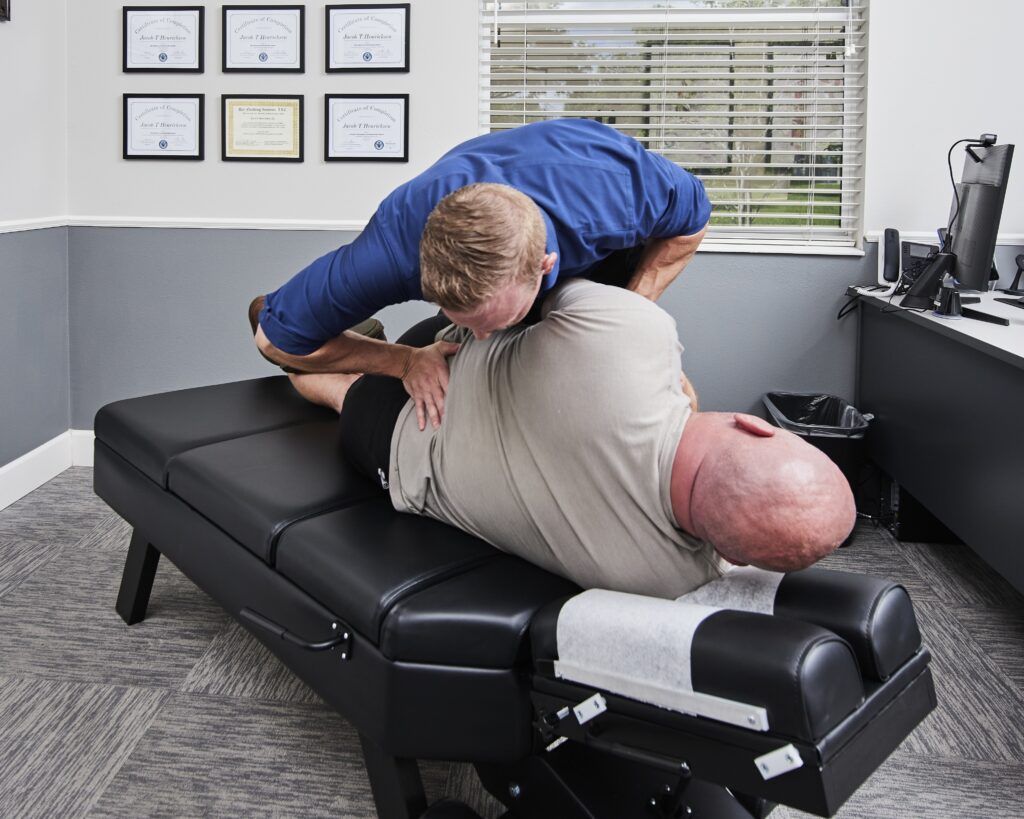
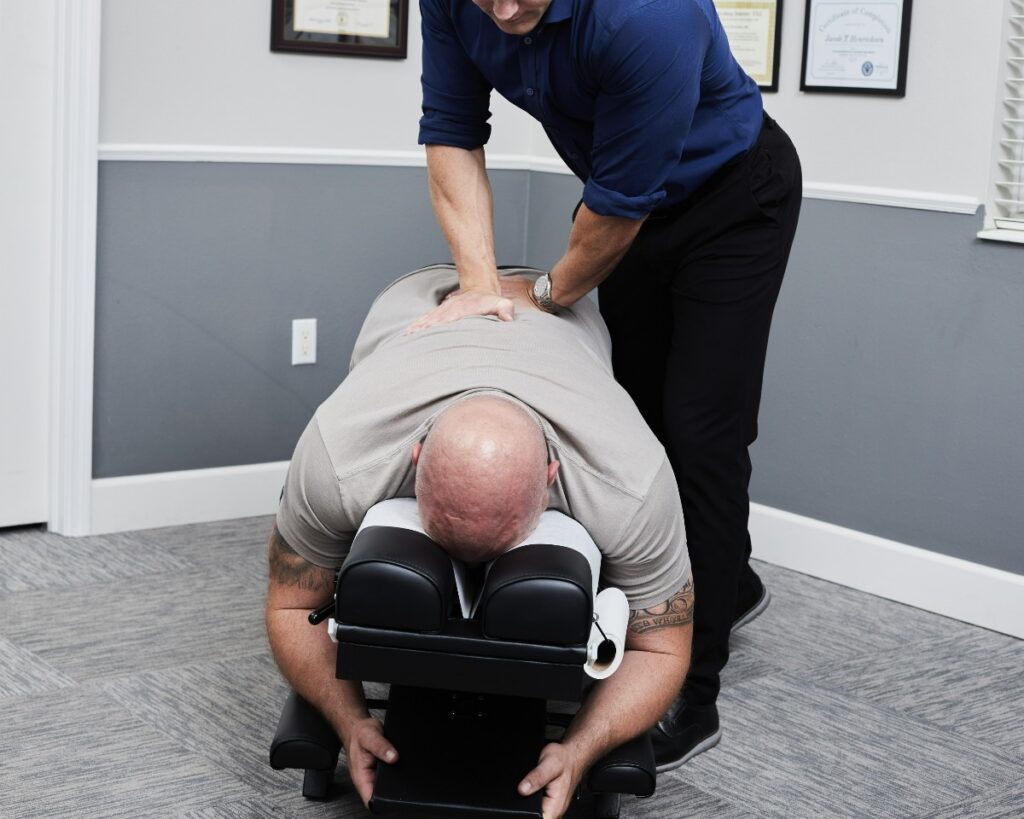
Back pain is a prevalent issue that can significantly affect your daily activities and overall quality of life. As a local chiropractor, I want to share some insights on how you can alleviate this discomfort and foster better health through natural healing practices. By implementing a few straightforward lifestyle changes, you can minimize your risk of back pain and enhance your overall well-being.
One of the key aspects to consider is maintaining good posture. Whether you’re sitting at a desk or lifting objects, the alignment of your spine plays a crucial role in preventing pain. Additionally, strengthening your core muscles is vital, as a strong core supports your spine and reduces strain.
Are you interested in learning more about specific steps you can take to protect your back? Let’s delve into these trustworthy tips and discover how small adjustments can lead to significant improvements in your health. Together, we can work towards a pain-free lifestyle through natural chiropractic care and preventative measures.
Maintain Good Posture
As a local chiropractor, I want to emphasize the importance of good posture for maintaining a healthy back. Many people overlook how crucial body alignment is when sitting, standing, or moving, but being mindful of these positions can significantly impact your overall well-being.
When you sit, ensure that your shoulders are back and relaxed, with your head aligned directly over your spine. If you’re working at a desk, it’s vital to keep your feet flat on the floor and your knees at a right angle. Adjusting your chair to support the natural curve of your back can make a world of difference.
When standing, try to distribute your weight evenly across both feet. Avoid locking your knees, as this can put unnecessary strain on your lower back. If you need to lift something heavy, remember to bend at your hips and knees rather than your waist—this technique is key to protecting your spine and preventing injuries.
Throughout your day, don’t forget to take breaks to stretch and reset your posture. By consistently practicing these habits, you can significantly reduce the risk of back pain and enhance your overall health.
Strengthen Core Muscles
As a local chiropractor, I want to emphasize the importance of strengthening your core muscles for not only preventing back pain but also enhancing your overall stability.
Many people often think of the core as just the abdominal muscles, but it actually encompasses the muscles in your back, hips, and pelvis as well. A strong core plays a crucial role in supporting your spine, which helps to alleviate strain on your back during everyday activities.
To effectively build your core strength, I recommend incorporating exercises such as planks, bridges, and bicycle crunches into your fitness routine.
It’s ideal to aim for at least two to three sessions per week, where you focus on both endurance and strength to achieve balanced development.
By committing to these exercises, you’ll not only improve your core strength but also promote better spinal health, which is essential for a pain-free life.
If you have any questions about how to integrate these exercises into your routine or how they relate to your chiropractic care, feel free to ask during your next visit!
Use Ergonomic Furniture
As a local chiropractor, I want to share the importance of using ergonomic furniture to support your overall health and well-being.
Investing in high-quality ergonomic chairs can significantly enhance your comfort and provide the necessary support for your spine. It’s also crucial to adjust your desk height properly to ensure that your workspace encourages good posture.
By making these adjustments, you can greatly reduce strain on your back, especially during those long hours of sitting.
Invest in Quality Chairs
As a local chiropractor, I want to highlight something that many may overlook: the chair you choose to sit in can significantly influence your back health. Investing in a quality chair is crucial for maintaining proper posture and alleviating strain on your spine.
I recommend looking for ergonomic chairs designed to support the natural curvature of your back and that come with adjustable features, such as seat height and lumbar support. These elements are vital in promoting a comfortable seating position, which can help prevent discomfort during extended periods of sitting.
Additionally, consider chairs made from materials that offer cushioning while still providing necessary support. It’s important to remember that a well-designed chair not only enhances your comfort but also encourages better posture.
This can ultimately reduce your risk of experiencing back pain. I urge you not to underestimate the significance of selecting the right chair for your workspace. Your spine will thank you!
Adjust Desk Heights
As a local chiropractor, I want to emphasize the importance of adjusting desk heights to create an ergonomic workspace that promotes your overall back health.
When your desk is set at the correct height, you can maintain a neutral wrist position while typing, which significantly reduces strain on your back and neck. Ideally, your elbows should be positioned at a 90-degree angle, allowing your shoulders to relax and preventing tension.
To achieve the perfect desk height, start by sitting comfortably in your chair. Adjust your desk so that your forearms are parallel to the floor.
If you find that your feet aren’t touching the ground, consider using a footrest to provide proper support. By making these adjustments, you can help prevent discomfort and promote better spinal alignment, which is vital for your well-being.
Practice Proper Lifting Techniques
When it comes to lifting heavy objects, understanding the right techniques is crucial for maintaining a healthy back and preventing pain. As a chiropractor, I often see patients who experience discomfort due to improper lifting.
It’s important to start by positioning yourself close to the item you’re about to lift. Bend at your knees rather than your waist, keeping your back straight. This approach allows your strong leg muscles to do the work, alleviating strain on your back.
Make sure to grip the object firmly and hold it close to your body. As you lift, engage your leg muscles by pushing through your heels and rising in a smooth, controlled motion. Avoid twisting your torso while lifting; instead, pivot your entire body by moving your feet.
If you find that an item is too heavy or awkward to handle alone, please don’t hesitate to ask for assistance or utilize lifting aids.
Remember, prioritizing safe lifting techniques is essential not just for immediate comfort but for long-term spinal health. By making these practices a regular habit, you can help reduce the risk of injury and keep your back feeling great.
Embracing proper lifting methods can lead to a significant improvement in how you feel overall. Your body will thank you for it!
Stay Active and Exercise Regularly
As a local chiropractor, I want to emphasize the importance of staying active and exercising regularly for maintaining a healthy back and enhancing your overall well-being. Movement is vital; it strengthens your muscles, improves flexibility, and helps prevent stiffness, which is crucial for spinal health.
I encourage you to discover activities you enjoy and aim for at least 30 minutes of moderate exercise on most days.
Here are some effective ways to incorporate movement into your daily routine:
- Walking: This simple, low-impact exercise is excellent for keeping your back engaged without putting too much strain on it.
- Swimming: This activity offers a full-body workout while minimizing stress on your spine, making it a fantastic option for back health.
- Yoga: Not only does yoga enhance flexibility, but it also strengthens your core muscles, which can significantly reduce back pain and improve posture.
- Strength training: By focusing on building muscle support around your spine, strength training helps protect your back and improve your overall stability.
- Stretching: Incorporating regular stretches into your routine keeps your muscles limber and helps prevent tightness, which can lead to discomfort and pain.
By integrating these activities into your lifestyle, you can support your spine and overall health.
Manage Stress Effectively
As a chiropractor, I want to emphasize the importance of managing stress effectively to prevent back pain. High levels of stress can lead to muscle tension, resulting in discomfort and pain in your back. It’s crucial to take proactive steps to keep your stress levels in check.
Incorporating relaxation techniques into your daily routine can be incredibly beneficial. Simple practices, such as deep breathing exercises, can help calm your mind and reduce physical tension in your body.
Mindfulness and meditation are also excellent tools that allow you to focus on the present moment, helping to alleviate anxiety and promote overall well-being.
Engaging in physical activities that you enjoy is another effective way to combat stress. Whether it’s taking a leisurely walk, dancing, or practicing yoga, moving your body not only boosts your mood but also helps relieve muscular tension that may contribute to back pain.
Moreover, don’t underestimate the value of social support. Talking to friends or family about your stressors can lighten your emotional burden and provide a sense of relief.
Get Adequate Sleep and Rest
As a local chiropractor, I want to emphasize that getting adequate sleep is crucial for preventing back pain, but it’s not just about the quantity of sleep; the quality of your sleep is equally important.
It’s vital to pay attention to your sleep position and ensure that your mattress provides the proper support for your body. A well-chosen sleep setup can significantly impact how you feel each day, helping to reduce discomfort and promote overall well-being.
By making simple adjustments to your sleeping environment, you can support your spine and enhance your body’s natural healing process.
Sleep Position Matters
As a local chiropractor, I want to emphasize how important your sleep position is for your overall back health. Many people may not realize that the way you sleep can significantly influence the alignment of your spine and can either prevent or contribute to back pain.
Here are some valuable tips to keep in mind when it comes to your sleeping habits:
- Sleep on your back: This position is often considered the best for maintaining proper spinal alignment. It allows your spine to rest in its natural curvature.
- Use a supportive pillow: Placing a pillow under your knees can help alleviate pressure on the lower back and promote a more comfortable sleep.
- Sleep on your side: If you prefer sleeping on your side, try adopting a fetal position with your knees slightly bent. This can also support spinal alignment and reduce tension.
- Avoid sleeping on your stomach: This position can place undue strain on your neck and spine, leading to discomfort and pain over time.
- Adjust your pillow height: It’s essential to ensure your pillow adequately supports your neck without causing any strain. Your head should align with your spine to maintain a neutral position.
By being mindful of your sleep position, you can play a significant role in supporting your back health and overall well-being.
Quality Mattress Selection
As a local chiropractor, I want to emphasize the vital role a quality mattress plays in your overall health and well-being, particularly when it comes to your back. Many patients are unaware that the right mattress can significantly impact the quality of your sleep, which in turn affects your spinal health.
When choosing a mattress, it’s important to consider your preferred sleep position. For those of you who sleep on your side, a softer mattress is ideal because it provides the necessary cushioning for your shoulders and hips, helping to maintain proper spinal alignment.
If you sleep on your back, a medium-firm mattress can offer the right support to keep the natural curve of your spine intact. Stomach sleepers, on the other hand, should choose a firmer mattress to avoid putting undue pressure on the lower back.
I always encourage my patients to test out mattresses in-store, if possible. Spend at least 10 minutes lying in your usual sleep position to get a feel for how the mattress supports your body.
It’s also crucial to remember that even the best mattress won’t last forever; aim to replace yours every 7 to 10 years to ensure you’re getting the support and comfort you need for a healthy, pain-free back.
Conclusion
As a local chiropractor dedicated to your well-being, I want to share some valuable insights on how you can prevent back pain and maintain a healthy spine. By incorporating these seven tips into your daily routine, you can significantly lower your chances of experiencing discomfort.
First, focus on maintaining good posture throughout your day—whether you’re sitting at a desk or standing. Proper alignment plays a crucial role in spinal health. Additionally, strengthening your core muscles is essential; these muscles support your spine and help reduce strain.
Investing in ergonomic furniture can also make a world of difference. Items like an adjustable chair or desk can help you maintain a comfortable position while working or studying. When lifting objects, always use proper techniques—bend at your knees and keep the item close to your body to avoid unnecessary stress on your back.
Staying active is vital for spinal health, so find activities you enjoy and make them a regular part of your life. Managing stress is equally important, as tension can lead to muscle tightness and pain. Finally, prioritize quality sleep; a good mattress and proper sleeping position can significantly impact your back health.
By following these simple yet effective strategies, you can enjoy a more active, pain-free life. Don’t hesitate—start implementing these tips today to protect your back and enhance your overall health. If you have any questions or need personalized guidance, feel free to reach out to me. Your journey to a healthier spine starts now!