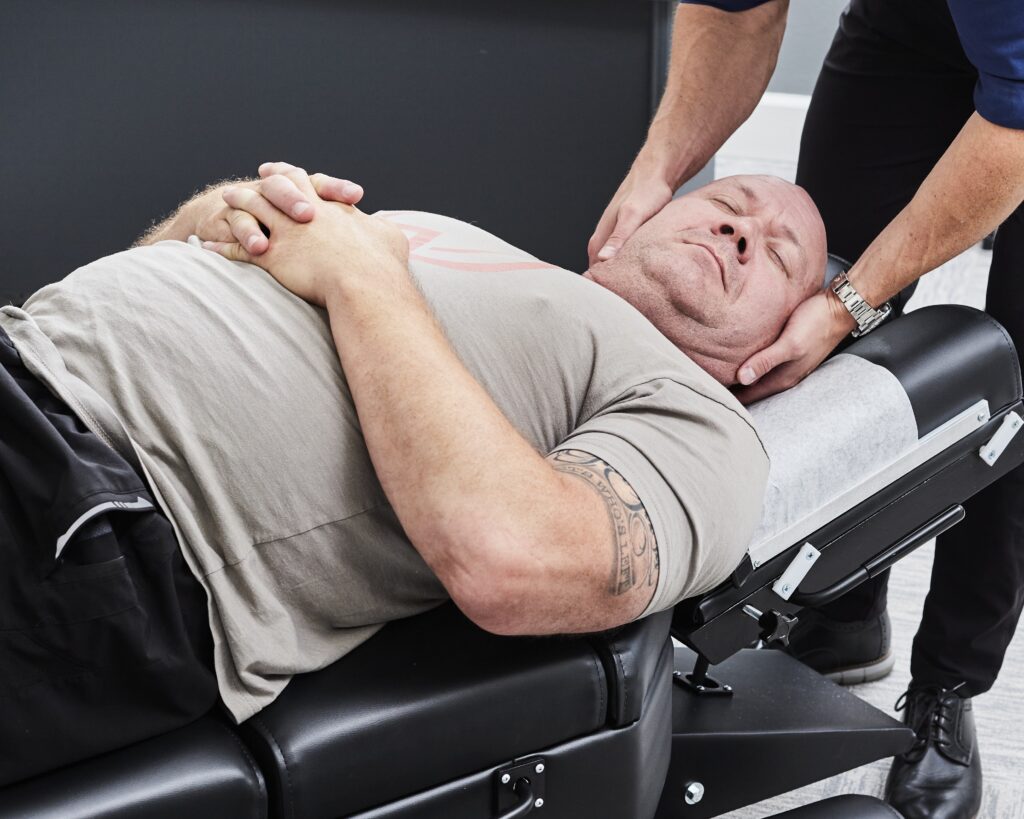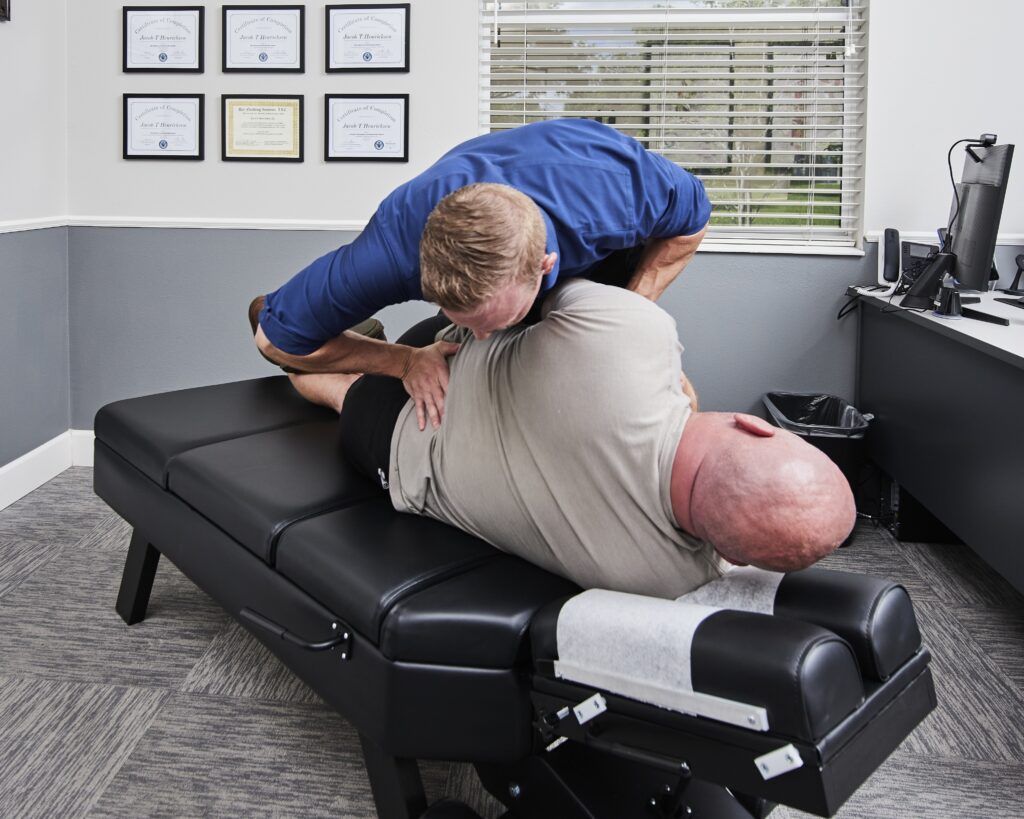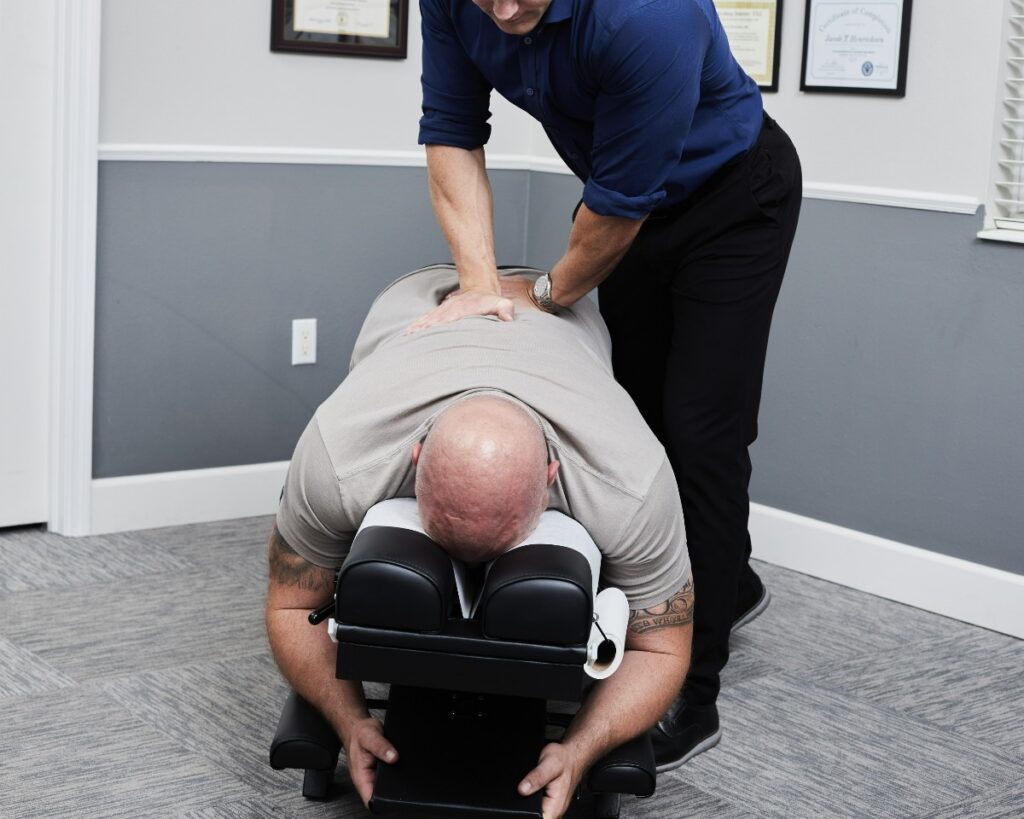

As a local chiropractor, I want to emphasize just how crucial your posture is to your overall health. Many people underestimate the impact that simple adjustments to your posture can have on your well-being. Poor posture can lead to muscle strain, reduced lung capacity, and even affect your mood and mental clarity. By becoming more aware of your alignment and incorporating mindful habits into your daily routine, you can significantly enhance not only your physical health but also your mental interactions with the world.
So, what specific steps can you take to initiate this positive transformation? Let's delve into some essential strategies that can make a real difference in your life. Remember, small changes can lead to remarkable improvements in how you feel every day.
The Importance of Posture
As a local chiropractor, I want to emphasize that good posture isn't merely about looking confident; it's a crucial aspect of maintaining your overall health. When you uphold proper alignment, you significantly reduce strain on your muscles and joints, which helps prevent discomfort and long-term injuries. Your spine, the central pillar of your body, operates most effectively when it's aligned correctly.
By consciously sitting or standing tall, you allow your body to distribute weight evenly, which can help minimize fatigue and discomfort.
Consider this: when you're at your desk, hunched over your keyboard, this habit can lead to tension in your neck and shoulders, headaches, and even chronic back pain over time. By adopting good posture, you can sidestep these issues and experience increased energy throughout your day.
Proper alignment also positively impacts your lungs; when you maintain a straight posture, your diaphragm has the space it needs to expand, allowing you to take deeper, more effective breaths. This enhanced oxygen flow can elevate your overall energy levels.
Furthermore, let's talk about digestion. Poor posture can compress your internal organs, leading to digestive problems. By keeping a straight back, you can help your digestive system work more efficiently, promoting better health.
You may also notice an improvement in your mood and self-confidence. Standing tall and carrying yourself with good posture sends positive signals to your brain, reinforcing feelings of well-being.
So, whether you're at work, home, or socializing, remember that good posture is a simple yet powerful tool for enhancing your health and well-being. Embracing it can lead to a more vibrant and fulfilling life!
I'm here to help you along this journey to better posture and overall health through chiropractic care and natural healing methods.
Common Posture Mistakes
As a local chiropractor, I want to emphasize the importance of proper posture, especially when you're spending long hours at your desk.
Many people don't realize that slouching can have a significant negative impact on your spinal alignment and overall health.
Additionally, improper foot positioning can lead to misalignments that cause discomfort and pain.
Let's take a closer look at these common posture mistakes and discuss simple corrections you can make to enhance your well-being.
Your body will thank you for it!
Slouching at Your Desk
As a local chiropractor, I want to address a common issue that many of my patients face: slouching at their desks. This seemingly innocent habit can lead to a variety of health problems, particularly back pain, and it can significantly decrease your productivity.
When you hunch over your keyboard, you're placing undue strain on your spine and the surrounding muscles. This poor posture not only causes discomfort that can distract you from your work, but it can also negatively impact your overall well-being.
To help combat slouching, I recommend starting with some simple ergonomic adjustments. Make sure your chair and desk are set at the right height. Your feet should rest flat on the floor, and your elbows should be bent at a 90-degree angle while you type.
It's also crucial to position your monitor at eye level to avoid leaning forward and straining your neck.
In addition to these adjustments, I encourage taking regular breaks. Stand up, move around, and stretch to relieve tension and realign your posture. Incorporating specific stretches that target your shoulders and back can be particularly beneficial in counteracting the negative effects of prolonged sitting.
Being mindful of your posture throughout the day is also vital. I suggest setting reminders on your phone or utilizing apps designed to prompt you to check your alignment.
By making these small changes, you can enhance your comfort and productivity, which will ultimately lead to better health in your work environment.
Poor Foot Positioning
As a local chiropractor, I want to emphasize the often-overlooked role that foot positioning plays in maintaining good posture and overall health. Your feet serve as the foundation of your body, and when they aren't positioned correctly, it can lead to a domino effect of issues, including back pain and misalignment of the spine.
If you notice yourself slouching or leaning forward, I encourage you to take a moment to assess your foot positioning. Ideally, your feet should be flat on the ground, with your weight evenly distributed between both feet.
It's important to avoid habits like crossing your legs or sitting on one foot, as these can disrupt your posture and lead to discomfort. When standing, aim to keep your feet about hip-width apart with your toes pointed slightly outward. This stance not only provides stability but also supports your spine effectively.
For those of you who spend long periods sitting, consider using a footrest to elevate and support your feet. This simple adjustment can help alleviate strain on your lower back.
Additionally, the type of footwear you choose can have a significant impact on your posture. Look for shoes that offer proper arch support and cushioning to promote better alignment.
By paying close attention to your foot positioning, you can establish a solid foundation for your overall posture and enhance your well-being.
Health Risks of Poor Posture
As a local chiropractor, I want to emphasize the importance of good posture for your overall health. Many people underestimate the impact that poor posture can have on their well-being, but the consequences can be quite serious.
When you slouch or remain in a seated position for extended periods without proper support, your body can suffer in ways you mightn't even notice at first. However, over time, these habits can lead to significant health issues.
Let's explore some common health risks associated with poor posture that I frequently encounter in my practice:
- Chronic Back Pain: When your spine is misaligned, it creates undue strain on your muscles and ligaments, which can result in persistent back discomfort. This is something I see regularly among patients who come to me seeking relief.
- Reduced Lung Capacity: Slumping forward can compress your lungs, making it difficult to take deep, effective breaths. This not only affects your oxygen intake but can also impact your overall energy levels.
- Digestive Issues: Poor posture can place pressure on your abdominal organs, interfering with digestion. Patients often report problems like acid reflux, which can be alleviated by maintaining a more upright posture.
- Increased Stress: Tension in your neck and shoulders, often a result of poor posture, can lead to headaches and increased feelings of stress and anxiety. Addressing your posture can be a key step in managing these symptoms.
It's essential to recognize the signs of poor posture, such as feelings of fatigue, stiffness, and pain. Many patients also experience decreased mobility and a lack of energy, which can hinder daily activities and the enjoyment of life's little pleasures.
Improving your posture isn't just about aesthetics; it's about safeguarding your health. By becoming more aware of your body's alignment and making small, conscious adjustments, you can significantly reduce the risks associated with poor posture.
As your chiropractor, I encourage you to take action today. Your body will thank you for it in the long run, and together, we can work towards a healthier, more aligned you!
Benefits of Good Posture
As a chiropractor, I want to share with you the incredible benefits of maintaining good posture. Proper posture not only enhances your breathing efficiency but also significantly reduces musculoskeletal pain.
When you stand or sit correctly, your body is able to function more optimally. This means you can take deeper breaths, which leads to a greater sense of comfort and vitality throughout your day.
By making a few simple adjustments to your posture, you can experience these remarkable benefits and improve your overall well-being. It's all about creating balance and alignment in your body, which can help you feel your best.
If you're new to the idea of chiropractic care, I encourage you to explore how good posture can transform not just your physical health but your quality of life as well.
Let's work together to achieve a healthier, more aligned you!
Enhanced Breathing Efficiency
As a local chiropractor, I want to share how improving your posture can significantly boost your breathing efficiency, which is essential for your overall health.
When you maintain a tall, upright position—whether sitting or standing—your lungs have the space they need to fully expand. This allows you to take deeper, more effective breaths, leading to a greater intake of oxygen that benefits your body in countless ways.
Here are some key advantages of enhanced breathing efficiency through proper posture:
- Increased oxygen intake: By creating more room for your lungs, you can absorb more oxygen, which can elevate your energy levels throughout the day.
- Improved focus and concentration: With better oxygen flow to your brain, you may notice enhanced cognitive function and mental clarity, helping you stay sharp and engaged.
- Reduced stress and anxiety: Practicing deep and efficient breathing can activate your body's relaxation response, promoting a sense of calm and reducing feelings of stress.
- Enhanced physical performance: Whether you're exercising or simply going about your daily tasks, improved breathing can lead to greater endurance and strength, helping you feel more capable and active.
Incorporating good posture into your daily routine not only aids in breathing but also aligns with the principles of chiropractic care, which emphasizes the importance of a well-functioning body.
If you're curious about how proper alignment can further support your health, I invite you to explore the benefits of chiropractic treatment. Together, we can work towards enhancing your well-being!
Reduced Musculoskeletal Pain
As a local chiropractor, I want to emphasize the importance of maintaining proper posture, not just for aesthetics but for your overall health and well-being. Good posture enhances your breathing efficiency and plays a critical role in reducing musculoskeletal pain.
When you sit, stand, or move with proper alignment, you help minimize the strain on your muscles and joints, allowing your body to distribute weight evenly. This reduces stress on specific areas that often lead to discomfort.
If you're experiencing issues such as back, neck, or shoulder tension, it may be due to slumping or hunching over. By being mindful of your posture, you can alleviate this strain. Small adjustments, such as keeping your shoulders back and your spine straight, can have a significant impact on how you feel.
You might also find that good posture enhances your mobility. When your body is properly aligned, daily activities become easier and less painful. Strengthening your core muscles, which support your spine, can amplify these benefits even further.
I encourage you to incorporate posture-checks into your daily routine. Whether you're working at your desk, walking, or lifting objects, remember that maintaining good posture isn't just about looking confident—it's about feeling good and supporting your body's natural healing processes.
If you have any questions or would like to learn more about how chiropractic care can help you with posture and pain relief, feel free to reach out!
Posture and Mental Well-Being
As a chiropractor, I want to emphasize the significant impact posture has on your mental well-being. Many people don't realize that the way you hold your body can influence how you feel both physically and emotionally. Maintaining good posture isn't just about looking confident; it also plays a crucial role in cultivating a positive mindset and resilience.
Consider the following points:
- Standing tall can significantly boost your self-esteem by projecting confidence.
- Slouching often leads to feelings of fatigue and sadness, affecting your overall mood.
- An open posture can invite better social interactions, enhancing your relationships.
- Good posture contributes to improved focus and productivity, which can benefit both your personal and professional life.
When you practice proper posture, your body often feels more energized, leading to increased motivation and a clearer mind. On the contrary, poor posture can contribute to feelings of anxiety and depression.
When you hunch or slouch, your body may send signals to your brain that mirror feelings of defeat or insecurity. This mind-body connection is powerful; by simply adjusting your physical stance, you can foster a more positive mental environment.
Take a moment to reflect on how you feel in various postures. Sitting up straight or standing tall often makes you feel more alert and ready to confront challenges, whereas hunching over can leave you feeling tired and disheartened.
By being mindful of your posture, you can take a proactive step toward enhancing your mental health. As your chiropractor, I encourage you to pay attention to how you hold your body.
Tips for Improving Posture
As a local chiropractor, I want to share some valuable tips that can significantly improve your posture and overall well-being. Making a few simple adjustments in your daily routine can help you maintain better body alignment and reduce discomfort.
First and foremost, it's crucial to be mindful of your sitting posture. When sitting, ensure your feet are flat on the floor, your knees are at a right angle, and your back is straight against the chair. If you work at a desk, adjusting your chair height is essential—your elbows should form a 90-degree angle while typing. You might also benefit from using a lumbar support cushion to help maintain the natural curve of your lower back, which is vital for spinal health.
Next, let's talk about standing posture. Stand tall and confident with your shoulders back and relaxed. Distribute your weight evenly between both feet. Imagine a string pulling you upward from the top of your head; this visualization can help align your spine and keep your head in a neutral position.
When walking, focus on taking steady steps while keeping your chin parallel to the ground. It's common for people to let their heads drop forward when looking at their phones, which can strain your neck. To counteract this, try holding your device at eye level to maintain a healthier neck position.
Remember to take regular breaks throughout the day. If you find yourself sitting or standing for long periods, shift your position often and incorporate simple stretches. These stretches can alleviate tension and help reset your posture, promoting better spinal alignment.
Lastly, I encourage you to practice mindfulness regarding your body posture. Frequently check in with yourself to ensure you're not slouching or tensing up. By cultivating awareness of your posture, you can develop healthier habits over time, leading to improved overall health and well-being.
If you have any questions or would like to learn more about how chiropractic care can support your posture and health, don't hesitate to reach out. Your spine will thank you!
Exercises to Strengthen Posture
As a local chiropractor, I want to emphasize the importance of strengthening your posture through targeted exercises. Many of my patients are surprised by how much their posture can impact their overall well-being. By integrating specific movements into your daily routine, you can't only improve your posture but also enhance your comfort and health.
Here are some essential exercises that I recommend:
- Plank: This exercise builds core strength, which is crucial for supporting your spine and maintaining good posture.
- Wall Angels: A great way to open up your shoulders and improve upper back mobility, which is often compromised due to poor posture.
- Bird-Dog: This exercise not only enhances balance but also strengthens your lower back and core, helping to stabilize your spine.
- Bridges: By activating your glutes, bridges help stabilize your pelvis, which is vital for maintaining proper alignment.
To perform the plank, start in a push-up position but rest on your forearms instead of your hands. Keep your body in a straight line from head to heels. Aim to hold this pose for 20-30 seconds, gradually increasing the duration as you build strength.
Wall angels are straightforward and effective. Stand with your back against a wall, keeping your feet a few inches away. Press your lower back into the wall, lift your arms to create a "W" shape, and then slide them up into a "Y," ensuring they stay in contact with the wall throughout the movement.
For the bird-dog, begin on all fours. Extend one arm forward while reaching the opposite leg back, focusing on maintaining balance. Hold this position for a few seconds before switching sides.
Lastly, for bridges, lie on your back with your knees bent. Lift your hips towards the ceiling while squeezing your glutes at the top of the movement.
By regularly practicing these exercises, you can expect to see noticeable improvements in your posture and overall comfort.
Ergonomic Workstation Setup
As a chiropractor, I want to emphasize the importance of maintaining good posture at your workstation to support your spine and overall health.
Start by adjusting your chair height so that your feet can rest flat on the floor; this foundation helps stabilize your pelvis and spine.
Next, elevate your monitor to eye level, ensuring that your neck remains aligned and relaxed while you work.
It's also crucial to position your keyboard and mouse within easy reach to keep your wrists straight and minimize strain.
Chair Height Adjustment
As a local chiropractor dedicated to your well-being, I want to emphasize the importance of setting up an ergonomic workstation, particularly when it comes to adjusting your chair height.
Proper chair height is crucial for maintaining good posture and ensuring your overall comfort while you work. When your chair is correctly adjusted, it helps align your body, which can significantly reduce strain on your back, neck, and shoulders.
Here are some key points to consider when adjusting your chair:
- Feet flat on the floor: Ensure that your feet rest comfortably on the ground. This alignment helps distribute your weight evenly, which is vital for your spinal health.
- Knees at a 90-degree angle: Your knees should ideally be parallel to the ground or slightly lower than your hips. This position promotes better blood circulation and reduces the risk of discomfort.
- Support for your lower back: It's essential that your chair offers adequate lumbar support. This support helps maintain the natural curve of your spine, which is critical for preventing back pain.
- Elbow angle: When your arms rest on the desk, your elbows should form a 90-degree angle. This position helps prevent strain on your shoulders and promotes a more relaxed posture.
To find the right chair height, sit down and make small adjustments until you feel comfortable.
Be mindful to check your posture throughout the day, as it can change with fatigue.
Remember, by taking the time to adjust your chair height appropriately, you're not just enhancing your comfort—you're investing in your health and productivity.
This simple adjustment can help you work more efficiently and comfortably, ultimately supporting your overall well-being.
If you have any questions or need further guidance, feel free to reach out to me. Your health is my priority!
Monitor Positioning Tips
As a local chiropractor, I want to share some essential tips for positioning your monitor correctly to support your overall health and well-being. Proper monitor setup can play a significant role in maintaining good posture and reducing eye strain throughout your workday.
Firstly, it's crucial to place your monitor at eye level. Aim for the top of the screen to be at or just below your eye height. This adjustment will help keep your neck in a neutral position, which is vital for preventing strain and discomfort.
Next, ensure that your monitor is positioned about an arm's length away from you. This distance provides a comfortable viewing range and helps you avoid the tendency to lean forward, which can lead to poor posture and back issues. When you look at the screen, your gaze should naturally tilt slightly downward, which is ideal for both eye comfort and spinal alignment.
Adjusting the angle of your monitor is also important. Make sure to minimize any glare from windows or overhead lights, as this can contribute to eye strain. If you find it difficult to reduce glare, consider using an anti-glare screen filter to enhance your visual comfort.
Lastly, it's essential to center your monitor directly in front of you. This helps prevent twisting of your neck and shoulders, which can lead to misalignments and discomfort over time.
Regularly assess your monitor setup, particularly if you adjust your chair or workspace, to maintain an ergonomic environment.
By following these simple tips, you'll not only create a more supportive workspace but also contribute to your overall health and productivity.
Keyboard and Mouse Placement
As a local chiropractor, I want to emphasize the importance of an ergonomic workstation to help you maintain optimal posture and prevent strain during those long hours of work.
Proper keyboard and mouse placement can significantly impact your comfort and overall health. Here are some essential tips to consider when setting up your workspace:
- Position your keyboard at elbow height. This allows your arms to rest comfortably at your sides, which is crucial for maintaining good posture and reducing tension in your neck and shoulders.
- Keep your mouse close to your keyboard. This minimizes the need to reach and encourages a relaxed arm position, reducing the risk of strain in your upper body.
- Ensure your wrists remain straight while typing or using the mouse. A straight wrist position is vital in preventing conditions such as carpal tunnel syndrome, which can lead to pain and discomfort.
- If you find it helpful, consider using a wrist rest while typing. However, avoid resting your wrists on it while moving the mouse, as this can lead to improper alignment and strain.
By following these guidelines, you can create a more comfortable and supportive workspace that promotes your well-being and productivity.
Mindfulness and Posture Awareness
As a local chiropractor, I want to share with you how mindfulness can significantly enhance your posture awareness and help you connect your body and mind more effectively. When you practice mindfulness, you become more aware of how your body is positioned and any tension you may be holding. This awareness is crucial for identifying any negative posture habits that might've developed over time, which can lead to discomfort and pain.
To start, I encourage you to take a moment each day to check in with your body. Find a comfortable seat or stand tall, close your eyes, and focus on how your body feels. Are your shoulders hunching? Is your head leaning forward? By consciously observing these patterns, you can begin to make necessary adjustments.
Integrating mindfulness into your daily routine allows you to maintain awareness of your posture throughout the day, whether you're at your desk, walking, or simply relaxing at home.
You can also apply simple mindfulness techniques that support good posture. For example, when sitting, take a deep breath and visualize your spine lengthening with each inhale. As you exhale, imagine releasing any tension in your shoulders and neck. This practice not only promotes better posture but also helps reduce stress and enhances your overall well-being, which is key to maintaining a healthy spine.
Additionally, consider setting reminders to check your posture during your daily activities. Even a gentle nudge can help break the cycle of poor habits.
By embracing mindfulness in your life, you foster a stronger connection with your body, making it easier to maintain good posture and improve your health overall. Remember, the journey to better posture begins with awareness and the intention to make positive changes.
As your chiropractor, I'm here to guide you on this path towards optimal health and well-being.
Long-Term Posture Maintenance
As a local chiropractor, I'm here to help you understand the importance of maintaining good posture for your overall health and well-being. Achieving and sustaining proper posture requires ongoing dedication and a heightened sense of awareness.
Integrating simple habits into your daily routine can make a significant difference, not just in how you feel day-to-day, but also in your long-term health.
Here are some valuable strategies to help you maintain good posture over time:
- Regular Check-ins: I encourage you to set reminders for yourself to assess your posture throughout the day. This practice can help you stay conscious of your alignment and make any necessary adjustments to avoid discomfort.
- Strengthening Exercises: Incorporating exercises that target your core and back muscles is essential. A strong core provides the foundation needed for good posture and helps prevent slouching, which can lead to various health issues.
- Ergonomic Adjustments: Take a close look at your workspace. Ensuring that your desk, chair, and computer are arranged to support good posture is crucial. Proper ergonomics can significantly reduce the strain on your body and help you maintain a more comfortable and aligned position.
- Mindfulness Practices: Continue engaging in mindfulness exercises. Pay attention to your body's alignment and how it feels in different positions. This heightened awareness can foster habits that lead to long-lasting improvements in your posture.
By prioritizing these strategies, you can enhance your posture and promote better health.
Conclusion
As your local chiropractor, I want to share how incorporating better posture into your daily routine can significantly enhance your health and overall well-being. Many of us may not realize the common mistakes we make in our posture, but understanding these can be the first step toward a healthier life. Poor posture can lead to a variety of issues, including back pain, tension headaches, and even decreased mental clarity.
By embracing good alignment, you can experience numerous benefits, such as improved circulation, enhanced mood, and greater energy levels. To support you on this journey, I encourage you to combine this knowledge with targeted exercises specifically designed to strengthen your posture, create an ergonomic workstation, and practice mindfulness techniques to keep your body aligned throughout the day.
Remember, even small adjustments in your posture can lead to significant improvements in both your physical health and mental clarity. Let's work together to prioritize your posture and unlock a healthier, more vibrant life! If you have any questions or would like to learn more about how chiropractic care can assist you in this process, please don't hesitate to reach out.