When you think about athletic recovery, you might not immediately consider the role chiropractors play in the process. They focus on enhancing spinal alignment, which can greatly influence your performance and recovery time. By implementing techniques like soft tissue therapy and tailored recovery plans, chiropractors can help you optimize your range of motion and minimize injury risks. But what specific strategies do they employ to guarantee you bounce back stronger? Let's explore the top ways chiropractors can support your athletic journey.
Enhanced Spinal Alignment
Enhanced spinal alignment plays an important role in athletic recovery. When your spine is properly aligned, it optimizes the function of your nervous system, which directly impacts your overall performance and recovery. If you've ever experienced discomfort or pain after a workout, you know how vital it's to address those issues quickly.
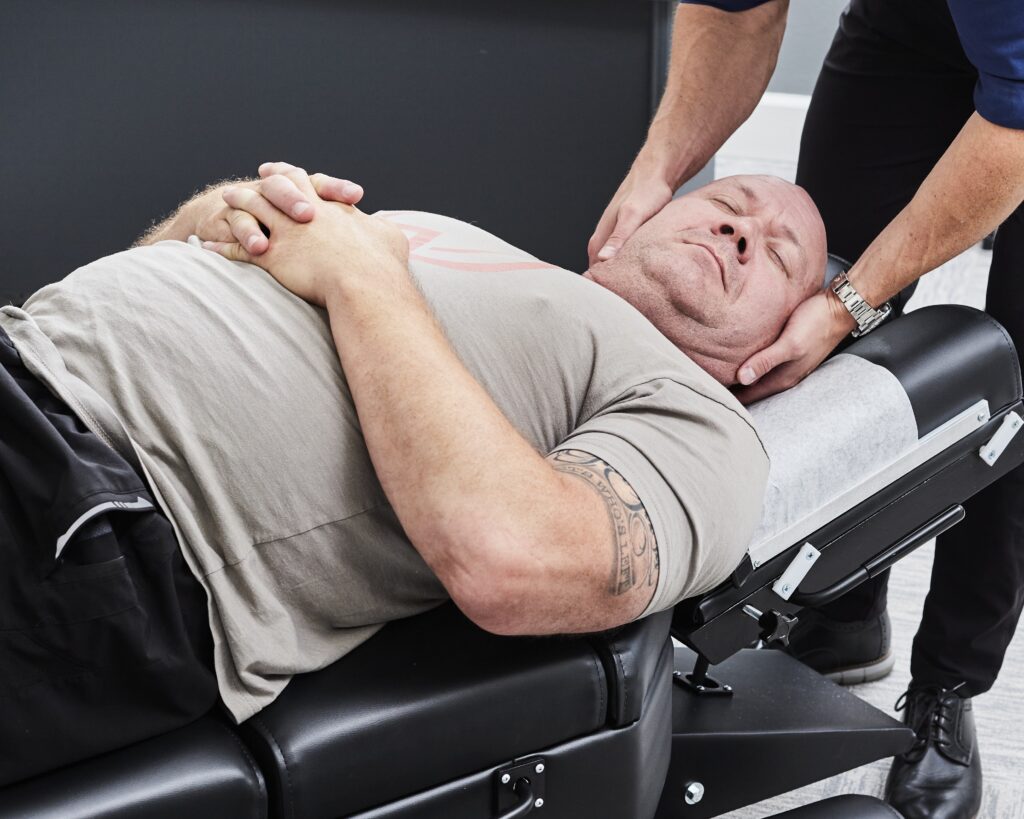
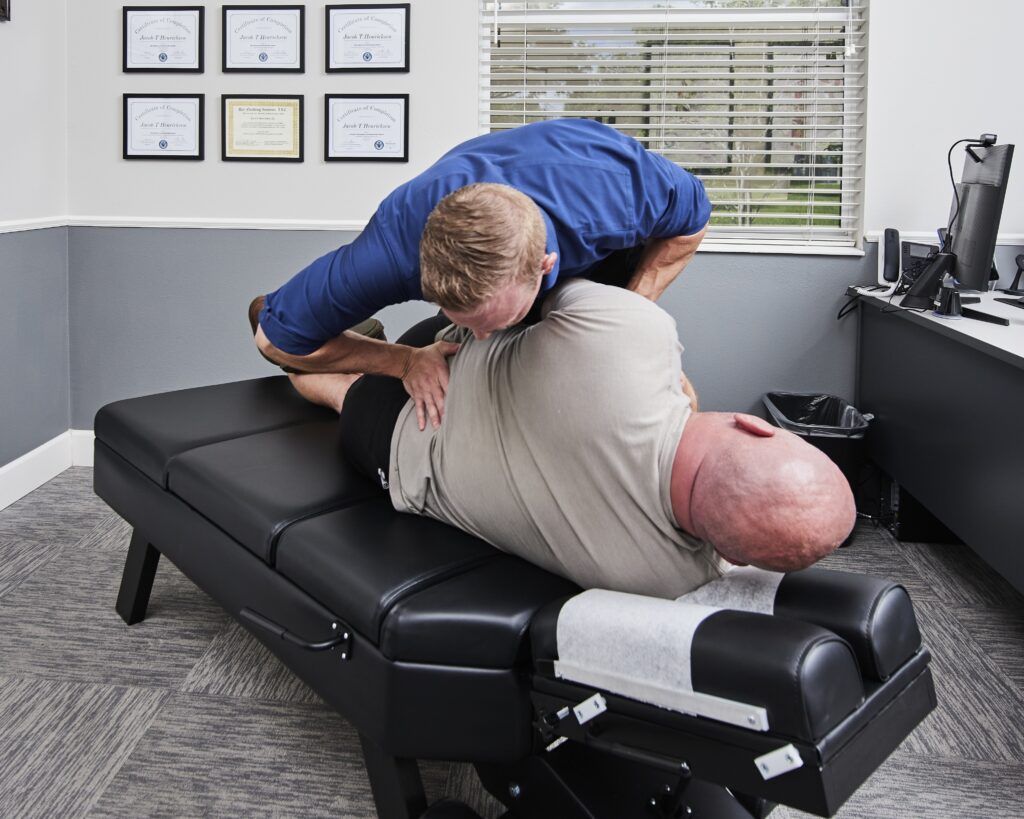
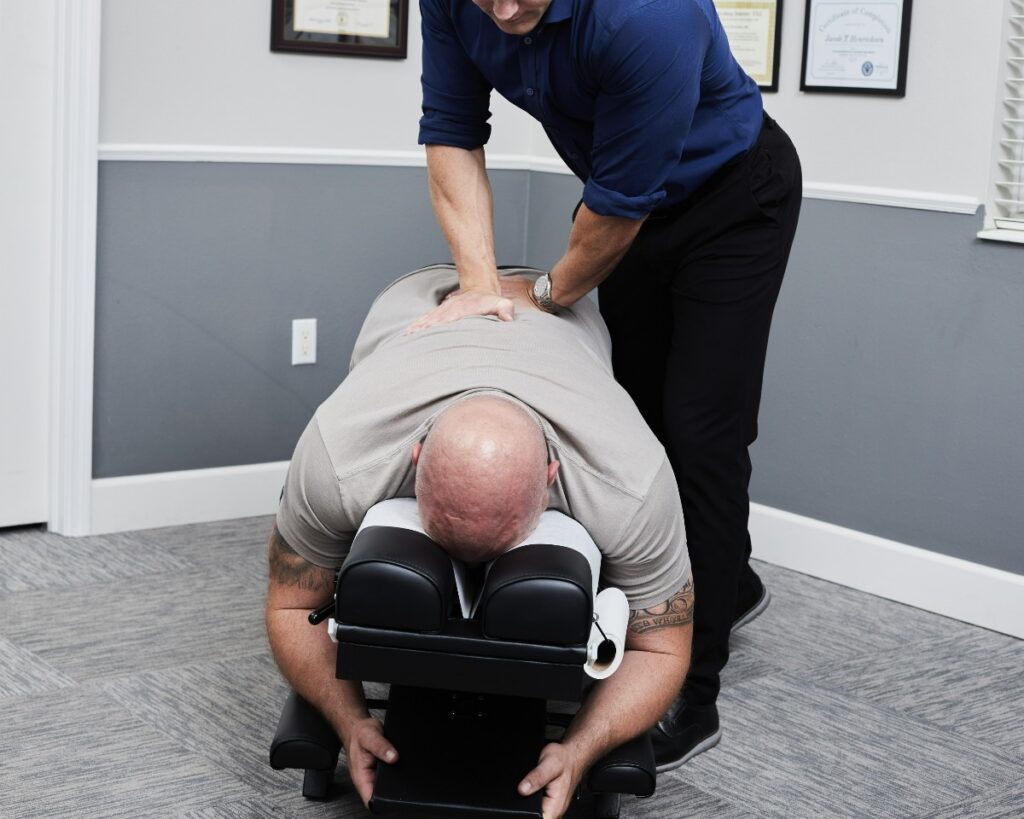
By visiting a chiropractor, you can guarantee that your spine is in the right position, allowing your body to heal efficiently. Chiropractors utilize various techniques, such as adjustments and manipulations, to correct misalignments in your spine. These adjustments help relieve tension in your muscles and joints, which can greatly reduce recovery time from injuries.
You mightn't realize it, but even minor misalignments can lead to pain or discomfort that hinders your athletic performance. Additionally, with improved spinal alignment, blood flow increases, delivering important nutrients and oxygen to your muscles. This boost can accelerate the healing process and help you bounce back faster after intense training sessions or competitions.
You'll also find that you experience less fatigue, allowing you to train harder and longer without the risk of injury. Incorporating chiropractic care into your routine can be a game-changer. Not only does it enhance your spinal alignment, but it also promotes overall wellness.
Improved Range of Motion
Chiropractic care can greatly boost your range of motion, helping you move more freely and efficiently during athletic activities. When your joints and muscles function effectively, you can perform at your best, whether you're sprinting on a track or swinging a racket. Chiropractors focus on improving your body's alignment and mobility, which are essential for achieving peak performance.
Through various techniques, such as spinal adjustments and soft tissue therapy, chiropractors address restrictions that may limit your movement. These interventions help align your spine and joints, which can alleviate tension and stiffness in your muscles. As a result, you'll notice an increase in flexibility, allowing you to execute movements with greater ease.
You might be surprised at how much your range of motion can improve after just a few chiropractic sessions. Many athletes report feeling more limber and agile, enabling them to push their physical limits without discomfort. Enhanced mobility also contributes to better overall body mechanics, reducing the risk of compensatory injuries that can arise from poor movement patterns.
Moreover, a more extensive range of motion can enhance your training routines. You'll find it easier to perform exercises that require flexibility, such as squats or lunges, leading to better strength and endurance over time.
Ultimately, incorporating chiropractic care into your recovery routine can make a significant difference in your athletic performance, helping you reach your goals with increased confidence and capability.
Injury Prevention Strategies
Utilizing effective injury prevention strategies is essential for athletes aiming to maintain peak performance and avoid setbacks. Chiropractors play a significant role in developing these strategies, helping you stay in top shape while minimizing the risk of injuries.
One of the most effective ways to prevent injuries is through regular spinal adjustments. These adjustments align your spine and improve nervous system function, which can enhance your overall coordination and balance.
In addition to spinal care, chiropractors emphasize the importance of proper biomechanics. They'll assess your movement patterns and provide guidance on how to execute specific techniques safely. This can help you avoid overuse injuries, which often arise from repetitive motions or incorrect form.
Incorporating strength training and flexibility exercises into your routine is another key strategy. A chiropractor can suggest exercises tailored to your needs, focusing on your muscle imbalances and weaknesses.
Another significant aspect is warm-up and cool-down routines. Your chiropractor can recommend specific stretches and mobility drills that prepare your body for activity and aid recovery afterward.
Staying hydrated and maintaining proper nutrition also contribute to injury prevention, so don't overlook these factors.
Finally, listening to your body is essential. If you're experiencing pain or discomfort, consult your chiropractor before pushing through it.
Tailored Recovery Plans
After implementing effective injury prevention strategies, the next step in optimizing your athletic performance is developing a tailored recovery plan. A personalized recovery plan focuses on your unique needs, taking into account your specific sport, injury history, and current physical condition. By working with a chiropractor, you can create a plan that aligns with your goals and enhances your recovery process.
Your recovery plan should incorporate a variety of components, including rest, nutrition, hydration, and rehabilitation exercises. Rest is essential for allowing your body to heal, so set aside time for adequate recovery between intense training sessions.
Nutrition plays a significant role, too; make certain you're fueling your body with the right nutrients to promote healing and replenish energy stores. Hydration can't be overlooked, as it directly impacts your performance and recovery. Make sure you're drinking enough fluids to support your body's needs, especially after workouts.
A chiropractor can also recommend specific rehabilitation exercises tailored to your recovery plan, targeting areas that require extra attention and strengthening. Additionally, regular check-ins with your chiropractor can help adjust your recovery plan based on your progress.
They can assess your body's response to training and recovery and make necessary modifications to keep you on track. By following a tailored recovery plan, you'll not only enhance your performance but also reduce the risk of future injuries, allowing you to reach your athletic goals more effectively.
Soft Tissue Therapy Benefits
Soft tissue therapy offers numerous benefits for athletes seeking to enhance their recovery and performance. This specialized treatment focuses on the muscles, tendons, ligaments, and fascia, helping you address tightness and restrictions that can impede your movement. By engaging in soft tissue therapy, you can improve your flexibility and range of motion, which is essential for ideal athletic performance.
One of the standout benefits is increased circulation. Enhanced blood flow nourishes your muscles, delivering crucial nutrients and oxygen while flushing out metabolic waste. This process not only aids in muscle recovery but also reduces the risk of injury, enabling you to train more effectively.
Additionally, soft tissue therapy helps break down scar tissue, which can develop from previous injuries or overuse. By doing so, you'll promote better muscle function and alignment, allowing you to perform at your best.
Another advantage is the stress-relieving aspect of soft tissue therapy. The massage techniques used can help relax your body and mind, reducing tension that builds up during intense training sessions. This relaxation not only feels good but can also improve your focus and mental clarity during competition.
Finally, soft tissue therapy fosters a deeper mind-body connection. By becoming more aware of your body's signals, you can better understand your physical needs and make adjustments to your training regimen.
In short, integrating soft tissue therapy into your recovery routine can greatly enhance your athletic performance and overall well-being.
Pain Management Techniques
When dealing with pain, chiropractors offer a range of effective techniques to help you recover.
Manual adjustments can realign your spine, while soft tissue therapy targets muscle tension.
Additionally, electrical stimulation techniques may enhance your healing process, making it easier for you to get back to your sport.
Manual Adjustments Benefits
Manual adjustments can greatly enhance your pain management strategy, especially for athletes recovering from injuries. These targeted spinal manipulations can help realign your musculoskeletal system, reducing pressure on nerves and alleviating pain.
When a chiropractor performs a manual adjustment, they use their hands to apply controlled force to specific joints, promoting better movement and function.
You might find that these adjustments can improve your range of motion, allowing you to return to your sport more quickly. By addressing misalignments, you're not only reducing pain but also preventing further injuries. Improved alignment can lead to better biomechanics, which is essential when you're pushing your body to perform at its best.
Additionally, manual adjustments can aid in the recovery of soft tissues by enhancing blood flow. This increased circulation brings crucial nutrients to your injured areas, speeding up healing and reducing inflammation.
You'll likely notice that your overall performance improves as you maintain a healthy spinal alignment. So, if you're serious about your recovery, incorporating manual adjustments into your treatment plan could be a game-changer for your pain management and athletic performance.
Soft Tissue Therapy
Incorporating soft tissue therapy into your recovery plan can greatly enhance pain management for athletes. This technique focuses on the muscles, tendons, and fascia, addressing tightness and discomfort that can hinder performance. By targeting these areas, you can effectively reduce pain, improve flexibility, and promote overall healing.
One common method is myofascial release, which involves applying gentle pressure to the connective tissue. This technique helps release tension and restore normal function, making it ideal for athletes recovering from intense training or injuries.
Trigger point therapy is another valuable approach, targeting specific knots in muscles to alleviate pain and discomfort.
Additionally, soft tissue therapy can enhance circulation, which aids in the delivery of nutrients to the injured areas, facilitating faster recovery. By integrating these techniques into your routine, you'll not only manage pain but also enhance your overall athletic performance.
Regular sessions with a chiropractor trained in soft tissue therapy can keep your muscles in peak condition, allowing you to train harder and recover quicker.
Electrical Stimulation Techniques
After addressing muscle tightness and discomfort with soft tissue therapy, consider adding electrical stimulation techniques to your pain management arsenal.
These techniques, often used by chiropractors, can effectively reduce pain and enhance recovery for athletes.
One common method is Transcutaneous Electrical Nerve Stimulation (TENS), which delivers low-voltage electrical currents to stimulate nerves and block pain signals. You might find TENS to be a quick and non-invasive way to feel relief, especially after intense workouts.
Another technique is Electrical Muscle Stimulation (EMS), which helps in muscle recovery by promoting blood flow and reducing soreness.
By mimicking the natural signals your brain sends to muscles, EMS can aid in muscle rehabilitation and strength recovery.
Chiropractors can tailor these treatments to your specific needs, ensuring that you get the best benefits. They'll assess your condition and decide the best approach for your recovery.
Incorporating electrical stimulation into your routine can accelerate healing, allowing you to get back to your game sooner and with less discomfort.
Increased Blood Circulation
Enhancing blood circulation is a key benefit of chiropractic care for athletes. When you receive chiropractic adjustments, your body experiences improved blood flow, which is essential for ideal performance and recovery. Increased circulation means that oxygen and crucial nutrients are delivered more efficiently to your muscles and tissues. This helps reduce fatigue and enhances your overall energy levels during training and competitions.
Moreover, better blood circulation aids in the removal of metabolic waste, such as lactic acid, which can accumulate after intense workouts. By flushing out these toxins, you can minimize soreness and expedite your recovery time. When you're not battling muscle stiffness, you're more likely to maintain a consistent training schedule and achieve your athletic goals.
Chiropractors use various techniques to enhance blood circulation, including spinal adjustments, massage therapy, and specific stretches. These methods work together to relieve tension in your muscles and align your spine, ultimately promoting better blood flow. As a result, you not only feel better post-workout but also notice an improvement in your overall performance.
Incorporating chiropractic care into your routine can be a game-changer. By prioritizing increased blood circulation, you give your body the tools it needs to recover faster and perform better.
Strengthening Core Stability
Strengthening core stability is essential for athletes looking to improve their performance and reduce the risk of injury. Your core serves as the foundation for nearly every movement you make, from running to jumping and even changing directions. A strong core helps maintain proper posture, balance, and coordination, which are vital during athletic activities.
Chiropractors play a pivotal role in enhancing your core stability. They can assess your current core strength and identify any weaknesses or imbalances that may affect your performance. Through targeted chiropractic adjustments and specialized exercises, they help you build a more stable core, enabling you to generate more power and control during your athletic endeavors.
Incorporating core-strengthening exercises into your routine can greatly enhance your athletic abilities. Simple exercises like planks, bridges, and rotations not only engage your abdominal muscles but also improve the strength of your back, hips, and pelvic region. Your chiropractor can guide you through these exercises, ensuring you perform them with proper form to maximize their effectiveness and minimize the risk of injury.
Moreover, by working on your core stability, you'll likely notice an improvement in your overall endurance and agility. You'll be better equipped to withstand the physical demands of your sport, allowing you to push your limits further.
Education on Body Mechanics
Understanding body mechanics is essential for athletes like you, as it helps refine your movement patterns.
By learning proper techniques, you can greatly reduce your risk of injury during training and competition.
Chiropractors can guide you in mastering these strategies for ideal performance and safety.
Understanding Movement Patterns
When it comes to athletic performance, recognizing how your body moves is essential for preventing injuries and enhancing recovery. Understanding movement patterns helps you identify strengths and weaknesses in your physical abilities. This knowledge allows you to address imbalances, ensuring your body functions efficiently during training and competition.
Chiropractors play a significant role in educating you about body mechanics and movement. They assess your posture, joint alignment, and muscle function, providing insights into your unique movement patterns. By analyzing how you move, they can help you enhance performance and speed up recovery.
Here are some key aspects to take into account:
- Posture Assessment: Learn the importance of maintaining proper alignment to improve efficiency.
- Functional Movement: Understand how different activities impact your body and identify areas for improvement.
- Muscle Activation: Discover which muscles you need to engage for peak performance.
- Range of Motion: Recognize how flexibility and mobility affect your overall movement quality.
With this information, you can make informed decisions about your training regimen and recovery strategies, leading to better performance on the field or court.
Injury Prevention Techniques
Preventing injuries is essential for athletes aiming to maintain peak performance throughout their season. Chiropractors play a significant role in educating you on proper body mechanics, which helps minimize the risk of injury. By understanding how your body moves, you can better navigate the demands of your sport.
Chiropractors teach you about alignment, posture, and the biomechanics of your movements. They emphasize the importance of warming up and cooling down, ensuring your muscles and joints are prepared for activity.
You'll learn how to engage your core effectively, which stabilizes your body during dynamic movements and reduces strain on your limbs. In addition, chiropractors can help you develop strength training routines that address any muscle imbalances.
This tailored approach not only enhances your performance but also fortifies vulnerable areas prone to injury. They may also incorporate techniques like taping or bracing to support your joints during high-impact activities.
Conclusion
Incorporating chiropractic care into your athletic routine can greatly enhance your recovery and performance. By focusing on spinal alignment, improving your range of motion, and providing tailored recovery plans, chiropractors help you stay injury-free and ready for your next challenge. Their expertise in soft tissue therapy and pain management guarantees you recover faster, while education on body mechanics empowers you to train smarter. Don't underestimate the impact a chiropractor can have on your athletic journey!