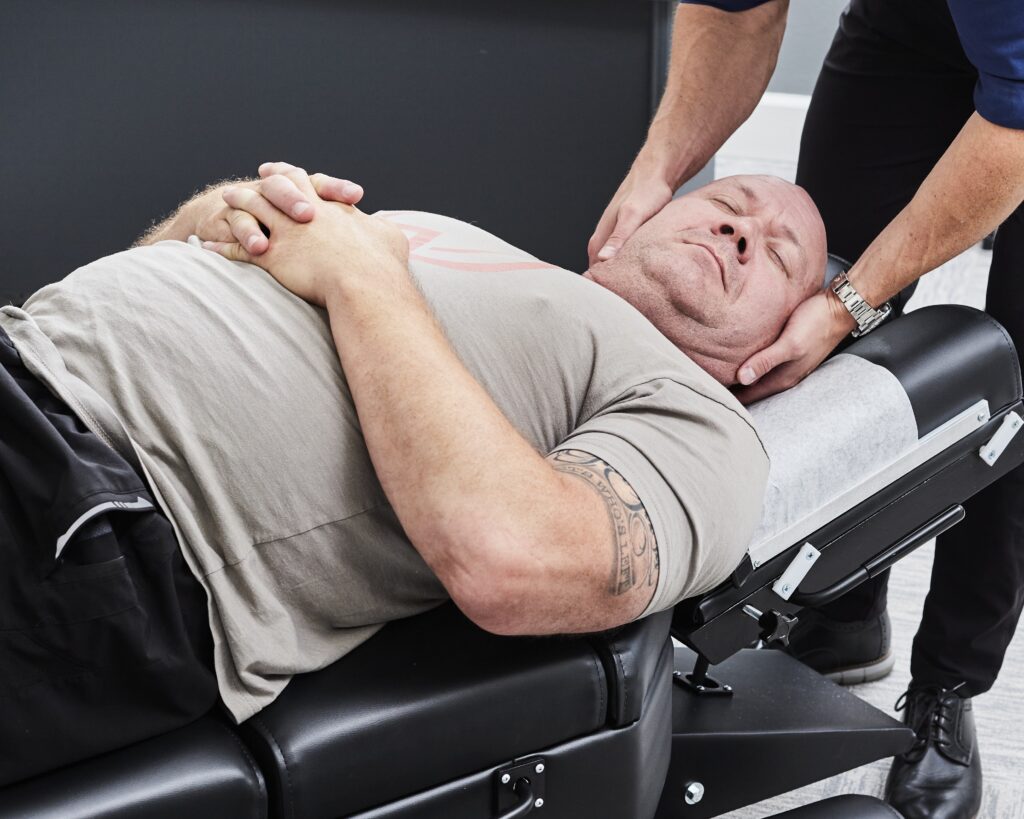
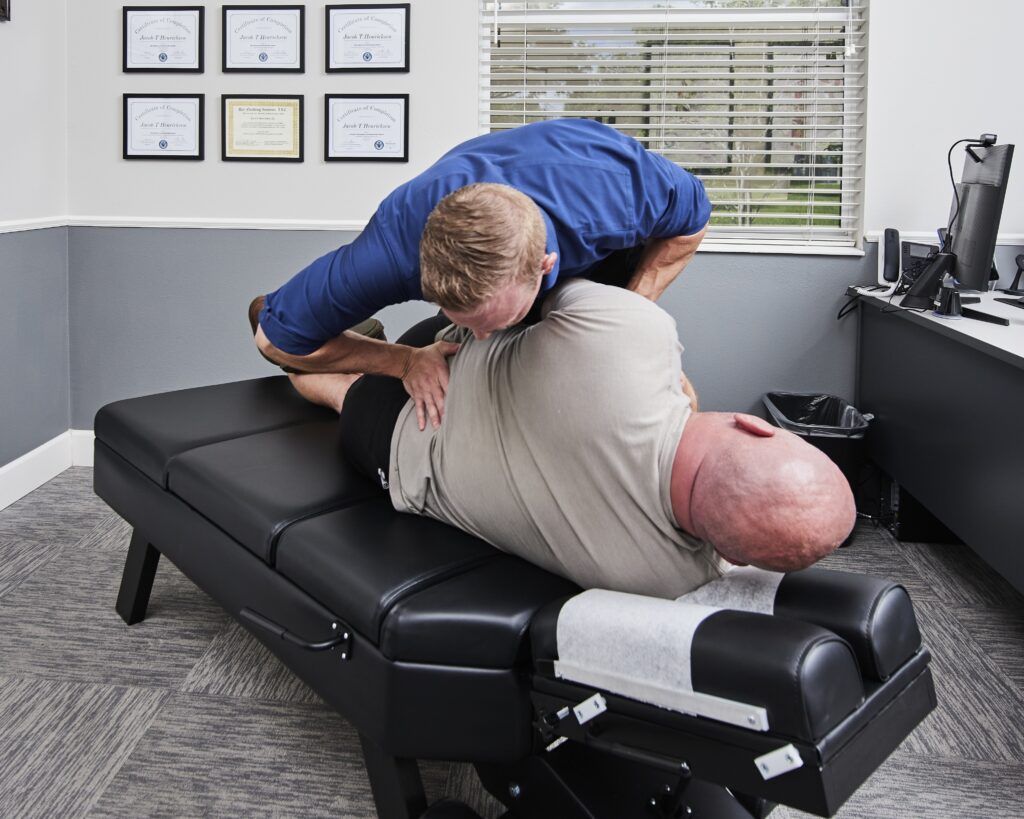
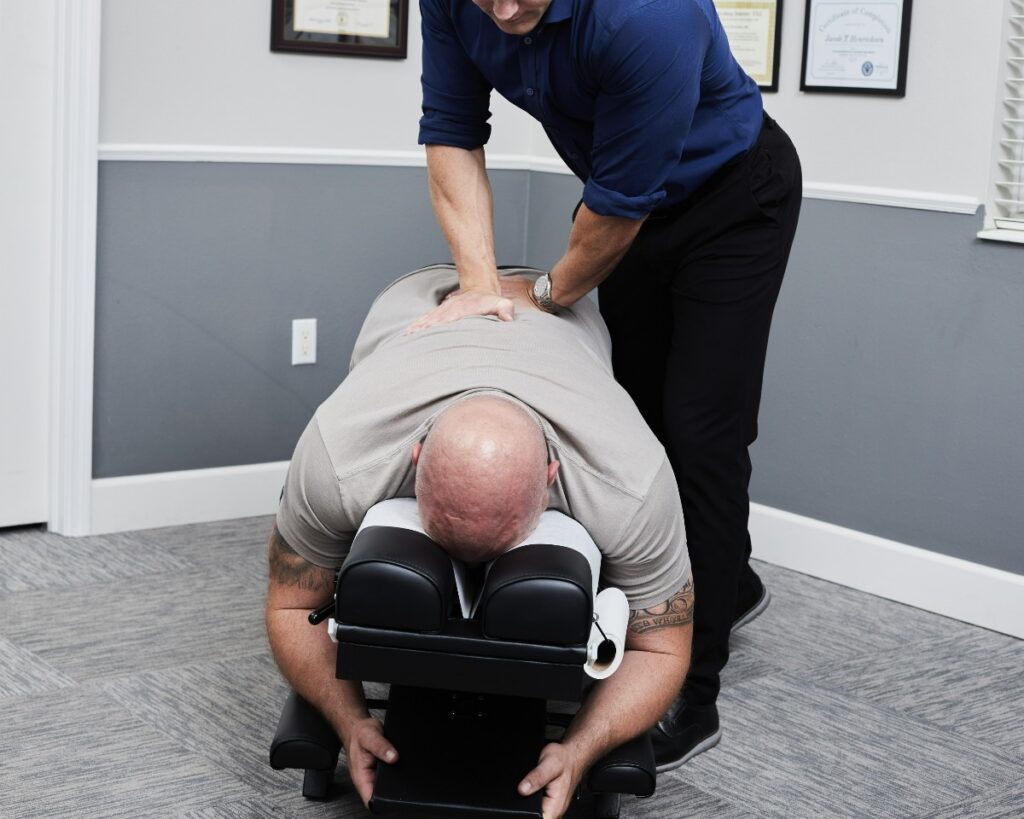
As a local chiropractor, I want to share some valuable insights for those of you dealing with back pain. Understanding effective techniques can truly transform your experience. Often, simple changes in your posture, along with specific stretching and strengthening exercises, can significantly reduce your discomfort.
In my practice, I frequently recommend incorporating heat and cold therapy as a way to provide immediate relief to your aching back. But it's not just about those immediate fixes; I encourage you to explore mindfulness practices and alternative therapies as well. These methods can uncover new pathways to healing that you might not have considered before.
If you're curious about which specific chiropractic techniques or natural healing methods could work best for you, I invite you to reach out for a consultation. Together, we can create a personalized plan that addresses your unique needs and helps you on your journey to relief.
Posture Correction
As a chiropractor, I want to emphasize the importance of good posture for preventing and alleviating back pain, especially in our modern world where many individuals spend countless hours hunched over screens. Maintaining proper posture allows you to distribute your weight evenly and significantly reduces strain on your spine.
To enhance your posture, it's essential to become aware of how you hold your body in various situations throughout your day. When sitting, ensure that your feet are flat on the floor and that your back is straight against the chair. It's crucial to use a chair that provides adequate support for your lower back and allows your knees to rest at a right angle. If you struggle to maintain this position, consider incorporating a cushion or a lumbar roll for added support.
When it comes to standing, make sure to distribute your weight evenly between both feet and keep your shoulders back. Engaging your core muscles can also offer additional support to your spine, which is vital for overall spinal health.
I also encourage you to set up your workspace ergonomically. Position your computer screen at eye level to avoid tilting your head down or straining your neck. Your chair should allow your arms to remain parallel to the ground while typing. If you frequently use the phone, a headset can be a valuable tool to prevent unnecessary strain from cradling the phone between your shoulder and ear.
Stretching Exercises
As a local chiropractor, I often emphasize the importance of incorporating regular stretching exercises into your daily routine. Many patients come to me experiencing back pain, and I've found that stretching plays a crucial role in alleviating discomfort and enhancing flexibility. By engaging in stretching, you can relieve muscle tension, improve circulation, and increase your range of motion, all contributing to a healthier back.
Let's start with a couple of simple stretches that you can easily integrate into your day. One effective stretch is the cat-cow stretch. Begin on all fours, arch your back as you inhale, and then round it as you exhale. This movement not only warms up your spine but also helps to release built-up tension.
Another great stretch is the child's pose. Kneel down and sit back on your heels, while reaching your arms forward on the floor. This position opens up your back and promotes a sense of relaxation, which is essential for your overall well-being.
It's also important to address tight hamstrings, as they can significantly contribute to back pain. A simple hamstring stretch involves sitting on the floor with one leg extended and the other bent, then reaching towards your toes. Hold this position for 15-30 seconds before switching legs.
Additionally, standing forward bends can effectively stretch your lower back. Stand with your feet hip-width apart and gently bend forward, allowing your arms to dangle toward the floor.
As you perform these stretches, remember to breathe deeply and never force your body into uncomfortable positions. Consistency is key in your healing journey. I recommend aiming to stretch at least three to four times a week, gradually increasing the duration as your flexibility improves.
Strengthening Workouts
As a local chiropractor, I want to emphasize the importance of strengthening workouts in addition to stretching for maintaining a healthy back. While stretching helps keep your muscles flexible and eases tension, strengthening your core muscles is equally vital for supporting your spinal health. A strong core creates a stable foundation, alleviating pressure on your spine and significantly reducing the risk of injury.
Furthermore, strong muscles promote proper posture, which is essential for preventing back pain. To begin enhancing your back health, I recommend incorporating exercises that target your abdominal, back, and pelvic muscles into your routine.
One effective exercise is the plank. This not only engages multiple muscle groups but can also be easily modified to fit your fitness level. Start with a basic plank, holding the position for 20-30 seconds, and as you build strength, gradually increase the duration.
Another excellent exercise is the bridge. To perform this, lie on your back with your knees bent and feet flat on the floor. Lift your hips towards the ceiling while squeezing your glutes and engaging your core. Hold this position for a few seconds before gently lowering back down. Aim for 10-15 repetitions to start.
Don't overlook the benefits of rows! You can use resistance bands or weights for this exercise. Stand with your feet shoulder-width apart, bend slightly at the knees, and hinge forward at the hips. Pull the weights toward your body while squeezing your shoulder blades together. Strengthening your upper back with this exercise is crucial for maintaining good posture and supporting your spine.
As you embark on this journey to build strength, always listen to your body. If any movement feels uncomfortable or causes pain, adjust your form or consult with a healthcare professional, like myself, for guidance.
Heat and Cold Therapy
As a local chiropractor, I want to share some valuable insights on managing back pain through natural methods like heat and cold therapy. Many of my patients find relief by utilizing these techniques, and I believe they can be beneficial for you as well.
Heat therapy is fantastic for relaxing tight muscles and enhancing blood circulation, which can promote healing. It's often best used when your muscles feel stiff or tense.
On the other hand, cold therapy is effective at reducing inflammation and numbing sharp pain, making it ideal for acute injuries or flare-ups.
Understanding how to apply these therapies correctly can significantly enhance your recovery process. I encourage you to explore these methods and see how they can complement your overall chiropractic care for optimal results.
Benefits of Heat Therapy
As a local chiropractor, I want to share with you the benefits of heat therapy as a natural way to alleviate back pain, especially when used alongside cold therapy.
When you apply heat to your back, it enhances blood flow to the affected area, which promotes relaxation and encourages healing. This increased circulation brings essential nutrients and oxygen to your muscles, helping to speed up recovery from tension and stiffness.
Heat therapy can be incredibly soothing. The warmth penetrates deeply into your muscles, easing discomfort and allowing for greater mobility. Whether you choose a heating pad, hot water bottle, or a warm bath, finding the method that suits you best can make a significant difference in your comfort level.
Moreover, heat therapy is particularly effective for managing chronic pain. If you've been experiencing ongoing discomfort, incorporating regular heat applications into your routine can help control your symptoms over time.
Just keep in mind to avoid applying heat to swollen areas, as it may worsen inflammation.
Integrating heat therapy into your self-care practices can be a simple yet powerful approach to combatting back pain.
So, the next time you experience tightness or soreness in your back, consider utilizing heat therapy to help you feel more relaxed and at ease.
If you have any questions or need further guidance, please don't hesitate to reach out. Your journey to better health is important to us!
Advantages of Cold Therapy
As a local chiropractor, I want to share with you the benefits of cold therapy for relieving back pain, especially following an injury or flare-up. When you experience pain, applying cold packs or ice to the affected area can be incredibly effective. This method works by reducing inflammation and numbing the sore tissues, offering you immediate relief.
It's crucial to start this treatment within the first 48 hours after an injury when your body is likely to swell and tighten muscles around the painful area. Cold therapy also plays a significant role in constricting blood vessels, which helps limit the flow of substances that can exacerbate your pain. By managing these symptoms effectively, you can improve your mobility and return to your daily activities more quickly.
One of the great things about cold therapy is its simplicity. You can easily apply it at home using common items such as ice packs or even frozen vegetables wrapped in a cloth. Just be sure to limit each application to 15-20 minutes to avoid any skin damage.
Incorporating cold therapy into your pain relief routine can significantly enhance your overall recovery process. It's a straightforward, cost-effective approach that works well alongside other treatments, making it a valuable addition to your back pain management toolkit.
If you're curious about how to integrate this and other natural healing methods into your care, feel free to reach out during your next visit.
Mindfulness and Relaxation
As a local chiropractor, I want to share how mindfulness and relaxation techniques can play a pivotal role in alleviating back pain while promoting a deeper connection between your mind and body. Many people are unaware that by practicing mindfulness, you can become more attuned to your body's sensations, which helps you recognize tension and discomfort before it escalates into more significant pain.
Focusing on the present moment can significantly reduce anxiety and stress, common contributors to muscle tension and discomfort in the back. One effective method to start this journey is by incorporating deep breathing exercises into your daily routine. Find a quiet space, sit comfortably, and engage in slow, deep breaths. Inhale deeply through your nose, allowing your abdomen to expand, and then exhale slowly through your mouth. Repeat this process for several minutes, allowing your mind to settle and your body to relax.
You might also benefit from guided meditation or visualization techniques. Picture a calm and peaceful place or situation that brings you comfort. This mental imagery can create a soothing environment for your mind and body.
Another technique I recommend is progressive muscle relaxation. This involves tensing each muscle group in your body for a few seconds and then releasing it. Pay special attention to the sensation of relaxation that follows. This practice not only alleviates physical tension but also fosters a sense of overall calm.
Additionally, I encourage you to incorporate mindfulness into your daily activities. Whether you're eating, walking, or stretching, be mindful of the sensations in your body and how they relate to your back pain. By regularly practicing mindfulness, you may find that managing your pain becomes more manageable, enhancing your overall well-being.
Ergonomic Adjustments
As a local chiropractor dedicated to your health, I want to emphasize the importance of ergonomic adjustments in your daily routine, especially if you find yourself sitting at a desk or working with your hands for extended periods. These simple changes can significantly reduce your risk of back pain and improve your overall well-being.
First, let's talk about your chair. It's vital that your chair provides adequate support for your lower back. Ideally, your feet should rest flat on the floor. If you find that your feet dangle or can't reach the ground comfortably, consider using a footrest.
Adjust the height of your chair so that your knees are bent at a right angle, ideally level with or slightly below your hips. This position helps maintain proper posture and reduces strain on your spine.
Next, the positioning of your computer monitor is crucial. It should be at eye level to prevent unnecessary strain on your neck, promoting a natural alignment of your spine. If you use a laptop, I highly recommend investing in a separate keyboard and mouse. This will allow you to elevate the screen to the correct height while keeping your elbows close to your body and bent at a 90-degree angle.
Don't overlook the layout of your workspace. Keeping frequently used items within easy reach minimizes twisting and stretching, which can lead to discomfort. For documents, using holders can help prevent you from looking down for extended periods—something that can strain your neck and back.
Additionally, I encourage you to take regular breaks throughout your day. Standing up, stretching, and moving around can help relieve tension and improve circulation. Your body needs these moments to reset and recharge.
Lastly, if your job requires you to be on your feet for long periods, the type of footwear you choose is essential. Supportive shoes can greatly enhance your overall posture and comfort, making a significant difference in how you feel at the end of the day.
By implementing these ergonomic adjustments, you can create a healthier work environment that promotes better back health. This proactive approach won't only help you stay productive but also pain-free.
Alternative Therapies
As a local chiropractor, I often see many individuals seeking relief from back pain, and I want to share how alternative therapies can effectively complement traditional treatments.
If you're looking for a holistic approach or ways to enhance your recovery, exploring various alternative therapies can be highly beneficial.
One of the most effective options we offer is chiropractic care. This involves spinal manipulation and alignment, focusing on relieving tension and improving mobility. By receiving regular adjustments, not only can you alleviate your current discomfort, but you can also maintain better posture and minimize the risk of future back pain.
Acupuncture is another alternative therapy that many of my patients find helpful. This ancient practice involves inserting thin needles into specific points on the body, stimulating your body's natural healing processes and reducing pain. Many individuals report significant relief after just a few sessions, making it a compelling option to consider.
Massage therapy is also worth exploring. Techniques such as deep tissue or trigger point massage can effectively alleviate muscle tension and promote relaxation. Regular massages can help manage stress, which often contributes to back pain, enhancing your overall well-being.
For those interested in natural remedies, herbal supplements like turmeric and ginger are known for their anti-inflammatory properties. However, I always recommend consulting with a healthcare professional before starting any new supplements to ensure they align with your individual health needs.
Additionally, incorporating practices like yoga and tai chi into your routine can greatly enhance flexibility, strength, and balance—key components for maintaining a healthy back.
Conclusion
As your local chiropractor, I want to share some effective techniques that can significantly help relieve your back pain and enhance your overall well-being. One of the most important aspects to consider is your posture. Maintaining proper alignment while sitting, standing, or moving can make a huge difference in how your back feels.
In addition to posture, incorporating stretching and strengthening exercises into your daily routine is essential. These exercises can help support your spine and reduce tension in your muscles. I often recommend specific stretches that target key areas of the back to help alleviate discomfort.
Utilizing heat and cold therapy can also be beneficial. Heat can help relax tense muscles, while cold therapy can reduce inflammation and numb sharp pain. It's important to listen to your body and use these therapies as needed.
Additionally, don't underestimate the power of mindfulness. Practicing mindfulness techniques can help you manage pain and stress more effectively. Ergonomic adjustments in your workspace are equally important; ensuring your chair, desk, and computer setup support your body can prevent strain and discomfort.
I also encourage you to explore alternative therapies. Many patients find relief through acupuncture, massage, or even yoga. These methods can complement the chiropractic care I provide and enhance your healing process.
By prioritizing self-care and seeking professional guidance, you can embark on a journey towards a healthier, pain-free back. If you have any questions or would like to learn more about how chiropractic care can help you, feel free to reach out. Your well-being is my top priority!