As a local chiropractor, I understand that many individuals suffer from lower back pain, and it can be a significant obstacle in your daily life. You’re not alone in this struggle. Fortunately, there are natural and effective techniques that you can incorporate into your routine over the next 30 days to alleviate that discomfort.
First and foremost, let’s talk about the importance of good posture. Maintaining proper alignment is crucial in reducing strain on your back. Additionally, incorporating regular stretching can greatly enhance flexibility and help relieve tension in the muscles that support your spine.
Strengthening your core is another vital aspect of back pain relief. A strong core supports your spine and can prevent future injuries.
Are you interested in learning more about specific steps you can take, as well as other holistic approaches that can aid your recovery? Together, we can explore the best strategies to help you ease that pain and improve your overall well-being.
Understanding Lower Back Pain: Causes and Symptoms
As a local chiropractor, I want to help you understand lower back pain and how we can work together to find relief naturally.
It’s important to know that lower back pain can stem from various causes, such as muscle strains, herniated discs, or spinal stenosis. You may experience different sensations, like sharp, dull, or throbbing pain, which can sometimes radiate down your legs. Recognizing whether your pain is acute (short-term) or chronic (long-lasting) is vital in determining the best treatment approach.
I encourage you to pay attention to any accompanying symptoms, such as stiffness, reduced range of motion, or numbness. If you experience these signs, particularly following an injury or fall, it’s crucial to seek medical advice.
In our practice, we focus on identifying the root causes of your pain, which may be linked to poor ergonomics, a sedentary lifestyle, or underlying health conditions.
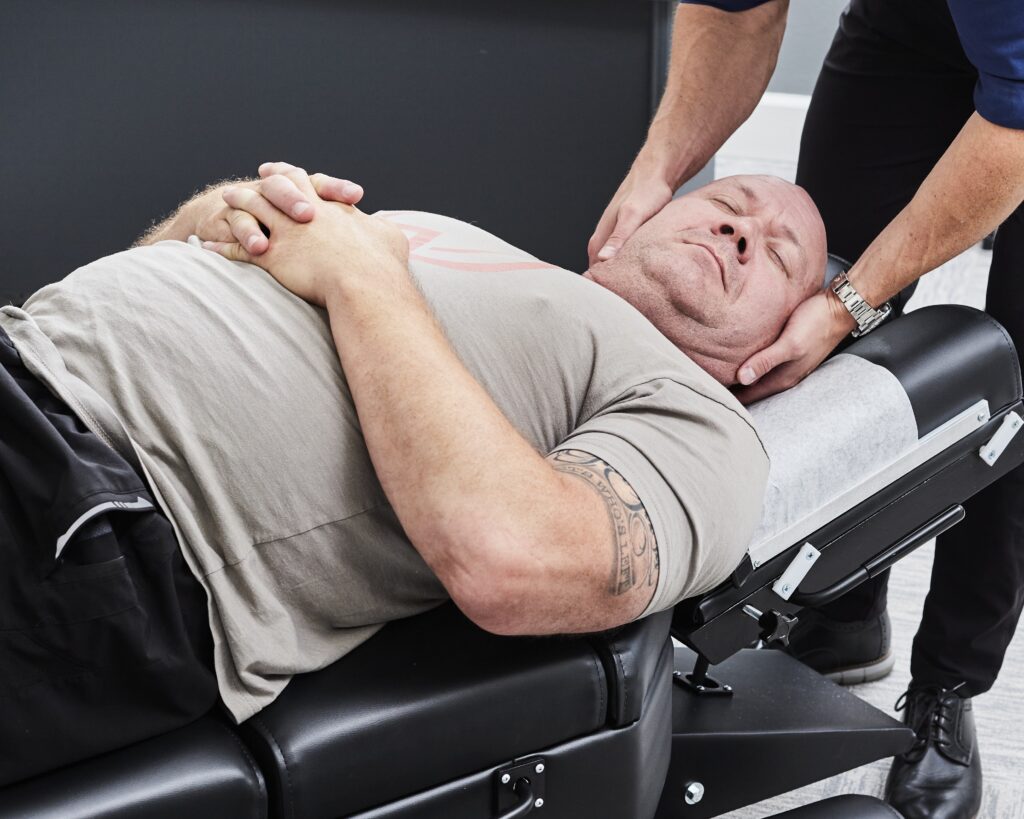
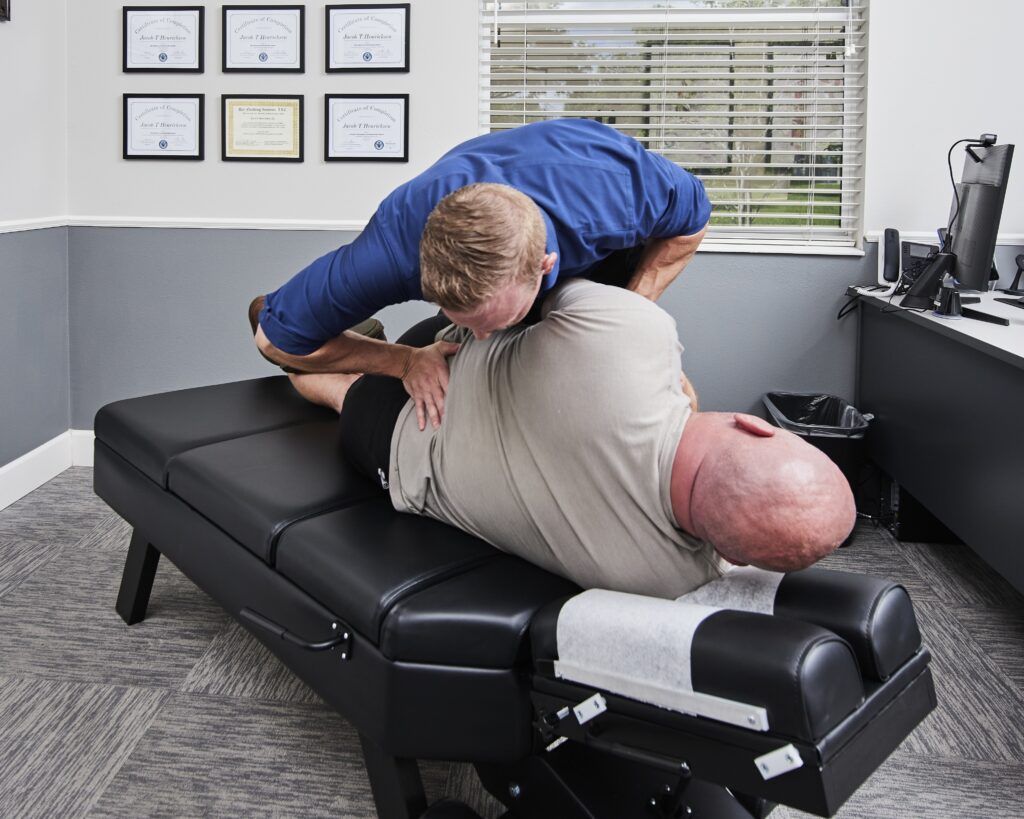
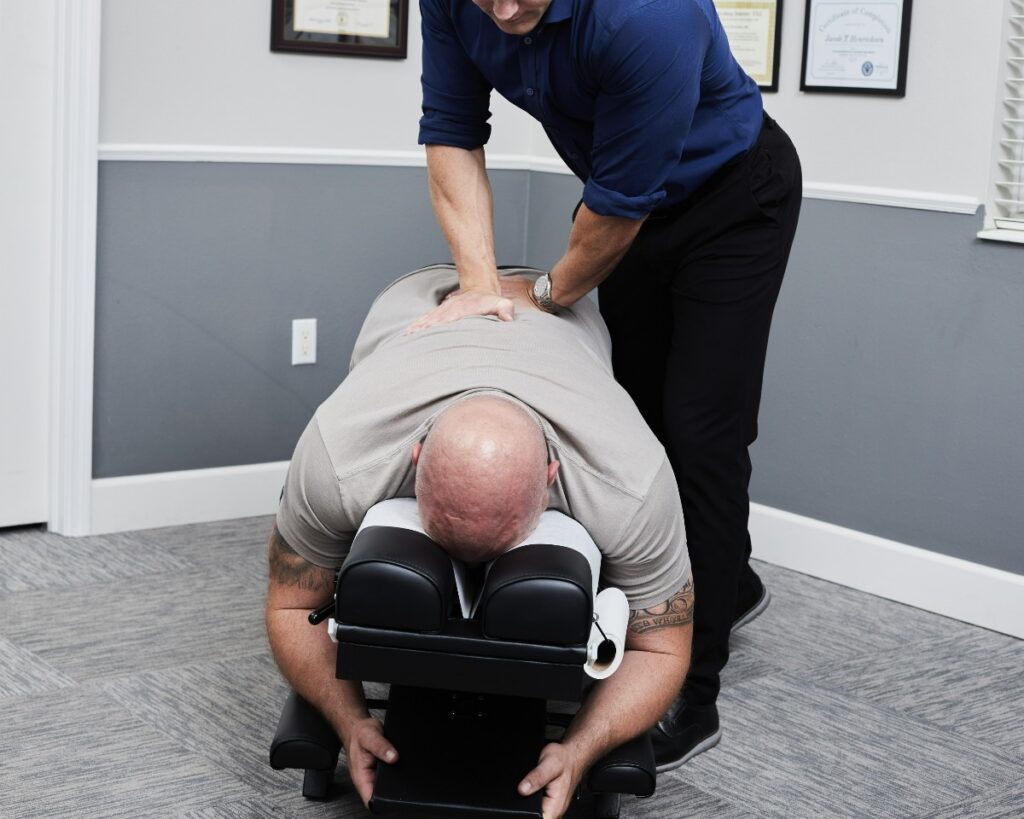
Chiropractic care offers a natural and holistic approach to treating lower back pain. By addressing misalignments in your spine and improving your overall function, we can help alleviate your discomfort and promote healing.
Together, we can develop a personalized treatment plan that may include adjustments, exercises, and lifestyle modifications to support your journey toward better health.
The Importance of Good Posture
As a local chiropractor, I want to emphasize the critical importance of good posture in preventing and alleviating lower back pain. Many people are unaware that poor alignment can place unnecessary stress on your spine and muscles, leading to discomfort and long-term issues.
When you maintain proper alignment while sitting, standing, or moving, you help distribute your body weight evenly, which significantly reduces strain on your back.
To achieve good posture, I recommend keeping your shoulders back and relaxed, ensuring your feet are flat on the floor, and maintaining a straight spine.
If you find yourself sitting for extended periods, it’s crucial to choose a chair that provides adequate support for your lower back and to take regular breaks to stand and stretch.
When lifting objects, always bend at your knees rather than your waist, and keep the load close to your body. This technique not only minimizes strain on your back but also encourages better posture.
By making these simple adjustments, you can enhance your overall comfort and significantly lower your risk of developing chronic lower back pain.
Prioritizing good posture is a straightforward yet effective strategy for achieving relief and promoting overall well-being.
As your chiropractor, I’m here to guide you in understanding how natural healing and proper body mechanics can play a vital role in your health journey.
Incorporating Daily Stretching Routines
As a local chiropractor dedicated to helping you achieve optimal health, I want to emphasize the importance of incorporating daily stretching routines into your lifestyle, especially for those struggling with lower back discomfort.
These simple yet effective exercises can significantly enhance your flexibility and strengthen the muscles that support your spine. By taking a few minutes each day to stretch, you can experience relief from pain and reduce the risk of future issues.
Let’s take a look at some recommended stretches that can make a difference in your daily routine.
By understanding and practicing these movements, you can empower yourself in your journey toward better back health and overall well-being.
Benefits of Stretching
As a local chiropractor, I want to emphasize the incredible benefits of incorporating daily stretching into your routine, especially for those of you who may be experiencing lower back pain. Stretching is a simple yet effective way to enhance your overall well-being and can significantly alleviate discomfort.
By making stretching a part of your daily activities, you can improve your flexibility and strengthen the muscles that support your spine. This is crucial for reducing tension and stiffness, which in turn makes it easier for you to move through your day without pain.
Additionally, regular stretching promotes increased blood flow to your muscles, which aids in faster recovery and reduces soreness. As you continue to stretch, you may also notice improvements in your posture. Good posture is vital, as it helps relieve pressure on your lower back and minimizes discomfort.
Moreover, stretching has positive effects on your mental health. It can boost your mood and reduce stress levels, contributing to your overall health and well-being.
Recommended Stretching Exercises
As a local chiropractor, I want to share some effective stretching exercises that can play a significant role in relieving lower back pain. It’s important to incorporate these stretches into your daily routine to target the muscles that may be contributing to your discomfort.
Begin with the child’s pose; this gentle stretch helps to elongate your spine and open up your hips. Next, try the cat-cow stretch; this movement not only improves flexibility but also alleviates built-up tension in your back.
The seated forward bend is another excellent option, as it can further stretch and lengthen your lower back. Additionally, the supine spinal twist can encourage better mobility in your lumbar region.
Don’t overlook the importance of the hamstring stretch. Tight hamstrings can often exacerbate back pain, so taking a few moments to stretch them can be beneficial.
For each of these stretches, aim to hold for 20-30 seconds while focusing on your breath. Deep breathing can enhance your relaxation and maximize the benefits of each stretch.
By making these stretches a daily habit, you can’t only relieve pain but also improve overall flexibility and strength in your back.
Strengthening Core Muscles for Support
As a local chiropractor, I’m here to help you understand the importance of strengthening your core muscles, especially when it comes to alleviating lower back pain. Your core muscles play a vital role in supporting your spine, and a strong core can help stabilize your body, reducing strain on your lower back during everyday activities.
Here are three effective exercises that I often recommend to my patients to boost core strength:
- Plank: Begin by holding a plank position for about 30 seconds. Focus on engaging your core while keeping a straight line from your head to your heels. This exercise helps build endurance in your core muscles.
- Bridges: Lie flat on your back with your knees bent and feet flat on the floor. Gently lift your hips towards the ceiling while squeezing your glutes. Hold this position for a few seconds before lowering back down. This exercise strengthens your lower back and glutes, providing additional support.
- Bird-Dog: Start on all fours, ensuring your hands are directly under your shoulders and your knees under your hips. Slowly extend one arm forward and the opposite leg backward while maintaining your balance. After a few seconds, switch sides and repeat. This exercise helps improve coordination and stability in your core.
Incorporating these exercises into your routine can significantly enhance your core strength, promote better posture, and improve overall stability. This, in turn, can help you manage and prevent lower back pain.
The Role of Heat and Cold Therapy
As your local chiropractor, I want to share some valuable insights on managing lower back pain using natural methods like heat and cold therapy. These therapies can be incredibly effective in providing relief.
Heat therapy works wonders by relaxing your muscles and enhancing blood circulation to the affected area. This increased blood flow can help alleviate stiffness and promote healing.
On the other hand, cold therapy is beneficial for reducing inflammation and numbing sharp pain, which can be particularly helpful after an injury or during a flare-up.
Combining these two approaches can maximize your comfort and recovery. For instance, you might start with cold therapy to tackle any swelling and then switch to heat therapy to soothe and relax your muscles.
Let’s discuss how to implement these techniques safely and effectively to support your journey toward better health and well-being.
Benefits of Heat Therapy
As a local chiropractor, I want to share with you the incredible benefits of heat therapy, especially for those dealing with lower back pain. This natural healing method can be a comforting solution that promotes relaxation and improves circulation in your body.
Here’s how heat therapy can help you manage your pain effectively:
- Muscle Relaxation: When you apply heat, it helps to ease the tension in tight muscles. This relaxation is crucial for improving your range of motion and allowing your body to move more comfortably.
- Enhanced Blood Flow: Heat therapy stimulates increased circulation, which is essential for delivering oxygen and essential nutrients to the affected areas. This boost in blood flow aids in healing and recovery, making it an important part of your pain management plan.
- Pain Relief: The soothing warmth from heat therapy can significantly dull the pain signals that your brain receives. This alleviation can provide you with the comfort you need to go about your daily activities with less discomfort.
Integrating heat therapy into your routine is a simple yet effective strategy for managing lower back pain. It’s a natural approach that complements chiropractic care and supports your overall back health.
If you have any questions or want to learn more about how heat therapy can fit into your wellness journey, don’t hesitate to reach out.
Cold Therapy Techniques
As your local chiropractor, I want to share the importance of cold therapy in managing lower back pain, in conjunction with the holistic approaches we offer.
While many of you may be familiar with the soothing effects of heat therapy for relaxation and improving circulation, cold therapy is equally vital for pain relief and recovery.
Using ice packs or cold compresses can significantly help reduce inflammation and numb areas of discomfort in your lower back. I recommend applying an ice pack wrapped in a cloth to the affected area for about 15-20 minutes at a time.
It’s crucial to give your skin a break in between applications to prevent frostbite. For convenience, consider using a cold gel pack, as it easily molds to your body and retains its cold temperature for longer periods.
If you’re experiencing chronic pain, I suggest alternating between cold therapy and gentle stretching exercises. This combination can enhance your recovery and promote greater flexibility.
Always pay attention to how your body responds, and if your pain persists or worsens, don’t hesitate to reach out to me or another healthcare professional for guidance.
Together, we can work towards a natural healing approach that suits your individual needs.
Combining Heat and Cold
As your local chiropractor, I’m here to help you understand how you can effectively manage lower back pain through the combination of heat and cold therapy. Each of these methods has its own unique benefits that can work together to provide you with maximum relief.
Here’s how you can use heat and cold to alleviate discomfort:
- Begin with Cold Therapy: Start by applying a cold pack to the affected area for about 15-20 minutes. This will help reduce inflammation and numb any sharp pain you might be experiencing, facilitating a more comfortable state.
- Transition to Heat Therapy: After the cold application, switch to a heating pad or a warm towel. This step is crucial as it encourages increased blood flow to the area, helping to relax tight muscles and promote healing.
- Alternate Between Heat and Cold: For optimal results, consider alternating between heat and cold every 30 minutes. This method can help you address both inflammation and muscle tension, providing a comprehensive approach to your pain relief.
Incorporating these therapies into your routine can significantly enhance your comfort and support your journey towards better health.
If you have any questions or need guidance on how to implement these techniques, don’t hesitate to reach out during your next visit!
Ergonomic Adjustments at Home and Work
As a local chiropractor, I want to emphasize the importance of making ergonomic adjustments both at home and at work to alleviate lower back pain and enhance your overall comfort.
A well-organized workspace can make a significant difference in how you feel throughout your day.
First, ensure that your chair provides adequate support for your lower back. Your feet should rest flat on the ground; if the desk is too high or low, don’t hesitate to make adjustments or use a footrest for added support.
When working on a computer, it’s crucial to position the screen at eye level. This prevents unnecessary strain on your neck and back, which can lead to discomfort over time.
Remember to take regular breaks to stretch and change positions, as this can help relieve tension and promote better circulation.
At home, assess how your furniture affects your posture. For those long hours spent sitting, consider using cushions or lumbar supports to maintain spinal alignment.
If you find yourself lifting heavy objects, always bend at your knees and keep the load close to your body.
These simple yet effective adjustments can significantly reduce discomfort and improve your daily activities.
Prioritizing your ergonomic setup is a vital step towards a healthier back and overall well-being.
Let’s work together to create a supportive environment for your body’s needs!
Mindfulness and Relaxation Techniques
As a local chiropractor dedicated to helping you manage lower back pain, I want to emphasize that creating an ergonomic workspace is just one piece of the puzzle.
Incorporating mindfulness and relaxation techniques into your routine can significantly enhance your comfort and overall well-being. By addressing your mental state and reducing stress, you can promote relaxation and alleviate tension throughout your body.
Here are three effective techniques that I recommend for you to try:
- Deep Breathing: I encourage you to take a few minutes each day to practice deep breathing exercises. Inhale deeply through your nose, hold for a moment, and then exhale slowly through your mouth. This simple practice not only helps reduce stress but also promotes relaxation, which is vital for your healing process.
- Meditation: Setting aside time for meditation can be incredibly beneficial. Find a quiet space, close your eyes, and focus on your breath or repeat a calming mantra. This practice can help clear your mind, relieve tension, and create a sense of inner peace that complements your chiropractic care.
- Progressive Muscle Relaxation: This technique involves tensing and then relaxing each muscle group, starting from your toes and moving up to your head. By practicing this method, you can effectively release built-up tension in your lower back and enhance the benefits of your chiropractic adjustments.
Incorporating these mindfulness and relaxation techniques into your daily routine can greatly support your recovery and overall health.
The Benefits of Regular Physical Activity
As your local Chiropractor, I want to emphasize the vital role that regular physical activity plays in enhancing your overall health.
Engaging in consistent movement not only strengthens your muscles, making daily tasks more manageable, but it also boosts your flexibility and mobility. This is crucial for preventing injuries and alleviating issues such as lower back pain.
By integrating physical activity into your daily routine, you’re not just benefiting your body; you’re also taking a proactive approach to your health that aligns perfectly with the principles of chiropractic care and natural healing.
Let’s work together to create a plan that incorporates movement and supports your journey to a healthier, pain-free life.
Enhanced Muscle Strength
As a local chiropractor, I want to emphasize the importance of physical activity in enhancing muscle strength, especially when it comes to alleviating lower back pain. Many individuals may not realize that engaging in regular exercise can significantly improve your spinal health.
By focusing on strengthening your core, back, and leg muscles, you can provide better support for your spine, ultimately reducing strain and discomfort. Here are three key benefits of building muscle strength that I often share with my patients:
- Improved Posture: When your muscles are stronger, they can help maintain proper alignment of your spine. This reduces the pressure on your lower back and can prevent further issues down the line.
- Increased Stability: With enhanced muscle strength, you’ll experience better balance and stability. This is crucial for preventing falls or injuries that could exacerbate any existing pain you may have.
- Pain Reduction: Engaging in regular strength training can lead to long-term pain relief. By improving your overall physical condition and resilience, you’ll find that daily activities become more manageable and enjoyable.
Incorporating strength training into your routine isn’t only beneficial for your back but also enhances your overall wellness.
Improved Flexibility and Mobility
As a local chiropractor, I want to emphasize how incorporating physical activity into your daily routine can greatly enhance your flexibility and mobility. Engaging in regular exercises, such as stretching and yoga, is vital for lengthening tight muscles and improving your range of motion.
This increased flexibility not only simplifies everyday tasks but also significantly lowers your risk of injury. When you move your body more, you’ll notice that it adapts better to various movements, which can help minimize strain on your lower back.
Improved mobility is also crucial for maintaining proper posture, which plays a key role in preventing discomfort and pain. By prioritizing physical activity, you’re not just taking steps towards a healthier lifestyle; you’re also investing in your overall well-being.
This proactive approach can help you enjoy life without the constraints of lower back pain, allowing you to engage fully in the activities you love. Remember, as you take these steps, chiropractic care can also support your journey to better health and mobility.
Dietary Changes for Inflammation Reduction
As your local chiropractor, I want to emphasize the significant role that dietary changes can play in managing inflammation, which can be a contributing factor to lower back pain.
By adjusting your diet, you can empower your body to better combat inflammation. Here are three simple yet effective dietary changes you can implement:
- Boost Your Omega-3 Fatty Acids: Incorporating foods such as salmon, walnuts, and chia seeds into your meals can greatly enhance your omega-3 intake. These healthy fats are known for their anti-inflammatory properties and can help alleviate discomfort.
- Embrace Antioxidant-Rich Foods: Including a variety of fruits and vegetables in your diet—especially berries, spinach, and kale—can provide your body with powerful antioxidants. These nutrients are essential for fighting oxidative stress and can support your body’s natural healing processes.
- Reduce Processed Foods and Sugars: It’s important to limit your consumption of processed foods, refined sugars, and trans fats. These items can contribute to increased inflammation and may exacerbate pain. By choosing whole, natural foods, you can help lower inflammation levels in your body.
Making these dietary changes can be a powerful complement to your chiropractic care, promoting a healthier, more resilient body.
Let’s work together to enhance your wellness journey!
When to Seek Professional Help
As a local chiropractor, I want to help you understand when it’s important to seek professional help for your lower back pain. If you’ve been dealing with discomfort for more than a few weeks, that’s a clear signal that it’s time to consult with a healthcare provider like myself.
It’s also crucial to pay attention if your pain travels down your legs, or if you experience numbness or weakness in your lower extremities—these could be signs of nerve involvement that need immediate attention.
Moreover, if you find yourself with sudden, intense pain following an injury, or if your discomfort is accompanied by unexplained weight loss, fever, or issues with bladder or bowel control, don’t hesitate to reach out for medical advice right away.
While self-care techniques like stretching or over-the-counter pain relief can offer some comfort, a chiropractor can provide you with personalized treatment plans, diagnostic assessments, and hands-on interventions that may be beyond what you can do on your own.
Trust your instincts; your health is the top priority. Seeking help early can help prevent further complications and guide you toward a more natural healing process.
Together, we can work towards restoring your well-being and getting you back to your daily activities pain-free.
Conclusion
As a local Chiropractor, I want to share with you how you can significantly alleviate your lower back pain in just 30 days through natural and holistic methods. It all begins with understanding the importance of maintaining good posture in your daily activities. By being mindful of your posture, you can reduce strain on your back.
Incorporating daily stretching and core-strengthening exercises is essential. These activities not only enhance your flexibility but also build the muscles that support your spine. Additionally, utilizing heat and cold therapy can provide immediate relief and reduce inflammation around your lower back.
Mindfulness plays a crucial role in your recovery journey. Taking time to focus on your mental well-being can help manage pain perception. Regular physical activity is also vital; it keeps your body strong and promotes better circulation to your back.
Moreover, consider making dietary changes aimed at reducing inflammation. Foods rich in omega-3 fatty acids and antioxidants can make a difference in how your body responds to pain.
If you find that your pain persists despite trying these techniques, I encourage you to seek professional help. Chiropractic care offers a natural approach to healing that can complement these lifestyle changes. Remember, your journey to relief starts with these simple yet effective steps, and I’m here to support you every step of the way!