If you're dealing with back pain, let me assure you that you're not alone, and there are numerous effective techniques we can explore together to help relieve your discomfort. As a chiropractor, I often recommend a combination of stretching exercises to enhance your flexibility, as well as core workouts designed to strengthen the muscles that support your spine. It's crucial to understand that your recovery journey may also benefit from ergonomic adjustments in your daily life and mindful practices that promote overall well-being.
However, addressing back pain goes beyond just exercises and physical adjustments. By understanding the full range of options available to you, including chiropractic care and natural healing methods, we can significantly enhance your comfort and quality of life. If you're curious about which approaches might work best for you, I invite you to discuss your specific needs with me during your next visit. Together, we can develop a personalized plan to help you achieve lasting relief.
Stretching Exercises
As a chiropractor dedicated to your wellness, I want to emphasize the importance of stretching exercises in alleviating back pain and enhancing your overall flexibility. Integrating stretching into your daily routine can significantly improve your mobility and reduce discomfort.
It's crucial to pay attention to the major muscle groups in your back, hips, and legs, as these areas often harbor tension and tightness.
Let's start with some basic stretches that can make a difference. One of my favorites is the cat-cow stretch. To perform this, get on all fours, arch your back gently towards the ceiling, and then lower it while lifting your head back up. This simple movement is effective in warming up your spine and easing stiffness.
Another beneficial stretch is the child's pose. Sit back on your heels, extend your arms forward, and let your forehead rest gently on the ground. This position provides a soothing stretch for your lower back and encourages relaxation, which is vital for healing.
Incorporating the knee-to-chest stretch is also a great way to relieve tension. While lying on your back, pull one knee towards your chest while keeping the other leg extended. Hold this position for a few seconds before switching sides. This stretch not only helps to alleviate discomfort in your lower back but also promotes flexibility in your hips, which is essential for overall movement.
As you practice these stretches, remember the importance of deep breathing. It will help you relax and enhance the benefits of each stretch. Aim to incorporate these stretches into your daily routine, holding each position for 15-30 seconds.
By making stretching a consistent part of your lifestyle, you can expect to see a significant reduction in back pain and an increase in your overall flexibility.
Consistency is key in this journey towards better health. I encourage you to embrace these natural healing practices, and together, we can work towards improving your well-being and quality of life.
Strengthening Workouts
As your local chiropractor, I want to emphasize the importance of strengthening workouts for your back health and pain prevention.
These exercises are vital for cultivating a strong core, which plays a crucial role in maintaining stability and balance in your body. By integrating core stability exercises along with flexibility and mobility drills, you can establish a robust foundation that not only enhances your strength but also improves your overall posture and movement.
Incorporating these practices into your routine can significantly support your spine and help alleviate discomfort.
Core Stability Exercises
As a local chiropractor, I want to emphasize the importance of core stability exercises for alleviating back pain and promoting overall spinal health. A strong core not only supports your spine but also enhances your posture and significantly reduces the risk of injury.
Here are four effective core stability exercises that I recommend incorporating into your routine:
- Plank: Begin in a push-up position, ensuring your body forms a straight line from head to heels. Aim to hold this position for 30 seconds. As your strength improves, you can gradually increase the duration. This exercise engages multiple muscle groups and is fundamental for building core strength.
- Bird-Dog: Start on all fours, with your hands under your shoulders and knees under your hips. Extend your right arm forward and your left leg backward simultaneously, all while keeping your hips square to the ground. Hold this position for a few seconds before switching sides. This exercise not only enhances balance but also promotes coordination, which is vital for injury prevention.
- Dead Bug: Lie on your back with your arms reaching toward the ceiling and your knees bent at 90 degrees. Slowly lower your right arm and left leg toward the floor while maintaining control, then return to the starting position. Alternate sides. This exercise helps reinforce stability in your core while protecting your lower back.
- Side Plank: Lie on your side, propping yourself up on one elbow. Lift your hips off the ground to create a straight line from your head to your feet. Hold this position for 20-30 seconds, then switch to the other side. This exercise targets the obliques and helps improve lateral stability.
By incorporating these core stability exercises into your weekly routine, you can strengthen your core muscles and alleviate back pain effectively.
Flexibility and Mobility Drills
As a local chiropractor, I want to emphasize that alleviating back pain involves more than just building a strong core; it requires a comprehensive approach that includes flexibility and mobility drills.
These exercises are vital for maintaining a healthy spine and preventing discomfort. By incorporating them into your daily routine, you can enhance your range of motion and alleviate tension in your back.
Begin with gentle stretches that focus on your hamstrings, hip flexors, and lower back. These areas often experience tightness, which can lead to discomfort. For instance, consider trying the cat-cow stretch, which promotes spinal flexibility, or the seated forward bend to help lengthen your hamstrings.
Next, it's beneficial to engage in mobility drills, such as hip circles and thoracic spine rotations. These movements are designed to lubricate your joints, enhancing your overall movement quality and preventing stiffness.
Additionally, don't overlook the importance of dynamic stretches like walking lunges or arm swings. These exercises are excellent for warming up your muscles before any workout.
Always remember to listen to your body and progress at a comfortable pace; pushing yourself too hard can exacerbate your pain.
By integrating these practices into your routine, you can take significant steps towards improving your spinal health and overall well-being.
If you have any questions about how these exercises can be tailored to your specific needs, I'm here to help guide you on your journey to natural healing.
Proper Posture Techniques
As a local chiropractor dedicated to promoting natural healing and wellness, I want to emphasize the importance of maintaining proper posture to help prevent and alleviate back pain. Many people are unaware that poor posture can put undue stress on your spine and muscles, resulting in discomfort.
Here are some essential techniques you can incorporate into your daily routine to support your spine's health.
1. Sit Smart: When you sit, aim to keep your feet flat on the floor and your knees at a right angle. Be sure to sit all the way back in your chair, allowing your back to maintain its natural curve.
Consider using a cushion or lumbar roll for extra support in your lower back, which can make a significant difference over time.
2. Stand Tall: Proper standing posture is key to reducing strain on your back. Distribute your weight evenly between both feet, keeping your shoulders relaxed and pulled back.
Your head should align with your spine, and try not to lock your knees. Picture a string pulling you upward from the crown of your head to encourage a straight and aligned posture.
3. Lift Properly: Lifting heavy objects incorrectly is a common cause of back pain. Always bend at your hips and knees when lifting, and keep the object close to your body.
Avoid twisting your torso, which can strain your back. By engaging your legs and using your core, you can lift safely and effectively.
4. Take Breaks: If you find yourself sitting for extended periods, make it a habit to stand up, stretch, or walk around every 30 minutes.
This simple practice can help reset your posture and release built-up tension in your back, promoting overall comfort and mobility.
By incorporating these posture techniques into your daily life, you can help maintain a healthy spine and reduce the risk of back pain.
If you have any questions or would like personalized guidance, don't hesitate to reach out for a consultation. Your journey to better posture and natural healing starts here!
Heat and Cold Therapy
As a local chiropractor, I often see patients struggling with back pain, and I want to share how heat and cold therapy can be effective tools for relief.
Heat therapy is fantastic for relaxing tight muscles and enhancing blood circulation, which can help ease discomfort.
On the other hand, cold therapy is excellent for reducing inflammation and numbing sharp pain, providing quick relief when you need it most.
By understanding the unique benefits of each method, you can make informed choices about how to best manage your pain and support your healing journey.
Benefits of Heat Therapy
As a local chiropractor, I often see patients seeking relief from back pain, and one of the most effective methods I recommend is heat therapy. This natural approach can work wonders for alleviating discomfort and is simple to incorporate into your daily routine.
By applying warmth to your back, you can experience enhanced blood flow, relaxed muscles, and reduced stiffness.
Let me share with you four key benefits of heat therapy that can help you manage your back pain effectively:
- Increased Circulation: Heat therapy promotes the dilation of blood vessels, which improves circulation. This increased blood flow delivers essential nutrients to your muscles, aiding in their recovery and overall health.
- Muscle Relaxation: The soothing warmth penetrates deep into your tissues, helping to relieve tension and stiffness in your back muscles. This relaxation is crucial for restoring normal function and comfort.
- Pain Reduction: Applying heat can block the pain signals that are sent to your brain, providing a more comfortable experience and diminishing your perception of pain. This is particularly useful for those suffering from chronic pain conditions.
- Enhanced Flexibility: Heat therapy helps to loosen tight muscles and joints, promoting improved flexibility and a greater range of motion. This can make a significant difference in your daily activities and overall quality of life.
I encourage you to consider incorporating heat therapy into your self-care routine for back pain relief.
It's a practical and soothing option that can complement chiropractic adjustments and other natural healing methods.
Just be sure to apply heat safely, using a warm towel, heating pad, or heat wrap, to maximize the benefits and ensure your comfort.
Advantages of Cold Therapy
As a local chiropractor dedicated to helping you understand effective methods for managing back pain, I want to introduce you to the benefits of cold therapy. This is a powerful tool that can significantly alleviate discomfort and promote healing. By applying cold packs or ice to the affected area, you can reduce inflammation and numb sharp pain. The application of cold constricts blood vessels, which helps decrease swelling and slows nerve activity, providing you with immediate relief.
Cold therapy is especially advantageous right after an injury or during a flare-up. It allows you to manage pain naturally, reducing the reliance on medications, and making it an accessible option for everyone. You can easily incorporate cold therapy into your routine at home by wrapping ice in a cloth or using a commercial cold pack. Just remember to limit each application to about 15-20 minutes to protect your skin.
Another significant benefit of cold therapy is its ability to enhance recovery time. By effectively reducing inflammation and pain, you can return to your normal activities more quickly.
I often recommend alternating between heat and cold therapy for optimal results, as they complement each other well. So, the next time you experience back pain, consider reaching for that ice pack—it could be the natural relief you've been looking for!
If you have any questions or need further guidance, feel free to reach out.
Massage Therapy
As a local chiropractor, I want to share with you the significant benefits of incorporating massage therapy into your holistic approach to relieving back pain.
Massage therapy, when combined with chiropractic care, offers a powerful way to alleviate discomfort by focusing on specific muscle groups and promoting overall relaxation. By adding massage to your routine, you can effectively release muscle tension, enhance blood circulation, and improve your overall sense of well-being.
This method addresses not only the physical aspects of pain but also fosters mental relaxation, making it a comprehensive option for treatment.
Here are four essential benefits of massage therapy that can complement your chiropractic care for back pain relief:
- Reduced Muscle Tension: Targeting tight muscles through massage helps to loosen knots and alleviate stiffness, ultimately enhancing your mobility. This is crucial for maintaining spinal health.
- Improved Circulation: Increased blood flow from massage therapy delivers more oxygen and nutrients to affected areas, which can accelerate healing and minimize soreness, supporting the adjustments made during your chiropractic sessions.
- Stress Relief: Massage therapy is effective in lowering cortisol levels, the stress hormone, which promotes a sense of relaxation. This can greatly enhance your ability to cope with pain and improve your overall well-being.
- Increased Flexibility: Regular massage can enhance your range of motion, which is vital for preventing further injury and maintaining a healthy spine. This flexibility is beneficial for the effectiveness of chiropractic adjustments.
If you're experiencing back pain, I encourage you to explore the integration of regular massage therapy with your chiropractic care.
This combination of physical relief and mental relaxation can significantly enhance your quality of life. Be sure to communicate your specific pain points to your therapist, as this will help tailor each session to maximize your benefits.
Together, we can work towards a healthier, pain-free you.
Chiropractic Adjustments
As a local chiropractor, I want to share how chiropractic adjustments can truly transform your experience with back pain relief.
Many people are unfamiliar with the various techniques we use, which are designed to specifically target your individual issues, allowing you to feel better more quickly.
These adjustments aren't just effective for back pain; they can also address a wide range of conditions, making them an essential part of your natural pain management strategy.
I encourage you to explore chiropractic care as a holistic option for your health and well-being.
Benefits of Chiropractic Care
As a local chiropractor, I often see individuals seeking relief from back pain, and many are pleasantly surprised to discover the benefits of chiropractic adjustments.
These treatments not only provide relief but also promote overall well-being and enhance mobility. Let me share some key advantages of chiropractic care that can help you understand how it works:
1. Pain Relief: Chiropractic adjustments specifically target misaligned joints and muscles, which can significantly alleviate pain and discomfort in your back.
By addressing these misalignments, we can help you find relief without the need for medication.
2. Improved Function: When you receive regular adjustments, it can lead to better overall body function.
This means you'll find it easier to engage in your daily activities without being hindered by pain. Many of my patients report feeling more energetic and capable after treatment.
3. Enhanced Posture: One of the areas we focus on is correcting postural issues.
Good posture not only helps prevent future back pain but can also enhance your overall physical appearance. I work with patients to develop strategies that promote better posture in their daily lives.
4. Holistic Approach: What sets chiropractic care apart is our holistic approach.
Instead of simply masking symptoms with medication, we aim to address the root causes of your discomfort. This promotes long-term healing and wellness, allowing you to feel your best every day.
If you're curious about how chiropractic care can support your journey to better health, I invite you to reach out.
Together, we can explore how these natural healing methods can work for you.
Techniques Used by Chiropractors
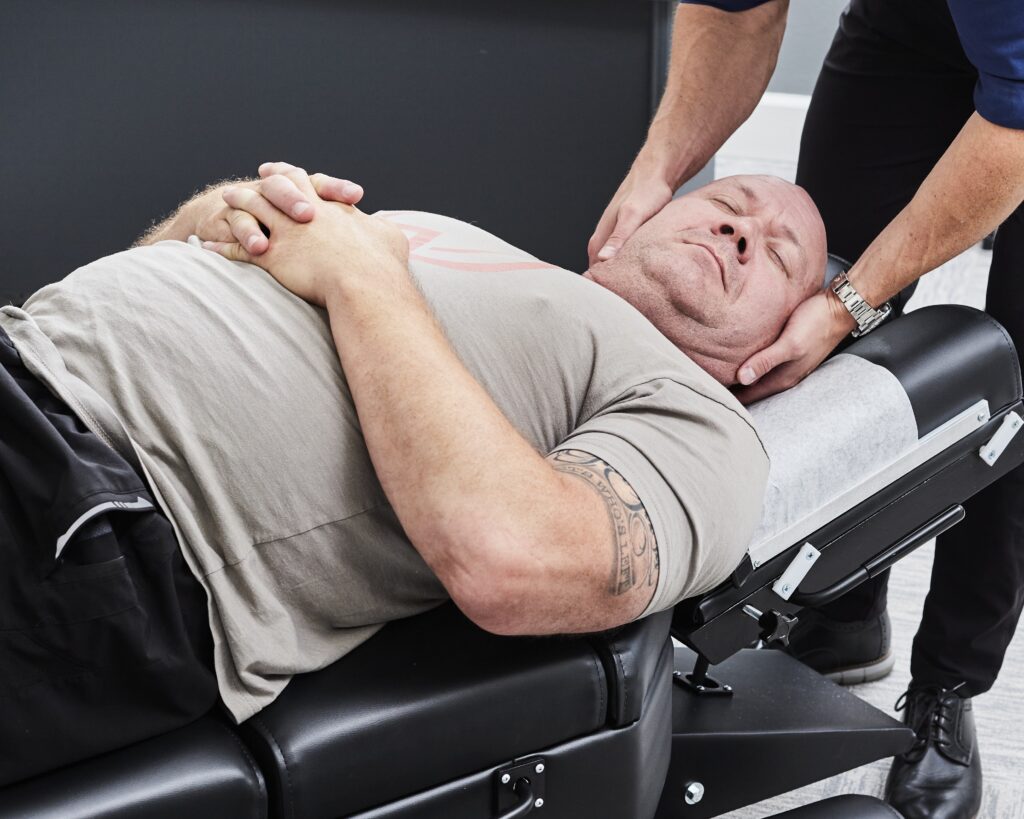
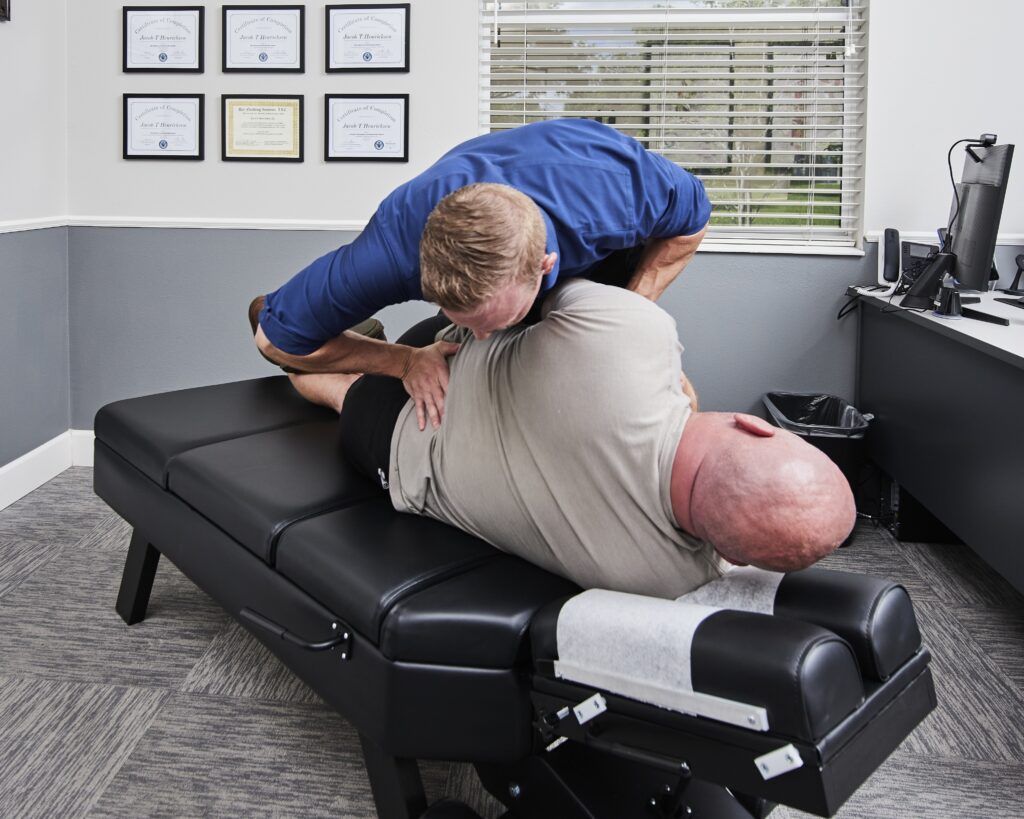
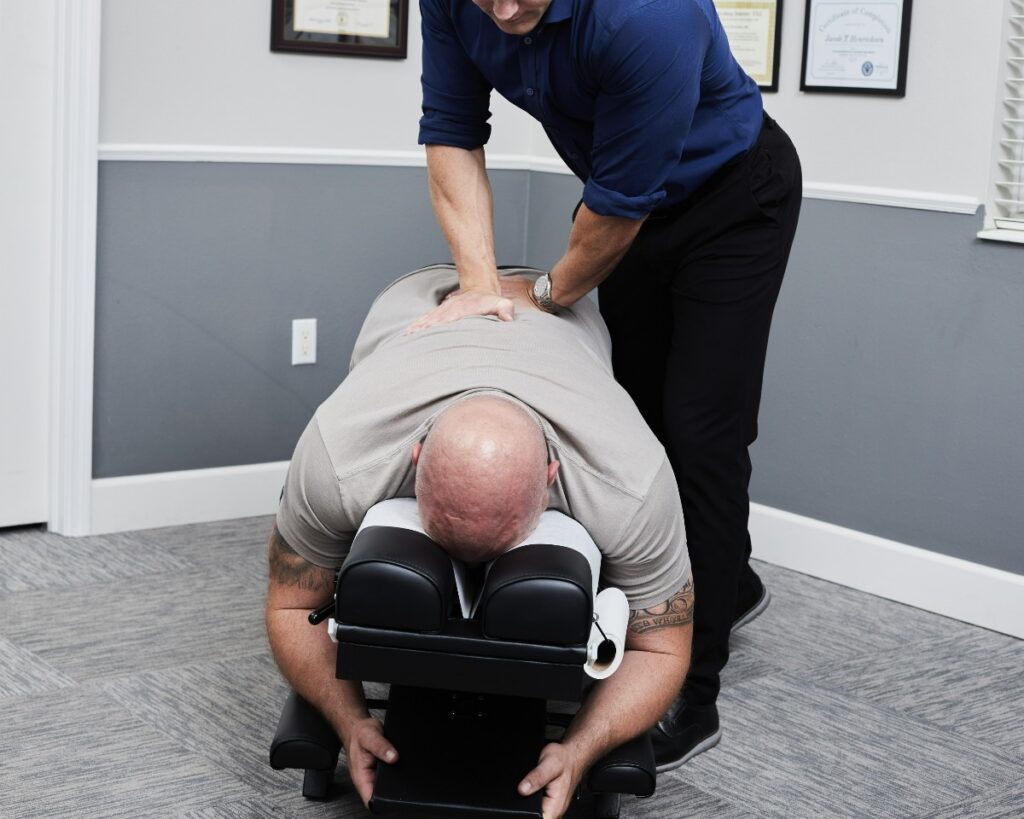
As your local chiropractor, I want to take a moment to educate you about the various techniques we use to address back pain and enhance your overall well-being. One of the primary methods we utilize is spinal manipulation, commonly known as chiropractic adjustments. During an adjustment, I apply controlled force to specific joints in your spine. The goal is to restore proper alignment and mobility, which can significantly help in reducing pain, inflammation, and muscle tension.
In addition to spinal manipulation, we also incorporate mobilization techniques. These involve gentle movements that can help increase your range of motion, making it easier for you to move comfortably throughout your daily activities.
We may also include soft tissue therapies in your treatment plan, such as massage or myofascial release, to target tight muscles and fascia that can contribute to your discomfort.
To further support your recovery, I often recommend specific therapeutic exercises tailored to your individual needs. These exercises are designed not only to strengthen your back but also to improve your flexibility and posture.
Additionally, I provide guidance on ergonomics and lifestyle modifications that can help prevent future pain from occurring.
My focus as your chiropractor is to address the root causes of your back pain rather than simply treating the symptoms. By combining these various techniques, my aim is to help you achieve lasting relief and improve your overall quality of life.
I encourage you to reach out if you have any questions or if you're interested in learning more about how chiropractic care can benefit you.
Conditions Treated Effectively
As a local chiropractor, I want to share how chiropractic adjustments can effectively address many common health issues, offering both relief and enhanced function.
If you're experiencing any of the following conditions, chiropractic care might be the solution you've been looking for:
1. Lower Back Pain: Many of my patients find significant relief through chiropractic adjustments, which help realign the spine and alleviate pressure on the nerves.
This can lead to a noticeable reduction in pain and an improvement in your overall mobility.
2. Headaches: If you suffer from tension headaches or migraines, chiropractic adjustments may be beneficial.
By reducing tension in the neck and improving blood flow, many individuals experience fewer headaches and a decrease in their intensity.
3. Sciatica: For those dealing with sciatica, chiropractic care can be particularly effective.
Adjustments can relieve pressure on the sciatic nerve, which often results in less pain radiating down the leg and improved comfort during daily activities.
4. Joint Pain: Whether you're experiencing discomfort in your shoulders, knees, or hips, chiropractic adjustments can enhance joint mobility and decrease pain.
Many patients report feeling more agile and less restricted after their treatments.
If you're curious about how chiropractic care can support your health and wellness, I'd be happy to discuss it further and answer any questions you may have.
Your journey to natural healing starts here!
Acupuncture Benefits
As a local chiropractor, I want to introduce you to the incredible benefits of acupuncture as part of a holistic approach to managing back pain. Acupuncture taps into your body's natural healing abilities by using fine needles placed at specific points to stimulate the flow of energy, or "Qi." This process promotes relaxation, reduces inflammation, and enhances blood circulation—key elements in alleviating discomfort.
One of the standout advantages of acupuncture is its focus on addressing the root causes of pain rather than simply masking the symptoms. Many of my patients have experienced significant reductions in pain levels and improved mobility after regular acupuncture sessions. It's not uncommon for individuals to leave feeling a sense of overall well-being, which is just as crucial as physical relief.
What's more, acupuncture is a safe and low-risk treatment option. It's non-invasive and, when administered by a qualified practitioner, typically has few side effects. This makes it an attractive alternative or complementary choice to medications, which can sometimes bring unwanted side effects.
Interestingly, acupuncture can also help alleviate stress and anxiety—issues that often accompany chronic back pain. When your mind is more relaxed, your body tends to respond better to treatment, enhancing your overall recovery process.
Incorporating acupuncture into your pain management regimen can truly be transformative. It not only provides immediate relief but also lays the groundwork for long-term healing. If you're looking for a natural solution to back pain, I encourage you to explore the benefits of acupuncture. It might just be the answer you've been searching for.
Mindfulness and Meditation
As a local chiropractor, I want to share with you the transformative benefits of mindfulness and meditation in managing back pain. These practices can be powerful allies in promoting relaxation and alleviating stress, which are crucial for your overall well-being.
When you incorporate mindfulness and meditation into your routine, you create a serene mental and physical environment that can help ease tension and reduce discomfort.
Here are four straightforward steps to help you integrate these techniques into your life:
- Find a Peaceful Environment: Select a comfortable and quiet spot where you can be undisturbed. This setting is essential for allowing you to focus on yourself and connect with your body without distractions.
- Concentrate on Your Breathing: Close your eyes and take deep, deliberate breaths. Inhale deeply through your nose, allowing your abdomen to rise, then exhale gently through your mouth, letting go of any tightness. Focusing on your breath helps to anchor you in the present moment.
- Conduct a Body Scan: While breathing, take a moment to mentally assess your body from head to toe. Pay attention to areas of tightness or discomfort. Acknowledge these sensations without judgment, allowing them to be present as you continue to focus on your breath.
- Establish a Regular Practice: Try to dedicate a few minutes each day to mindfulness or meditation. Consistency is essential for reaping the long-term benefits, so choose a time that fits your schedule best, whether in the morning, during your lunch break, or before bedtime.
By embracing these mindful practices, you can enhance your pain management journey and complement the chiropractic care you receive.
Together, we can work toward a healthier, more balanced lifestyle.
Ergonomic Workspace Setup
As a local chiropractor, I believe it's crucial to educate my patients about the importance of creating an ergonomic workspace, especially for those who spend long hours at a desk. A thoughtfully designed workspace can play a significant role in preventing back pain and promoting overall well-being.
Let's start with your chair. Ensure that your feet are flat on the floor, with your knees positioned at or slightly below hip level. If you find it challenging to maintain this posture, consider using a footrest to help achieve the right alignment.
Your computer monitor should be positioned at eye level, approximately an arm's length away. This arrangement helps prevent hunching forward and reduces neck strain, both of which can lead to discomfort.
Additionally, it's essential to use a keyboard and mouse that align with your elbows, allowing your forearms to stay parallel to the floor. An adjustable chair with lumbar support is also beneficial, as it helps maintain the natural curve of your spine, alleviating pressure on your lower back.
Movement is another vital aspect of an ergonomic workspace. I recommend taking short breaks every hour to stand, stretch, or walk around. This simple practice can significantly reduce stiffness and discomfort over time.
If possible, consider investing in a sit-stand desk. Alternating between sitting and standing can encourage better posture and enhance circulation.
Lastly, maintaining an organized workspace is essential. Clutter can lead to awkward movements and unnecessary strain when reaching for items.
Lifestyle Modifications
As a local chiropractor dedicated to improving your back health, I want to share how specific lifestyle modifications can make a significant difference in your overall well-being. By taking proactive steps in your daily routines, you can alleviate discomfort and foster a healthier spine.
Here are four important changes to consider:
- Stay Active: Engaging in regular physical activity is crucial for strengthening your back muscles and enhancing flexibility. I recommend aiming for at least 30 minutes of moderate exercise on most days. Simple activities such as walking, swimming, or practicing yoga can be particularly beneficial for your back health.
- Maintain a Healthy Weight: Carrying excess weight can place additional strain on your spine. By following a balanced diet that includes plenty of fruits, vegetables, lean proteins, and whole grains, you can achieve and sustain a healthy weight. This, in turn, can significantly relieve pressure on your back.
- Practice Good Posture: Proper posture is essential whether you're sitting at your desk, standing, or lifting objects. Keep your back straight and shoulders relaxed, and avoid slouching. When lifting, remember to bend at the knees instead of the waist to protect your back from injury.
- Manage Stress: Chronic stress can lead to muscle tension, which may worsen back pain. I encourage you to incorporate stress-reduction techniques into your daily routine. Practices such as mindfulness, meditation, or deep-breathing exercises can help alleviate tension and promote relaxation.
By making these lifestyle changes, you can greatly support your chiropractic care and enhance your overall back health.
Conclusion
As your local chiropractor, I want to share some effective techniques that can significantly relieve your back pain and enhance your overall well-being. It's important to understand that by integrating stretching and strengthening exercises into your daily life, as well as maintaining proper posture, you can lay a solid foundation for a healthy spine.
Additionally, I encourage you to explore the benefits of heat and cold therapy, massage, and mindfulness practices. These natural healing methods can play a vital role in your recovery process.
Making ergonomic adjustments at home and at work, along with adopting certain lifestyle changes, will also create a more supportive environment for your back. Remember, taking charge of your health is a journey, and I am here to guide you along the way. Together, we can work towards achieving a pain-free life and improving your quality of life!