As a local chiropractor, I understand that dealing with lower back pain can significantly affect your daily activities and overall well-being. It's important to know that there are natural and effective solutions available to help alleviate that discomfort.
One of the key approaches in chiropractic care involves targeted stretching and strengthening exercises specifically designed to support your spine and improve your core stability. These exercises can be tailored to your individual needs and can make a substantial difference in your recovery.
In addition to exercise, utilizing heat and cold therapy can be incredibly beneficial. Heat can help relax tight muscles, while cold therapy can reduce inflammation and numb sharp pain. Both methods are simple yet effective in managing discomfort.
Another vital aspect is the importance of maintaining good posture and creating an ergonomic workspace. As a chiropractor, I often emphasize how proper alignment can alleviate stress on your back and prevent further injuries. Small adjustments in your daily habits can lead to significant improvements in your pain levels.
Moreover, many patients find relief through over-the-counter medications or alternative treatments such as acupuncture or massage therapy. Exploring these options can help you discover what works best for your unique situation.
Let's work together to identify the best solutions for your lower back pain relief and get you back to enjoying life without discomfort. Your journey to healing can start today!
Stretching and Strengthening Exercises
As a chiropractor dedicated to helping you achieve optimal health, I want to share how incorporating stretching and strengthening exercises into your daily routine can significantly alleviate lower back pain. These exercises not only enhance flexibility but also fortify the muscles that support your spine, creating a stronger foundation for your overall well-being.
Let's start with some gentle stretches that are easy to incorporate, such as the child's pose or the cat-cow stretch. These movements help to release tension in your lower back and promote healthy blood circulation. I recommend holding each stretch for 20 to 30 seconds while focusing on deep, rhythmic breathing. With consistent practice, you may notice an improvement in your range of motion over time.
Once you feel comfortable with your stretching routine, it's important to add in some strengthening exercises. A strong core is essential for supporting your lower back, so exercises like planks and bridges can be very beneficial. As you grow stronger, aim for three sets of 10 to 15 repetitions, gradually increasing the intensity to match your progress.
Additionally, don't overlook the importance of hip stretches and strengthening moves. Exercises like lunges and clamshells specifically target your hip flexors and glutes, which are crucial for maintaining proper posture and spinal alignment.
Always listen to your body during these exercises. If you experience any discomfort or pain, it's wise to modify the movement or consult with a healthcare professional.
Heat and Cold Therapy
As a local chiropractor, I want to share some valuable insights about managing lower back pain through heat and cold therapy. Many of my patients have found these techniques to be effective in alleviating discomfort and facilitating healing, allowing them to return to their daily activities with greater ease.
When applying heat to your lower back, you're essentially increasing blood flow to the area. This can help soothe tight muscles and enhance flexibility, which is crucial for maintaining good spinal health. You can use a heating pad, wrap a warm towel around your back, or indulge in a warm bath or shower.
Just remember to keep the temperature at a safe level to prevent burns, and limit each session to about 20-30 minutes.
In contrast, cold therapy serves a different purpose. It numbs the area and helps reduce inflammation. Ice packs or cold compresses are particularly helpful immediately after an injury or strain.
For best results, apply the cold pack for 15-20 minutes, making sure to wrap it in a cloth to protect your skin from frostbite.
I often recommend that patients alternate between heat and cold therapy for a more comprehensive approach to pain relief. For instance, using heat before engaging in physical activity can help loosen tight muscles, while applying cold afterward can minimize swelling and discomfort.
It's essential to listen to your body during this process. If you experience increased pain or discomfort at any point, please stop and consult with a healthcare professional.
Integrating heat and cold therapy into your routine can be a simple yet powerful method to relieve lower back pain and promote your overall well-being. Remember, as your chiropractor, I'm here to support you on your journey to better health through natural healing techniques.
Proper Posture Techniques
As a local chiropractor, I want to emphasize the importance of maintaining proper posture to help prevent and relieve lower back pain. Good posture isn't just about standing tall; it's about aligning your body in a way that minimizes strain on your spine, muscles, and ligaments. Here are some essential techniques to consider:
- Engage your core: By strengthening your abdominal muscles, you provide essential support for your spine, which helps maintain stability throughout your daily activities.
- Avoid slouching: Keep your shoulders back and your back straight. This not only helps in distributing your weight evenly but also reduces the risk of discomfort over time.
- Align your ears with your shoulders: This small adjustment can significantly alleviate tension in your neck and lower back.
When you find yourself sitting, it's crucial to ensure that your feet are flat on the floor, with your knees bent at a 90-degree angle. If your chair isn't at the right height, don't hesitate to make adjustments.
Using a small cushion or lumbar roll can provide the support your lower back needs, preserving its natural curve.
If you're standing, aim to distribute your weight evenly on both feet and avoid locking your knees. Shifting your weight regularly can help combat fatigue and maintain your posture throughout the day.
When it comes to moving or lifting objects, remember to bend at your knees rather than your waist. This technique alleviates pressure on your lower back and engages your leg muscles instead, which are designed for lifting.
For those of you who spend long hours at a desk, it's essential to take regular breaks to stretch and reset your posture. This practice not only keeps your body in alignment but also promotes overall wellness.
Ergonomic Adjustments
As a local chiropractor, I want to emphasize the importance of making ergonomic adjustments in your workspace to help reduce strain on your lower back and enhance your overall comfort. One of the first steps is to ensure that your chair provides proper support for your lower back. Look for chairs that have lumbar support, which encourages the natural curve of your spine.
It's essential to adjust the height of your chair so that your feet rest flat on the floor; if that's not possible, using a footrest can be beneficial.
Next, consider the height of your desk. When you sit down, your elbows should ideally form a 90-degree angle, allowing your wrists to stay straight while you type. If your desk is too high or too low, it can lead to unnecessary strain on your back and shoulders.
I often recommend height-adjustable desks that allow you to alternate between sitting and standing throughout the day, promoting better posture and reducing discomfort.
Your computer monitor should be positioned at eye level, roughly an arm's length away from you. This setup helps prevent leaning forward or looking down, both of which can contribute to back pain.
If you work on a laptop, I suggest investing in a separate monitor or a laptop stand to achieve the appropriate height for your screen.
Lastly, don't forget the importance of taking regular breaks. Standing up, stretching, and moving around can help alleviate stiffness and improve circulation.
Incorporating these ergonomic adjustments into your daily routine not only enhances your posture but also fosters a more productive work environment.
By making these changes, you may notice a significant reduction in lower back discomfort, allowing you to focus on your tasks without distraction.
Over-the-Counter Medications
As a local chiropractor, I often see patients who experience lower back pain, even with ergonomic adjustments in their daily routines. While chiropractic care focuses on addressing the root causes of pain through natural healing methods, I understand that sometimes you may need quick relief.
Over-the-counter (OTC) medications can be an option for managing discomfort without a prescription, and I want to help you make informed choices. Here are a few common OTC options:
- Nonsteroidal Anti-Inflammatory Drugs (NSAIDs): Medications like ibuprofen and naproxen can help reduce inflammation and alleviate pain. However, it's essential to be cautious with their use, as they can have side effects if overused.
- Acetaminophen: This is another pain reliever that can be effective for mild to moderate pain. Unlike NSAIDs, it doesn't possess anti-inflammatory properties, so it may not address the underlying issues contributing to your discomfort.
- Topical Analgesics: Creams and patches that contain ingredients like menthol or capsaicin can provide localized relief when applied directly to the affected area.
Before taking any medication, I encourage you to read the label carefully and adhere to the recommended dosage. While OTC medications may offer temporary relief, they aren't a long-term solution and can lead to complications if misused.
If your pain persists or worsens, it's crucial to consult a healthcare professional—like a chiropractor—who can evaluate your condition and provide a comprehensive treatment plan.
In addition to considering medications, I recommend exploring other natural pain management techniques, such as heat or cold therapy. These methods can complement your care and may improve your overall comfort.
Physical Therapy Options
When it comes to managing lower back pain, chiropractic care can play a crucial role in your recovery journey. As a local chiropractor, I believe in providing holistic and natural approaches tailored to each individual's needs. Unlike conventional treatments, chiropractic care focuses on the underlying causes of pain and dysfunction rather than just treating the symptoms.
A thorough assessment of your condition is the first step. By understanding the specifics of your situation, I can develop a personalized treatment plan that emphasizes spinal alignment, muscle balance, and overall wellness.
One of the key components of my approach is focusing on core stability through specific exercises. Strengthening your abdominal and back muscles creates a supportive structure for your spine, which helps alleviate strain on your lower back.
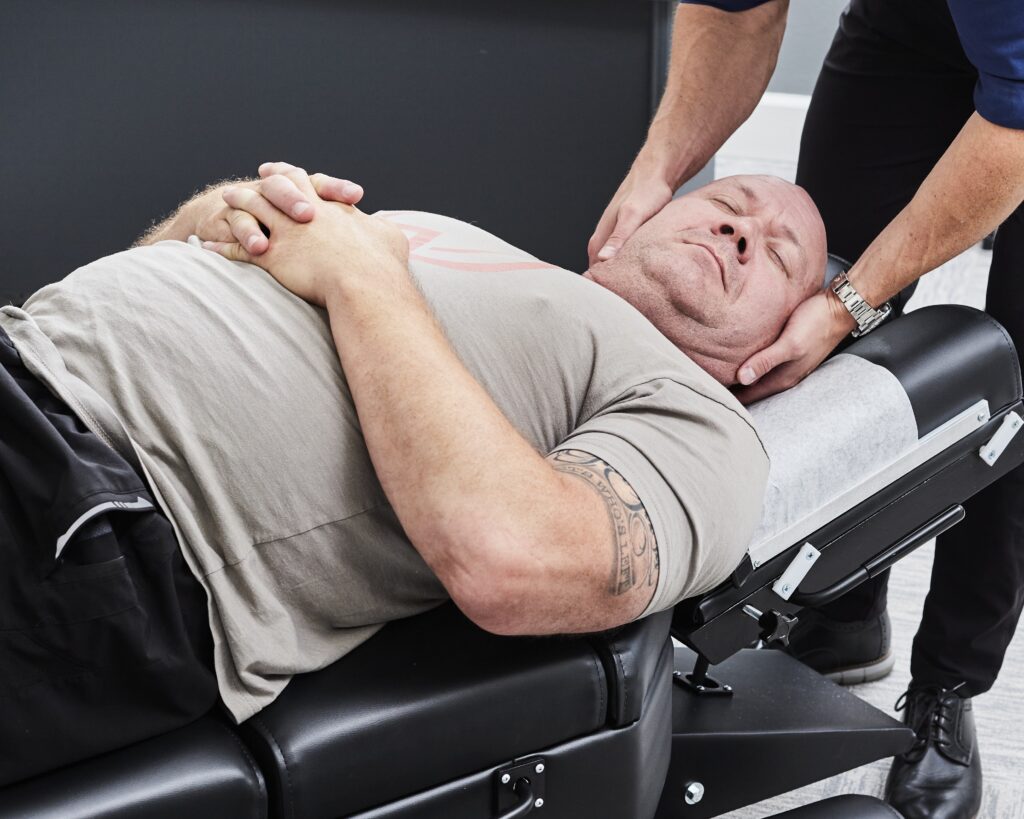
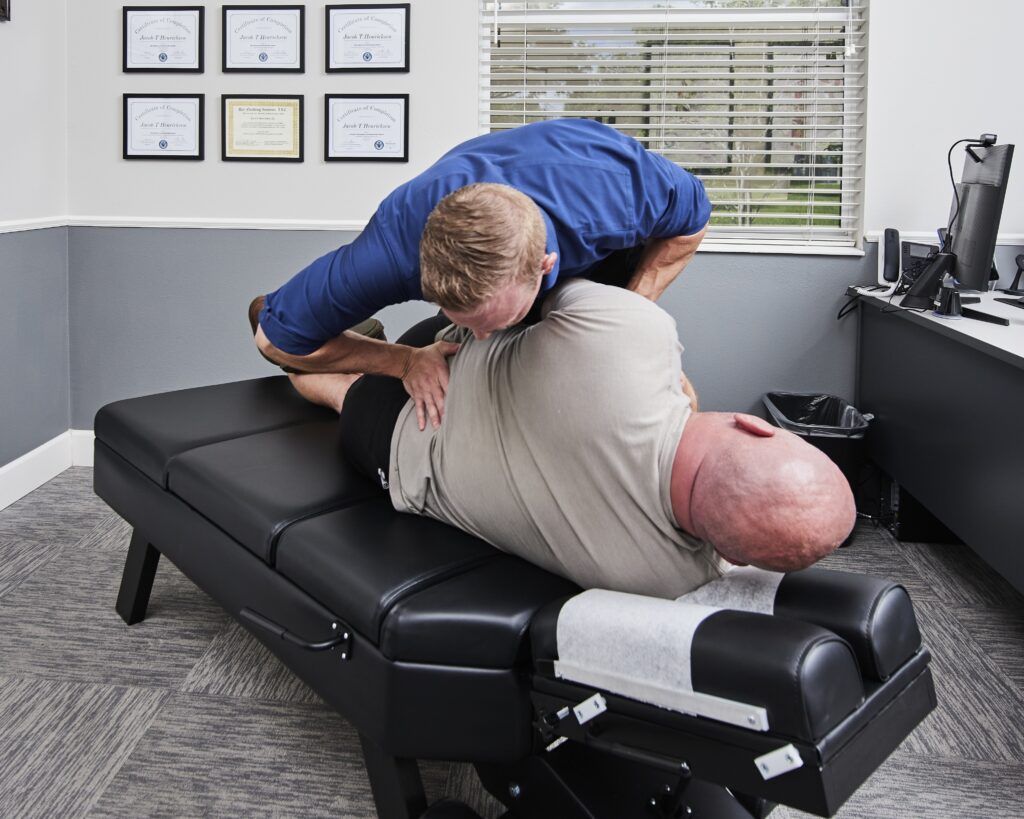
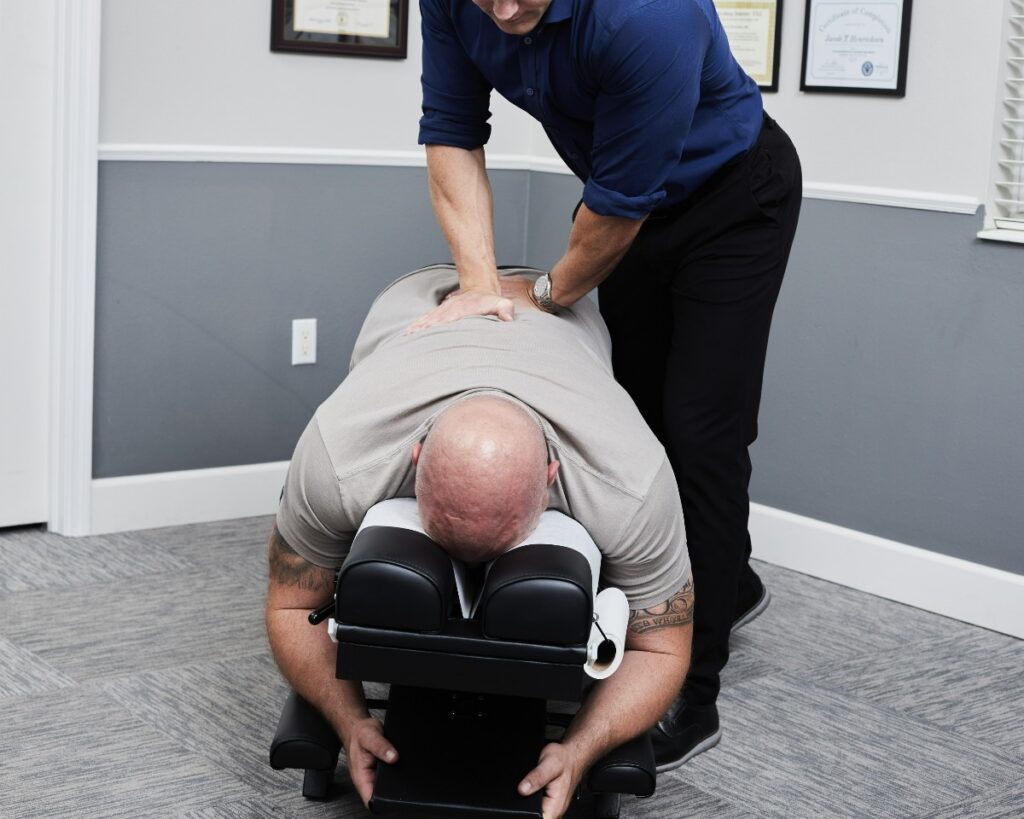
In addition to exercises, I often utilize manual adjustments to improve spinal alignment. These gentle, hands-on techniques alleviate pain, enhance mobility, and address issues such as joint stiffness and muscle tension.
I may also recommend complementary therapies, like heat or ice application, to further support your healing process.
Education is a fundamental aspect of chiropractic care. I'll provide you with valuable insights on proper body mechanics and posture, empowering you to prevent future injuries. Learning how to integrate safe movement patterns into your daily activities is essential for maintaining a pain-free lifestyle.
Committing to a chiropractic care program can lead to significant improvements in your lower back pain. By engaging actively in your recovery, you can regain strength, enhance mobility, and embrace a more vibrant, active life.
Alternative Treatments
As a local chiropractor, I want to take a moment to educate you about alternative treatments for lower back pain, particularly focusing on chiropractic care and its natural healing benefits. Many individuals experience frustration when conventional methods fall short, and that's where our holistic approaches can make a difference.
Exploring these options could complement your current pain management strategies and lead you to the relief you've been seeking. Here are some key treatments worth considering:
- Chiropractic Care: This is my specialty! Through gentle manual adjustments, I work to align the spine and improve your overall mobility. By addressing misalignments, we can potentially reduce discomfort in your lower back and help your body function more optimally. It's a natural, non-invasive method that focuses on your body's inherent ability to heal itself.
- Acupuncture: Although I primarily focus on chiropractic care, I often recommend acupuncture as a complementary treatment. This ancient Chinese practice involves inserting fine needles into specific points on the body. Many patients report reduced pain and inflammation after acupuncture sessions, making it a great addition to your care plan.
- Massage Therapy: This is another beneficial treatment that can help relieve tension in tight muscles. Therapeutic massage improves circulation and promotes overall wellness, which might ease your lower back pain. While I'm not a massage therapist, I often collaborate with skilled practitioners to provide a comprehensive approach to your care.
Integrating these alternative treatments into your wellness routine can lead to significant improvements.
Remember, each body is unique, and responses to treatments vary. That's why it's essential to consult with a healthcare professional—like me—who can guide you in choosing the best options for your specific condition.
Together, we can create a personalized plan that supports your journey to relief and healing.
Conclusion
As a local chiropractor, I want to share with you that finding relief from lower back pain doesn't have to be a daunting task. It's important to understand that there are natural and effective ways to alleviate discomfort. Incorporating specific stretching and strengthening exercises can be beneficial in supporting your spine and improving your overall comfort.
Utilizing heat and cold therapy is another simple yet effective method you can try at home. Applying heat can help relax tight muscles, while cold therapy can reduce inflammation. Additionally, making ergonomic adjustments in your workspace and daily activities can significantly ease strain on your back.
Maintaining proper posture is crucial for spinal health, and I encourage you to be mindful of this throughout your day. Sometimes over-the-counter medications can provide temporary relief, but I believe in the power of holistic care. Exploring physical therapy and other alternative treatments can further enhance your recovery process.
Remember, taking a proactive approach to your back health is key. By implementing these solutions, you're on your way to a pain-free lifestyle. If you have any questions or would like personalized guidance, don't hesitate to reach out—I'm here to help you on your journey to better back health!