
When you experience a sports injury, it might be tempting to push through the pain or rely on home remedies, but seeking professional help can make all the difference. Getting an accurate diagnosis guarantees you understand the extent of the injury, while tailored treatment plans can greatly speed up your recovery. Plus, addressing the root causes of your injuries can prevent future issues and enhance your overall performance. If you're curious about how proper intervention can impact not just your recovery, but your entire athletic journey, there's more to uncover.
Faster Recovery Times
When you experience a sports injury, getting professional help can dramatically speed up your recovery time. You might think that resting and self-treating is enough, but that approach can often prolong your pain and delay your return to the game. By seeking help from a qualified professional, you'll receive tailored treatment plans designed specifically for your injury, which can help you bounce back much faster.
A professional understands the intricacies of your body and the mechanics involved in sports. They can identify the underlying issues contributing to your injury and implement effective strategies to address them. Through therapies like physical rehabilitation, you'll not only heal faster but also regain your strength, flexibility, and overall performance.
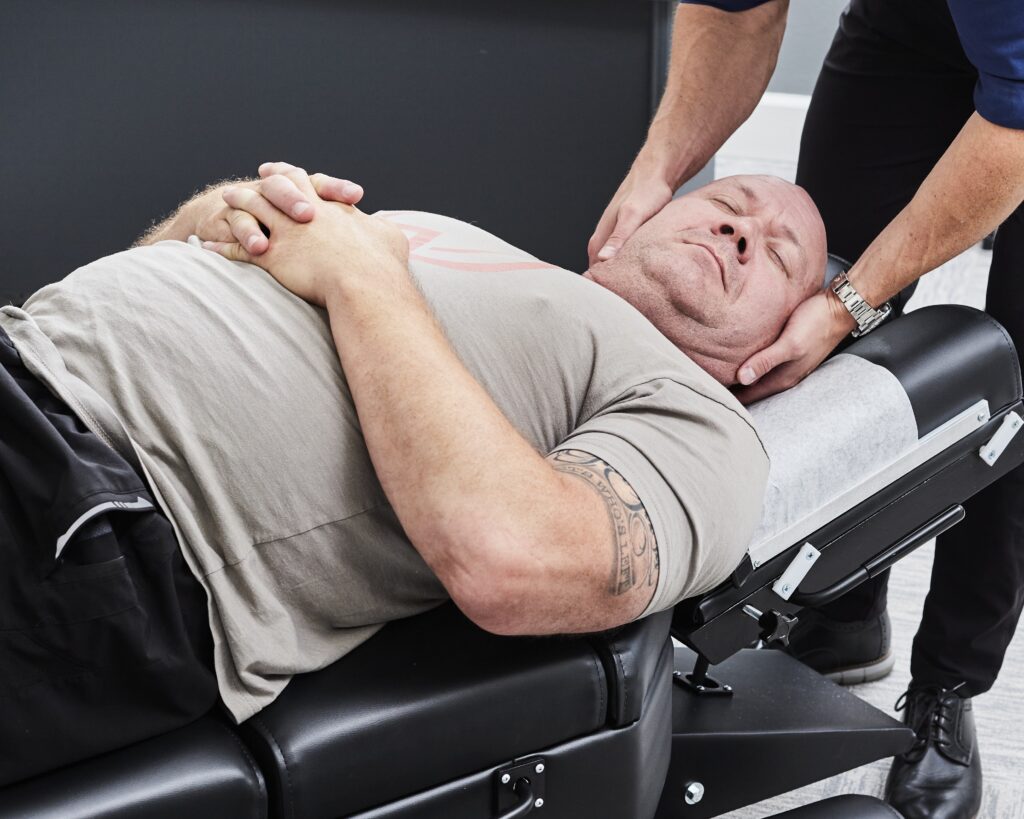
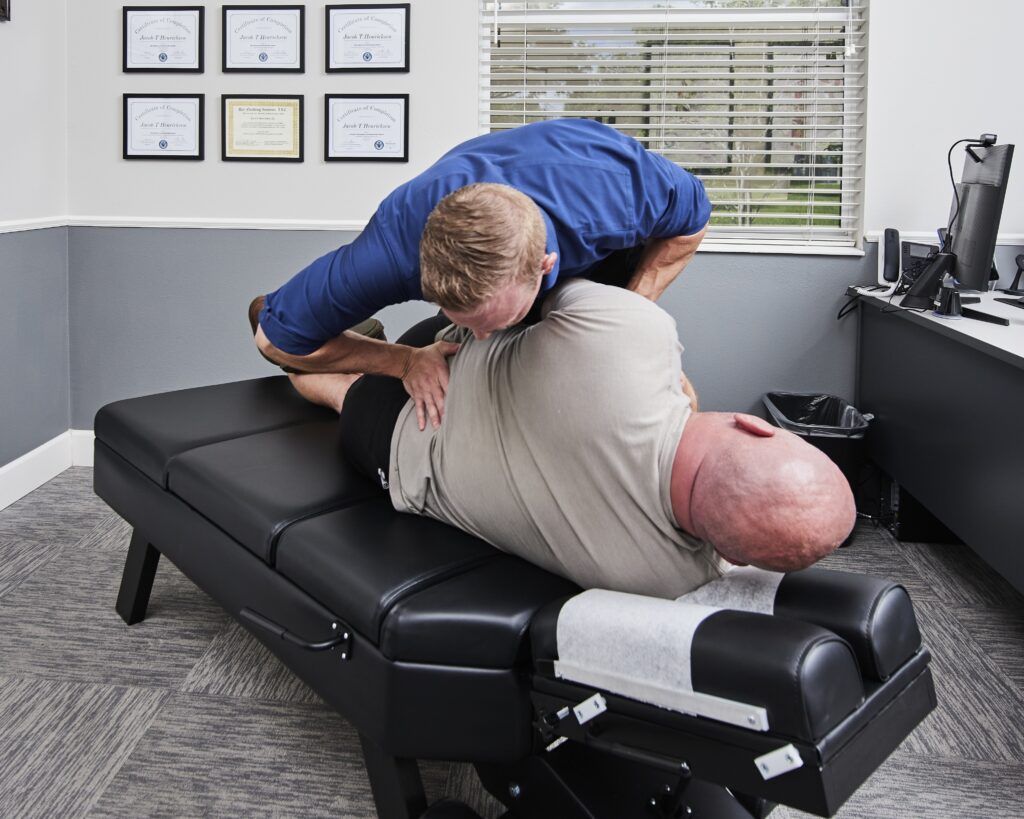
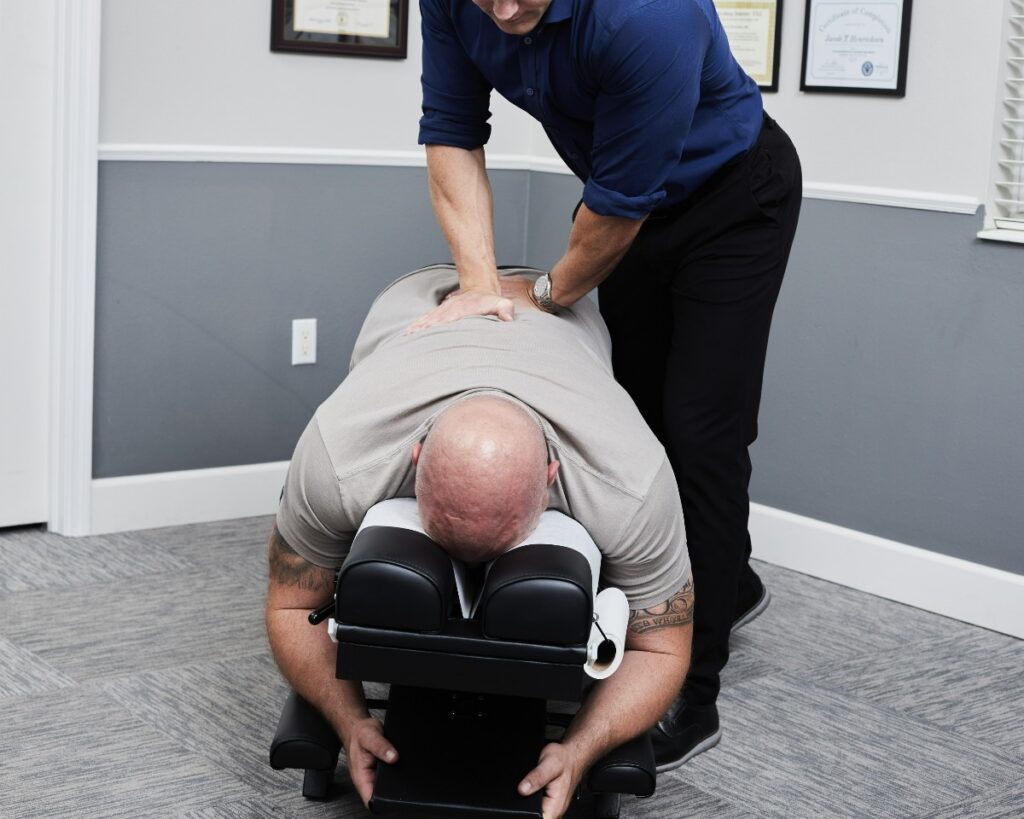
Additionally, professionals often use advanced techniques and technologies that you may not have access to at home. These methods can include manual therapy, specific exercises, and modalities like ultrasound or electrical stimulation that promote healing. The sooner you start these treatments, the quicker you'll notice improvements.
Also, working with a professional guarantees that you don't rush the healing process. They'll guide you through safe practices, helping you avoid re-injury when you eventually return to your sport.
Accurate Diagnosis
Accurate diagnosis is essential for effective treatment and recovery from sports injuries. When you sustain an injury, identifying the exact nature and extent of the problem is important. Without a precise diagnosis, you risk receiving inappropriate treatment, which can prolong your recovery and even worsen your condition. You might think that you can just rest and hope for the best, but that could lead to chronic issues down the line.
Seeking professional help guarantees that you undergo a thorough evaluation. Healthcare providers typically use a combination of physical examinations, imaging tests, and your medical history to pinpoint the injury. This process not only identifies the type of injury—be it a sprain, strain, fracture, or something more complex—but also assesses any underlying issues that may contribute to your pain or dysfunction.
Once the diagnosis is made, you can better understand the injury's mechanics, which is essential for your mental and emotional recovery as well. Knowing what you're dealing with helps you set realistic expectations and motivates you to commit to the rehabilitation process.
In essence, an accurate diagnosis serves as the foundation for everything that follows in your recovery journey. It empowers you to make informed decisions and aligns your treatment with the specific challenges posed by your injury.
Personalized Treatment Plans
Crafting a personalized treatment plan is vital for effective recovery from sports injuries. When you sustain an injury, a one-size-fits-all approach often falls short. You need a plan tailored to your specific needs, taking into account factors like your injury type, physical condition, and athletic goals.
A personalized treatment plan begins with a thorough assessment of your injury and overall health. This assessment allows healthcare professionals to identify the best strategies for your recovery. They'll consider your sport, activity level, and any previous injuries, guaranteeing the plan aligns with your lifestyle.
Once they understand your unique situation, they'll outline a combination of therapies that may include physical therapy, strength training, and flexibility exercises. Each of these components plays a significant role in restoring your function and helping you regain confidence in your abilities.
Additionally, a personalized plan keeps you motivated. When you're actively involved in your recovery process, you're more likely to adhere to the prescribed treatments. Regular follow-ups and assessments will help track your progress, allowing adjustments to be made as needed. This dynamic approach guarantees that you're always on the path to recovery.
Ultimately, a personalized treatment plan not only addresses your current injury but also empowers you to return to your sport stronger and more resilient. By seeking professional help, you set yourself up for a successful comeback, minimizing downtime and maximizing your potential.
Prevention of Future Injuries
After addressing the immediate concerns of your sports injury, focusing on prevention is key to avoiding future setbacks. You don't want to find yourself sidelined again due to a similar issue.
One of the most effective ways to prevent future injuries is by understanding the root cause of your initial injury. Was it due to improper technique, inadequate warm-up, or muscle imbalances? Identifying these factors allows you to make necessary adjustments.
Incorporating strength training and flexibility exercises into your routine can also greatly reduce your risk. Strengthening the muscles around your joints provides better support and stability, while flexibility helps maintain a healthy range of motion. Work with a coach or therapist to develop exercises tailored to your specific needs.
Additionally, make sure you're using appropriate gear for your sport. Whether it's shoes, braces, or other protective equipment, having the right gear can make a world of difference in preventing re-injury.
Don't forget to listen to your body. If you feel pain or discomfort while training, it's essential to address those signals. Pushing through pain can lead to more severe injuries down the line.
Lastly, maintain a consistent routine that includes rest and recovery. Overtraining can weaken your body, making you more susceptible to injuries.
Prioritize your health, and your performance will improve in the long run. Taking these steps won't only help you stay in the game but also enhance your overall well-being.
Enhanced Performance and Longevity
Improved performance and longevity in sports go hand in hand, and seeking help for sports injuries is an essential step toward achieving both. When you experience an injury, it's not just about recovery; it's about getting back to your peak performance level—and often, even surpassing it. Engaging with a healthcare professional guarantees you receive the right diagnosis, treatment, and rehabilitation tailored to your specific needs.
Ignoring injuries can lead to improper healing, which often results in long-term damage and decreased performance. By addressing issues head-on, you not only heal more effectively but also strengthen areas that may have previously been weak. This proactive approach can enhance your overall athletic performance, making you more agile, powerful, and resilient on the field or court.
Additionally, working with experts can provide you with valuable insights into improving your technique and training regimen. They can help you identify any biomechanical inefficiencies that might be holding you back. By optimizing your body's function, you can enhance your performance and extend your athletic career.
Furthermore, recovery doesn't end with physical healing. Seeking help can also support your mental well-being. Overcoming an injury can build mental resilience, allowing you to face challenges more confidently in the future.
In short, prioritizing professional help for sports injuries isn't just about getting back to playing—it's about elevating your game and guaranteeing you enjoy a longer, healthier athletic journey.
Conclusion
Injuries can set you back, but seeking professional help is your best bet for a speedy recovery. With accurate diagnoses and personalized treatment plans, you'll not only heal faster but also reduce the risk of future injuries. Plus, expert guidance can boost your performance and extend your athletic career. Don't wait for the pain to worsen—prioritize your health and get the support you need to stay in the game and perform at your best!