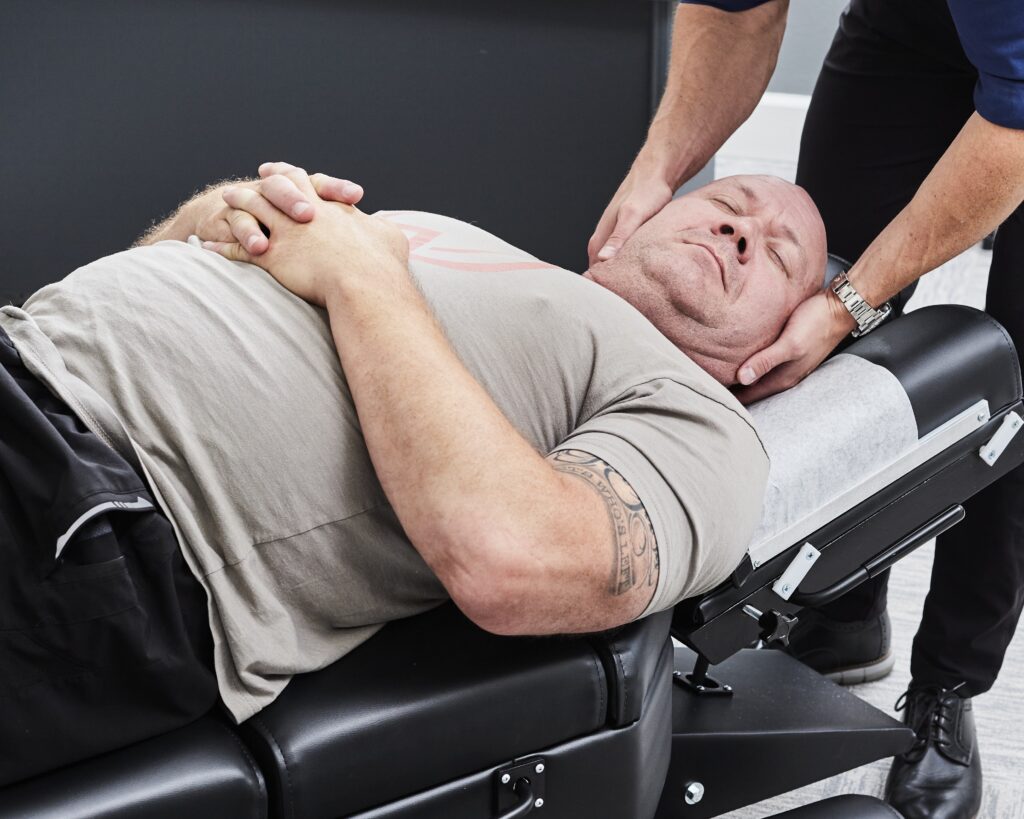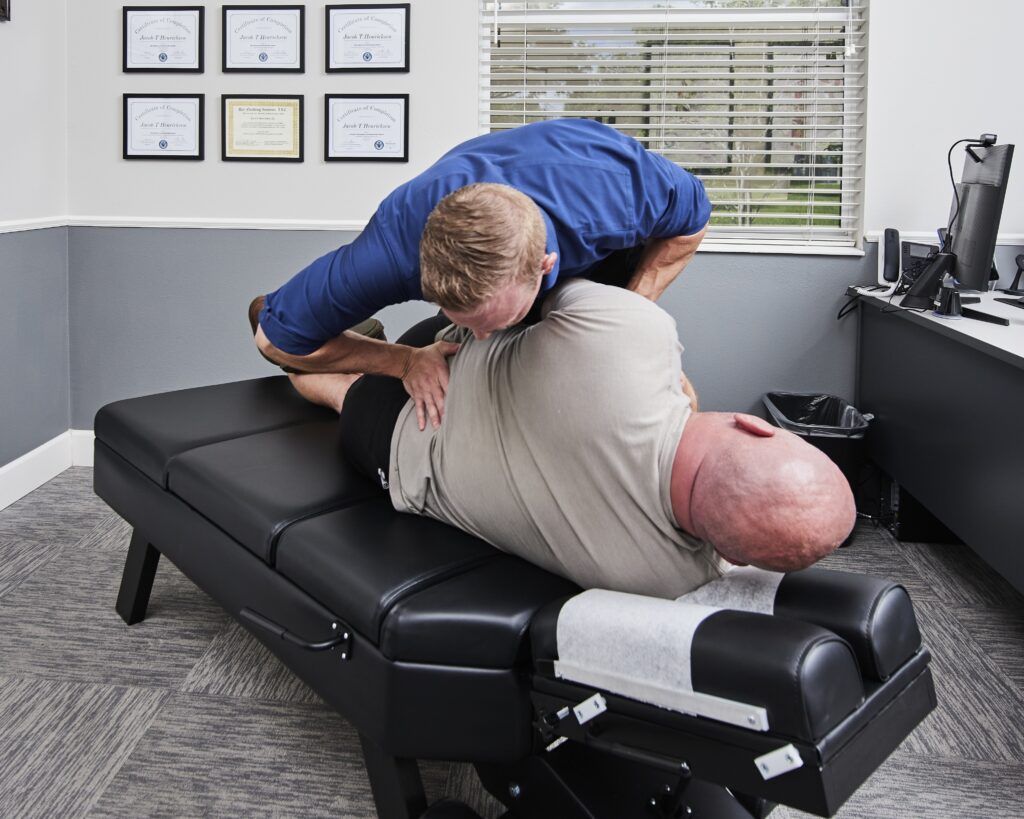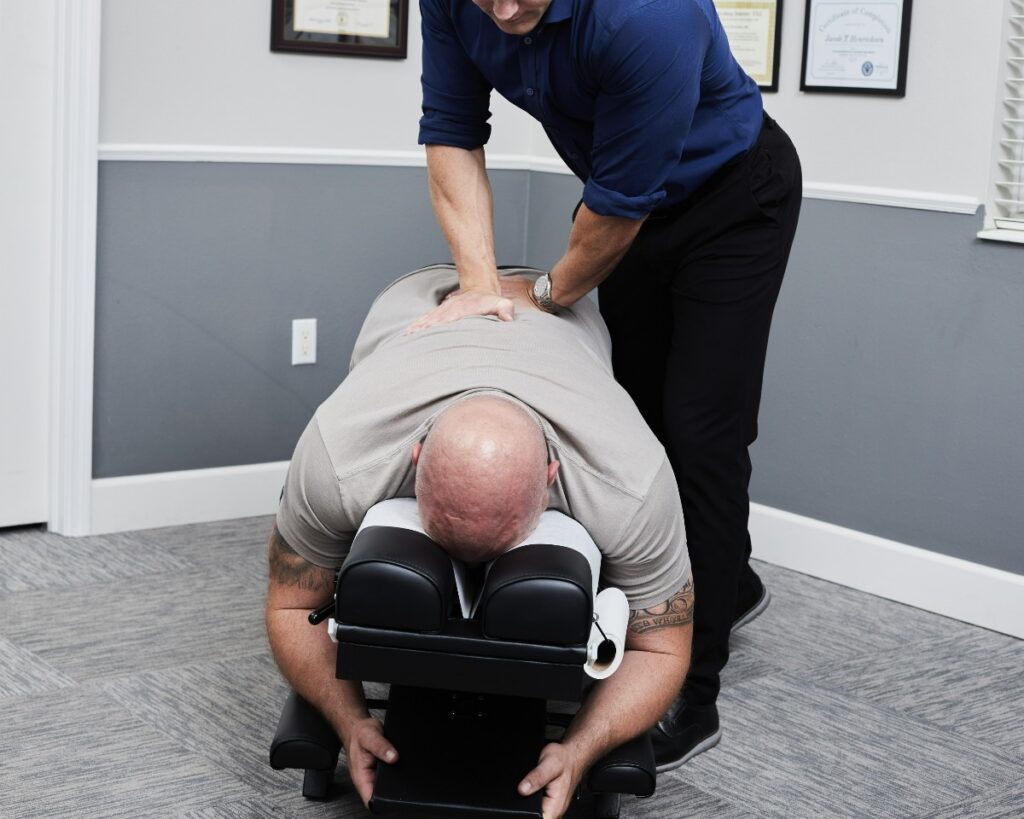

If you're living with chronic pain, seeking care can be an essential step toward regaining control over your life. Identifying the root causes of your pain not only helps in tailoring effective treatment options but also prevents further complications down the line. Specialized care often opens doors to advanced pain management techniques and emotional support that can greatly improve your quality of life. But what exactly should you expect from this journey, and how can you guarantee you're making the right choices for your health?
Understanding Chronic Pain
Chronic pain isn't just a physical sensation; it's a complex experience that affects your daily life. You might feel as if your body's betraying you, constantly reminding you of discomfort that doesn't seem to fade. This sensation can impact your mood, energy levels, and even your ability to perform daily tasks.
You may find yourself struggling to concentrate, feeling irritable, or withdrawing from social activities you once enjoyed.
Understanding chronic pain is vital for managing it effectively. You need to recognize that it often stems from various sources, including injury, illness, or even prolonged stress. Unlike acute pain, which serves as a warning signal for immediate injury, chronic pain persists for months or longer and can interfere with your overall well-being.
You might notice that the pain affects not just your physical state but also your mental health. Anxiety, depression, and fatigue often accompany chronic pain, making it even more challenging to cope.
It's important to understand that you're not alone in this experience; many people share similar struggles, and help is available.
Identifying Underlying Causes
Identifying the underlying causes of your chronic pain is essential for effective management. Without understanding what's driving your discomfort, it can be challenging to find relief.
Often, chronic pain isn't just about the symptoms; it's a signal from your body that something deeper needs attention. Here are some common underlying causes to take into account:
- Injuries: Have you experienced any injuries in the past? Old injuries can lead to long-lasting pain if not properly addressed. Even if it feels like a minor issue, it could be the source of your ongoing discomfort.
- Inflammation: Conditions like arthritis can cause inflammation that leads to pain. Recognizing whether your pain is linked to inflammation can help you pinpoint the issue and seek appropriate care.
- Nerve Damage: Neuropathy or nerve damage can manifest as chronic pain. If you notice tingling, numbness, or shooting pains, it could be a sign that your nerves are involved.
- Muscle Tension: Stress and poor posture can lead to tight muscles, which may result in chronic pain. Identifying if muscle tension is affecting you can guide you toward relaxation techniques or physical therapy.
Tailored Treatment Options
Exploring tailored treatment options is vital for managing chronic pain effectively. Each person's experience with chronic pain is unique, and what works for one individual mightn't work for another. That's why it's important to collaborate with your healthcare provider to develop a personalized plan that addresses your specific needs and lifestyle.
Start by discussing your symptoms in detail. Share how your pain affects your daily life, including physical activities, emotional well-being, and social interactions. This information helps your provider understand the full scope of your condition. Based on your input, they can recommend more targeted therapies, whether that's medication adjustments, physical therapy, or alternative treatments like acupuncture.
Don't hesitate to explore various modalities. Some people find relief through cognitive behavioral therapy, which can help manage the psychological aspects of chronic pain. Others may benefit from lifestyle changes, such as dietary adjustments or exercise regimens tailored to their capabilities.
Stay open to trying new approaches, as what works may change over time. Regularly evaluate your treatment plan with your provider to confirm it's still effective. If something isn't working, discuss alternatives.
Access to Specialized Care
Accessing specialized care can make a significant difference in managing your chronic pain.
With expert pain management techniques and personalized treatment plans, you can find relief tailored to your unique needs.
It's crucial to know how to navigate the healthcare system to connect with the right specialists.
Expert Pain Management Techniques
Chronic pain can feel like a heavy weight, making it essential to seek expert pain management techniques. When you consult with specialists, you gain access to a variety of methods designed to alleviate your discomfort and improve your quality of life.
Here are four effective techniques you might encounter:
- Cognitive Behavioral Therapy (CBT): This approach helps you reshape negative thought patterns, making it easier to cope with pain and reduce its impact on your daily life.
- Physical Therapy: Tailored exercises led by professionals can strengthen muscles and improve flexibility, providing relief and preventing further injury.
- Medication Management: Experts can prescribe the right medications, whether they're over-the-counter or prescription, to help you manage pain effectively and safely.
- Interventional Procedures: Techniques like nerve blocks or injections can target specific pain sources, offering immediate relief and improving your overall function.
Personalized Treatment Plans
When managing chronic pain, a one-size-fits-all approach often falls short. You deserve a treatment plan tailored to your unique needs, lifestyle, and medical history. This is where personalized treatment plans come into play.
By partnering with healthcare professionals who specialize in pain management, you can access specialized care that addresses your specific condition.
Your journey begins with a thorough assessment. This process involves discussing your pain's nature, triggers, and how it affects your daily life. Based on this information, your healthcare provider can create a customized plan that may include physical therapy, medication adjustments, or alternative therapies like acupuncture or massage.
Regular follow-ups are essential, too. Your needs may change over time, and your treatment plan should adapt accordingly. It's about finding the right balance that works for you.
Pain Management Techniques
Effective pain management techniques are essential for improving quality of life in individuals dealing with chronic pain. You don't have to suffer in silence; there are various strategies you can employ to help alleviate your discomfort.
By incorporating these techniques into your daily routine, you can take back control and enhance your overall well-being.
Here are four effective pain management techniques to evaluate:
- Physical Therapy: Working with a physical therapist can help you strengthen your muscles, improve flexibility, and reduce pain through targeted exercises tailored to your needs.
- Mindfulness and Meditation: Practicing mindfulness or meditation can help you shift your focus away from pain. These techniques promote relaxation, reduce stress, and increase your pain tolerance over time.
- Medications: Over-the-counter pain relievers or prescribed medications can be effective short-term solutions. Always consult with your healthcare provider to find the right options for your specific pain condition.
- Heat and Cold Therapy: Applying heat can soothe stiff muscles, while cold packs can numb sharp pain and decrease inflammation. Experiment with both to see which provides you with the most relief.
Incorporating these techniques into your life can help you manage chronic pain more effectively.
Emotional and Psychological Support
Dealing with chronic pain often takes a toll on your emotional and psychological well-being. It's easy to feel overwhelmed, frustrated, or even hopeless when you're constantly battling discomfort. You might find yourself grappling with anxiety, depression, or feelings of isolation.
Seeking emotional and psychological support can be an essential step in managing not only your pain but also your overall mental health. Therapists and counselors trained in pain management can offer you valuable coping strategies. They can help you understand how your pain affects your emotions and vice versa.
Talking through your experiences can provide a sense of relief and help you feel less alone. You might also consider joining support groups where you can connect with others who understand what you're going through; this can foster a sense of community and validation.
Moreover, mindfulness and relaxation techniques, often taught in therapy, can be beneficial. Practices like meditation or deep breathing can help you manage stress and improve your emotional resilience. Don't underestimate the power of simply sharing your feelings with someone who listens.
Incorporating emotional support into your chronic pain care can enhance your ability to cope with daily challenges. It's not just about addressing physical symptoms; it's about nurturing your psychological health too.
Improving Quality of Life
Improving your quality of life while managing chronic pain is essential for overall well-being.
It's not just about reducing pain; it's about enhancing your daily experience and reclaiming joy in your life. When you take proactive steps to manage your chronic pain, you can reveal a better version of yourself.
Here are four key areas to focus on:
1. Physical Activity: Incorporating gentle exercises, like walking or stretching, can boost your endorphins and improve your mobility.
Feeling stronger physically can greatly elevate your mood.
2. Social Connections: Surrounding yourself with supportive friends and family can create a network that helps you cope.
Engaging in social activities, even virtually, can foster a sense of belonging and reduce feelings of isolation.
3. Mindfulness Practices: Techniques such as meditation or yoga can help you regain control over your mind and body.
Practicing mindfulness allows you to focus on the present moment, reducing anxiety and stress associated with chronic pain.
4. Healthy Nutrition: Eating a balanced diet can play a crucial role in your pain management.
Nutrient-rich foods can help reduce inflammation and improve your overall health, giving you more energy to engage in activities you love.
Preventing Further Complications
Managing chronic pain doesn't just involve enhancing your quality of life; it's also about preventing further complications that can arise from living with persistent discomfort. When you ignore chronic pain, you risk developing additional health issues that can complicate your situation even more. For instance, prolonged inactivity due to pain can lead to muscle atrophy, joint stiffness, and even cardiovascular problems. By addressing your pain promptly, you can maintain your physical function and overall health.
You might also experience psychological complications, such as anxiety or depression, when dealing with chronic pain. These emotional challenges can create a cycle where pain intensifies, leading to further emotional distress. Seeking care not only targets your physical symptoms but also provides support for your mental well-being.
Another significant concern is the potential for dependency on pain medications. When you don't manage your pain effectively, you may find yourself relying more heavily on medications, which can lead to tolerance and increased dosages. Working with healthcare professionals can help you find a balanced approach that minimizes medication reliance while effectively managing your pain.
Ultimately, taking proactive steps to manage your chronic pain can help you avoid these complications. Regular check-ups, physical therapy, and adjustments to your treatment plan can make a significant difference.
Building a Support Network
During your journey with chronic pain, building a support network can be essential for your well-being. Having a solid group of people around you can provide emotional support, practical help, and valuable insights about managing your condition.
Here are four key components to take into account when forming your support network:
- Family and Friends: These are your closest allies. Their understanding and encouragement can make a huge difference. Don't hesitate to share your experiences and needs with them.
- Healthcare Professionals: Connect with doctors, physical therapists, and pain specialists. They can offer medical guidance, treatment options, and coping strategies tailored to your specific situation.
- Support Groups: Joining a chronic pain support group can be incredibly beneficial. You'll meet others who understand what you're going through, allowing you to share experiences and learn from one another.
- Online Communities: In today's digital age, online forums and social media groups can provide a sense of belonging and access to a wealth of information. Engage with others who face similar challenges, share coping strategies, and feel less isolated.
Conclusion
Seeking care for chronic pain is essential for your overall well-being. By getting professional help, you can identify the root causes of your pain and access tailored treatment options. Specialized care offers effective pain management techniques, while emotional support helps you cope with the psychological aspects of chronic pain. Ultimately, taking this step not only enhances your quality of life but also prevents further complications, empowering you to build a supportive network for your journey.