
If you're experiencing lower back pain, you're not alone, and I want to help you find effective relief within just 30 days. As a chiropractor, I'm here to guide you through understanding the root causes of your discomfort and to introduce you to natural healing methods that can make a significant difference in your life.
Many patients are surprised to learn that simple changes, such as improving your posture and integrating specific exercises tailored to your needs, can lead to substantial relief. Chiropractic care focuses on aligning the spine and addressing any issues that may be contributing to your pain, helping your body heal naturally.
Throughout this journey, we'll explore various strategies together, including adjustments, stretches, and lifestyle modifications that can enhance your recovery. My goal is to empower you with knowledge and tools that promote long-term wellness. Let's work together to uncover the best solutions for your lower back pain and help you regain your quality of life.
Understand Your Pain
Understanding your pain is vital for achieving effective relief, especially when it comes to lower back pain. As a chiropractor, I often see patients whose discomfort arises from various underlying causes. The first step to alleviating your pain is identifying what triggers it. You may notice sharp, shooting sensations or a dull ache that lingers throughout the day.
Take a moment to think about when your pain tends to flare up. Do you feel it after spending long hours at your desk, lifting heavy objects, or following an intense workout? Recognizing these patterns is essential in managing your condition.
Next, let's focus on the specific location of your pain. Is it localized in your lower back, or does it extend down into your legs? Understanding this distinction can offer valuable insights into whether your discomfort is muscular, skeletal, or related to nerve issues.
Keeping a pain journal can be a helpful tool to track these details over time, making it easier for us to work together in understanding your pain.
Additionally, we should consider your daily habits. Poor posture, insufficient exercise, or even the choice of your mattress can significantly contribute to lower back pain. By identifying these factors, you can make informed adjustments to your routine.
I often recommend incorporating specific stretches or strengthening exercises tailored for your back, as these can greatly enhance your overall condition and help you feel better.
As your chiropractor, I'm here to guide you through natural healing methods that address the root causes of your discomfort, empower you with knowledge, and support you on your journey to recovery. Together, we can work towards restoring your health and improving your quality of life.
Consult a Healthcare Professional
When it comes to managing persistent lower back pain, seeking the expertise of a chiropractor can be a crucial step toward finding relief. It's important not to face this discomfort on your own, especially if it's affecting your daily life.
As a chiropractor, I focus on understanding the root causes of your pain and providing a holistic approach to healing.
During your consultation, I encourage you to share all details about your symptoms—when the pain began, its intensity, and any activities that exacerbate it. This information is vital for me to create a personalized treatment plan tailored to your specific needs.
We might explore options such as spinal adjustments, physical therapy techniques, or other natural interventions that can contribute to your recovery.
If your pain is particularly severe or accompanied by concerning symptoms like numbness or weakness, it's important to seek immediate attention. These signs may indicate a more serious condition that requires prompt evaluation.
I can also provide guidance on preventive measures and lifestyle changes that can help manage your pain effectively and prevent future injuries.
In some cases, I may suggest referrals to other specialists, like orthopedic doctors, if additional expertise is needed.
Remember, addressing lower back pain often requires a comprehensive approach, and with my support, you don't have to navigate this journey alone.
Taking the step to consult with a chiropractor can lead to significant improvements in your quality of life and overall well-being.
Apply Heat Therapy
As a local chiropractor dedicated to helping you understand natural healing, I want to share how heat therapy can be a powerful tool for alleviating lower back pain.
This method works by increasing blood flow and relaxing tight muscles in the affected area, which can provide significant relief.
There are various heat sources you can use, including heating pads, warm towels, and even hot water bottles.
Each option has its own benefits, and I encourage you to find what feels most comfortable for you.
Let's discuss the most effective techniques for applying heat therapy.
By using the right approach, you can maximize its benefits and help your body heal naturally.
Benefits of Heat Therapy
As a local chiropractor, I want to share with you the remarkable benefits of heat therapy for alleviating lower back pain and promoting overall healing. When you apply heat to your lower back, it enhances blood circulation in the area. This increased blood flow is crucial as it delivers essential nutrients and oxygen that aid in repairing damaged tissues. As a result, you may notice a reduction in muscle tension and stiffness, allowing for more comfortable movement.
Heat therapy also plays a role in how your body perceives pain. It stimulates sensory receptors in your skin, which can help interrupt the pain signals that are sent to your brain. This means that you might experience a decrease in your pain perception, enabling you to participate in daily activities with greater ease and comfort.
Furthermore, the gentle warmth can have a calming effect, helping to alleviate the stress and anxiety that often accompany chronic pain.
In addition to pain relief, heat therapy can enhance your flexibility. By increasing the elasticity of your muscles and joints, it makes it easier for you to stretch and strengthen your back. Incorporating heat into your self-care routine can lead to significant improvements in your overall mobility, allowing you to enjoy a more active and fulfilling lifestyle.
At our chiropractic clinic, we believe in the power of natural healing methods like heat therapy to support your journey toward wellness. If you have any questions or would like to explore how heat therapy can be integrated into your treatment plan, feel free to reach out. Your health and comfort are our top priorities!
Types of Heat Sources
As a local chiropractor, I understand that many of you may be seeking effective ways to alleviate lower back pain. One of the most beneficial methods I often recommend involves the use of heat therapy, which can help soothe discomfort and promote healing.
One of the most popular heat sources is a heating pad. These pads can provide consistent warmth, which is essential for relaxing tight muscles in your back. You can choose electric heating pads that plug in for continuous warmth, or microwaveable pads if you prefer a quick fix. It's important to adjust the temperature to your comfort level to avoid any skin irritation.
Another excellent option is a hot water bottle. Simply fill it with hot water, secure the lid, and place it on your lower back. This method not only provides soothing warmth but also allows for multiple uses, making it a convenient choice.
If you're looking for a more indulgent experience, I recommend taking a warm bath or shower. The heat from the water can relax tense muscles and enhance blood circulation, which is vital for recovery.
For targeted relief, consider heat wraps or patches. These products are designed to provide direct warmth to the affected area, allowing you to continue with your daily activities while benefiting from the heat.
Lastly, a warm towel heated in the microwave can serve as a simple yet effective alternative. Just be sure to wrap it comfortably around the area in need of relief.
With these various heat source options, you can select the one that best fits your lifestyle and personal preferences. Remember, incorporating heat therapy into your routine can be a valuable part of managing lower back pain and promoting overall wellness.
If you have any questions or need further guidance, feel free to reach out. Your health is our priority!
Best Application Techniques
As a local chiropractor, I want to help you make the most of heat therapy for alleviating lower back pain. Understanding the right application techniques can significantly enhance your comfort and recovery while reducing any potential risks. Here are three practical methods to consider:
1. Duration and Frequency: Aim to apply heat to your lower back for about 15-20 minutes at a time, several times throughout the day. This regular application can effectively help relax your muscles and improve blood circulation, all while avoiding skin irritation.
2. Choosing Your Heat Source: It's important to select an appropriate heat source. You can use a heating pad, hot water bottle, or even a warm, damp towel—just ensure it's warm and not too hot to avoid burns.
Warm baths can also be very beneficial, as they provide broader coverage for your lower back.
3. Comfortable Positioning: When using heat therapy, finding a comfortable position is key. Whether you're lying down or sitting up, ensure you have proper lumbar support to maximize the therapeutic benefits.
This support will enhance relaxation and help relieve tension in your lower back.
By following these techniques, you can effectively integrate heat therapy into your self-care routine, complementing the chiropractic care you receive.
If you have any questions or need further assistance, feel free to reach out during your next visit!
Utilize Cold Therapy
As a local chiropractor, I want to share some valuable insights about a natural method for managing lower back pain: cold therapy, also known as cryotherapy. This technique can be incredibly effective in alleviating discomfort and reducing inflammation in your lower back.
When you apply cold to the affected area, it helps constrict blood vessels and decrease swelling, which is particularly beneficial during the acute phase of pain — usually within the first 48 hours following an injury or flare-up.
To utilize cold therapy effectively, I recommend starting with a cold pack or ice wrapped in a towel. Apply it directly to your lower back for about 15-20 minutes. Remember to take breaks to prevent frostbite; you can repeat this process every 1-2 hours as needed.
If you don't have a cold pack available, a bag of frozen vegetables can work just as well!
It's important to listen to your body during this process. If the cold sensation becomes too intense or uncomfortable, try reducing the application time or use a thinner layer between the ice and your skin.
Once the initial pain begins to subside, gentle movements or stretching can also complement cold therapy, further supporting your recovery.
While cold therapy can provide immediate relief, it's essential to understand that it shouldn't replace professional treatment if your pain persists. If you don't notice any improvement within a few days, I encourage you to reach out for a consultation.
Together, we can develop a comprehensive plan tailored specifically to your needs. By incorporating cold therapy into your routine, you're taking a proactive step toward effectively managing your lower back pain.
Practice Good Posture
As your local chiropractor, I want to emphasize the importance of not just immediate relief methods like cold therapy, but also the long-term health of your lower back through your daily habits.
One of the most crucial habits you can develop is practicing good posture. Maintaining proper alignment not only alleviates strain on your lower back but also enhances your overall wellness.
Here are three essential strategies I recommend to help you maintain good posture throughout your day:
- Sit Smartly: When you're sitting, it's vital to keep your back straight and your shoulders relaxed. Your feet should rest flat on the floor, with your knees bent at a right angle. I suggest using a chair that offers lumbar support, or adding a cushion to ensure your spine is properly aligned. This can make a significant difference in how your back feels.
- Stand Tall: When standing, make sure to distribute your weight evenly across both feet. Your shoulders should be pulled back, and your head should be aligned over your spine. If you find yourself standing for extended periods, consider shifting your weight from one foot to the other or utilizing a footrest. This simple adjustment can help prevent discomfort.
- Lift Correctly: When lifting heavy items, always bend at your knees and keep your back straight. This technique minimizes strain on your lower back and significantly reduces the risk of injury. It's a fundamental practice that can protect your spine as you go about your daily activities.
By incorporating these practices into your routine, you can foster better spinal health and overall wellbeing.
Incorporate Stretching Routines
As a local chiropractor, I want to share with you the importance of incorporating daily stretching routines into your life, especially if you're experiencing lower back pain.
Stretching can significantly ease discomfort and enhance your overall flexibility, which is vital for maintaining a healthy spine.
It's essential to explore effective stretching techniques that specifically target your back and the surrounding muscles. These stretches can help alleviate tension, improve your range of motion, and promote better posture.
By making stretching a regular part of your daily routine, you not only promote lasting relief from pain but also help prevent future discomfort.
I encourage you to consider these stretches as a natural and proactive approach to your well-being.
Daily Stretching Benefits
As a local chiropractor dedicated to helping my patients achieve optimal health, I want to share how daily stretching can be a powerful tool in managing lower back pain. Many individuals are unaware of the profound benefits that a consistent stretching routine can bring to their overall well-being.
Let me highlight three significant advantages of incorporating daily stretching into your life:
- Enhanced Flexibility: One of the primary benefits of regular stretching is increased flexibility. By lengthening your muscles and improving your range of motion, stretching can relieve tightness in your lower back. This newfound flexibility makes daily activities more enjoyable and less painful, allowing you to move with greater ease.
- Alleviated Muscle Tension: Stretching is an excellent way to promote relaxation and reduce muscle tightness. By focusing on the muscles surrounding your lower back, you can effectively release built-up tension and minimize discomfort. This is especially important for those who may carry stress in their bodies, leading to chronic pain.
- Better Posture: Poor posture is a common contributor to lower back pain. Incorporating stretching into your routine can strengthen your core and back muscles, leading to improved alignment. Better posture not only stabilizes your spine but also decreases the strain placed on your lower back, creating a healthier foundation for your body.
As a chiropractor, I encourage you to make daily stretching a part of your wellness routine. Start with just a few minutes each day, and you may be surprised at how these simple efforts can significantly impact your ability to manage lower back pain.
Effective Stretching Techniques
As a local chiropractor, I want to share some effective stretching techniques that can help alleviate lower back pain and improve your overall well-being.
It's essential to understand how these stretches work and how they can benefit you.
Let's start with the cat-cow stretch. This is a fundamental movement that you can perform on all fours. As you inhale, arch your back, allowing your spine to extend. Then, as you exhale, round your back and draw your belly button towards your spine. This dynamic movement helps enhance flexibility and releases tension in your back.
Next, I recommend the child's pose. Begin by kneeling and sitting back on your heels, then reach your arms forward and lower your torso towards the floor. Hold this position for about 30 seconds. This stretch is excellent for elongating your spine and providing a gentle release for your lower back.
Another effective stretch is the seated forward bend. Sit on the floor with your legs extended in front of you, then reach towards your toes and gently pull yourself forward. This stretch targets both your hamstrings and lower back, promoting flexibility and alleviation of tightness.
Lastly, include the pelvic tilt in your routine. Lie on your back with your knees bent and feet flat on the floor. Tighten your abdominal muscles and press your lower back against the floor. Hold this position for a few seconds. This exercise not only strengthens your core but also helps stretch and relieve tension in your lower back.
Incorporating these stretches into your daily routine can lead to significant relief from lower back pain.
Consistency is crucial, so I encourage you to dedicate a few minutes each day to these techniques. Your body will thank you for it, and you'll start to feel the benefits of natural healing through movement.
Incorporating Stretching Into Routine
As a chiropractor dedicated to helping you achieve optimal health, I want to emphasize the importance of incorporating a consistent stretching routine into your daily life. Stretching not only enhances flexibility but also plays a crucial role in reducing lower back pain. Here are three essential steps to help you get started on this journey:
1. Establish a Routine: It's vital to set aside specific times each day for your stretching exercises. Whether you prefer to stretch in the morning to energize your day, during your lunch break to relieve tension, or before bedtime to wind down, consistency is the cornerstone of building this healthy habit.
Sticking to your schedule will make stretching a natural part of your day.
2. Focus on Key Stretches: To effectively address lower back discomfort, target stretches that engage the muscles surrounding your lower back. Incorporate hamstring stretches, hip flexor stretches, and gentle spinal twists into your routine.
These exercises can help alleviate tension, improve your range of motion, and promote overall spinal health.
3. Tune Into Your Body: It's essential to listen to your body during stretching. If you experience pain or discomfort, it's important to ease off or adjust your technique.
Finding the right balance that suits your body's needs is crucial. Remember, stretching should feel good and shouldn't cause any strain.
Engage in Strengthening Exercises
As a local chiropractor, I often encounter patients struggling with lower back pain. One effective way to alleviate this discomfort is through strengthening exercises. By focusing on the muscles that support your spine, you can enhance stability and significantly reduce the strain on your lower back. When your muscles are stronger, you also promote better posture and alignment, which can help you avoid pain during everyday activities.
I recommend starting with foundational exercises such as bridges, planks, and bird-dogs. These movements specifically target the core, glutes, and back muscles—key players in supporting your lower back. Ideally, incorporate these exercises into your routine two to three times a week. As you gain strength, gradually increase the resistance or duration to keep challenging your muscles.
It's crucial to pay attention to your form while performing these exercises. Proper technique not only prevents injuries but also ensures you're effectively engaging the right muscle groups. If you're ever unsure about how to do an exercise correctly, I encourage you to seek guidance from a physical therapist or a certified trainer. They can provide personalized advice that aligns with your specific needs.
Moreover, it's important to listen to your body. If you experience pain during any exercise, stop immediately and reassess your form or opt for a different movement. Consistency is vital for progress, but pushing through pain can lead to further complications.
Try Yoga for Flexibility
As a local chiropractor, I often recommend yoga as an excellent complement to chiropractic care, especially for those looking to improve their flexibility and alleviate lower back pain.
Yoga provides a range of poses that specifically target areas of tension, promoting not only physical relief but also mental well-being.
For those new to yoga, I'd like to share some fundamental poses and tips to help you ease into this practice.
These poses can enhance your body's natural alignment and support the adjustments we make during your chiropractic sessions.
By incorporating yoga into your routine, you can work towards greater flexibility and overall health.
Let's explore how you can get started on this journey towards healing and wellness.
Benefits of Yoga
As a local chiropractor dedicated to helping you achieve optimal health, I want to highlight the incredible benefits of incorporating yoga into your wellness routine, especially when it comes to alleviating lower back pain.
Many of my patients have found that yoga not only enhances flexibility but also contributes significantly to their overall well-being. Here are three key advantages you might experience:
- Enhanced Range of Motion: Engaging in regular yoga practice can lead to lengthened muscles and improved joint mobility. This increased flexibility makes everyday movements easier and less painful, which is vital for maintaining a healthy spine.
- Core Muscle Strengthening: Many yoga poses effectively engage your core muscles. A strong core provides crucial support for your lower back, reducing strain and lowering the risk of injuries. This is particularly important for those of you dealing with chronic back issues.
- Stress Reduction: Yoga is a powerful tool for promoting relaxation and mindfulness. By reducing stress levels, yoga can help alleviate muscle tightness, particularly in the back area, allowing for better alignment and function of your spine.
Incorporating yoga into your routine can be a natural and effective way to support your chiropractic care and enhance your overall health.
Essential Poses Explained
As a chiropractor, I often emphasize the importance of maintaining flexibility to alleviate lower back pain. One effective way to enhance your flexibility is through yoga, which includes several essential poses that can support your spine and overall well-being.
Let's start with the Cat-Cow stretch. This gentle movement is great for warming up your spine and promoting better mobility. By alternating between arching and rounding your back, you can release tension and improve flexibility, which is vital for spinal health.
Next, consider incorporating Child's Pose into your routine. To perform this pose, kneel on the floor, sit back on your heels, and stretch your arms forward. This position gently elongates your spine and helps relieve pressure in the lower back, providing a soothing stretch that many find beneficial.
Another valuable pose is Downward Facing Dog. Begin on all fours, and then lift your hips up and back to create an inverted V-shape. This pose stretches your hamstrings and calves while encouraging proper spinal alignment, which is essential for reducing discomfort.
Lastly, I recommend trying the Pigeon Pose, which specifically targets the hips and lower back. As you lean forward into the pose, you'll experience a deep stretch that can help alleviate tightness in those areas, promoting a greater sense of ease.
Incorporating these yoga poses into your routine can complement chiropractic care and contribute to your overall healing journey.
Tips for Beginners
Embarking on your journey to better health through chiropractic care can be both exciting and a bit overwhelming, especially if you're new to it. You might be unsure of where to begin, but taking small, informed steps can significantly help with issues like lower back pain.
Here are three tips to help you ease into your healing process:
- Find the Right Practitioner: Look for a chiropractor who specializes in treating beginners and focuses on gentle, natural healing methods. This ensures that you receive personalized care tailored to your needs, making you feel comfortable and supported throughout your journey.
- Tune into Your Body: It's crucial to become aware of how your body reacts to different treatments and exercises. If you experience discomfort or pain during a session, don't hesitate to communicate this with your chiropractor. Chiropractic care is about nurturing your body and ensuring that the healing process is gentle and effective.
- Commit to Regular Visits: Consistency is vital in chiropractic care. Aim for regular appointments, as recommended by your chiropractor, even if they're spaced apart. Frequent visits help improve your spinal alignment and overall body function, which can lead to long-term relief from back pain.
By following these tips, you can create a solid foundation for your health and well-being.
Explore Pilates Techniques
As a local chiropractor, I often emphasize the importance of holistic approaches to managing lower back pain, and one effective method I recommend is Pilates. This practice focuses on strengthening your core, enhancing flexibility, and improving body awareness, all of which can significantly alleviate discomfort in your lower back.
Engaging in specific Pilates exercises can help you build a robust support system for your spine, which allows for greater freedom of movement and less pain. For those new to these techniques, I suggest starting with the Pelvic Tilt. This exercise teaches you how to engage your abdominal muscles while stabilizing your pelvis.
To perform this movement, lie on your back with your knees bent. Gently tilt your pelvis upward, flattening your lower back against the mat. Remember to breathe deeply and hold this position for several seconds before releasing.
Another beneficial technique is the Cat-Cow stretch, which is excellent for increasing flexibility and releasing tension in the back. Position yourself on all fours, with your hands positioned under your shoulders and your knees under your hips. As you inhale, arch your back, letting your belly drop towards the floor (this is the Cow pose).
Then, as you exhale, round your spine and tuck your chin to your chest (the Cat pose). This gentle flow helps to mobilize the spine and relieve tightness.
Lastly, I recommend incorporating the Bridge exercise into your routine. While lying on your back with your knees bent, lift your hips toward the ceiling, creating a straight line from your shoulders to your knees. This exercise not only strengthens your glutes but also supports your lower back, enhancing overall stability.
Maintain a Healthy Weight
As a local chiropractor committed to your health, I want to emphasize the importance of maintaining a healthy weight, particularly when it comes to preventing and managing lower back pain.
Carrying excess weight can put unnecessary strain on your spine and surrounding muscles, leading to discomfort and pain.
By adopting healthy eating habits and integrating regular exercise into your daily routine, you can't only improve your overall well-being but also provide essential support to your back.
Chiropractic care focuses on natural healing methods, and maintaining a healthy weight is a crucial part of that process.
Together, we can work on developing a personalized plan that addresses your specific needs, helping you achieve a healthier lifestyle and alleviate any back pain you may be experiencing.
Importance of Weight Management
As a local chiropractor, I want to share with you the significant connection between weight management and lower back health. Maintaining a healthy weight is crucial not just for your overall well-being, but especially for the health of your spine.
When you keep your weight in check, you reduce the stress placed on your lower back, leading to improved mobility and comfort. Excess weight can create muscle imbalances and increase pressure on your lumbar region, which can worsen any existing pain.
Here are three important reasons why managing your weight is essential for a healthier back:
- Reduced Pressure: By maintaining a healthy weight, you ease the strain on your lower back, promoting better alignment and function of your spine. This can significantly alleviate discomfort and enhance your everyday activities.
- Improved Muscle Strength: Weight management encourages better muscle tone, particularly in the core muscles that support your spine. Strengthening these muscles can help prevent injuries and support your back in its natural alignment.
- Enhanced Flexibility: A balanced weight contributes to greater flexibility and range of motion. This means you'll find it easier to engage in daily activities without experiencing discomfort or pain.
As you consider your overall health, remember that managing your weight is an integral part of supporting your spine and achieving lasting wellness.
If you have any questions about how chiropractic care can assist you in this journey, feel free to reach out!
Healthy Eating Habits
As a local chiropractor, I want to emphasize how crucial your diet is to achieving and maintaining a healthy weight, which is vital for supporting your lower back health. When you make nutritious food choices, you're providing your body with the right kind of energy while steering clear of excess calories that can lead to weight gain.
I recommend focusing on incorporating a variety of fruits, vegetables, whole grains, and lean proteins into your meals. These foods are packed with essential nutrients and can help keep you feeling full longer, which may prevent you from reaching for unhealthy snacks.
It's equally important to pay attention to portion sizes. Even nutritious foods can lead to weight gain if consumed in large quantities. A helpful tip is to use smaller plates; this can assist in controlling your portions and help prevent overeating.
Staying hydrated is another key factor—make sure to drink plenty of water throughout the day. Often, we misinterpret thirst for hunger, which can result in unnecessary calorie intake.
I also encourage you to steer clear of processed foods that are high in sugar, salt, and unhealthy fats, as these can contribute to weight gain and inflammation. Instead, look for healthier alternatives whenever you can.
Regular Exercise Benefits
As a local chiropractor, I want to share with you the incredible benefits of regular exercise, especially when it comes to maintaining a healthy weight and supporting your lower back.
Many people may not realize that engaging in physical activity goes beyond burning calories; it's a vital component of your overall health and well-being.
Here are three essential ways that exercise plays a role in weight management and spinal health:
- Boosts Metabolism: Regular exercise can significantly increase your metabolic rate. This means that even when you're at rest, your body continues to burn more calories than it would without physical activity. A higher metabolism is beneficial for managing your weight and reducing excess pressure on your spine.
- Builds Muscle: Strength training is a fantastic way to develop lean muscle mass. It's important to know that muscle tissue burns more calories than fat tissue. By increasing your muscle mass, you can make it easier to maintain a healthy weight and ensure that your body has the support it needs to keep your spine aligned and healthy.
- Improves Mood and Motivation: Exercise has a remarkable ability to release endorphins, which can elevate your mood and enhance your motivation. When you're feeling good, you're more likely to stick to a weight management plan and make healthier lifestyle choices that contribute to your overall health, including spinal health.
Incorporating regular exercise into your routine can have a profound impact on your ability to maintain a healthy weight, which in turn alleviates pressure on your lower back and helps reduce pain and discomfort.
As your chiropractor, I encourage you to lace up those sneakers and find an activity you enjoy. Your body—and your back—will thank you!
Adjust Your Sleep Position
As a chiropractor, I often see patients struggling with lower back pain, and one of the simplest yet most effective ways to alleviate this discomfort is by adjusting your sleep position. The way you sleep plays a critical role in your spinal health, and finding a supportive position is essential for your overall well-being.
If you usually sleep on your back, I recommend placing a pillow under your knees. This small adjustment helps to maintain the natural curve of your lower back, reducing pressure on your spine. Many of my patients have reported waking up feeling significantly better after making this change.
For those of you who prefer sleeping on your side, placing a pillow between your legs can be very beneficial. This practice aligns your hips and minimizes strain on your lower back. It's also important to ensure that your head is well-supported; a pillow that keeps your neck in line with your spine is crucial for preventing additional discomfort.
I advise against sleeping on your stomach, as this position can put undue strain on both your neck and lower back, often worsening pain.
Additionally, the firmness of your pillow can greatly impact your sleep quality and back health. An improperly sized pillow—whether too high or too flat—can misalign your neck and spine, leading to further issues. I suggest experimenting with different types of pillows to find one that provides the right level of support for you.
Lastly, maintaining a consistent sleep schedule is vital for your overall health. Going to bed and waking up at the same time every day can enhance your sleep quality, allowing your body to heal and recover from discomfort more effectively.
Invest in a Supportive Mattress
As a local chiropractor, I often see the profound impact that a supportive mattress can have on my patients, particularly those dealing with lower back pain. The right mattress plays a crucial role in maintaining proper spinal alignment during sleep, which is essential for overall health and healing.
When you wake up feeling refreshed rather than sore, it can significantly enhance your quality of life and daily functioning.
Here are three important features I recommend looking for when selecting a mattress:
- Medium-Firm Support: For most individuals, a medium-firm mattress offers the ideal combination of support and comfort. It helps keep your spine in alignment while providing just enough cushioning for your pressure points, which can be particularly beneficial for those with back issues.
- Quality Materials: Opt for mattresses made with high-quality materials like memory foam or latex. These materials conform to your unique body shape, delivering personalized support and minimizing motion transfer if you share your bed. This means you can enjoy undisturbed sleep, which is vital for recovery and overall well-being.
- Durability: Remember, investing in a mattress is a long-term commitment. Look for options that come with solid warranties and positive reviews to ensure you choose a durable mattress that will maintain its support and shape over time.
Don't overlook the significant role a quality mattress can play in alleviating lower back pain. I encourage you to take the time to try out different mattresses and find the one that feels best for you.
Prioritizing restful sleep is a crucial step toward improving your health and well-being. By investing in a supportive mattress, you're not just buying a place to sleep—you're making an important investment in your recovery and overall health.
Use Ergonomic Furniture
As a local chiropractor, I want to emphasize the importance of using ergonomic furniture in your everyday life, especially if you're experiencing lower back pain. Many of my patients come in complaining about discomfort that worsens after long hours of sitting, often due to poor seating choices.
A well-designed ergonomic chair can truly transform your sitting experience. These chairs are specifically created to support the natural curve of your spine, which can significantly reduce strain on your lower back and encourage better posture.
When selecting an ergonomic chair, pay close attention to features such as adjustable height, lumbar support, and seat depth. These elements ensure that the chair fits your body properly, allowing you to maintain a healthy alignment while you work or engage in other activities.
It's also crucial to consider your entire workspace. An ergonomic desk plays a vital role in keeping your arms and wrists in a comfortable position while typing or writing. Ideally, your elbows should be bent at a 90-degree angle, and your feet should be flat on the floor.
If your desk isn't adjustable, a monitor stand can be a great investment to elevate your screen to eye level, which helps to reduce neck strain.
Additionally, think about incorporating other supportive tools into your workspace. A footrest can make a significant difference in maintaining proper posture and alleviating pressure on your lower back, especially if your feet don't comfortably reach the floor.
Wrist supports and keyboard pads are other simple additions that can enhance your setup, allowing you to work without unnecessary tension in your body.
Remember, investing in ergonomic furniture isn't solely about comfort; it's a key aspect of creating a healthier work environment. By taking the time to prioritize your workspace, you'll not only alleviate lower back pain but also enhance your productivity and overall well-being.
I encourage you to make these adjustments today, and you may be surprised at how much better you feel during your daily activities. Your body will thank you!
Take Frequent Breaks
As a local chiropractor, I want to emphasize the importance of taking frequent breaks to support your lower back health, particularly if you find yourself sitting for extended periods. Prolonged sitting can put a lot of strain on your back muscles, leading to discomfort and pain.
By incorporating regular breaks into your daily routine, you can significantly reduce the risk of developing lower back issues. Here are three effective strategies to help you integrate these necessary breaks:
- Set a Timer: A simple yet effective way to remind yourself to take breaks is by setting a timer on your phone or computer for every 30 to 60 minutes. When the timer goes off, take a moment to stand up, stretch, or walk around for a few minutes. This practice not only keeps your muscles active but also helps alleviate stiffness that can result from prolonged sitting.
- Incorporate Movement: During your breaks, I encourage you to focus on gentle movements that can enhance flexibility and strengthen your muscles. Consider trying standing stretches, simple yoga poses, or even a brief walk. These activities promote blood flow to your muscles and help relieve tension, which is crucial for maintaining a healthy back.
- Change Your Position: If it's feasible for your workspace, try alternating between sitting and standing while you work. This change can help reduce pressure on your lower back and engage different muscle groups, fostering better overall support for your spine. If you have access to a standing desk, take advantage of it, and don't hesitate to shift positions throughout your day.
By implementing these strategies, you can take proactive steps to protect your lower back health and improve your overall well-being.
As your chiropractor, I'm here to support you in your journey toward natural healing and a pain-free life.
Stay Hydrated
As a local chiropractor, I want to emphasize the importance of staying hydrated for your overall health, especially when it comes to alleviating lower back pain.
Many people may not realize that proper hydration plays a crucial role in keeping your muscles healthy and functioning optimally. When you drink enough water, it helps reduce tension and discomfort in your muscles, which can directly impact your back pain.
I encourage you to set daily hydration goals to support your spine and improve your overall well-being.
By prioritizing hydration, you're not only taking a step toward better back health, but you're also embracing a natural approach to healing that aligns with chiropractic care.
Importance of Water Intake
As a local chiropractor, I want to emphasize the critical role that proper hydration plays in managing lower back pain. Many people may not realize how much water intake influences their overall health and well-being. Staying hydrated supports your body's functions and can significantly alleviate discomfort.
Water is essential for keeping the spinal discs—those important shock absorbers between your vertebrae—elastic and healthy. When these discs aren't adequately hydrated, they can dry out, leading to increased pressure on your spine and worsening pain.
Here are three key reasons why focusing on your water intake can benefit you:
- Reduces Inflammation: Adequate hydration helps minimize inflammation throughout your body, which is often a significant contributor to chronic pain conditions.
- Enhances Nutrient Transport: Water is crucial for transporting essential nutrients to your muscles and tissues, which promotes healing and recovery after any physical activities.
- Improves Flexibility: Staying well-hydrated helps maintain the flexibility of your muscles and joints. This increased flexibility allows for easier movement and reduces the risk of injuries.
I encourage you to make a habit of drinking water consistently throughout the day. By prioritizing your hydration, you're taking an important step toward relieving your lower back pain and improving your overall health.
If you have any questions or would like more tips on natural healing methods, feel free to reach out!
Hydration and Muscle Health
As a local chiropractor, I want to emphasize the crucial relationship between hydration and muscle health. You may not realize just how significantly hydration impacts your performance and recovery, but it's a key factor in maintaining overall well-being.
When your body is adequately hydrated, your muscles operate more efficiently. Water is essential for transporting nutrients to your muscle cells, which is vital for energy production and muscle repair. If you're not drinking enough water, you might experience muscle cramps, fatigue, and a decrease in strength, all of which can hinder your daily activities and recovery.
Furthermore, dehydration can lead to stiffness in your muscles and joints. This stiffness can make movement difficult and can even worsen lower back pain, as tight muscles place additional strain on your spine. By staying well-hydrated, you can keep your muscles supple and responsive, enhancing your flexibility and reducing the risk of injuries.
It's important to remember that you shouldn't wait until you feel thirsty to hydrate. Make it a part of your daily routine to drink fluids consistently throughout the day, particularly before, during, and after any physical activity.
If you're active, it might be beneficial to include electrolytes in your hydration strategy, as they help maintain fluid balance in your body and support muscle function.
Daily Hydration Goals
As a local chiropractor dedicated to your overall health and well-being, I want to emphasize the importance of staying properly hydrated. Hydration is crucial, especially when it comes to alleviating lower back pain and supporting your body's natural healing processes.
Here are some practical steps to help you set achievable daily hydration goals:
- Regular Water Intake: Strive to drink at least 8 cups (64 ounces) of water each day. Keeping a reusable water bottle with you not only helps you track your intake but also serves as a constant reminder to take sips throughout the day.
- Urine Color Check: One simple way to gauge your hydration status is by observing the color of your urine. A pale yellow hue indicates you're well-hydrated, while a darker shade suggests that you may need to increase your fluid intake. This is a quick and effective method to ensure your body is getting the hydration it needs.
- Hydrating Foods: Don't forget to include fruits and vegetables with high water content in your diet. Foods like cucumbers, oranges, and watermelon are excellent choices that not only help keep you hydrated but also provide essential vitamins and minerals that support your overall health.
Staying hydrated plays a pivotal role in muscle function and spinal health, so let's make sure you're meeting your hydration goals for a healthier, more comfortable life!
Consider Physical Therapy
When it comes to alleviating lower back pain, chiropractic care can be a game-changer for many individuals. If you're experiencing discomfort, partnering with a qualified chiropractor can provide you with personalized solutions to address your specific issues. We'll assess your condition, identify the underlying causes of your pain, and create a tailored treatment plan that suits your needs.
One of the primary benefits of chiropractic care is its focus on aligning the spine and optimizing the function of your musculoskeletal system. Through gentle adjustments and targeted therapies, we aim to strengthen the muscles that support your lower back. You'll engage in specific exercises designed to enhance flexibility, improve posture, and promote overall stability. This proactive approach can help prevent future injuries and reduce the chances of recurring pain.
Additionally, chiropractors utilize various natural techniques to alleviate pain, such as spinal manipulation, soft tissue therapy, and lifestyle counseling. These methods can help reduce inflammation and improve circulation, facilitating your recovery process. Moreover, we'll educate you on proper body mechanics and ergonomics, enabling you to adopt practices in your daily life that minimize strain on your back.
It's crucial to remain committed and consistent with your chiropractic sessions. Progress may take time, but your dedication will yield significant benefits. You might also discover valuable lifestyle modifications that can further support your healing journey.
Ultimately, if you're serious about overcoming lower back pain, consider exploring chiropractic care. It's a proven approach that empowers you to take charge of your health and well-being, paving the way for a more active and pain-free life.
Explore Chiropractic Care
As a local chiropractor, I want to share with you the benefits of chiropractic care, especially for those suffering from lower back pain. Many people aren't familiar with how chiropractic techniques can provide effective relief and enhance mobility in a natural way.
Chiropractic care focuses on the relationship between the spine and the nervous system, and we use various gentle techniques tailored to your unique needs to alleviate pain and restore function.
It's important to choose a chiropractor who not only understands these methods but also takes the time to listen to your concerns and health history.
When considering chiropractic care, think about the following factors: the chiropractor's experience, their approach to treatment, and whether they offer a personalized plan that suits your lifestyle and health goals.
Benefits of Chiropractic Treatment
As a local chiropractor, I want to take a moment to share with you how chiropractic care can be a comprehensive solution for relieving lower back pain. Unlike conventional treatments that often focus solely on masking symptoms, we delve into the underlying causes of your discomfort. By addressing these root issues, we can help you achieve lasting relief and enhance your overall health.
Here are three key benefits of chiropractic treatment that I want you to consider:
- Pain Relief: Through spinal adjustments, I work to align your spine properly. This realignment helps reduce tension and improve mobility, which can significantly alleviate the pain and discomfort you're experiencing in your lower back.
- Improved Functionality: Regular visits to my office can lead to remarkable improvements in your body's overall functionality. When your spine is in alignment, your nervous system can operate more efficiently. This means your body is better equipped to heal itself and function optimally.
- Preventative Care: Chiropractic care isn't just about addressing your current pain; it's also about preventing future issues. By maintaining a healthy spine, you can reduce the risk of recurring lower back pain and other musculoskeletal problems down the line.
In summary, my goal as your chiropractor is to not only help you manage your immediate pain but also to contribute to your long-term health and well-being.
If you're seeking a holistic approach to your lower back pain, I encourage you to consider incorporating chiropractic treatment into your wellness plan. Your journey to better health starts here!
Techniques Used in Chiropractic
As your local chiropractor, I want to take a moment to educate you about the healing power of chiropractic care and the various techniques we use to support your health. When you come to see me, one of the primary methods I'll utilize is spinal manipulation. This hands-on technique is designed to realign your spine, which not only improves your overall function but also helps relieve pressure on your nerves, reducing pain in the process.
In addition to spinal adjustments, I often incorporate soft tissue therapy into your treatment plan. This technique focuses on the muscles, ligaments, and tendons that may be contributing to your discomfort. By applying pressure or stretching these areas, I can help alleviate muscle tension and enhance blood flow, which is crucial for promoting healing.
You may also be introduced to therapeutic exercises tailored specifically for you. These exercises are aimed at strengthening your back and improving your flexibility, which can be incredibly beneficial in managing and preventing pain.
Furthermore, I might use different modalities like heat, cold therapy, or electrical stimulation to complement your adjustments. These techniques work in conjunction with spinal manipulation to provide a more comprehensive approach to addressing issues like lower back pain.
Lastly, I'll offer lifestyle advice, including tips on posture correction and ergonomic recommendations, to help you avoid future problems.
Choosing a Chiropractor Wisely
As a local chiropractor, my goal is to help you understand the importance of choosing the right practitioner for your chiropractic care.
It's crucial to select someone who not only comprehends your unique needs but also provides a comforting and supportive environment throughout your healing journey. The right fit can significantly enhance your recovery and overall experience.
Here are three essential factors to consider when seeking chiropractic care:
1. Qualifications and Experience: It's important to look for a chiropractor who holds the appropriate credentials and has substantial experience, particularly in addressing issues like lower back pain.
Don't hesitate to ask about their educational background, certifications, and any special areas of expertise they may have.
2. Treatment Approach: Each chiropractor has their own set of techniques and philosophies regarding care.
It's vital to find someone whose treatment approach resonates with you—whether you prefer hands-on manipulation, gentle adjustments, or more holistic methods. You should feel assured and confident in the care plan they design for you.
3. Patient Reviews: Exploring online reviews and testimonials can offer you valuable insights into what to expect from a chiropractor.
Pay attention to feedback regarding their communication style, the effectiveness of their treatments, and the overall atmosphere of their practice. Hearing from other patients can help you gauge whether they might be the right fit for your needs.
Use Over-the-Counter Pain Relievers
As a local chiropractor, I often see patients who are seeking relief from lower back pain. One of the first steps I recommend is utilizing over-the-counter pain relievers. These medications can be effective in reducing inflammation and alleviating discomfort, allowing you to carry on with your daily activities more comfortably.
Common options include nonsteroidal anti-inflammatory drugs (NSAIDs) like ibuprofen and naproxen, which are known for effectively targeting both pain and swelling. Acetaminophen is another popular alternative, providing pain relief without the anti-inflammatory effects.
Before starting any medication, it's crucial to read the labels and adhere to the recommended dosages. Overusing these medications can lead to unwanted side effects, so it's important to follow the instructions carefully. If you're uncertain about which option is best for your specific situation, I encourage you to consult with a healthcare professional, such as myself, who can provide personalized guidance.
Timing can also play a significant role in your pain management. Taking your pain relievers at the first signs of discomfort may help prevent the pain from becoming more severe. You might find it beneficial to set reminders or keep your medication in an easily accessible spot.
Additionally, be mindful of any pre-existing conditions or other medications you may be taking, as these factors can influence which pain relievers are safe for you.
Alongside medication, I advocate for incorporating other natural strategies, such as gentle stretching or heat therapy. These complementary methods can enhance your overall comfort and aid in the healing process.
Try Acupuncture
If you're experiencing lower back pain, I encourage you to explore the benefits of acupuncture as a complementary approach to chiropractic care. This time-honored practice can provide significant relief by addressing pain and enhancing your overall mobility.
Allow me to explain how acupuncture works and what you can anticipate during a treatment session.
Acupuncture involves the strategic insertion of fine needles into specific points on the body, which can help stimulate the natural healing processes and promote balance. Many people find that it reduces their pain and increases their range of motion, making it an excellent option to consider alongside other forms of natural healing.
Let's delve deeper into what you can expect from an acupuncture session and how it can work in harmony with chiropractic treatments to support your journey towards wellness.
Benefits of Acupuncture
As a local chiropractor, I'm here to share the incredible benefits of acupuncture, especially for those dealing with lower back pain. This ancient practice complements chiropractic care beautifully and can significantly enhance your overall well-being.
Here are three key benefits that make acupuncture a valuable addition to your wellness routine:
- Pain Relief: Many patients report substantial pain reduction after just a few acupuncture sessions. This technique works by stimulating the release of endorphins—your body's natural painkillers—helping to alleviate discomfort and allowing you to feel more at ease.
- Improved Mobility: Acupuncture addresses muscle tension and promotes better blood flow, which can enhance your flexibility and range of motion. With improved mobility, you'll find everyday activities more manageable and enjoyable, free from the limitations of pain.
- Stress Reduction: Chronic pain often leads to increased stress and anxiety, creating a cycle that can worsen your symptoms. Acupuncture not only targets physical pain but also fosters relaxation, helping you to manage emotional well-being and improve your overall state of mind.
Incorporating acupuncture into your healing journey can be a game-changer for lower back pain. With its unique blend of physical and mental benefits, you may experience a holistic improvement in your quality of life.
I encourage you to consider trying acupuncture as part of your natural healing approach!
Treatment Process Overview
After discussing the benefits of chiropractic care for lower back pain, it's essential to understand what you can expect during your treatment process. Initially, you'll have a consultation with a licensed chiropractor. During this meeting, they'll evaluate your condition, discuss your symptoms, and review your medical history. This comprehensive assessment allows them to customize a treatment plan that addresses your specific needs.
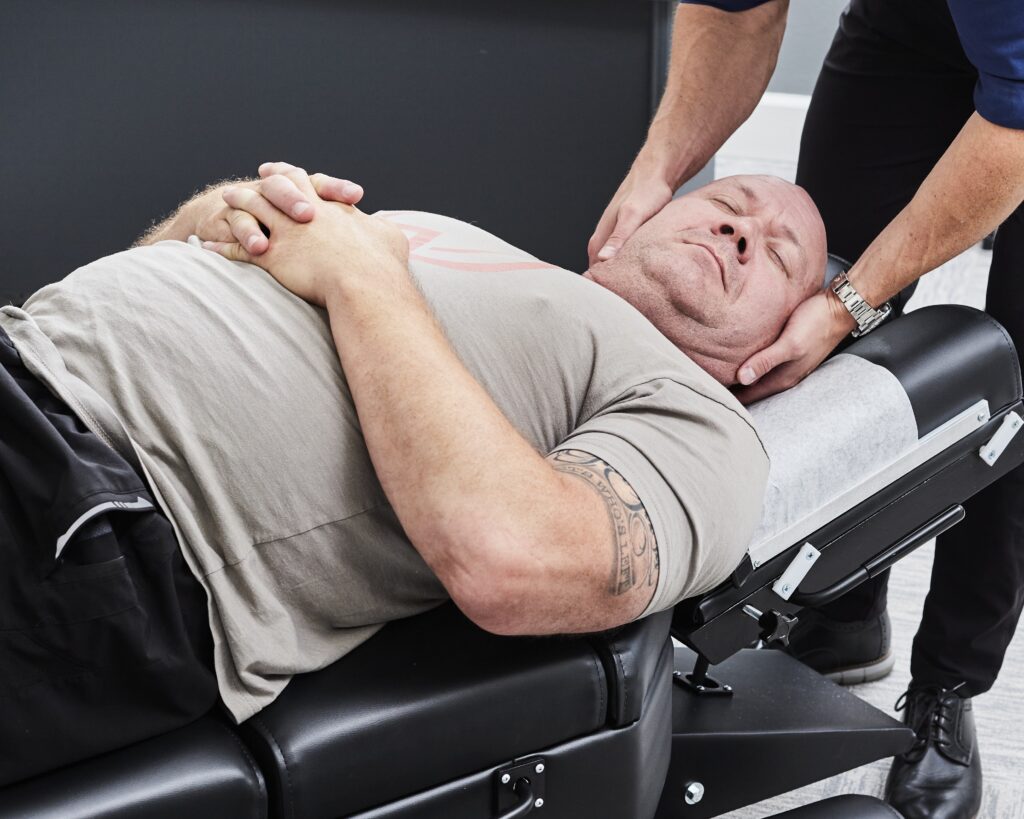
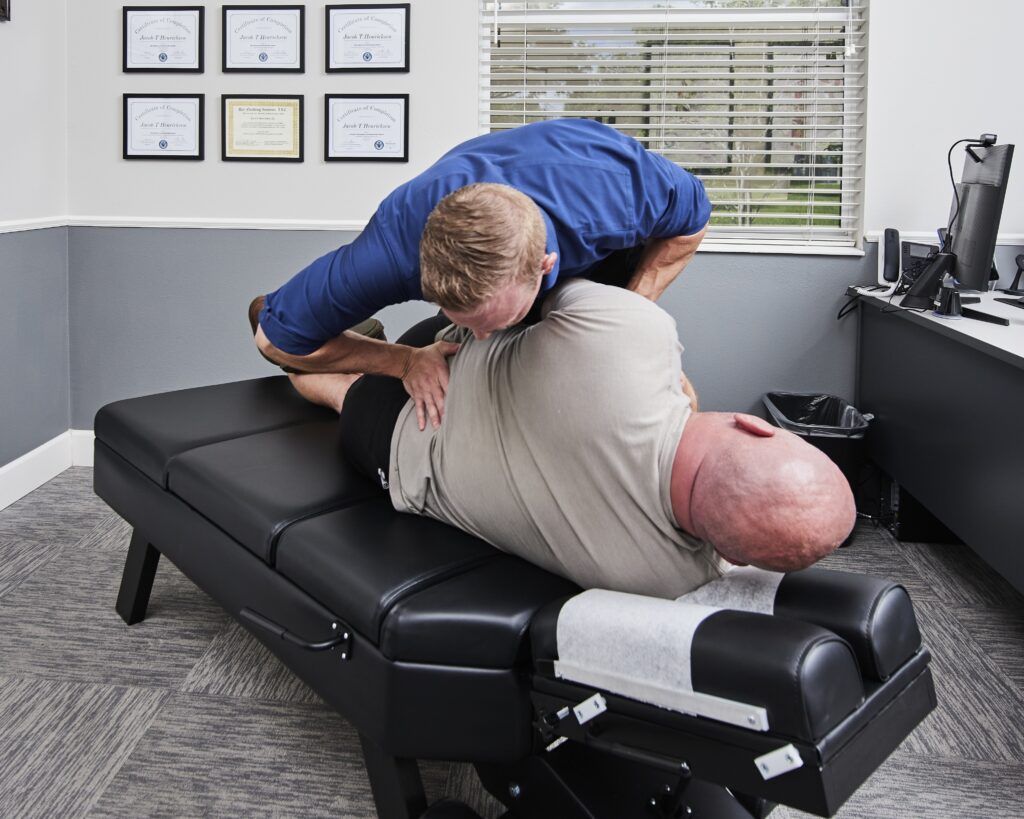
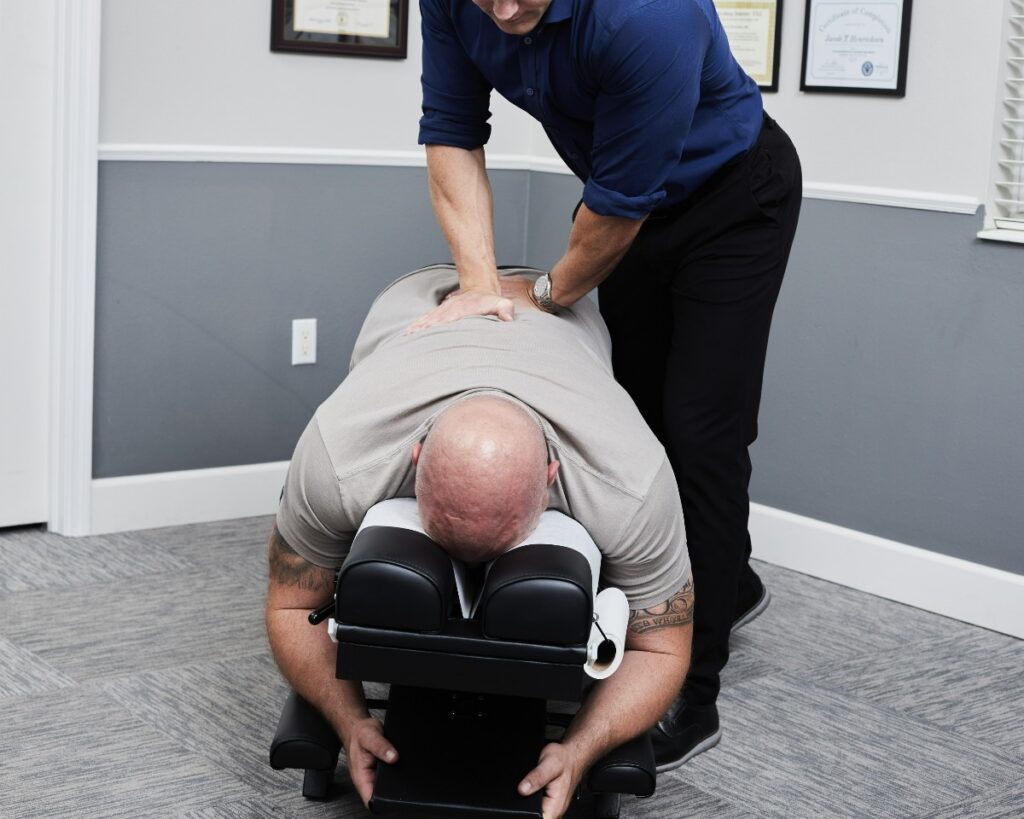
During your chiropractic session, you'll be asked to lie down comfortably while the chiropractor performs spinal adjustments and manipulations. You may hear some popping or cracking sounds, but this is normal and shouldn't be painful. The adjustments are designed to restore proper alignment and function to your spine, which can relieve tension and improve mobility.
After your session, it's common to feel either relaxed or invigorated. Some patients may experience mild soreness in the treated areas, but this typically subsides quickly.
Your chiropractor may suggest a series of sessions, often spaced a week apart, to maximize the benefits and facilitate your recovery.
It's important to monitor your progress and communicate any changes or concerns with your chiropractor. With dedication and patience, chiropractic care can be an effective approach to managing and alleviating lower back pain, promoting overall wellness in the process.
Implement Mindfulness Practices
As a local chiropractor, I want to share how mindfulness practices can significantly enhance your journey toward managing lower back pain. Many patients find that by focusing their attention on the present moment, they can alleviate stress and tension—two common culprits that exacerbate back pain.
Integrating mindfulness into your daily life can help you develop a deeper awareness of your body and its sensations, which is crucial for healing. Here are three effective mindfulness practices I recommend:
1. Meditation: I encourage you to dedicate a few minutes each day to sit in a quiet space and concentrate on your breathing. This straightforward practice can help clear your mind, center your thoughts, and diminish your perception of pain. Visualizing your discomfort as an object that you can observe can also provide valuable insights into how to better manage it.
2. Body Scan: A gentle body scan can be a powerful tool for understanding your physical sensations. I suggest lying down comfortably and taking your time to mentally scan your body from head to toe. Pay attention to any areas of tension or discomfort, and breathe deeply into those spaces.
By acknowledging these sensations without judgment, you may find it easier to release tension and promote relaxation, particularly in your lower back.
3. Mindful Movement: Engaging in gentle activities such as yoga or tai chi can enhance your awareness of movement in your body. I recommend focusing on how each pose or movement feels, allowing yourself to connect with your body while improving flexibility and strength.
This not only aids in relieving pain but also fosters a sense of empowerment over your health.
Explore Massage Therapy
As a local chiropractor, I want to share how massage therapy can be a beneficial component of your lower back pain management plan. This technique involves the manipulation of soft tissues in your body, which not only helps relieve tension but also enhances circulation and promotes relaxation.
By scheduling a massage session, you're taking proactive steps toward alleviating your discomfort rather than simply treating it as a luxury.
When you come in for a massage, it's essential to communicate openly with your therapist about your pain levels and any specific areas that are bothering you. This allows them to customize the session to effectively address those problem areas.
Techniques such as deep tissue massage can penetrate deeper into muscle layers, breaking up tight knots and facilitating improved movement.
Beyond immediate relief, regular massage therapy can yield long-term benefits. It stimulates the release of endorphins—your body's natural painkillers—which can assist in managing chronic pain.
Additionally, the relaxation response induced by massage can help reduce stress, a common factor that contributes to muscle tension.
I also encourage you to incorporate self-massage techniques into your daily routine. Simple practices such as using a foam roller or a massage ball can help maintain the benefits of professional therapy between sessions.
Spending just a few minutes on your lower back can make a significant difference in how you feel.
Ultimately, massage therapy isn't merely about indulgence; it's a powerful tool in your arsenal for managing lower back pain.
If you haven't explored it yet, now may be the perfect opportunity to discover the positive impact it can have on your health and well-being.
Limit High-Impact Activities
As a local chiropractor, I want to share some important insights for those of you experiencing lower back pain.
It's crucial to recognize that certain high-impact activities—such as running or heavy lifting—can exacerbate your discomfort and delay your recovery. Instead, I encourage you to explore low-impact alternatives like walking, swimming, or gentle yoga, which can help you stay active while minimizing strain on your back.
Remember, giving your body the time it needs to rest and heal is essential for your overall recovery process.
Embracing natural healing practices, such as chiropractic adjustments and targeted exercises, can significantly enhance your journey towards pain relief and improved mobility.
Always prioritize your well-being, and don't hesitate to reach out for guidance on how to best support your healing.
Identify High-Impact Activities
As a local chiropractor, I often see patients who are unaware of how certain activities can negatively impact their lower back.
It's essential to recognize these high-impact movements so you can take steps to protect your spine and maintain your overall well-being. Engaging in high-impact activities can place undue stress on your spine and the muscles surrounding it, potentially leading to discomfort and pain.
Here are three common high-impact activities that I encourage you to be mindful of:
- Running on hard surfaces: When you run on concrete or asphalt, each step can jolt your spine, increasing the strain on your lower back. If you're an avid runner, consider softer surfaces, like trails or tracks, to help mitigate this impact.
- Jumping sports: Sports that involve jumping, such as basketball or volleyball, can put repetitive stress on your spine during takeoff and landing. It's important to incorporate proper techniques and conditioning to protect your back while enjoying these activities.
- Heavy weightlifting: Lifting heavy weights can be beneficial for strength but can also lead to serious strain on your lower back if done with improper form. Always prioritize proper technique and consider lighter weights to build strength safely.
By being aware of these activities and taking preventative measures, you can help safeguard your spine and support your journey to natural healing.
If you have any concerns about your back or need guidance, don't hesitate to reach out for a consultation. Your health is our priority!
Explore Low-Impact Alternatives
As a chiropractor, I often see individuals who are unaware of the numerous benefits of low-impact alternatives for staying active while protecting their lower back.
It's crucial to incorporate exercises that not only strengthen your core but also enhance flexibility, all while minimizing stress on your spine.
For instance, swimming or water aerobics can be fantastic choices. These activities provide resistance without the jarring impact associated with running or jumping, making them ideal for those concerned about back strain.
If you prefer exercises on solid ground, consider walking or cycling. Both are gentle on your back yet effective in promoting cardiovascular health.
Yoga and Pilates are also excellent practices to explore. They emphasize core strength, balance, and flexibility, which are vital for supporting a healthy lower back.
Additionally, these modalities foster relaxation and mindfulness, which can be beneficial in managing any discomfort you may experience.
If you enjoy the camaraderie of group classes, look for low-impact options such as barre or tai chi. These classes allow for movement without high-impact stress, giving you the opportunity to engage socially while prioritizing the health of your back.
As you consider your exercise options, remember that embracing low-impact alternatives can be a key element in maintaining an active and pain-free lifestyle.
Prioritize Rest and Recovery
As a local chiropractor, I want to emphasize how crucial rest and recovery are for anyone experiencing lower back pain.
It's tempting to push through the discomfort, but prioritizing your recovery can significantly accelerate the healing process. This often involves reducing high-impact activities that may worsen your pain.
Here are three strategies I recommend to help you focus on rest and recovery:
- Listen to Your Body: Your body has a remarkable ability to communicate its needs. Pay close attention to how you feel during and after different activities. If something triggers pain, that's your cue to take a step back and allow your body the time it needs to heal.
- Incorporate Gentle Movements: While rest is vital, gentle movements can also be beneficial. Activities such as walking or light stretching can enhance blood circulation and support healing without putting additional strain on your back. Focus on low-impact exercises that are comfortable for you and won't exacerbate your condition.
- Establish a Recovery Routine: Developing a structured routine that includes dedicated rest periods, gentle activities, and relaxation techniques can be highly effective. By consistently following your recovery plan, you'll likely see improved results and feel better equipped to manage your pain.
Remember, healing is a journey, and giving your body the care it needs is essential for long-term wellness.
If you have any questions or need guidance on your recovery, don't hesitate to reach out!
Use Proper Lifting Techniques
As a local chiropractor, I often see patients who struggle with lower back pain due to improper lifting techniques. It's crucial to understand that the way you lift heavy objects can significantly impact your spinal health and overall well-being. You might feel inclined to bend at the waist and quickly grab that heavy box, but this can lead to strain and potential injury.
To protect your back, I encourage you to approach lifting with a thoughtful plan. First, position yourself close to the object you intend to lift. Stand with your feet shoulder-width apart; this will give you a solid foundation.
When you're ready to lift, remember to bend at your knees instead of your waist. This method engages your leg muscles—far stronger than your back muscles—allowing for a safer lift.
Maintaining good posture is also vital. Keep your back straight and your chest lifted as you prepare to lift. As you begin the lift, tighten your core muscles. This action provides additional support to your spine, helping to prevent injury.
Make sure to grip the object firmly and hold it close to your body; the farther away it's from your center of gravity, the more strain it places on your back. Lift smoothly, pushing up with your legs rather than using your back.
If you encounter an object that feels too heavy or awkward to handle alone, please don't hesitate to ask for assistance or consider using tools like dollies or hoists. Your health is paramount, and taking a little extra time to lift safely is always worth it to avoid injury.
If you have any questions about proper lifting techniques or how to maintain a healthy spine, feel free to reach out. Your journey to natural healing and chiropractic care can begin with simple, mindful practices like these.
Wear Supportive Footwear
As a local chiropractor, I want to emphasize the importance of wearing supportive footwear for maintaining your spinal health. Many people may not realize how crucial the right shoes are, especially when paired with proper lifting techniques.
Supportive footwear helps distribute your weight evenly, reduces strain on your lower back, and promotes better posture. By investing in a quality pair of shoes, you're laying the groundwork for a healthier spine.
Here are three essential features to consider when selecting supportive footwear:
- Arch Support: Look for shoes that provide adequate arch support. This feature helps maintain the natural curve of your foot, preventing excessive pronation, which can lead to misalignment and discomfort in your lower back.
- Cushioning: Choose shoes with ample cushioning. Good cushioning absorbs shock and lessens the impact on your spine while you walk or stand. This is especially important if you find yourself on your feet for extended periods.
- Heel Height: Opt for shoes with a moderate heel height. Footwear with heels that are either too high or too flat can disrupt your body's alignment. A slight elevation promotes a more natural walking motion, helping to relieve stress on your back.
By paying attention to these features, you can make informed choices that support your spinal health and overall well-being.
Practice Core Stabilization
As a local chiropractor, I want to emphasize the importance of core stabilization for maintaining a healthy spine and preventing lower back pain. Your core muscles—comprising the abdominals, obliques, and lower back—are crucial in providing support to your spine. When these muscles are strong and well-coordinated, they help you maintain proper posture and alleviate strain on your lower back.
To help you practice core stabilization, I recommend starting with exercises that engage your entire core. One of the most effective exercises is the plank. Aim to hold a plank position for 20-30 seconds, and as you become more comfortable, gradually increase the duration. This simple yet powerful exercise can significantly build your core strength.
Don't forget to include side planks as well; they specifically target your obliques and enhance your lateral stability.
Another excellent exercise is the bird-dog. Begin on your hands and knees, extend one arm forward while simultaneously stretching the opposite leg back. This movement not only improves coordination and stability but also engages multiple muscle groups, making it an effective addition to your routine.
Additionally, I encourage you to incorporate pelvic tilts into your practice. To perform this exercise, lie on your back with your knees bent, then gently tilt your pelvis upward, flattening your lower back against the floor. This motion strengthens both your lower back and abdominal muscles.
I recommend practicing these exercises at least three times a week. As your strength improves, you can gradually increase the intensity of your workouts. Consistency is crucial; over time, you'll likely notice improved control over your movements and a reduction in lower back pain.
Consider Alternative Therapies
As a local chiropractor, I want to share some insights into how alternative therapies can complement traditional treatments for lower back pain. While medication and physical therapy are commonly used, exploring options like chiropractic care can significantly enhance your healing journey.
Here are three alternative therapies that I believe can be beneficial for you:
1. Acupuncture: This ancient practice from Chinese medicine involves the insertion of thin needles into specific points on your body. Many of my patients have reported that acupuncture not only helps reduce pain but also enhances mobility.
By promoting blood flow and releasing endorphins, it can be a valuable addition to your pain management strategy. I encourage you to consider trying a few sessions to see if it resonates with you.
2. Chiropractic Care: As a chiropractor, my primary focus is on aligning your spine to relieve pressure on your nerves. Misalignments can lead to discomfort, and regular adjustments can help restore proper function.
Many patients experience improved posture and reduced muscle tension as a result. It's crucial to seek care from a qualified and licensed chiropractor to ensure that you receive safe and effective treatment tailored to your needs.
3. Massage Therapy: Therapeutic massage is another fantastic way to alleviate tightness in your lower back. By enhancing circulation and reducing inflammation, massage therapy can provide significant relief.
I often recommend that patients incorporate massage into their wellness routine, as a skilled therapist can target areas of tension, promoting relaxation and overall well-being.
Remember, healing is a holistic process, and exploring these alternative therapies could be the key to your recovery from lower back pain.
I'm here to help guide you on your journey to better health!
Keep a Pain Diary
As a local chiropractor, I want to share with you how keeping a pain diary can be a valuable resource in managing your lower back pain. Many patients who come to see me have found that documenting their experiences not only helps them better understand their pain but also plays a crucial role in their healing journey.
Begin by recording the intensity of your pain on a scale of 1 to 10 at the same time each day. This consistency will help you track fluctuations in your pain levels. Make sure to note when the pain occurs, how long it lasts, and what activities you were engaged in at the time. This detailed information can help us identify any patterns, allowing us to pinpoint specific movements or postures that may be aggravating your condition.
It's also important to consider your emotional state, as stress and anxiety can significantly influence pain levels. Be sure to document any treatments you've tried, including medications, physical therapies, or chiropractic adjustments. Reflect on their effectiveness and any side effects you experienced. This information will be incredibly helpful when we discuss your treatment options during our sessions.
In addition, keep track of any lifestyle changes you implement, such as new exercise routines or dietary modifications. You might find that these changes correlate with improvements or exacerbations in your pain levels, giving us more insight into your overall health.
At the end of each week, take a moment to review your entries. Look for trends, whether they're positive or negative. This reflection not only empowers you but also enhances our ability to tailor your treatment plan effectively.
By maintaining a pain diary, you create a comprehensive picture of your journey, making it easier for us to navigate towards relief together.
As your chiropractor, I'm here to support you in your path to natural healing and wellness. Let's work together to understand your body better and find the solutions that work best for you.
Set Realistic Goals
As a local chiropractor, I want to help you understand that managing lower back pain effectively begins with recognizing your symptoms, often through the helpful practice of keeping a diary.
Once you have a clearer picture of your pain, the next step is to set realistic goals that will support your recovery journey. By establishing attainable targets, you can stay motivated and monitor your progress more effectively.
Here are three key areas to focus on when setting these goals:
- Define Short-Term Objectives: Start with small, achievable goals you can reach within a week. This could be something as simple as taking a ten-minute walk each day or practicing gentle stretching exercises recommended during your chiropractic sessions. Celebrating these small victories will enhance your confidence and encourage further progress.
- Establish Medium-Term Goals: After you've become comfortable with your short-term objectives, consider setting goals that can be accomplished in 2-4 weeks. For instance, you might aim to extend your walking duration to 20 minutes or introduce light strength training exercises into your routine. These goals should be challenging yet realistic, pushing you to improve while remaining within your abilities.
- Create Long-Term Aspirations: Think about what you envision for yourself in the next month or two. This may involve returning to beloved activities, such as gardening or playing with your children, without experiencing pain. Setting these long-term goals gives you something meaningful to strive for and helps maintain your focus on the overall journey to wellness.
Stay Consistent With Routine
As a local chiropractor, I want to emphasize how important it's to stay consistent with your routine when managing lower back pain. By adhering to a structured plan, you give your body the best opportunity to heal and strengthen. Incorporating daily stretches, low-impact exercises, and methods like heat and cold therapy into your routine can significantly alleviate discomfort.
To help you maintain this consistency, I recommend setting specific times for your activities. If you plan to stretch every morning, treat it as a vital appointment in your schedule. This commitment will increase your likelihood of following through.
I also suggest keeping a journal or using an app to track your progress and remind you of your goals. Seeing your achievements can serve as a powerful motivator.
Listening to your body is essential as well. If you find that certain movements worsen your pain, it's crucial to adjust your routine. This doesn't mean you should abandon your efforts; instead, seek alternatives that suit you better. Remember, consistency doesn't imply rigidity—being flexible in your routine can actually be quite beneficial.
Additionally, introducing variety into your routine can keep you engaged and prevent boredom. Consider incorporating different activities like swimming, yoga, or walking, as long as they align with your pain management goals.
Finally, I understand that maintaining consistency can be particularly challenging during flare-ups. On those tough days, focus on small, manageable steps, even if it's just gentle stretching or taking time to rest.
Over time, these consistent efforts will lead to improved strength and a reduction in pain, significantly enhancing your quality of life. As your chiropractor, I'm here to support you on this journey to better health.
Celebrate Your Progress
As you embark on your journey to manage lower back pain, it's essential to take the time to celebrate your progress along the way. Recognizing even the smallest victories can significantly enhance your motivation and strengthen your commitment to healing naturally.
Understanding how far you've come can help you remain focused and resilient, particularly during the more challenging moments of your recovery.
Here are three effective ways to celebrate your progress on this path:
1. Track Your Improvements: I encourage you to keep a journal where you document your pain levels, mobility, and overall well-being. By reviewing your entries over time, you'll witness the tangible improvements you've made.
This evidence serves as a powerful reminder of the work you've put in and the positive changes occurring in your body.
2. Set Mini-Goals: I recommend breaking down your larger recovery goals into smaller, achievable milestones. Whether it's bending down without discomfort or completing a week of consistent stretching exercises, every mini-goal you reach is worth celebrating.
Treat yourself to something special or indulge in a relaxing activity as a reward for your efforts.
3. Share Your Journey: Don't hesitate to discuss your progress with friends, family, or supportive online communities. Sharing your achievements can't only inspire others but also foster a supportive environment for your healing process.
Additionally, receiving positive feedback from those who care about you can reinforce your determination to continue on this path.
Conclusion
As a local chiropractor, I want to share with you how you can take meaningful steps to alleviate your lower back pain in just 30 days. Understanding your pain is the first step, and I encourage you to consult with a healthcare professional to get a proper assessment. Chiropractic care focuses on natural healing methods, and we often incorporate therapies like heat and cold to relieve discomfort.
It's also important to practice good posture in your daily activities, as this can significantly impact your back health. Keeping a pain diary is a great way to track your symptoms and progress over time. Consistency is key, so I recommend sticking to your routine and celebrating each small victory along the way. Remember, your journey to a healthier back starts now, and I'm here to support you every step of the way!