
As a local chiropractor, I understand that many of you may be grappling with lower back pain, and I want to reassure you that you're not alone in this journey. There are numerous effective treatments available that can help alleviate your discomfort. One of the most beneficial options is chiropractic care, which focuses on aligning your spine to restore proper function and reduce pain.
In addition to chiropractic adjustments, I often recommend incorporating exercise routines tailored to enhance your flexibility and strengthen your core. These exercises can significantly improve your overall back health. Many patients also find relief through massage therapy, which helps to alleviate muscle tension, or acupuncture, which targets specific pain points in the body.
For those seeking immediate relief, over-the-counter medications can be a quick solution, but it's important to recognize that they may only address the symptoms rather than the root cause of your pain. The key to effective management of lower back pain lies in finding the right combination of treatments that work for you.
As your chiropractor, I'm here to guide you through this process and help you discover the most effective strategies to manage your pain naturally. Together, we can explore the top treatments that can bring you lasting relief and improve your quality of life.
Physical Therapy
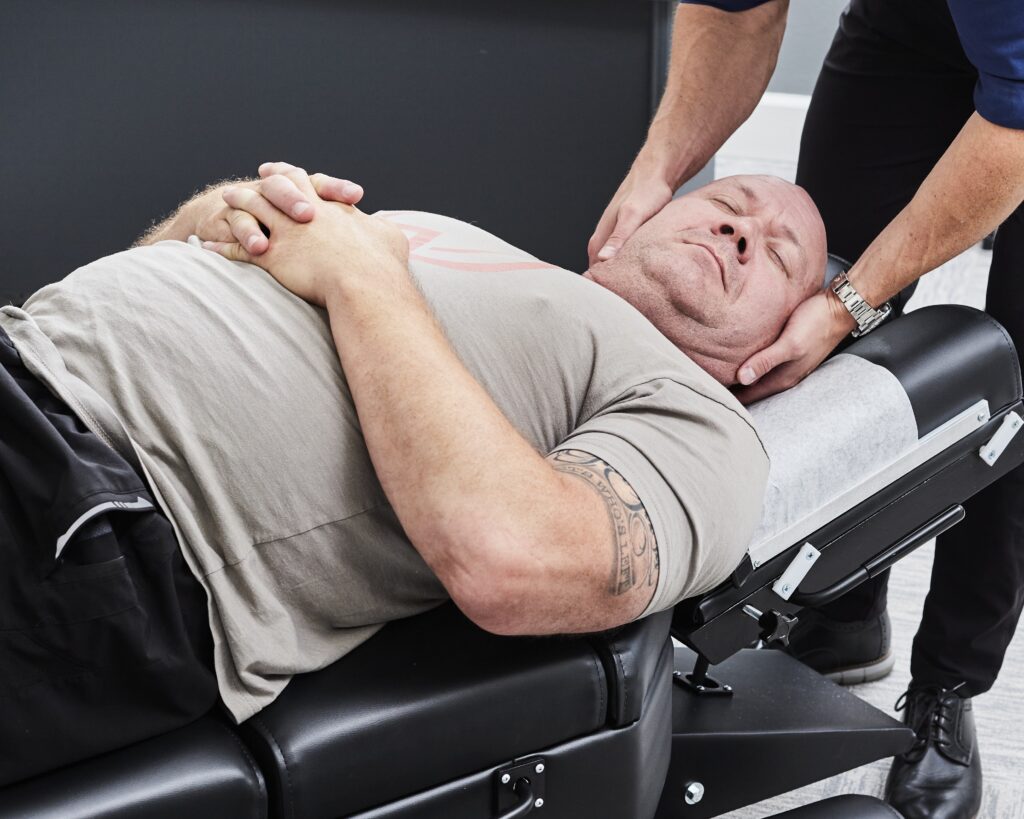
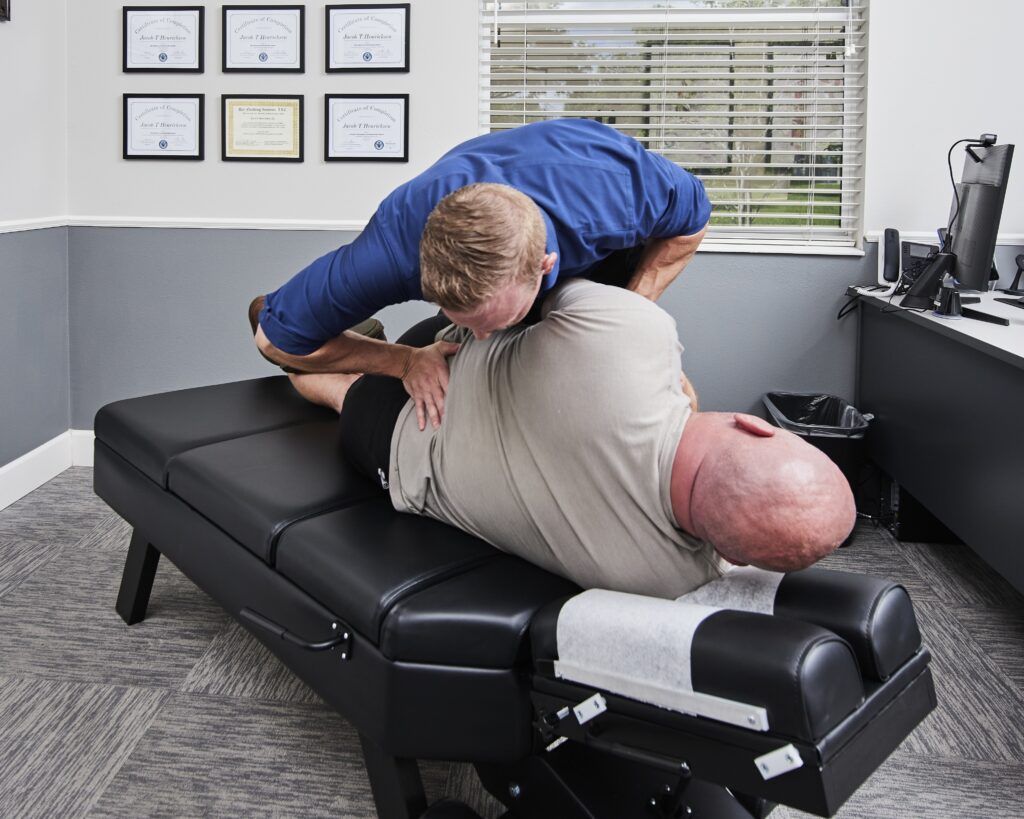
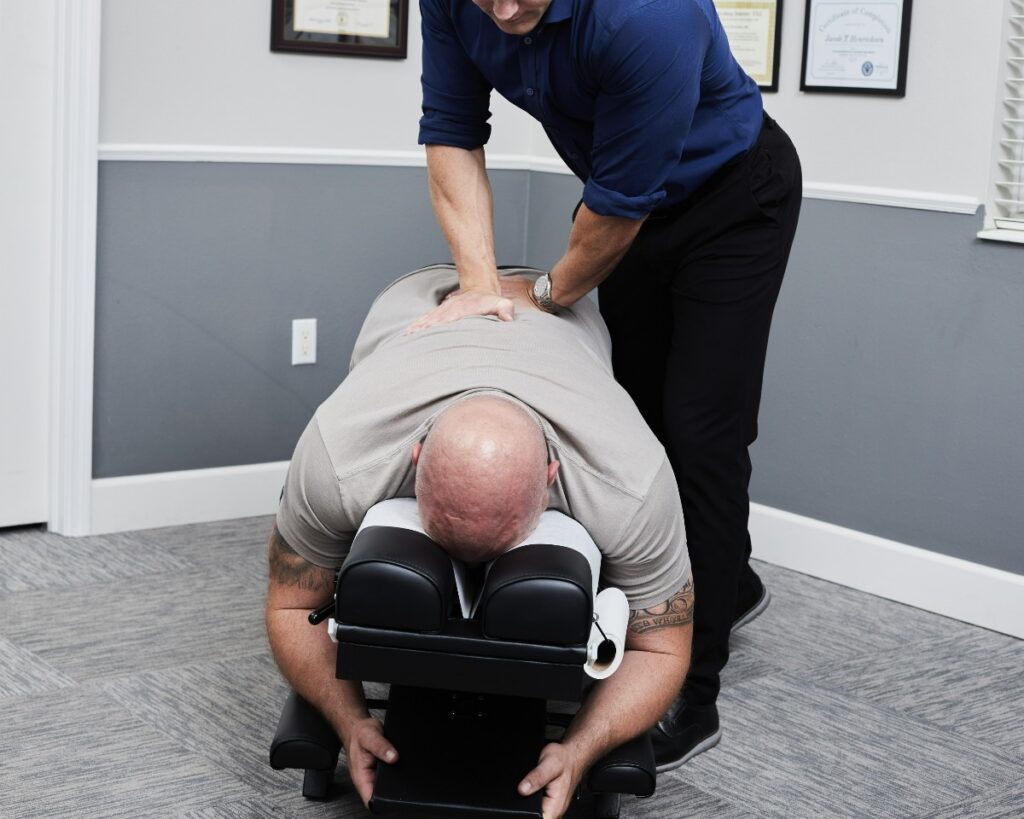
Chiropractic care plays a crucial role in managing lower back pain, and I'd like to help you understand how it can benefit you. When you're experiencing discomfort, a chiropractor can develop a personalized treatment plan tailored to your individual needs. During your initial visit, we'll assess your condition, identify any underlying issues contributing to your pain, and provide gentle adjustments designed to restore proper alignment and function to your spine.
Our approach often begins with gentle spinal adjustments that aim to relieve pressure on nerves and improve mobility. As your body starts to respond positively, we may incorporate additional therapies, such as targeted exercises to strengthen your back muscles and enhance flexibility. These exercises not only alleviate pain but also help prevent future injuries by improving your overall physical condition.
In addition to spinal adjustments, we may utilize natural modalities such as heat therapy, cold packs, or ultrasound to help reduce inflammation and promote healing in your lower back. Staying consistent with your chiropractic visits and following through with recommended exercises at home is essential for optimal recovery.
This process will also help you gain a better understanding of your body, teaching you how to maintain proper posture and avoid movements that could worsen your pain.
Remember, healing takes time, and each individual's journey is unique. Patience and commitment are vital. Many patients find that working with a chiropractor boosts their confidence, allowing them to regain mobility and independence in their daily lives.
Ultimately, chiropractic care empowers you with the tools and knowledge to effectively manage your lower back pain. By taking this proactive approach, you're not only addressing your current discomfort but also paving the way for a healthier, more active lifestyle.
Let's work together to help you feel your best!
Chiropractic Care
As a local chiropractor, I want to share how chiropractic care can be a valuable part of your journey to managing lower back pain and enhancing your overall health. Our approach is holistic, focusing on restoring spinal alignment and improving your body's function.
When you come to my practice, I'll conduct a thorough assessment of your posture, movement, and spinal alignment. This evaluation helps identify any misalignments or dysfunctions that may be contributing to your pain. Correcting these issues is often a crucial step in your recovery process.
Using hands-on spinal manipulation and other manual techniques, I'll gently adjust your spine. These adjustments can relieve pressure on nerves, reduce inflammation, and improve your mobility. Many patients experience immediate relief following an adjustment, but it's essential to attend follow-up visits to achieve the best results. Consistency in chiropractic care is key, as it allows your body to adapt to the corrections we make.
In addition to spinal adjustments, I provide personalized exercise recommendations and lifestyle advice tailored to support your recovery. Together, we can work on strengthening your core and improving your flexibility, which can help prevent future episodes of lower back pain. I'll also guide you on maintaining proper posture and body mechanics, making your daily activities easier and more comfortable.
Chiropractic care is generally safe and non-invasive, making it an appealing option for many individuals seeking relief from pain. It's important to choose a licensed and experienced chiropractor, like myself, who's dedicated to your well-being.
If you're looking for an effective way to manage your lower back pain while promoting overall health, I encourage you to consider incorporating chiropractic care into your treatment plan. It's a proactive step towards achieving long-term relief and enhancing your quality of life.
Massage Therapy
As a local chiropractor, I want to share with you how effective massage therapy can be in alleviating lower back pain.
It's important to understand that there are various techniques available that can provide significant relief. Additionally, finding a qualified therapist who understands the connection between the spine and overall health is essential for effective treatment.
Let's take a closer look at the benefits of massage therapy and the options you have for natural healing.
Together, we can explore how these therapies can complement chiropractic care to enhance your well-being.
Benefits of Massage Therapy
As a local chiropractor, I understand that experiencing lower back pain can be incredibly challenging. I want to share how incorporating massage therapy into your treatment plan can provide significant relief and promote natural healing.
First and foremost, massage therapy is effective in reducing muscle tension, which allows your body to relax and alleviates the strain on your lower back. Many of my patients who receive regular massages report improved flexibility and a greater range of motion, making daily tasks much easier to manage.
In addition to relaxation, massage therapy enhances circulation in the areas affected by pain. This increased blood flow is crucial, as it delivers the oxygen and nutrients your muscles and tissues need to recover.
After a massage, you may also find that your stress and anxiety levels decrease, as the therapy promotes relaxation and triggers the release of endorphins—your body's natural pain relievers.
Moreover, massage therapy contributes positively to your overall well-being. It fosters a deeper connection between your body and mind, making you more aware of your posture and movement patterns.
By integrating massage therapy into your routine, you're not just addressing lower back pain; you're also making a valuable investment in your long-term health and wellness.
Techniques for Pain Relief
As a local chiropractor, I'm here to help you understand the various techniques that can effectively relieve lower back pain, especially through the lens of natural healing and holistic care.
One method that many find beneficial is deep tissue massage. This technique focuses on the deeper layers of muscle and connective tissue, using firm pressure to break down knots and improve blood circulation, which can lead to significant pain relief.
Another approach I often recommend is trigger point therapy. In this technique, we focus on specific tight areas, known as trigger points, which can cause discomfort not just locally, but also in other areas of your back. By releasing these trigger points, we can alleviate pain and improve your range of motion, helping you feel more mobile and comfortable.
You may also find myofascial release helpful. This gentle technique targets the fascia, which is the connective tissue surrounding your muscles. By releasing tension in this area, we can enhance your flexibility and overall movement.
Swedish massage is another option worth considering. It features long, flowing strokes that promote relaxation and can help reduce stress—an often overlooked factor that can contribute to back pain.
Additionally, incorporating heat therapy, such as warm towels during your session, can further soothe sore muscles and enhance the effects of the massage.
Ultimately, exploring these different techniques can help you discover what works best for your individual needs. My goal is to empower you to take control of your comfort and well-being through natural healing methods.
If you're new to chiropractic care, I encourage you to ask questions and find a treatment plan that feels right for you. Your journey to relief starts with understanding your options!
Finding a Qualified Therapist
Finding a qualified chiropractor for your lower back pain relief is essential for achieving effective results. Start by checking their credentials. Look for licensed chiropractors who've completed a recognized chiropractic program and hold a valid state license. This ensures they've received the necessary training in techniques specifically designed to address your condition.
Next, consider their experience. A chiropractor who specializes in lower back pain will possess a deeper understanding of spinal anatomy and the specific adjustments and therapies that can alleviate your discomfort. Don't hesitate to inquire about their experience with patients who've similar issues to yours.
Reading reviews or asking for recommendations from friends or healthcare professionals can also be beneficial. Positive feedback can provide reassurance in your choice.
When you first meet with a chiropractor, pay attention to their communication style. A good chiropractor will listen to your concerns, ask questions about your pain, and develop a personalized treatment plan tailored to your needs.
Finally, trust your instincts. If you feel comfortable and understood, you're more likely to achieve effective relief.
Acupuncture
As a local Chiropractor, I want to share some insights about acupuncture, an ancient healing technique that many individuals seek for relief from lower back pain.
Acupuncture works by stimulating specific points on the body, helping to reduce pain and promote the body's natural healing processes. If you're new to this approach, it's important to understand that a typical acupuncture session lasts about 30 to 60 minutes, making it a convenient option to incorporate into your pain management plan.
While I focus on spinal adjustments and alignment to support your overall health, acupuncture can be a complementary therapy worth considering for holistic healing.
Ancient Healing Technique
As a local chiropractor, I want to introduce you to the benefits of acupuncture, an ancient healing technique that many have turned to for alleviating lower back pain. This practice, rooted in Traditional Chinese Medicine, involves stimulating specific points on the body with thin needles, and many patients find it not only effective but also a calming experience.
Here are four key benefits of incorporating acupuncture into your lower back pain relief plan:
- Holistic Approach: Acupuncture takes into account your entire body, addressing not just the symptoms but also the underlying issues that may be contributing to your pain. This comprehensive approach complements the chiropractic care we provide.
- Non-Invasive: Unlike surgical options or strong medications, acupuncture is a safe, non-invasive method for managing pain. This makes it an excellent alternative for those seeking natural healing solutions.
- Personalized Treatment: Each acupuncture session can be tailored to your unique needs by a trained practitioner. This individualized care ensures that you receive the most effective treatment plan possible.
- Minimal Side Effects: Most individuals report little to no side effects from acupuncture, making it a favorable option compared to pharmaceuticals, which often come with unwanted complications.
If you're curious about acupuncture and how it can fit into your overall wellness journey, I encourage you to consult with a qualified practitioner. They can walk you through the process and help identify the best course of action for your specific condition.
Pain Reduction Mechanism
As your local chiropractor, I want to help you understand how your body can heal itself and manage pain naturally. One effective method we often discuss is acupuncture, which works by tapping into the body's natural healing abilities.
During an acupuncture session, fine needles are strategically placed at specific points on your body. This not only stimulates nerve pathways but also encourages your body to release endorphins—your natural pain relievers.
When these needles are inserted, they trigger a response that can significantly alleviate discomfort. This process enhances blood flow to the affected areas, promoting faster healing by delivering essential nutrients and oxygen while flushing out harmful toxins.
Improved circulation plays a vital role in reducing inflammation and can also help relax tense muscles that often contribute to issues like lower back pain.
In addition to physical relief, the endorphins released during acupuncture sessions can help lift your mood. Many patients report that after an appointment, they not only experience less pain but also feel an overall sense of well-being.
As your chiropractor, I encourage you to explore these natural healing methods, as they can be an integral part of your journey towards a healthier, pain-free life.
Treatment Session Duration
When exploring chiropractic care for lower back pain, you may be curious about the duration of each treatment session. Typically, chiropractic sessions last between 30 to 60 minutes, depending on your individual needs and the chiropractor's methodology.
Here's what you can expect during your visits:
- Initial Consultation: Your first appointment will usually involve a thorough evaluation, taking about 15-30 minutes. This assessment is crucial for your chiropractor to customize the treatment plan that best suits your condition.
- Adjustment Technique: After understanding your needs, the chiropractor will perform spinal adjustments or manipulations. This process generally takes around 10-15 minutes, focusing on restoring alignment and mobility.
- Post-Adjustment Relaxation: Following the adjustment, you may have a brief period of relaxation to allow your body to respond effectively. This might last for about 10-15 minutes and is an important part of the healing process.
- Follow-Up Discussion: At the conclusion of your session, your chiropractor will take some time to discuss your experience, any changes you may have felt, and the next steps in your treatment plan, which typically takes about 5-10 minutes.
Understanding the duration of each chiropractic session can help you prepare and set realistic expectations as you embark on your journey to alleviate lower back pain naturally.
Heat and Cold Therapy
As a local chiropractor, I often recommend heat and cold therapy to my patients suffering from lower back pain. This natural approach can provide significant relief by soothing discomfort and promoting the healing process. By applying either heat or cold to your lower back, you can effectively alleviate pain and reduce inflammation, making it easier for you to engage in your daily activities without discomfort.
When you apply heat, it increases blood circulation to the affected area, helping to relax tight muscles and relieve stiffness. Simple methods like using a warm towel, a heating pad, or enjoying a warm bath can work wonders for your back. Just be mindful to avoid excessive heat to prevent burns; a duration of 15-20 minutes is generally recommended to allow your muscles to loosen up safely.
Conversely, cold therapy is beneficial for numbing the area, reducing inflammation, and slowing down the nerve impulses that carry pain signals. You can use ice packs or even a bag of frozen vegetables wrapped in a towel for this purpose. Again, aim for about 15-20 minutes of application, but be sure to give your skin a break between uses to avoid frostbite.
Many patients find that alternating between heat and cold therapy can maximize their relief. Start with cold therapy to effectively reduce swelling, and then follow up with heat to relax those muscles afterwards. Always listen to your body; if you experience any adverse reactions, it's important to adjust the temperature or duration of your applications accordingly.
While heat and cold therapy can be incredibly beneficial in managing back pain, remember that if your pain persists or worsens, it's crucial to consult with a healthcare professional. As your chiropractor, I'm here to guide you through your healing journey and help you explore these natural therapies in conjunction with other chiropractic care options.
Over-the-Counter Medications
As a local chiropractor, I want to share some insights on managing lower back pain, particularly when it comes to using over-the-counter medications. While these can provide quick relief, it's important to understand not only your options but also the right dosage and potential side effects.
Many people are unfamiliar with the principles of chiropractic care and natural healing, so I encourage you to consider these alternatives. Instead of immediately reaching for a bottle of pain relievers, think about how chiropractic adjustments can help address the root cause of your discomfort.
If you choose to use over-the-counter medications, it's crucial to follow the recommended dosages and be aware of any side effects they may have.
However, I recommend exploring holistic approaches alongside medication, such as regular chiropractic adjustments, stretching exercises, and lifestyle modifications to promote long-term relief and better spinal health.
Together, we can work towards a healthier, pain-free back without solely relying on medication. Your journey to wellness can be supported through natural healing methods, and I'm here to guide you every step of the way.
Common OTC Options
As a local chiropractor, I understand that many individuals seek relief from lower back pain through various methods, including over-the-counter (OTC) medications. While these medications can provide temporary relief, it's essential to consider a holistic approach to healing.
Here's a look at some common OTC options you might encounter:
- Ibuprofen: This nonsteroidal anti-inflammatory drug (NSAID) can help reduce pain and inflammation, making it a popular choice for acute back pain. However, it's important to remember that while it may mask the pain, it doesn't address the underlying issues.
- Acetaminophen: Known for its pain-relieving properties, acetaminophen is a viable option if NSAIDs aren't suitable for you due to digestive concerns or other health issues. Still, it's crucial to explore natural alternatives that promote overall wellness.
- Naproxen: Similar to ibuprofen, naproxen is another NSAID that provides longer-lasting relief. While it can be beneficial for chronic back pain, relying solely on medication may overlook the benefits of chiropractic adjustments and natural healing methods.
- Topical analgesics: Creams or patches that contain ingredients like menthol or capsaicin can offer localized relief when applied to the painful area. However, I encourage patients to look at the bigger picture and understand how chiropractic care can help address the root cause of their discomfort.
Always make sure to read labels and follow instructions when using any medication.
While these OTC options can offer temporary relief, they aren't a substitute for professional medical advice or comprehensive care. If your pain persists or worsens, I recommend considering chiropractic treatment, which focuses on restoring proper alignment and function to your spine, promoting natural healing and long-term wellness.
Dosage Recommendations
As your local chiropractor, I want to help you understand the importance of proper dosage when it comes to managing lower back pain with over-the-counter (OTC) medications.
It's crucial to approach pain relief thoughtfully, especially if you're new to chiropractic care and natural healing.
When considering options like ibuprofen or acetaminophen, always start by checking the label for specific dosage instructions.
For ibuprofen, adults typically take between 200 to 400 mg every 4 to 6 hours as needed. However, it's essential not to exceed 1,200 mg in a 24-hour period unless a healthcare provider has advised otherwise.
If you lean towards acetaminophen, the general recommendation is to take 500 to 1,000 mg every 4 to 6 hours, with a maximum limit of 3,000 mg per day. Sticking to these guidelines is vital to prevent any complications.
For those considering topical analgesics, be sure to follow the product instructions. Usually, these gels or creams can be applied up to 3 to 4 times a day, but remember to avoid applying them on broken skin.
Keep in mind that factors such as your age, weight, and existing health conditions can influence what dosage is appropriate for you.
If you're ever uncertain or if your pain continues, I encourage you to reach out to a healthcare professional.
Understanding and adhering to proper dosing can enhance your pain relief while minimizing potential risks, allowing you to focus on your journey to better health through chiropractic care and natural healing.
Potential Side Effects
As your local chiropractor, I want to help you understand not only the benefits of managing lower back pain but also the potential side effects of common over-the-counter (OTC) medications. Many patients may not be aware of these risks, and being informed can guide you towards safer, more holistic treatment options.
- Gastrointestinal Issues: While NSAIDs can provide temporary relief, they may cause stomach discomfort, ulcers, or bleeding, particularly when used frequently over time. This is something to consider as we explore more natural approaches to pain relief.
- Kidney Damage: Extended use of certain OTC pain relievers, such as ibuprofen, has been linked to kidney problems, especially in individuals with pre-existing health conditions. Understanding your body's needs is crucial, and chiropractic care can often alleviate pain without relying on these medications.
- Liver Damage: Acetaminophen, another widely used OTC option, can be harmful to your liver if taken in high doses or mixed with alcohol. We can discuss safer alternatives that support your body's healing process.
- Allergic Reactions: Some people may experience allergic reactions to medications, which can range from mild skin rashes to more serious complications like difficulty breathing. We prioritize your safety and well-being, and exploring natural healing can minimize these risks.
By being aware of these potential side effects, you can make more informed choices about your health.
I encourage you to consult with me about your pain management options, especially if you're dealing with existing health issues or taking other medications. Together, we can find a path to pain relief that supports your overall health and well-being, utilizing the principles of chiropractic care and natural healing.
Prescription Medications
When it comes to managing lower back pain, many people often think of prescription medications as the first line of defense. However, as a chiropractor, I want to share with you the benefits of exploring natural healing methods that can effectively alleviate your discomfort and enhance your overall quality of life.
Prescription medications, such as nonsteroidal anti-inflammatory drugs (NSAIDs) like ibuprofen and naproxen, are commonly used to reduce inflammation and relieve pain. While they can provide temporary relief, they often don't address the underlying issues contributing to your back pain. Instead of relying solely on these medications, consider the holistic approach of chiropractic care, which focuses on restoring proper alignment and function to your spine and nervous system.
In cases where muscle spasms accompany your back pain, muscle relaxants might be recommended. However, chiropractic adjustments can help relax tense muscles and improve your body's natural ability to heal. By focusing on spinal adjustments and targeted therapies, we can work together to alleviate muscle tension and promote long-term relief.
Opioids may be prescribed for short-term pain management, but they come with a risk of dependence and other side effects. As a chiropractor, I encourage you to explore safer alternatives that prioritize your health and well-being. Chiropractic care not only helps with pain relief but also empowers your body to function optimally without the need for these stronger medications.
Corticosteroid injections may provide temporary relief from inflammation, but they're usually limited due to potential side effects. Instead, we can utilize natural anti-inflammatory techniques, such as therapeutic exercises and lifestyle modifications, to address inflammation and support your recovery.
Interestingly, some antidepressants are prescribed for chronic pain management because they can alter pain perception. However, chiropractic care focuses on treating the root causes of pain rather than masking symptoms. Through regular adjustments and supportive therapies, we can help improve your body's resilience to pain.
It's important to understand that chiropractic care is a vital component of a comprehensive treatment plan. By combining spinal adjustments with other therapies, such as physical therapy and lifestyle changes, we can enhance your healing process and help you regain mobility.
I encourage you to have open discussions with your chiropractor about your pain levels and treatment options. Together, we can create a personalized plan that prioritizes your health and helps you achieve lasting relief from lower back pain.
Exercise and Stretching
As a chiropractor, I want to emphasize the importance of incorporating exercise and stretching into your daily routine to support your recovery from lower back pain. Regular physical activity is crucial for strengthening the muscles that support your spine, enhancing flexibility, and alleviating overall tension.
Even if you're experiencing discomfort, engaging in gentle movements can lead to significant improvements.
Here are four effective exercises and stretches that I often recommend to my patients:
- Cat-Cow Stretch: Begin on your hands and knees. Inhale deeply as you arch your back, letting your belly drop towards the floor (this is the Cow position). Then, exhale as you round your back, tucking your chin to your chest (this is the Cat position). Flow through this movement for 5-10 repetitions. This stretch helps mobilize your spine and relieve tension.
- Child's Pose: Kneel on the floor and gently sit back on your heels. Extend your arms forward on the ground and lower your forehead to the floor. Hold this relaxing pose for 20-30 seconds while breathing deeply to help release tension in your back and hips.
- Pelvic Tilts: Lie on your back with your knees bent and feet flat on the floor. Engage your abdominal muscles and press your lower back into the floor. Hold this position for a few seconds, then relax. Aim for 10-15 repetitions. This exercise helps strengthen your core and improve spinal alignment.
- Hamstring Stretch: Sit on the floor with one leg extended straight out and the other leg bent. Gently reach towards the toes of your extended leg, feeling a mild stretch in the back of your thigh. Hold the stretch for 20-30 seconds, then switch legs. This helps improve flexibility in your hamstrings, which can relieve strain on your lower back.
Integrating these exercises into your daily life can provide significant relief from pain and help prevent future issues.
Remember, it's essential to listen to your body. If you have any concerns or pre-existing conditions, please consult with a healthcare professional or your chiropractor for personalized guidance.
Your journey to healing is important, and we're here to support you every step of the way!
Lifestyle Changes
As a local chiropractor, I want to emphasize how making lifestyle changes is vital in managing and preventing lower back pain. Understanding your daily habits is the first step toward promoting better spinal health.
Let's start with your posture. Whether you're working at a desk or lifting items, maintaining proper alignment is crucial to minimizing strain on your back. When seated, be sure to keep your feet flat on the floor and ensure your back is well-supported. This simple adjustment can alleviate a lot of discomfort.
Another important aspect to consider is your weight. Carrying excess weight can place additional pressure on your spine, which can lead to pain. I recommend adopting a balanced diet filled with fruits, vegetables, lean proteins, and whole grains to help manage your weight.
Don't forget to stay hydrated—water plays a key role in keeping the spinal discs elastic and healthy.
Sleep is also critical in maintaining spinal health. A quality mattress that offers proper support can greatly affect your comfort. I advise sleeping in a position that keeps your spine aligned; for instance, resting on your side with a pillow between your knees can be very beneficial.
Lastly, it's essential to manage stress, as it can lead to muscle tension and worsen pain. Incorporating relaxation techniques such as deep breathing, meditation, or yoga into your daily routine can foster a sense of calm and balance, helping to alleviate tension in your body.
Alternative Therapies
As a local chiropractor, I often see patients seeking relief from lower back pain, and I'm here to educate you on how chiropractic care and alternative therapies can play a crucial role in your healing journey.
Many individuals find that these holistic approaches not only address the pain but also tackle the underlying issues contributing to discomfort.
Let's explore four popular alternative therapies that can complement your chiropractic treatments:
1. Acupuncture: This ancient Chinese practice uses thin needles to stimulate specific points on your body. Many patients report that acupuncture helps balance energy flow and alleviates pain, making it a beneficial adjunct to chiropractic care for lower back issues.
2. Chiropractic Care: As a chiropractor, I specialize in spinal manipulation and alignment. By adjusting your spine, I can relieve pressure on nerves and enhance mobility, which may significantly reduce your lower back pain.
This hands-on approach is centered around restoring your body's natural function.
3. Massage Therapy: Therapeutic massage works wonders for relieving muscle tension and improving circulation in the back.
Incorporating regular massage sessions into your routine can't only help manage pain but also promote relaxation, making it easier to tackle daily activities.
4. Yoga: Many of my patients have found that integrating yoga into their lives enhances flexibility, strengthens muscles, and improves posture.
Specific yoga poses can be particularly effective for alleviating lower back discomfort and reducing stress, complementing the benefits of chiropractic adjustments.
By exploring these alternative therapies alongside chiropractic care, you can develop a well-rounded treatment plan tailored to your individual needs.
Together, we can work towards achieving optimal health and well-being.
Conclusion
As a local chiropractor, I want to share with you the importance of exploring various treatments for lower back pain relief. Incorporating a blend of therapies can significantly enhance your comfort and well-being. Chiropractic care, physical therapy, and even simple lifestyle changes can play a crucial role in your recovery.
It's essential to find the right approach for you—this might mean trying out different therapies until you discover what works best. Remember, staying active is vital, and even small adjustments in your daily routine can lead to lasting benefits. By taking charge of your health and considering chiropractic care alongside other treatments, you can embark on a journey towards a pain-free life. Let's work together to find the right solutions for your lower back pain!