
As a local chiropractor, I understand how debilitating back pain can be and how it can interfere with your everyday activities. Many people are unaware that there are simple yet effective adjustments and techniques that can provide significant relief. For instance, maintaining proper posture is crucial, and chiropractic care can help you achieve this through tailored adjustments.
Additionally, alternative treatments such as acupuncture may also be beneficial in alleviating discomfort. Each method has its own unique advantages that can contribute to your overall health and wellness. If you're curious about which techniques might work best for you, I invite you to explore the top ten methods we can integrate into your treatment plan to help you regain control over your pain and enhance your quality of life.
Maintain Proper Posture
As a local chiropractor, I want to emphasize the importance of maintaining proper posture for preventing and alleviating back pain. Many of you may not realize how much your body alignment affects your overall health. Whether you're standing, sitting, or moving around, being conscious of your posture can make a significant difference in how you feel.
Good posture is about keeping your spine in a neutral position. This means aligning your shoulders back, opening your chest, and positioning your head directly over your spine. By doing this, you not only distribute your weight evenly across your body but also reduce the strain on your muscles and ligaments.
When it comes to sitting, it's crucial to choose a chair that supports your lower back. Make sure your feet are flat on the floor and that your knees are at or slightly below hip level. If you work at a desk, adjust your monitor to eye level to prevent hunching over, which can easily become a habit.
I encourage you to regularly check in with your posture throughout the day to stay aligned and comfortable.
For those moments when you're standing, remember to distribute your weight evenly on both feet and avoid locking your knees. Engaging your core muscles can provide additional support for your spine. If you find yourself on your feet for long periods, consider using a footrest to shift your weight from one foot to the other.
Incorporating awareness of your posture into your daily routine can lead to lasting improvements in your well-being. Whether you're working, relaxing at home, or exercising, being mindful of how you carry your body can help prevent discomfort and pain.
Incorporate Stretching Exercises
As a local chiropractor, I want to emphasize the importance of incorporating stretching exercises into your daily routine. These exercises can significantly enhance your flexibility and alleviate tension in your back, which is crucial for maintaining overall spinal health. Stretching works by lengthening tight muscles, helping to reduce discomfort and improve your mobility. The good news is that you don't need a gym membership to start—just a little space and a few minutes each day will do.
I recommend starting with gentle stretches such as the cat-cow pose, which is excellent for warming up your spine and relieving tightness. Additionally, poses like child's pose and hamstring stretches are simple yet effective methods to target areas that often accumulate tension.
As you perform these stretches, remember to breathe deeply and move slowly, paying attention to how your body responds.
I suggest aiming for about 10-15 minutes of stretching each day. Consistency is essential, so think about integrating these stretches into your morning routine or using them as a break during your workday. If you're uncertain about which stretches to include, please feel free to reach out to me or consult with a physical therapist. There are also many guided videos available online that can help you.
Always listen to your body while stretching. If you experience pain, it's important to ease off the stretch or avoid it altogether. You should feel a gentle pull, not any discomfort.
With time and regular practice, you'll likely notice improvements in your flexibility, which can lead to reduced back pain and a greater range of motion. Remember, taking care of your body through stretching is a vital part of maintaining your overall health and wellness.
Use Heat Therapy
As a local chiropractor, I want to share with you the benefits of heat therapy for relieving back pain and promoting muscle relaxation. Heat therapy is a simple yet effective natural remedy that can greatly enhance your comfort and well-being. When you apply heat to the affected area of your back, it increases blood circulation, which helps alleviate stiffness and soothe discomfort.
There are several methods you can use for heat therapy, including heating pads, hot water bottles, or warm towels. These tools allow you to target specific regions of your back that may be causing you pain.
Before you begin, it's crucial to ensure that your heat source is at a safe temperature to prevent burns. A good practice is to test it on a less sensitive area, such as your forearm, before applying it to your back.
Once you're confident it's comfortable, place the heat source on the painful area for about 15 to 20 minutes. This process can be repeated several times a day, depending on your level of discomfort.
If you're looking for a more soothing experience, I recommend soaking in a warm bath. Adding Epsom salts can enhance relaxation and provide even more relief. Not only does the warm water help ease your back pain, but it also promotes mental tranquility.
It's also important to keep hydration in mind, as heat can sometimes lead to dehydration. Drinking water before and after your heat therapy sessions can help maintain your body's optimal function.
Incorporating heat therapy into your self-care routine can be a powerful tool in your journey toward alleviating back pain. Always listen to your body and adjust the heat intensity and duration based on your comfort level to achieve the best results.
If you have any questions about how heat therapy fits into your overall wellness plan, don't hesitate to reach out to me for guidance.
Try Cold Therapy
As a local chiropractor, I want to share how cold therapy can be a valuable tool in managing back pain and reducing inflammation. Many of my patients have found relief through this simple yet effective method. If you're experiencing discomfort in your back, applying cold packs or ice can help numb the area and ease muscle spasms. It's crucial to act promptly after an injury or flare-up to fully benefit from this approach.
To begin, take some ice or a cold pack and wrap it in a thin towel. This step is essential to protect your skin from frostbite. Aim to apply the cold therapy for about 15 to 20 minutes at a time, and you can repeat this every couple of hours, particularly within the first 48 hours after you start feeling pain. This regular application can significantly help reduce swelling and provide much-needed relief.
If you don't have a cold pack readily available, a bag of frozen vegetables can be an excellent alternative—just be sure to keep it wrapped in a cloth. Pay attention to how your body responds; if you experience any discomfort or excessive cold, remove the pack right away.
It's important to listen to your body during cold therapy. Should you notice increased pain or discomfort, please stop using it and reach out to a healthcare professional.
While cold therapy isn't a long-term solution, it can be an effective short-term remedy for back pain. By incorporating it into your pain management routine, you may find significant relief as you work towards recovery. As your chiropractor, I'm here to support you on this journey to better health and well-being.
Engage in Low-Impact Activities
As a local chiropractor, I want to share with you the benefits of engaging in low-impact activities to help alleviate back pain while keeping your body active. These gentle exercises are easy on your joints and muscles, significantly reducing the risk of aggravating any discomfort you may be experiencing.
Consider incorporating activities like swimming, walking, or cycling into your regular routine. These exercises not only help strengthen your back but also enhance your overall flexibility and endurance.
Swimming, for instance, is particularly beneficial because the buoyancy of the water supports your body, relieving pressure on your spine and allowing you to work out effectively without strain.
Walking is another excellent option; it's simple, requires no special equipment, and can be tailored to your pace. I recommend starting with short distances and gradually increasing as you build strength and confidence.
Cycling, whether on a stationary bike or outdoors, provides a fantastic cardiovascular workout while being gentle on your back.
It's crucial to listen to your body during these activities. If you experience discomfort, it's important not to push through it. Instead, adjust the intensity or duration as needed to find what feels best for you.
I encourage you to aim for at least 30 minutes of low-impact exercise most days of the week. This approach won't only help strengthen your back muscles but also improve your posture overall.
Incorporating these low-impact activities into your daily routine can greatly relieve back pain and elevate your mood and energy levels.
So, whether you lace up your shoes for a walk or grab your swimsuit for a swim, I encourage you to start moving! You may be pleasantly surprised by the positive changes in how your back feels, making your daily activities much easier and more enjoyable.
Practice Mindfulness and Relaxation
In today's fast-paced world, practicing mindfulness and relaxation can be a valuable approach to managing back pain, and as your local chiropractor, I want to help you understand how these techniques can complement your chiropractic care. By incorporating mindfulness into your daily routine, you can significantly reduce stress and tension, which are often contributors to discomfort in your back.
I recommend starting with just a few moments each day dedicated to focusing on your breath. Find a comfortable position, whether sitting or lying down, and take slow, deep breaths. As you inhale, visualize filling your body with calmness, and as you exhale, consciously release any tension or pain you may be holding onto.
Guided meditation and yoga focused on relaxation can also be beneficial. These practices not only enhance your mental well-being but also improve flexibility and strength—two essential components for maintaining a healthy back. I encourage you to explore resources such as meditation apps or online videos to find sessions that suit your schedule and personal preferences.
Another effective mindfulness technique is the body scan. Lie down and mentally check in with different areas of your body, starting from your toes and moving up to your head. Take a moment to acknowledge any discomfort and make a conscious effort to relax those areas. This practice can help you become more aware of physical sensations and foster a sense of control over your body.
Lastly, I can't stress enough the importance of gratitude and positive thinking. Shifting your focus to what you appreciate in your life can help redirect your mindset away from pain and discomfort.
By regularly practicing mindfulness and relaxation techniques, you can cultivate a more resilient mindset that supports your journey towards back pain relief.
Explore Chiropractic Adjustments
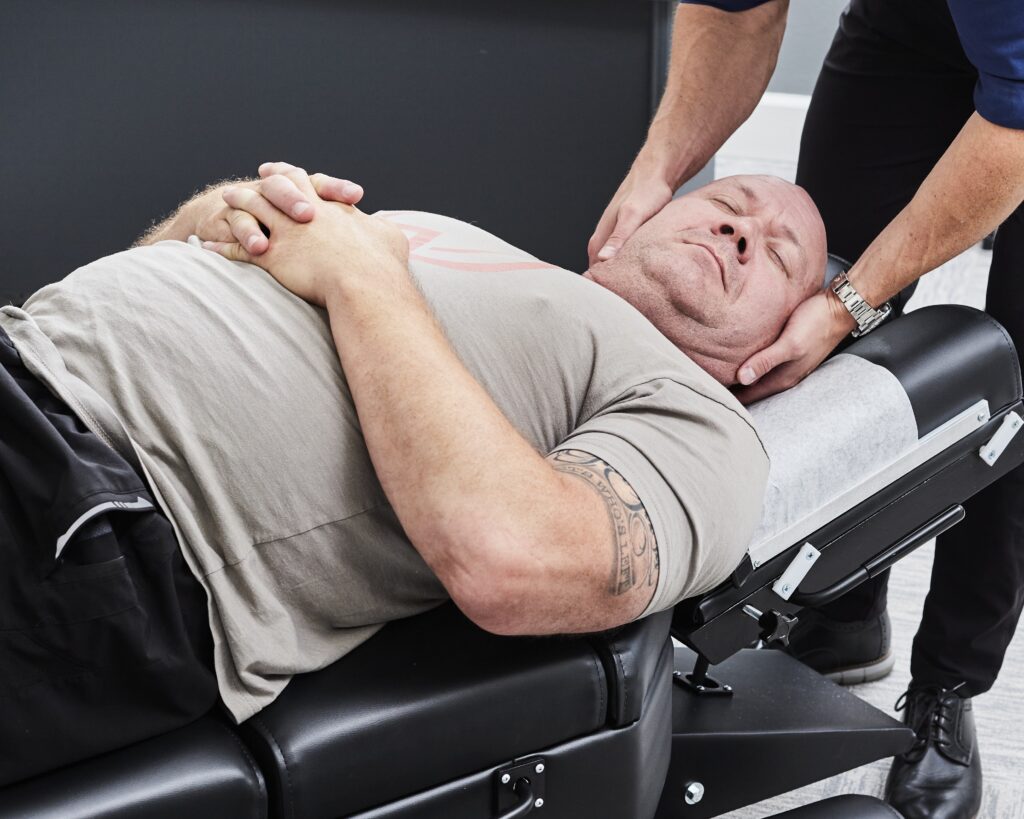
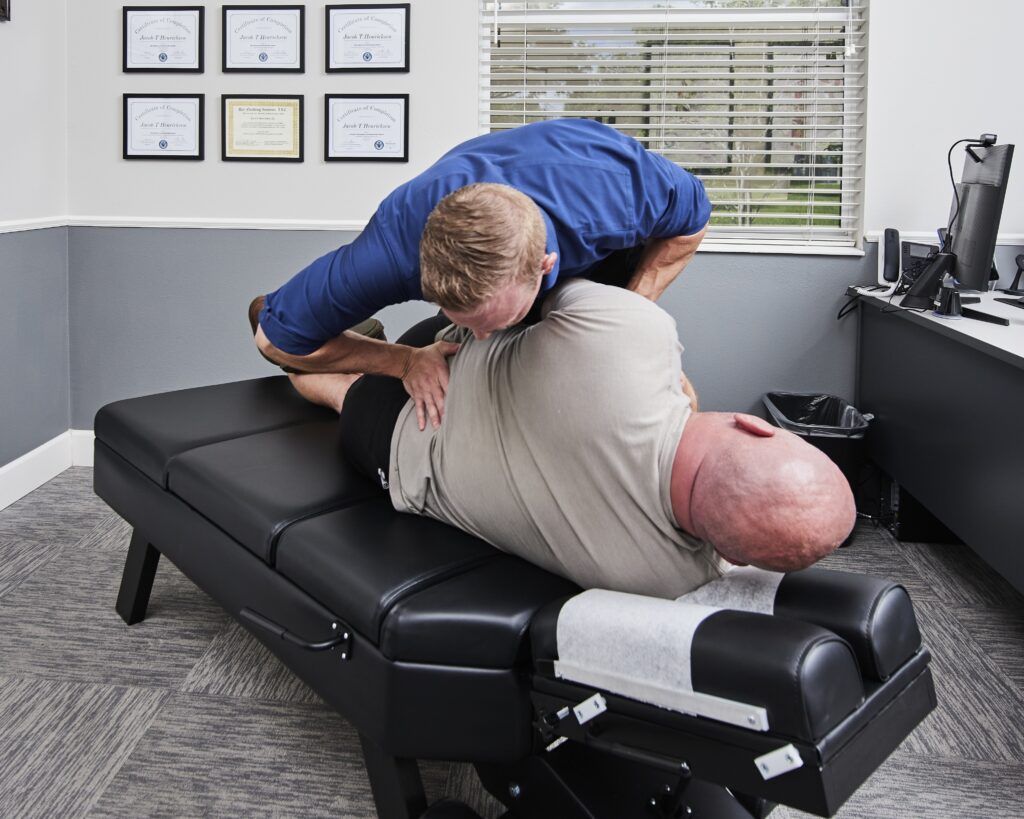
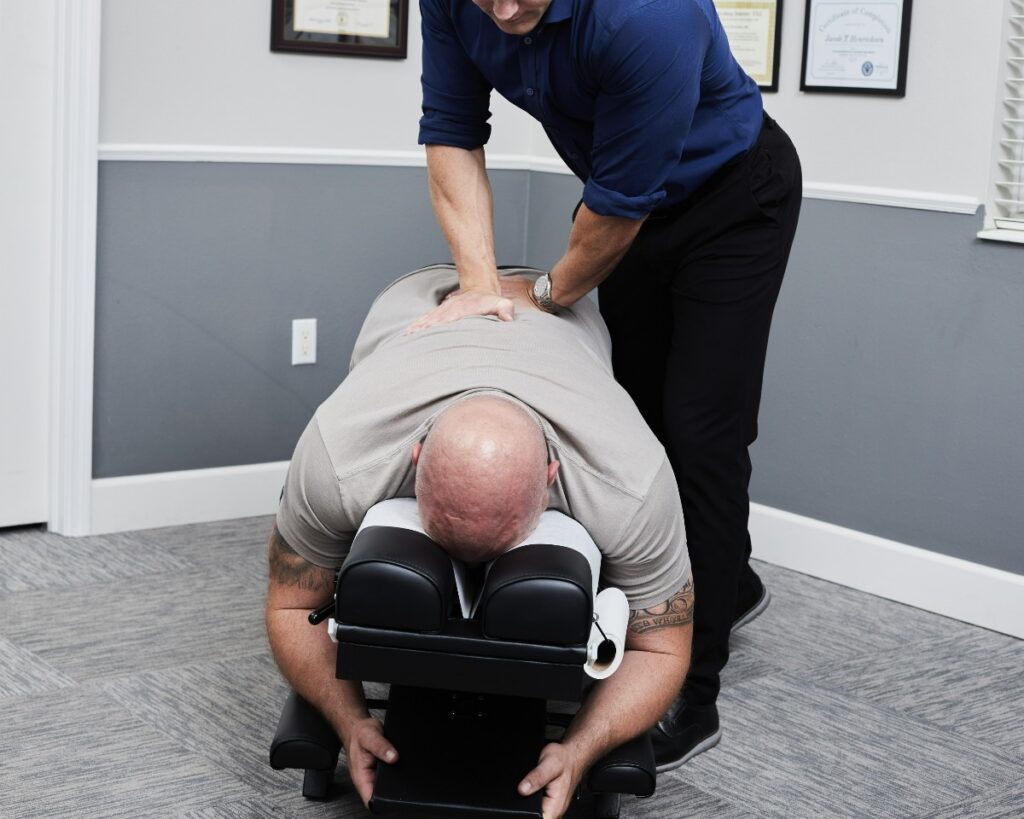
As a local chiropractor, I want to help you understand how chiropractic adjustments can play a significant role in relieving back pain and enhancing your overall well-being. When you come to my office, I'll provide personalized care that's specifically tailored to meet your unique needs.
Our journey together begins with a comprehensive examination, where we'll discuss your medical history and the specifics of your back pain. This important step allows me to identify any misalignments or restrictions in your spine that may be contributing to your discomfort.
During a chiropractic adjustment, I utilize precise techniques to apply controlled force to specific joints in your body. This process can help alleviate pain, restore mobility, and empower your body to heal itself naturally. Many patients report feeling immediate relief after their first session, while others may find that a series of adjustments is necessary to achieve the best results.
I encourage open communication about your symptoms and any sensations you may experience during the adjustments. Your comfort is my priority, and I can modify my techniques to ensure that you feel at ease while maximizing the effectiveness of your treatment.
Regular chiropractic care not only addresses existing pain but also serves as a proactive measure to prevent future issues by promoting proper spinal alignment and function. Integrating chiropractic adjustments into your wellness routine can significantly improve your quality of life.
In conjunction with other holistic practices like mindfulness and relaxation techniques, chiropractic adjustments can help you achieve a more balanced and pain-free lifestyle.
If you're experiencing back pain or are curious about how chiropractic care can benefit you, I invite you to schedule a consultation with me. Together, we can explore this effective approach to your health and well-being.
Consider Physical Therapy
If you're dealing with back pain, exploring chiropractic care could be a beneficial step for your recovery.
As a chiropractor, I focus on natural healing methods tailored to your individual needs. Chiropractic adjustments and specialized exercise programs can help strengthen your back, enhance flexibility, and effectively alleviate pain.
By working closely with a trained chiropractor, you'll receive professional guidance that can significantly improve your healing journey and overall wellness.
Embracing a holistic approach to your back pain can lead to lasting relief and a healthier lifestyle.
Tailored Exercise Programs
As a local chiropractor, I want to share with you how tailored exercise programs can significantly alleviate back pain, particularly when they're guided by a healthcare professional. These programs are specifically designed to meet your individual needs, addressing the unique causes and symptoms of your back pain.
By focusing on your specific situation, we can help you strengthen your core muscles, improve flexibility, and enhance your overall stability. You'll engage in exercises that target the key muscle groups that support your spine, ultimately reducing strain and discomfort. For example, strengthening your abdominal and back muscles can provide better support for your posture, while stretching exercises can increase flexibility and relieve tightness.
It's important to remain consistent and committed to your exercise program. Gradually increasing the intensity of your workouts will allow you to safely challenge your body as you progress. Pay attention to how your body feels and communicate any pain or discomfort to me during your visits.
A well-designed exercise program not only helps to relieve back pain but also promotes long-term health and injury prevention. By investing your time and effort into these tailored exercises, you're taking an active role in your recovery and overall well-being.
Embracing a holistic approach to healing, including chiropractic care and exercise, can lead to lasting improvements in your health.
Professional Guidance Benefits
Starting a tailored exercise program is an excellent move towards recovery, but complementing it with chiropractic care can take your healing to the next level. As a chiropractor, I assess your specific condition to create an individualized treatment plan that addresses your unique needs.
I'll guide you on proper techniques to ensure you're exercising safely and effectively, minimizing the risk of strain on your back.
In addition to personalized exercise recommendations, chiropractic care includes manual adjustments that can alleviate pain and enhance mobility. Unlike standard home remedies, I utilize specialized techniques and tools that may not be readily available, maximizing the effectiveness of your treatment.
Furthermore, I'll closely monitor your progress, making necessary adjustments to your care plan to keep you on track towards recovery. Together, we'll set realistic goals and I'll provide the motivation you need to stay committed to your health journey.
An essential part of my role is to educate you about proper body mechanics. Understanding how to lift, sit, and move correctly will significantly reduce your risk of future injuries.
With my expertise, you'll not only find relief from your current back pain but also build a solid foundation for a healthier lifestyle. Embracing chiropractic care can truly be transformative in your recovery journey.
Utilize Supportive Sleep Aids
As a local chiropractor, I want to emphasize the importance of a good night's sleep in managing back pain. Many of my patients are surprised to learn that the right mattress and pillows can significantly impact their comfort and overall spinal health.
When selecting a mattress, look for one that provides adequate support for your spine, allowing it to maintain its natural alignment throughout the night.
Equally important are your pillows; they should be chosen carefully to help keep your neck and back in alignment, reducing strain and promoting a more restful sleep.
By prioritizing supportive sleep aids, you can enhance your healing process and wake up feeling refreshed, ultimately aiding your journey towards better back health.
Choose the Right Mattress
As a local chiropractor, I want to emphasize the importance of choosing the right mattress for your overall health, particularly in alleviating back pain and promoting restorative sleep.
Many people may not realize that the type of mattress you use can significantly impact your spinal alignment and comfort during the night.
When selecting a mattress, it's crucial to consider your preferred sleep position and individual comfort needs. A mattress that's too soft can fail to provide the necessary support for your spine, while one that's overly firm might lead to discomfort and pressure points on your body.
I often recommend a medium-firm mattress as it tends to strike the best balance between support and comfort for most individuals. A properly chosen mattress should keep your spine aligned, allowing you to rest in a natural position. When you lie down, your head, neck, and back should be in a straight line without any gaps.
If possible, I encourage you to test out mattresses in-store. Spend at least 10-15 minutes lying on various options to determine which one feels best for your body.
Pay close attention to any discomfort that arises, as this can be a sign that the mattress may not provide the support you need.
Additionally, consider the materials used in the mattress. Memory foam and latex are popular for their ability to contour to your body's shape while still offering adequate support.
Investing in a quality mattress can have a profound effect on your sleep quality and can be a vital step in managing your back pain naturally and effectively.
Use Proper Pillows
As a local chiropractor, I want to emphasize how crucial it's to not only invest in a quality mattress but also to use the right pillows to enhance your overall comfort and support during sleep.
The right pillow can play a significant role in maintaining spinal alignment, reducing strain on your neck, and ultimately aiding in the relief of back pain. Here are some key points to consider when selecting your pillows:
- Pillow Height: It's essential to choose a pillow that keeps your head in line with your spine. For those who sleep on their backs, a medium-loft pillow is often the best choice. If you're a side sleeper, you may require a firmer, higher pillow to fill in the gap between your head and the mattress. On the other hand, stomach sleepers should opt for a thinner pillow to prevent neck strain.
- Material: The materials used in your pillow matter greatly. I recommend options like memory foam or latex, as they provide excellent support and contour to the unique shape of your head and neck. These materials can effectively relieve pressure points, which is vital for a good night's sleep.
- Sleep Position: Your preferred sleep position significantly influences the type of pillow you should use. Ensure that your pillow supports your specific sleeping posture to avoid discomfort and potential pain.
- Replacement Schedule: It's important to remember that pillows should be replaced regularly. Over time, they lose their shape and support, which can contribute to increased pain and discomfort. Keeping your pillows fresh is a simple yet effective way to support your spine and overall health.
Experiment With Alternative Treatments
As a local chiropractor, I often see patients who are unfamiliar with the benefits of chiropractic care and alternative treatments for managing back pain. If you've been struggling with discomfort and conventional methods haven't provided the relief you need, I encourage you to explore these options.
Chiropractic care is a holistic approach focused on restoring alignment to your spine and joints. Through gentle adjustments, I can help relieve pressure on nerves, which often alleviates pain and improves your overall mobility. Many of my patients find that regular chiropractic visits not only help in managing their current pain but also prevent future issues from arising.
You might also consider complementing chiropractic adjustments with therapies like acupuncture and massage. Acupuncture, which involves the insertion of fine needles at specific points, is an ancient technique that can stimulate your body's natural pain relief mechanisms. Many individuals are surprised by the effectiveness of acupuncture in easing their discomfort.
Massage therapy is another fantastic option. It promotes relaxation while targeting muscle tightness and enhancing blood circulation. A skilled massage therapist can focus on areas of tension, providing immediate relief and helping to support your recovery process.
In addition to these treatments, I often recommend integrating herbal remedies and supplements into your wellness routine. For example, turmeric and omega-3 fatty acids may help reduce inflammation, but it's important to consult with me or another healthcare professional before trying any new supplements.
By experimenting with these alternative treatments, you can take a more personalized approach to managing your back pain. I encourage you to keep an open mind and consider how a combination of chiropractic care and other therapies can empower you to regain control over your comfort and overall well-being.
Together, we can create a plan that works for you.
Conclusion
As a local chiropractor, I want to share some valuable techniques that can significantly alleviate your back pain and enhance your overall well-being. One of the first steps is to maintain proper posture throughout your daily activities. This simple adjustment can make a huge difference in how your back feels.
Incorporating gentle exercises into your routine is also essential. These movements can help strengthen the muscles that support your spine and improve flexibility. Additionally, exploring various therapies, such as chiropractic adjustments, can provide relief tailored to your specific needs.
Don't underestimate the importance of quality sleep aids. Supportive pillows and mattresses play a crucial role in how well your back recovers overnight. You might also want to consider alternative treatments like acupuncture and massage therapy, both of which can complement chiropractic care and promote healing.
Remember, your path to a healthier back begins with small, consistent changes. I'm here to guide you on this journey, so let's take that first step together towards a pain-free life!