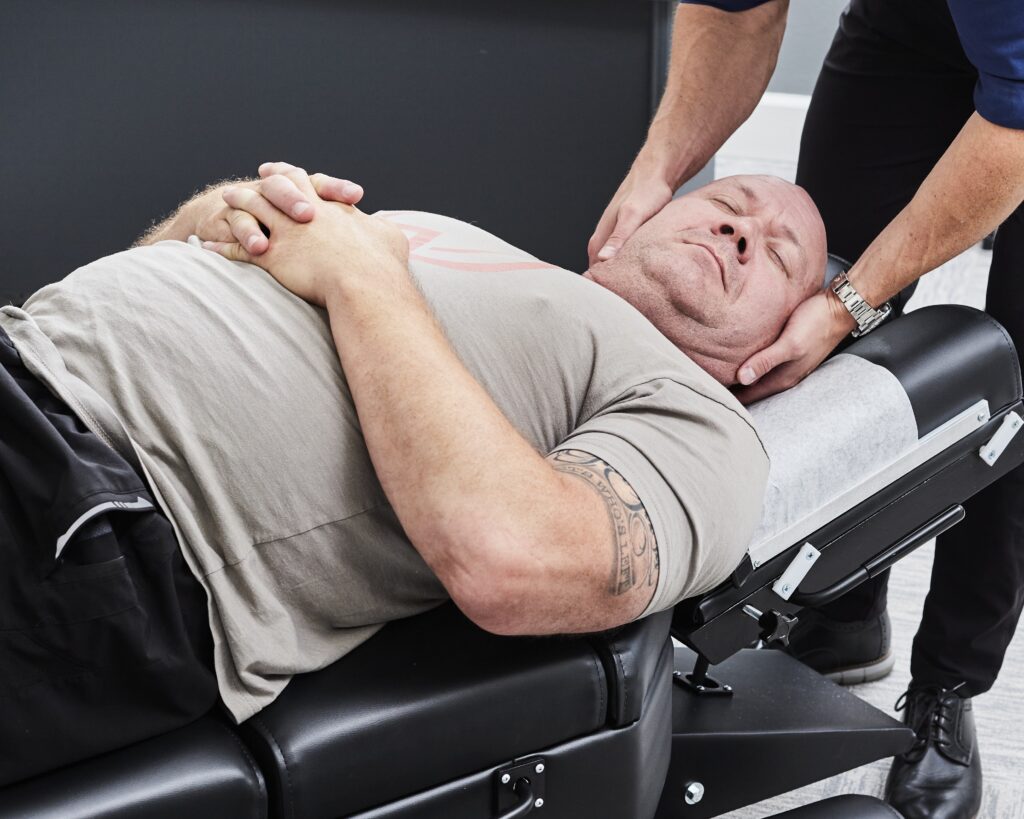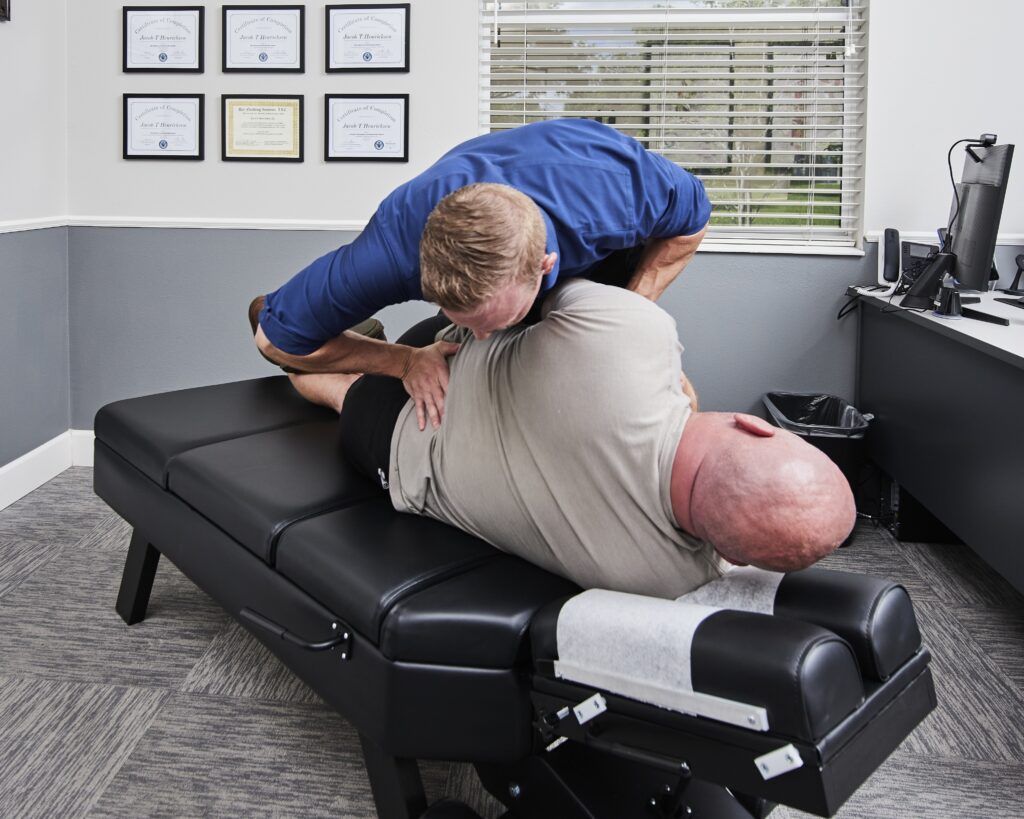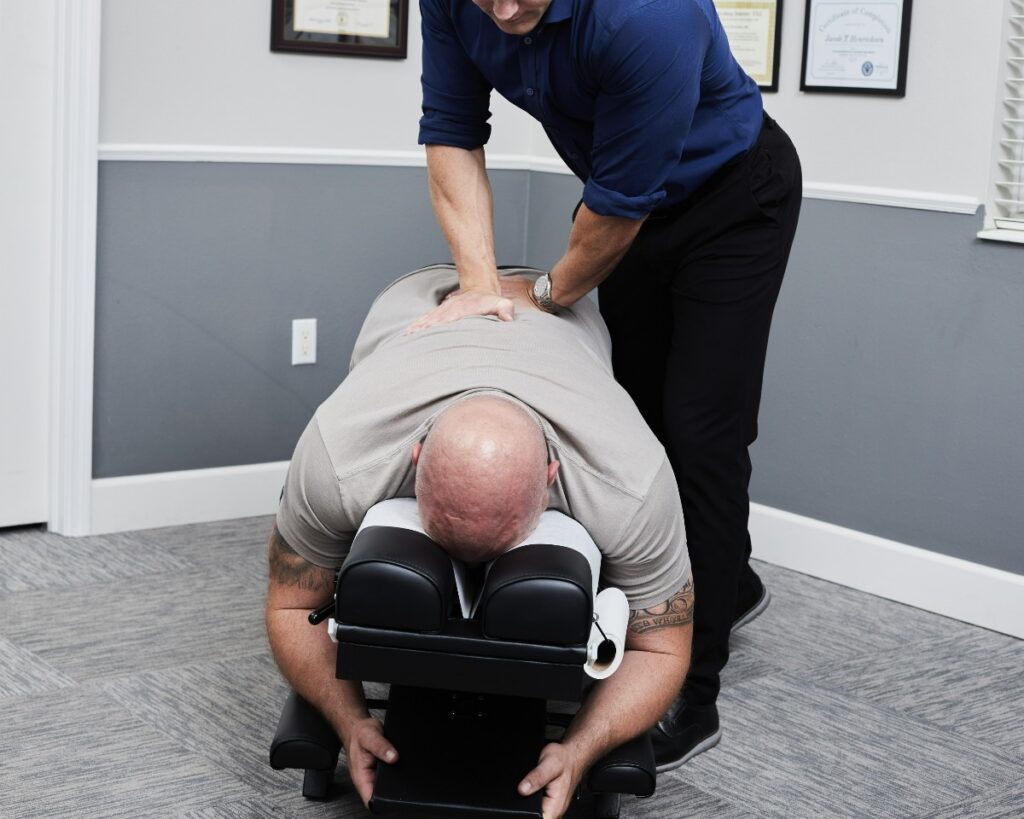

Managing chronic pain can be a daunting experience, but as your local chiropractor, I want to assure you that you don't have to face it alone. Understanding the root cause of your pain is the first step toward effective management. By developing a personalized treatment plan that includes chiropractic care, you can discover natural and effective ways to alleviate discomfort.
Incorporating regular chiropractic adjustments can help improve your spine's alignment, which often alleviates pain. Additionally, practices like mindfulness and gentle stretching can complement your chiropractic treatment, promoting relaxation and enhancing your overall well-being. Exploring alternative therapies, such as acupuncture or massage, may also provide significant relief.
Each of these strategies has its unique benefits, and it's crucial to find the combination that works best for you. If you're curious about how these methods can empower you to take control of your pain, let's delve into the top ten approaches that can lead you to a more manageable and fulfilling life. Together, we can navigate your path to healing and improved quality of life.
Understand Your Pain
Understanding Your Pain through Chiropractic Care
As a local chiropractor, one of my primary goals is to help you effectively manage chronic pain by first helping you understand what you're experiencing. Gaining insight into your pain is crucial for recognizing its triggers, patterns, and how it impacts your daily life. A great starting point is to keep a pain diary. Note when your pain occurs, its intensity, and any activities or situations that seem to worsen it. This practice can reveal patterns and deepen your understanding of your unique pain experience.
Next, it's important to learn about the various types of pain you may be dealing with. Chronic pain can present itself in different ways, such as neuropathic pain, which originates from nerve damage, or nociceptive pain, which stems from tissue injury. Understanding these distinctions can enhance your ability to communicate with me and other healthcare providers, allowing us to work together more effectively on your treatment plan.
During our appointments, I encourage you to ask questions. The more you clarify your understanding of your condition, the more empowered you'll feel in your pain management journey. Researching your specific condition, including any underlying causes, can also provide you with valuable context and help foster a sense of control over your health.
Additionally, it's essential to acknowledge the emotional toll that chronic pain can take. This experience extends beyond the physical; it can affect your mood, relationships, and overall quality of life. Recognizing these emotional aspects is key to fully understanding your pain.
Develop a Pain Management Plan
Creating a personalized pain management plan is essential for effectively managing chronic pain, and as your local chiropractor, I'm here to help you understand how chiropractic care can play a vital role in your journey to wellness. This plan should be tailored to your unique needs, preferences, and lifestyle.
First, let's identify your specific pain triggers and patterns. I encourage you to keep a detailed diary noting when your pain intensifies and what activities or situations may contribute to it. This insight is invaluable as we work together to understand your condition better.
Once we gather this information, we can collaborate to set realistic goals for your pain management. These goals might include reducing pain levels, improving your mobility, or enhancing your overall quality of life.
We'll discuss various treatment options, including chiropractic adjustments, lifestyle changes, and natural therapies. I'll make sure you understand the benefits and potential side effects of each option, so you can make informed decisions about your care.
Incorporating self-management techniques is also crucial to your plan. Techniques such as mindfulness, meditation, and relaxation exercises can effectively reduce stress and manage pain.
Establishing a routine that includes regular sleep patterns and nutritious eating habits is equally essential, as both significantly influence your pain experience.
Additionally, I recommend scheduling regular check-ins to assess your progress and make any necessary adjustments to your plan. Don't hesitate to advocate for yourself during our sessions; if something isn't working, please let me know.
Remember, managing chronic pain is a journey that may require some trial and error to discover what works best for you.
Explore Physical Therapy
Chiropractic care can be a transformative addition to your pain management strategy, helping you navigate chronic pain more effectively. By partnering with a knowledgeable chiropractor, you can create a customized treatment plan tailored to your unique needs and objectives. This individualized approach is designed to restore your strength, enhance flexibility, and improve your overall mobility.
During your visits, your chiropractor will evaluate your condition and pinpoint areas that need focus. They may utilize a variety of techniques, such as spinal adjustments, manual therapies, and supportive exercises, to reduce pain and enhance function. Engaging in these targeted techniques not only helps reinforce the muscles surrounding your painful areas but also promotes proper alignment and movement patterns, which can lower the risk of further injury.
You may find that adhering to a consistent chiropractic care schedule can lead to remarkable improvements in your everyday life. As you work through your treatment plan, you mightn't only experience a reduction in pain but also an increase in confidence regarding your physical capabilities. This newfound strength can inspire you to participate in activities you once loved, ultimately enriching your quality of life.
Incorporating chiropractic care into your pain management approach is a proactive measure. It empowers you with natural healing methods to manage your pain while fostering overall wellness.
Utilize Mindfulness Techniques
As a chiropractor dedicated to your holistic well-being, I want to share how incorporating mindfulness techniques into your chronic pain management plan can significantly enhance your quality of life. Mindfulness is about being fully present in the moment, and it can help you develop a healthier relationship with your pain. By observing your thoughts and feelings without judgment, you can lighten the emotional burden that often accompanies chronic pain.
One powerful mindfulness technique is meditation. I encourage you to carve out a few minutes each day to sit quietly and focus on your breath. When thoughts come to mind, simply acknowledge them and gently redirect your attention back to your breathing. This practice can cultivate a sense of calm and alleviate anxiety related to your pain.
Another beneficial technique is body scanning. Find a comfortable position and mentally scan your body from head to toe, paying attention to areas of tension or discomfort. Instead of resisting these sensations, try to observe them with curiosity. This practice helps you foster acceptance and gain insights into your body's signals, which is essential for effective pain management.
You might also explore mindful movement, such as gentle yoga or tai chi. These activities promote awareness of your body and its movements, encouraging relaxation and reducing stress. As you engage in these practices, focus on how your body feels rather than pushing through any pain, allowing you to connect with your physical self in a nurturing way.
Lastly, I recommend incorporating mindfulness into your daily activities. Whether you're eating, walking, or doing household chores, take the time to notice the sensations involved in each task. By doing so, you'll cultivate a greater sense of presence in your life and diminish the power of pain over your daily experiences.
Embracing mindfulness techniques in conjunction with chiropractic care can lead to a profound transformation in how you manage and perceive your pain. Together, we can work towards a path of healing that honors your body and spirit.
Incorporate Regular Exercise
As a local chiropractor, I understand that the thought of exercising can feel overwhelming, especially when you're living with chronic pain. However, I want to emphasize how incorporating regular physical activity can significantly aid in managing your symptoms. Exercise works wonders by increasing blood circulation, releasing those feel-good endorphins, and enhancing your overall physical function—key components in your healing journey.
You don't need to dive into high-intensity workouts right away. In fact, starting with gentle, low-impact exercises is often the best approach. Activities like walking, swimming, or yoga can be great choices. These allow you to engage your body without placing unnecessary stress on your joints or muscles.
I recommend starting with short sessions and gradually increasing both the duration and intensity as you become more comfortable. The goal is to establish a consistent routine that seamlessly fits into your daily life.
It's crucial to listen to your body. If you notice an increase in pain or discomfort, don't hesitate to modify your physical activities. Finding the right balance between pushing your limits and respecting your body's signals is very important.
Additionally, integrating stretching or flexibility exercises into your routine can greatly enhance your mobility and help alleviate stiffness, making it easier for you to stay active.
Before you embark on any new exercise program, I encourage you to consult with me or another healthcare provider. We can work together to create a tailored plan that meets your specific needs and ensures your safety.
Consider Dietary Changes
As your local chiropractor, I want to emphasize how significantly your diet can influence chronic pain. Many patients are unaware that certain foods can either exacerbate discomfort or promote healing.
By incorporating anti-inflammatory foods, maintaining proper hydration, and considering an elimination diet, you may discover effective ways to alleviate your pain.
Let's dive into how these dietary changes can play a crucial role in your journey towards better pain management and overall health. Making informed choices about what you eat can complement the chiropractic care I provide, leading to a more holistic approach to your wellness.
Anti-inflammatory Foods Benefits
As a local chiropractor, I want to share with you how anti-inflammatory foods can play a significant role in managing chronic pain, something many of us deal with. By incorporating these foods into your daily meals, you can help reduce inflammation, which is often a major factor in persistent pain.
Let's start with fruits and vegetables. Focus on options like berries, cherries, and leafy greens. These aren't just delicious, but they're also packed with antioxidants and essential nutrients that your body needs to fight inflammation.
Another key player in the anti-inflammatory arena is omega-3 fatty acids. You can find these in fatty fish such as salmon and also in walnuts. Including these in your diet can significantly bolster your body's natural defenses against inflammation.
Don't underestimate the power of spices! Turmeric and ginger are fantastic additions to your meals, as research shows they can help lower inflammation levels effectively.
Lastly, it's important to be mindful of what you're cutting out of your diet. Reducing processed foods, refined sugars, and trans fats is crucial, as these can actually increase inflammation in your body, counteracting your efforts to feel better.
By making these dietary changes, you can complement the chiropractic care you receive and make strides toward a more pain-free life.
Let's work together on this journey to wellness!
Hydration and Pain Relief
As a chiropractor dedicated to natural healing, I want to emphasize the importance of hydration in managing chronic pain. Proper hydration is just as crucial as selecting the right foods when it comes to your overall well-being. Water plays a vital role in your body's functions, particularly in maintaining muscle and joint health.
When you're not adequately hydrated, you may find that your body becomes more sensitive to pain and inflammation, potentially worsening your chronic pain symptoms.
I recommend aiming for at least eight 8-ounce glasses of water each day, but remember to adjust this based on your activity level, the climate you live in, and your personal needs. Incorporating hydrating foods into your diet—such as cucumbers, watermelon, and oranges—can also help increase your fluid intake while providing essential nutrients that support your body.
It's important to be mindful of substances like caffeine and alcohol, as they can contribute to dehydration and may heighten your perception of pain. Instead, consider herbal teas or infused water as flavorful alternatives that can keep you hydrated.
If you're finding it challenging to drink enough water, I suggest carrying a reusable water bottle with you throughout the day or setting reminders on your phone to encourage regular hydration.
Being conscious of your hydration levels can significantly aid in managing your chronic pain and enhance your overall quality of life. Remember, small dietary adjustments, such as increasing your water intake, can lead to substantial improvements in how you feel every day.
Elimination Diet Strategy
As a local chiropractor, I want to share an important strategy that can significantly impact your journey toward managing chronic pain: the elimination diet. This approach not only helps you identify potential food sensitivities but also supports your overall health and wellness.
An elimination diet involves removing certain foods from your diet for a designated period, typically between 2 to 4 weeks. During this time, you'll gradually reintroduce these foods one at a time. This process allows you to discover which foods may be contributing to your pain or discomfort.
To start, consider eliminating common offenders such as gluten, dairy, soy, and processed sugars. Keeping a detailed food diary can be incredibly helpful. Track what you eat and note any changes in your pain levels. This will help you identify patterns and understand how different foods affect your body.
When you're ready to reintroduce foods, do so slowly, monitoring how your body responds. If you notice an increase in pain after adding a particular food back into your diet, it could be a sign that you have a sensitivity to it.
Implementing an elimination diet not only enhances your understanding of your body but also promotes better overall health.
However, I strongly recommend consulting with a healthcare professional or a dietitian before beginning this diet to ensure that you're meeting all your nutritional needs. By actively taking charge of your diet, you're making a proactive choice toward effectively managing your chronic pain and supporting your healing journey through natural methods.
Use Medication Wisely
Managing chronic pain is a journey that often requires a thoughtful approach, especially when it comes to the use of medication. As your local chiropractor, I'm here to help you navigate this path and educate you about natural healing methods that can complement your pain management strategy.
First and foremost, it's crucial to consult your healthcare provider to develop a comprehensive plan tailored to your unique needs. While medications such as over-the-counter pain relievers or prescription drugs may play a role, it's important to explore additional options, including chiropractic care. Chiropractic adjustments can help alleviate pain and improve function by addressing misalignments in the spine and enhancing the body's natural healing processes.
If you're prescribed medication, it's vital to adhere to the recommended dosage and schedule. Skipping doses or making adjustments on your own can lead to ineffective pain management or increased side effects. If you notice any adverse reactions or feel that your medication isn't providing relief, communicate openly with your healthcare provider. This dialogue is essential for finding the best approach to your pain management.
I also encourage you to keep a pain journal, where you can document your symptoms, medication usage, and any side effects you experience. This record can be incredibly beneficial for both you and your healthcare team, providing insights that inform your treatment plan.
While medication can be a part of your pain management toolkit, I urge you not to rely on it solely. Incorporating lifestyle changes, such as regular exercise, proper nutrition, and chiropractic adjustments, can significantly enhance your overall well-being and pain relief.
Always discuss any new treatments or natural supplements with your healthcare provider, as these can interact with your existing medications or therapies.
Finally, take the time to educate yourself about your medications and treatment options. Understanding how they work and their potential effects will empower you to make informed decisions regarding your health.
Engage in Alternative Therapies
As your local chiropractor, I want to emphasize that while medication can offer temporary relief, exploring alternative therapies can significantly enhance your pain management strategy. These therapies can work alongside your chiropractic care to provide benefits that traditional medications mightn't deliver.
One effective method I often recommend is acupuncture. This technique involves inserting thin needles into specific points on your body, and many of my patients report experiencing reduced pain and an overall improvement in their well-being after just a few sessions.
Additionally, practices like yoga and tai chi are fantastic for improving flexibility, strength, and relaxation. These exercises not only help you manage pain but also encourage mindfulness, allowing you to shift your focus away from discomfort. I encourage you to consider joining a local class or following along with online tutorials to incorporate these practices into your routine.
Massage therapy is another alternative therapy that can be highly beneficial. Regular massage sessions help ease muscle tension and enhance circulation, which may alleviate pain over time. When visiting a massage therapist, be sure to communicate your specific areas of discomfort so they can tailor the treatment to meet your needs.
Aromatherapy is also worth exploring. Using essential oils like lavender or peppermint can create a calming atmosphere and may assist in pain relief. You can use a diffuser, apply oils directly to your skin, or add them to your bath for a soothing experience.
Lastly, don't underestimate the power of dietary adjustments and supplements. Certain foods and vitamins possess anti-inflammatory properties that can help reduce chronic pain. I recommend consulting with a healthcare professional to find the right dietary balance for your individual needs.
Incorporating these alternative therapies into your routine can empower you to take control of your pain management journey and significantly improve your quality of life. As your chiropractor, I'm here to support you every step of the way!
Build a Support Network
As a local chiropractor, I want to emphasize the importance of building a support network, especially for those managing chronic pain. Connecting with others who understand your experiences can be incredibly beneficial.
In our practice, we encourage you to reach out to fellow patients or community groups where you can share your journey and learn from one another.
Additionally, seeking professional guidance from chiropractors and other natural healing practitioners can provide you with valuable tools and resources to navigate your path to wellness.
By fostering these connections, you can gain encouragement and support, making it easier to cope with your pain and improve your overall health.
Connect With Others
Connecting with others is crucial for anyone managing chronic pain, and as your local chiropractor, I want to emphasize the importance of building a supportive network. When you're isolated, it can amplify feelings of frustration and despair, making your healing journey more challenging.
That's why reaching out to family and friends who understand your situation is vital. Sharing your experiences not only offers emotional relief but also strengthens those connections.
I encourage you to consider joining local support groups or online communities where you can meet others facing similar challenges. These groups often share valuable coping strategies and resources, and you may discover new approaches to managing your pain that you hadn't considered before.
Engaging with others can help reduce feelings of loneliness and empower you to take charge of your health.
Don't hesitate to express your feelings and struggles with your network. Being open about your journey can enhance relationships and foster an environment of mutual support.
Remember, you're not alone in this process. As you navigate your path to wellness, having a strong support system can make a significant difference in how you cope with chronic pain.
Seek Professional Guidance
As a local chiropractor dedicated to helping patients manage chronic pain, I want to emphasize the importance of seeking professional guidance in your healing journey. Chronic pain can be overwhelming, and navigating the various treatment options on your own can feel daunting. That's where I come in. I can create a personalized care plan tailored to your specific needs, helping you understand the root causes of your pain and explore effective natural healing methods.
It's crucial to build a support network that includes professionals who specialize in holistic pain management. As a chiropractor, I focus on aligning your spine and musculoskeletal system to promote overall wellness.
I work closely with other experts in the field, such as physical therapists and nutritionists, to provide a comprehensive approach to your care. Your primary care physician can also be a valuable resource, coordinating your treatment and referring you to specialists as necessary.
In addition, I encourage you to consider joining local support groups. Connecting with others who are experiencing similar challenges can provide not only emotional support but also new insights and techniques for managing pain.
Prioritize Self-Care Practices
As a local chiropractor, I want to emphasize the incredible impact that self-care practices can have on managing chronic pain. Many people overlook the importance of prioritizing self-care, but it can significantly enhance your overall well-being and help you navigate discomfort more effectively. It's essential to carve out time for yourself and engage in activities that nourish both your body and mind.
To start, establishing a consistent routine is key. Regular sleep patterns, balanced nutrition, and adequate hydration are foundational elements of effective self-care. Ensure you're getting enough restorative sleep, as fatigue can worsen pain levels. Eating a diet rich in nutritious foods not only fuels your body but also helps reduce inflammation. Staying well-hydrated is crucial, as it keeps your joints lubricated and functioning optimally.
Incorporating gentle physical activities into your daily routine is also vital. Exercises such as walking, yoga, or swimming can help you maintain flexibility and strength without putting excessive strain on your body. It's important to listen to your body and tailor your activities according to how you feel—this is where chiropractic care can complement your self-care practices by addressing any underlying musculoskeletal issues.
Mindfulness practices, like meditation or deep breathing exercises, are another excellent way to manage stress and reduce tension, which can contribute to pain. I encourage you to set aside a few minutes each day for mindfulness activities, as they can help cultivate a sense of calm and well-being.
Lastly, don't forget to indulge in hobbies you love. Whether it's painting, reading, or gardening, engaging in activities that bring you joy can serve as a valuable distraction from pain and boost your mood.
Conclusion
Managing chronic pain is a journey, and as your local chiropractor, I'm here to guide you through it. It's essential to understand that pain is not just a symptom; it's a signal from your body that something needs attention. By educating yourself about your pain and collaborating with me to create a personalized management plan, you can take significant steps toward regaining control of your life.
Incorporating strategies such as chiropractic adjustments, mindfulness practices, and regular exercise can greatly enhance your well-being. Chiropractic care focuses on restoring proper alignment and function to your spine and nervous system, which can alleviate pain and improve your overall health.
I encourage you to explore natural healing methods, including alternative therapies that can complement your chiropractic treatment. Additionally, don't underestimate the power of your support network; having encouragement from friends and family can make a big difference in your healing journey.
Prioritizing self-care is crucial—not just for managing pain, but for your overall quality of life. Embrace these strategies and feel empowered to take confident steps toward a more comfortable and fulfilling life. Together, we can work towards a healthier, pain-free future.