
If you've ever struggled with lower back pain, you know how it can disrupt daily activities and diminish your quality of life. You might find that simple adjustments to your routine, such as incorporating specific stretches or strengthening exercises, can make a significant difference. It's also worth considering how posture and lifestyle choices impact your discomfort. However, the solutions go beyond just exercise. Understanding the full range of options available can help you find the relief you need, especially when traditional methods fall short. What other strategies could be key to your recovery?
Understanding Lower Back Pain
Lower back pain is a common issue that affects millions of people worldwide. You might experience it as a dull ache, sharp pain, or even muscle spasms. Understanding the causes of this discomfort is vital in finding effective relief. Often, lower back pain stems from factors like strained muscles, herniated discs, or conditions such as arthritis. You may also notice that your pain intensifies after lifting heavy objects or sitting for extended periods.
It's essential to recognize how your body mechanics play a role in your lower back pain. Poor posture, especially when sitting or standing, can put unnecessary strain on your spine and muscles. If you've been sitting at your desk for hours without proper lumbar support, it's no wonder you're feeling discomfort.
Additionally, you should consider your activity level. A sedentary lifestyle can weaken the muscles that support your spine, making you more susceptible to injury. On the other hand, overexertion during physical activities can also lead to pain.
Stress is another factor that can contribute to lower back pain. When you're stressed, your body tenses up, and this tension can manifest as pain in your lower back.
Lifestyle Modifications
Making intentional lifestyle modifications can considerably reduce lower back pain and improve your overall well-being. Start by evaluating your daily habits. If you sit for long periods, consider investing in an ergonomic chair or using a standing desk to promote better posture. Good posture supports your spine and can alleviate pain.
Next, pay attention to your weight. Maintaining a healthy weight reduces strain on your back. Incorporate a balanced diet rich in fruits, vegetables, whole grains, and lean proteins. Staying hydrated is equally important, as it helps keep your spinal discs healthy.
Regular physical activity can also make a significant difference. Aim for at least 30 minutes of moderate exercise most days of the week. Activities like walking, swimming, or cycling are great for strengthening your back muscles and improving flexibility. Just remember to start slow and gradually increase intensity to avoid injury.
You should also consider your sleep habits. A supportive mattress and pillow can make a world of difference. Sleep on your side with a pillow between your knees or on your back with a pillow under your knees to maintain spinal alignment.
Lastly, manage stress through mindfulness practices such as meditation or yoga. Stress can lead to muscle tension, exacerbating pain.
Effective Stretching Techniques
How can effective stretching techniques help alleviate lower back pain? Stretching targets tight muscles, improves flexibility, and promotes better circulation, all of which can greatly reduce discomfort in your lower back. Incorporating a few simple stretches into your daily routine can make a noticeable difference in how you feel.
One effective stretch is the child's pose. Start on your hands and knees, then sit back on your heels while reaching your arms forward. Hold this position for 20 to 30 seconds to gently stretch your lower back and hips.
Another beneficial stretch is the knee-to-chest stretch. Lie on your back, pull one knee toward your chest while keeping the other leg extended. Hold for 20 seconds, and switch legs. This helps relieve tension in the lower back.
The cat-cow stretch is also excellent for increasing flexibility. Position yourself on all fours, arch your back upward while exhaling (cat), and then lower your belly while lifting your head and tailbone as you inhale (cow). Repeat this flow for a minute to enhance mobility.
Lastly, consider the seated forward bend. Sit with your legs extended and slowly bend forward, reaching toward your toes. This stretch can help elongate your spine and ease tightness.
Remember to breathe deeply during each stretch, allowing your body to relax. Regularly practicing these techniques can lead to lasting relief from lower back pain, making it easier for you to enjoy daily activities without discomfort.
Strengthening Exercises
To relieve lower back pain, it's essential to focus on strengthening exercises that engage your core muscles.
By improving flexibility, stability, and posture, you can support your spine and reduce discomfort.
Let's explore some effective techniques to help you build a stronger foundation for your back.
Core Muscle Engagement
Engaging your core muscles is essential for relieving lower back pain and enhancing overall stability. Your core isn't just about the abs; it includes muscles in your hips, pelvis, and lower back. Strengthening these muscles provides support to your spine, reducing strain and discomfort.
To start, try basic exercises like planks and bridges. For a plank, lie face down, lift your body onto your forearms and toes, keeping a straight line from your head to your heels. Hold this position for 20-30 seconds, gradually increasing the time as you get stronger.
For bridges, lie on your back with your knees bent, feet flat. Lift your hips toward the ceiling, squeezing your glutes, and hold for a few seconds before lowering.
Incorporating exercises like bird-dogs can also be beneficial. Begin on all fours, extend one arm and the opposite leg, keeping your core tight to maintain balance. Repeat on the other side.
Aim for two to three sets of each exercise, focusing on higher quality over quantity. By consistently engaging your core, you'll not only alleviate lower back pain but also improve your overall strength and stability.
Flexibility and Stability
Regularly incorporating flexibility and stability exercises into your routine can greatly enhance your lower back health. These exercises help increase your range of motion and improve your overall stability, which is essential for a strong back. Stretching your hip flexors, hamstrings, and lower back can reduce tension and prevent stiffness, allowing you to move more freely.
Consider adding yoga or Pilates to your workout regimen. Both focus on flexibility and core stability, helping you develop better muscle control and balance. Simple exercises like the cat-cow stretch, child's pose, and pelvic tilts can greatly enhance your flexibility.
To improve stability, try incorporating exercises that engage your core muscles, such as planks and bridges. These not only strengthen your abdominal muscles but also support your lower back by promoting proper alignment.
Make it a habit to dedicate a few minutes each day to these exercises. Consistency is key to experiencing benefits in your lower back health.
You'll notice improved posture, reduced pain, and greater overall mobility. So, take the time to stretch and strengthen; your back will thank you!
Posture Improvement Techniques
Good posture stems from a strong foundation, and strengthening exercises play an essential role in achieving that. When you target your core, back, and hip muscles, you create a supportive structure that helps maintain proper alignment throughout your body.
Start with planks to engage your core. Hold the position for 20-30 seconds, gradually increasing as you get stronger.
Next, incorporate bridges—lie on your back with your knees bent, then lift your hips toward the ceiling. This exercise strengthens your glutes and lower back, vital for a stable posture.
Don't forget about your upper body; try rows using resistance bands. This will enhance your upper back strength, counteracting the effects of slouching.
As you perform these exercises, focus on your form. Keep your movements controlled, and breathe steadily. Aim for two to three sessions per week, allowing a day of rest in between to let your muscles recover.
Consistency is key; over time, you'll notice improvements in your posture and a reduction in lower back pain. By committing to these strengthening exercises, you'll build a resilient body that supports you better in everyday activities.
Posture Correction Methods
To effectively relieve lower back pain, you need to focus on correcting your posture.
Choosing an ergonomic chair, considering the benefits of a standing desk, and incorporating exercises for alignment can make a significant difference.
Let's explore these posture correction methods to help you feel more comfortable and pain-free.
Ergonomic Chair Selection
Selecting the right ergonomic chair can make a considerable difference in your posture and overall comfort while sitting for long periods. When you're choosing a chair, look for one that offers adjustable height, lumbar support, and armrests. These features help you maintain a healthy posture, reducing strain on your back.
You should verify the chair's height allows your feet to rest flat on the floor, with your knees at a 90-degree angle. If your chair has lumbar support, adjust it so it fits the natural curve of your lower back. This support helps prevent slouching and encourages a more upright position.
Consider the chair material as well; breathable fabrics can keep you cool during long hours of work. A seat cushion with adequate padding can also enhance comfort.
Don't overlook the armrests—these should allow your arms to rest comfortably without lifting your shoulders. Make sure they're adjustable to suit your height.
Finally, test the chair before purchasing. Sit in it for a few minutes to see how it feels. Investing in the right ergonomic chair can considerably reduce your risk of developing lower back pain while boosting your productivity.
Standing Desk Benefits
A standing desk can greatly improve your posture and alleviate lower back pain by encouraging you to maintain a more natural alignment while working. When you stand, you engage your core and back muscles, which helps support your spine better than slumping in a chair.
Let's explore some benefits of using a standing desk:
- Enhanced energy levels: Standing can help you feel more energized and less fatigued throughout the day.
- Increased productivity: Many people find that they concentrate better and get more work done when they're standing.
- Fewer health risks: Prolonged sitting is linked to various health issues, and a standing desk can help mitigate those risks.
- Flexibility in movement: You can shift your weight, stretch, or even take short walks, which keeps your muscles engaged and reduces stiffness.
While adapting to a standing desk, remember to alternate between sitting and standing to find the right balance for your body.
Pay attention to your posture, keeping your monitor at eye level and your feet flat on the ground or on a footrest. Embracing these changes can lead to a more comfortable and productive work experience.
Exercise for Alignment
Good posture isn't just about standing tall; it's about aligning your body for best function and comfort. One of the most effective ways to accomplish this is through targeted exercises that strengthen and stretch key muscle groups. When you focus on your alignment, you're not only reducing lower back pain but also enhancing your overall well-being.
Start with core-strengthening exercises like planks or bridges. These engage your abdominal muscles, providing support to your spine. Incorporate flexibility routines such as yoga or Pilates. Poses like downward dog and cat-cow can help lengthen your spine and improve your posture.
Don't forget to pay attention to your hip flexors and hamstrings. Tightness in these areas can pull your pelvis out of alignment, contributing to discomfort. Stretching them regularly can alleviate tension and restore balance.
Lastly, practice mindful alignment during daily activities. As you sit, stand, or walk, check in with your body. Verify your shoulders are relaxed, your head is aligned over your spine, and you're using your legs to support your movements.
Heat and Cold Therapy
When it comes to relieving lower back pain, heat and cold therapy can be incredibly effective. Each method targets pain in different ways, giving you options to find what works best for you.
Heat therapy increases blood flow and relaxes tight muscles, while cold therapy numbs the area and reduces inflammation. Knowing when and how to apply these therapies can make a world of difference in your recovery.
Here are some tips to get you started:
- Heat packs: Use a hot water bottle or heating pad for 15-20 minutes on the affected area. This helps soothe muscle tension and improve flexibility.
- Cold compresses: Apply an ice pack wrapped in a towel for 10-15 minutes. This is especially useful right after an injury to minimize swelling.
- Contrast therapy: Alternate between heat and cold. Start with heat to relax, followed by cold to reduce inflammation. This combination can enhance healing.
- Timing matters: Use heat for chronic pain or stiffness and cold for acute injuries or flare-ups. Listening to your body will guide your approach.
Incorporating heat and cold therapy into your routine can be a simple yet effective way to manage lower back pain.
Just remember to give your body time to respond to each method, and don't hesitate to consult a healthcare professional if your pain persists. Taking these steps can lead you to a more comfortable and active lifestyle.
Massage and Manual Therapy
Massage and manual therapy can play a crucial role in alleviating lower back pain. These techniques focus on manipulating the muscles and soft tissues in your back, helping to reduce tension and improve circulation. When you receive a massage, skilled hands work to release tight knots and restore flexibility, making it easier for you to move without discomfort.
You might find that different types of massage, such as deep tissue or Swedish, provide varying levels of relief. Deep tissue massage targets deeper layers of muscle and connective tissue, which can be particularly beneficial if you're dealing with chronic pain. On the other hand, Swedish massage promotes relaxation and overall well-being.
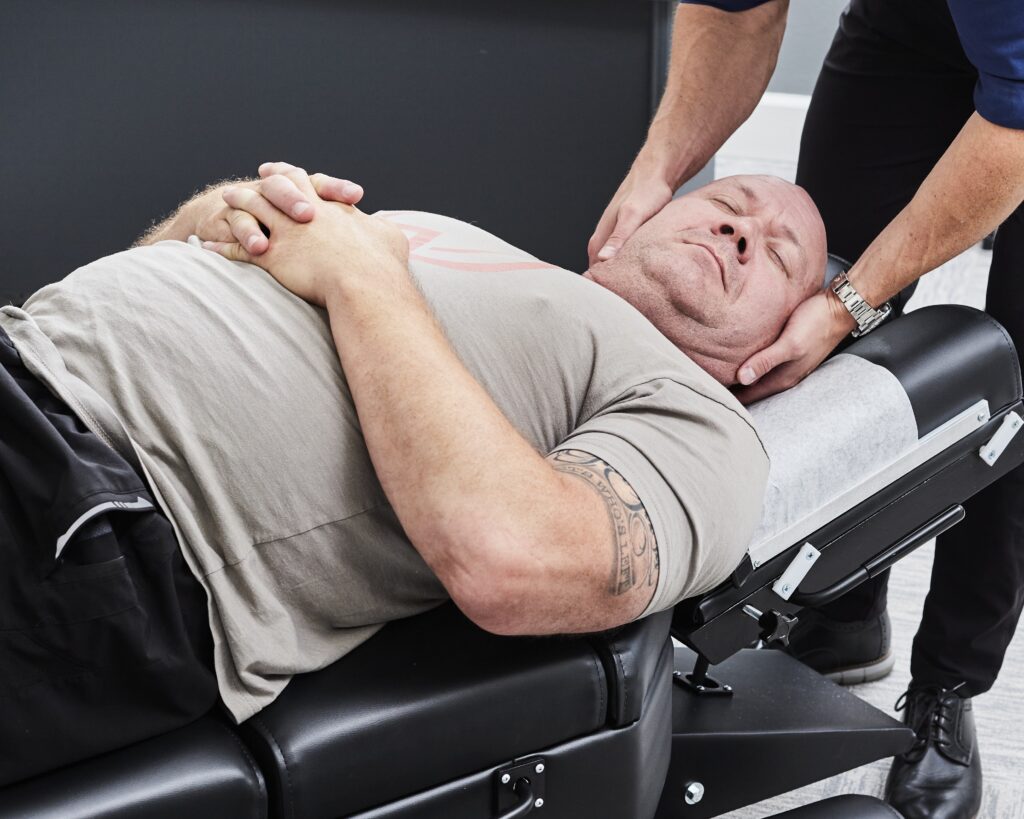
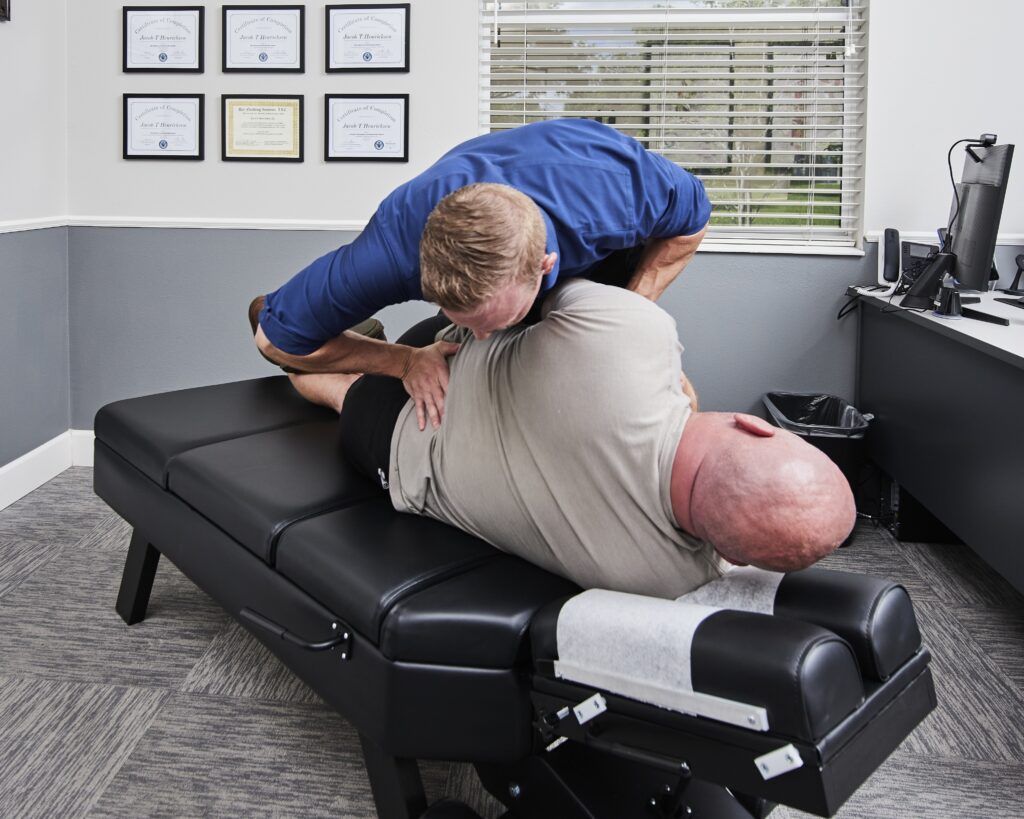
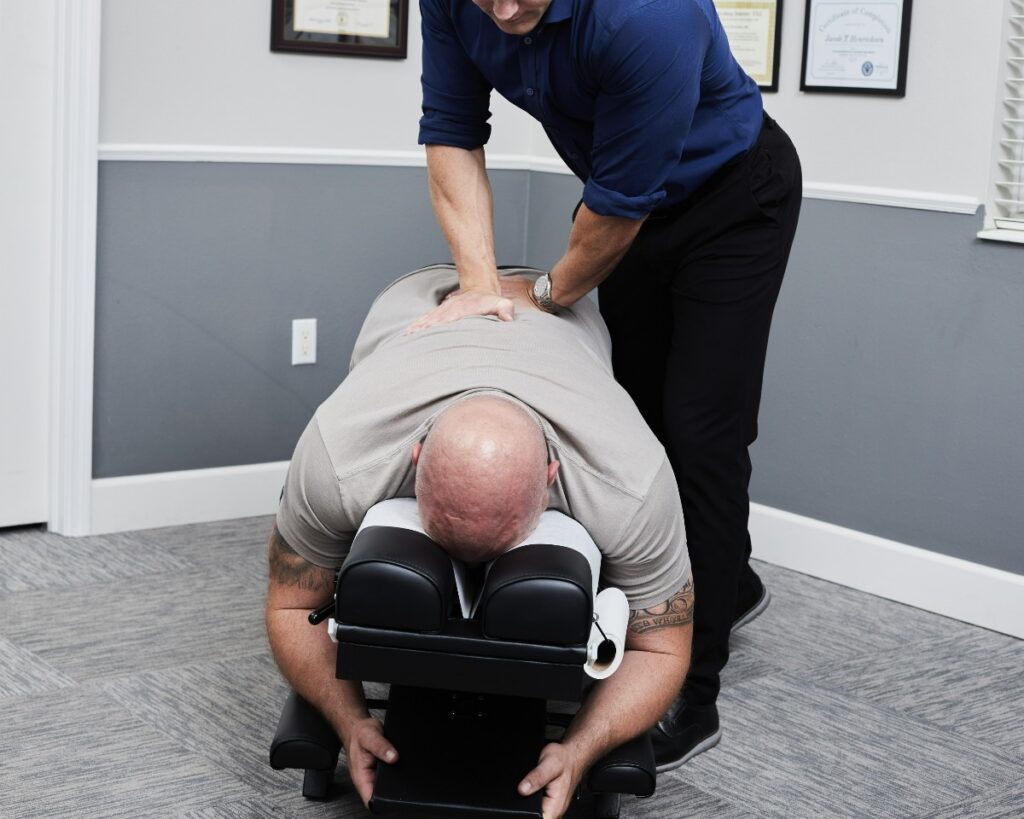
Manual therapy, which includes techniques like spinal manipulation and mobilization, helps improve the alignment of your spine and surrounding structures. A trained therapist can gently adjust your spine, helping to alleviate pressure on nerves and reduce pain.
Incorporating massage and manual therapy into your routine can also promote better posture and muscle balance. As your muscles relax and regain flexibility, you'll likely notice an improvement in your daily activities.
Regular sessions can also serve as a preventive measure, reducing the risk of future back pain.
If you're considering these therapies, it's important to consult with a qualified therapist who understands your specific needs. By working together, you can develop a tailored plan that addresses your lower back pain effectively, helping you regain mobility and comfort in your everyday life.
Alternative Treatments
Many people explore alternative treatments to find relief from lower back pain when traditional methods fall short. If you've tried conventional approaches without success, you might consider some holistic options that can complement your pain management strategy.
Here are a few alternative treatments to help you on your journey:
- Acupuncture: This ancient practice involves inserting fine needles into specific points on your body. Many find that it helps alleviate pain and promote relaxation.
- Chiropractic care: Chiropractors use hands-on spinal manipulation to improve alignment and function, which can reduce pressure on nerves and relieve pain.
- Yoga: Incorporating gentle stretching and strengthening poses, yoga can enhance flexibility and core strength, which are vital for back health. Plus, it promotes mindfulness and stress reduction.
- Herbal remedies: Certain herbs, like turmeric and ginger, are known for their anti-inflammatory properties. You can incorporate them into your diet or consider supplements after consulting with a healthcare provider.
While these alternative treatments can provide relief, it's important to approach them with an open mind and realistic expectations.
Everyone's body responds differently, so you might need to try a few options before finding what works best for you. Always consult with a healthcare professional before starting any new treatment, especially if you have existing health conditions.
When to See a Doctor
Knowing when to see a doctor for lower back pain can make a significant difference in your recovery. If your pain is severe, persistent, or doesn't improve with home treatments, it's time to seek professional help. You shouldn't ignore symptoms that worsen over time or disrupt your daily activities.
Look out for specific signs that indicate a visit to the doctor is necessary. If you experience numbness or tingling in your legs, this could suggest nerve involvement and requires immediate attention. Sudden weakness in your legs, loss of bowel or bladder control, or severe pain that radiates down your legs are also red flags. These symptoms might indicate a more serious underlying condition that needs urgent care.
Moreover, if your back pain follows an injury, particularly a fall or accident, don't hesitate to consult a healthcare provider. Such incidents can lead to fractures or other significant issues that need to be assessed right away.
You should also consider seeing a doctor if your pain is accompanied by fever, unexplained weight loss, or persistent discomfort that doesn't seem related to physical activity. These could be signs of an infection or other medical conditions that require evaluation.
Ultimately, trusting your instincts is essential. If something doesn't feel right or if your lower back pain is affecting your quality of life, reaching out to a healthcare professional can help you find the right treatment and get you back on track.
Preventative Measures
To prevent lower back pain, it's crucial to adopt habits that protect your spine and promote overall health. Start by paying attention to your posture. Whether you're sitting, standing, or lifting, maintaining a neutral spine position can notably reduce strain on your back.
Incorporating regular physical activity into your routine is another key factor. Strengthening your core muscles provides support for your spine, making it less vulnerable to injury. Aim for exercises that enhance flexibility and strength, such as yoga or pilates.
Additionally, be mindful of your lifting techniques. Always bend at your knees and keep the object close to your body when lifting heavy items. This technique minimizes pressure on your lower back.
Here are some practical tips to help you stay proactive:
- Practice good posture: Keep your shoulders back and your head aligned over your spine.
- Engage in regular exercise: Aim for at least 30 minutes of moderate activity most days.
- Use ergonomic furniture: Invest in chairs and desks that support a healthy posture.
- Stay hydrated: Drink plenty of water to maintain spinal disc health and overall well-being.
Implementing these preventative measures can help you maintain a healthy back and reduce the risk of experiencing pain.
Conclusion
Incorporating these solutions can greatly improve your lower back pain. By making lifestyle changes, practicing effective stretches, and strengthening your core, you'll enhance your overall well-being. Don't underestimate the power of good posture and regular massage, either! Remember, if your pain persists, it's important to consult a healthcare professional. Taking preventative measures now can help you avoid future discomfort. Stay proactive, and you'll be on your way to a healthier back in no time!