
If you're struggling with neck pain, surgery might not be your only option. You can explore natural solutions that not only relieve discomfort but also enhance your overall well-being. By incorporating gentle stretches, ergonomic adjustments, and alternative therapies, you can find effective relief without the risks of invasive procedures. Plus, small lifestyle changes can make a significant impact on your neck health. Curious about how these methods can work together to transform your daily life? Let's take a closer look at what you can do to reclaim comfort and mobility.
Understanding Neck Pain
Neck pain affects nearly 70% of people at some point in their lives, making it a common yet often misunderstood issue. You might experience this discomfort due to various factors, such as poor posture, muscle strain, or even stress. Understanding the root cause of your neck pain is vital for finding effective relief.
One of the primary culprits behind neck pain is muscle tension, which can arise from long hours spent hunched over a computer or looking down at your phone. This tension can lead to stiffness and pain that radiates to your shoulders or upper back.
Another factor could be injuries, like whiplash from a car accident, which can result in more severe pain and discomfort.
You may also want to take into account that underlying medical conditions, such as arthritis or herniated discs, can contribute to neck pain. These issues often require a more specialized approach to treatment.
Emotional stress plays a role too; when you're stressed, you may unknowingly tense your neck and shoulder muscles, leading to persistent pain.
Identifying the specific cause of your neck pain is essential. Engage in self-assessment, and pay attention to your daily habits. Are you slouching, or do you spend too much time looking down?
Recognizing these patterns can help you prevent further discomfort and guide you toward effective natural solutions. By understanding your neck pain, you'll be better equipped to tackle it head-on.
Stretching and Strengthening Exercises
Incorporating stretching and strengthening exercises into your routine can greatly alleviate neck pain and improve overall mobility. These exercises not only help to relieve tension but also build the muscles that support your neck, reducing the likelihood of future discomfort.
Start with gentle neck stretches. Tilt your head towards one shoulder, holding the position for 15-30 seconds, then switch sides. This helps to lengthen tight muscles and increase flexibility. You can also look left and right, holding each turn for about 15 seconds. These simple movements can help ease stiffness.
Next, try some strengthening exercises. One effective move is the chin tuck. Sit or stand up straight and gently tuck your chin in toward your neck without tilting your head. Hold for 5 seconds, then release. Repeat this 10 times. This exercise strengthens the muscles that support your head and neck.
Another great option is shoulder shrugs. While standing or sitting, lift your shoulders towards your ears, hold for a moment, and then relax them back down. Aim for 10-15 repetitions. This exercise helps relieve tension in the upper back and neck area.
Finally, don't forget to maintain good posture throughout your day. Being aware of your posture while sitting or standing can considerably impact neck pain.
Ergonomic Adjustments
Making ergonomic adjustments in your workspace can greatly enhance your comfort and reduce neck pain. Start by evaluating your chair and desk height. Your chair should support your lower back, and your feet should rest flat on the floor. If your desk is too high or low, it can force your neck into awkward positions. Adjust your chair or use a footrest to achieve the right alignment.
Next, consider your computer monitor's position. Ideally, the top of the screen should be at or slightly below eye level. This way, you won't have to tilt your head up or down, which can strain your neck. If you use a laptop, it might be helpful to invest in a separate monitor or a laptop stand to achieve this ergonomic setup.
Keyboard and mouse placement is also vital. Keep them close enough to your body so you can maintain a relaxed posture. Your elbows should be at about a 90-degree angle, and your wrists should remain straight, avoiding any awkward angles that could lead to discomfort.
Finally, don't forget about the importance of breaks. Regularly standing up, stretching, and moving around can help relieve tension that builds up from prolonged sitting. Set reminders on your phone or computer to encourage you to take these essential breaks.
Alternative Therapies
Exploring alternative therapies can provide effective relief for your neck pain and enhance your overall well-being. These therapies often focus on holistic approaches that address not just the symptoms, but the underlying causes of your discomfort.
One popular option is acupuncture. This ancient practice involves inserting thin needles into specific points on your body to promote healing and relieve pain. Many people find significant relief from neck pain after just a few sessions.
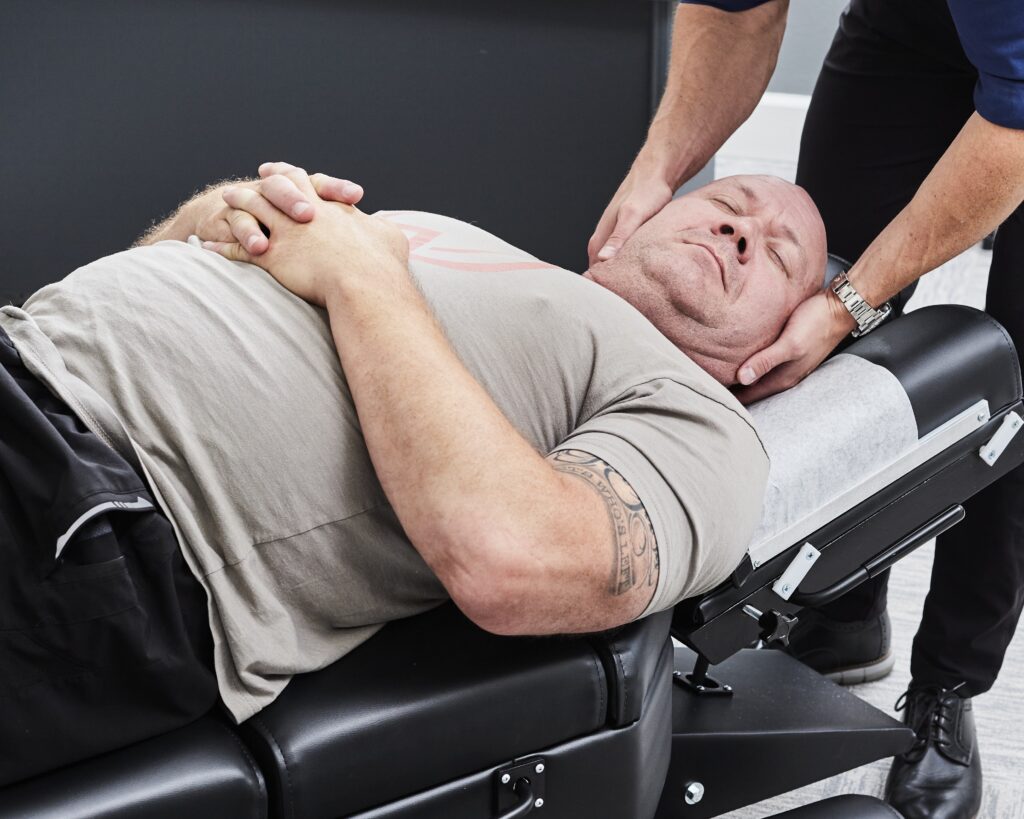
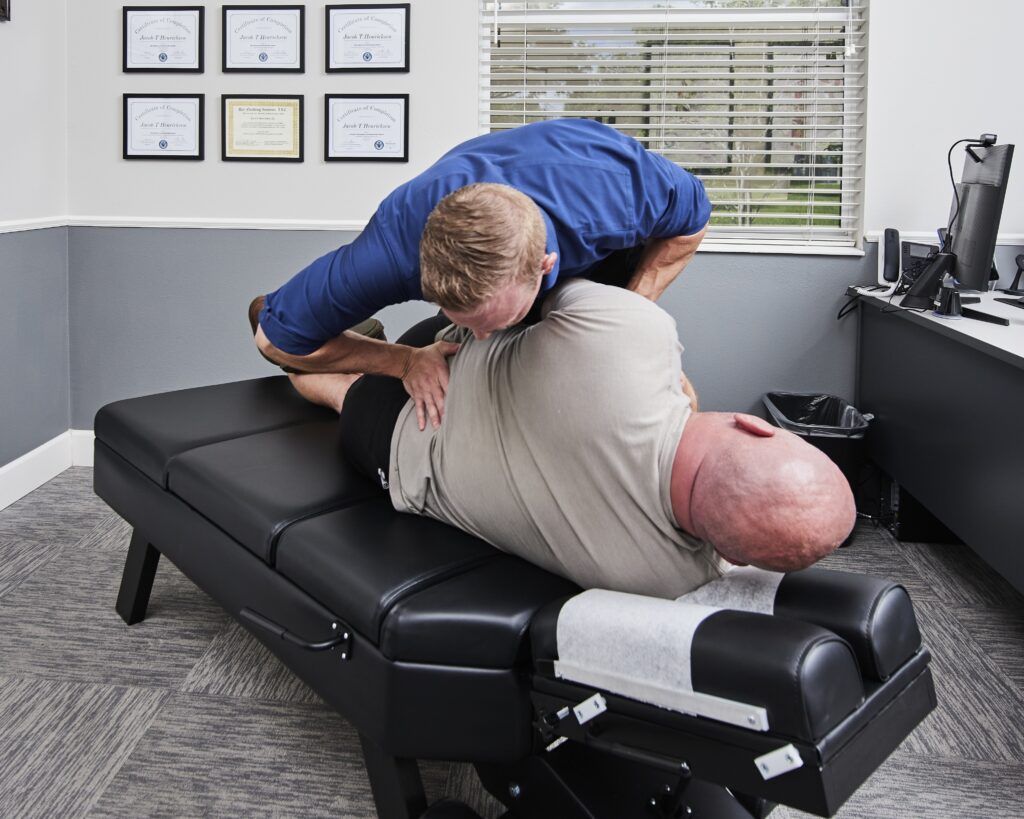
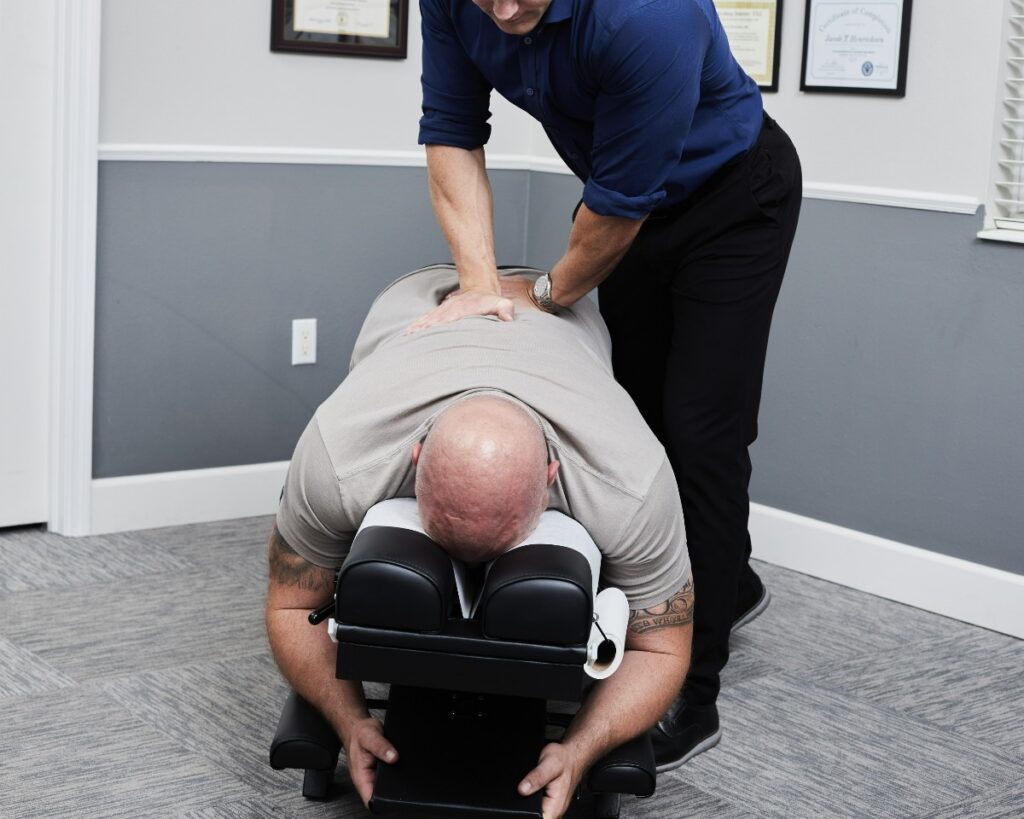
Chiropractic care is another effective alternative therapy. A chiropractor can manipulate your spine and neck, realigning the vertebrae to alleviate tension and improve mobility. Regular visits can help maintain spinal health and prevent future issues.
Massage therapy is also beneficial in loosening tight muscles around your neck. A skilled massage therapist can target specific areas of tension, promoting relaxation and circulation. This can lead to both immediate relief and long-term improvement.
Herbal remedies, such as turmeric or ginger, have anti-inflammatory properties that may help reduce pain when used regularly. You can incorporate these herbs into your diet or consider supplements after consulting with a healthcare professional.
Lastly, mind-body techniques like yoga and meditation can help you manage stress, which is often a contributing factor to neck pain. By focusing on your breath and practicing gentle stretches, you can enhance your body's natural ability to heal.
Incorporating these alternative therapies into your routine can lead to a more holistic approach to managing neck pain, ultimately improving your quality of life.
Lifestyle Changes for Relief
Implementing lifestyle changes can considerably enhance your efforts to relieve neck pain. First, assess your posture. Whether you're sitting at a desk or using your phone, guarantee your head is aligned over your spine. Invest in ergonomic furniture that supports proper alignment, and take regular breaks to stretch and move around.
Next, consider your sleep environment. A supportive pillow can make a significant difference in how your neck feels when you wake up. Experiment with different types of pillows to find what works best for you, keeping your neck in a neutral position while you sleep.
In addition, manage your stress levels. Stress can lead to muscle tension, exacerbating neck pain. Incorporate relaxation techniques into your daily routine, like deep breathing exercises, meditation, or yoga. These practices not only reduce stress but also promote overall flexibility and strength in your neck and shoulders.
Moreover, stay active. Regular physical activity strengthens the muscles that support your neck and improves overall posture. Aim for a mix of aerobic exercises, strength training, and flexibility exercises.
Don't forget to hydrate, as proper hydration contributes to muscle health.
Lastly, evaluate your daily habits. If you're frequently looking down at your phone or computer, make a conscious effort to raise your devices to eye level. By implementing these lifestyle changes, you'll create a supportive environment for your neck, reducing pain and enhancing your quality of life.
Conclusion
Ultimately, saying no to surgery for neck pain is possible by exploring natural solutions. By incorporating gentle stretching and strengthening exercises, making ergonomic adjustments, and considering alternative therapies, you can find relief. Remember to adopt healthy lifestyle changes, like maintaining good posture and managing stress, to support your neck health. Embrace these strategies, and you'll be on your way to a pain-free neck and overall well-being without the need for invasive procedures.