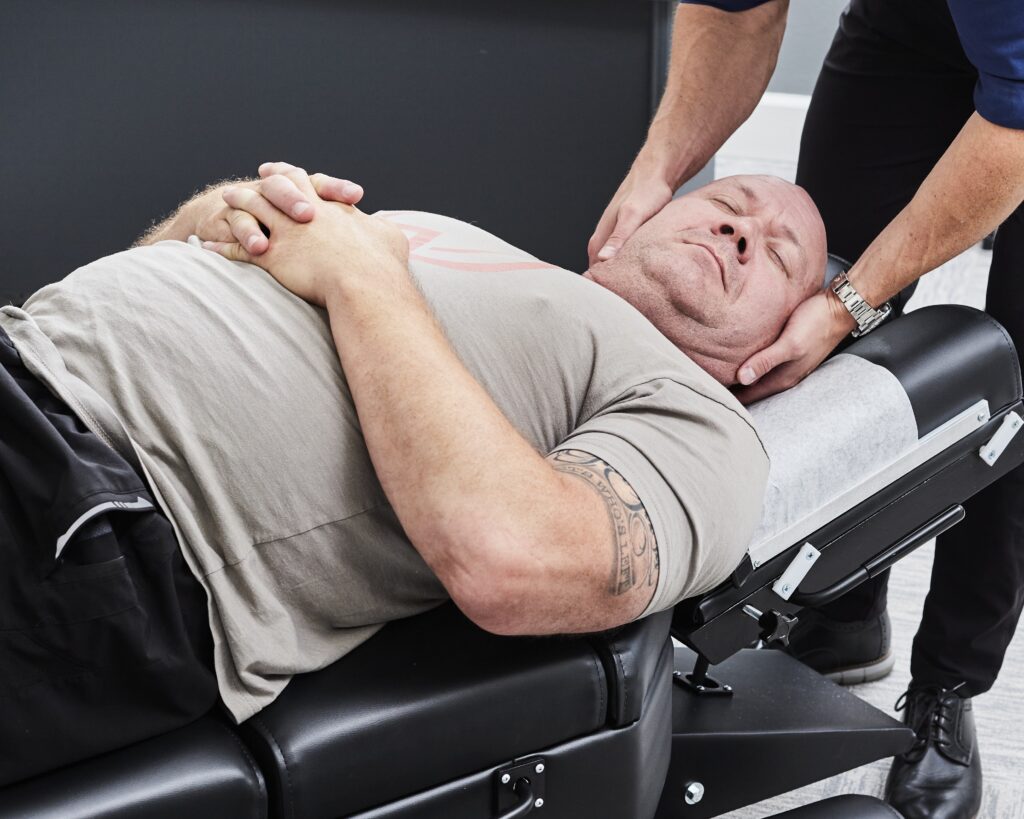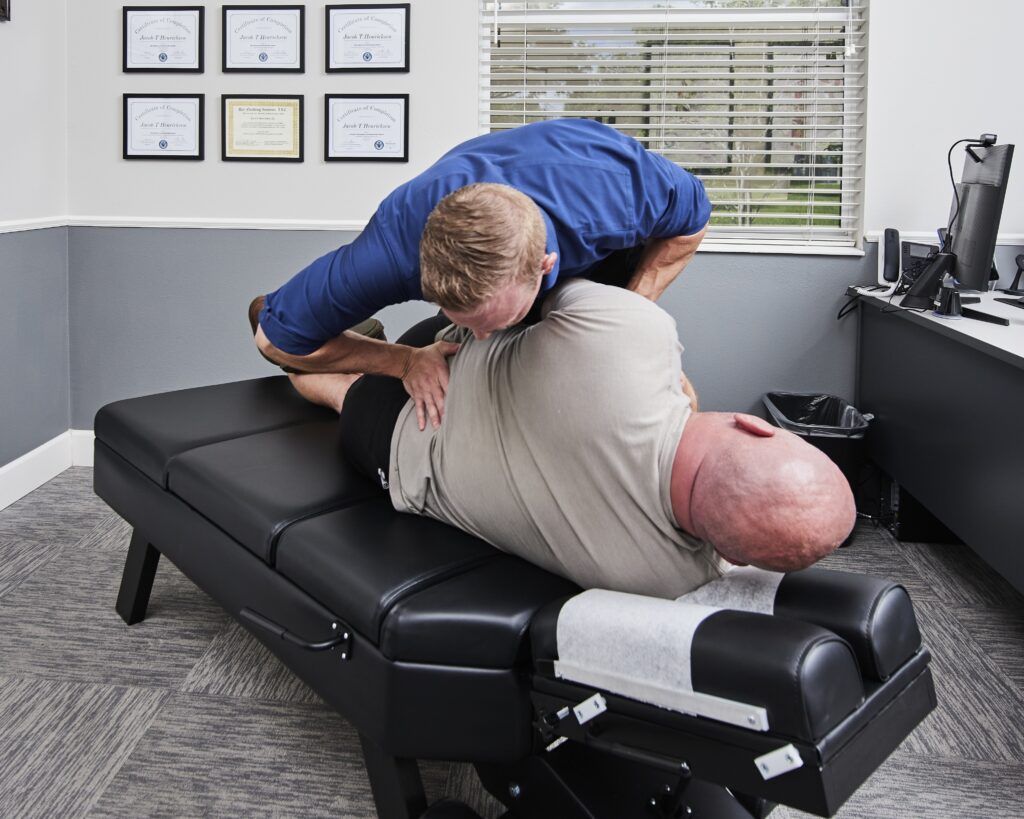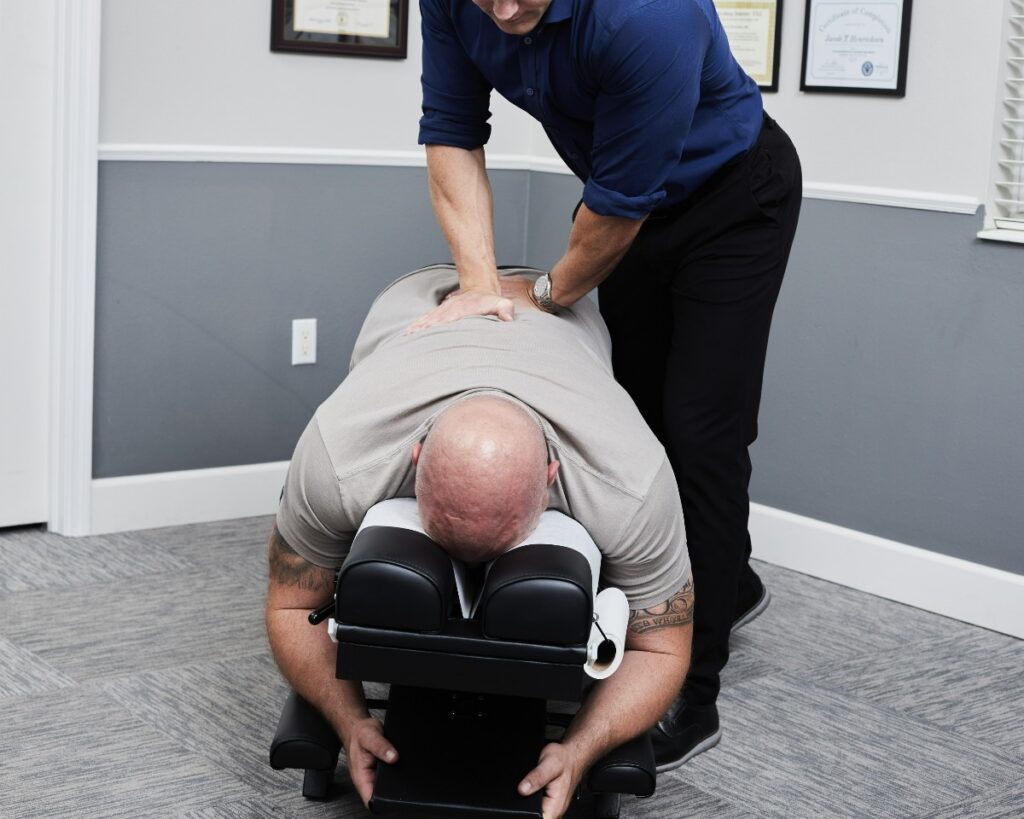

As a local chiropractor, I understand the frustration that comes with sports injuries. These setbacks can catch you off guard, impacting not just your physical performance but also your mental resilience. However, I want to share with you an alternative approach to healing that emphasizes natural recovery. By integrating holistic methods into your rehabilitation, you can not only heal but also boost your overall athletic performance.
Let’s delve into how nutrition and mindfulness play a crucial role in your recovery journey. Proper nutrition provides your body with the essential nutrients it needs to repair tissues and reduce inflammation. Meanwhile, mindfulness practices can help you manage pain and stress, fostering a positive mindset that supports healing. Together, these strategies can complement chiropractic adjustments, enhancing your body’s ability to recover naturally and efficiently.
Understanding Sports Injuries: Types and Causes
As a local chiropractor dedicated to your health and well-being, I want to share some important insights about sports injuries and how understanding them can help you prevent issues from arising. Many athletes, whether seasoned or beginners, encounter common injuries such as sprains, strains, fractures, and tendonitis.
Sprains occur when ligaments, the tough bands connecting bones at a joint, stretch or tear, often due to sudden twists or impacts. Strains, on the other hand, affect muscles or tendons and typically result from overexertion or improper lifting techniques. Fractures, which are broken bones, can occur from falls or direct blows, while tendonitis is a result of repetitive movements that lead to inflammation.
It’s crucial to recognize risk factors that can contribute to these injuries. For example, poor conditioning, skipping warm-ups, and using incorrect techniques can increase your likelihood of getting hurt. Additionally, environmental factors, such as slippery surfaces or uneven ground, can also play a role.
By being aware of these types and causes of injuries, you can take proactive measures to keep yourself safe. Engaging in proper training, ensuring you warm up adequately, and using the right equipment can significantly reduce your risk.
As a chiropractor, I also emphasize the importance of maintaining spinal alignment and overall body balance to support your physical activities.
Stay informed about your body and prioritize your safety, so you can enjoy your sports and stay healthy for the long haul. If you have any questions about preventing injuries or how chiropractic care can support your athletic endeavors, please feel free to reach out!
The Power of Nutrition in Recovery
As a local chiropractor, I want to emphasize the crucial role that nutrition plays in your recovery from sports injuries.
The foods you choose to consume can significantly impact how quickly and effectively your body heals. Nutrient-dense options are packed with essential vitamins and minerals that support your recovery process, while proper hydration ensures that your tissues remain functional and healthy.
By focusing on your nutrition, you can significantly enhance your healing journey and complement the chiropractic care you receive.
Nutrient-Rich Foods
As a local chiropractor, I want to emphasize the vital role that nutrient-rich foods play in your recovery from sports injuries. When you prioritize a balanced diet, you’re equipping your body with the essential vitamins and minerals necessary for healing.
For instance, incorporating lean proteins, such as chicken and fish, can significantly support muscle repair and growth, which is crucial after an injury.
Additionally, colorful fruits and vegetables are packed with antioxidants that can help reduce inflammation and bolster your immune system, aiding in a quicker recovery.
Don’t overlook the importance of healthy fats, like those found in avocados and nuts; these nutrients are essential for cell regeneration, which is key in the healing process.
Whole grains should also be part of your diet, as they provide the energy and fiber needed to keep your digestive system running smoothly.
By focusing on these nutrient-dense foods, not only will you enhance your recovery, but you’ll also improve your overall performance when you return to your favorite activities.
Hydration for Healing
As a local chiropractor dedicated to your well-being, I want to emphasize that hydration is a crucial component of your recovery journey. While many people think of a balanced diet as the sole focus, staying properly hydrated is equally important.
Water plays a vital role in your body’s healing process by transporting essential nutrients, flushing out toxins, and ensuring optimal joint function. If you’re dealing with an injury or seeking to enhance your overall health, adequate hydration can significantly accelerate your recovery and help reduce inflammation.
Here are some hydration tips that I recommend for my patients:
- Drink plenty of water: Aim for at least 8-10 glasses a day, and adjust this amount based on your activity levels. Staying hydrated is key to supporting your body’s healing mechanisms.
- Include hydrating foods: Incorporate fruits and vegetables with high water content, such as watermelon, cucumbers, and oranges, into your diet. These can’t only contribute to your hydration but also provide valuable nutrients.
- Limit dehydrating beverages: Be mindful of your intake of caffeine and alcohol, as these can lead to dehydration and potentially slow down your recovery process.
- Monitor your urine color: A pale yellow color indicates that you’re well-hydrated, while darker shades may signal that it’s time to increase your fluid intake.
By following these hydration tips, you can better support your body’s healing process and overall health.
Herbal Remedies for Pain Relief and Inflammation
As a local chiropractor, I understand that dealing with pain and inflammation from sports injuries can be challenging.
Many of my patients are often surprised to learn that nature offers a variety of herbal remedies that can significantly aid in recovery.
These powerful anti-inflammatory herbs, soothing essential oils, and restorative herbal teas can complement your healing process alongside chiropractic care.
By incorporating these natural solutions, you may find relief from discomfort and support your body’s ability to heal itself more effectively.
Let’s delve into how these herbal options can enhance your recovery and improve your overall well-being.
Nature’s Anti-Inflammatory Herbs
As a local chiropractor dedicated to helping patients understand the benefits of natural healing, I want to share some effective ways to alleviate pain and reduce inflammation, especially if you’re dealing with sports injuries.
Nature has gifted us with a variety of powerful herbs that can support your recovery and enhance your overall well-being. Here are some anti-inflammatory herbs that I encourage you to consider:
- Turmeric: This vibrant yellow spice contains curcumin, which is renowned for its potent anti-inflammatory properties. Incorporating turmeric into your diet can help combat inflammation and support your healing process.
- Ginger: Known for its ability to reduce muscle soreness and swelling, ginger can be particularly beneficial after intense workouts. It’s a great addition to smoothies, teas, or meals.
- Boswellia: Often referred to as Indian frankincense, Boswellia has been used for centuries to relieve joint pain and inflammation. It may be a helpful supplement for those experiencing discomfort from physical activity.
- Willow Bark: Traditionally used for pain relief, willow bark works similarly to aspirin and can provide natural relief for those suffering from aches and pains.
Integrating these herbs into your daily routine can offer effective, natural relief from inflammation, allowing you to return to your activities faster.
As your chiropractor, I’m here to guide you on your journey to optimal health and help you explore these natural options for healing.
Pain-Relieving Essential Oils
As a local chiropractor dedicated to your well-being, I want to share how essential oils can serve as a natural method for managing pain and inflammation. Many of my patients experience sports injuries, and I’ve found that oils like lavender, peppermint, and eucalyptus can provide significant relief.
Lavender oil is known for its calming properties; it helps to soothe sore muscles and promotes relaxation, which is essential for recovery. Peppermint oil, with its refreshing cooling effect, can ease tension and discomfort. Eucalyptus oil is particularly beneficial as it has natural anti-inflammatory properties that can reduce pain and swelling.
To incorporate these oils into your healing routine, I recommend diluting a few drops with a carrier oil, such as coconut or jojoba oil, and gently massaging it into the affected area.
Alternatively, adding these oils to a warm bath can create a soothing environment that supports your recovery.
Integrating essential oils into your routine can complement the chiropractic care I provide, helping you bounce back more quickly and return to the activities you love.
If you have any questions about using essential oils or how they can work alongside your chiropractic treatment, please feel free to reach out!
Herbal Teas for Recovery
As a local chiropractor, I want to emphasize the importance of a holistic approach to recovery from sports injuries, and herbal teas can be a wonderful addition to your healing regimen.
These natural remedies not only keep you hydrated but also possess anti-inflammatory properties that can significantly aid in pain relief and promote healing.
Here are a few herbal teas I recommend:
- Ginger Tea: This tea is fantastic for reducing inflammation and alleviating muscle soreness, making it a great choice after a workout or injury.
- Turmeric Tea: Turmeric contains curcumin, which is renowned for its strong anti-inflammatory effects. Incorporating this tea can help support your body’s recovery process.
- Peppermint Tea: Known for its muscle-relaxing properties, peppermint tea can be particularly helpful for relieving soreness after physical activities.
- Chamomile Tea: This calming tea isn’t only great for promoting relaxation and better sleep but also aids in enhancing your overall recovery.
By integrating these herbal teas into your daily routine, you can support your body’s natural healing processes.
I encourage you to enjoy a cup or two each day to maximize their benefits.
Physical Therapy Techniques for Rehabilitation
As a local chiropractor, I want to share how effective chiropractic care can play a pivotal role in your recovery from sports injuries. When you’re on the path to rehabilitation, one of the first steps is to focus on gentle range-of-motion exercises. These movements are essential for restoring flexibility and preventing stiffness in the affected area.
Strength training is another vital aspect of your recovery journey. It’s important to rebuild the muscle support around your injury, and this can be achieved with resistance bands or light weights. This not only strengthens the area but also promotes better alignment, which is essential for long-term healing.
Manual therapy is a key component of chiropractic care. Through skilled manipulation of soft tissues, we can alleviate pain and improve circulation, facilitating a more effective recovery.
I encourage you to consider balance and proprioception exercises as well. Simple activities, such as standing on one leg or using a balance board, are crucial in preventing future injuries and enhancing your overall stability.
Most importantly, consistency is essential in your rehabilitation process. Regular chiropractic sessions, combined with a commitment to your home exercises, will ensure that you not only recover faster but also come back to your sport with even greater strength and resilience.
Embrace these natural healing techniques, and let’s work together to help you achieve optimal health and performance.
The Role of Mindfulness and Mental Health
As a local Chiropractor, I want to emphasize that rehabilitation from sports injuries encompasses more than just physical recovery; it’s equally crucial to prioritize your mental health and overall well-being.
Mindfulness plays a significant role in this journey, as it helps you maintain focus and cultivate a positive outlook during your healing process. By integrating mindfulness techniques into your routine, you can effectively manage stress, alleviate anxiety, and build resilience—key components for a successful recovery.
Here are some mindfulness strategies that I recommend to my patients:
- Meditation: Dedicate a few minutes each day to focus on your breath. This practice can help enhance your mental clarity and provide a sense of calm amidst the healing journey.
- Visualization: Imagine yourself fully recovered and performing at your peak. This positive imagery can reinforce your mindset and motivate you throughout your rehabilitation.
- Gratitude Journaling: Take time to jot down things you’re grateful for each day. This simple yet powerful practice can shift your focus from discomfort to appreciation, fostering a more positive perspective.
- Body Scan: Engage in a body scan exercise to connect with your physical sensations. Acknowledging areas of tension and consciously releasing it can promote relaxation and enhance your overall well-being.
Incorporating these mindfulness strategies alongside chiropractic care can create a comprehensive approach to healing, addressing both your physical and mental health needs.
Together, we can work towards a successful recovery and a healthier future.
Incorporating Rest and Recovery Into Your Routine
As a local chiropractor, I want to emphasize the importance of incorporating rest and recovery into your routine, especially if you’re experiencing pain or discomfort. While it might be tempting to push through and return to your activities, allowing your body to rest is crucial for effective healing.
When you take the time to recuperate, you’re enabling your tissues to repair themselves and significantly lowering the risk of further injuries. It’s essential to schedule regular rest days in your training or exercise regimen. Understand that this isn’t a sign of weakness; rather, it’s a vital part of your journey toward long-term health and success.
Your body knows best—if you’re feeling fatigued or sore, it’s perfectly acceptable to take a break and listen to those signals. Consider gentle activities like stretching or yoga, which can help promote blood flow without putting additional strain on your injuries.
Additionally, never underestimate the importance of proper sleep. Aim for 7-9 hours each night, as restorative sleep is a key factor in supporting your recovery process. Don’t forget about hydration and nutrition, which play significant roles in healing. Fuel your body with the right nutrients to encourage optimal recovery.
Preventative Measures to Avoid Future Injuries
As a local chiropractor dedicated to your well-being, I want to share some valuable insights on how to prevent future injuries through natural healing and wellness practices.
By adopting a proactive approach, you can significantly reduce your risk of injury and improve your overall performance. Here are some essential preventative measures to consider:
- Warm-Up Properly: Before engaging in any physical activity, it’s crucial to prepare your muscles and joints. Start with dynamic stretches and light exercises to get your body ready for movement. This helps to increase blood flow and flexibility, reducing the likelihood of injuries.
- Strength Training: Incorporating resistance exercises into your routine is vital for building strength and stability, particularly in areas that are prone to injury, such as your knees and ankles. This not only helps to protect your body during physical activities but also supports your overall health.
- Listen to Your Body: Being attuned to your body’s signals is key to preventing injuries. If you experience discomfort or fatigue, it’s important to take those warnings seriously. Pushing through pain can lead to more serious injuries down the line, so be sure to rest and recover when needed.
- Stay Hydrated: Hydration plays a crucial role in muscle function and recovery. Ensuring you drink enough water can help you perform at your best and reduce the risk of cramps and strains.
By implementing these preventative measures, you can take charge of your health and well-being.
Remember, chiropractic care can also support your journey to a healthier lifestyle, helping you to maintain balance and alignment in your body.
If you have any questions or need guidance on natural healing practices, feel free to reach out for assistance. Your health is our priority!
Conclusion
As your local chiropractor, I want to share how embracing natural healing methods can help you recover from sports injuries and enhance your overall performance. By focusing on nutrient-dense foods and staying properly hydrated, you can support your body’s healing process. Additionally, exploring herbal remedies can be an effective way to reduce inflammation and alleviate pain.
Incorporating mindfulness practices into your routine is also essential, as they can improve mental clarity and help you stay focused during your recovery. Remember that prioritizing rest is crucial for optimal healing. By taking these holistic steps, not only will you heal faster, but you’ll also become stronger and more resilient, allowing you to return to your favorite activities with renewed vigor. If you have any questions about how chiropractic care can support your recovery journey, I’m here to help guide you!