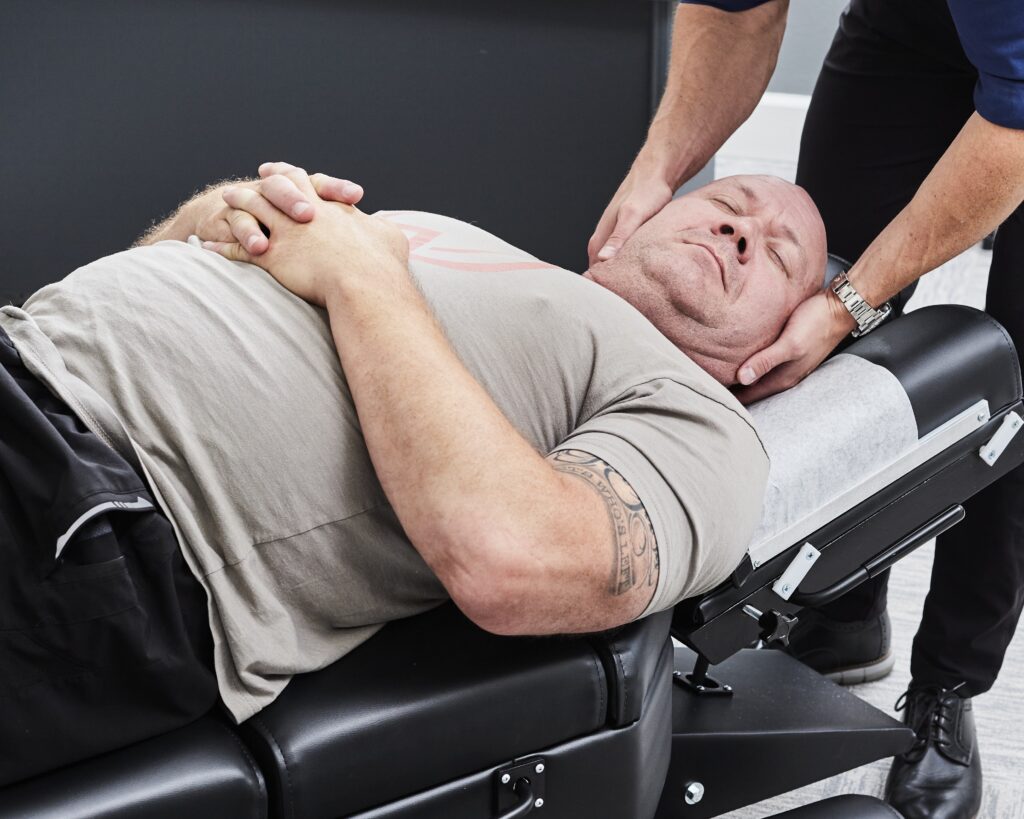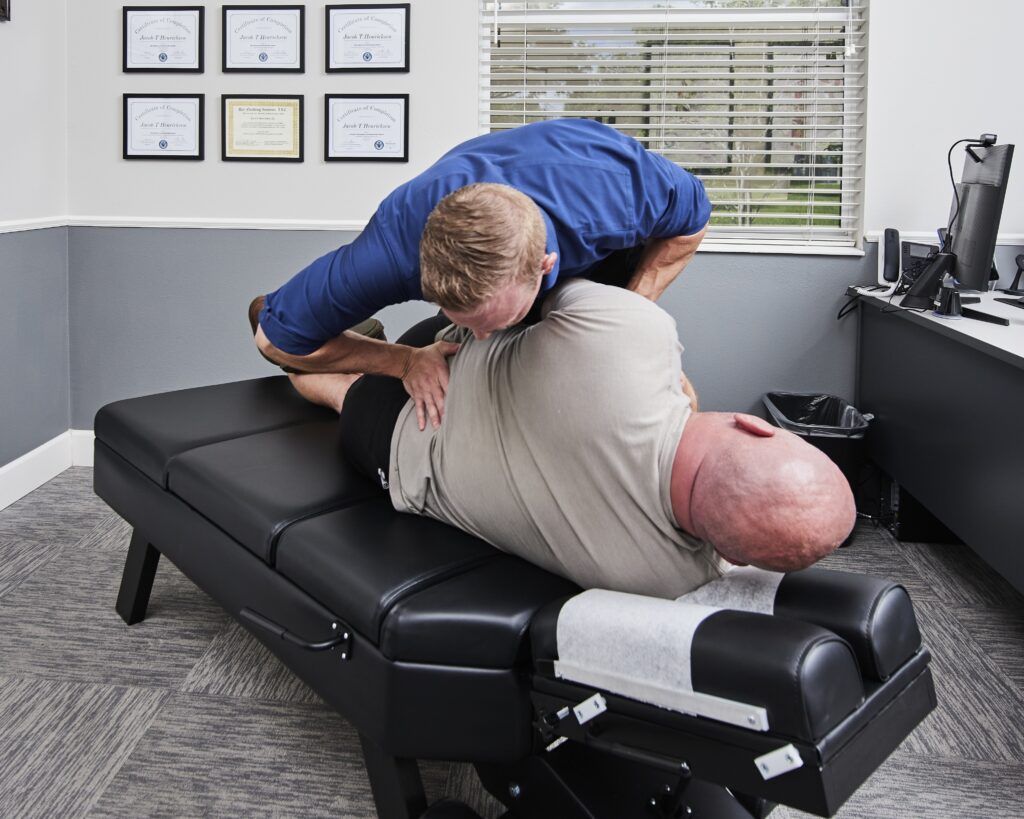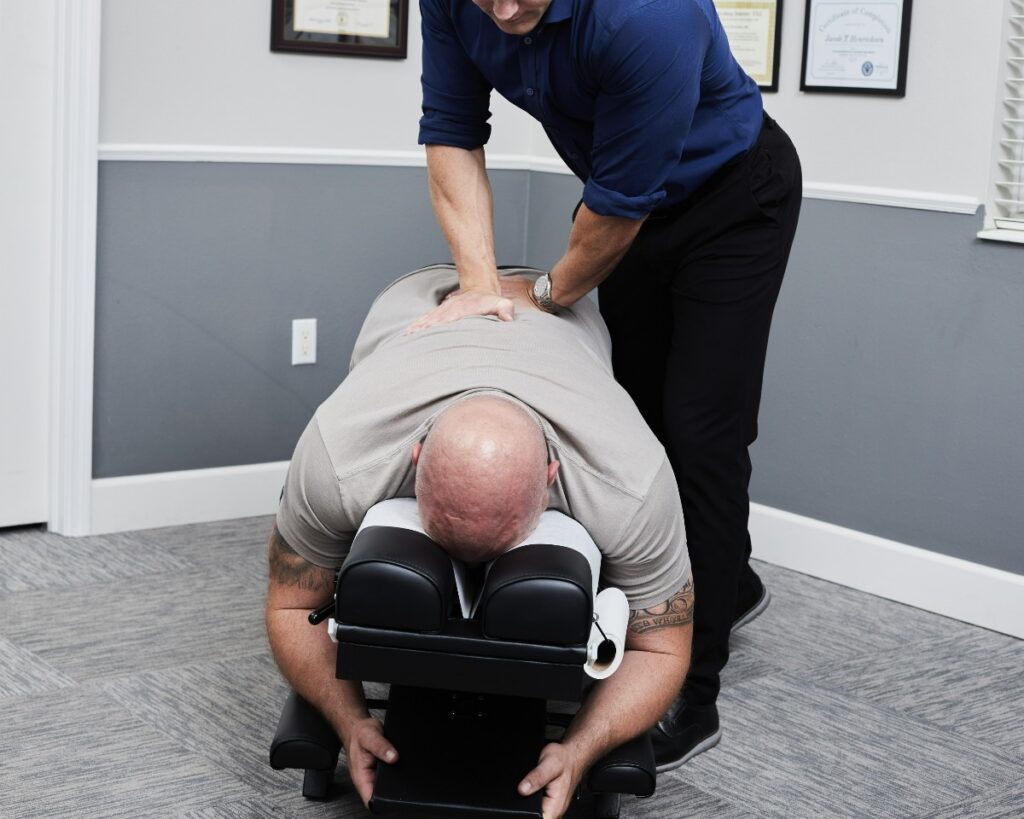

If you're experiencing upper back discomfort, know that you're not alone—many individuals face similar issues, often stemming from poor posture or repetitive movements in daily life. As a local chiropractor, I want to share how targeted adjustments can significantly help alleviate this discomfort. These adjustments work by correcting misalignments in your spine and easing muscle tension, which can lead to both immediate relief and long-term health benefits.
It's important to understand that incorporating these chiropractic techniques into your routine can be straightforward and effective. Regular adjustments can improve your posture, enhance your overall mobility, and prevent future discomfort. If you're new to chiropractic care, I'd love to guide you through how these natural healing methods can transform your well-being. Let's work together to create a personalized plan that addresses your specific needs and helps you achieve optimal health.
Understanding Upper Back Discomfort
As a local chiropractor, I want to help you understand upper back discomfort and how it can impact your everyday life. Many of my patients describe this discomfort as a persistent burden that interferes with their daily activities. You may experience tightness, stiffness, or even sharp pain in the upper portion of your back, which lies between your neck and lower back. Activities like reaching for objects or sitting for prolonged periods can often worsen this discomfort, making it difficult to focus and enjoy either work or leisure time.
Recognizing the nature of upper back discomfort is the first step toward finding relief. Factors such as poor posture, lifestyle habits, and emotional stress can all contribute to the tightness you may be feeling. For instance, if you spend long hours hunched over a computer or phone, your muscles can become strained, leading to discomfort.
Stress can also add tension to your muscles, creating a cycle that can be challenging to break. It's crucial to listen to your body. Discomfort is your body's way of signaling that something may be off balance. I encourage you to observe how different activities impact your pain levels.
Simple changes, such as adjusting your workstation for better ergonomics or taking regular breaks throughout the day, can make a significant difference in your comfort. Additionally, incorporating gentle stretching and strengthening exercises into your routine can help improve flexibility and provide support to your upper back.
As a chiropractor, I'm here to guide you on your journey to better health and well-being. Together, we can explore natural healing methods that can alleviate your discomfort and help you regain control of your daily activities.
Common Causes of Upper Back Pain
As a local chiropractor, I often see patients who are unaware of how their daily habits can lead to upper back pain. Many times, discomfort arises from seemingly minor issues like poor posture, muscle strain, or a sedentary lifestyle.
It's important to understand how these factors can affect your upper back health. Poor posture, for instance, can place undue stress on your spine, leading to tension and pain. Similarly, muscle strains from lifting heavy objects or even from sitting at a desk for too long can result in discomfort that many people dismiss or ignore.
Additionally, a lack of physical activity can weaken the muscles that support your spine, making you more susceptible to pain.
In our practice, we focus on educating patients about these common causes and how chiropractic care can help restore balance and promote natural healing. Through adjustments and personalized treatment plans, we aim to alleviate pain and improve your overall well-being.
Poor Posture Habits
As a local chiropractor, I often see patients who are struggling with upper back pain, much of which stems from poor posture habits in their daily lives. Many people don't realize how their everyday activities contribute to this discomfort.
For instance, if you find yourself spending long hours hunched over your computer or slumped on the couch, your upper back is taking on a lot of strain. It's important to understand that your body attempts to compensate for these positions, which can lead to misalignment and tension in your spine.
When you sit or stand with a rounded back, your muscles and ligaments have to work extra hard to keep you upright. This overexertion can result in tightness and fatigue, ultimately resulting in pain. Additionally, if you often cradle your phone between your shoulder and ear while trying to multitask, you may be further exacerbating the issue. This habit pulls your shoulders forward and misaligns your upper back.
Your sleeping position plays a significant role in your overall posture as well. Sleeping on your stomach or using a pillow that's too high can lead to discomfort in your upper back upon waking. Becoming aware of these habits is crucial for improvement.
At our chiropractic practice, we focus on educating our patients about making small, yet impactful adjustments in their daily routines. Simple changes, like sitting up straight, taking regular breaks to stretch, and being mindful of your posture throughout the day, can greatly alleviate upper back discomfort and promote better posture.
If you're interested in learning more about how chiropractic care can help you achieve a healthier spine, I encourage you to reach out for a consultation. Together, we can develop a plan tailored to your needs for natural healing and improved well-being.
Muscle Strain or Tension
As a local chiropractor, I often see patients who experience upper back pain due to muscle strain or tension. This discomfort can stem from everyday activities that you may not even be aware of. For instance, lifting heavy objects, bending awkwardly, or even sleeping in a position that doesn't support your spine can lead to muscle strain.
If you find yourself frequently reaching for items in uncomfortable ways, those upper back muscles may become overworked and tight. Additionally, stress plays a significant role in muscle tension. When you're under stress, your body reacts by tightening the muscles, especially in the neck and upper back. This can lead to chronic tension and persistent discomfort if not addressed.
To help alleviate this pain, it's important to be mindful of your body mechanics. When lifting, always use your legs rather than your back, and ensure that your sitting or standing posture is ergonomically sound. Incorporating regular stretching and strengthening exercises into your routine can also enhance muscle flexibility and help prevent strain.
If you notice that your pain persists, I recommend seeking professional help. As a chiropractor, I can provide targeted adjustments that effectively relieve muscle tension and restore mobility to your upper back. This approach not only helps with your discomfort but also supports your overall well-being, allowing you to return to your daily activities with ease.
Sedentary Lifestyle Effects
As a local chiropractor, I want to shed light on a common issue that many people may not associate with their daily habits: upper back pain stemming from a sedentary lifestyle.
When you find yourself sitting for extended periods—whether at a desk, glued to a computer screen, or lounging on the couch—your muscles can become weak and imbalanced. This lack of movement not only leads to stiffness but also creates tension in your upper back, increasing your risk of pain.
Many individuals are unaware that poor posture often accompanies long hours of sitting. Slouching or leaning forward to view screens can place undue strain on your upper back muscles, resulting in discomfort over time.
Furthermore, when you remain inactive, the muscles that support your spine aren't properly engaged, which can exacerbate issues down the line.
To counteract these effects, it's essential to weave regular movement into your daily routine. I recommend standing up, stretching, and taking brief walks every hour.
Incorporating simple exercises that strengthen your upper back and enhance your posture can make a notable difference in your well-being. Activities such as yoga or Pilates can be particularly beneficial, as they improve flexibility and strengthen your core.
Remember, staying active is vital not only for preventing upper back pain but also for promoting your overall health.
Don't let a sedentary lifestyle hinder you from feeling your best! If you have any questions about how chiropractic care can support your journey to better health, feel free to reach out.
Benefits of Targeted Adjustments
As a local chiropractor, I want to help you understand how targeted adjustments can significantly alleviate upper back discomfort. Many individuals experience tension and pain in their upper back, often due to poor posture or misalignments in the spine. Targeted adjustments focus specifically on these misalignments, helping to restore balance and alignment, which can lead to substantial relief from discomfort.
One of the immediate benefits you may notice after a targeted adjustment is a reduction in pain. Many patients report feeling less tension and tightness in their upper back following treatment. This relief can enhance your overall comfort and allow you to engage in daily activities with greater ease.
In addition to pain relief, targeted adjustments can improve your range of motion. When your spine is properly aligned, you may find it easier to move your arms and shoulders without restriction. This increased mobility can positively impact your workout routines, making it easier to perform exercises that strengthen your back and improve your posture.
Furthermore, these adjustments promote better blood circulation. Improved circulation ensures that your muscles receive essential nutrients and oxygen, aiding in recovery and reducing muscle fatigue over time.
It's also important to consider the long-term benefits of receiving regular targeted adjustments. By proactively addressing any misalignments, you can reduce the likelihood of experiencing chronic pain or discomfort in the future.
As your chiropractor, my goal is to guide you toward better spinal health and overall well-being through natural healing methods.
Techniques for Effective Relief
As a local chiropractor, I want to help you understand how to effectively relieve upper back discomfort using a variety of natural techniques that work alongside chiropractic adjustments. One of the first things to focus on is your posture throughout the day.
Whether you're sitting at a desk or standing, it's crucial to maintain an aligned spine to prevent unnecessary strain on your muscles. Remember to keep your shoulders relaxed and avoid slumping, as this can worsen your discomfort.
Another technique I recommend is heat therapy. Applying a warm compress or heating pad to your upper back can enhance blood flow and help relax tight muscles. Alternatively, using cold therapy can be effective in reducing inflammation. A great approach is to alternate between heat and cold, as this can provide significant relief from discomfort.
Deep breathing is also a powerful tool in managing tension. When you take slow, deep breaths, you not only calm your mind but also help release tension in your muscles. I encourage you to set aside a few minutes each day for this practice, especially when you start to feel discomfort.
Incorporating regular movement into your day is essential as well. Taking short breaks to walk around or stretch can prevent stiffness and keep your muscles engaged. If you're working at a desk, try setting a timer to remind yourself to stand up and move every hour.
Lastly, don't overlook the benefits of self-massage techniques. Gently kneading the tense areas of your upper back can significantly alleviate tightness and promote relaxation. You might also find relief by using tools like foam rollers or massage balls to target specific areas.
By integrating these techniques into your daily routine, you can complement the benefits of chiropractic care and work towards alleviating your upper back discomfort naturally.
If you have any questions or would like to learn more during your visit, feel free to ask!
Incorporating Stretching and Strengthening
As a local chiropractor, I want to emphasize the importance of incorporating stretching and strengthening exercises into your daily routine to support a healthy upper back. Many people underestimate how vital these practices are for enhancing flexibility, improving posture, and alleviating discomfort.
To start, consider adding simple stretches that specifically target the muscles in your upper back. For example, the cat-cow stretch and child's pose are excellent options. These movements can help lengthen and relax tight muscles, providing you with immediate relief from tension.
In addition to stretching, it's essential to integrate strengthening exercises to build endurance and stability in your upper back. Exercises such as rows, wall angels, and reverse flys can be particularly effective. If you're looking to increase the intensity, you can use resistance bands or dumbbells. Aim to incorporate these exercises into your routine two to three times a week for the best results. Consistency is key to achieving lasting benefits.
Always pay attention to your body's signals during these exercises. If you experience any pain while stretching or strengthening, it's important to ease off and modify the movement as needed. Maintaining good form is crucial to prevent injury and optimize the benefits of your routine.
Additionally, you might want to consider incorporating practices like yoga or Pilates into your weekly schedule. Both focus on stretching and strengthening while promoting mindfulness and relaxation, which can be extremely helpful for overall wellness.
Before starting your routine, don't forget to warm up with a few minutes of light cardio. This will prepare your muscles and joints for exercise, reducing the risk of injury. Lastly, allow your body adequate recovery time between sessions. This is crucial for your muscles to repair and grow stronger.
When to Seek Professional Help
As a local chiropractor, I want to share some important insights about upper back pain and when it's time to seek professional help.
If you've been experiencing discomfort for more than a few weeks, it's crucial to consider reaching out for assistance. Persistent pain can often indicate an underlying issue that may benefit from chiropractic care.
Additionally, if your upper back pain is interfering with your daily activities—making it difficult to work, exercise, or enjoy your hobbies—this is another clear sign that professional intervention may be necessary.
Even if you've tried treatments in the past without success, don't lose hope; our approach focuses on identifying and addressing the root cause of your pain through natural healing methods.
Recognizing these symptoms early on can lead to more effective solutions and a better quality of life.
Don't hesitate to reach out to your local chiropractor to discuss your concerns and explore the benefits of chiropractic care for your upper back pain.
We're here to help you on your journey to healing and wellness!
Persistent Pain Duration
Persistent upper back pain lasting more than a few weeks is something that shouldn't be ignored. As a local chiropractor, I want to help you understand the importance of addressing discomfort that doesn't seem to improve. Chronic pain can often indicate underlying issues that may benefit from professional evaluation and care. Ignoring these signals could lead to more significant complications in the future.
If you're experiencing pain in your upper back along with other concerning symptoms—like numbness, tingling, or weakness in your arms or hands—it's crucial to take these seriously. These symptoms may suggest nerve involvement, and they should never be overlooked.
Furthermore, if your pain is affecting your sleep or making daily activities challenging, it's definitely time to seek professional support.
Don't hesitate to reach out for help. As a chiropractor, I can perform a thorough assessment to identify the root cause of your pain. From there, I can recommend natural healing options tailored to your needs, whether that's through chiropractic adjustments, physical therapy, or other holistic interventions.
Addressing persistent upper back pain early on can lead to more favorable outcomes and help you regain your quality of life.
Trust your instincts—if something feels off, seeking guidance from a professional like me is a wise choice. Your health and well-being are my top priority, and I'm here to support you on your journey to recovery and wellness.
Impact on Daily Activities
As a local chiropractor, I want to help you understand how upper back discomfort can significantly affect your daily activities and why seeking professional care is vital. When you start noticing that simple tasks—like reaching for something on a high shelf, sitting comfortably at your desk, or even driving your car—become increasingly difficult, it's a strong indication that your body needs attention.
If you find yourself changing your routine to avoid the pain, this is a crucial moment to recognize. Ignoring ongoing discomfort can lead to more serious complications and diminish your overall quality of life. You might experience decreased mobility, which can make it hard to stay active or enjoy your favorite hobbies.
If daily chores or social engagements become a challenge, it's time to consider chiropractic care as a solution to help you reclaim your normal function.
Moreover, if you notice that the pain is radiating down your arms or if it comes with feelings of numbness, tingling, or weakness, I urge you to reach out to a healthcare professional immediately. These symptoms could signal a more serious underlying issue that requires prompt attention.
Your body has its own way of signaling that something isn't right. By listening to these signals and seeking help early, you can often reduce recovery time and avoid the development of chronic pain.
Don't let upper back discomfort dictate your daily life—take proactive steps to prioritize your health and well-being through natural healing and chiropractic care. Together, we can work towards restoring your comfort and vitality.
Previous Treatment Attempts
As a local chiropractor, I often see individuals who've attempted various at-home remedies for upper back discomfort before considering professional care. You may have turned to over-the-counter pain relievers, applied heat or cold packs, or tried stretches in hopes of alleviating tension.
While these methods can offer temporary relief, they frequently fail to address the underlying causes of your discomfort. If you've found that these remedies haven't brought you significant improvement, it's essential to think about getting a professional evaluation. Ignoring persistent pain could lead to more serious complications in the future.
You might've experimented with improving your posture or using ergonomic furniture, but if these changes haven't worked for you, consulting a chiropractor could be the next best step.
When you come in for help, please share all your symptoms and any previous treatments you've tried. This information is invaluable in helping us identify the root of your discomfort. Chiropractic care focuses on the spine and its relationship to the nervous system, allowing us to provide targeted adjustments that can lead to relief.
We may also recommend physical therapy or specific exercises tailored to your needs. Remember, prioritizing your health and well-being is crucial. If your upper back pain is interfering with your daily activities or overall quality of life, seeking chiropractic care is a proactive approach to your recovery.
Let's work together to find a natural solution that fits you!
Conclusion
As a local chiropractor, I want to help you understand how incorporating targeted adjustments into your routine can greatly relieve upper back discomfort. Many people experience misalignments in their spine, which can lead to muscle tension and restricted mobility. By addressing these misalignments through chiropractic care, we can help reduce discomfort and promote natural healing in your body.
It's important to note that while adjustments are effective, combining them with stretching and strengthening exercises can yield even better results. These practices work together to enhance your overall well-being and support a healthier back.
If you find that your pain persists or worsens, I encourage you not to hesitate in seeking professional help. Taking proactive steps today can pave the way for a healthier, pain-free back in the future. Your journey to comfort and improved mobility starts with understanding the benefits of chiropractic care and how it can fit into your life.