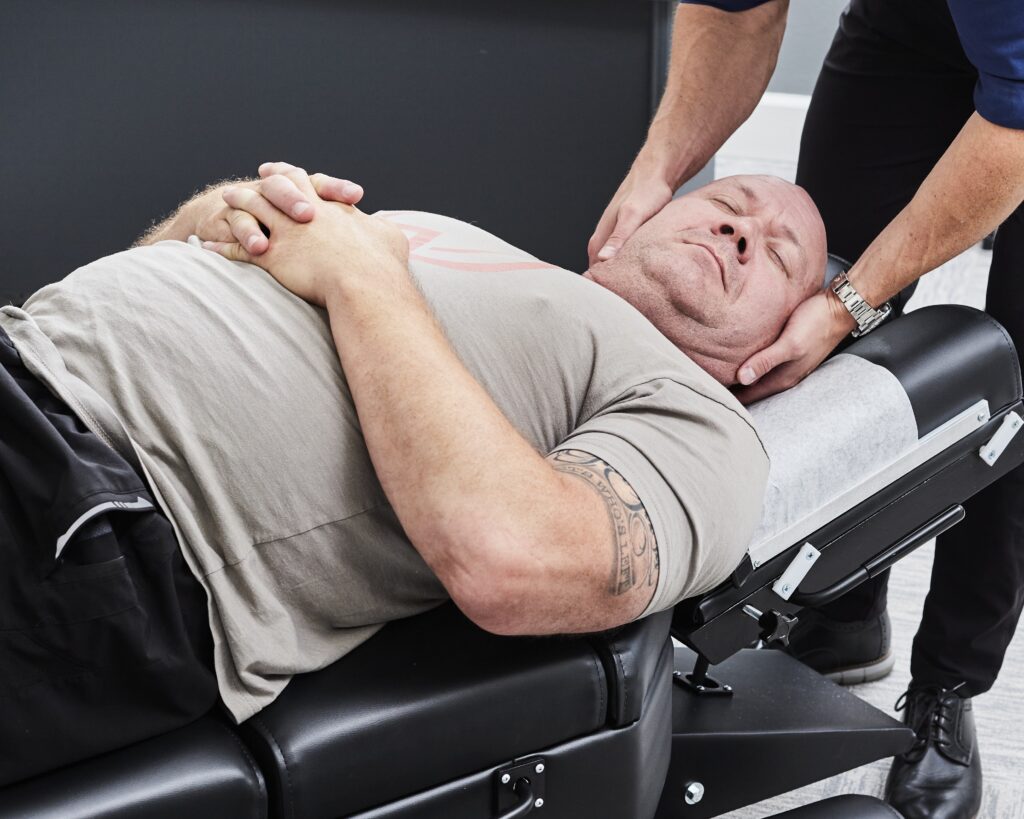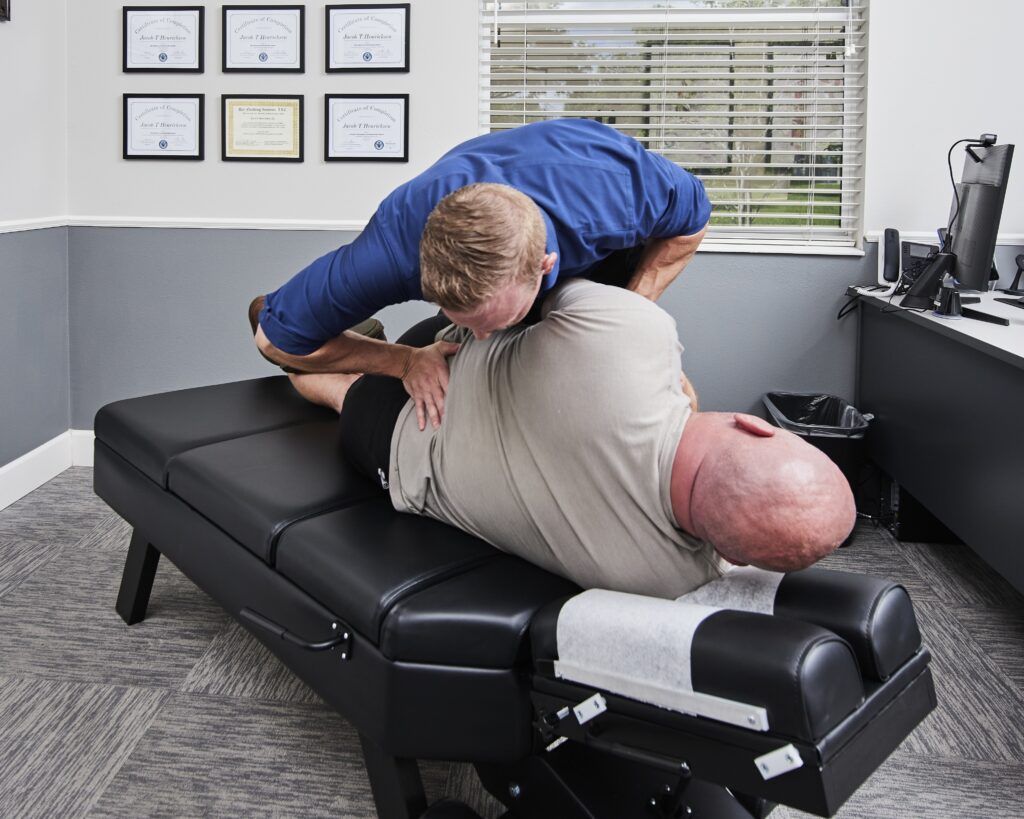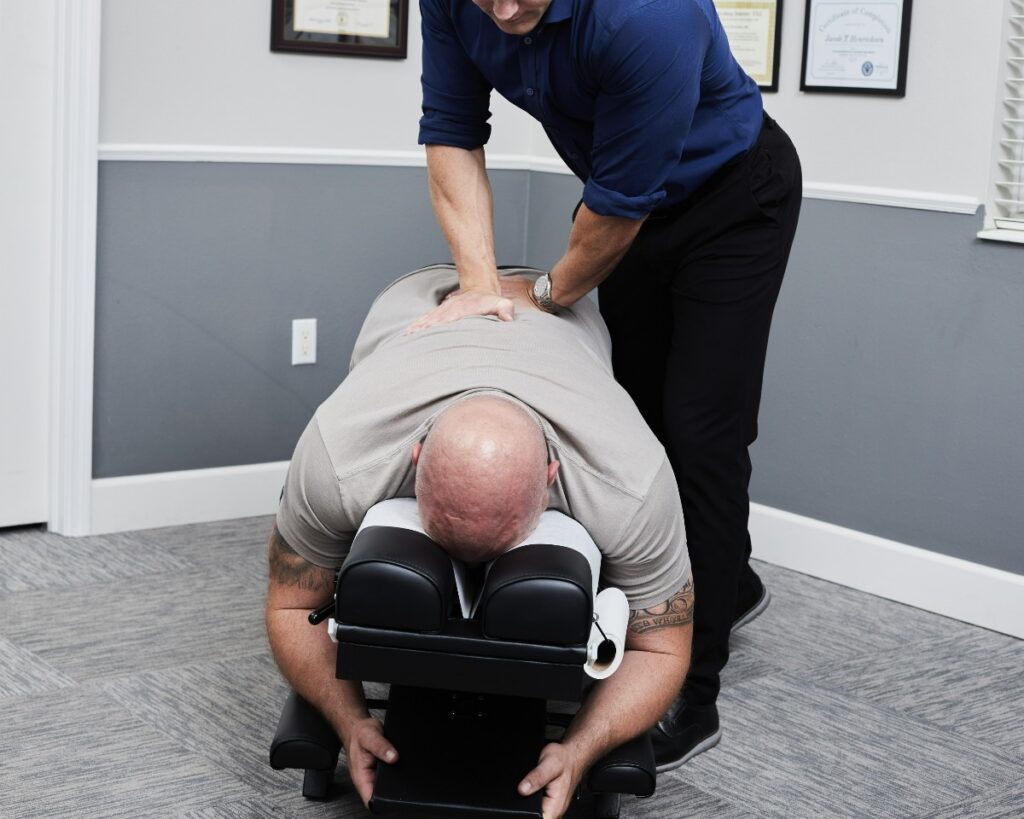

As a local chiropractor, I often see patients who struggle with back pain, and a significant factor contributing to this discomfort is poor posture. It’s crucial to recognize how your everyday habits can affect your spine and overall well-being. By identifying some common pitfalls and making a few simple adjustments, you can experience relief from that nagging pain.
Let’s take a closer look at some effective strategies that can improve the way you sit, stand, and move throughout your day. You may be surprised to learn that even minor changes can lead to substantial improvements in your comfort and health. Remember, proper posture is not just about looking good; it’s about taking care of your spine and enhancing your quality of life. Let’s work together to create a healthier, pain-free future!
Understanding the Importance of Posture
As a local chiropractor, I want to emphasize how crucial your posture is to your overall health and well-being. Many people may not realize that maintaining good posture is more than just standing tall; it plays a vital role in aligning your spine, reducing strain on your muscles, and promoting efficient movement.
When you sit, stand, or walk with the proper alignment, you significantly decrease the chances of experiencing discomfort or pain, particularly in your back.
Good posture doesn’t just affect how you feel physically; it also influences your breathing and digestion. When your body is aligned, your organs can function optimally. Additionally, standing tall can enhance your confidence and uplift your mood, making you feel more empowered in your daily life.
I encourage you to be mindful of your posture throughout the day. Whether you’re sitting at a desk, exercising, or simply standing, paying attention to your alignment is key to maintaining a healthy spine.
Take a moment to assess how you’re positioning your body. Are you sitting up straight, or are you slouching? Remember that small changes in your posture can lead to significant improvements in how you feel each day.
As your chiropractor, I’m here to support you in achieving and maintaining proper posture, which can lead to long-term health benefits.
Let’s work together to ensure your spine stays healthy and your body functions at its best!
Common Posture Mistakes to Avoid
As a local chiropractor, I want to help you understand how everyday habits can impact your spinal health. Many people may not realize that seemingly simple actions, like slouching in your chair, using an improper screen height, or crossing your legs, can lead to significant back pain over time.
Let’s take a closer look at these common posture mistakes. Slouching while sitting puts undue stress on your spine and can cause muscle fatigue. Adjusting your chair or workstation can make a world of difference.
Similarly, having your screen at an incorrect height can lead to neck strain, so make sure it’s at eye level. Lastly, crossing your legs might feel comfortable, but it can create an imbalance in your posture, leading to discomfort.
Slouching While Sitting
As a local chiropractor, I want to emphasize the importance of maintaining proper posture while sitting, as slouching can significantly contribute to back pain. Many people may not realize that when you hunch forward, you place undue stress on your spine and the muscles that support it.
To enhance your sitting posture, I recommend a few key adjustments. First, keep your feet flat on the floor and ensure your knees are at a 90-degree angle. It’s also vital to sit back in your chair, utilizing the backrest for support, and to align your ears with your shoulders for optimal spinal alignment.
Engaging your core muscles can help you maintain stability, so try to avoid leaning forward too much.
Additionally, remember that taking regular breaks to stand, stretch, and walk around can greatly help in relieving tension and promoting circulation.
Incorrect Screen Height
As a local chiropractor, I often see patients who are unaware of the impact that screen height can have on their overall well-being. One of the most common issues I encounter is screens positioned at the wrong height, leading to unnecessary strain and discomfort.
When your screen is too high or too low, you may find yourself leaning forward or tilting your head, which can put significant pressure on your neck and back.
To promote better posture and reduce the risk of pain, it’s essential to have your screen at eye level. This positioning allows you to look straight ahead without bending your neck, which can make a world of difference in your comfort.
If you’re using a laptop, I recommend investing in a laptop stand or utilizing an external keyboard and mouse. Additionally, adjusting your chair height is crucial to ensure your feet are flat on the ground.
By keeping your screen at the appropriate height, you not only support better posture but also enhance your focus and productivity throughout the day.
As you prioritize your workspace ergonomics, remember that these small adjustments can lead to significant improvements in your overall health and well-being.
Crossed Legs Sitting
As a chiropractor, I want to emphasize the importance of your seating posture for your overall health. One common issue I see in patients is the tendency to sit with crossed legs. While it might feel comfortable in the moment, this position can create uneven pressure on your hips and spine, potentially leading to discomfort and pain over time.
To promote better spinal alignment and circulation, I recommend keeping your feet flat on the floor or using a footrest to support your legs while sitting. This simple adjustment can make a significant difference in how you feel throughout the day.
If you find yourself frequently crossing your legs, I encourage you to be mindful of your posture and make conscious efforts to correct it.
Remember, maintaining an open and balanced posture isn’t just about comfort—it’s essential for your long-term health and well-being. By making small changes to your seating habits, you can reduce your risk of back pain and enhance your overall quality of life.
If you have any questions or need further guidance, don’t hesitate to reach out. Your health is worth it!
Ergonomic Tips for Desk Workers
As a local chiropractor, I often see the effects of prolonged sitting on my patients’ spines and overall health. Many desk workers spend up to eight hours a day seated, which can lead to discomfort and misalignment if proper ergonomic practices aren’t followed.
Here are three essential tips to help you create a healthier workspace and maintain good posture:
- Chair Height: It’s crucial to adjust your chair so that your feet rest flat on the floor and your knees form a 90-degree angle. This simple adjustment can significantly reduce pressure on your lower back, helping to prevent pain and discomfort.
- Monitor Position: Position your computer monitor at eye level and about an arm’s length away from you. This setup is key to preventing neck strain and encourages you to maintain an upright posture, which is vital for spinal health.
- Keyboard and Mouse: Keep your keyboard and mouse within easy reach, ensuring your elbows remain at a 90-degree angle while you type. Using a wrist rest can also help minimize strain on your wrists, promoting better alignment and reducing the risk of repetitive strain injuries.
By incorporating these ergonomic practices into your daily routine, you can support your spine’s health and enhance your overall well-being.
If you’re experiencing discomfort or have further questions, don’t hesitate to reach out for a consultation. Your spine will thank you!
Proper Lifting Techniques
As your local chiropractor, I want to emphasize the importance of proper lifting techniques to protect your back and overall health.
When lifting heavy objects, it’s crucial to bend at your knees rather than your back. This method not only helps you maintain better posture but also significantly reduces the strain on your spine.
Furthermore, keeping the load close to your body makes the lift much easier and safer.
By adopting these techniques, you can greatly minimize your risk of experiencing back pain, allowing you to enjoy a more active and pain-free lifestyle.
If you have any questions or need further guidance, don’t hesitate to reach out—I’m here to help you understand the benefits of natural healing and maintaining a healthy spine!
Bend at the Knees
As a local chiropractor dedicated to your well-being, I want to share some essential tips for preventing back pain while lifting heavy objects.
It’s crucial to understand that proper lifting techniques can significantly reduce the risk of injury and promote a healthier spine. One of the key principles I teach my patients is to always bend at the knees instead of the waist. This method helps distribute the weight more evenly through your legs, which alleviates unnecessary strain on your back.
Here’s how to lift safely:
- Position Yourself Correctly: Stand close to the object you intend to lift. This allows you to reach it easily without overextending or twisting your body, both of which can lead to injury.
- Squat Down Safely: Lower your body by bending your knees while keeping your back straight. This position not only protects your spine but also utilizes your leg muscles, which are much stronger and better equipped to handle the load.
- Lift Using Your Legs: As you begin to rise, push through your heels and engage your core muscles. It’s important to maintain a straight back throughout the lift to avoid putting undue pressure on your spine.
By following these guidelines, you can protect your back and promote overall spinal health.
If you have any questions or are experiencing discomfort, please feel free to reach out to me for personalized advice and care. Your health is my priority!
Keep Load Close
As a local chiropractor, I want to share some important tips for safe lifting that can help prevent back pain and promote overall spinal health.
One of the most crucial aspects of lifting is keeping the load close to your body. This means positioning the object as near to your center of gravity as possible. By doing so, you can minimize the strain on your back and maintain better balance during the lift.
Before you lift anything, it’s important to stand with your feet shoulder-width apart. This stance creates a stable base, which is essential for a safe lift. Remember, your legs are your strongest muscles, so use them to power the lift instead of relying on your back.
As you lift, keep the load tight against your body. This technique reduces the leverage on your spine and helps protect your back from injury.
If you find that the item is too heavy or awkward to lift on your own, please don’t hesitate to ask for help or use lifting aids.
At our chiropractic practice, we emphasize the importance of proper lifting techniques. They’re key to avoiding injury and ensuring your back remains healthy.
If you have any questions about safe lifting or how to care for your spine, feel free to reach out to us!
Exercises to Strengthen Your Back
As a local chiropractor, I want to emphasize the importance of strengthening your back for alleviating pain and improving your posture. Many individuals may not be familiar with how chiropractic care and natural healing can enhance overall wellness, so incorporating specific exercises into your daily routine can have a profound impact.
Here are three effective exercises to get you started on your journey to a healthier back:
- Superman Exercise: This exercise is fantastic for engaging the muscles along your spine. To perform it, lie face down with your arms extended in front of you. Lift your arms, chest, and legs off the ground at the same time and hold this position for a few seconds. Then, lower yourself back down. Aim to repeat this for 10-15 repetitions. This exercise helps to strengthen the muscles that support your spine, promoting better alignment.
- Plank: A strong core is crucial for back health. Get into a push-up position, but rest on your forearms instead of your hands. Keep your body in a straight line from head to heels and hold this position for 20-30 seconds. As your strength increases, you can gradually extend the duration. This exercise not only strengthens your back but also engages your abdominal muscles, providing overall stability.
- Bent-Over Rows: This exercise targets the upper back, which is often neglected. Stand with your feet shoulder-width apart, holding a dumbbell in each hand. Bend slightly at the hips, keeping your back straight, and pull the weights toward your waist while squeezing your shoulder blades together. Aim for 10-12 repetitions. This movement strengthens the muscles that support your spine, helping to improve posture and reduce discomfort.
By integrating these exercises into your routine, you can build a stronger back and potentially reduce any discomfort you may be experiencing.
Daily Habits for Better Posture
As a local chiropractor, I want to emphasize that while strengthening your back through exercises is beneficial, your daily habits are equally important for maintaining good posture throughout your life.
It all starts with being mindful of how you sit. Choose a chair that offers support for your lower back and ensure your feet are flat on the ground. When standing, aim to distribute your weight evenly across both feet and engage your core muscles.
Be aware of your posture when using your phone or working on your computer; avoid slumping or leaning forward. Instead, elevate your screen to eye level to help prevent unnecessary strain on your neck.
I also recommend incorporating small breaks into your day to stretch and move around, especially if you find yourself sitting for extended periods. Setting reminders or using apps can be helpful tools to keep your posture in check throughout the day.
Lastly, don’t underestimate the importance of supportive footwear; it plays a significant role in maintaining proper alignment.
By adopting these daily habits, you can enhance your posture and significantly reduce the risk of back pain in the future.
Conclusion
As your local chiropractor, I want to emphasize the importance of posture in relieving back pain and enhancing your overall health. Many people aren’t aware that simple adjustments to your workspace can make a significant difference. Ensure that your chair, desk, and computer screens are set up ergonomically to support your spine.
It’s also crucial to take regular breaks throughout the day. Standing up, stretching, or walking around can alleviate pressure on your back. When lifting objects, remember to use proper techniques—bend at your knees, keep your back straight, and lift with your legs to avoid strain.
Incorporating exercises like the Superman and Plank into your routine can strengthen the muscles that support your back, helping you to maintain better posture. I encourage you to make small, consistent adjustments to your daily habits, as these can lead to lasting improvements in your comfort and spinal health.
With dedication to these practices, you will likely experience a substantial decrease in discomfort and enjoy a healthier spine. If you have any questions or need personalized guidance, feel free to reach out—I’m here to help you on your journey to better health.