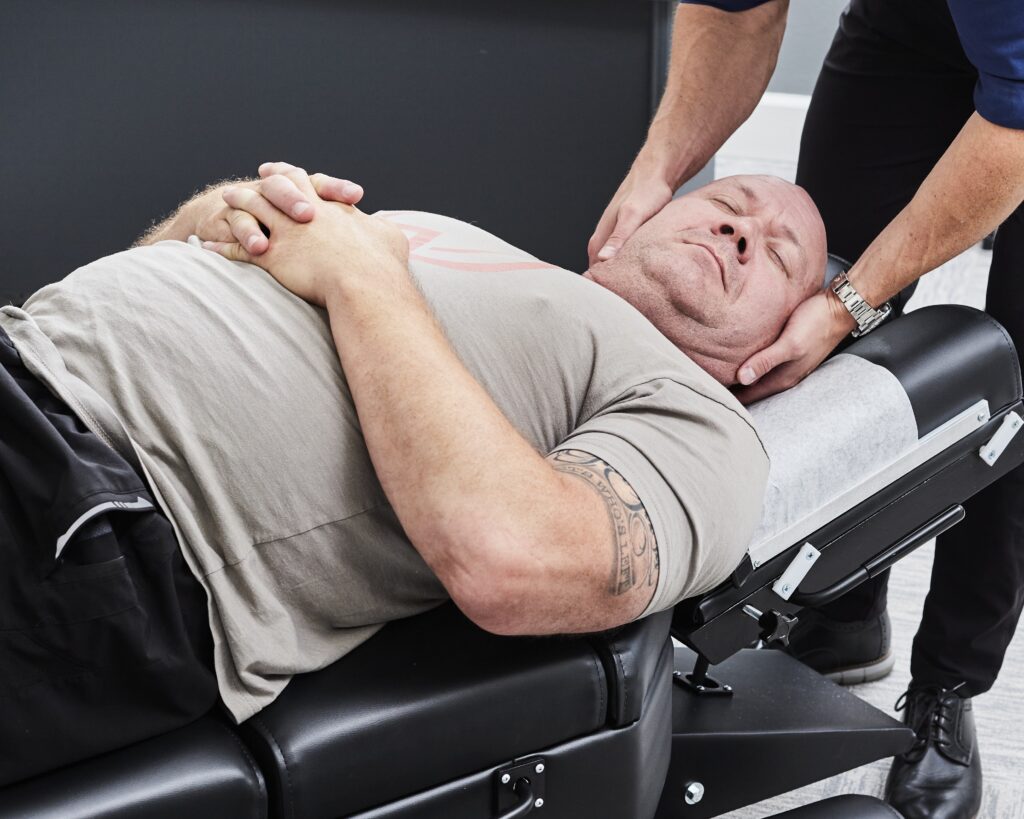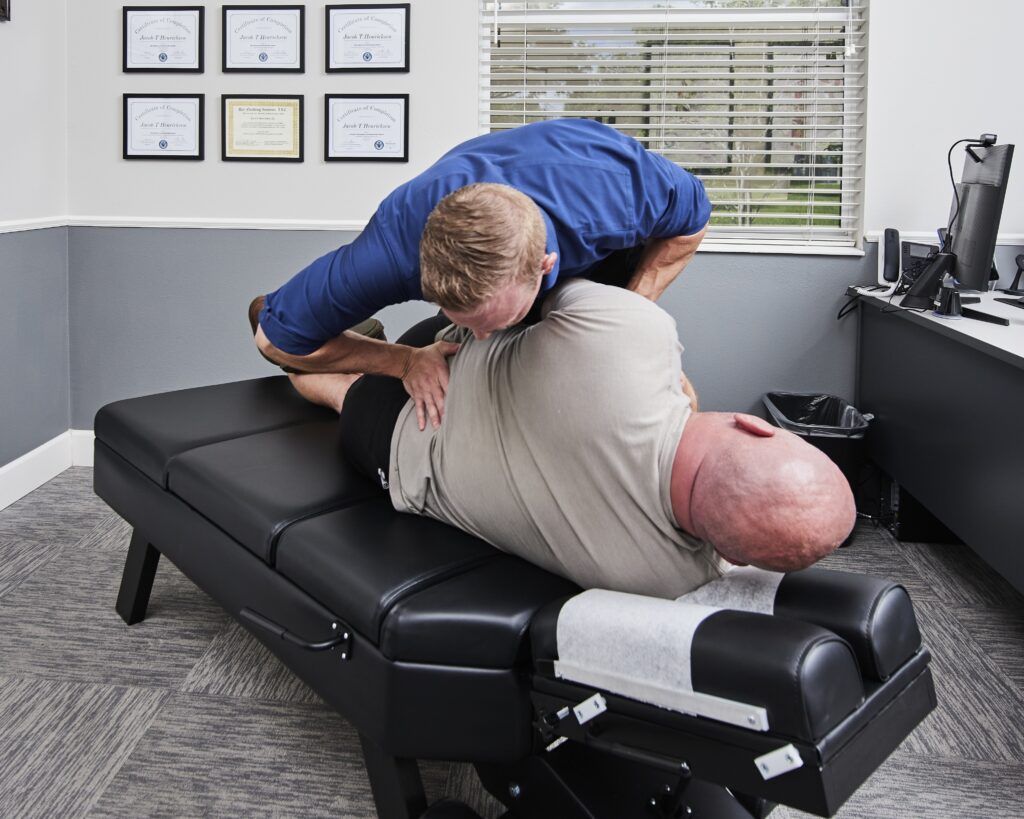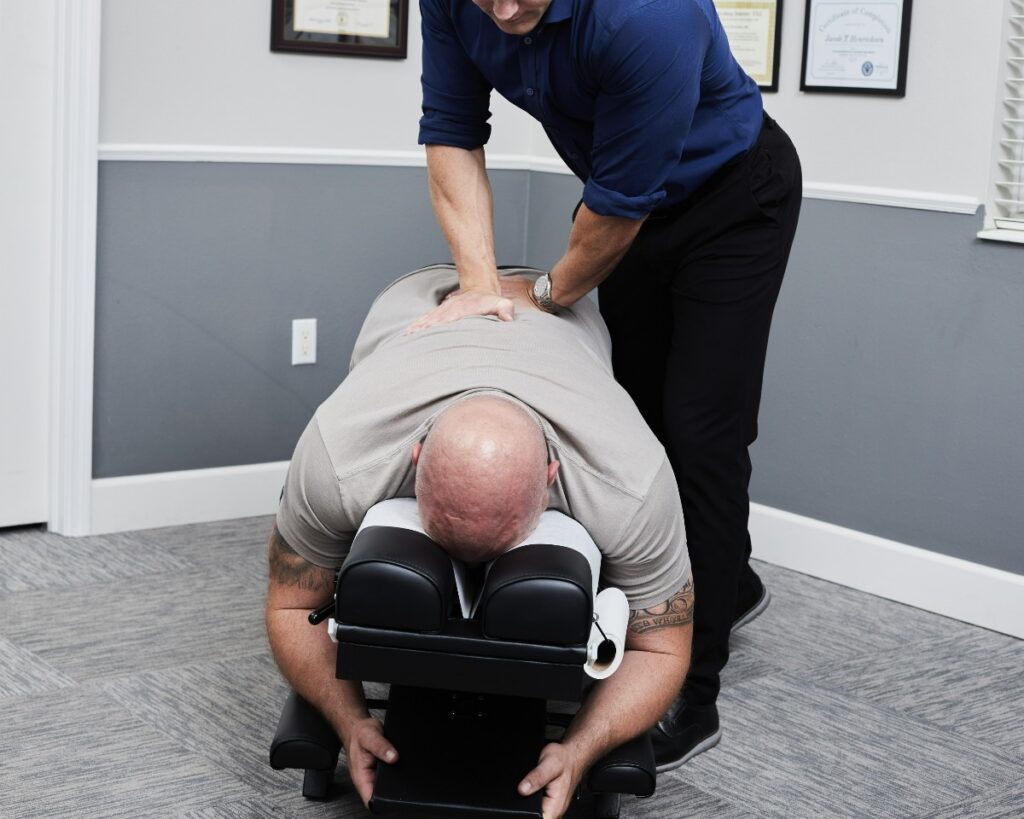

As a local chiropractor, I often see patients who struggle with back pain caused by poor posture. If this sounds like you, know that you’re not alone. Many individuals experience this issue daily, often without realizing the impact it has on their overall health and quality of life. The good news is that with the right adjustments and practices, you can achieve up to 85% relief from your discomfort.
In my practice, I emphasize the importance of creating an ergonomic workspace, which can significantly alleviate the strain on your back. Additionally, incorporating specific exercises and mindfulness techniques into your routine can lead to remarkable improvements. These natural healing strategies are designed to address the root causes of your pain, rather than just masking the symptoms.
Let’s work together to explore these effective solutions and transform your daily routine, helping you feel better and live a healthier life. Your journey to relief starts here!
Understanding Posture-Related Back Pain
As a local chiropractor, I want to help you understand how your posture can significantly impact your overall health, particularly your back pain. Many people don’t realize that slouching or sitting in improper positions for extended periods can quickly lead to discomfort.
Our bodies aren’t designed to be hunched over or twisted awkwardly; doing so places undue stress on our muscles, ligaments, and spinal discs. Over time, this can result in persistent pain and tightness, especially in your shoulders and lower back.
It’s crucial to be aware of your posture habits throughout the day. Every time you lean forward or round your shoulders, you’re adding pressure to your spine. This pressure can trigger inflammation and pain, making even simple daily tasks feel arduous.
I encourage you to be mindful of how you sit, stand, and move. Small changes can create a big impact on your comfort and well-being.
The Importance of Ergonomics in Your Workspace
As a local chiropractor, I want to emphasize how crucial it’s to create an ergonomic workspace for your health and well-being. Many people underestimate the impact of their desk setup, chair choice, and monitor height on their posture and overall comfort. By making simple adjustments, you can significantly reduce back pain and enhance your productivity.
Let’s delve into how each element plays a role in supporting your spine. A well-adjusted desk height allows you to keep your arms at a 90-degree angle, reducing strain on your shoulders and neck.
Selecting the right chair is equally important; it should provide proper lumbar support to maintain the natural curve of your lower back. Lastly, your monitor should be positioned at eye level to prevent any unnecessary neck strain.
By focusing on these ergonomic principles, you can’t only alleviate discomfort but also promote better health in your daily life.
Desk Setup Essentials
As a local chiropractor, I want to emphasize how crucial proper ergonomics are for your workspace, especially if you want to maintain good posture and prevent discomfort or pain in your back. It may seem like a comfortable chair and a sturdy desk are enough, but small adjustments can make a big difference in your overall well-being.
First, ensure that your monitor is positioned at eye level. This helps to prevent unnecessary strain on your neck over time. Your keyboard should be set up so that your elbows are at a 90-degree angle, which will allow your wrists to remain straight while you type.
It’s important to keep your feet flat on the floor or supported by a footrest to enhance circulation and reduce the risk of fatigue.
Keeping your workspace organized is also vital. A clutter-free desk helps you avoid reaching and stretching for frequently used items, which can lead to strain.
And don’t forget to take regular breaks! Standing up, stretching, and moving around can do wonders for your body and help maintain your energy levels throughout the day.
By making these simple ergonomic adjustments, you can create a supportive workspace that not only comforts your body but also promotes productivity.
Chair Selection Tips
As a local chiropractor, I want to emphasize the importance of choosing the right chair for your workspace, especially if you spend long hours at your desk. The right chair can significantly impact your posture and help prevent back pain, which is something we often see in our practice.
Look for a chair that has adjustable height, as this will allow your feet to rest flat on the floor, promoting better alignment of your spine. A chair with excellent lumbar support is crucial; it helps maintain the natural curve of your spine, which is essential for overall spinal health.
It’s also important to choose a chair with a comfortable cushion that retains its shape over time, as this will provide you with the support you need throughout the day.
When it comes to armrests, they should allow your elbows to rest at a 90-degree angle without limiting your movement, as this can help reduce strain on your shoulders and neck.
Lastly, consider the material of the chair. Breathable fabrics can enhance your comfort by keeping you cool during long periods of sitting.
Monitor Height Guidelines
As a local chiropractor, I want to share some important insights on the proper height of your monitor, which is crucial for maintaining good posture and preventing strain during long hours of work.
It’s essential to position your monitor at eye level. This means you shouldn’t have to tilt your neck up or down, which can lead to discomfort and tension over time. Ideally, the top of the screen should be at or just below your eye level, allowing your gaze to fall slightly downward when looking at the screen.
It’s also important to keep your monitor at about an arm’s length away to minimize eye strain. If you wear glasses, be sure to take your prescription into account when adjusting the height of your monitor.
Additionally, ensure that your screen is directly in front of you to avoid twisting your body, which can strain your spine.
By following these simple guidelines, you can create a more ergonomic workspace. This won’t only help you feel more comfortable but will also make it easier to stay focused throughout your day.
Strengthening Exercises for Better Posture
As a local chiropractor dedicated to helping you achieve optimal health and well-being, I want to emphasize the importance of strengthening exercises in improving your posture and relieving back pain. Your core, back, and shoulder muscles are crucial in supporting your spine, and incorporating targeted exercises into your routine can make a significant difference.
Let’s start with planks. This exercise engages your entire core, so try to hold the position for 20 to 30 seconds. It’s a great way to build foundational strength.
Next, I recommend doing bridges to strengthen your lower back and glutes. Simply lie on your back, bend your knees, and lift your hips off the ground for a powerful lower body workout.
Another beneficial exercise is the shoulder blade squeeze. Whether you’re sitting or standing, pull your shoulder blades together and hold for a few seconds. This simple movement can improve your posture over time.
Additionally, consider wall angels to enhance shoulder mobility and strength—stand against a wall, raise your arms, and slide them up and down.
I suggest aiming for two to three sets of each exercise, two to three times a week. Consistency is key!
By incorporating these strengthening exercises into your routine, you’ll build strength, improve your posture, and experience lasting relief from back pain.
Stretching Techniques to Alleviate Discomfort
As a chiropractor, I often emphasize the significance of both strengthening exercises and stretching techniques in promoting a healthy posture and alleviating discomfort. Many people may not realize that incorporating stretches into your daily routine can significantly reduce tension in your back and improve your overall alignment.
To start, I recommend the cat-cow stretch. This gentle movement helps mobilize your spine and prepares your body for deeper stretches. Following that, the child’s pose is an excellent way to release tension in your lower back muscles. Additionally, the chest opener stretch is crucial as it counteracts the hunching that can result from poor posture habits.
When performing these stretches, aim to hold each position for at least 20-30 seconds. Make sure to focus on your breathing; this will help you deepen the stretch and enhance its effectiveness. The seated forward bend is another fantastic option, providing relief for your hamstrings and lower back.
By regularly practicing these stretches, you not only alleviate discomfort but also improve your body’s ability to maintain proper alignment. I encourage you to make stretching a daily habit; you may be surprised at the notable improvements in how you feel throughout the day.
The Role of Mindfulness in Posture Improvement
As a local chiropractor, I want to share with you the vital role mindfulness plays in improving your posture and overall spinal health. Many people are unaware of how their daily habits can impact their alignment, but being mindful of your body can make a significant difference.
When you practice mindfulness, you become more aware of how you sit, stand, and move throughout the day. This heightened awareness allows you to recognize when you’re slouching or adopting awkward positions, helping you to correct them before they become ingrained habits.
Incorporating mindfulness into your daily life doesn’t have to be complicated. Simply take a few moments to check in with your body throughout the day. Pay attention to any areas of tension or discomfort, and adjust your posture to relieve that strain.
Additionally, regular mindfulness practices such as meditation or focused breathing exercises can enhance your ability to maintain this awareness, leading to better spinal alignment and overall well-being.
Choosing the Right Chair for Optimal Support
As a chiropractor, I often see the effects of poor seating choices on my patients’ posture and overall well-being. Choosing the right chair can significantly influence your spinal health, especially if you find yourself seated for extended periods.
It’s crucial to select a chair that provides proper support for your lower back, which helps maintain the natural curve of your spine.
When considering a chair, look for adjustable features. The ability to modify the height, armrests, and lumbar support is essential for accommodating your unique body shape. A well-padded seat cushion can also alleviate pressure points that may lead to discomfort.
I advise my patients to test any chair before committing. Ensure it offers enough firmness and allows your feet to rest flat on the floor, with your knees at a right angle. Additionally, materials that promote airflow can help keep you cool, which is vital for comfort and maintaining good posture throughout the day.
Investing in a high-quality chair is a decision that can yield long-term benefits. A good chair can reduce discomfort and enhance your productivity, ultimately contributing to a healthier sitting experience.
Take the time to choose wisely, as this small adjustment can make a significant difference in your overall health and well-being.
Adjusting Your Desk Setup for Comfort
As a chiropractor dedicated to your health and well-being, I want to emphasize the importance of a proper desk setup in maintaining your comfort and posture. It all begins with a supportive chair, but your desk arrangement is equally crucial.
Make sure your monitor is positioned at eye level to prevent any unnecessary strain on your neck. When typing, your elbows should form a 90-degree angle, and it’s important that your wrists hover above the keyboard rather than resting on the desk.
Additionally, check that your feet are flat on the ground or supported by a footrest. This positioning is vital for maintaining proper spinal alignment and alleviating pressure on your lower back.
A clutter-free desk will also help you keep essential items within easy reach, reducing the temptation to twist or lean, which can lead to discomfort.
Finally, consider the height of your desk. If you have an adjustable desk, take the time to experiment with different heights to discover what feels most comfortable for you.
Remember, even small adjustments can have a profound impact on your daily comfort and overall posture, leading to significant relief from back pain and enhancing your overall health.
If you’re ever unsure about your setup or how it affects your body, don’t hesitate to reach out. Your comfort and well-being are our top priorities.
The Impact of Technology on Posture
As a local chiropractor, I want to shed light on an often-overlooked aspect of our daily lives: the impact of technology on your posture. Many of us spend countless hours hunched over screens—whether it’s a computer, tablet, or smartphone—without realizing the strain this can place on our bodies. This forward lean can lead to discomfort in your neck and back, and over time, it may contribute to chronic pain.
With the rise of remote work, I see many patients using makeshift setups that lack the necessary ergonomic support. This can further exacerbate poor posture, especially when texting or browsing. You may have heard of “tech neck,” a condition that develops when your head tilts forward excessively, putting undue pressure on your spine.
Likewise, activities like gaming or binge-watching can keep you in unhealthy positions for extended periods, leading to further complications.
It’s crucial to be aware of how technology influences your posture. By recognizing these patterns, you can make conscious adjustments to your habits, which will help alleviate discomfort and reduce the risk of long-term pain.
As a chiropractor, I’m here to guide you in understanding how to maintain a healthy posture, especially in our tech-driven world. Together, we can work towards a more balanced and pain-free lifestyle.
Daily Habits to Promote Healthy Posture
As a local chiropractor, I want to emphasize that good posture goes beyond simply sitting up straight. It’s crucial to develop daily habits that actively support your spine throughout the day.
Begin by being aware of your posture when standing or walking—keep your shoulders back and align your head with your spine. When sitting, select a chair that provides proper support for your lower back and make a conscious effort to avoid slouching; your feet should rest flat on the floor.
If you find yourself sitting for long periods, remember to take regular breaks. Stand up, stretch, and move around to alleviate any built-up tension. Incorporating core-strengthening exercises, such as planks or bridges, into your routine can significantly strengthen the foundation of your spine.
Additionally, consider using ergonomic tools while working, such as a standing desk or an adjustable chair, to encourage better posture.
Don’t forget about the importance of your sleep position as well. A supportive mattress and pillow are essential for maintaining spinal alignment throughout the night.
Making small, consistent changes to your daily habits can lead to significant improvements in your posture and overall spinal health. As your chiropractor, I’m here to support you on this journey to better posture and a healthier life.
When to Seek Professional Help for Back Pain
When should you think about reaching out to a chiropractor for your back pain? If your discomfort lingers or seems to be getting worse, it’s important to take action and consult a healthcare professional.
Here are some key signs that indicate you shouldn’t wait:
- Persistent Pain: If your pain has been hanging around for more than a few weeks, it’s a good idea to seek help. Prolonged pain often points to underlying issues that need attention.
- Numbness or Tingling: If you’re feeling numbness or tingling in your legs or arms, this can be a sign of nerve involvement and should be evaluated promptly.
- Loss of Control: If you’re having trouble with bladder or bowel control, don’t hesitate—get immediate help. This can indicate a more serious condition that requires urgent care.
- Injury or Trauma: If your back pain started after an injury or fall, it’s crucial to get assessed. Injuries can have lasting effects if not properly addressed.
As a local chiropractor, I encourage you to listen to your body. Ignoring these warning signs can lead to more significant issues down the road.
Conclusion
As a local chiropractor, I want to share with you some valuable insights on how to alleviate posture-related back pain through natural and effective methods. By making simple adjustments to your workspace and incorporating targeted strengthening exercises, you can experience significant relief. It’s essential to stretch regularly, practice mindfulness, and remain mindful of your posture throughout the day. These small changes not only enhance your comfort but can also lead to increased productivity.
If you find that your pain persists despite these efforts, I encourage you to consider seeking professional chiropractic care. Our approach focuses on the body’s natural ability to heal itself, and we can provide personalized guidance to address your specific issues. Taking charge of your back health is crucial for enjoying a more active and pain-free lifestyle. Let us support you on your journey to better health!