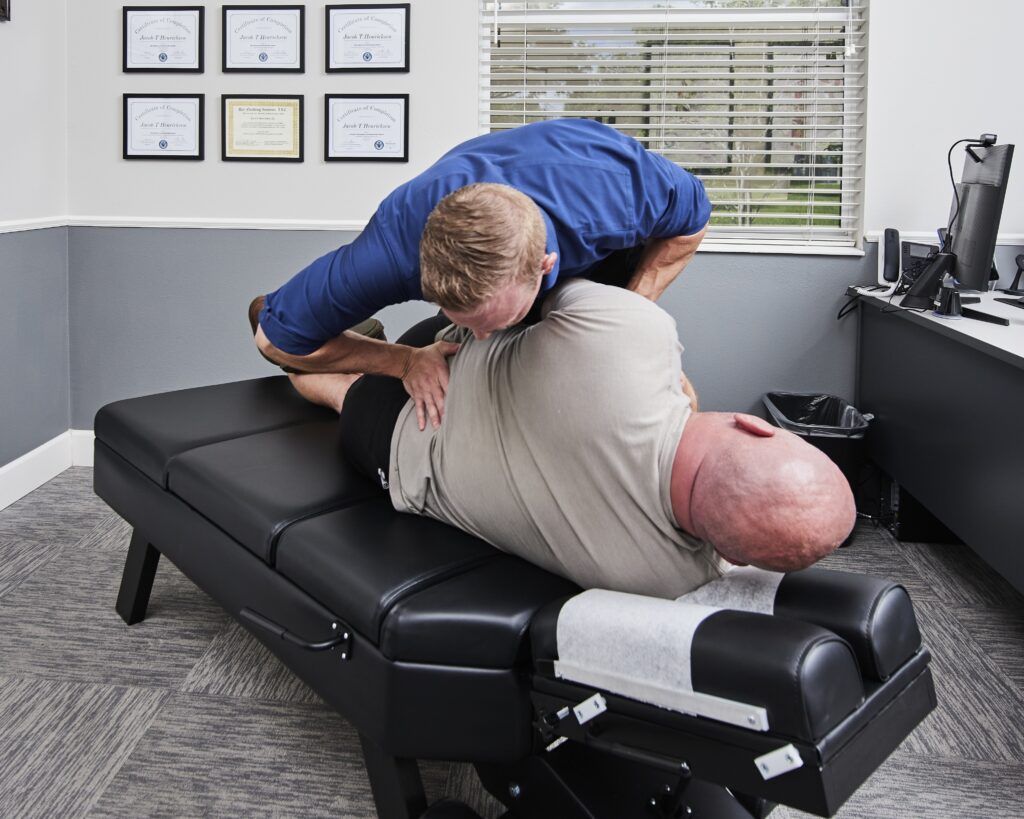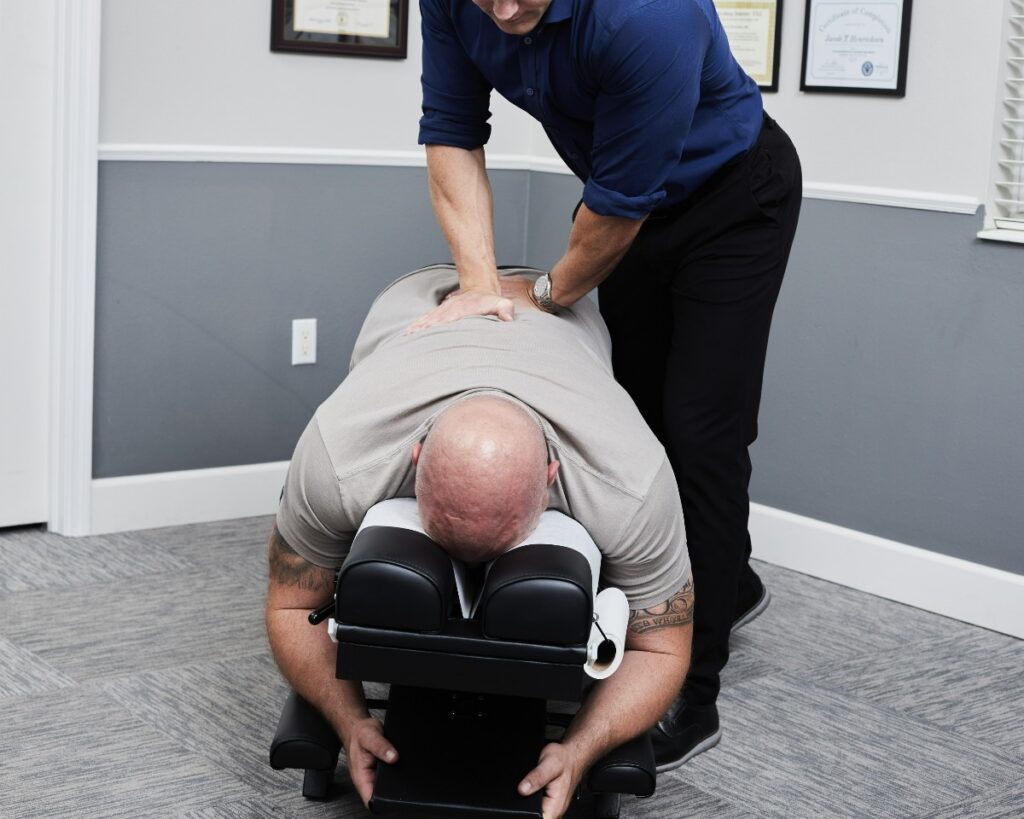

As a local chiropractor, I want to share with you how something as straightforward as a chiropractic adjustment can significantly reduce anxiety levels. Many of my patients have reported feeling an immediate sense of calm following their sessions. They often credit this relief to the proper alignment of their spine, which plays a crucial role in enhancing the function of the nervous system.
But consider this: these adjustments may not only improve your physical health but could also be the missing piece in achieving mental clarity and emotional well-being. The stories I've heard from individuals who have discovered peace through chiropractic care are truly inspiring. I encourage you to reflect on your own journey towards tranquility and explore the potential benefits of chiropractic adjustments in your life. Together, we can work towards a healthier, more balanced you.
The Power of Mindfulness
In the hustle and bustle of everyday life, many of us experience stress and anxiety that can impact our overall health. As a chiropractor, I want to share with you how mindfulness can serve as a valuable tool in managing these feelings, while also complementing the benefits of chiropractic care. When life starts to feel overwhelming, taking a moment to ground yourself can significantly improve your well-being.
Mindfulness encourages you to focus on the present moment, helping you step back from racing thoughts and worries about the future. By incorporating mindfulness into your routine, you can cultivate a sense of calm that not only enhances your mental clarity but also supports your physical health.
To begin your mindfulness practice, find a quiet, comfortable space. Close your eyes and take a deep breath. Inhale deeply, allowing your lungs to fill with air, and as you exhale, consciously release any tension you may be holding. This simple act of breathing helps to center your awareness in the present.
Pay attention to how your body feels, the sensations around you, and the sounds in your environment. If your mind starts to wander—and it will—gently guide your focus back to your breath.
You don't need to dedicate hours to mindfulness; just a few minutes each day can significantly reduce anxiety and enhance the effects of your chiropractic treatments. Whether you take a moment during your lunch break or unwind before bed, making mindfulness a consistent practice is essential.
As you continue to engage with this practice, you'll develop a greater awareness of your thoughts and emotions, enabling you to respond to anxiety in a more thoughtful manner rather than reacting impulsively.
Incorporating mindfulness into your life not only mitigates anxiety but also complements the holistic approach of chiropractic care, promoting your overall well-being.
Daily Routine Transformations
Transforming your daily routine can significantly enhance your overall well-being and help alleviate anxiety, which is something I often discuss with my patients as a local chiropractor. By making small, intentional adjustments to your day, you can create a structure that calms your mind and supports your body's natural healing processes.
Let's start with your mornings. Consider waking up just 15 minutes earlier to enjoy a quiet cup of tea or coffee. This peaceful moment can set a positive tone for the day and encourage a sense of mindfulness, which is beneficial for both your mental and physical health.
Incorporating movement into your daily routine is another essential aspect of well-being. Whether you prefer a brisk walk, yoga, or even a short workout, physical activity is crucial for releasing endorphins. These endorphins not only boost your mood but also help reduce stress, which can lead to improved spinal health. Aim for at least 30 minutes of movement each day and observe how your anxiety levels can decrease.
Creating a designated work or study space is also a powerful adjustment. When you have a specific area for tasks, your brain can associate that space with focus and productivity. This can help you manage stress more effectively and maintain a healthier posture during extended periods of work.
Remember to set clear boundaries around your work time and personal time, allowing for regular breaks to recharge your mind and body.
Finally, establishing a winding-down ritual in the evenings is vital for your mental health. Engage in calming activities such as reading, journaling, or practicing relaxation techniques like deep breathing. These practices can help you prepare for restful sleep, which is essential for your body to recover and heal.
Nutrition and Mental Health
As a local chiropractor, I want to emphasize how crucial nutrition is for your mental health. What you consume can have a significant effect on your mood and emotional stability, so it's important to prioritize foods that are rich in nutrients.
One fascinating aspect of this is the gut-brain connection, which highlights how our digestive health can influence our mental well-being.
Hydration also plays a key role in supporting your overall health, including mental clarity and emotional balance. By focusing on these factors, you can find natural ways to manage anxiety and enhance your overall quality of life.
Let's discuss how incorporating the right foods and staying hydrated can complement your chiropractic care and promote a healthier, happier you.
Nutrient-Rich Foods Impact
As a local chiropractor, I want to share how the foods you choose can significantly impact your mental well-being. The link between nutrition and mental health is quite important, and incorporating nutrient-rich foods into your diet can be a vital part of managing anxiety and enhancing your overall wellness.
When you consume whole grains, fresh fruits, vegetables, lean proteins, and healthy fats, you're doing more than just promoting your physical health; you're also supporting your mental health. A well-balanced diet helps stabilize blood sugar levels, which can reduce mood swings and irritability that often accompany anxiety.
For example, foods that are high in omega-3 fatty acids, such as salmon and walnuts, are known to enhance brain function and alleviate symptoms of anxiety. Leafy greens and colorful fruits are packed with essential vitamins and antioxidants that fight oxidative stress, a factor that can negatively affect your mood.
Don't forget about hydration! Drinking enough water is crucial for your body's overall functionality, including your cognitive processes. Dehydration can lead to fatigue and irritability, making anxiety feel even more challenging.
By integrating these nutrient-dense foods into your daily meals, you can build a strong foundation for emotional resilience.
So, the next time you're preparing a meal, consider how those ingredients can't only boost your physical health but also support your mental well-being.
Gut-Brain Connection Explained
As a chiropractor dedicated to your overall well-being, I want to share some valuable insights about the gut-brain connection and how it influences your mental health. This connection illustrates the remarkable bond between your digestive system and your brain, and it's primarily facilitated by the vagus nerve, which acts like a communication highway between the two.
When you consume food, your gut isn't just breaking it down; it's also releasing neurotransmitters and hormones that can significantly impact your mood and emotions. Did you know that approximately 90% of serotonin—the hormone often referred to as the "feel-good" neurotransmitter—is produced in your gut? This highlights the importance of maintaining a healthy digestive system for your mental health.
What you eat plays a crucial role in strengthening this connection. A diet that's rich in fiber, probiotics, and omega-3 fatty acids can help cultivate a healthy gut microbiome. This not only supports your digestive health but also promotes positive mental well-being.
On the other hand, a diet laden with processed foods and sugars can disrupt the balance of gut bacteria, potentially leading to feelings of anxiety and depression.
As your chiropractor, I encourage you to consider how natural healing practices, including proper nutrition, can enhance not only your physical health but also your mental clarity and emotional stability.
Hydration and Mood Regulation
As a local chiropractor dedicated to your overall health and wellness, I want to highlight an often-overlooked aspect of mental health: hydration. Many people don't realize how crucial proper hydration is for regulating mood and cognitive function. When you're well-hydrated, your brain functions optimally, allowing for clearer thinking and better focus.
Conversely, dehydration can lead to irritability, fatigue, and even anxiety. It's surprising how even mild dehydration can significantly affect your emotional state.
Ensuring you drink enough water daily can help stabilize your emotions and improve your overall well-being. It's essential to pay attention to your body's cues—thirst is just one of them. You might also experience heightened stress or find it challenging to concentrate when you're not drinking enough fluids.
Incorporating hydration into your daily routine is straightforward. Keeping a water bottle with you throughout the day can serve as a helpful reminder to sip regularly. Additionally, incorporating hydrating foods, such as fruits and vegetables, into your diet can contribute to your hydration levels.
Ultimately, prioritizing hydration is a simple yet powerful way to support your mental health and manage anxiety. By making this small adjustment, you're taking a meaningful step toward feeling better both physically and emotionally.
As your chiropractor, I encourage you to consider the role of hydration in your overall health journey.
Exercise as an Anxiety Reliever
As a local chiropractor, I want to share with you the incredible benefits of regular exercise in managing anxiety. Engaging in physical activity isn't just about improving your physical health; it can also play a vital role in enhancing your mental well-being. When you exercise, your body releases endorphins—those natural feel-good chemicals that can elevate your mood and create a sense of overall well-being. Even a short workout can help you shift your focus away from anxious thoughts and bring you back to the present moment.
Incorporating exercise into your daily routine doesn't need to be overwhelming. Whether you prefer a leisurely walk in your neighborhood, an energetic dance class, or a workout at the gym, choose activities that resonate with you. The more you enjoy what you're doing, the more likely you're to stick with it. Just a quick 20-minute session can significantly impact how you feel.
The rhythm and movement of exercise can also serve as a powerful distraction from anxiety. As you concentrate on your body's movements, you create a mental break from the overwhelming thoughts that often accompany anxiety. Additionally, the physical benefits of regular exercise—such as improved sleep, increased energy levels, and better overall health—can contribute to a more balanced mood.
Setting realistic and achievable goals is essential for maintaining your motivation. Remember, it's not about pushing yourself too hard; consistency is key. Aim for at least 150 minutes of moderate aerobic activity each week, and you'll likely notice a gradual decrease in your anxiety levels over time.
Breathing Techniques for Calm
When anxiety hits, many people overlook the power of their breath, but it can be a vital tool for restoring calmness. As a chiropractor, I often encourage my patients to incorporate breathing techniques into their wellness routines.
Methods like diaphragmatic breathing, box breathing, and the 4-7-8 technique can be incredibly effective for alleviating anxiety in just a few moments. These simple practices not only support your mental well-being but also complement the physical adjustments we focus on in chiropractic care.
Let's delve into how harnessing your breath can significantly enhance your anxiety management and overall health.
Diaphragmatic Breathing Benefits
As a chiropractor, I often emphasize the importance of holistic approaches to health, and one effective technique that can greatly benefit your well-being is diaphragmatic breathing. This practice, especially useful during stressful moments, has been shown to significantly reduce anxiety and foster a sense of calmness.
When you engage in diaphragmatic breathing, you activate your diaphragm, enabling deeper, more efficient breaths that fill your lungs. This process not only promotes relaxation but also stimulates your body's innate relaxation response, which can lead to a lower heart rate and reduced blood pressure.
By concentrating on your breath, you can shift your focus away from anxious thoughts, creating a greater sense of control over both your body and mind. Additionally, diaphragmatic breathing enhances oxygen flow, which can elevate your energy levels and improve your mood.
Incorporating this technique into your daily routine can help train your body to respond to stress more effectively. It's a versatile tool that you can utilize anytime and anywhere—whether you're at work, in social settings, or winding down at home.
To practice diaphragmatic breathing, take a moment to sit comfortably. Place a hand on your stomach and inhale deeply through your nose, allowing your abdomen to rise. Then, exhale slowly through your mouth.
This simple yet powerful practice can significantly aid in managing anxiety and enhance your overall sense of well-being. As your chiropractor, I encourage you to explore this natural healing method as part of your journey toward optimal health.
Box Breathing Technique
As a chiropractor, I often encounter patients who are seeking natural methods to manage stress and anxiety. One effective technique I recommend is box breathing. This simple yet powerful method can help you regain a sense of control during overwhelming moments.
Box breathing consists of four steps, each lasting four counts: inhale, hold, exhale, and hold again. Begin by inhaling deeply through your nose, filling your lungs to a count of four. Then, hold your breath for another four counts, allowing your body to absorb the oxygen.
Next, exhale slowly through your mouth for four counts, consciously releasing any built-up tension. Finally, take a brief pause for another four counts before you begin your next breath.
As you practice box breathing, I encourage you to focus on the rhythm of your breath. Visualizing a box, where each side represents a step in the breathing process, can help ground you and redirect your attention from anxious thoughts.
Many patients find that with each cycle, their heart rates slow down, and their minds become clearer. Incorporating box breathing into your daily routine can significantly enhance your resilience against stress, complementing the benefits of chiropractic care.
Whether you're dealing with a particularly challenging situation or simply looking for a moment of tranquility, this technique empowers you to find your center. I invite you to give it a try and observe how it can transform feelings of anxiety into a greater sense of peace and control in your life.
4-7-8 Breathing Method
As a chiropractor, I often see patients who are navigating the challenges of stress and anxiety. It's not uncommon for calmness to feel out of reach, especially during overwhelming moments.
That's why I want to share a simple yet powerful technique known as the 4-7-8 Breathing Method, which can help you regain your composure and promote relaxation.
To practice the 4-7-8 Breathing Method, start by finding a comfortable seated position. Inhale deeply through your nose for a count of four, allowing your abdomen to expand fully.
Then, hold your breath for a count of seven, embracing the stillness and allowing your body to relax. Finally, exhale slowly through your mouth for a count of eight, focusing on the sensation of your breath leaving your body and releasing any built-up tension.
Repeat this cycle for several minutes. As you do, pay attention to how your body responds. You may notice a decrease in your heart rate and a wave of calm washing over you.
The key to this practice is maintaining a steady rhythm, with the longer exhale helping to activate your body's natural relaxation response.
Incorporating the 4-7-8 Breathing Method into your daily routine or using it during stressful moments can be a valuable tool for finding your center.
As a chiropractor, I encourage you to explore natural healing practices like this one to cultivate a sense of peace and balance amidst the chaos of life.
Social Connections and Support
As a local chiropractor, I want to highlight an often-overlooked aspect of managing anxiety: the power of social connections. Many individuals may not realize how crucial these relationships can be in fostering mental well-being. When you find yourself feeling overwhelmed, reaching out to friends or family can provide significant relief.
Building a strong support network allows you to express your feelings and share your experiences, creating a sense of belonging that can greatly alleviate anxiety.
Consider these key benefits of social connections that can enhance your mental health:
- Emotional support: Your loved ones can offer a listening ear, providing the comfort and understanding you need during challenging times.
- Shared experiences: Engaging in conversations with others who've faced similar challenges can validate your feelings and help you feel less isolated in your struggles.
- Encouragement: The positive reinforcement from your social circle can motivate you to take proactive steps toward managing your anxiety, whether it's seeking professional help, like chiropractic care, or incorporating self-care strategies.
By nurturing these connections, you create a supportive safety net that can help catch you during the toughest moments. It's essential to be proactive in maintaining these relationships.
I encourage you to reach out, participate in community events, or join groups that align with your interests. The act of connecting with others can be transformative, allowing you to communicate your feelings and lighten the burden of anxiety.
As your chiropractor, I understand that holistic approaches to health encompass not just the body, but also the mind and spirit.
Don't underestimate the strength of your social circle; lean into it and allow it to support you on your path to greater calmness and overall well-being.
Nature and Outdoor Activities
As a local chiropractor dedicated to promoting holistic health, I want to share a powerful method for managing anxiety that goes beyond traditional treatments: spending time in nature and engaging in outdoor activities. When you step outside, you're not just breaking free from the stress of your daily routine; you're immersing yourself in a calming environment that can have profound effects on your overall well-being.
The benefits of fresh air, the soothing sounds of nature, and the sight of lush greenery can significantly help ground you and alleviate racing thoughts. I encourage you to consider activities like taking a leisurely walk in a local park or hiking along nearby trails. These experiences foster a connection with your surroundings, making you more present and less fixated on anxiety-inducing thoughts.
You may notice that the rhythmic sound of your footsteps aligns with your breathing, creating a natural meditative state that promotes relaxation. Even simple activities such as gardening or cycling can offer similar therapeutic benefits. Engaging in outdoor sports not only provides an opportunity for physical exercise, which releases endorphins—the body's natural mood enhancers—but also allows you to enjoy the healing power of nature.
Whether you're playing soccer, kayaking, or biking through your neighborhood, you're enhancing both your physical health and mental clarity. As you spend time outdoors, take a moment to appreciate the beauty surrounding you. Nature has a remarkable way of reminding us of life's simple pleasures, which can be incredibly grounding.
Creative Outlets for Expression
As a local chiropractor, I want to highlight the importance of engaging in creative outlets, which can be an effective way to express emotions and manage anxiety—elements that can greatly impact your overall well-being.
Just as chiropractic care focuses on aligning the body and mind for optimal health, tapping into your creativity can provide a safe space to explore and articulate feelings that might be difficult to express otherwise. This process serves as a release, allowing you to channel your anxieties into something tangible and meaningful.
Here are three creative outlets that can complement your journey towards wellness:
- Art: Engaging in visual arts, such as painting or drawing, can be a therapeutic escape for many individuals. You don't need to be a skilled artist; just let your emotions flow onto the canvas or paper. This creative process can mirror the adjustments I make in chiropractic care—both aim to bring balance and harmony to your life.
- Writing: Keeping a journal, writing poetry, or crafting stories can provide an intimate way to explore your thoughts and feelings. This form of expression allows you to confront anxieties directly and analyze them from a different perspective. Much like how we address physical ailments through chiropractic techniques, writing can lead to a cathartic experience, revealing insights about yourself and your emotional state.
- Music: Playing an instrument or singing can be deeply healing and resonate with your emotions in unique ways. Music has the power to uplift and soothe, much like how chiropractic adjustments can bring relief and restore balance. Whether you compose a song or simply listen to your favorite tracks, engaging with music can help you process your feelings and enhance your overall well-being.
Incorporating these creative practices into your life can complement the physical and emotional benefits of chiropractic care, fostering a holistic approach to health and healing.
Setting Boundaries and Limits
Understanding the importance of setting boundaries can play a crucial role in your overall well-being, particularly when it comes to managing stress and anxiety. As a chiropractor, I often see how physical and emotional health are interconnected. Just like we need to establish boundaries in our lives, our bodies also need limits to function optimally.
When you set boundaries, you're not only defining what's acceptable in your life but also protecting your physical and mental health. For example, if you're overcommitting to social events or work responsibilities, it can lead to stress and tension in your body. This tension can manifest in physical discomfort, which is where chiropractic care comes into play.
Start by recognizing areas in your life where you feel overwhelmed. Are you taking on too many responsibilities? Are you saying yes to everything, even when it drains your energy? These patterns are important to identify. Once you've recognized them, it's essential to communicate your limits clearly. Just as it's okay to say no to social obligations without feeling guilty, it's also important to listen to your body and know when to seek care or take a break.
Setting boundaries isn't about isolating yourself; it's about creating a nurturing environment where you can heal and recharge. For instance, if you find that after a long day, your body feels tense and fatigued, let your friends and family know that you need some quiet time to unwind. They'll understand and appreciate your honesty, and it will help alleviate any stress you feel about letting them down.
Additionally, it's important to revisit your boundaries regularly. Life is dynamic, and your needs may change. What worked for you last month may not be effective today. Be flexible and willing to reassess your limits, just as you'd adjust your chiropractic care based on how your body feels.
Finally, practice self-compassion. Establishing boundaries can be challenging, but it's a vital component of self-care. By prioritizing your well-being, you'll be better equipped to handle stress and anxiety. Embrace the empowerment that comes with setting limits, both in your life and for your body, and observe how it positively transforms your health and emotional landscape.
As your chiropractor, I'm here to support you in this journey towards holistic well-being.
Conclusion
As your local chiropractor, I want to share how incorporating chiropractic care into your wellness routine can truly transform your ability to manage anxiety. By focusing on aligning your spine and enhancing the function of your nervous system, many of my patients have experienced a notable decrease in stress and tension.
Chiropractic adjustments can work wonders when combined with other holistic practices, such as mindfulness, regular exercise, and cultivating strong social connections. Together, these approaches create a more balanced emotional state, which is essential for overall well-being.
I encourage you to embrace the journey of self-care and consider how each chiropractic adjustment can bring you closer to achieving a calmer and clearer mind. Your path to a healthier, more relaxed life starts here, and I'm here to guide you along the way.