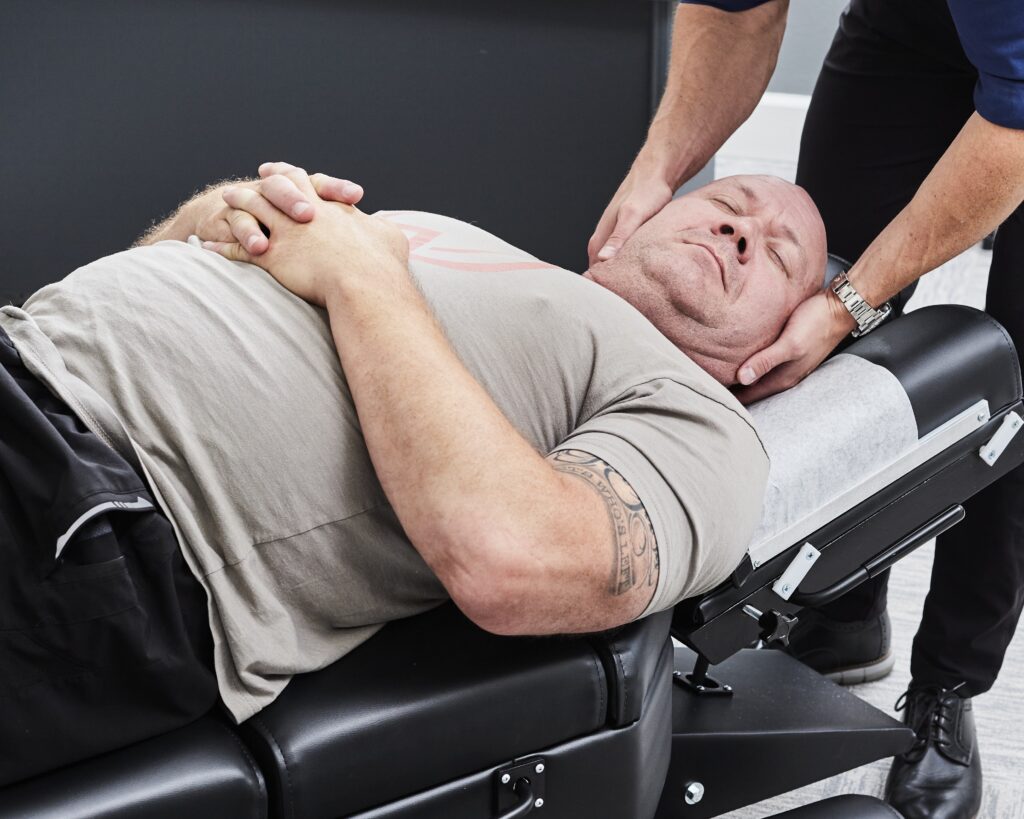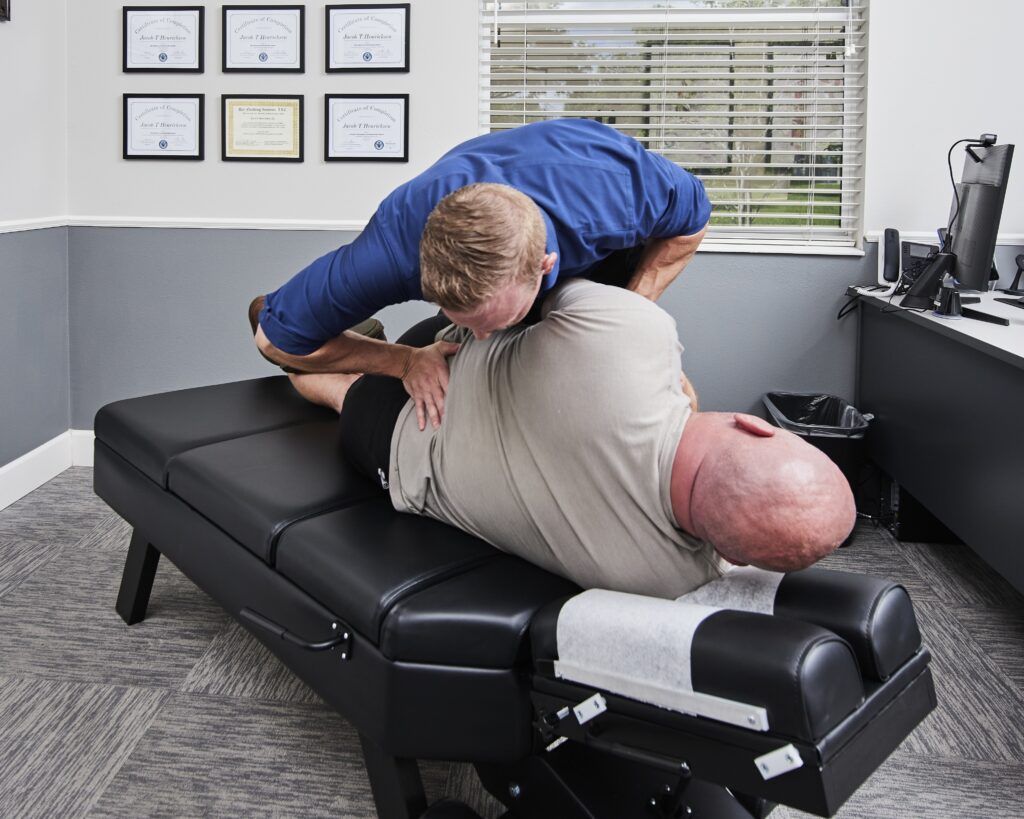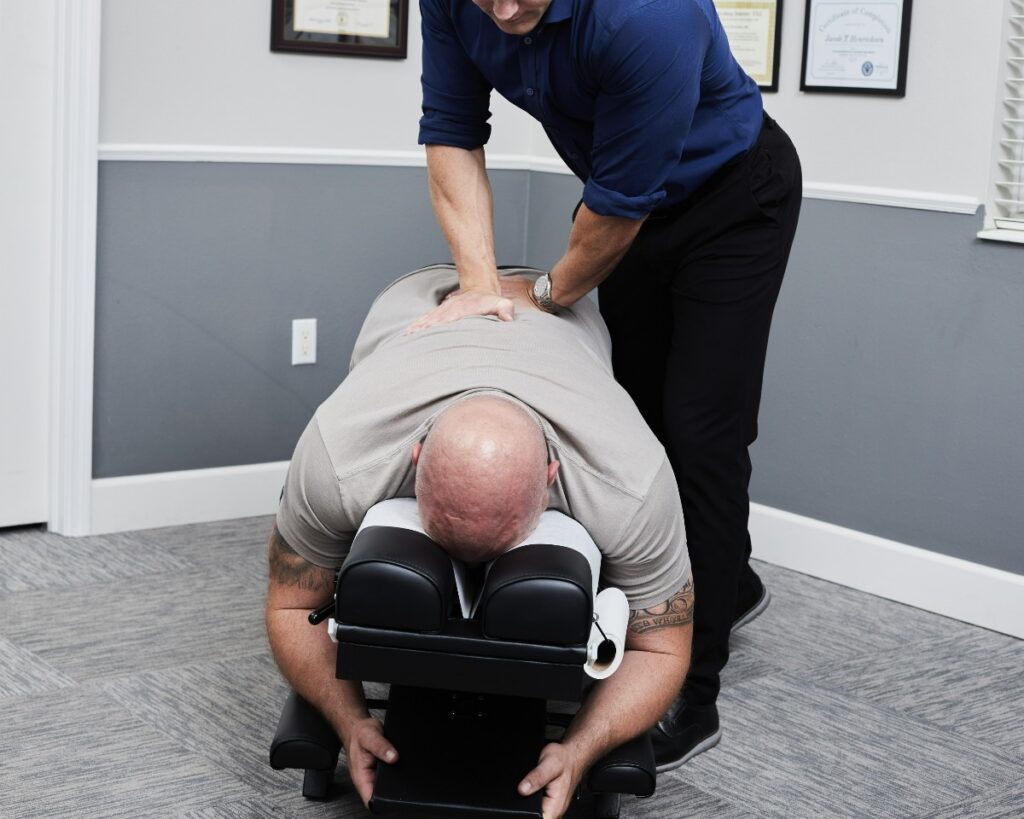

As a local chiropractor, I want to emphasize the importance of a proactive approach to preventing chronic pain. Many people are unaware that small adjustments to your daily routine can significantly enhance your long-term comfort and overall well-being. By integrating regular exercise, mindful nutrition, and effective stress management techniques, you can lay the foundation for a healthier lifestyle.
Additionally, understanding ergonomic practices is essential to protect yourself from unnecessary strain on your body. You might be wondering, what specific strategies can you adopt to make these concepts practical and effective? Let's dive into some actionable steps that can transform your relationship with pain and contribute to a more vibrant, pain-free life.
Understanding Chronic Pain
Chronic pain is a condition that can linger for months or even years, significantly impacting your daily life and overall well-being. Unlike acute pain, which usually indicates an injury or illness, chronic pain persists beyond the expected healing period and often lacks a clear cause. This ongoing discomfort can arise from various conditions, such as arthritis, fibromyalgia, or nerve damage.
As a chiropractor, I want to help you understand chronic pain so we can work together to manage its effects on your life.
When you experience chronic pain, your body sends signals to your brain that may become misaligned. This means the pain you feel mightn't always correlate with any visible injury, making it particularly challenging to deal with. It's common for chronic pain to affect your mood, sleep, and daily activities, leading to feelings of frustration and helplessness.
Recognizing the psychological and emotional aspects of pain is crucial; conditions like anxiety and depression can worsen your pain experience.
It's also important to remember that chronic pain is subjective. What feels overwhelming to one person may not impact another in the same way. Each individual has their own pain threshold and coping strategies, so it's essential to listen to your body and advocate for your needs when seeking help.
Understanding the complexities of chronic pain can empower you in your healing journey. By acknowledging its multifaceted nature, you can communicate more effectively with healthcare providers, including chiropractors like myself, and explore holistic treatment options.
Natural healing approaches such as chiropractic adjustments, physical therapy, and lifestyle modifications can play a vital role in alleviating your pain and improving your quality of life. Taking the first step to understand what you're facing is crucial in reclaiming your life from chronic pain.
Let's work together to find the right approach for you.
Importance of Regular Exercise
As a local chiropractor dedicated to your health, I want to emphasize the crucial role that regular exercise plays in managing chronic pain and enhancing your overall well-being. Engaging in physical activity isn't just about staying fit; it can significantly alleviate pain and improve your quality of life. When you exercise regularly, your body releases endorphins—natural pain-relieving chemicals that can elevate your mood and lessen discomfort.
Here are three vital benefits of incorporating regular exercise into your daily routine:
- Increased Flexibility: Incorporating stretching and mobility exercises can greatly improve your range of motion. This enhancement can alleviate stiffness and make everyday tasks feel easier and more manageable.
- Strengthened Muscles: Focusing on building muscle strength is essential for supporting your joints and minimizing strain. Stronger muscles play a critical role in preventing injuries, which is especially important for those dealing with chronic pain issues.
- Enhanced Mental Health: Exercise benefits not only your body but also your mind. Regular physical activity can significantly reduce anxiety and depression—two factors that can worsen pain. Cultivating a positive mindset through exercise can transform your experience of pain and boost your coping mechanisms.
To get started, I encourage you to select activities that you genuinely enjoy, whether that's walking, swimming, or practicing yoga. Aim for at least 150 minutes of moderate exercise each week, breaking it into manageable sessions to fit your schedule.
Nutrition and Pain Prevention
As a local chiropractor dedicated to your overall health and well-being, I want to share with you how a balanced diet can significantly aid in preventing chronic pain. Nutrition plays a vital role not only in fueling your body but also in supporting your pain management journey. By incorporating anti-inflammatory foods—such as fatty fish, nuts, and leafy greens—into your meals, you can help reduce inflammation, which is a major contributor to chronic pain. These foods are rich in essential omega-3 fatty acids and antioxidants that work to combat inflammation and promote healing.
It's also important to emphasize the role of hydration in maintaining your health. Drinking enough water is key to keeping your joints lubricated and ensuring that your body functions optimally. When you're dehydrated, you may experience muscle cramps and fatigue, which can amplify any existing pain. Aiming for at least eight glasses of water a day is a great start, but you may need more depending on your activity level.
In addition to what you should include in your diet, it's crucial to be aware of what to limit. Processed foods that are high in sugar, trans fats, and preservatives can trigger inflammation and worsen pain conditions. Instead, focus on consuming whole foods like fresh fruits and vegetables, whole grains, and lean proteins. These nutrient-dense options supply your body with essential vitamins and minerals that help it function effectively.
Consider adding natural spices such as turmeric and ginger to your meals. These spices have well-known anti-inflammatory properties that can help alleviate pain and support joint health.
Stress Management Techniques
As a local chiropractor, I want to emphasize that managing stress is just as crucial as maintaining a balanced diet for preventing chronic pain. Many patients may not realize that stress can lead to muscle tension, which can exacerbate discomfort and pain in the body.
By integrating effective stress management techniques into your daily routine, you can significantly lower your risk of experiencing chronic pain. Here are three practical strategies I recommend to help you manage stress:
1. Mindfulness Meditation: Dedicate just a few minutes each day to practice mindfulness. This involves focusing on your breath and observing your thoughts without judgment. This simple exercise can help calm your mind and alleviate anxiety, making it easier to navigate daily stressors. I often suggest this to my patients as a way to enhance overall wellness.
2. Regular Exercise: Engaging in physical activity is a well-documented stress reliever. Strive for at least 30 minutes of moderate exercise most days of the week. Whether you prefer a brisk walk, yoga, or even dancing, find an activity that brings you joy and make it a regular part of your life.
Exercise releases endorphins, which can uplift your mood and reduce stress levels, complementing the benefits of chiropractic care.
3. Deep Breathing Techniques: When stress starts to build, take a moment to pause and practice deep breathing. Inhale slowly through your nose, hold for a second, and then exhale through your mouth. Repeat this several times.
Deep breathing activates your body's relaxation response, helping to ease tension and promote a sense of calm. This technique can be particularly beneficial before or after a chiropractic adjustment.
By incorporating these stress management strategies into your routine, you can support your body's natural healing processes and enhance the benefits of your chiropractic care.
Ergonomic Practices for Daily Life
As a chiropractor dedicated to your well-being, I want to share how incorporating ergonomic practices into your daily life can significantly enhance your comfort and reduce the risk of chronic pain.
Let's start with your workspace. If you find yourself sitting for long periods, it's crucial to have a chair that offers adequate support for your lower back. Your feet should rest flat on the floor to maintain proper posture. Additionally, positioning your computer monitor at eye level is essential to prevent unnecessary neck strain. Using a keyboard and mouse that allow your wrists to remain in a neutral position is also beneficial.
Throughout your daily activities, I encourage you to be conscious of your posture. Whether you're standing, walking, or sitting, keeping your shoulders back and avoiding slouching can make a significant difference. When lifting objects, remember to bend at your knees and keep the item close to your body; this technique helps to minimize strain on your back.
If you often talk on the phone, consider using a headset to prevent cradling the phone between your ear and shoulder, which can lead to neck discomfort.
In your home environment, it's wise to arrange frequently used items within easy reach to limit unnecessary bending and stretching. When cooking, opt for tools that promote a neutral wrist position, and explore ergonomically designed kitchen gadgets that can ease the strain on your hands.
Lastly, don't underestimate the power of regular breaks. I recommend standing up, stretching, and walking around every hour. This practice not only helps keep your muscles relaxed but also improves circulation throughout your body.
Conclusion
As your local chiropractor, I want to share some valuable insights on how you can take proactive steps in your daily routine to significantly reduce the risk of chronic pain. Engaging in regular exercise is essential; it keeps your body strong and flexible. Additionally, nourishing yourself with anti-inflammatory foods can help combat pain and promote healing from within.
Managing stress is equally important. Incorporating mindfulness practices into your day can help alleviate tension that often contributes to discomfort. Furthermore, adopting ergonomic practices in your workspace and daily activities can prevent strain on your body.
These strategies are not just about enhancing your physical health; they also play a crucial role in improving your mental well-being. It's all about creating a balanced lifestyle that supports both your body and mind. Remember, taking control of your health starts today. Let's work together towards a pain-free tomorrow! If you have any questions or need guidance on how to implement these practices, don't hesitate to reach out.