
When you consider the natural ways to relax, chiropractic care might not be the first approach that comes to mind. However, it can play a significant role in alleviating tension and promoting a sense of calm. By focusing on spinal adjustments and integrating techniques like massage, you can enhance your overall well-being. But what other complementary practices can you incorporate to maximize your relaxation? Exploring these options could lead you to a more balanced and tranquil lifestyle.
Benefits of Chiropractic Care
Chiropractic care offers a range of benefits that can enhance your overall well-being. One of the most notable advantages is pain relief. If you're dealing with chronic pain, whether it's in your back, neck, or joints, chiropractic adjustments can help alleviate discomfort and improve your quality of life. By correcting misalignments in your spine, you can experience a significant reduction in pain levels.
Another benefit is improved mobility. Regular chiropractic visits can enhance your range of motion, allowing you to perform daily activities with greater ease. If you've been struggling with stiffness or limited movement, chiropractic care can help restore your body's natural functionality.
Chiropractic care also promotes better posture. Many of us spend hours hunched over computers or smartphones, leading to poor posture and tension. A chiropractor can guide you in correcting these habits, helping you stand taller and feel more confident. Improved posture can reduce strain on your muscles and joints, contributing to long-term health.
Additionally, chiropractic care supports your nervous system. By ensuring that your spine is aligned, you can enhance nerve function throughout your body. This can lead to improved overall health, as your body is better able to communicate and respond to various stimuli.
Lastly, chiropractic treatments can reduce stress. When your body is in alignment and functioning at its best, you'll likely feel more relaxed. Embracing chiropractic care can be a natural and effective way to enhance your physical and mental well-being.
Understanding Chiropractic Techniques
When you explore chiropractic techniques, you'll find spinal manipulation and soft tissue techniques play key roles in your care.
These methods not only help relieve pain but also enhance your overall well-being.
Understanding how each technique works can empower you to make informed decisions about your health.
Spinal Manipulation Benefits
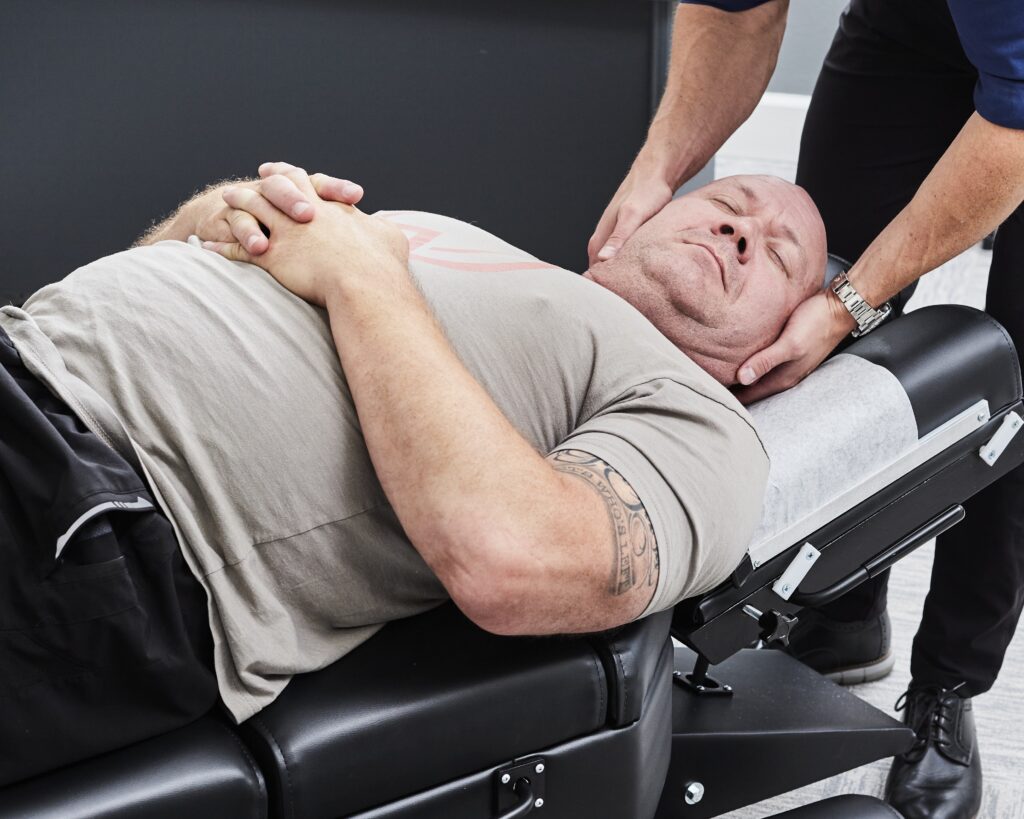
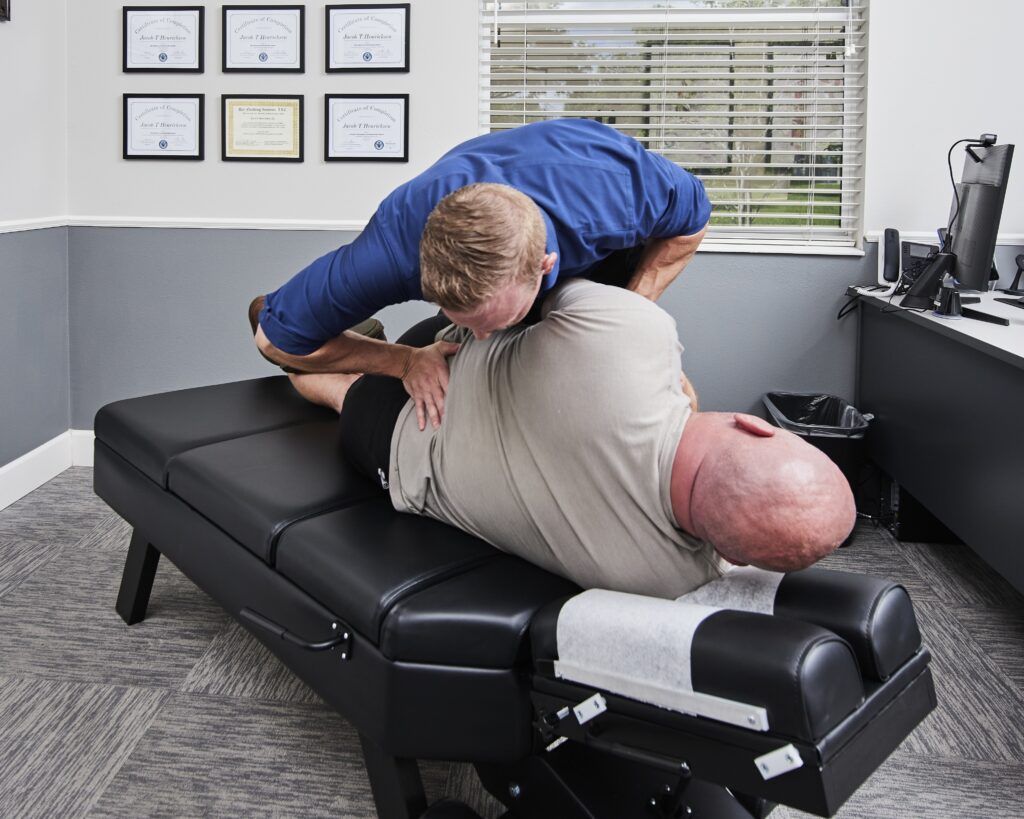
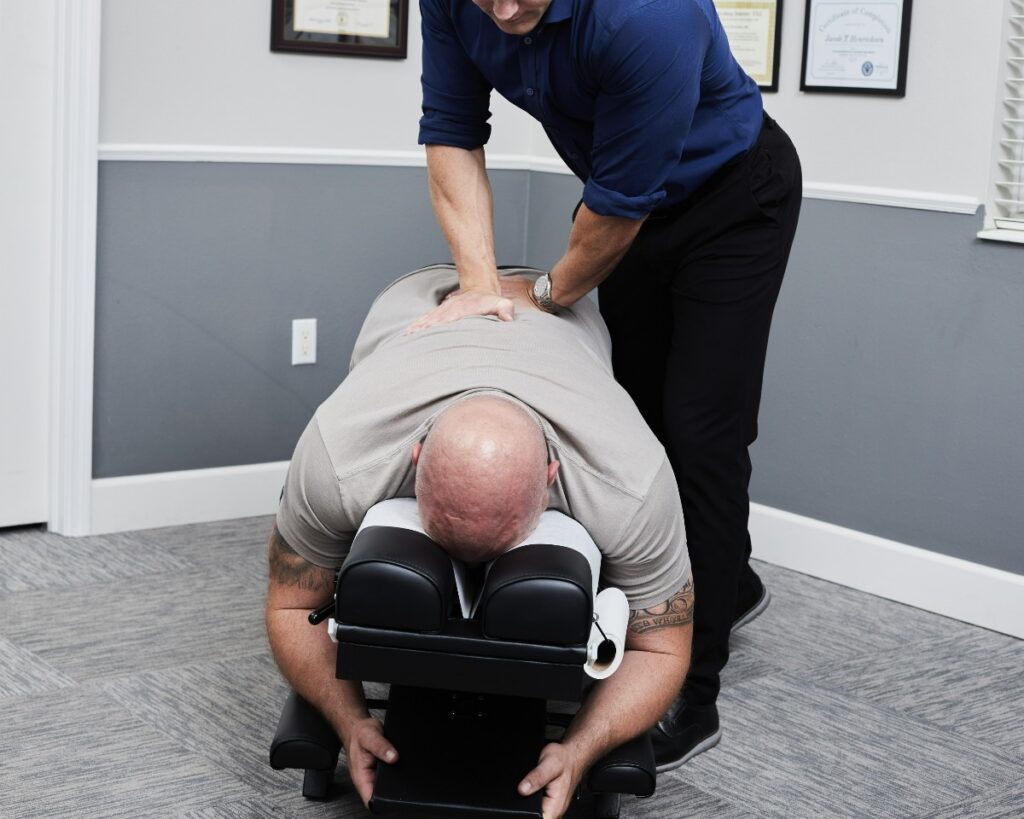
Many people find spinal manipulation to be a powerful tool in promoting overall wellness. This technique involves applying controlled force to specific joints in your spine, helping to restore proper alignment and mobility. When you undergo spinal manipulation, you may experience immediate relief from tension and pain, which can enhance your overall comfort.
One of the primary benefits of spinal manipulation is its ability to reduce pain. Whether you're dealing with chronic back pain, headaches, or joint discomfort, this technique can greatly alleviate your symptoms. As your chiropractor works to realign your spine, you might notice improved nerve function, leading to better communication between your brain and body.
Spinal manipulation also promotes relaxation. By releasing tension in your muscles and joints, you may find it easier to unwind and reduce stress levels.
Additionally, regular chiropractic adjustments can improve your posture, which contributes to a healthier spine and prevents future discomfort.
Soft Tissue Techniques
Soft tissue techniques are an integral part of chiropractic care that complement spinal manipulation. These methods target the muscles, ligaments, and tendons surrounding your spine, helping to relieve tension and improve overall mobility. When you receive these treatments, you'll often notice immediate relief from tightness and discomfort.
Common soft tissue techniques include massage, myofascial release, and trigger point therapy. Each technique aims to relax specific muscle groups, enhancing blood circulation and promoting healing. For instance, during a massage, your chiropractor may apply varying degrees of pressure to release knots and alleviate soreness.
Incorporating soft tissue techniques into your chiropractic sessions can greatly enhance your relaxation experience. You might find that these methods not only reduce pain but also improve your posture and overall function.
Plus, they can be a great way to prepare your body for spinal adjustments, ensuring that your treatments are more effective.
If you're looking to unwind and enhance your wellness journey, don't hesitate to discuss soft tissue techniques with your chiropractor. They'll tailor the approach to your specific needs, helping you achieve ideal relaxation and health.
Breathing Exercises for Relaxation
Breathing exercises can be a powerful tool for relaxation, helping you connect your mind and body.
Techniques like diaphragmatic breathing, progressive muscle relaxation, and mindful breathing practices can greatly reduce stress.
Let's explore how these methods can enhance your overall well-being.
Diaphragmatic Breathing Techniques
When stress takes over, diaphragmatic breathing techniques can be your best ally for relaxation. This method focuses on using your diaphragm rather than your chest to breathe, promoting deeper, more efficient breaths.
To practice, find a comfortable position—sitting or lying down. Place one hand on your chest and the other on your abdomen. As you inhale deeply through your nose, allow your stomach to rise while keeping your chest relatively still. Aim for a slow inhale that lasts about four seconds, filling your lungs completely.
Once you reach the peak of your breath, pause for a moment, then exhale slowly through your mouth, allowing your abdomen to fall. This exhale should last about six seconds.
Repeat this process for five to ten minutes, focusing on the rise and fall of your abdomen. You'll notice that your heart rate slows, and a sense of calm washes over you.
Incorporating diaphragmatic breathing into your daily routine can greatly reduce stress and anxiety levels. Whenever you feel overwhelmed, remember that you have this simple yet powerful technique at your disposal to help restore your sense of peace.
Progressive Muscle Relaxation
Practicing Progressive Muscle Relaxation (PMR) can greatly enhance your ability to unwind and relieve tension. This technique involves systematically tensing and then relaxing different muscle groups, allowing you to become more aware of physical sensations and stress levels.
Start by finding a comfortable position, either sitting or lying down, in a quiet space.
Begin with your toes; tense them for about five seconds, then release and notice the relaxation that follows. Gradually move up your body—next, your calves, thighs, and so on, until you reach your head. As you progress, focus on how each muscle feels when it's tense compared to when it's relaxed.
Incorporating deep breathing can enhance the effectiveness of PMR. Inhale deeply while tensing your muscles, then exhale as you release the tension. This connection between breath and muscle relaxation creates a harmonious flow that can considerably reduce stress.
Mindful Breathing Practices
How often do you take a moment to focus solely on your breath? Mindful breathing practices can be a powerful tool for relaxation. When you concentrate on your breath, you anchor your mind in the present moment, reducing stress and anxiety.
Start by finding a comfortable position, whether sitting or lying down. Close your eyes and take a deep breath in through your nose, allowing your abdomen to expand fully. Hold that breath for a moment, then exhale slowly through your mouth, feeling your body relax with each breath out.
Try to establish a rhythm. Inhale deeply for a count of four, hold for four, and exhale for six. Repeat this cycle for several minutes. As thoughts arise, acknowledge them without judgment and gently bring your focus back to your breath. This practice not only calms your mind but also enhances your body's overall well-being.
Incorporating mindful breathing into your daily routine can complement chiropractic care, promoting relaxation and healing. Whether you spend five minutes or half an hour, prioritizing your breath can transform your stress levels and help you reconnect with your body.
Stretching and Flexibility Practices
Incorporating regular stretching and flexibility practices into your routine can greatly enhance your overall well-being. Stretching helps improve your range of motion, reduce muscle tension, and prevent injury. Plus, it promotes relaxation, making it a natural complement to chiropractic care.
Start by identifying areas in your body that feel tight. Focus on these areas during your stretching sessions. Simple stretches, like neck rolls, shoulder shrugs, and hamstring stretches, can be done anywhere and take just a few minutes. For instance, while sitting at your desk, you can gently tilt your head from side to side to relieve tension in your neck.
Consider incorporating dynamic stretches, which involve movement, into your routine. These can warm up your muscles and prepare your body for activity. Examples include arm circles or leg swings.
After your workouts, static stretches—holding a position for 15-30 seconds—can help lengthen muscles and improve flexibility.
Don't forget about your breath. Coordinating your breathing with your stretches enhances their effectiveness. Inhale deeply as you stretch, and exhale as you release the position. This connection between breath and movement encourages relaxation and mindfulness.
Regularly practicing stretching not only supports your chiropractic care but also contributes to a more balanced, flexible body. As you make stretching a habit, you'll likely notice a decrease in stress and an increase in your overall comfort and mobility.
Mindfulness and Meditation Tips
To enhance your relaxation, incorporating mindfulness and meditation can be incredibly beneficial.
By practicing breathing techniques, you can find calmness in your daily routine, while guided meditations can help center your thoughts.
Let's explore how these practices can complement your chiropractic care.
Breathing Techniques for Calm
While you might be juggling a busy schedule, taking a moment to focus on your breathing can greatly enhance your sense of calm and mindfulness.
Deep breathing techniques are simple yet effective tools you can use anytime, anywhere. Start by finding a comfortable position, whether you're sitting or standing. Close your eyes if it feels right, and take a deep breath in through your nose, allowing your abdomen to expand fully.
Hold that breath for a moment, then slowly exhale through your mouth, releasing any tension. Repeat this process for a few minutes, focusing solely on the rhythm of your breath. You'll find that each inhale invites calm, while each exhale allows stress to dissipate.
You can also try the 4-7-8 technique. Inhale for a count of four, hold your breath for seven counts, and exhale for eight. This method not only calms your mind but also helps regulate your body's stress response.
Incorporating these breathing techniques into your daily routine can help you cultivate a peaceful mindset, making it easier to navigate life's challenges with grace and ease.
Guided Meditation Practices
When you set aside just a few minutes each day for guided meditation, you open the door to greater mindfulness and relaxation. This practice can enhance your overall well-being, especially when combined with chiropractic care.
Start by finding a comfortable and quiet space where you won't be disturbed. You can use apps, online videos, or audio recordings to guide you through your sessions.
Focus on your breath as you listen to the instructions. Allow your mind to settle, and try not to judge any wandering thoughts. Instead, gently bring your attention back to your breath and the guide's voice. This process helps you cultivate awareness and reduces stress.
You might find it useful to set a specific intention for each session, whether it's to release tension, gain clarity, or simply be present.
Experiment with different styles, like body scans or loving-kindness meditation, to discover what resonates with you. Consistency is key, so aim to practice daily, even if it's just for a few minutes.
Over time, you'll likely notice a deeper sense of calm and connection between your mind and body, enhancing the benefits of your chiropractic care.
Posture Improvement Strategies
Improving your posture can greatly enhance your overall well-being, especially when combined with chiropractic care. Good posture not only reduces pain but also boosts your energy levels and improves your mood.
To start, be mindful of your sitting position. When you sit, keep your feet flat on the floor and your back straight. Your shoulders should be relaxed and not hunched forward. If you work at a desk, consider using an ergonomic chair that supports your lower back.
Next, take regular breaks to stretch and move around. Set a timer to remind yourself to stand up every hour. Simple stretches can relieve tension and reset your posture. Focus on exercises that strengthen your core, as a strong core supports your spine and promotes better alignment. Planks and bridges are great options to incorporate into your routine.
Another strategy is to pay attention to your standing posture. Distribute your weight evenly on both feet and avoid locking your knees. Engage your core and keep your shoulders back. You might find it helpful to practice standing against a wall; this gives you a visual reference for alignment.
Finally, consider incorporating yoga or Pilates into your weekly activities. These practices emphasize body awareness and can greatly improve your posture over time.
Incorporating Massage Therapy
Massage therapy can be a powerful addition to your relaxation routine alongside chiropractic care. When you combine these two practices, you enhance your overall wellness and promote deeper relaxation.
Massage therapy helps to release muscle tension, improve circulation, and increase flexibility, making it a perfect complement to your chiropractic adjustments.
Incorporating massage into your self-care routine can make a significant difference in how you manage stress. You might find that regular massages alleviate pain, reduce anxiety, and help you feel more centered.
By targeting specific muscle groups, a skilled massage therapist can address areas of discomfort that mightn't be fully resolved through chiropractic adjustments alone.
To get started, consider scheduling massage sessions after your chiropractic appointments. This allows your body to fully integrate the adjustments while also benefiting from the soothing effects of massage.
You can choose from various types of massage, such as Swedish, deep tissue, or even hot stone, depending on what feels best for you.
Don't hesitate to communicate your needs with your massage therapist. Let them know about any specific areas of tension or discomfort, so they can tailor the session to suit you.
By making massage therapy a regular part of your wellness routine, you'll experience greater relaxation and a more balanced body.
Together, chiropractic care and massage therapy can create a synergistic effect, allowing you to effectively manage stress and promote long-term health.
Lifestyle Changes for Stress Relief
Many people find that making simple lifestyle changes can profoundly reduce stress levels and enhance overall well-being. One effective way to start is by establishing a daily routine. Consistent sleep patterns can help regulate your mood and energy levels, so aim for 7-9 hours of quality sleep each night. Create a calming bedtime ritual to signal your body that it's time to wind down.
Incorporating regular physical activity is another game-changer. Whether it's a brisk walk, yoga, or dancing, exercise releases endorphins that boost your mood and alleviate stress. Find activities you genuinely enjoy; it'll be easier to stick with them.
Mindfulness practices, like meditation or deep-breathing exercises, can also be invaluable. Taking just a few minutes each day to focus on your breath can help center your thoughts and reduce anxiety. You might even consider journaling your thoughts and feelings. Writing can offer an outlet for stress and provide clarity on what's bothering you.
Additionally, consider simplifying your commitments. If you're overextended, it's time to say no to new obligations. Prioritizing your time and energy can lead to a more balanced life.
Lastly, don't underestimate the power of social connections. Spend time with loved ones, share your experiences, and seek support when needed. Building strong relationships can profoundly enhance your resilience against stress.
Nutrition and Relaxation Connection
A well-balanced diet plays an essential role in promoting relaxation and reducing stress. When you nourish your body with the right nutrients, you enhance your mood and energy levels, making it easier to unwind. Foods rich in omega-3 fatty acids, like salmon and walnuts, can help lower anxiety and improve brain function. Incorporating plenty of fruits and vegetables into your meals provides essential vitamins and minerals that support your overall well-being.
Hydration is another important aspect of nutrition that often gets overlooked. Drinking enough water throughout the day helps maintain energy levels and cognitive function. Dehydration can lead to fatigue and irritability, making it harder to relax. Aim for at least eight glasses of water daily and include hydrating foods like cucumbers and watermelon.
Don't forget about the benefits of whole grains. Foods like brown rice, quinoa, and oats provide complex carbohydrates that promote serotonin production, a neurotransmitter linked to feelings of happiness and relaxation. Reducing your intake of processed foods and refined sugars can also help stabilize your mood and energy.
Incorporating magnesium-rich foods, such as leafy greens, nuts, and seeds, can further enhance relaxation. Magnesium plays an essential role in calming the nervous system and reducing muscle tension.
Creating a Relaxation Routine
Building on the importance of nutrition for relaxation, creating a personalized relaxation routine can greatly enhance your ability to unwind. Start by identifying activities that bring you joy and calmness. These can range from simple breathing exercises to more structured practices like yoga or meditation. Choose a few that resonate with you and incorporate them into your daily schedule.
Consistency is key. Set aside a specific time each day dedicated to your relaxation routine. This could be early in the morning to set a peaceful tone for the day or in the evening to wind down. By creating a habit, you'll train your mind and body to recognize this time as a period for relaxation.
Consider your environment as well. Find a quiet space where you can practice your routine without distractions. Dim the lights, light a candle, or play soft music to create a soothing atmosphere. You might also want to use essential oils or aromatherapy to enhance your experience further.
Incorporate chiropractic care into your routine as well. Regular adjustments can help relieve tension and enhance your overall sense of well-being. Communicate with your chiropractor about your relaxation goals; they can offer tailored advice or techniques that align with your routine.
Ultimately, your relaxation routine should be a reflection of your preferences and lifestyle. Experiment with different activities until you find the right balance that helps you feel rejuvenated and at peace.
Conclusion
Incorporating chiropractic care into your relaxation routine can greatly enhance your well-being. By combining techniques like spinal adjustments, massage, and mindfulness practices, you'll create a holistic approach to stress relief. Remember to include breathing exercises, stretching, and healthy lifestyle choices to further promote relaxation. Making these changes can lead to improved physical health and mental tranquility. Embrace these natural methods, and you'll find yourself feeling more balanced and at ease in your daily life.