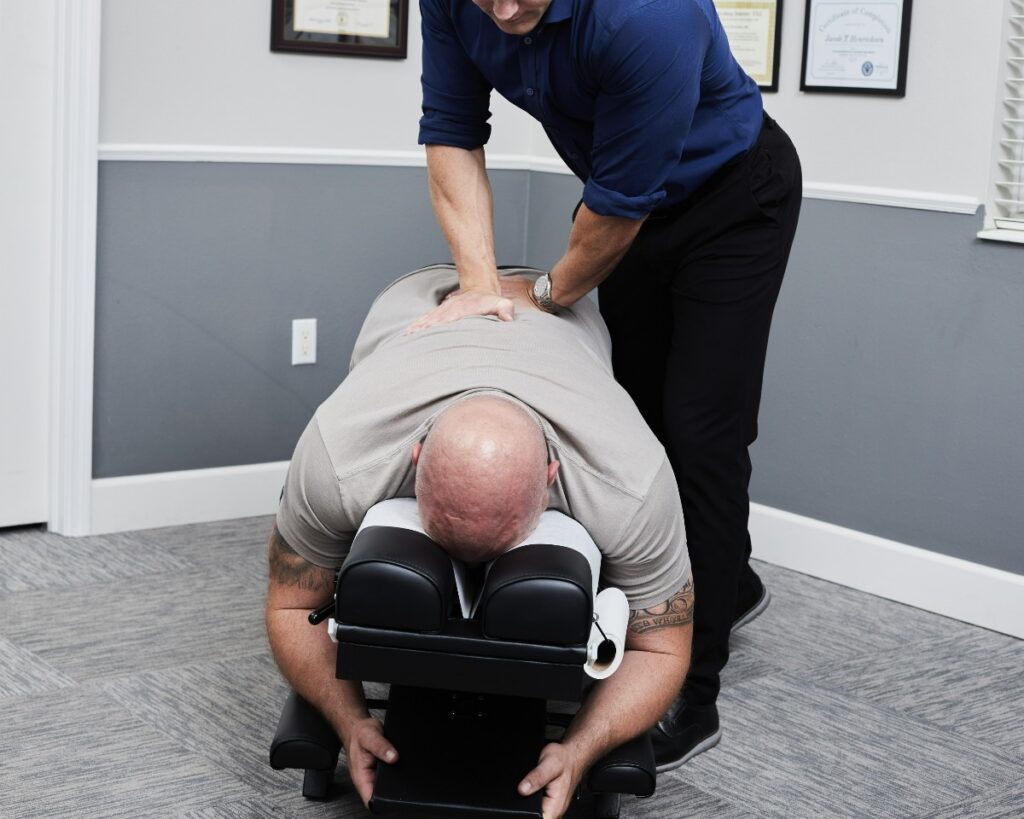
If you're struggling with chronic back pain, you might be surprised to learn that natural solutions can offer significant relief without relying on medication. By exploring dietary changes, gentle exercises, and mindfulness practices, you can address the underlying issues contributing to your discomfort. It's important to understand how these holistic approaches can work together to promote healing. But what specific adjustments can you make in your daily routine to start feeling better?
Understanding Chronic Back Pain
Chronic back pain is a common struggle that can greatly impact your daily life and overall well-being. It often persists for months or even years, making simple tasks feel intimidating. Understanding the nature of chronic back pain is vital in managing it effectively. You might experience pain that ranges from a dull ache to sharp, intense discomfort. Factors like poor posture, muscle strain, or previous injuries can contribute to this condition.
You might also notice that your pain can be triggered or worsened by specific activities, such as lifting heavy objects or sitting for prolonged periods. Additionally, stress and anxiety can heighten your perception of pain, creating a vicious cycle that's hard to break. Identifying these triggers is essential for developing an effective management plan.
Moreover, chronic back pain isn't just a physical issue; it can take a toll on your mental health too. You may find yourself feeling frustrated, irritable, or even depressed due to the limitations imposed by your pain. It's important to acknowledge these feelings and seek support when needed.
To address chronic back pain, you'll want to reflect on various factors that may be contributing to your discomfort. This includes lifestyle elements like diet, exercise, and sleep habits.
Benefits of Natural Remedies
When it comes to easing back pain, many people find that natural remedies offer a safe and effective alternative to traditional medications. These remedies not only help alleviate discomfort but also promote overall well-being. By choosing natural methods, you can avoid the side effects and dependency issues often associated with pharmaceuticals.
One of the most significant benefits of natural remedies is their holistic approach. They focus on treating the root cause of your pain rather than just masking the symptoms. This can lead to long-term relief and improved quality of life.
Here are some specific advantages you can experience:
- Fewer Side Effects: Natural remedies typically have minimal side effects, making them a safer choice for many individuals.
- Personalized Treatment: You can tailor natural remedies to your specific needs, experimenting with different herbs, supplements, or techniques to find what works best for you.
- Cost-Effective: Many natural remedies are inexpensive or even free, allowing you to manage your pain without breaking the bank.
- Promotes Overall Wellness: By using natural methods, you often improve not just your back pain but also your overall health, enhancing your physical and mental well-being.
Incorporating natural remedies into your routine can empower you to take control of your back pain journey. With the right approach, you can enjoy a more comfortable and fulfilling life, free from the constraints of chronic pain.
Gentle Exercise and Stretching
Gentle exercise and stretching can greatly ease your back pain and improve your overall mobility.
By incorporating simple movements into your daily routine, you'll not only strengthen your muscles but also increase flexibility.
Let's explore effective stretching techniques that can be easily integrated into your life for lasting relief.
Benefits of Gentle Movement
Movement is essential for maintaining a healthy back, and incorporating gentle exercise and stretching into your routine can provide significant relief from pain. Gentle movement helps improve flexibility, strengthen your muscles, and promote better posture, all of which are vital for alleviating discomfort.
Here are some key benefits of gentle movement:
- Increased blood flow: Gentle activities stimulate circulation, delivering oxygen and nutrients to your muscles.
- Reduced stiffness: Regular movement helps keep your joints limber and reduces the tightness in your back.
- Enhanced muscle strength: Strengthening your core and back muscles provides better support for your spine, helping to prevent future pain.
- Stress relief: Gentle movement can lower stress levels, which often contribute to muscle tension and pain.
Incorporating gentle exercises like walking, swimming, or yoga into your daily routine can make a significant difference in your back pain management.
Remember, the goal isn't to push yourself to extremes but to engage in movements that feel good and promote healing.
Effective Stretching Techniques
Incorporating effective stretching techniques into your routine can further enhance the benefits of gentle movement. Stretching helps improve flexibility, reduces muscle tension, and promotes blood flow, all of which are essential for alleviating chronic back pain.
Start with simple stretches, such as the cat-cow stretch. Get on all fours, arch your back upward, then lower it while lifting your head. Repeat this for a few cycles to loosen your spine.
The child's pose is another excellent option; it stretches the lower back while providing a gentle release. Simply kneel, sit back on your heels, and stretch your arms forward on the floor.
Incorporate standing stretches too, like the forward bend. Stand with your feet hip-width apart, hinge at your hips, and allow your upper body to hang down. This helps elongate your spine and ease tension.
Remember to breathe deeply during each stretch, allowing your body to relax into the movements. Aim to stretch daily, holding each position for 15-30 seconds.
This consistent practice will help maintain flexibility and reduce back pain over time, ultimately leading to a more comfortable lifestyle.
Incorporating Daily Routines
Establishing a daily routine that blends gentle exercise and stretching can greatly enhance your back health. By incorporating these activities into your day, you can improve flexibility, strengthen muscles, and reduce pain.
Here are some easy ways to integrate gentle exercise and stretching into your routine:
- Morning Stretch: Start your day with simple stretches like the cat-cow or child's pose to wake up your spine.
- Midday Walks: Take short, brisk walks during breaks to keep your body active and alleviate stiffness.
- Evening Yoga: Consider a gentle yoga session before bed to relax your muscles and promote better sleep.
- Consistent Routine: Set a specific time each day for these activities to create a habit that supports your back health.
Importance of Proper Posture
Proper posture plays an essential role in preventing and alleviating back pain.
By understanding the benefits of good posture and implementing effective correction techniques, you can greatly improve your spinal health.
Additionally, setting up an ergonomic workspace helps maintain your posture throughout the day, making a noticeable difference in your comfort levels.
Benefits of Good Posture
Good posture plays an essential role in your overall health and well-being. When you maintain proper alignment, you not only reduce the risk of chronic pain but also enhance your body's functionality.
Here are some key benefits of good posture that you should consider:
- Reduced Back Pain: Proper alignment minimizes strain on your spine and muscles, leading to less discomfort.
- Improved Breathing: Good posture opens up your chest and allows for deeper, more efficient breathing, which can boost your energy levels.
- Enhanced Mood and Confidence: Standing tall can positively affect your mood and make you feel more self-assured, thanks to the psychological effects of body language.
- Better Digestion: Maintaining an upright position can aid in digestion, as it allows your organs to function effectively without unnecessary pressure.
Focusing on your posture also helps prevent future injuries and promotes better circulation throughout your body.
By being mindful of how you hold yourself, you can create lasting changes that contribute to your overall health.
Posture Correction Techniques
Many people underestimate the impact of posture correction techniques on their daily lives. Poor posture can lead to chronic back pain, fatigue, and decreased productivity. By focusing on correcting your posture, you can greatly improve your overall well-being.
Start by being aware of your body alignment throughout the day. When sitting, keep your feet flat on the floor, your back straight, and your shoulders relaxed. If you work at a desk, consider using reminders like sticky notes to check your posture regularly.
Incorporate exercises that strengthen your core and back muscles, such as planks and bridges. These exercises help support your spine and promote better posture. Stretching is vital too; regular stretches can relieve tension and improve flexibility.
When standing, distribute your weight evenly between both feet, and engage your core to support your spine. You can also practice posture exercises, like wall angels or chin tucks, to reinforce proper alignment.
Ergonomic Workspace Setup
Creating an ergonomic workspace is essential for maintaining proper posture and preventing back pain. When you set up your workspace thoughtfully, you can greatly reduce strain on your back and neck.
Here are some key elements to reflect on:
- Chair Height: Adjust your chair so your feet rest flat on the ground, and your knees are at hip level.
- Desk Position: Your desk should be at a height where your elbows are at a 90-degree angle when typing.
- Monitor Level: The top of your monitor should be at or just below eye level to avoid straining your neck.
- Keyboard and Mouse: Keep them close enough to prevent reaching, which can lead to poor posture.
Dietary Changes for Relief
Dietary changes can often play an essential role in alleviating back pain. What you eat directly affects inflammation levels in your body, which can contribute to pain. Incorporating anti-inflammatory foods into your diet can make a significant difference.
Focus on fruits and vegetables, particularly berries, leafy greens, and cruciferous veggies like broccoli and cauliflower. These foods contain antioxidants and phytochemicals that help reduce inflammation.
Omega-3 fatty acids are another important component. You can find these in fatty fish like salmon, walnuts, and flaxseeds. They help lower inflammation and can provide some relief from discomfort.
Additionally, consider cutting back on processed foods and sugars, which can increase inflammation and worsen your pain.
Hydration is key as well. Drinking plenty of water helps maintain the elasticity of your spinal discs and can prevent stiffness. Aim for at least eight glasses a day, adjusting based on your activity level and climate.
Don't forget about protein, too. Lean sources like chicken, turkey, and legumes help repair tissues and maintain muscle mass, both of which are essential for back health.
Finally, you might want to explore the benefits of whole grains over refined grains. Whole grains offer more nutrients and fiber, which can help you maintain a healthy weight, reducing strain on your back.
Herbal Supplements and Remedies
Alongside dietary changes, herbal supplements and remedies can also provide effective relief for back pain. Many people find that incorporating these natural options into their routine helps alleviate discomfort.
Here are some popular herbs and supplements you might consider:
- Turmeric: This powerful anti-inflammatory can help reduce swelling and pain in your back. Curcumin, its active compound, is known for its analgesic properties.
- Ginger: Similar to turmeric, ginger has anti-inflammatory effects that may help soothe pain. You can consume it as a tea or take it in supplement form.
- Willow Bark: Often referred to as "nature's aspirin," willow bark contains salicin, which can help relieve pain and reduce inflammation.
- Devil's Claw: This herb has been used for centuries to treat pain and inflammation. Research suggests it may be effective in managing back pain specifically.
Before trying any herbal supplements, it's essential to consult with a healthcare professional, especially if you're on other medications. They can guide you on dosages and possible interactions.
Remember, while herbal remedies can be beneficial, they're most effective when combined with other treatments and a healthy lifestyle. By incorporating these natural options, you may find a holistic approach to managing your back pain, making daily activities more enjoyable.
Keep exploring what works best for you, and take charge of your health journey!
Mindfulness and Stress Management
To effectively manage back pain, incorporating mindfulness and stress management techniques can be incredibly beneficial. Stress often exacerbates physical discomfort, and by learning to control your stress levels, you may find relief from your back pain.
Mindfulness practices, such as meditation and deep breathing, help you become more aware of your body and its signals. When you focus on the present moment, you can reduce anxiety and tension that contribute to pain.
Start by setting aside a few minutes each day for mindfulness meditation. Find a quiet space, sit comfortably, and focus on your breath. Notice how your body feels, paying special attention to any areas of tension. As you breathe in and out, visualize the stress melting away. This practice can help you cultivate a sense of calm and relaxation, which may directly influence your experience of pain.
In addition to meditation, consider incorporating gentle yoga or stretching into your routine. These activities promote mindfulness while helping to improve flexibility and strength. They can also reduce muscle tension, which often contributes to back pain.
Lastly, don't underestimate the power of gratitude and positive thinking. Keeping a gratitude journal can shift your focus from pain to the positive aspects of your life, enhancing your overall mental well-being.
When to Seek Professional Help
Knowing when to seek professional help for back pain can be crucial for your long-term health.
It's easy to brush off discomfort as a minor issue, but ignoring persistent pain can lead to more serious complications. If you're experiencing back pain, pay attention to the signs that indicate it's time to consult a healthcare professional.
Here are some key indicators to look out for:
- Pain lasting longer than a few weeks: If your back pain persists beyond a few weeks, it's important to get it checked out.
- Severe pain: If the pain is intense and doesn't improve with rest or over-the-counter medication, don't hesitate to seek help.
- Numbness or tingling: Experiencing numbness, tingling, or weakness in your legs could indicate nerve involvement and warrants immediate attention.
- Loss of bladder or bowel control: This is a serious symptom that requires urgent medical evaluation.
Conclusion
Incorporating natural solutions into your routine can be a game-changer for managing chronic back pain. By focusing on gentle exercises, proper posture, anti-inflammatory foods, and mindfulness practices, you can empower yourself to find relief. Don't underestimate the power of herbal remedies like turmeric and ginger, either! Remember, if your pain persists or worsens, it's important to consult a healthcare professional. You deserve to live a life free from discomfort, so take charge of your health today!